Attractions and Places To See around Pietrapertosa - Top 20
Best attractions and places to see around Pietrapertosa include a blend of dramatic landscapes, historical sites, and natural features. The village is nestled high in the Lucanian Dolomites, with houses built directly into the cliffs. This unique location offers a combination of ancient architecture and rugged mountain scenery. The area provides opportunities to explore medieval towns, significant natural monuments, and scenic trails.
Best attractions and places to see around Pietrapertosa
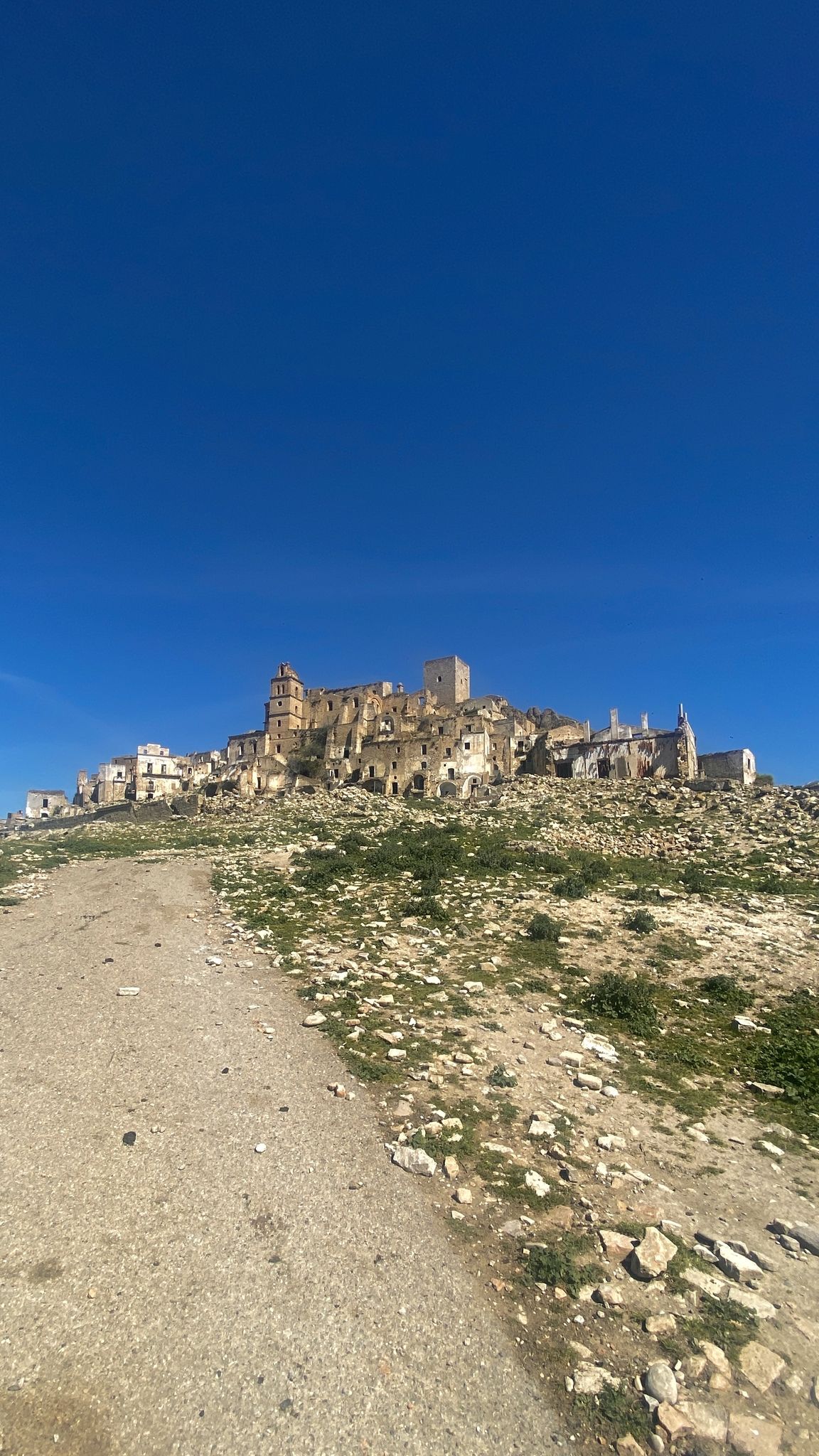
- The most popular attractions is Pietrapertosa, a settlement that is one of Italy's most beautiful villages, located in the Lucanian Dolomites. It is perched at the foot of imposing rocks with unique shapes.
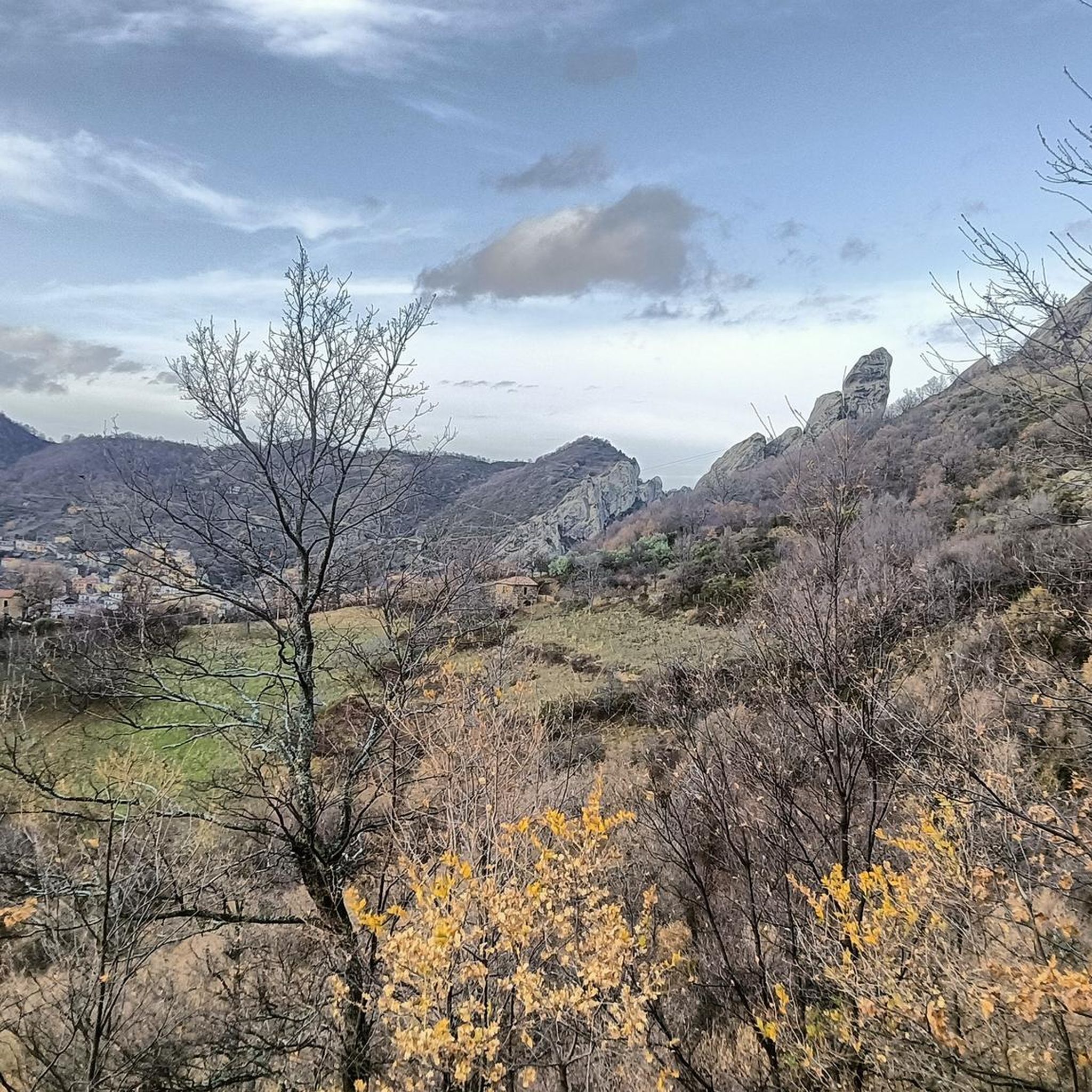
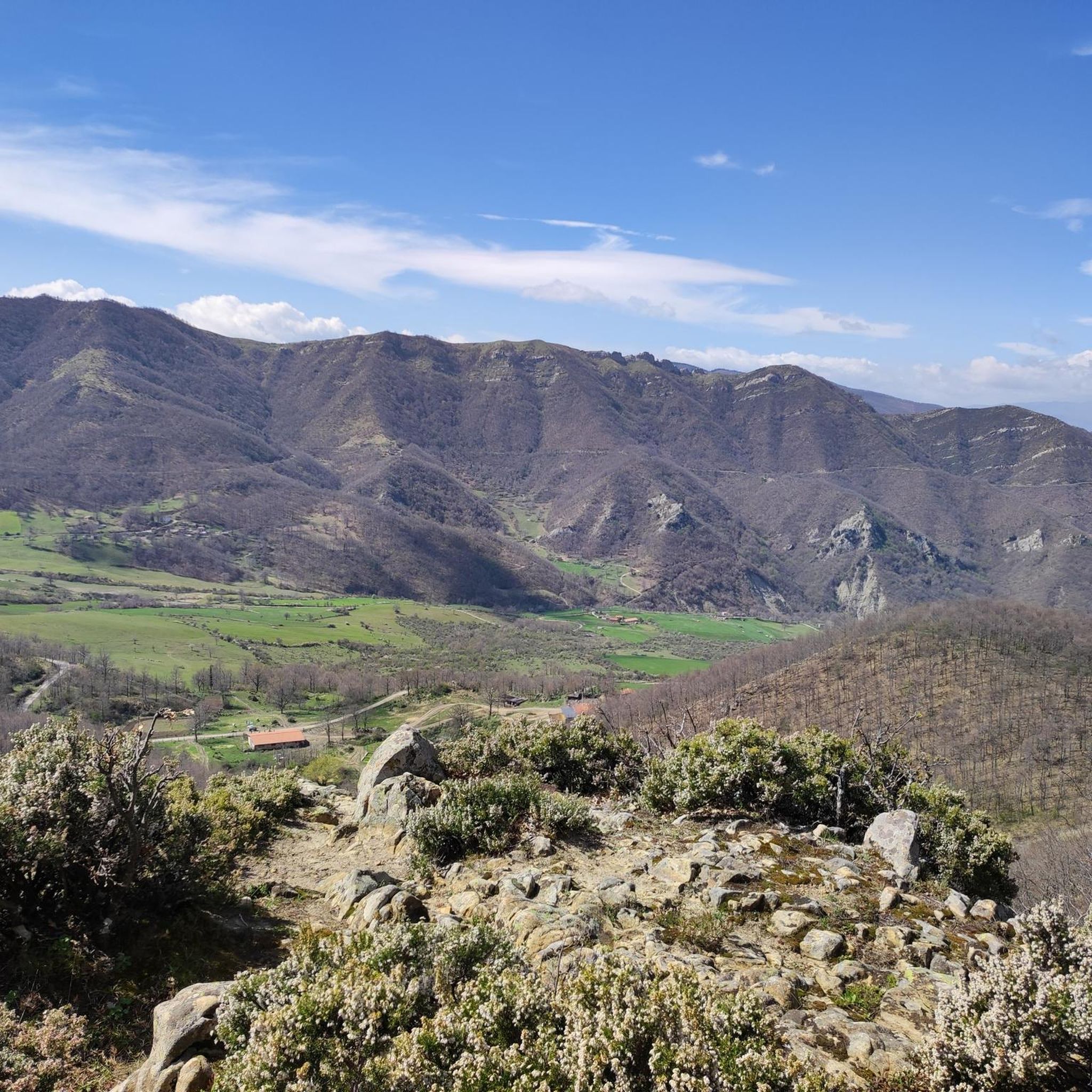
- Another must-see spot is Road Between Pietrapertosa and Campomaggiore, a trail offering views of the Lucanian Dolomites. This road connects Pietrapertosa and Campomaggiore, providing excellent views, especially towards Castelmezzano.
- Visitors also love Petre de la Mola, a natural monument. This limestone rock formation is believed to have been modified in the Bronze Age to serve as a "stone calendar."
- Pietrapertosa is known for its historical sites, natural monuments, and trails. The area offers a variety of attractions to explore, from ancient villages to unique rock formations and scenic routes.
- The attractions around Pietrapertosa are appreciated by the komoot community. There are 8 highlights with 27 photos and 21 upvotes.
Last updated: October 9, 2026
Castelmezzano
Highlight • Settlement
Translated by Google •
Tip by

Pietrapertosa
Highlight • Settlement
Translated by Google •
Tip by

Sign up now to discover places like this
Get recommendations on the best single tracks, peaks, & plenty of other exciting outdoor places.
Road Between Pietrapertosa and Campomaggiore
Highlight (Segment) • Trail
Translated by Google •
Tip by

Petre de la Mola
Highlight • Natural Monument
The complex of rocks is believed to have been modified by man in the Bronze Age to be used as a "stone calendar" and, more precisely, to indicate both noon and the sunset of the winter solstice.
Translated by Google •
Tip by

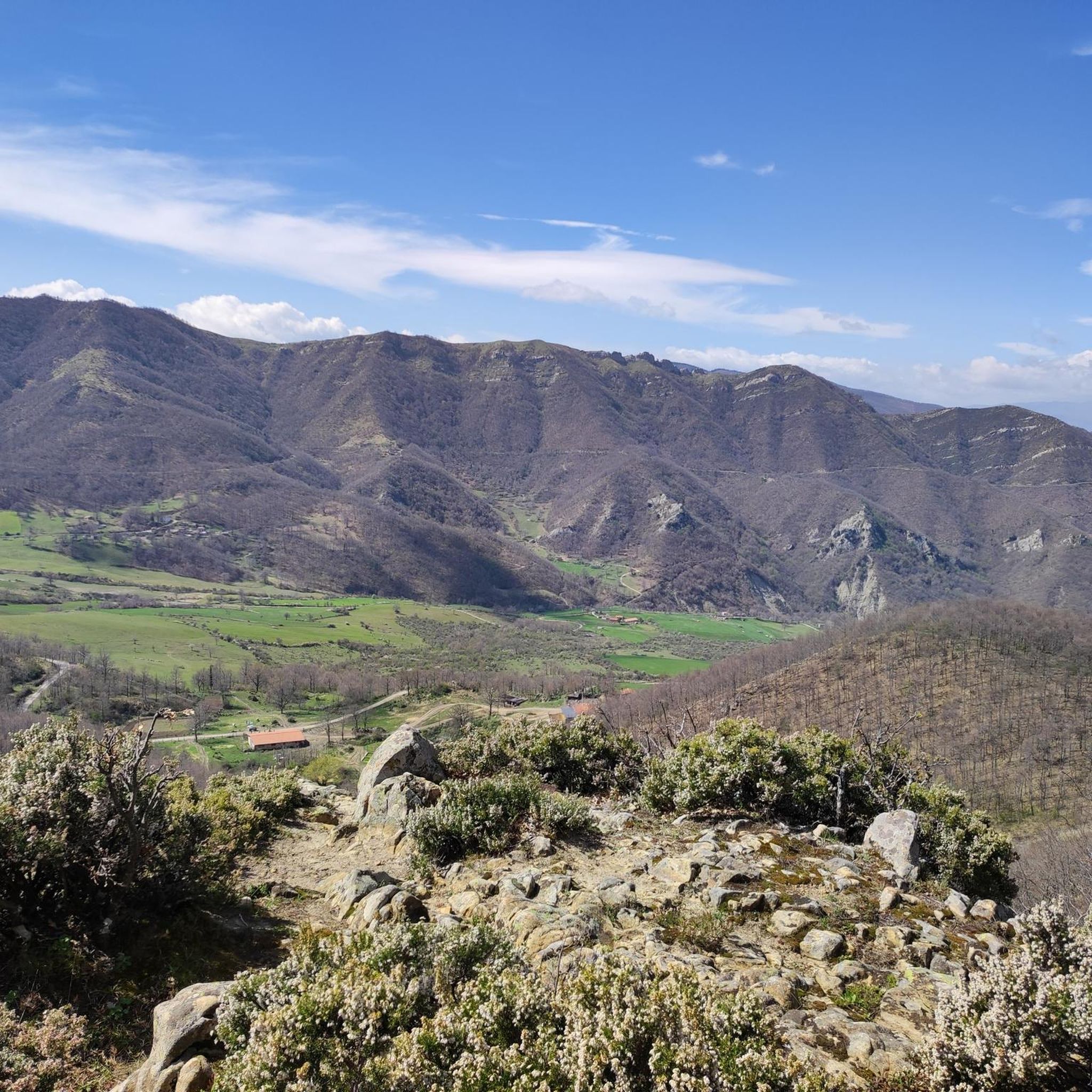
Viewpoint of Tomba 1 in Parco Regionale Gallipoli Cognato Piccole Dolomiti Lucane
Highlight • Viewpoint
Translated by Google •
Tip by

Sign up for free to discover even more attractions around Pietrapertosa.
Already have an account?
Start today with a free account
Your next adventure awaits.
Other adventures around Pietrapertosa

Tips from the Community

After the narrow alleys and steps through the old town, the climb to the rocks is worthwhile. Even in rainy weather, the rocks are easily accessible via iron stairs. In heavy rain, every small alley becomes a rushing stream.
3
0

Pietrapertosa, fabulous place, welcoming and very polite people! a magnificent place for those looking for relaxation
0
0

Steep stairs, narrow streets, some chapels and churches are waiting to be explored. There are beautiful views from the Piazza Emilio Caizzo of the village and the surrounding countryside.
2
0

A beautiful road with slopes not to be underestimated that connects Pietrapertosa and Campomaggiore. Guaranteed excellent views of the Lucanian Dolomites, especially towards Castelmezzano.
1
1

Castelmezzano is an enchanting village perched in the heart of the Little Lucanian Dolomites, in the province of Potenza. The historic center of the town, among houses carved into the rock, steep stairs and small alleys that offer unexpected views of the wonderful panoramas of the Lucanian Dolomites, have meant that Castelmezzano is counted among the most beautiful villages in Italy. Right above the town center there are particular and extremely characteristic sandstone rock formations which contribute to the spectacular nature of the landscape.
3
0

The Lucanian Dolomites. Spectacular village clinging to the rocks
3
0

Pietrapertosa is one of the most beautiful villages in Italy. It is located in the Lucanian Dolomites, perched at the foot of imposing rocks with very strange shapes. Not to be missed.
3
0

Pietrapertosa Pietrapertosa è un comune in provincia di Potenza situato in prossimità delle suggestive vette delle Dolomiti Lucane, fa parte del circuito dei Borghi più belli d’Italia. Pietrapertosa si mostra come un antico borgo che è riuscito a mantenere nel tempo la fisionomia medievale soprattutto nella parte più antica situata alle pendici del Castello che conserva, ancora oggi, l’antico nome saraceno di Arabat caratterizzato da strade strette e vicoli ciechi. Le case tipicamente unifamiliari disposte a file dall’alto verso il basso, si adattano all’andamento del terreno, e diventano parte integrante dell’ambiente circostante tanto che spesso la roccia assume la funzione di parete delle abitazioni.Pietrapertosa Pietrapertosa è un comune in provincia di Potenza situato in prossimità delle suggestive vette delle Dolomiti Lucane, fa parte del circuito dei Borghi più belli d’Italia. Pietrapertosa si mostra come un antico borgo che è riuscito a mantenere nel tempo la fisionomia medievale soprattutto nella parte più antica situata alle pendici del Castello che conserva, ancora oggi, l’antico nome saraceno di Arabat caratterizzato da strade strette e vicoli ciechi. Le case tipicamente unifamiliari disposte a file dall’alto verso il basso, si adattano all’andamento del terreno, e diventano parte integrante dell’ambiente circostante tanto che spesso la roccia assume la funzione di parete delle abitazioni. image Pietrapertosa (PZ) - Dolomiti Lucane Pietrapertosa (PZ) - Dolomiti Lucane Pietrapertosa (PZ) - Dolomiti Lucane Pietrapertosa (PZ) - Dolomiti Lucane Pietrapertosa (PZ) - Dolomiti Lucane Pietrapertosa (PZ) - Dolomiti Lucane Pietrapertosa (PZ) - Dolomiti Lucane Pietrapertosa (PZ) - Dolomiti Lucane Pietrapertosa (PZ) - Dolomiti Lucane image Visitando Pietrapertosa si ha la sensazione che tutto sia regolato in funzione della roccia, ad esempio le numerose scale, sono l’esemplificazione della simbiosi tra il paese, i suoi abitanti e la roccia, la manifestazione del vivere il proprio territorio che non può negare la presenza massiccia quasi prorompente della natura, ma deve renderla parte integrante della struttura urbanistica. Pietrapertosa prende il nome dall’antica Petraperciata, cioè forata per la presenza di una rupe forata da parte a parte, ed è il comune più alto della Basilicata, con i suoi 1088 m di altitudine, si sviluppa sulle rocce delle Dolomiti Lucane, ben protetta da eventuali incursioni dalla valle. Questo carattere di fortezza naturale e la possibilità di dominare la valle del Basento hanno contribuito a favorire la presenza dell’uomo sin dai tempi più remoti. Il turista che giunge a Pietrapertosa non può non salire sul Castello altrimenti si perderebbe uno spettacolo suggestivo e di eccezionale bellezza, difficile da descrivere. Lo sguardo può spaziare su monti, boschi, scintillio di torrenti e fiumi, colline, valli, che si alternano e sovrappongono tutto intorno; dalla vetta si vive l’ebbrezza di essere proiettato tra terra e cielo.Pietrapertosa Pietrapertosa è un comune in provincia di Potenza situato in prossimità delle suggestive vette delle Dolomiti Lucane, fa parte del circuito dei Borghi più belli d’Italia. Pietrapertosa si mostra come un antico borgo che è riuscito a mantenere nel tempo la fisionomia medievale soprattutto nella parte più antica situata alle pendici del Castello che conserva, ancora oggi, l’antico nome saraceno di Arabat caratterizzato da strade strette e vicoli ciechi. Le case tipicamente unifamiliari disposte a file dall’alto verso il basso, si adattano all’andamento del terreno, e diventano parte integrante dell’ambiente circostante tanto che spesso la roccia assume la funzione di parete delle abitazioni. image Pietrapertosa (PZ) - Dolomiti Lucane Pietrapertosa (PZ) - Dolomiti Lucane Pietrapertosa (PZ) - Dolomiti Lucane Pietrapertosa (PZ) - Dolomiti Lucane Pietrapertosa (PZ) - Dolomiti Lucane Pietrapertosa (PZ) - Dolomiti Lucane Pietrapertosa (PZ) - Dolomiti Lucane Pietrapertosa (PZ) - Dolomiti Lucane Pietrapertosa (PZ) - Dolomiti Lucane image Visitando Pietrapertosa si ha la sensazione che tutto sia regolato in funzione della roccia, ad esempio le numerose scale, sono l’esemplificazione della simbiosi tra il paese, i suoi abitanti e la roccia, la manifestazione del vivere il proprio territorio che non può negare la presenza massiccia quasi prorompente della natura, ma deve renderla parte integrante della struttura urbanistica. Pietrapertosa prende il nome dall’antica Petraperciata, cioè forata per la presenza di una rupe forata da parte a parte, ed è il comune più alto della Basilicata, con i suoi 1088 m di altitudine, si sviluppa sulle rocce delle Dolomiti Lucane, ben protetta da eventuali incursioni dalla valle. Questo carattere di fortezza naturale e la possibilità di dominare la valle del Basento hanno contribuito a favorire la presenza dell’uomo sin dai tempi più remoti. Il turista che giunge a Pietrapertosa non può non salire sul Castello altrimenti si perderebbe uno spettacolo suggestivo e di eccezionale bellezza, difficile da descrivere. Lo sguardo può spaziare su monti, boschi, scintillio di torrenti e fiumi, colline, valli, che si alternano e sovrappongono tutto intorno; dalla vetta si vive l’ebbrezza di essere proiettato tra terra e cielo. image Il Castello di Pietrapertosa Il Castello di Pietrapertosa Il Castello di Pietrapertosa Il Castello di Pietrapertosa Il Castello di Pietrapertosa Il Castello di Pietrapertosa Il Castello di Pietrapertosa Il Castello di Pietrapertosa Il Castello di Pietrapertosa Storia Le origini del paese sono incerte anche se le teorie più accreditate attestano una fortificazione, attorno al IV secolo a.C., da parte della tribù Utiana che occupava l’alta e media valle del Basento. Notizie più certe si hanno a partire dal X secolo quando il borgo fortificato fu occupato da una banda di Saraceni guidata dal capo Luca, un greco convertitosi all’Islam che compì numerose scorrerie nei centri limitrofi finchè fu scacciato dall’intervento del Catepano. Il castello fu ampliato successivamente dai Normanni per assicurare una migliore difesa del luogo contro eventuali incursori. La fortezza, a cui si accede da una scalinata situata a ridosso delle ultime case del paese, poggia direttamente sulla roccia e domina sull’abitato di Pietrapertosa.
0
1
Frequently Asked Questions
What natural features define the landscape around Pietrapertosa?
Pietrapertosa is spectacularly nestled high in the Lucanian Dolomites, offering dramatic landscapes and rugged scenery. The village itself is sculpted into jagged sandstone peaks, creating a breathtaking blend of nature and architecture. The surrounding Dolomidi Lucani Regional Park is rich in geological wonders, featuring characteristic spires and cliffs formed by millennia of erosion.
What historical sites can I explore within Pietrapertosa?
You can delve into the village's rich history by exploring its Medieval Old Town and Arabata District, a maze of narrow alleys and stone stairways where houses are built directly into the cliffs. The ruins of the Saracen/Norman-Swabian Castle dominate the skyline, offering panoramic views. Additionally, the 15th-century Church of San Giacomo Maggiore and the older Church of San Cataldo are significant historical and architectural sites.
What unique adventure activities are available in Pietrapertosa?
Pietrapertosa is famous for Il Volo dell'Angelo (Flight of the Angel), one of Europe's highest and longest zip lines. This exhilarating experience allows you to soar between Pietrapertosa and the neighboring village of Castelmezzano, suspended hundreds of meters above the valley. It's a major adventure destination in the area.
Are there any significant viewpoints in the area?
Yes, the ruins of the Saracen/Norman-Swabian Castle offer breathtaking panoramic views of the Basento Valley and the surrounding peaks. Another excellent spot is the Road Between Pietrapertosa and Campomaggiore, which provides guaranteed excellent views of the Lucanian Dolomites, especially towards Castelmezzano. There's also the Viewpoint of Tomba 1 in Parco Regionale Gallipoli Cognato Piccole Dolomiti Lucane, offering a spectacular show.
Are there family-friendly attractions or activities in Pietrapertosa?
While the Flight of the Angel is an adventure for older children and adults, families can enjoy exploring the unique architecture of the Pietrapertosa village itself, with its houses built into the rock. Gentle walks through the medieval old town and enjoying local gastronomy are also pleasant family activities. The surrounding regional park offers various hiking paths, some of which might be suitable for families depending on difficulty.
What hiking opportunities are there around Pietrapertosa?
Nature lovers can explore numerous hiking paths around Pietrapertosa, offering routes through diverse landscapes within the Dolomidi Lucani Regional Park. A notable option is the Path of the Seven Stones (Percorso delle Sette Pietre), a 2km walk connecting Pietrapertosa to Castelmezzano, offering beautiful views despite some steep sections. For more detailed routes, you can explore the various options in the hiking guides for Pietrapertosa.
Can I find cycling routes near Pietrapertosa?
Yes, the area around Pietrapertosa offers several cycling opportunities. You can find various routes for touring bikes and road bikes. For example, there are challenging loop tours like 'From Campomaggiore to Pietrapertosa and Castelmezzano' or 'Borghi della Lucania'. You can explore more options in the Cycling around Pietrapertosa guide or the Road Cycling Routes around Pietrapertosa guide.
What is the 'Petre de la Mola'?
The Petre de la Mola is a fascinating natural limestone rock formation located within the Gallipoli Cognato Piccole Dolomiti Lucane Regional Park. It is believed to have been modified by humans in the Bronze Age to serve as a 'stone calendar,' indicating noon and the sunset of the winter solstice.
What do visitors typically enjoy most about Pietrapertosa?
Visitors frequently praise Pietrapertosa for being one of Italy's most beautiful villages, highlighting its spectacular setting clinging to the rocks and the unique shapes of the Lucanian Dolomites. The welcoming and polite local people, the relaxing atmosphere, and the unforgettable experience of the Flight of the Angel are also commonly mentioned as highlights.
Are there options for mountain biking around Pietrapertosa?
Absolutely. The region provides several mountain biking trails, particularly within the Parco Regionale Gallipoli Cognato Piccole Dolomiti Lucane. You can find routes ranging from moderate to difficult, such as 'Pietrapertosa e il Parco delle Piccole Dolomiti Lucane – giro ad anello'. For a comprehensive list of trails, refer to the MTB Trails around Pietrapertosa guide.
What is the best time of year to visit Pietrapertosa?
Pietrapertosa offers different experiences throughout the year. Spring and autumn generally provide pleasant temperatures for hiking and exploring the villages without the intense summer heat. These seasons also showcase the natural beauty of the Lucanian Dolomites with vibrant foliage or blooming wildflowers. Summer is ideal for adventure activities like the Flight of the Angel, though it can be busier. Winter offers a quieter, often snow-dusted, dramatic landscape.
Are there other notable man-made structures or bridges to see?
Yes, connecting the two starting points of the Salemm and Marcirosa via ferrata, you can find the Nepalese Bridge of Castelmezzano. This rope bridge, 72 meters long and reaching heights of 35 to 650 meters above sea level, offers a unique and thrilling experience in a postcard-perfect setting.
Most popular attractions around Pietrapertosa

Get inspired with the komoot mobile app


Explore more
Still not found the Highlight you’re looking for? See guides of the top attractions in other regions:
