Attractions and Places To See around Corleto Perticara - Top 20
Best attractions and places to see around Corleto Perticara include a blend of historical landmarks, cultural sites, and natural features within the Val d'Agri in Basilicata, Italy. Situated at an altitude of 757 meters, the village is part of the Lucanian Apennine Park. The area is characterized by lush forests, numerous water sources, and striking clayey badlands towards the southeast. Visitors can explore ancient structures and enjoy the diverse natural landscape.
Best attractions and places to see around Corleto Perticara
…Last updated: May 27, 2026
Castelmezzano
Highlight • Settlement
Translated by Google •
Tip by

Sanctuary of the Black Madonna of Viggiano
Highlight • Religious Site
Translated by Google •
Tip by

Sign up now to discover places like this
Get recommendations on the best single tracks, peaks, & plenty of other exciting outdoor places.
Sign up for free
Pietrapertosa
Highlight • Settlement
Translated by Google •
Tip by

Road Between Pietrapertosa and Campomaggiore
Highlight (Segment) • Trail
Translated by Google •
Tip by

Grumentum Archaeological Park
Highlight • Historical Site
Translated by Google •
Tip by
Sign up for free to discover even more attractions around Corleto Perticara.
Sign up for free
Already have an account?
Start today with a free account
Your next adventure awaits.
Login or Signup
Tips from the Community

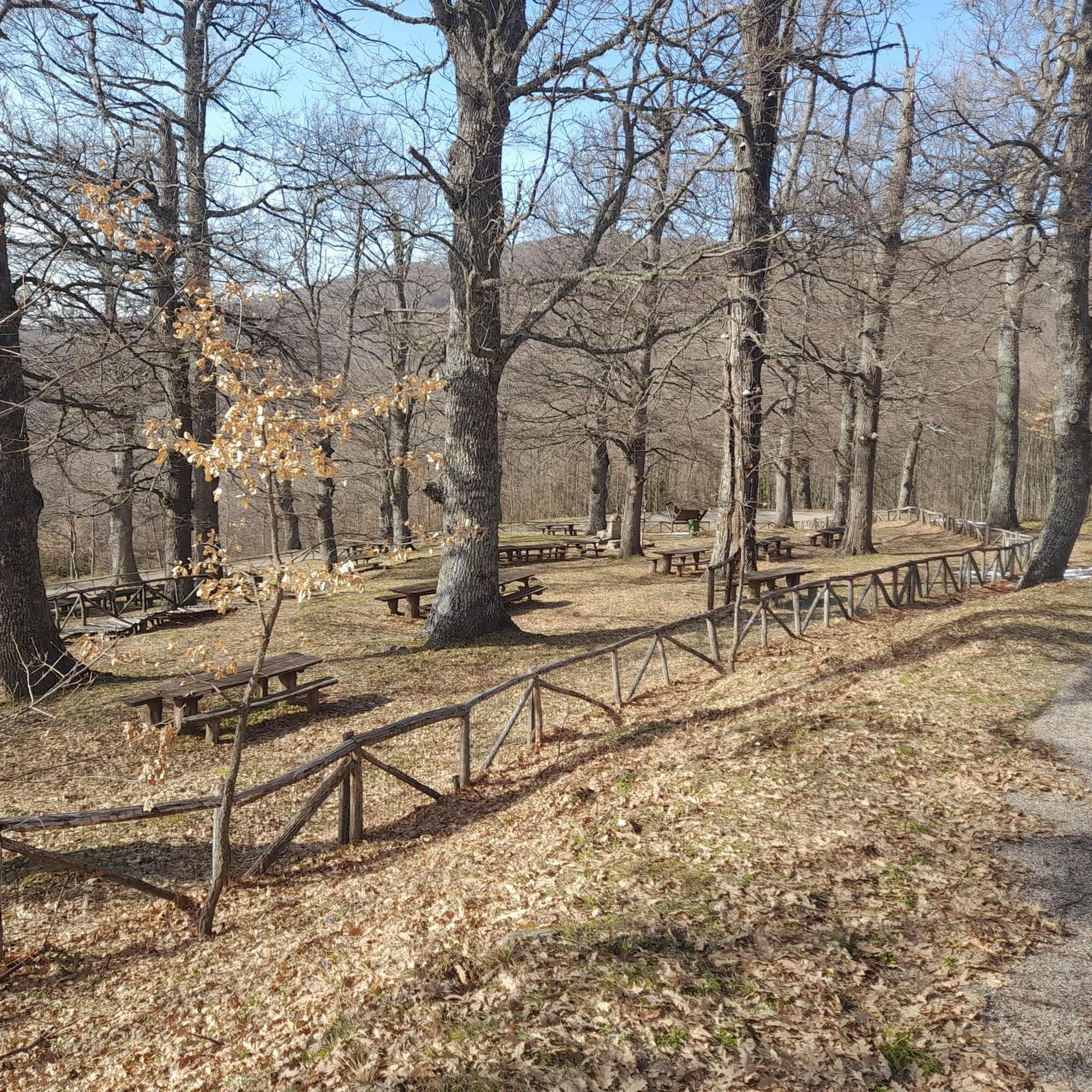
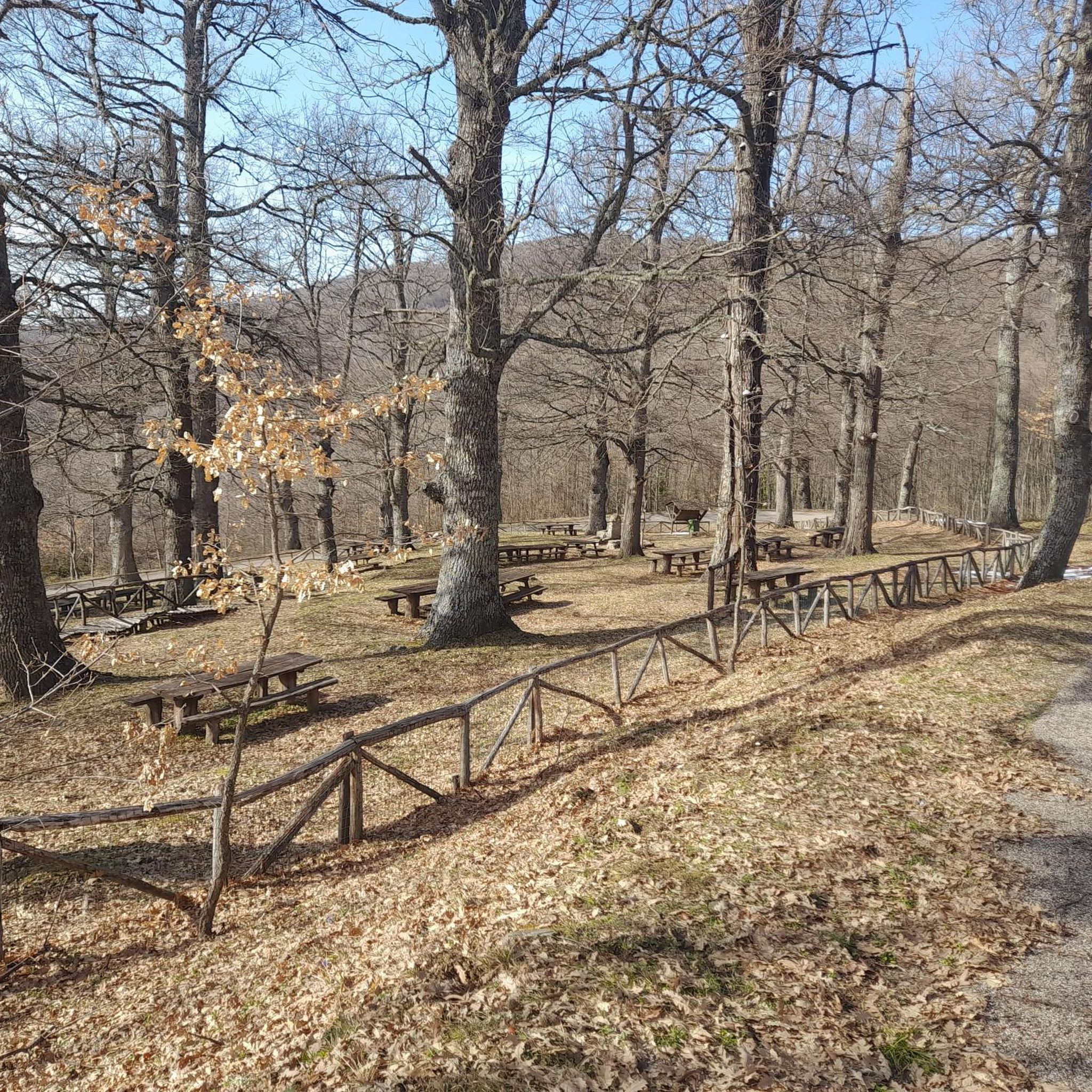
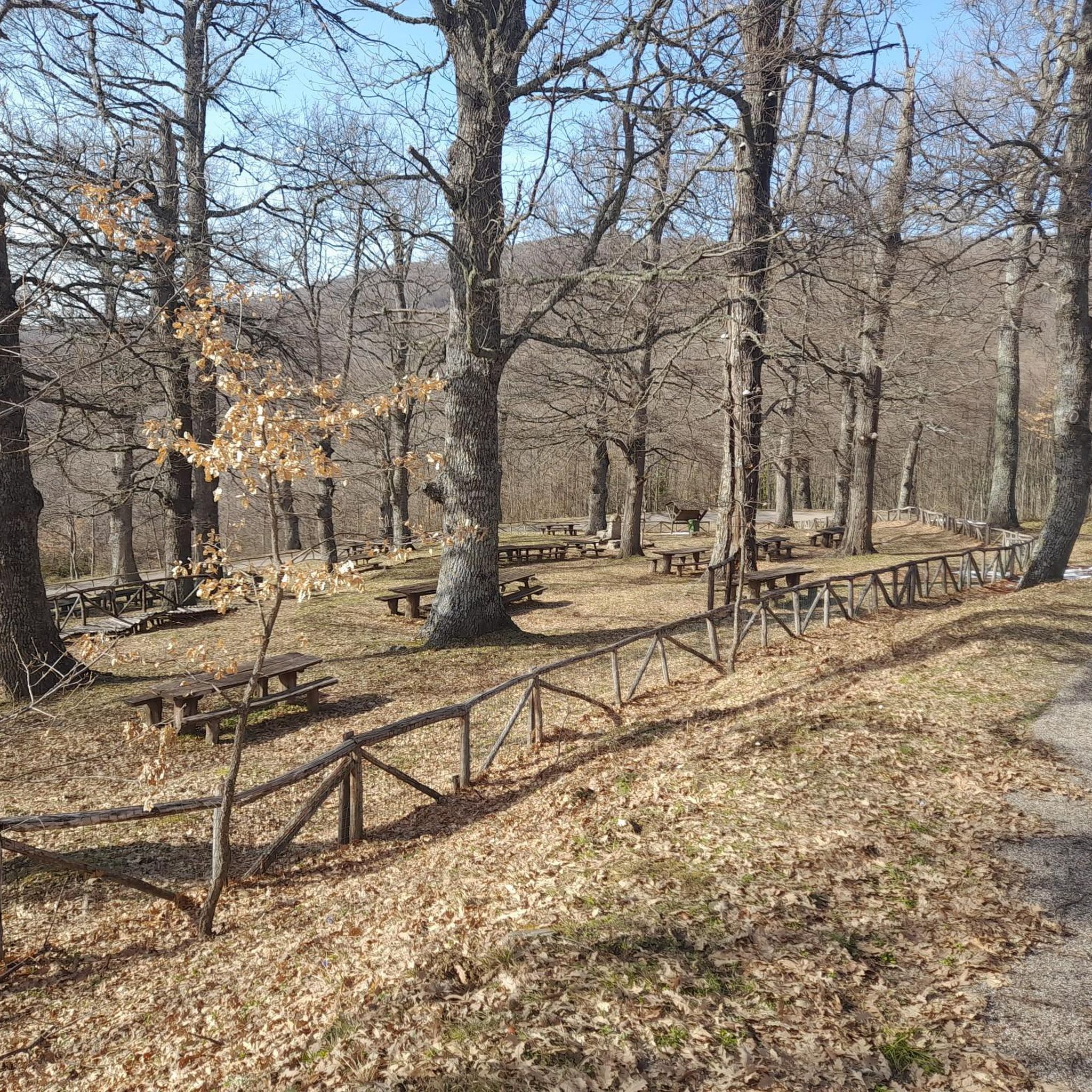
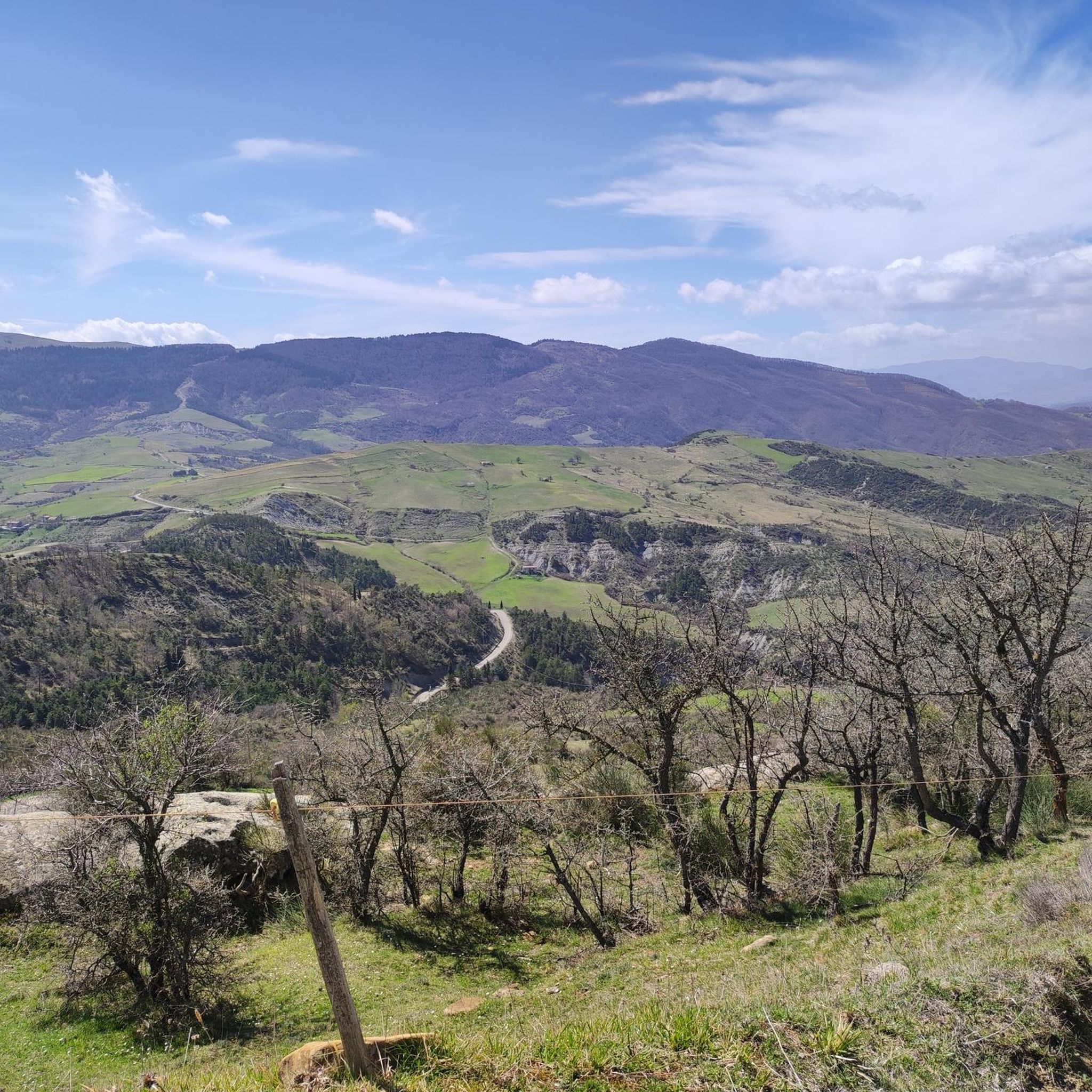
the hike is marked but not enough, but let's say it's very easy to orient yourself just go straight. it's a fairly open path, only a small stretch covered by trees, so when it's hot it's better to bring a hat. bring something to eat because I don't think there were any refreshment points. fantastic place with a peaceful atmosphere. the day I went, which was June, there were a few insects, but they were harmless.
0
0

After the narrow alleys and steps through the old town, the climb to the rocks is worthwhile. Even in rainy weather, the rocks are easily accessible via iron stairs. In heavy rain, every small alley becomes a rushing stream.
3
0

Pietrapertosa, fabulous place, welcoming and very polite people! a magnificent place for those looking for relaxation
0
0

The Grumentum Archaeological Park preserves, within an exceptionally suggestive landscape, the remains of one of the major Roman cities of Regio III: Lucania et Bruttii. Initially a small Lucanian center allied with Rome, settled since the beginning of the 3rd century BC, it was crossed by Hannibal during the Second Punic War, when he took the side of the Carthaginians, and was the scene of a battle narrated by Livy. Following a slow process of Romanization, which provided for land assignments to the Romans through the centuriation system, the center was monumentalized starting from the middle of the 1st century BC, when it was refounded as a Roman colony. From this period onwards, it was equipped with all the typical monuments of Roman cities, in imitation of the Urbe. Today the site, a unique example in Basilicata of a Roman urban plan that is clearly legible as a whole, allows a visit through the public and private spaces of the Roman city, still delineated by the regularity of the ancient road axes. From the theater you can reach the Italic temple, the domus with mosaics and, along the paving of the main plateia, the area of the Forum with public, civil and religious buildings (Capitolium, Augusteo, Porticus, Curia, Basilica, Forensic Baths). The route then continues to the Terme Maggiori, an extraordinarily preserved thermal complex, rich in luxurious decorative apparatus (mosaics, imported marbles...), to the Basilica of Santa Maria Assunta, which represents the first cathedral when the center became the seat of a bishop. The route ends near the monumental amphitheater, one of the oldest masonry amphitheaters known to us. Strategically positioned on the eastern edge of the hill, it is located overlooking the Pietra del Pertusillo Lake, in the heart of the Appennino Lucano National Park. A visit to Grumentum allows you to fully appreciate the close relationship between archaeology and nature, between landscape and culture. Source Ministry of Culture Discover all our routes on www.viaggiatorelento.com
0
0

It is the Sacro Monte of Viggiano, at 1725 m above sea level, the place where the most important Marian sanctuary in the region stands, the one dedicated to the Black Madonna, queen of Viggiano, officially proclaimed "Protector" of Basilicata in 1991 by Pope John Paul II. Holiday The celebrations in honor of the Black Madonna are divided into two moments of the year: on the first Sunday of May the statue is brought, inside a shrine, from the center of Viggiano to the sanctuary of the mountain. On the first Sunday of September, the statue does the reverse route. This celebration is preceded by a procession (of the pilgrim) held on the previous Saturday.
1
0

Steep stairs, narrow streets, some chapels and churches are waiting to be explored. There are beautiful views from the Piazza Emilio Caizzo of the village and the surrounding countryside.
2
0

Archaeological area of the ancient Roman Grumentum.
0
0
The Black Madonna of Viggiano is a regional sanctuary for Basilicata, it is often the destination of numerous pilgrimages.
1
0
Frequently Asked Questions
What historical landmarks can I explore in Corleto Perticara?
Corleto Perticara is rich in history. You can visit the Remains of the Norman Castle, which now houses the municipal building, Palazzo degli Uffici. Other significant sites include the S. Maria Assunta Matrix Church with its Arabian-style dome, the S. Antonio of Padua Church and Convent, and the Old Fountain (Fontana Vecchia) dating back to 1863. Don't miss the ancient Grumentum Archaeological Park, a unique example of a legible Roman urban plan in Basilicata, featuring a theater, forum, and remarkably preserved baths.
What natural features characterize the area around Corleto Perticara?
The village is nestled in the picturesque Val d'Agri, surrounded by lush forests of oak, beech, and fir, making it part of the Lucanian Apennine Park. Towards the southeast, you'll find striking clayey badlands formed by erosion. The area is also bordered by several torrents and the Sauro river, offering a diverse natural landscape for exploration.
Are there any significant religious sites or sanctuaries nearby?
Yes, the most important Marian sanctuary in the region is the Sanctuary of the Black Madonna of Viggiano, located at 1725 meters above sea level. Within Corleto Perticara itself, you can visit the S. Maria Assunta Matrix Church, the S. Antonio of Padua Church and Convent, the SS Annunziata Church, and the Madonna della Stella Sanctuary just outside the main village.
What kind of outdoor activities can I do near Corleto Perticara?
The region offers a variety of outdoor activities, especially hiking and cycling. You can explore the Lucanian Dolomites, which include villages like Pietrapertosa and Castelmezzano. For hiking, consider routes like the 'From Castelmezzano to Pietrapertosa' loop or the 'Trail to the Black Madonna of the Sacred Mount of Viggiano'. Cyclists can enjoy routes such as the 'Lucanian Dolomites Loop from Corleto Perticara'. Find more options on the Hiking around Corleto Perticara and Cycling around Corleto Perticara guide pages.
Are there family-friendly attractions or activities in the area?
Families can enjoy the natural beauty of the Lucanian Apennine Park and explore charming villages like Pietrapertosa and Castelmezzano. The 'Flight of the Angel' between these two villages offers an exhilarating experience for older children and adults. The Grumentum Archaeological Park can also be an educational and engaging visit for all ages.
What are the Lucanian Dolomites and what can I do there?
The Lucanian Dolomites are dramatic mountain formations home to the villages of Pietrapertosa and Castelmezzano. These villages are known for their unique setting among the rocks. A popular activity is the 'Flight of the Angel,' where you can zip-line between the two villages. You can also traverse the Nepalese Bridge of Castelmezzano or hike the 'Route of the Seven Stones' connecting the two towns.
What cultural sites are available for visitors interested in local heritage?
Beyond the historical landmarks, you can visit the Municipal Museum 'Michele Lacava', housed within the former castle complex, which preserves the 'Fondo' of the Lacava brothers. Additionally, the nearby village of Guardia Perticara, known as 'the village of stone houses,' offers Romanesque churches, the Federician Tower, and ancient sulfur mines.
What is the best time of year to visit Corleto Perticara for outdoor activities?
Corleto Perticara, situated at 757 meters above sea level, enjoys a healthy, dry climate. Spring and autumn are ideal for hiking and exploring the natural features like Val d'Agri and the Lucanian Apennine Park, as temperatures are mild. Summer is also pleasant for outdoor activities, especially at higher altitudes, though it can be warmer in the valleys.
Are there any unique or 'hidden gem' attractions around Corleto Perticara?
One unique site is the Abandoned Village of Campomaggiore Vecchio, whose ruins are open to visitors and serve as a summer theater, telling a story of abandonment and cultural rebirth. The Anzi Astronomical Observatory, located in one of Basilicata's highest villages, offers a destination for stargazing and beautiful views within the Lucanian Apennine Park.
What do visitors enjoy most about the attractions around Corleto Perticara?
Visitors particularly appreciate the stunning natural landscapes of the Lucanian Dolomites and Val d'Agri, with their imposing rocks and lush forests. The historical depth of sites like the Grumentum Archaeological Park and the charm of villages like Pietrapertosa are also highly rated. The unique experiences like the 'Flight of the Angel' and the spiritual significance of the Sanctuary of the Black Madonna of Viggiano are frequently highlighted.
Can I find easy hiking trails suitable for beginners near Corleto Perticara?
Yes, there are trails suitable for various skill levels. For beginners, the 'Trail to the Black Madonna of the Sacred Mount of Viggiano' is rated as easy. Many paths within the Val d'Agri and Lucanian Apennine Park offer gentler gradients, allowing for enjoyable walks amidst nature. You can explore more options on the Hiking around Corleto Perticara guide page.
What are the options for cycling around Corleto Perticara?
The region offers diverse cycling routes. Road cyclists can tackle challenging routes like the 'Meridian Cycle Route: Laurenzana and Calvello Loop' or the 'Sellata Pass – Pantano di Pignola loop'. For touring cyclists, options include the 'Parco Gallipoli Cognato from Pietrapertosa – loop tour' or the 'Lucanian Dolomites Loop from Corleto Perticara'. More details can be found on the Road Cycling Routes around Corleto Perticara and Cycling around Corleto Perticara guide pages.
Most popular attractions around Corleto Perticara

Get inspired with the komoot mobile app


Explore more
Still not found the Highlight you’re looking for? See guides of the top attractions in other regions:
