Attractions and Places To See in Pyrénées Catalanes - Top 20
Best attractions and places to see in Pyrénées Catalanes include a diverse array of natural landscapes and cultural heritage sites. This region, straddling the border of France and Spain, features majestic mountain peaks, serene lakes, and historical villages. It is characterized by its high mountain scenery, unique geological formations, and significant cultural landmarks.
Best attractions and places to see in Pyrénées Catalanes
- The most popular attractions is Canigou, a summit that culminates at 2,784 meters above sea level. It…
Last updated: September 26, 2026
Canigou
Highlight • Summit
Showing Translation
Tip by

Carança Corniche
Highlight • Gorge
Translated by Google •
Tip by

Sign up now to discover places like this
Get recommendations on the best single tracks, peaks, & plenty of other exciting outdoor places.
The Footbridges of the Carançà Gorge
Highlight • Gorge
Translated by Google •
Tip by

Lake Bouillouses
Highlight • Lake
Translated by Google •
Tip by

Suspension bridge over the Carança Gorge
Highlight • Bridge
Translated by Google •
Tip by
Sign up for free to discover even more attractions in Pyrénées Catalanes.
Already have an account?
Start today with a free account
Your next adventure awaits.
Popular around Pyrénées Catalanes
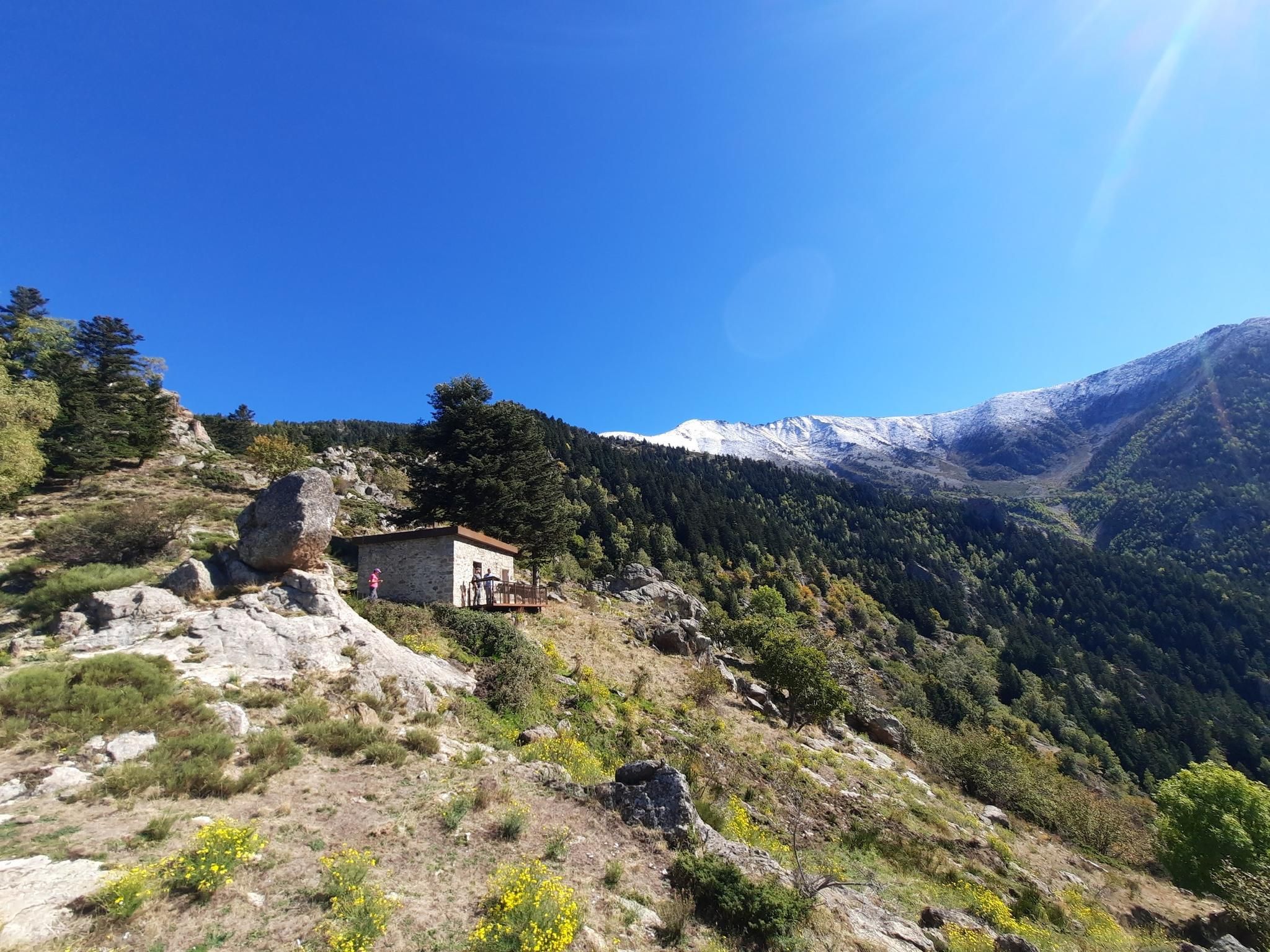
The Crossing of the Pyrenees via the GR 10 — Eastern Pyrenees
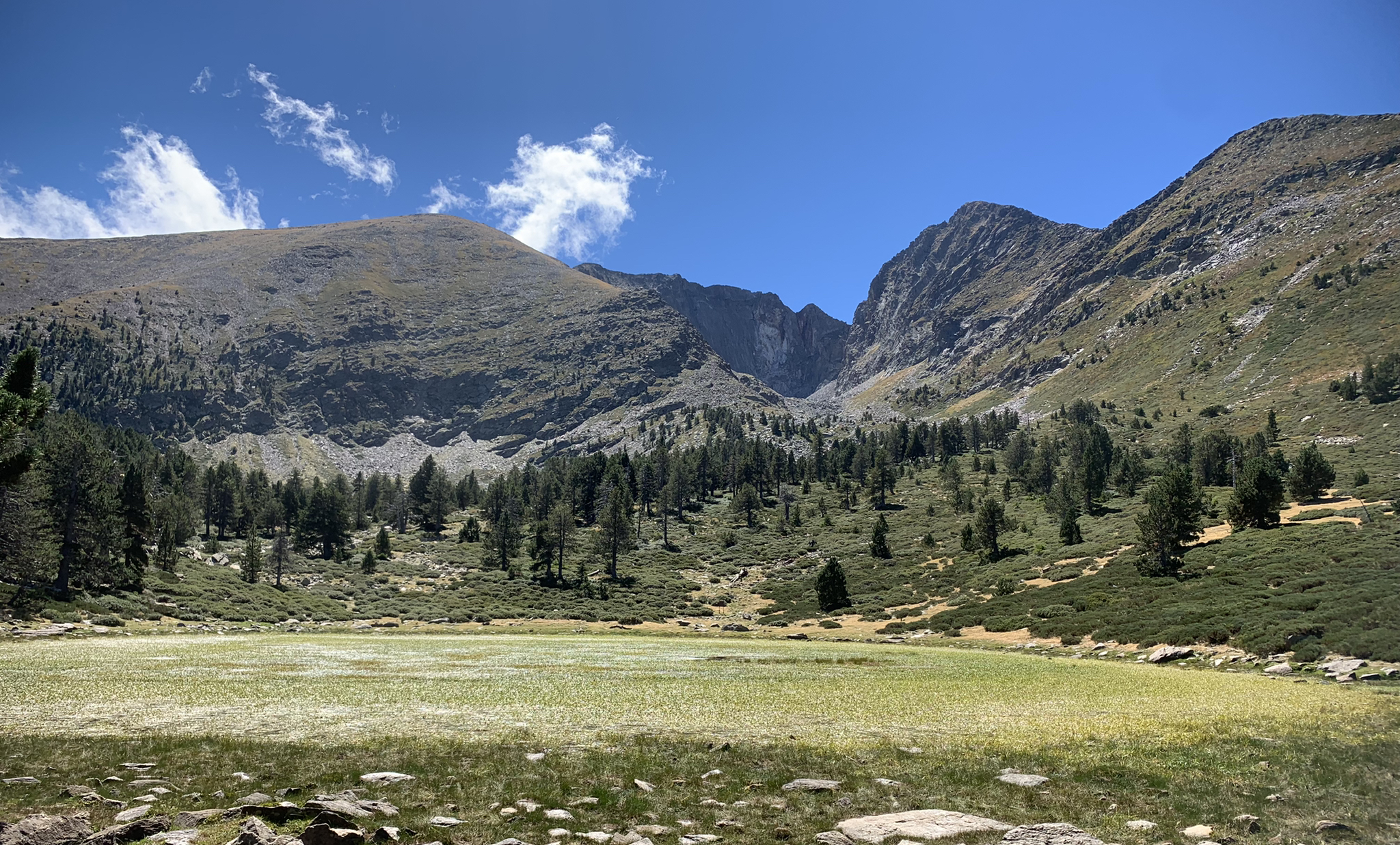
Tour du Canigou – Through the heart of the Mediterranean Pyrenees
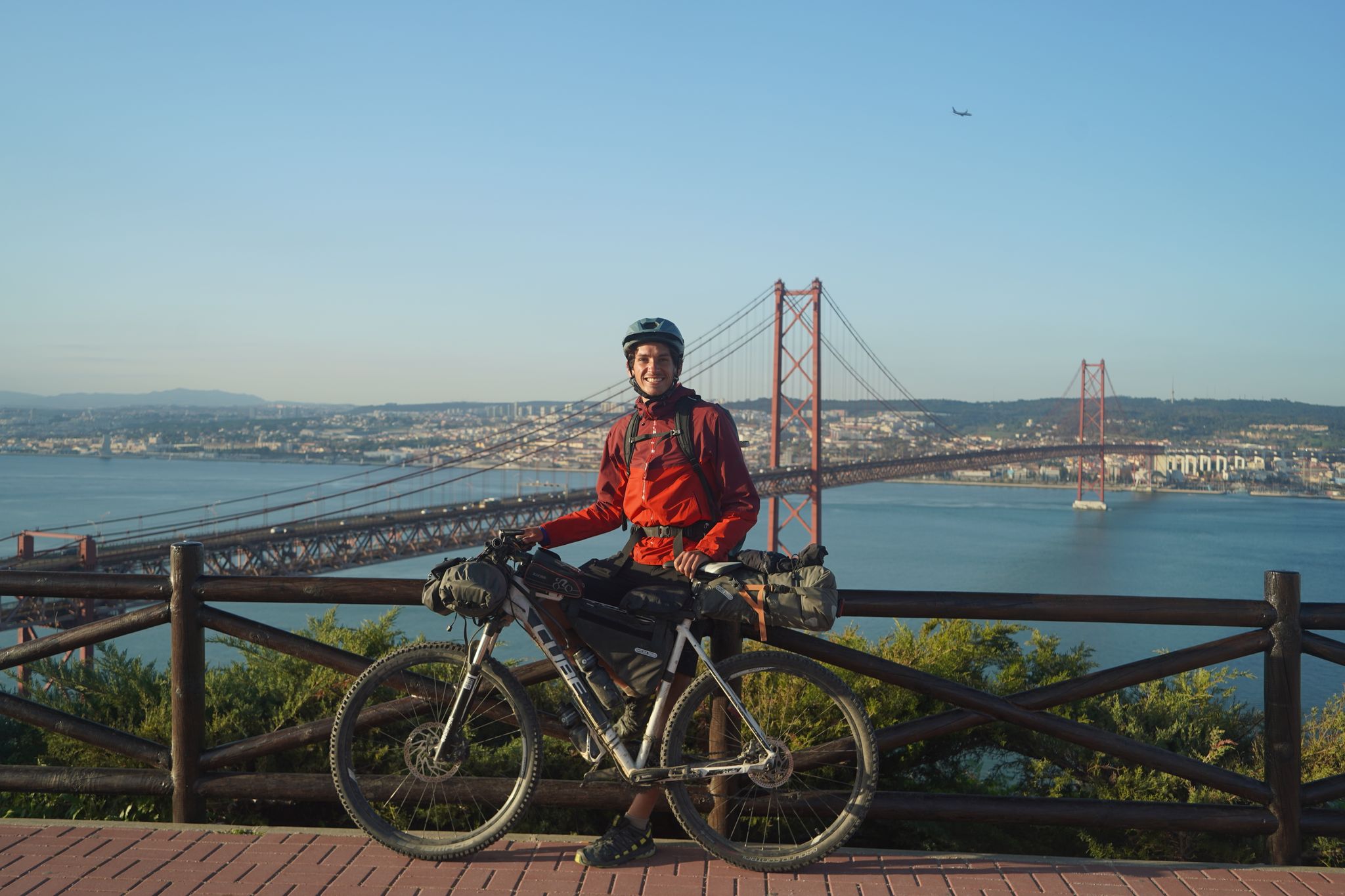
Road to Lisbon – bikepacking the Alps, Pyrenees and Picos de Europa
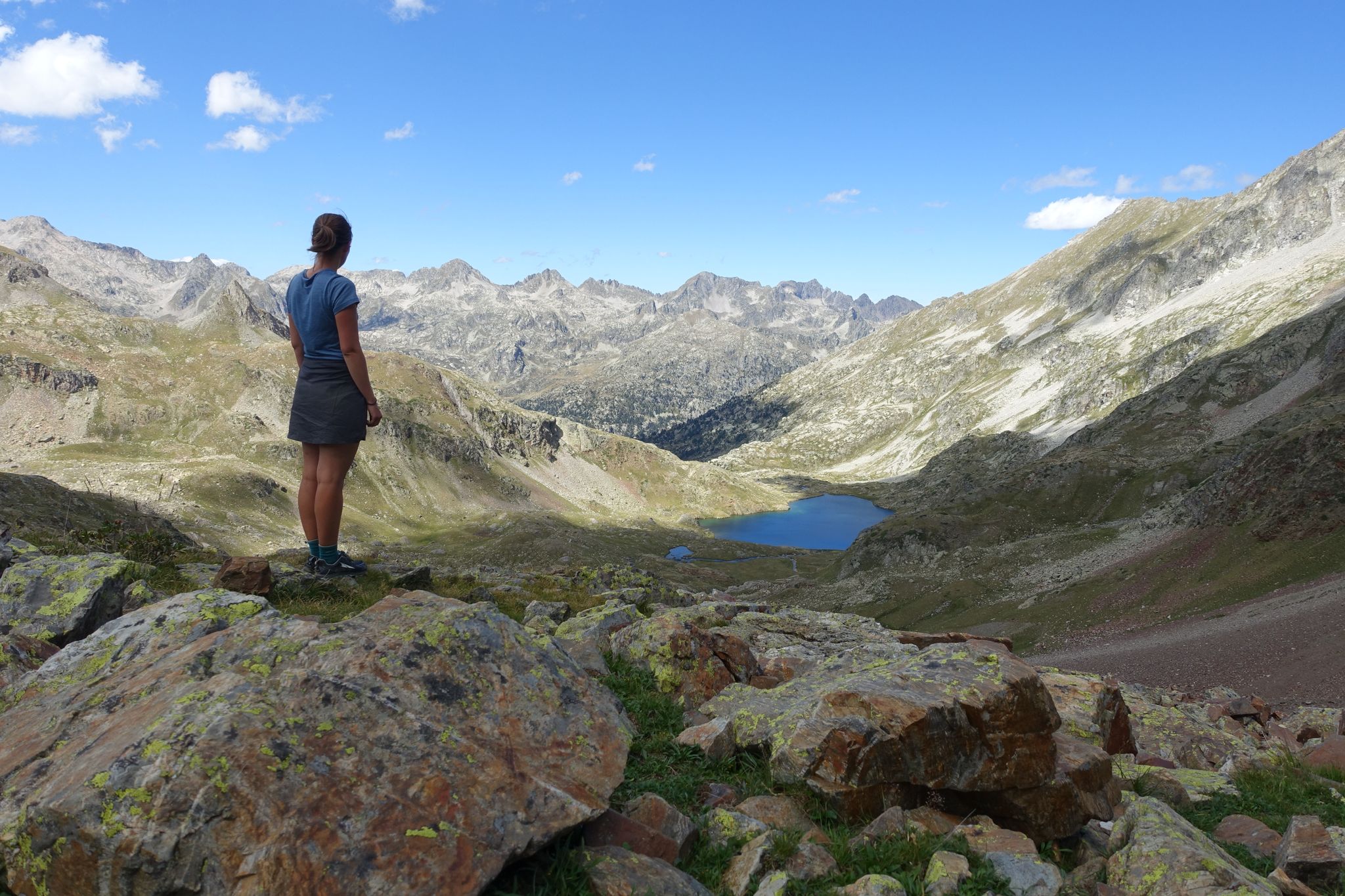
Haute Route Pyrénéenne – Pyrenees Crossing
Epic journeys through the Pyrenees – 4 routes connecting 3 countries
From the Atlantic to the Mediterranean – Route des Cols in the Pyrénées
Tour of Canigo — The last great massif of the Pyrenees
On wild ridges: Catalonia to Ariège – Hexatrek, Eastern Pyrenees
Plains, hills and mountains – GR 7 in the heart of France’s Occitania
From refuge to refuge — Tour des Pérics
Other adventures in Pyrénées Catalanes


Tips from the Community

Take your time and respect the two-person-at-a-time rule.
0
0

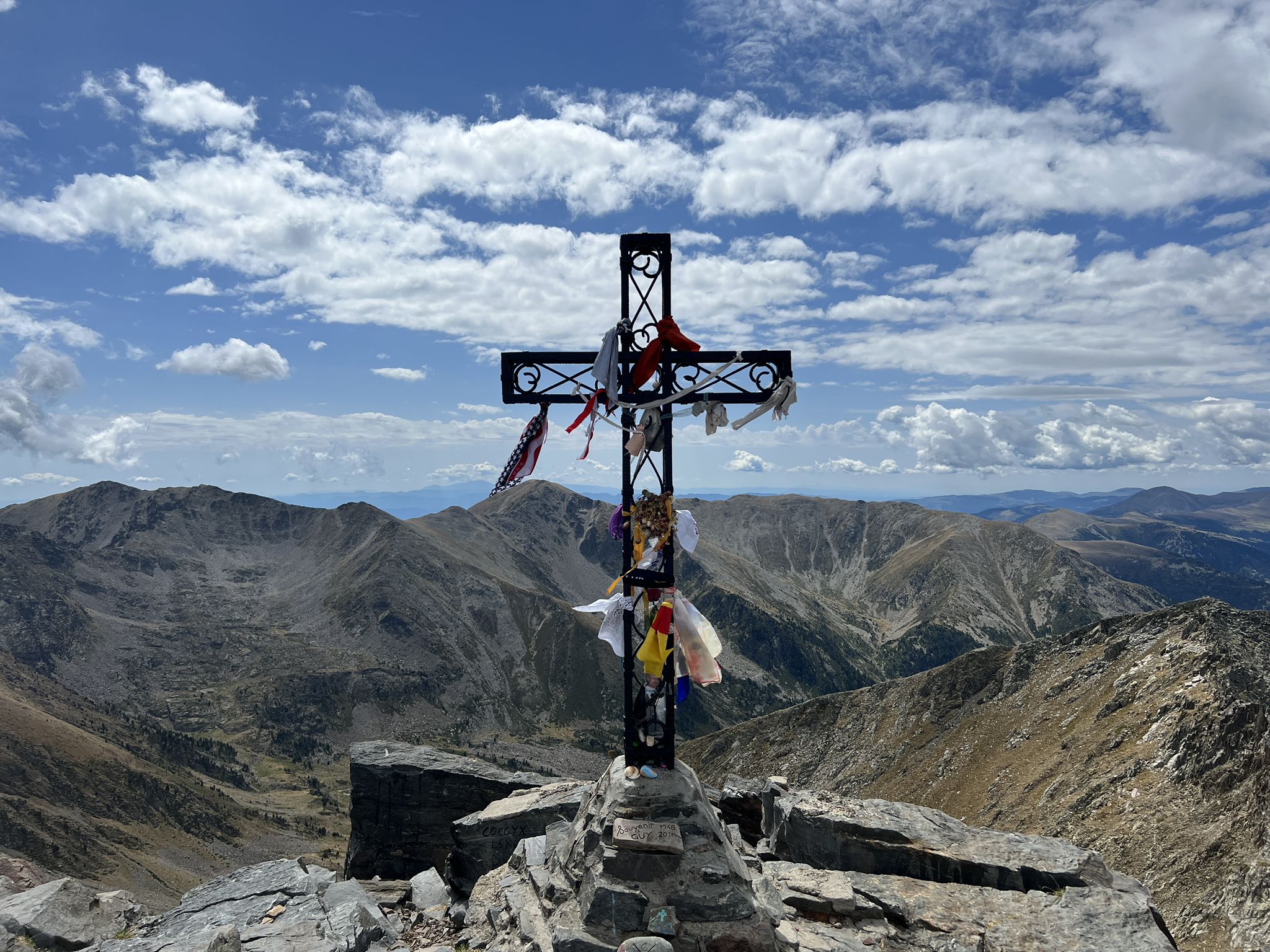
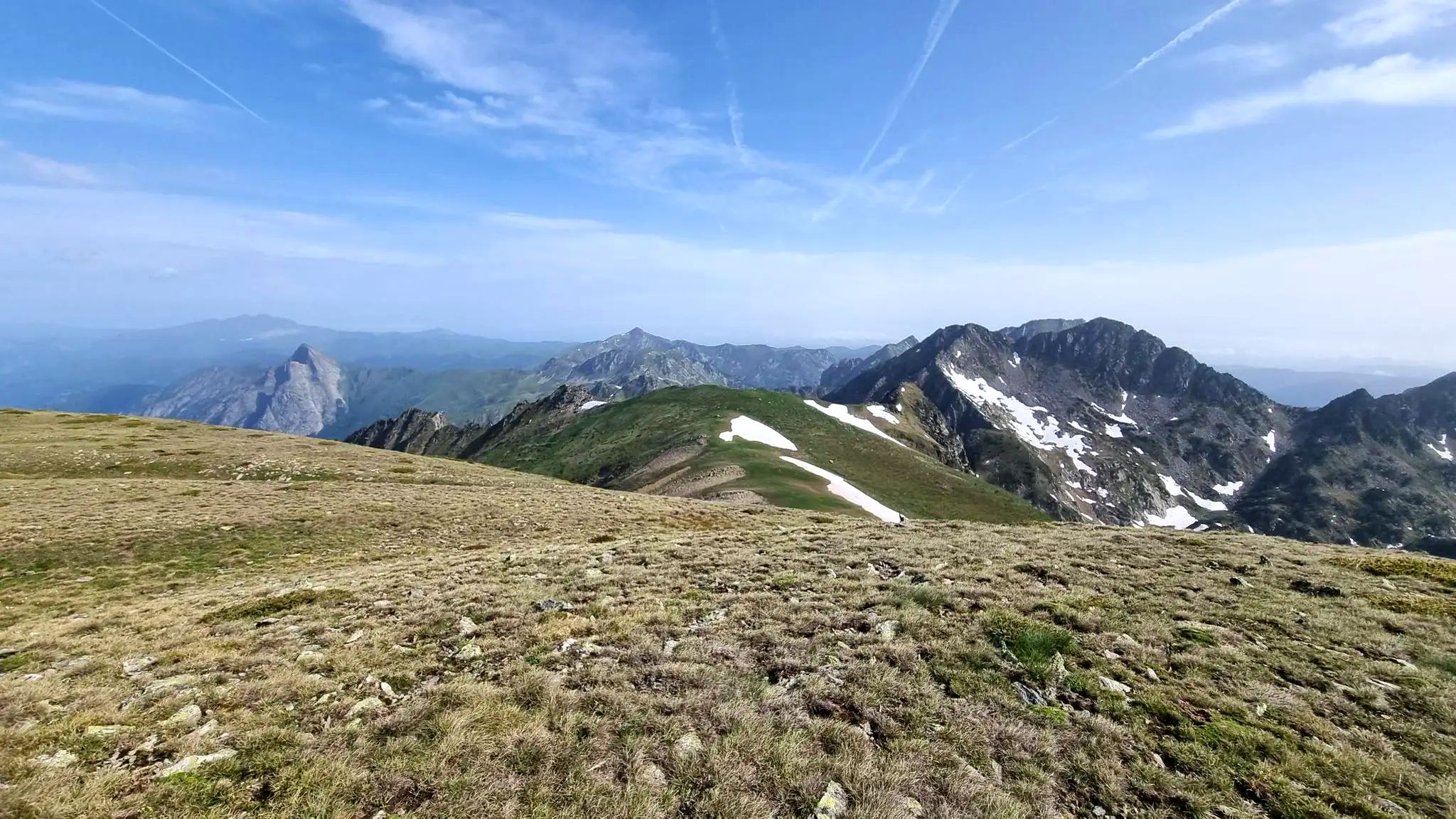
The classic and probably most visited peak in the eastern Pyrenees. Due to its location, this mountain can be seen far into France. The gravel road to the Ras dels Cortalets parking lot requires good shock absorbers (please correct if driving there is no longer permitted). From there, it's only another 600 meters in altitude via Pic Joffre to the summit. The second ascent from the south is a bit more demanding - which also makes a traverse possible.
2
3

Magnificent summit, one of the emblems of Catalonia, the ascent and descent made by the famous chimney more impressive than difficult
0
0

Breathtaking gorge, great parking 5 euros, just follow komoot for the most beautiful route, fear of heights? Do not look into the depths, but especially where you put your feet. If you are Dutch tall, then also pay attention to the rocky points at head height. What a great trip😀
22
0

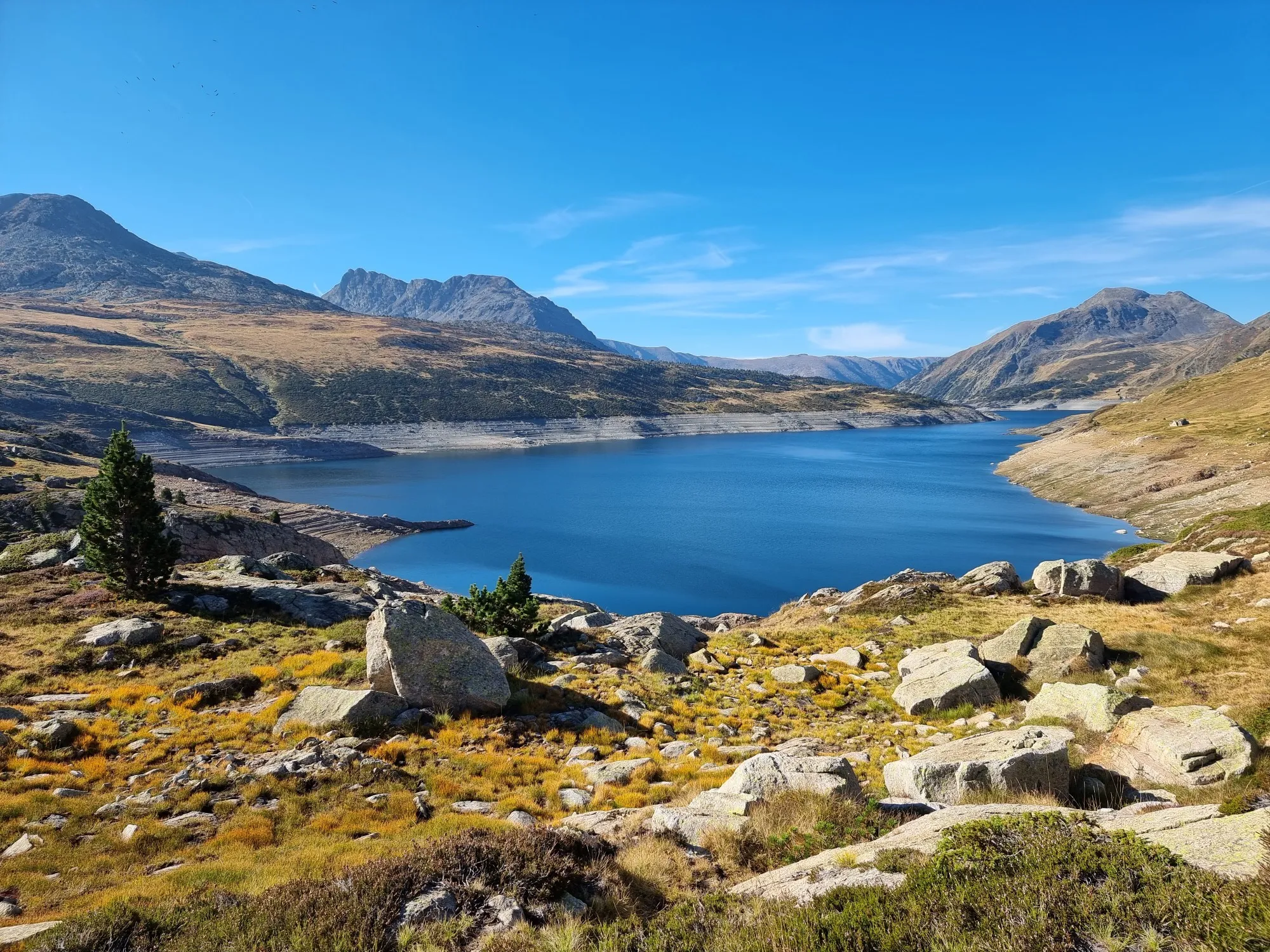
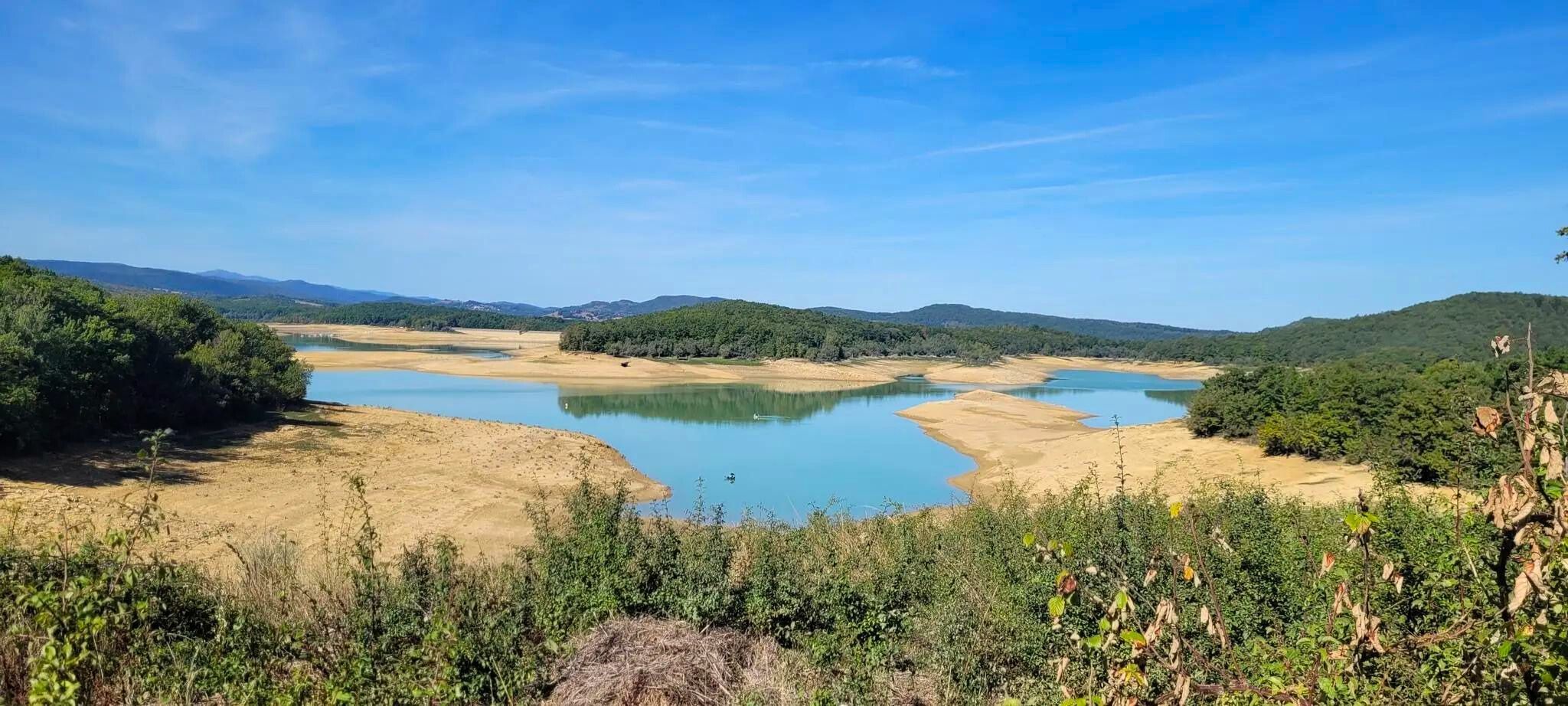
At 2,016 meters, this vast lake and its dam are ideally located for a refreshing break. In addition to the gîte and a refuge, there is also a small water fountain.
0
0

The Pic du Canigou is a summit in the Pyrénées-Orientales in the south of France. Reaching an altitude of 2,784 meters, it is located in the Parc Naturel Régional des Pyrénées Catalanes, about 50 kilometers from the city of Perpignan. The Pic du Canigou is considered a symbol of Catalonia, with a legend that the mountain is the throne of the King of Catalonia. It is also considered a sacred place for Catalans, with a local tradition of climbing the mountain to watch the sunrise on the summer solstice. The mountain is a popular hiking destination, with several hiking trails leading to the summit. Hikers can also spend the night in mountain refuges located along the trails. In winter, the Canigou is also a place for cross-country skiing and snowshoeing. The summit of the Canigou offers a panoramic view of the Pyrenees and the Mediterranean Sea, as well as the city of Perpignan and the Roussillon plain. The region is also rich in flora and fauna, with species such as the Pyrenean chamois, the mouflon, and the golden eagle. The Pic du Canigou is an important pilgrimage site for Catalans, as well as a place for hiking and exploration for visitors to the region.
5
5

When the path joins the river and next to a small dam, we connect with the path that comes from the ledge. Here begins the most exciting part of the excursion! Ahead of us are ten bridges, numbered in yellow paint, as well as walkways built with metal panels from which we see the river slide between the rocks beneath our feet. All steps are aerial but well secured with cables and railings. Of course: we have to pay special attention if we go with children. This area, in addition to being a real adventure, is ideal for contemplating the small waterfalls from the front row and listening to the murmurs of the river. Here you can enjoy the grandeur of an overflowing nature… After the bridge marked with a 10, the path widens and we pass over a small stone bridge that crosses the Roig stream, a tributary of the Tet river. We pass a stone hut without a roof and arrive at the last footbridge, located at a point where the river is enclosed by a rock wall. At this point, most walkers turn around and those who continue do so thinking of reaching the refuge of the Ras de Carançà, still far away. The last time I did this stretch (see excursion: https://www.komoot.com/es-es/tour/994475321/ ) it was just the other way around, coming from the refuge of Ras de Carançà.
1
0

The passages along the Corniche de Carança are quite dizzying and spectacular. Attention therefore for those who have vertigo or with children.
4
0
Frequently Asked Questions
What are some notable natural features and landmarks to explore in Pyrénées Catalanes?
The Pyrénées Catalanes offer a wealth of natural beauty. You can visit the iconic Canigou massif, a sacred mountain offering panoramic views. The region also features stunning gorges like the Carança Corniche and its adventurous Footbridges. Don't miss Lake Bouillouses, nestled at the foot of the Carlit and Peric mountains, or the unique 'Fairy Chimneys' of Orgues d'Ille-sur-Tet.
Are there any significant cultural or historical sites in the Pyrénées Catalanes?
Yes, the region is rich in history and culture. The Romanesque Architecture of Vall de Boí, a UNESCO World Heritage site, features stunning 11th and 12th-century churches. You can also explore the fortified towns of Villefranche-de-Conflent and Mont-Louis, also UNESCO sites, or visit the ancient Abbaye de Saint-Martin-de-Canigou perched on a rocky pinnacle. Perpignan, with its medieval charm, also offers a rich blend of Catalan influences.
What kind of outdoor activities can I do in Pyrénées Catalanes, especially near the main attractions?
The Pyrénées Catalanes are ideal for outdoor enthusiasts. You can find numerous opportunities for hiking, cycling, and mountaineering. For example, there are challenging mountain hikes around Peak Carlit and Puigmal. If you enjoy waterfalls, explore the waterfall hikes near Vernet-les-Bains. Cyclists can discover various routes, including challenging cycling tours from Olette to Lake Matemale.
Are there family-friendly attractions or activities in Pyrénées Catalanes?
Absolutely! Families can enjoy the adventurous Footbridges of the Carançà Gorge, which offer an exciting experience with ladders and suspension bridges. Another great option is the Parc Animalier des Angles, where you can observe Pyrenean animals in a natural forest environment. The scenic ride on The Yellow Train also provides a fun experience for all ages.
What are some challenging hiking experiences in the region?
For challenging hikes, consider the ascent to Canigou, which involves steep climbs and some easy climbing sections near the summit, requiring a head for heights and surefootedness. The Carança Corniche also offers spectacular and dizzying passages, making it a thrilling experience for those without vertigo.
How long does it typically take to hike <a href="https://www.komoot.com/highlight/885205" target="_blank" rel="noopener">Pic du Canigou</a>?
Hiking Pic du Canigou is a significant undertaking. It's often recommended to plan for an overnight stay in a mountain refuge along the trails, as driving up is no longer possible. The hike involves a steep climb with large steps and an easy climbing section near the summit, so allow ample time for the ascent and descent.
What is the best time of year to visit Pyrénées Catalanes for outdoor activities?
The Pyrénées Catalanes are beautiful year-round, but the best time for hiking and most outdoor activities is generally from late spring to early autumn (May to October). During these months, the weather is milder, and trails are more accessible. Winter offers opportunities for cross-country skiing and snowshoeing, particularly around Canigou.
Are there any unique geological formations to see in the region?
Yes, the Pyrénées Catalanes are home to the unique Orgues d'Ille-sur-Tet. These 'Fairy Chimneys' are tall pillars of white sandy rock, naturally sculpted by erosion, creating a fantastical landscape that is truly one-of-a-kind.
What are the options for public transport or parking when visiting attractions?
Access to some popular natural sites, like Lake Bouillouses, can be restricted during peak summer months (July and August), with visitors needing to use a bus service from a lower car park to the dam. For other attractions, parking is often available, sometimes for a fee, such as the 5-euro parking at the Carança Gorge. Public transport options vary by location, so it's advisable to check specific routes beforehand.
What do visitors enjoy most about the Pyrénées Catalanes attractions?
Visitors frequently praise the breathtaking natural beauty and the adventurous experiences. The spectacular and dizzying passages of the Carança Corniche and its Footbridges are often highlighted for their excitement and unique rock formations. The panoramic views from Canigou and the varied, constantly spectacular views along gorge hikes are also highly appreciated.
Are there any natural parks in the Pyrénées Catalanes worth visiting?
The region boasts several impressive natural parks. Catalonia's only National Park, Aigüestortes i Estany de Sant Maurici, is renowned for its over 200 mountain lakes and pristine waters. Other notable parks include the Natural Park of the Catalan Pyrenees, home to Lake Bouillouses, and the Capçaleres del Ter i del Freser Natural Park, known for its rugged landscapes and rich biodiversity.
Can I find wild swimming spots in the Pyrénées Catalanes?
While specific wild swimming spots are not detailed, the region's numerous lakes, rivers, and waterfalls, such as those in Aigüestortes i Estany de Sant Maurici National Park and around Lake Bouillouses, offer many opportunities for refreshing dips in natural waters, especially during warmer months. Some hiking routes, like those in the Carança Gorge, even suggest bringing bathing suits.
Most popular routes in Pyrénées Catalanes
Most popular attractions in Pyrénées Catalanes

Get inspired with the komoot mobile app


Explore more
Still not found the Highlight you’re looking for? See guides of the top attractions in other regions:
