The 10 Most Amazing Peaks in Calanques
Best mountain peaks in Calanques are characterized by dramatic limestone cliffs and deep, fjord-like inlets. These formations are considered significant due to their impressive heights and abrupt ascents within the Calanques National Park. The region offers a unique combination of mountainous terrain meeting the Mediterranean Sea, providing opportunities for exploring diverse natural landscapes. Hiking these peaks provides a fulfilling challenge with trails ranging from moderate to strenuous, often culminating in expansive panoramic views.
Best mountain peaks in Calanques
- The most…
Last updated: May 19, 2026
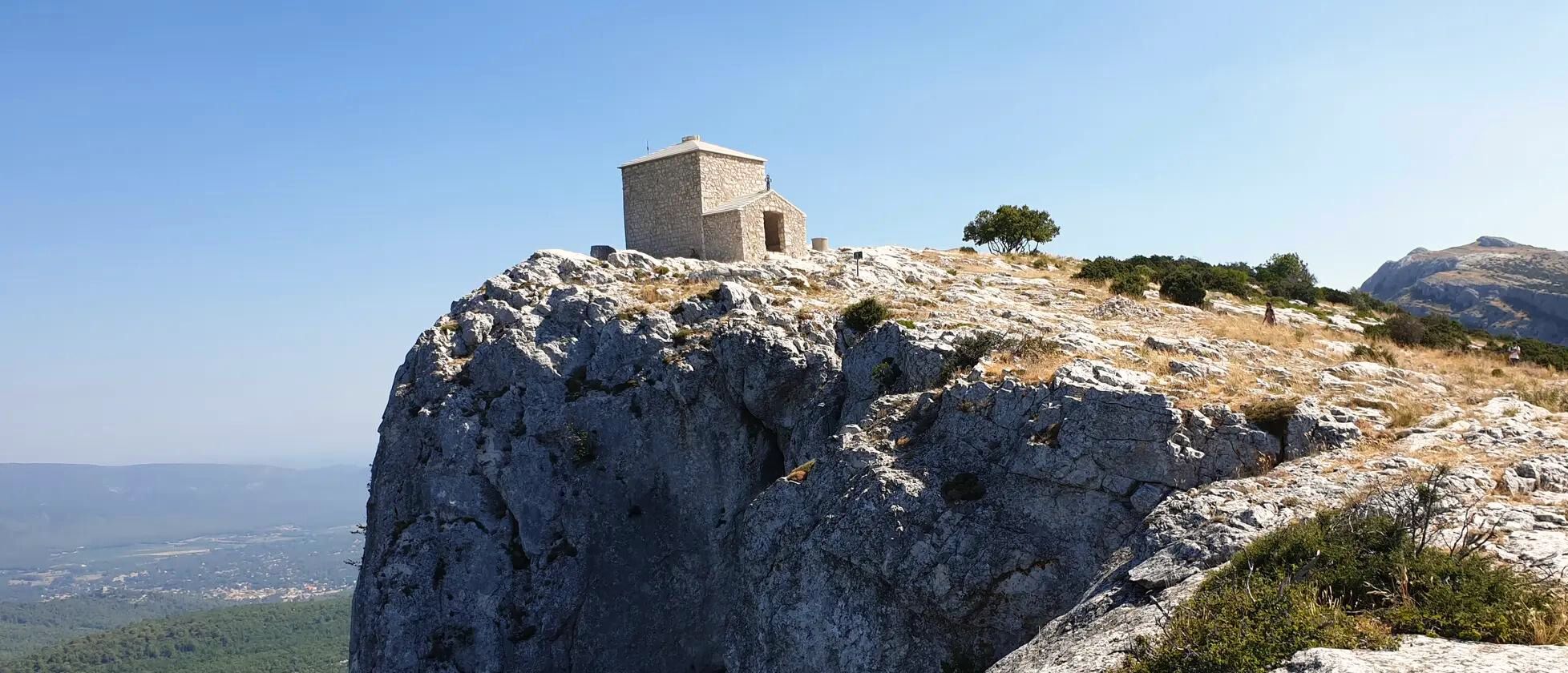
Marseilleveyre summit
Highlight • Summit
Translated by Google •
Tip by

Mount Puget
Highlight • Summit
Translated by Google •
Tip by
Sign up now to discover places like this
Get recommendations on the best single tracks, peaks, & plenty of other exciting outdoor places.
Sign up for free
Béouveyre Summit
Highlight • Summit
Translated by Google •
Tip by
La Grande Candelle
Highlight • Summit
Translated by Google •
Tip by

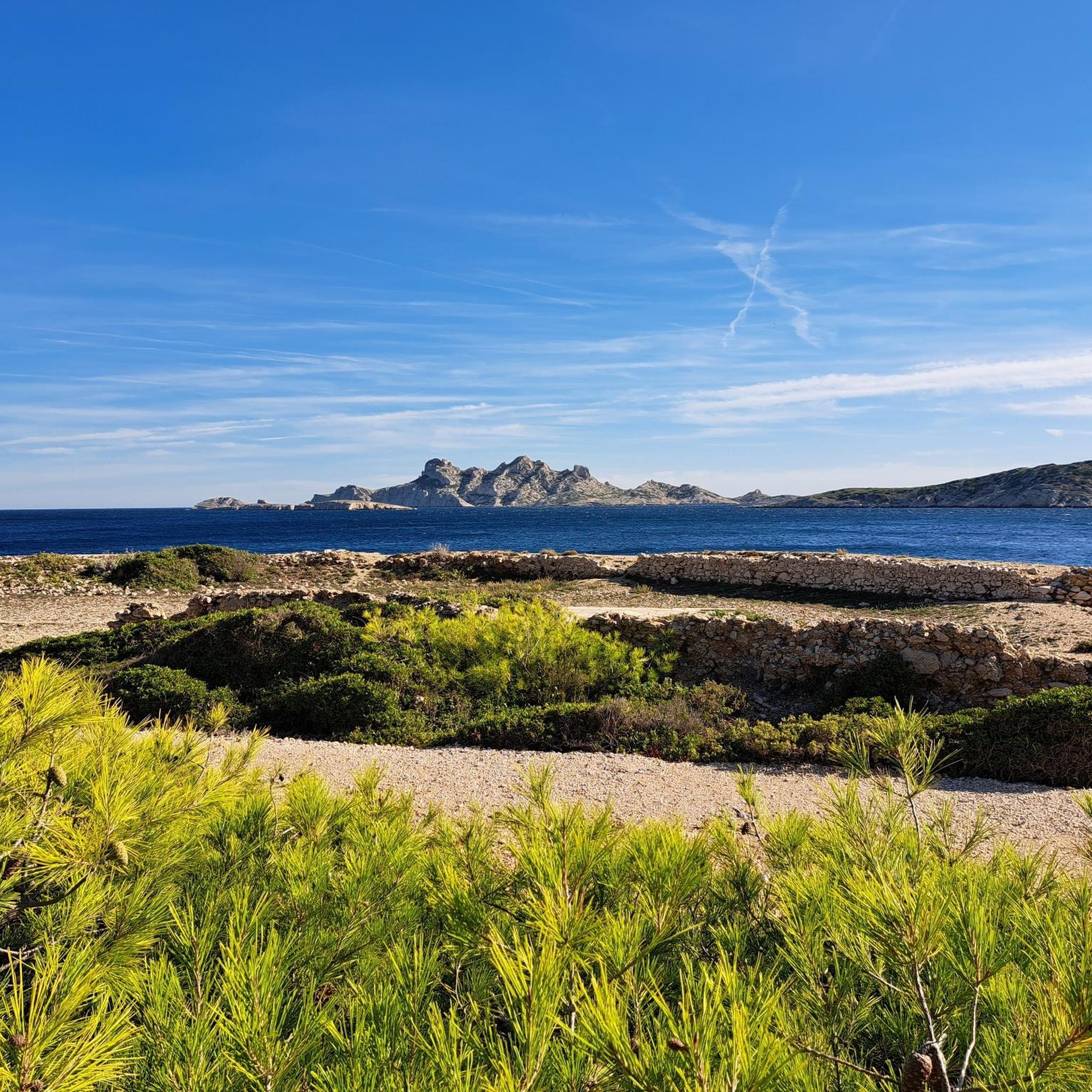
Pomègues Island Summit
Highlight • Summit
Translated by Google •
Tip by

Sign up for free to discover even more peaks in Calanques.
Sign up for free
Already have an account?
Start today with a free account
Your next adventure awaits.
Login or Signup
Popular around Calanques
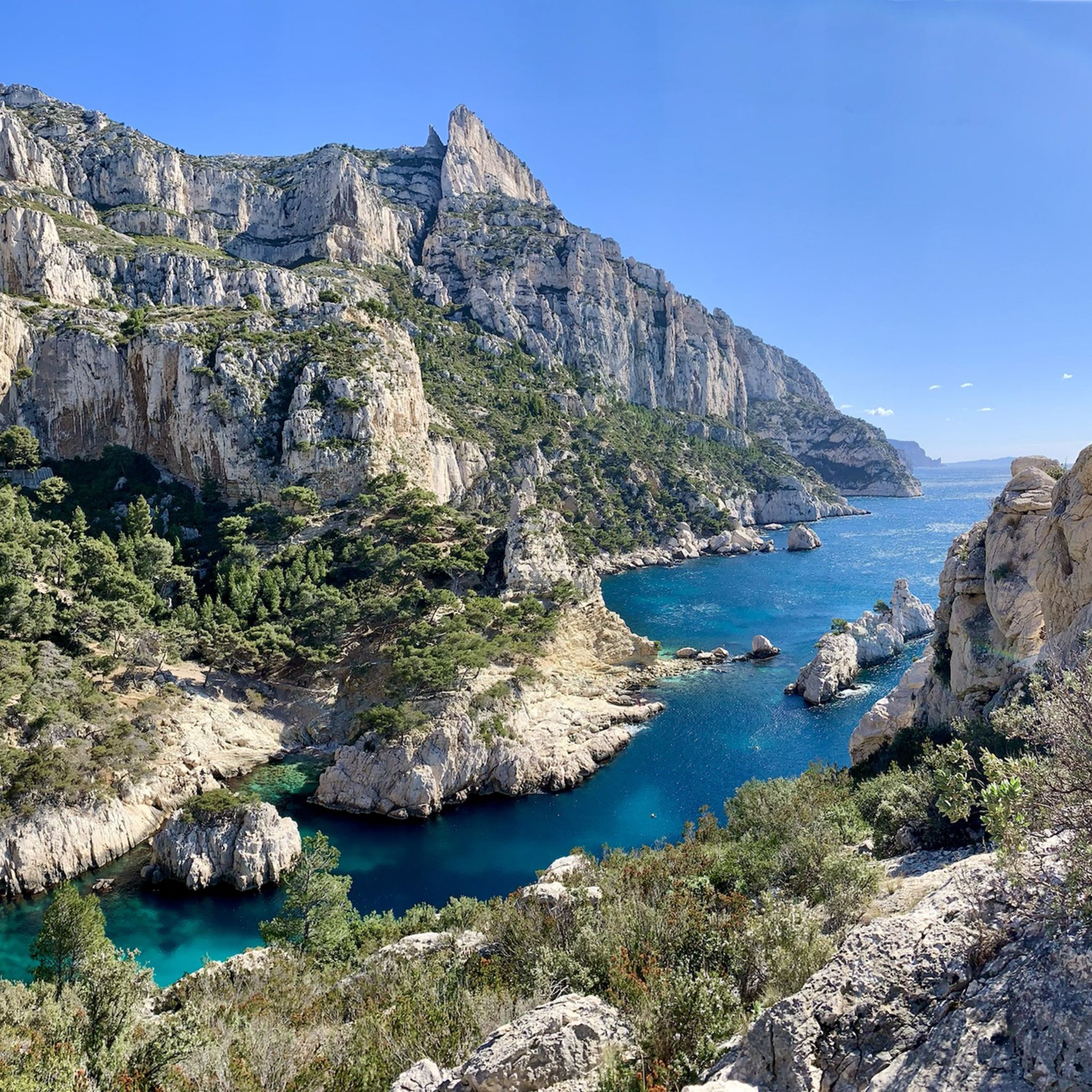
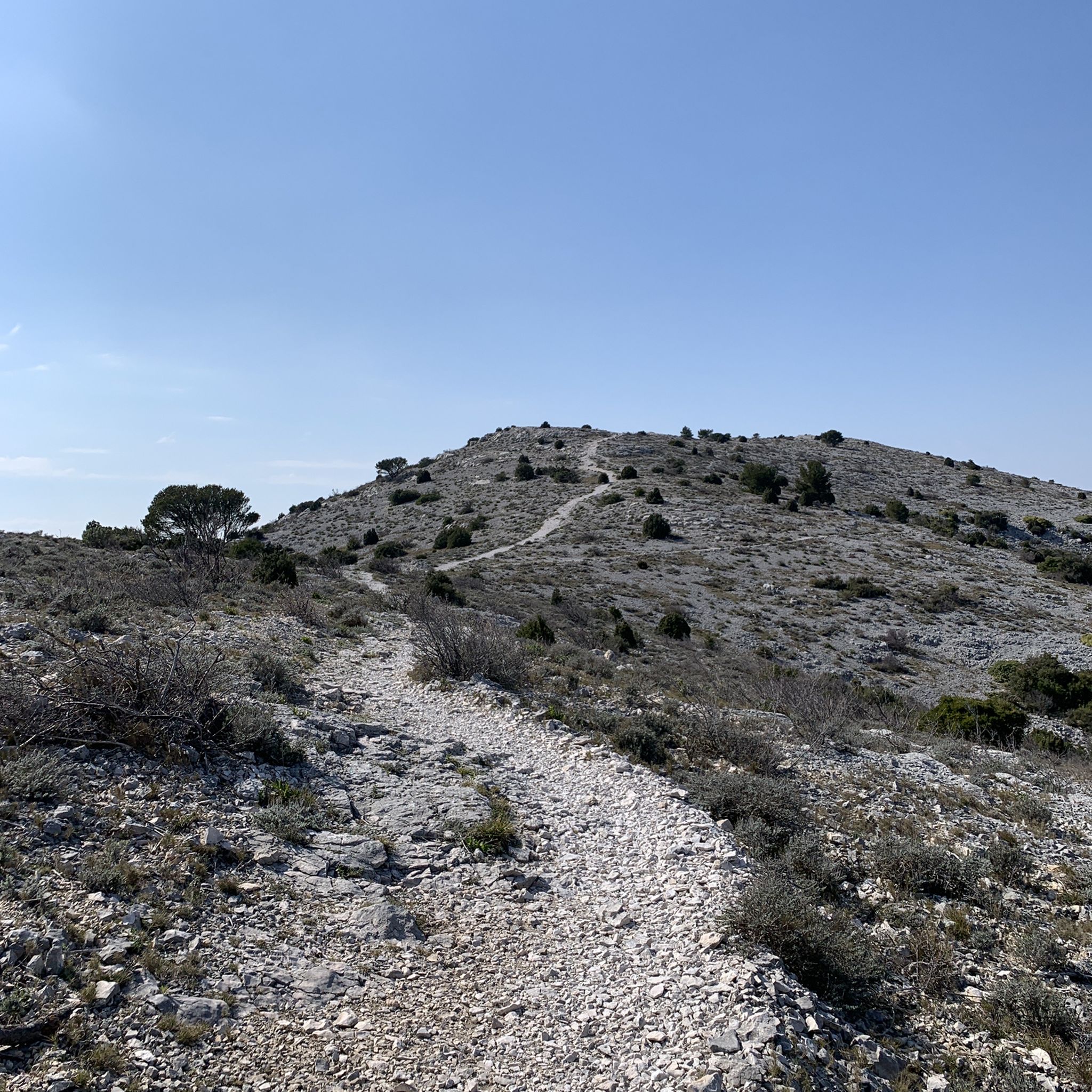
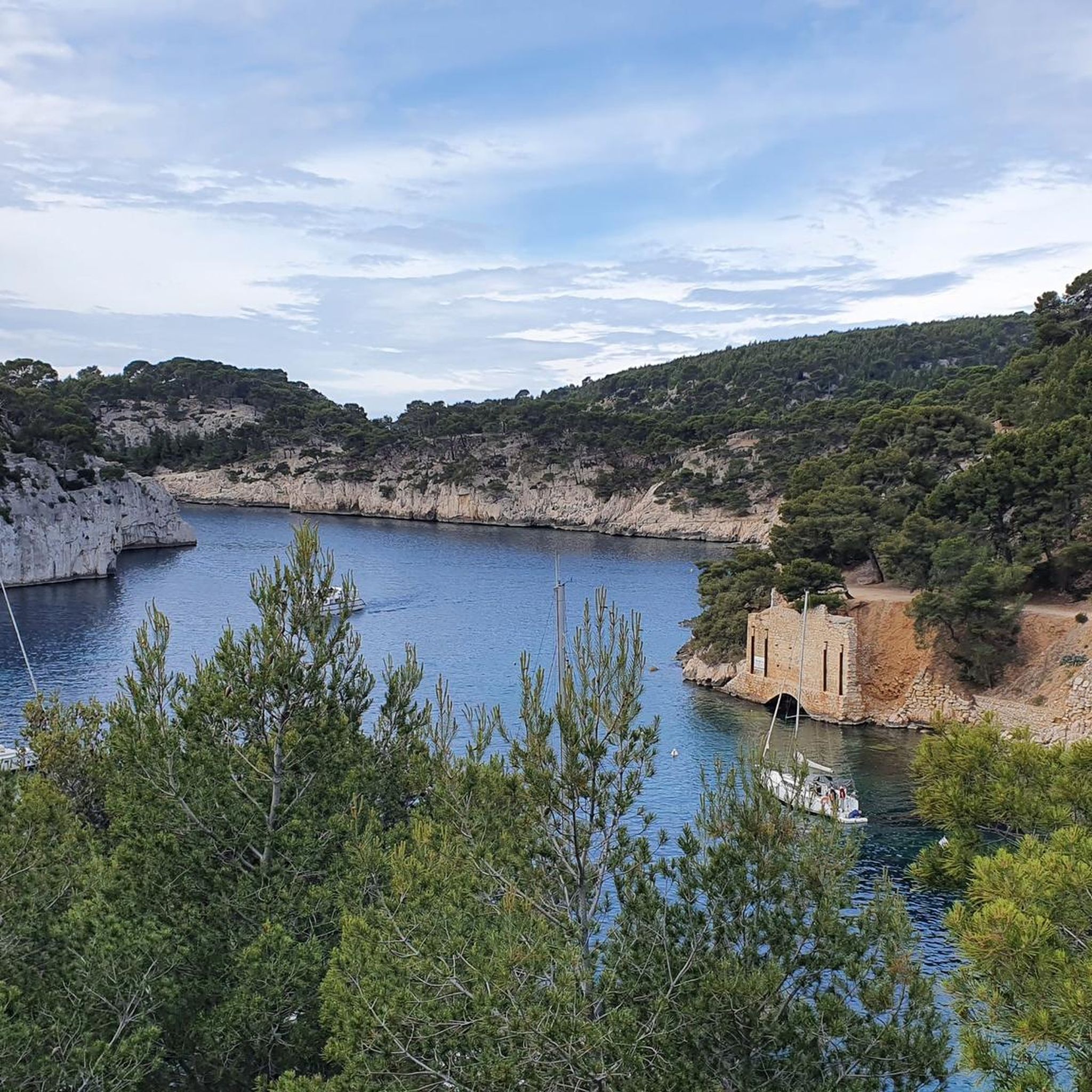
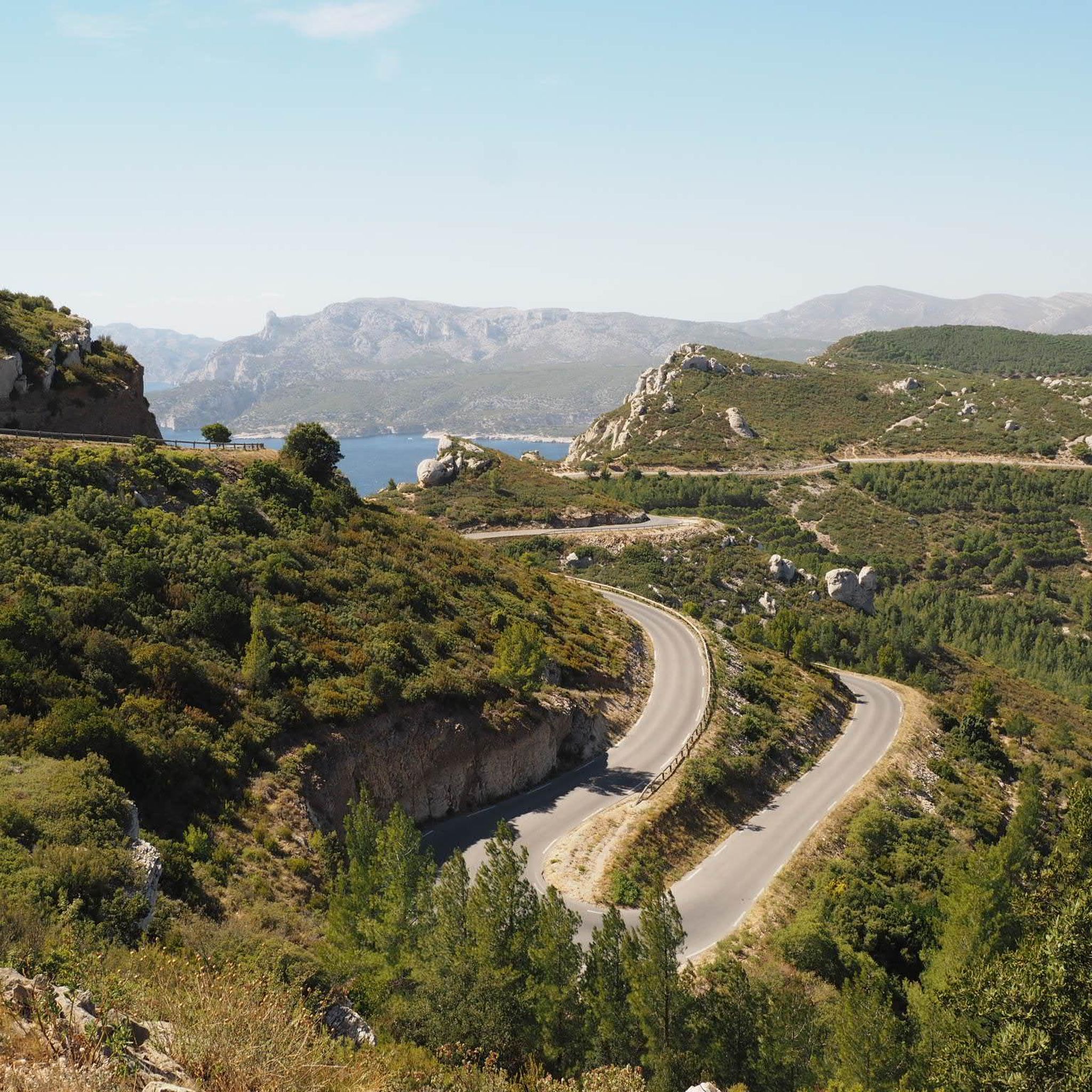


Tips from the Community

From up here you have a great view in all directions.
0
0

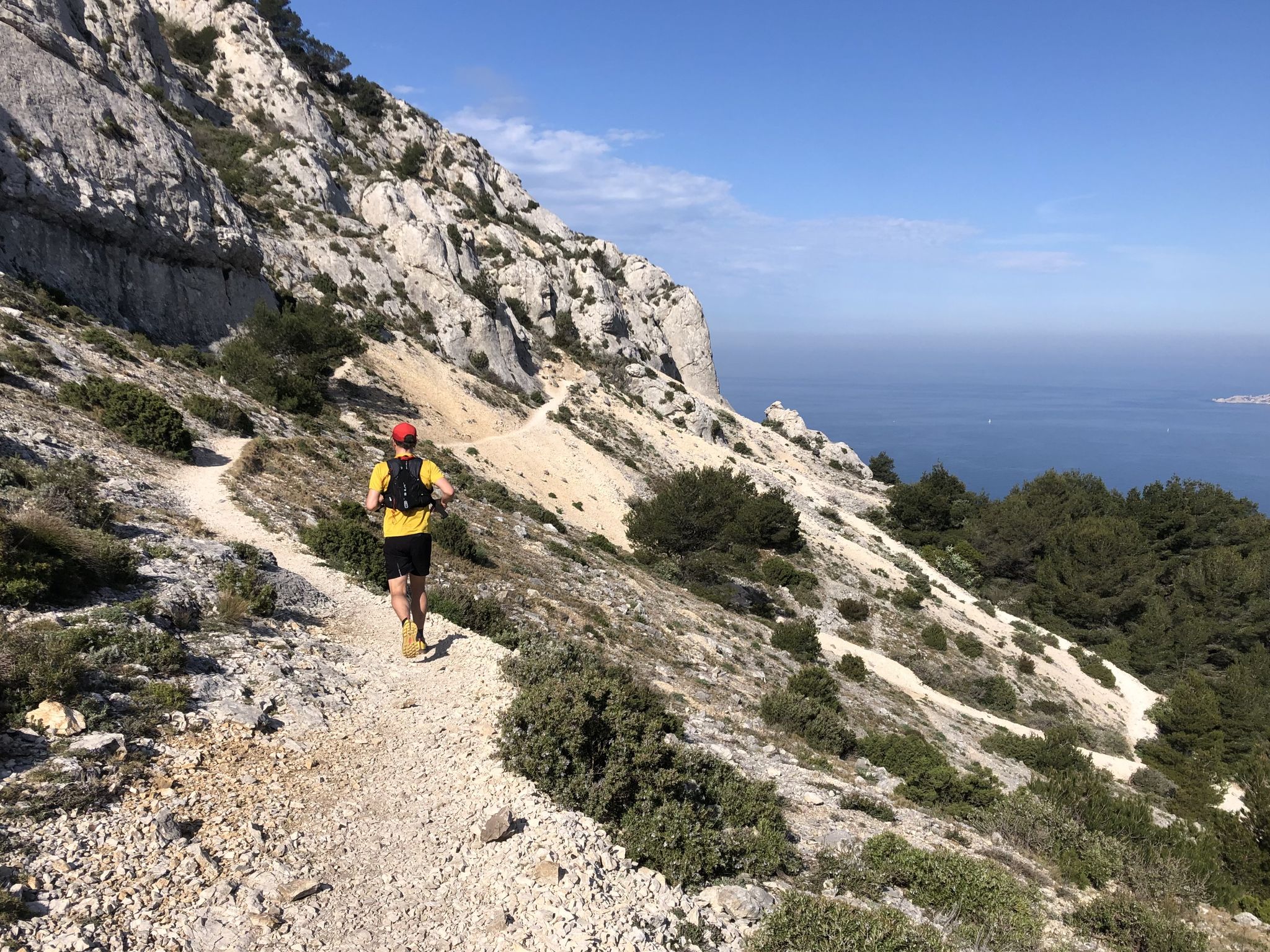
During this hike we pass from views of southern Marseille then switch to views of incredible nature and the sea. The path is very varied and very rich with passages more sporty than others, a treat which remains accessible to people who are not very trained but still equipped with good shoes and not scared by some passages above voids not exceeding 10 meters.
0
0

Certainly the highest but perhaps not the most beautiful. The climb is nevertheless worth it, especially if you avoid the crowds
1
0

EN The Marseilleveyre massif is a range of karst limestone located on the southern coast of Marseille. Culminating at 432 meters above sea level, it is a popular hiking and climbing site offering a panorama of the Marseille harbor, the surrounding islands and the neighboring ranges: Puget massif, Saint-Cyr massif, Garlaban massif, Étoile massif, Sainte-Baume massif, etc. It dominates the western part of the Calanques massif. EN The Marseilleveyre massif is a range of karst limestone located on the southern coast of Marseille. Culminating at 432 meters above sea level, it is a popular hiking and climbing site offering a panorama of the Marseille harbor, the surrounding islands and the neighboring ranges: Puget massif, Saint-Cyr massif, Garlaban, Étoile massif, Sainte-Baume massif, etc. It dominates the western part of the Calanques massif. SOURCE WIKIPEDIA
1
0

Very beautiful 360° view of the surrounding area
1
1
Unmissable summit to admire the harbor of Marseille!
1
1
Beautiful hike with great views of the creeks and the bay of Marseille
1
0
The most at the top overlooking the 3 “Marseille” coves. The view is beautiful but not as impressive as candlelight.
1
1
Frequently Asked Questions
Which mountain peaks offer the best panoramic views in Calanques?
For truly spectacular panoramic views, consider Mount Puget, the highest point of the Calanques massif at 563 meters, offering a 360° vista of the Calanques, Cap Canaille, Sainte Baume, and Garlaban. The Marseilleveyre summit (434 meters) also provides superb views over Marseille and the Calanques, extending to Cap Canaille. Additionally, Béouveyre Summit, at 366 meters, offers a lovely panorama over Marseille, the Calanques, and the Frioul archipelago.
What is the highest mountain peak in the Calanques National Park?
The highest point within the Calanques National Park is Mont Carpiagne, reaching an elevation of 646 meters. While not listed as a specific highlight in this guide, it is located in the Saint-Cyr massif and offers a significant challenge for those seeking the highest points in the park.
Are there challenging hiking routes to the mountain peaks in Calanques?
Yes, the Calanques region is known for its challenging and rewarding hikes. Trails to peaks like Mount Puget involve steep ascents through rugged terrain, making them suitable for experienced hikers. Many routes in the area, such as those found in the Hiking in Calanques guide, are rated as difficult due to significant elevation changes and technical sections.
What kind of unique natural features can I expect to see on these mountain peaks?
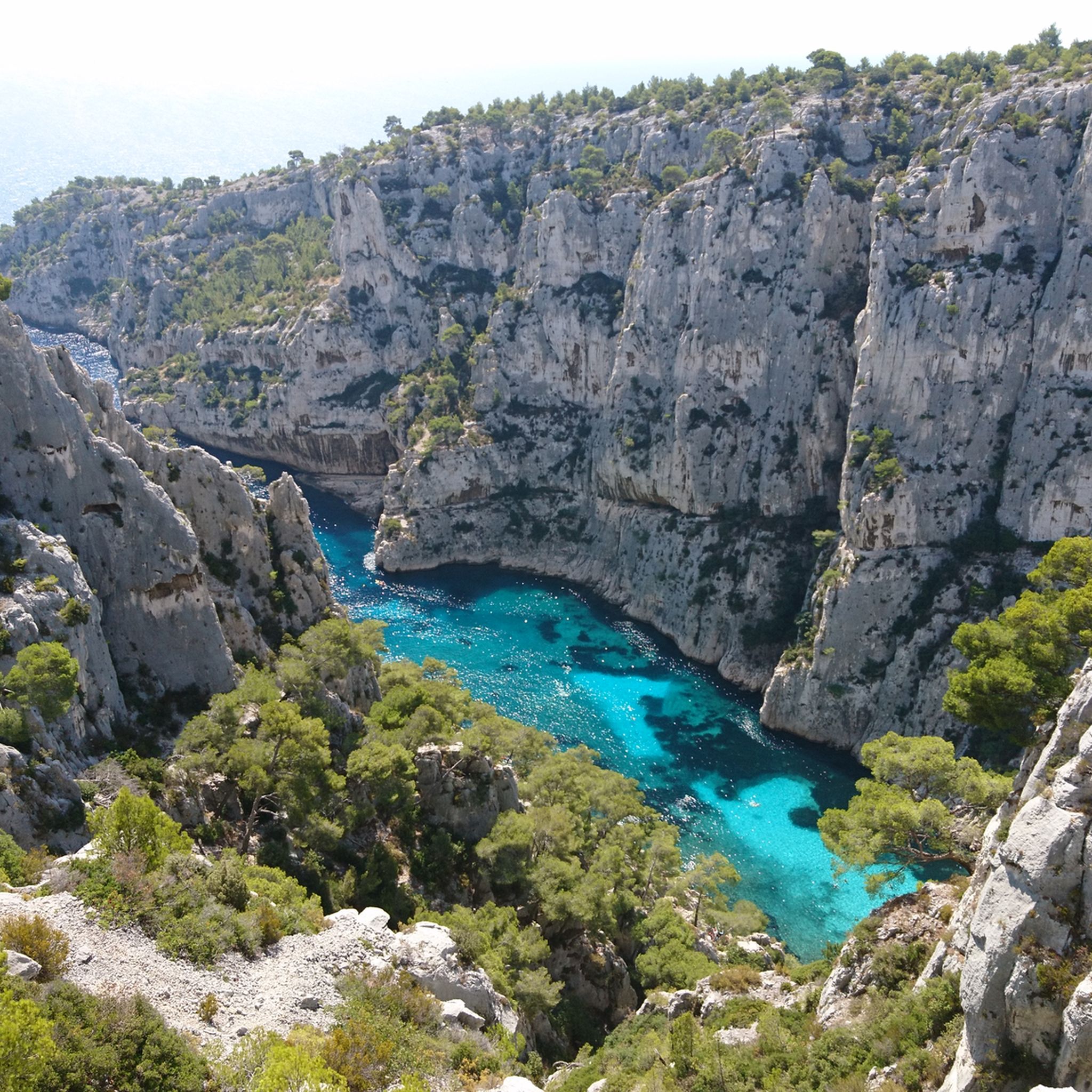
The mountain peaks in Calanques are characterized by dramatic limestone formations, steep valleys, and impressive sea cliffs. You'll witness unique geological history, including the distinct limestone strata of Mount Puget and the high coastal cliffs of Cap Canaille. The region also boasts a rich biodiversity, with 140 protected terrestrial animal and plant species.
What outdoor activities can I do near the Calanques mountain peaks?
Beyond hiking to the peaks, the Calanques National Park offers a variety of outdoor activities. You can explore numerous running trails, including challenging routes like the Mont de Luminy loop. For cyclists, there are diverse gravel biking routes, such as the demanding View of Cassis – Route des Crêtes loop. The unique combination of sea and mountain also provides opportunities for enjoying coastal landscapes and secluded coves.
Are there any historical sites or landmarks near the mountain peaks?
Yes, for example, the Pomègues Island Summit, while not a high mountain peak, features an old fort with numerous rooms and chambers at its highest point, offering a glimpse into the region's past alongside magnificent views of the island and its surroundings.
What is the best time of year to hike the Calanques mountain peaks?
The Calanques National Park can experience very hot summers, making spring and autumn ideal for hiking. During these seasons, temperatures are milder, and the natural beauty of the landscape is at its peak. Hiking in winter is also possible, but be prepared for cooler temperatures and potentially stronger winds.
Are there any less crowded mountain hikes in Calanques?
While popular peaks can attract many visitors, exploring some of the lesser-known trails or visiting during off-peak seasons (outside of summer holidays) can lead to a more isolated experience. The environment around many of these peaks is often wild and mineral, inspiring a feeling of connection with nature even on more frequented paths. Consider exploring areas further from the main access points for a quieter experience.
What should I wear for hiking in the Calanques mountains?
Given the rugged terrain and varied paths, it's essential to wear sturdy hiking shoes with good grip. Layers of clothing are advisable to adapt to changing weather conditions, especially if you start early or hike into the evening. Don't forget sun protection, including a hat and sunscreen, as many trails are exposed, and carry plenty of water, especially during warmer months.
What do visitors enjoy most about the mountain peaks in Calanques?
Visitors consistently praise the breathtaking panoramic views from the summits, with many describing the 360-degree vistas as 'spectacular' and 'terrific.' The challenging yet rewarding nature of the hikes, the unique geological formations, and the sense of isolation and connection with nature are also frequently highlighted. The combination of mountainous terrain meeting the Mediterranean Sea offers a truly unique experience.
Are there any mountain peaks that offer views of Cassis?
Yes, Bau de la Saoupe, a promontory accessible via the crest road, offers a sublime view of the city of Cassis and its port, including Cap Canaille. From this point, you can enjoy a beautiful landscape across the Bay of Cassis.
How accessible are the Calanques mountain peaks by public transport?
Access to the Calanques National Park and its peaks can be challenging by public transport, especially for reaching specific trailheads. While some bus lines serve areas near the park's edges, reaching the starting points for many mountain hikes often requires a car. It's advisable to research specific routes and their accessibility before planning your trip.
Most popular routes in Calanques
Most popular attractions in Calanques

Get inspired with the komoot mobile app


Explore more
See even more amazing summits in Calanques with these guides:
