The 20 Most Amazing Peaks in Picos De Europa
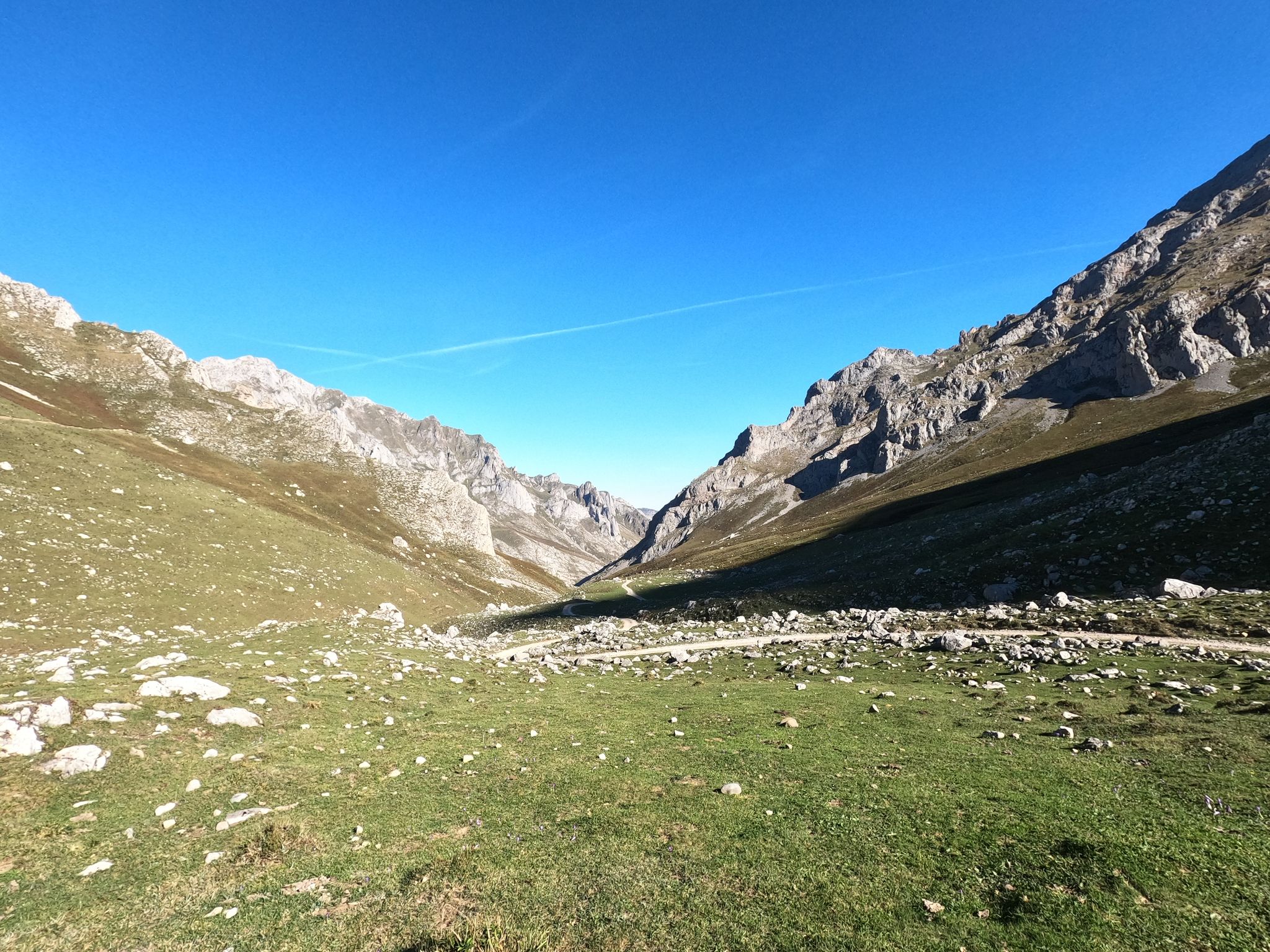
Best mountain peaks in Picos De Europa are characterized by their dramatic limestone formations and deep gorges. This region, a national park in northern Spain, spans across Asturias, Cantabria, and Castile and León. The landscape features high-altitude peaks, verdant valleys, and dense forests. It is a significant area for biodiversity and offers diverse terrain for outdoor activities.
Best mountain peaks in Picos De Europa
- The most popular mountain peaks is El Cable Viewpoint, a viewpoint that is the top…
Last updated: October 4, 2026
El Cable Viewpoint
Highlight • Viewpoint
Translated by Google •
Tip by

Vega de Urriellu Refuge
Highlight • Mountain Hut
Translated by Google •
Tip by

Sign up now to discover places like this
Get recommendations on the best single tracks, peaks, & plenty of other exciting outdoor places.
Jou de los Cabrones Refuge
Highlight • Mountain Hut
Translated by Google •
Tip by
Peña Oviedo Summit
Highlight • Summit
Translated by Google •
Tip by

Collado Pandébano
Highlight • Mountain Pass
Translated by Google •
Tip by
Sign up for free to discover even more peaks in Picos De Europa.
Already have an account?
Start today with a free account
Your next adventure awaits.
Popular around Picos De Europa
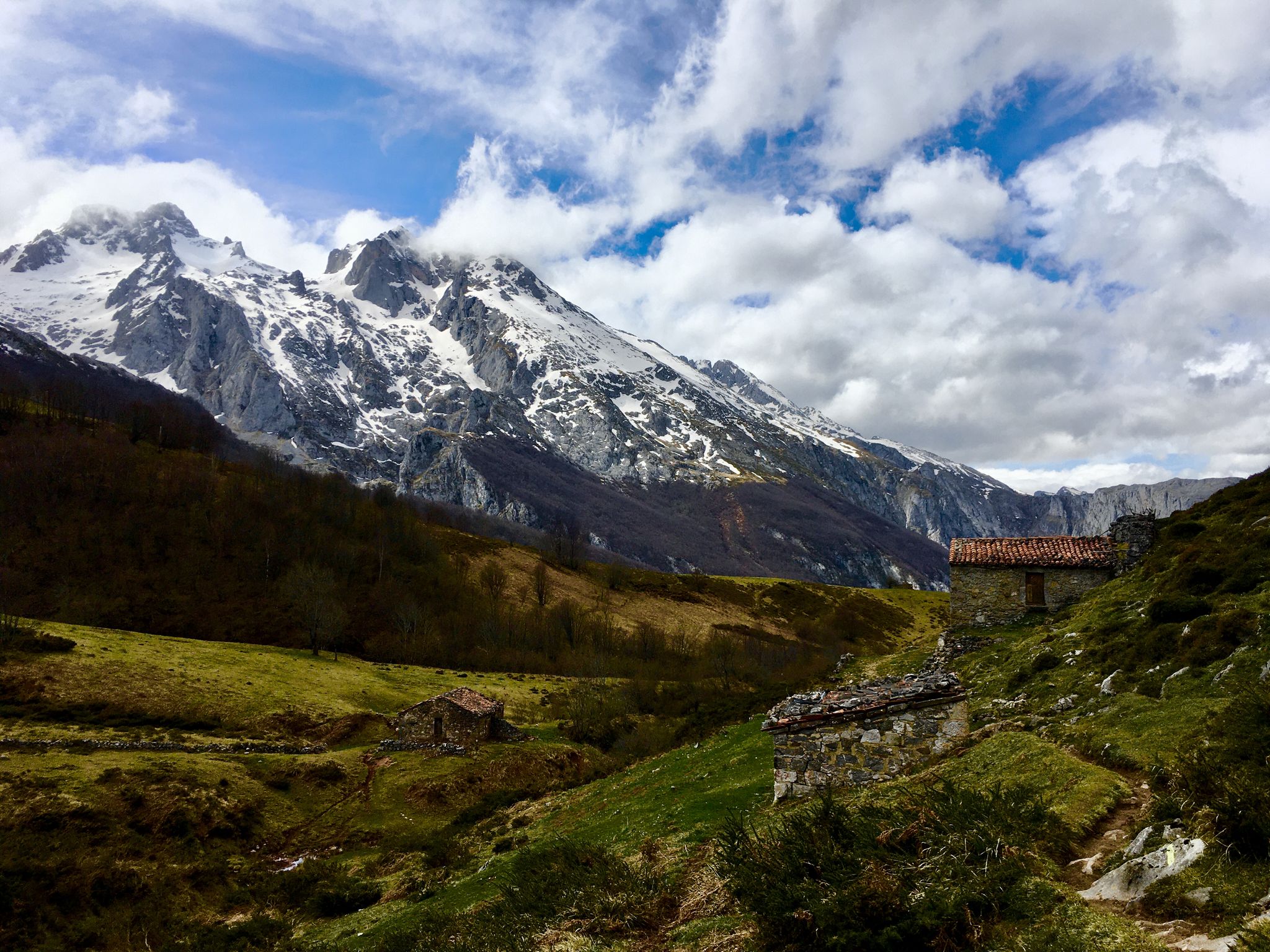
Route of the Reconquest (GR 202) – In the footsteps of an army
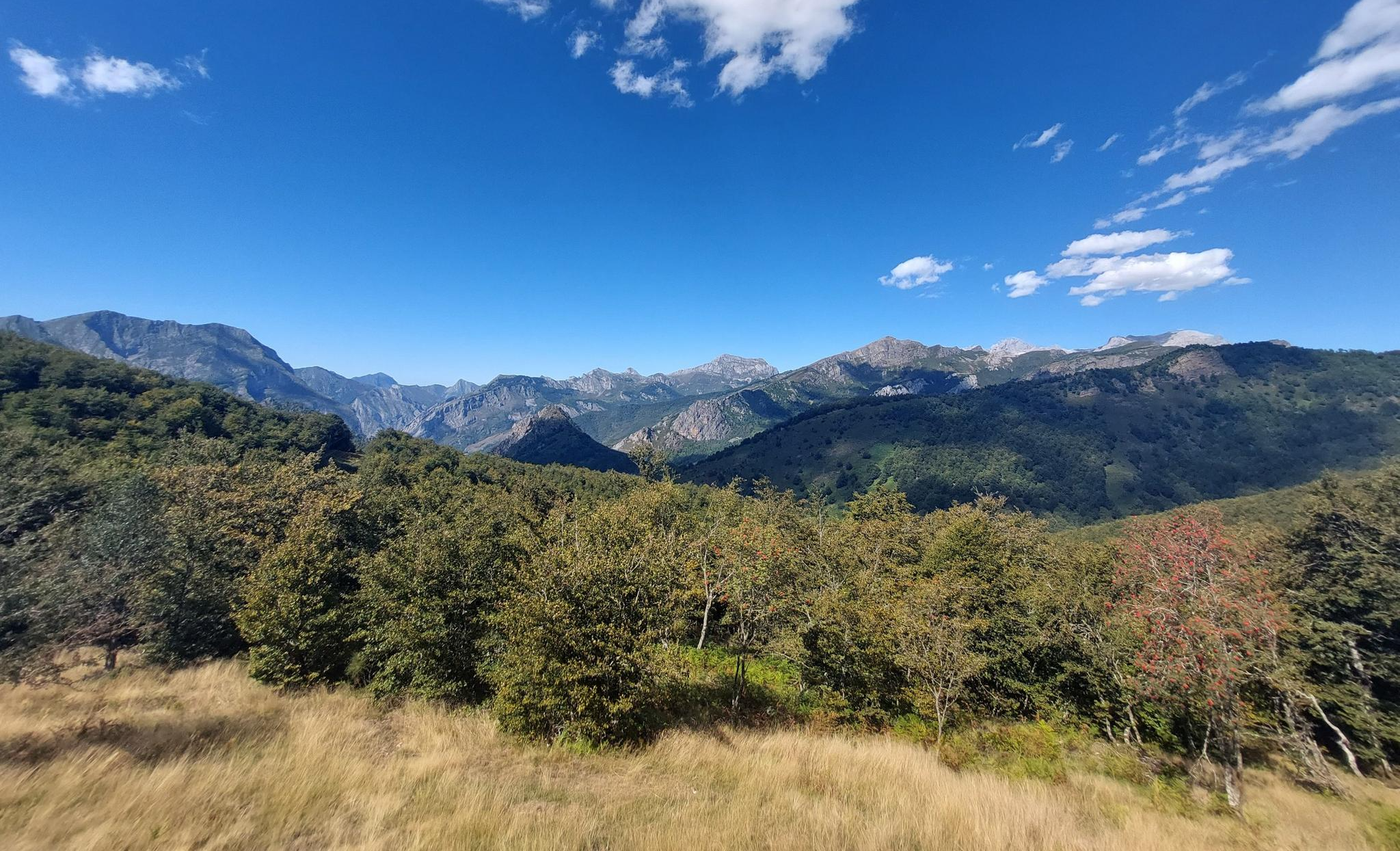
Senda del Arcediano (GR 210) - A historical hike through the Picos del Picos
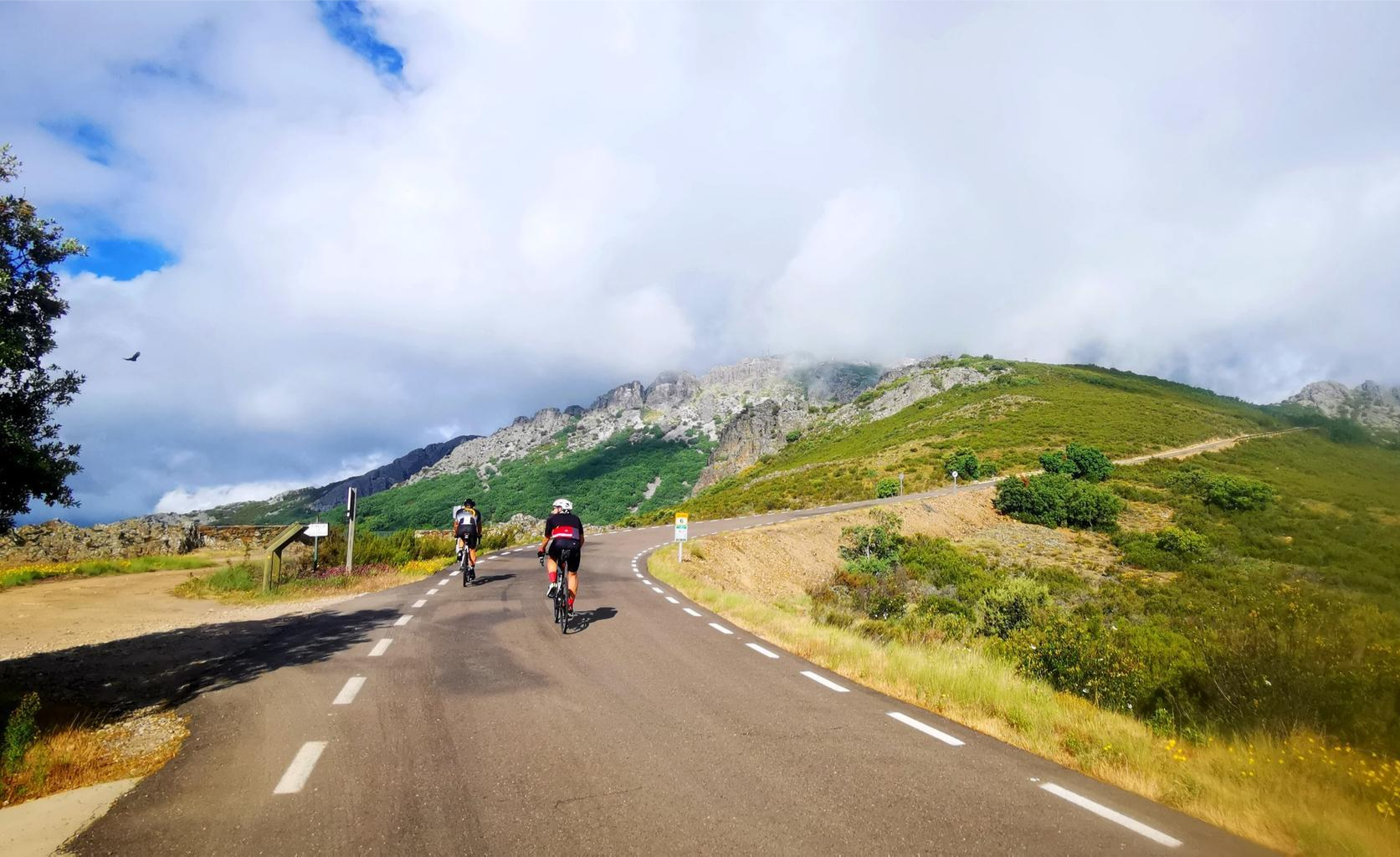
Legendary climbs - Ports of La Vuelta a España
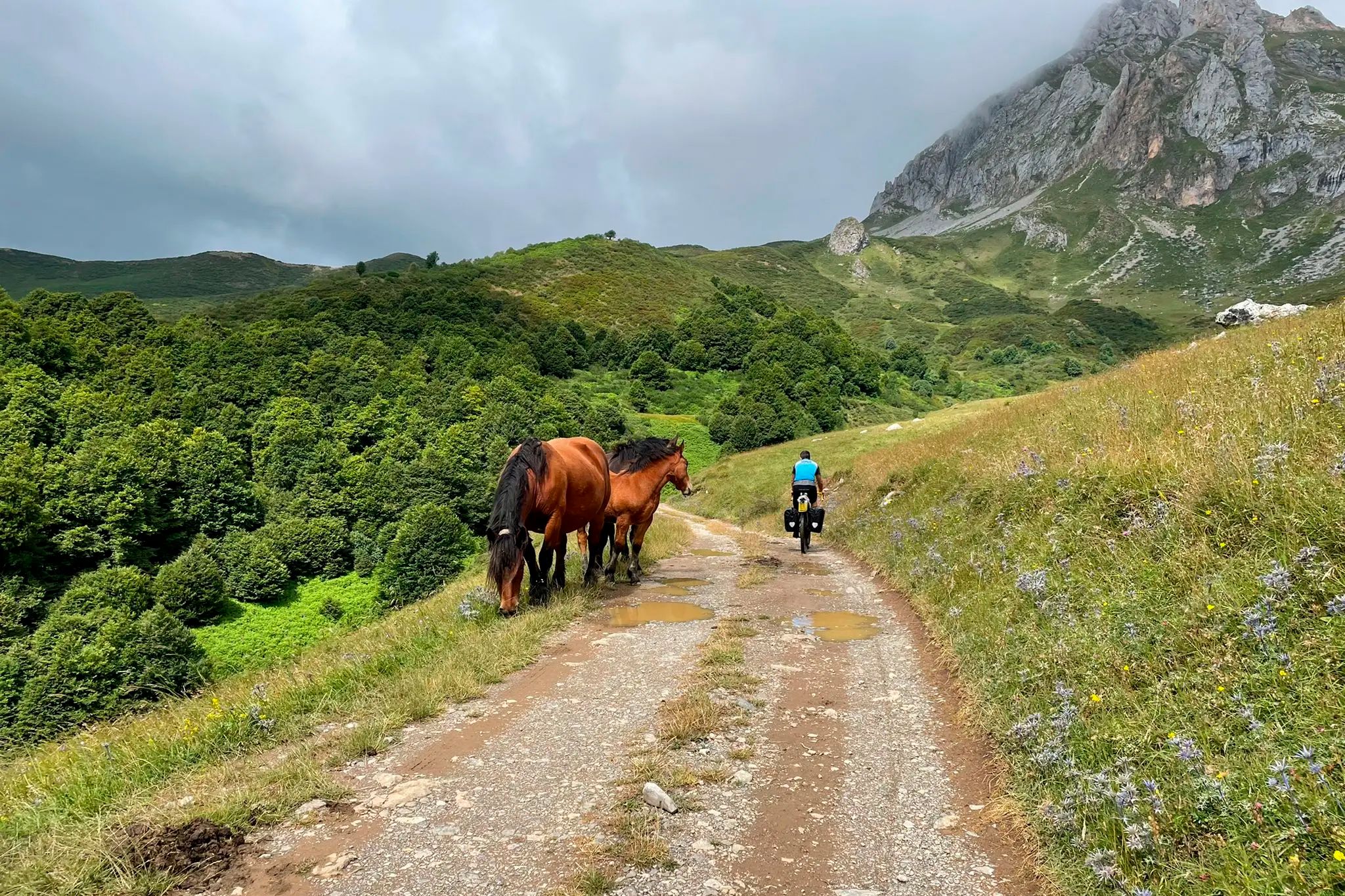
TransCantabrica – Extreme mountain biking in northern Spain
From statue to statue – Reconquista Challenge
A trip through the mountains – Pedales de León MTB
A pilgrimage to the peaks – Camino de los Santuarios
The untamed Collado Jermoso – Picos de Europa
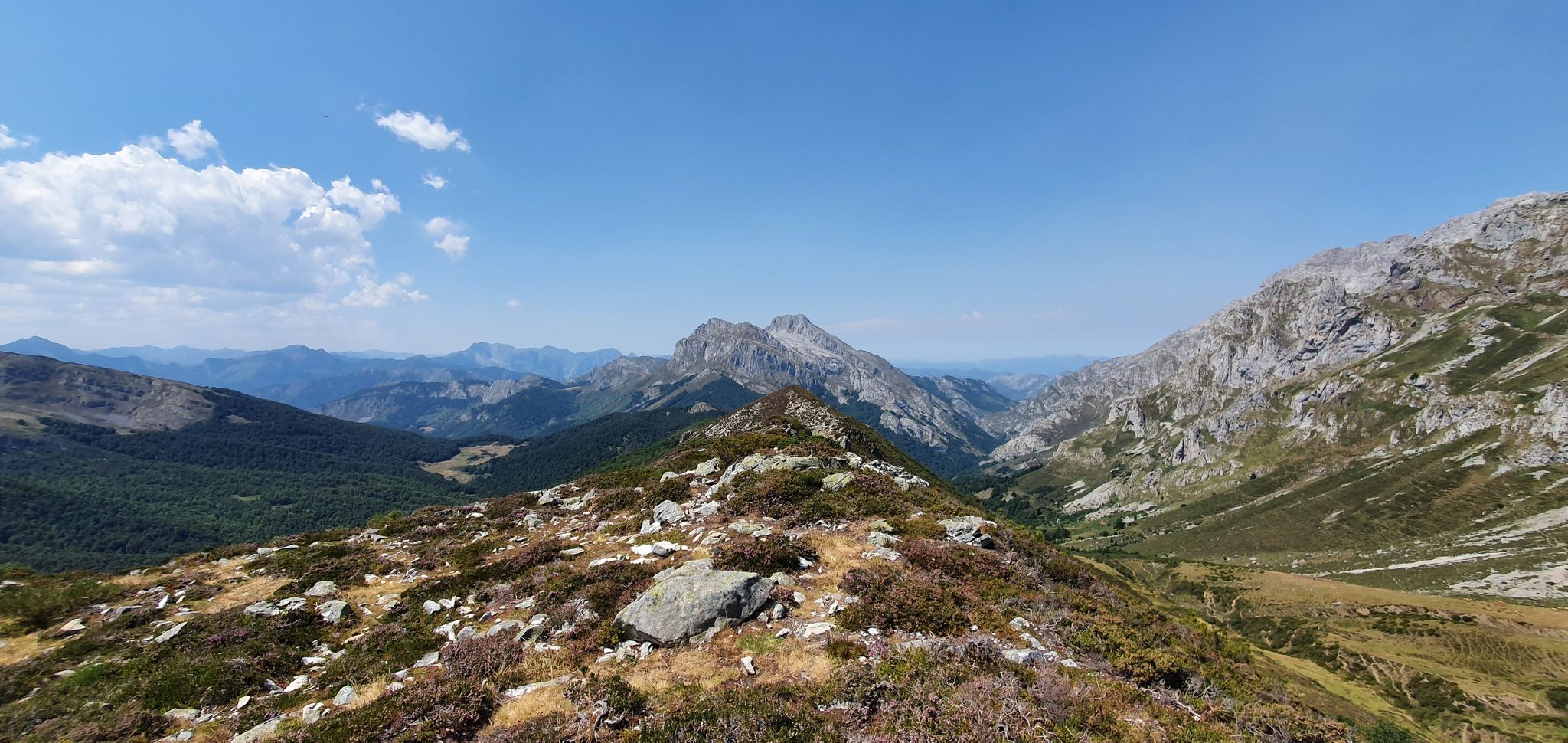
Four days hiking in Spain’s Picos de Europa – Anillo Vindio
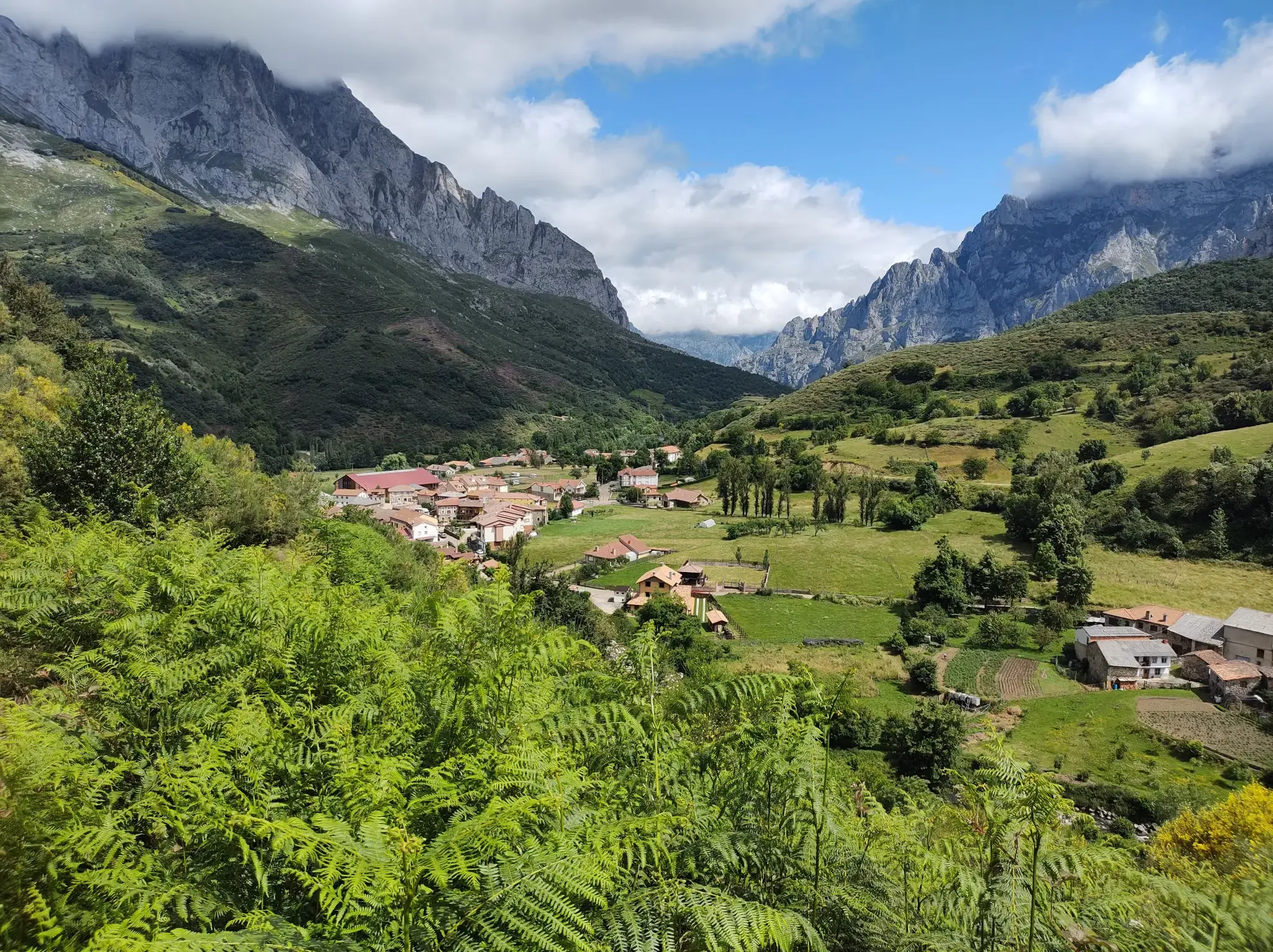
Hike Spain’s Picos de Europa – Ring of Peaks, Three Massifs
Other adventures in Picos De Europa


Tips from the Community

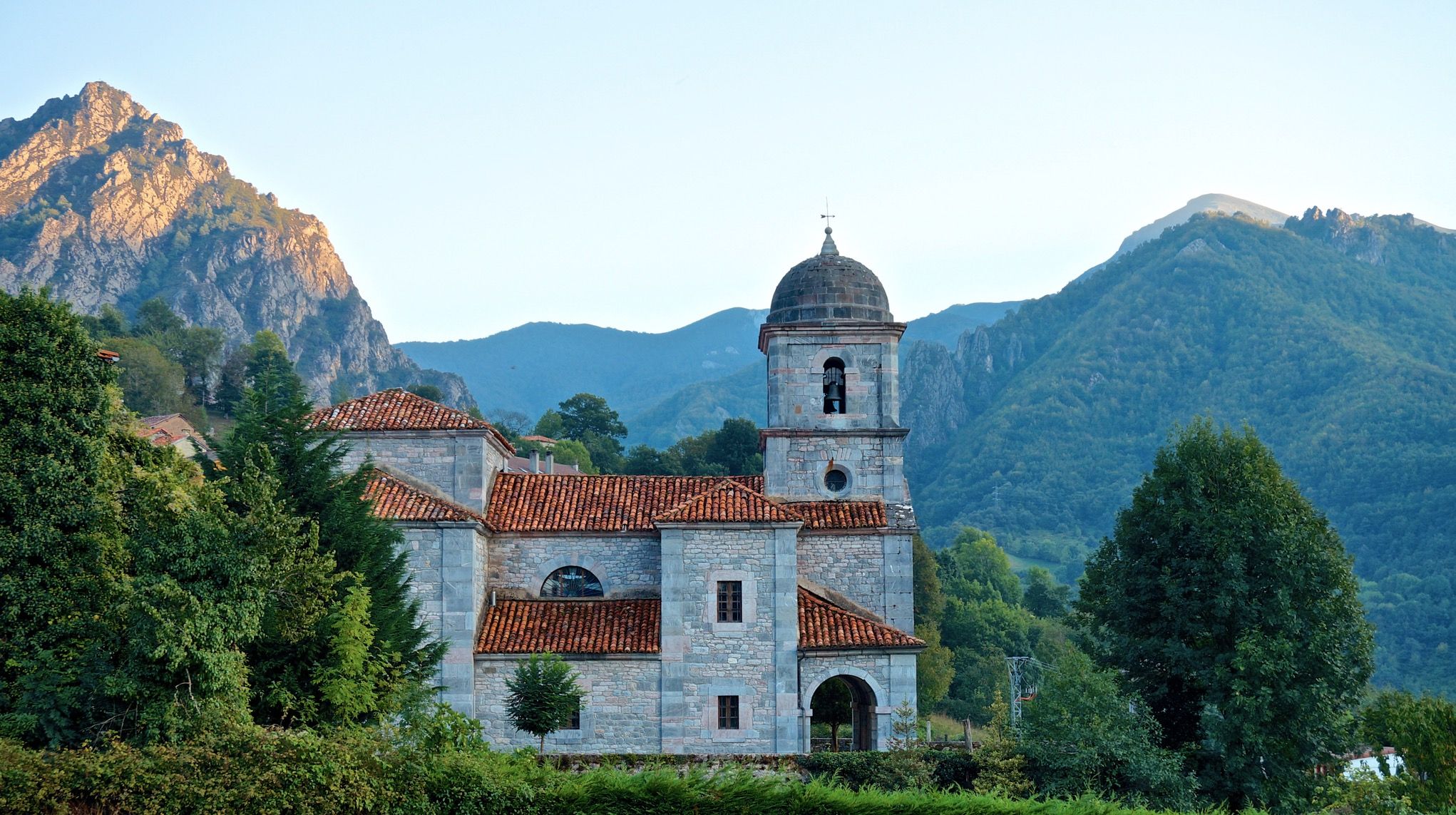
Peña Oviedo, a modest summit with views of the mountainous surroundings of the Camaleño valley. Starting from Mogrovejo, the route runs along wide, well-paved trails, mostly through forest areas. The best thing is the panoramic views that we will enjoy as we gain altitude.
1
0

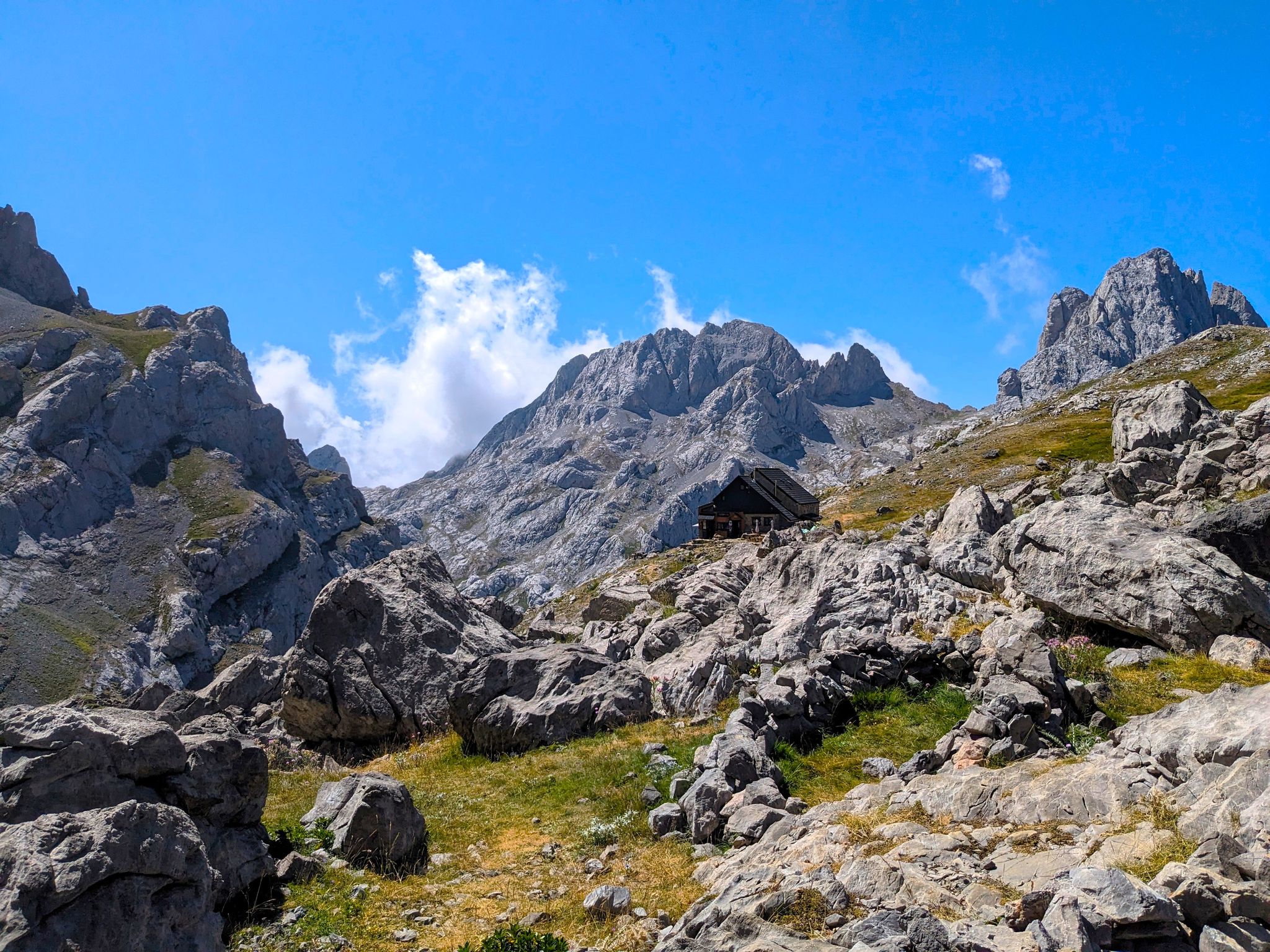
The Refugio Uriello is located at the foot of Pico Uriellu. It offers the possibility of spending the night in a dormitory. There are also hot and cold drinks and snacks. The view is fantastic. We sat on a bench in the sun and admired the summit.
2
1

La Vega de Urriellu and its refuge are a paradise in the heart of Picos de Europa.
3
2

Great starting point for a tour to Picu Urriellu
0
0
The shape of this mountain attracts from afar!
1
0
Here you will be rewarded with a cold drink or a snack for the ascent
3
2
Great vantage point! Can be reached on foot by hiking along the Rio Duje.
2
0

Located at the foot of the mythical "Picu Urriellu", here you can buy drinks and food before continuing your route. It also has 96 sleeping places and in summer it is very busy.
1
1
Frequently Asked Questions
What are some of the most popular mountain peaks and viewpoints in Picos De Europa?
Visitors frequently enjoy the panoramic views from El Cable Viewpoint, which is easily accessible via the Fuente Dé cable car. Another highly regarded spot is Torre de los Horcados Rojos, known for its incredible 360° vistas. For those seeking a more challenging approach with stunning rewards, Collado Pandébano offers spectacular views towards Urriellu.
Are there any family-friendly mountain trails or viewpoints in Picos De Europa?
Yes, El Cable Viewpoint is considered family-friendly due to its accessibility via the Fuente Dé cable car, offering breathtaking views without a strenuous hike. While many trails in Picos de Europa can be challenging, some sections or shorter walks around accessible points like El Cable can be suitable for families.
What is the best time of year to visit the mountain peaks in Picos De Europa?
The summer season is generally the busiest and most popular time for visiting the Picos de Europa, offering the best weather for hiking and exploring. However, spring and early autumn can also be excellent, with fewer crowds and pleasant temperatures, though some higher routes might still have snow in spring or experience early snowfall in autumn. Winter can be challenging due to snow and ice, making many routes inaccessible without specialized equipment.
Are there challenging climbs or multi-day treks available in the Picos De Europa mountains?
Absolutely. The Picos de Europa are renowned for their challenging terrain. The Jou de los Cabrones Refuge, for instance, is known as one of the most difficult to reach refuges in Spain, requiring some rock scrambling. Many multi-day treks traverse the park, often utilizing refuges for overnight stays. For specific routes, you can explore the Hiking in Picos De Europa guide, which includes challenging options like the 'Route of Cares from Poncebos to Caín' or 'Pico Tesorero y Horcados Rojos desde el Mirador de El Cable'.
Where can I find less crowded mountain trails in Picos De Europa?
While popular spots can get busy, exploring areas slightly off the main tourist routes can offer a quieter experience. For example, the trails leading to Peña Oviedo Summit, starting from Mogrovejo, run through forest areas and offer spectacular panoramic views with potentially fewer crowds than the most famous peaks. Consulting local guides or exploring less-advertised routes in the Hiking in Picos De Europa guide can also help you discover quieter paths.
What kind of outdoor activities can I do near the mountain peaks in Picos De Europa?
Beyond hiking and climbing, the region offers excellent opportunities for cycling. You can find various routes for road cycling in the Road Cycling Routes in Picos De Europa guide, including challenging loops like 'San Glorio Pass – Pandetrave Viewpoint'. For touring cyclists, the Cycling in Picos De Europa guide features routes such as the 'Lagos de Covadonga Trail'.
Are there accommodations or refuges available for hikers in the Picos De Europa mountains?
Yes, there are several mountain refuges. The Jou de los Cabrones Refuge is a notable example, offering accommodation and meals at a high altitude. It's advisable to reserve rooms or meals, especially during the busy summer season, through services like reservarefugios.com or by contacting the refuge directly.
What are the parking options for accessing mountain trails in Picos De Europa?
Parking availability varies by trailhead. Popular starting points like Fuente Dé, the base for the cable car to El Cable Viewpoint, typically have designated parking areas. For other trailheads, especially in more remote areas, parking might be limited to small lots or roadside spots. It's recommended to research specific trail access points in advance for parking information.
Can I reach mountain trailheads in Picos De Europa using public transport?
Public transport options exist for some popular access points. For example, you can take a bus from Potes to Fuente Dé to access the cable car and trails from there. However, many trailheads, particularly those for more remote or challenging routes, may require private vehicle access. It's best to check local bus schedules and routes for your specific destination.
What natural features are prominent around the mountain peaks of Picos De Europa?
The Picos de Europa are characterized by dramatic limestone formations, deep gorges, and high-altitude peaks. You'll encounter verdant valleys, dense forests, and stunning rock faces. The region is also known for its unique biodiversity, making it a rich area for nature observation. Viewpoints like El Cable Viewpoint offer expansive views of these diverse landscapes.
Are there any circular mountain walks in Picos De Europa?
Yes, the Picos de Europa offer various circular routes for hikers. For instance, the 'Puertos de Áliva from Fuente Dé — circular in the Parque Nacional Picos de Europa' is a popular option mentioned in the Hiking in Picos De Europa guide. These routes allow you to experience diverse scenery without retracing your steps.
Most popular routes in Picos De Europa
Most popular attractions in Picos De Europa

Get inspired with the komoot mobile app


Explore more
See even more amazing summits in Picos De Europa with these guides:
