Attractions and Places To See in Picos De Europa - Top 20
Attractions and places to see in Picos de Europa span a dramatic mountain range in northern Spain, known for its mix of peaks, deep gorges, and glacial lakes. The region is characterized by its three distinct massifs, offering diverse landscapes from challenging climbs to green valleys. Picos de Europa is also home to significant cultural heritage sites, including historic villages and ancient sanctuaries. This area provides a range of natural and cultural points of interest for visitors.
Best attractions and places to see in Picos de Europa
- The most popular attractions is 6 km on the Ruta del Cares, a gorge that features the most spectacular section of the Cares Trail. This part of the route offers views of nature in its full splendor within a rocky gap over 2,000 meters deep.
- Another must-see spot is Dwarves' Tunnels on the Cares Trail, a series of 71 man-made tunnels. These tunnels are carved into the rock face, providing unique passage along the Cares River route.
- Visitors also love Fuente Dé Cable Car, a facility that ascends visitors to an altitude of around 1,823 meters. The cable car ride is known for its spectacular panoramic views of the surrounding peaks and valleys.
- Picos de Europa is known for its dramatic gorges, high mountain viewpoints, and historical settlements. The region offers a variety of attractions, from natural monuments to man-made structures, catering to different interests.
- The attractions in Picos de Europa are appreciated by the komoot community, with over 340 upvotes and 140 photos shared across 179 highlights.
Last updated: September 27, 2026
6 km on the Ruta del Cares
Highlight • Gorge
Translated by Google •
Tip by

El Cable Viewpoint
Highlight • Viewpoint
Translated by Google •
Tip by

Sign up now to discover places like this
Get recommendations on the best single tracks, peaks, & plenty of other exciting outdoor places.
Dwarves' Tunnels on the Cares Trail
Highlight • Structure
Translated by Google •
Tip by
Fuente Dé Cable Car
Highlight • Rest Area
Translated by Google •
Tip by

Ruins of the Shepherds’ Settlement on the Ruta del Cares
Highlight • Settlement
Translated by Google •
Tip by
Sign up for free to discover even more attractions in Picos De Europa.
Already have an account?
Start today with a free account
Your next adventure awaits.
Popular around Picos De Europa
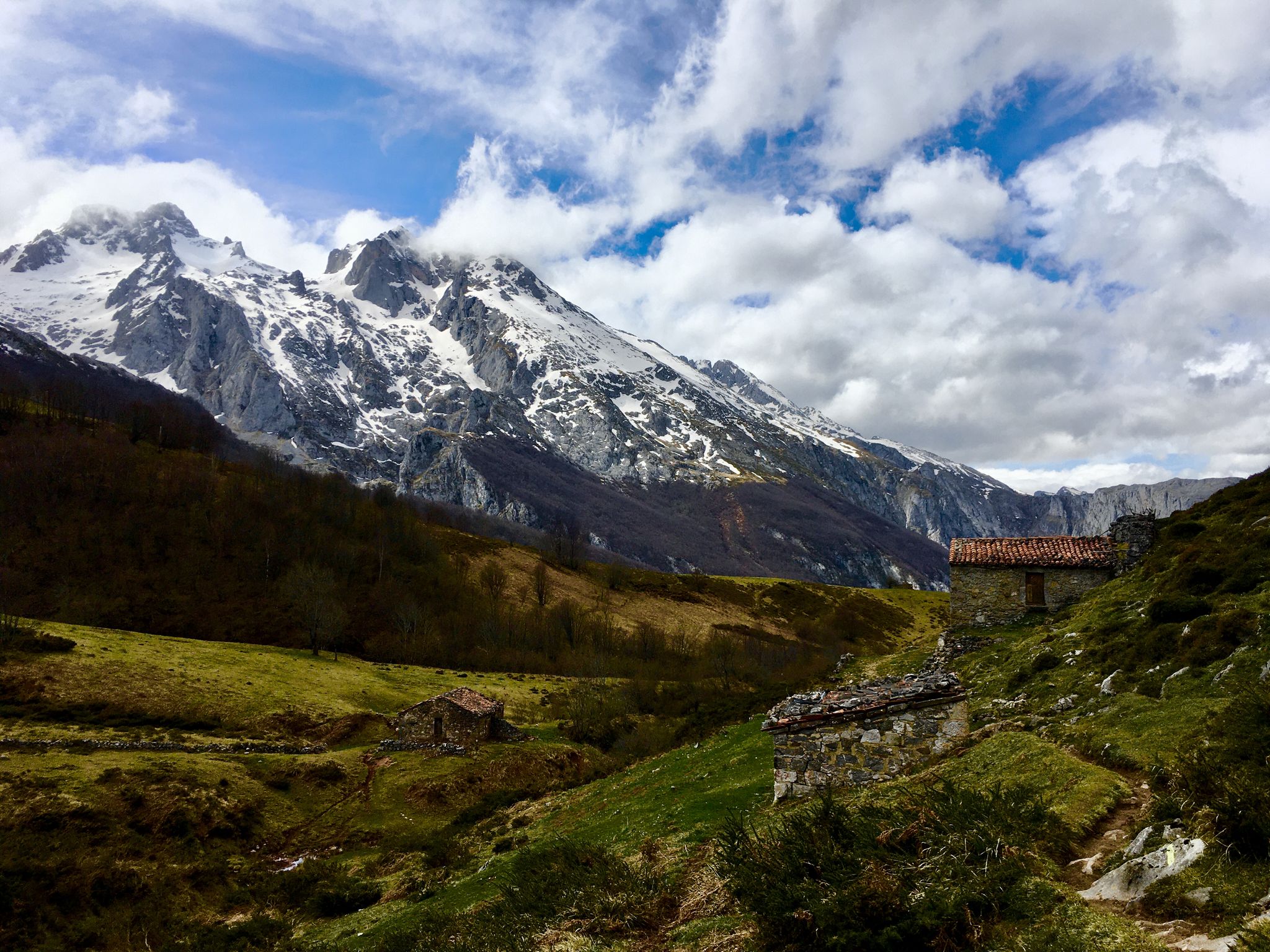
Route of the Reconquest (GR 202) – In the footsteps of an army
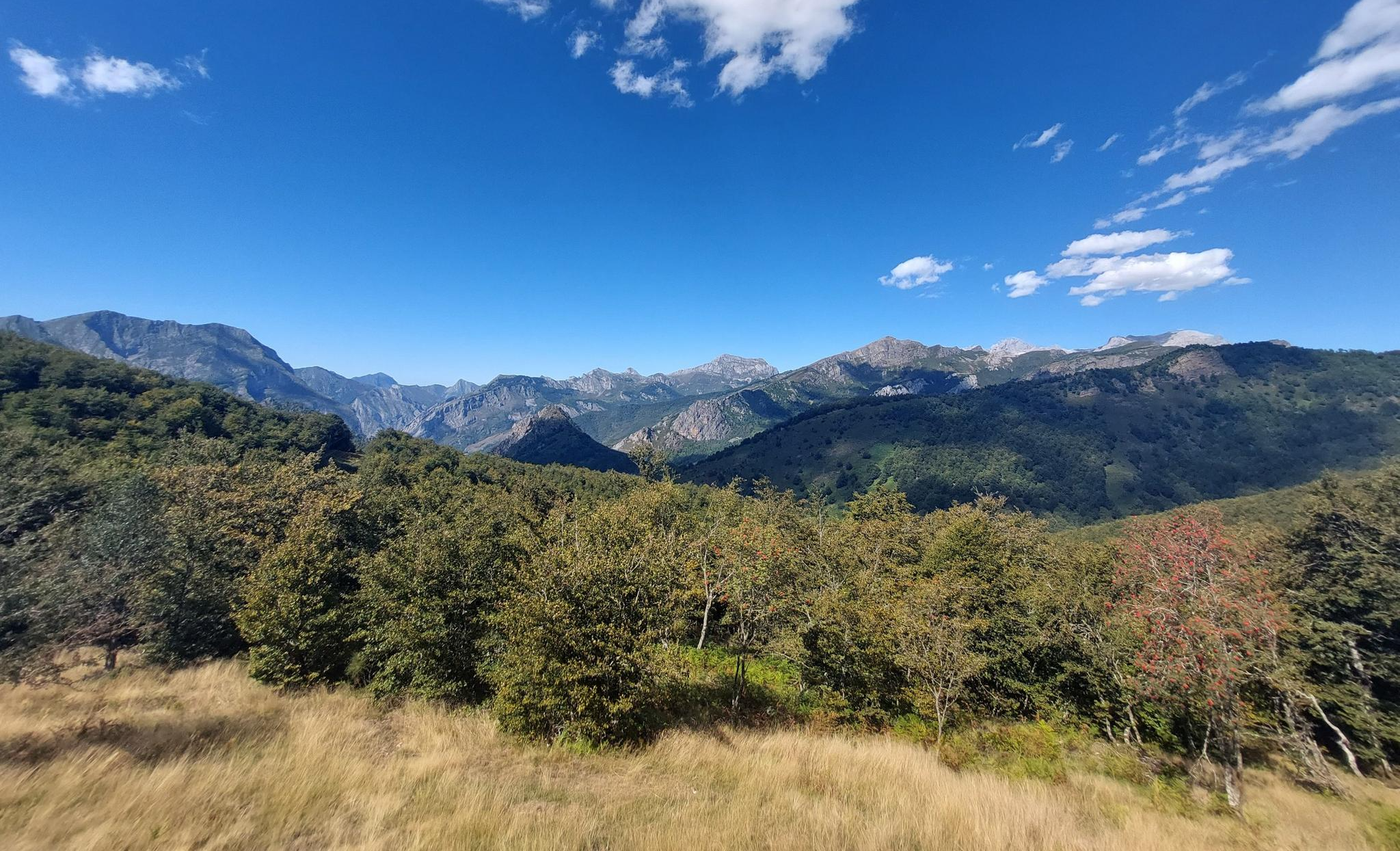
Senda del Arcediano (GR 210) - A historical hike through the Picos del Picos
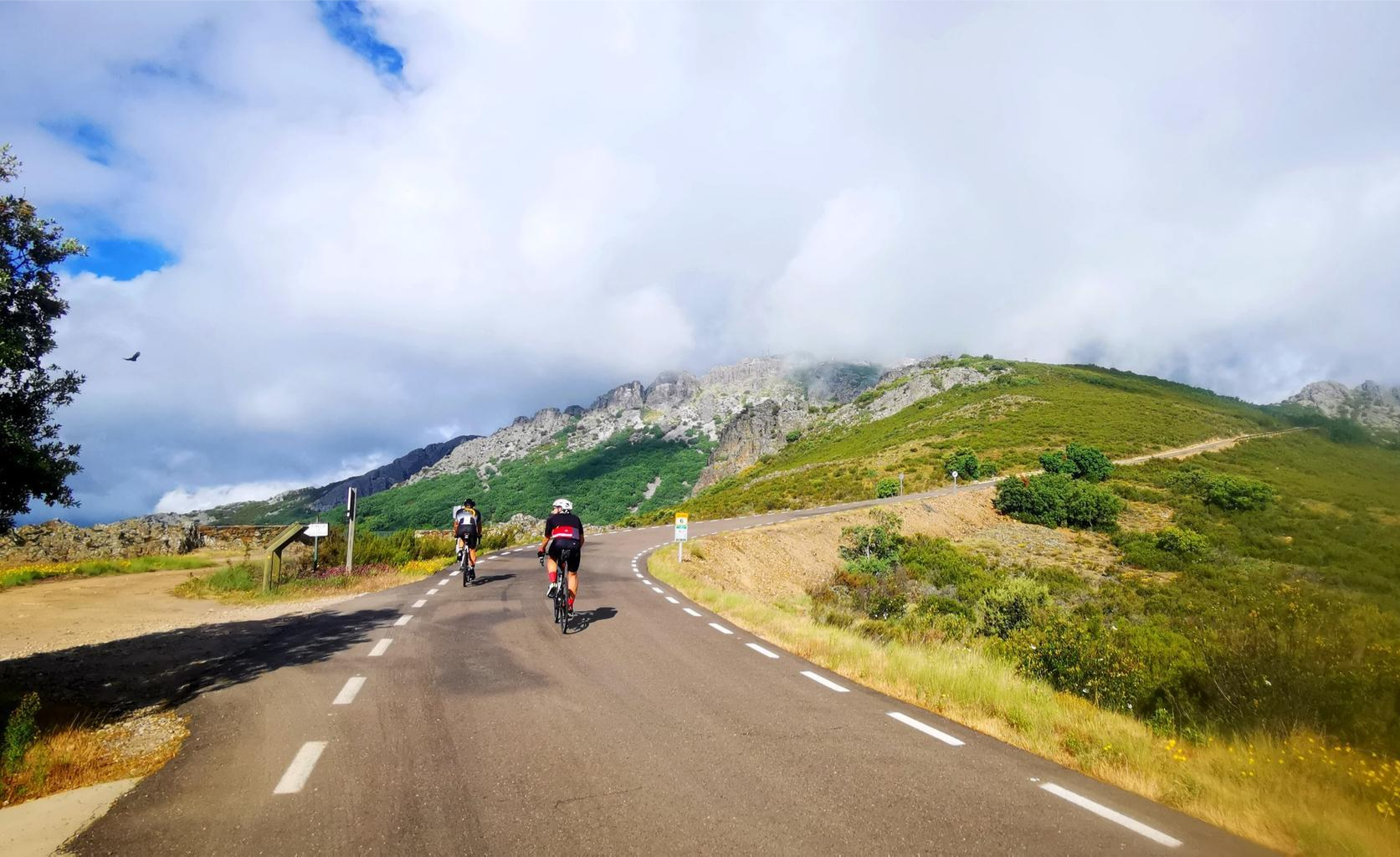
Legendary climbs - Ports of La Vuelta a España
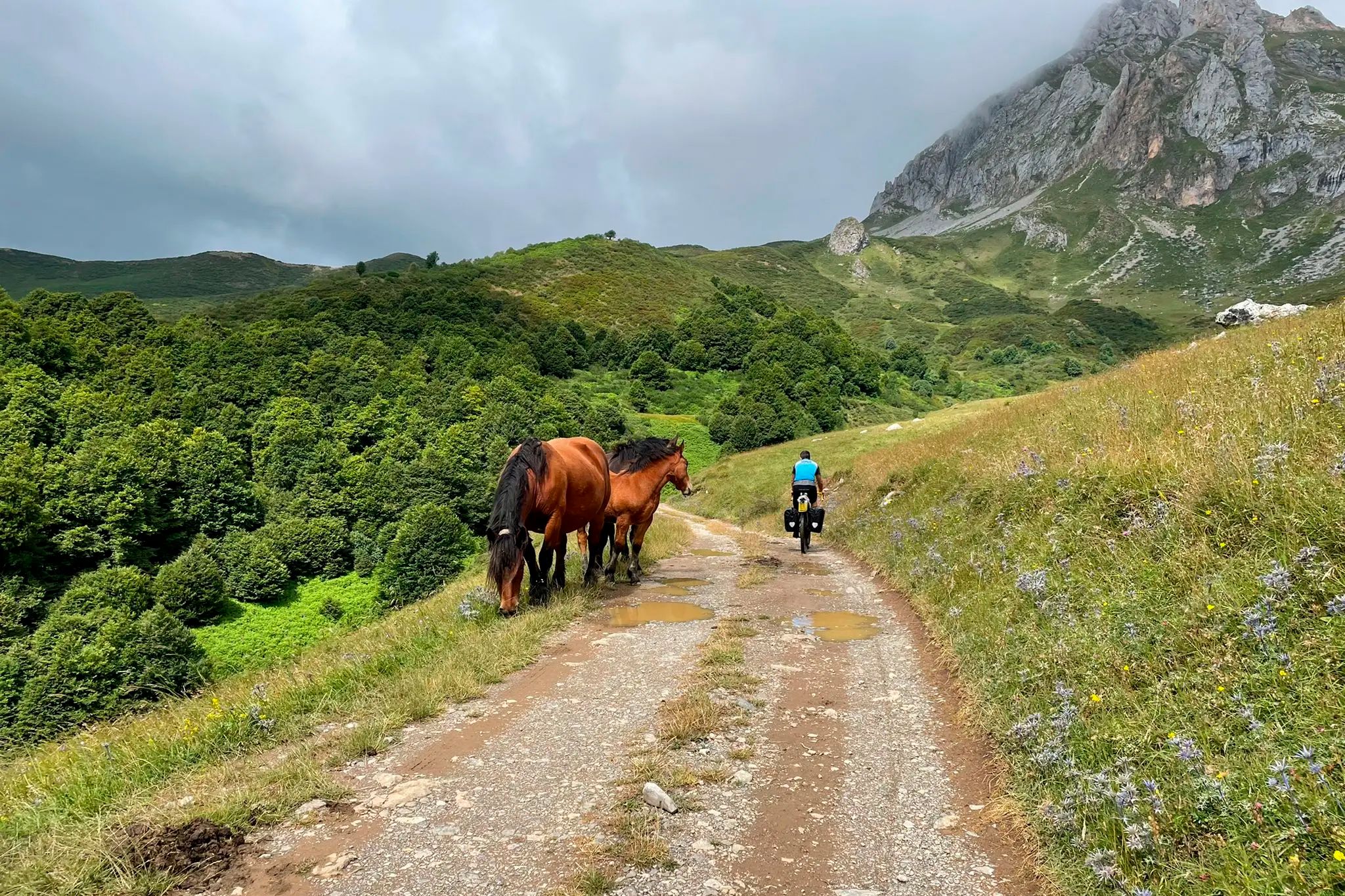
TransCantabrica – Extreme mountain biking in northern Spain
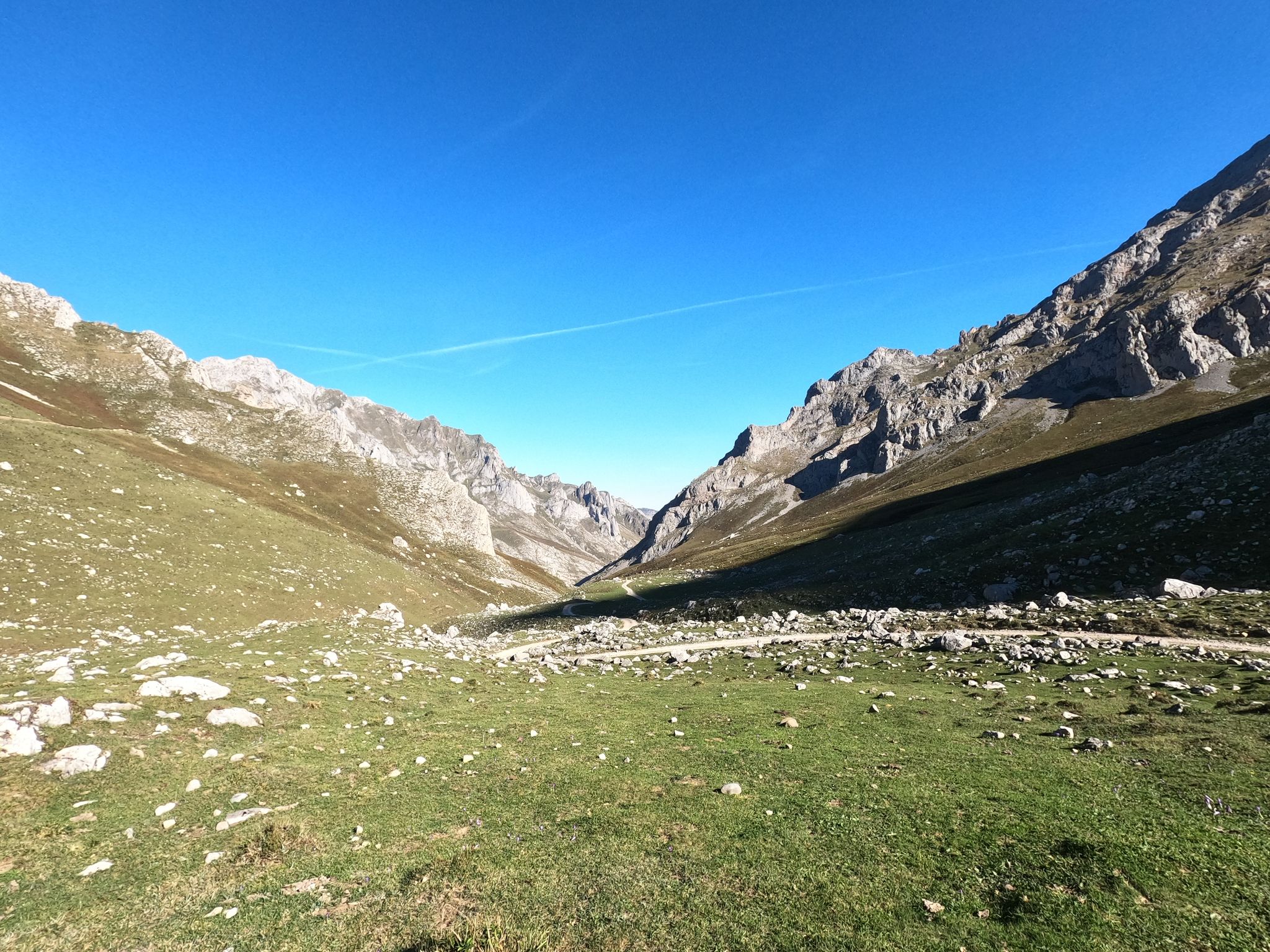
From statue to statue – Reconquista Challenge
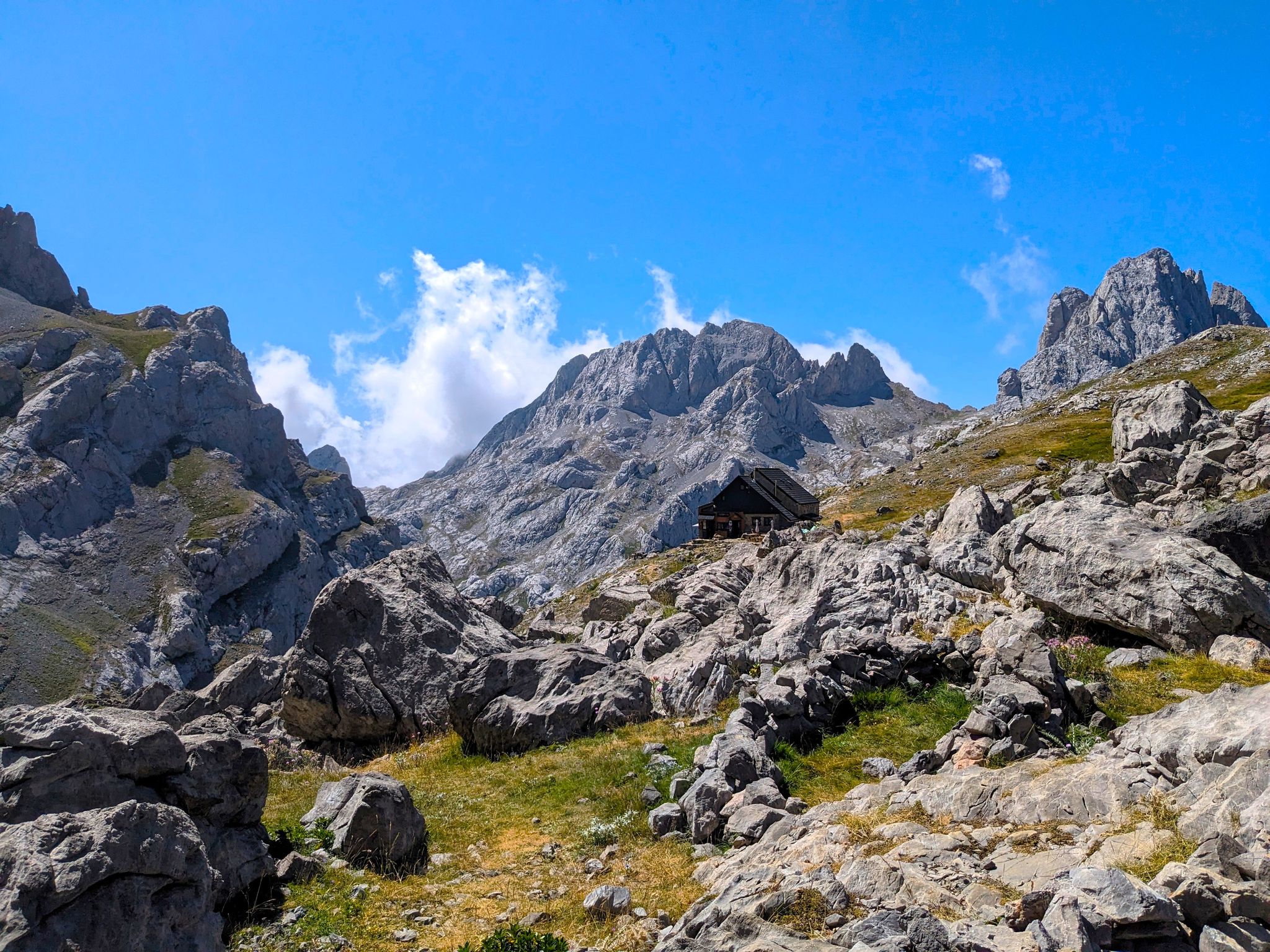
A trip through the mountains – Pedales de León MTB
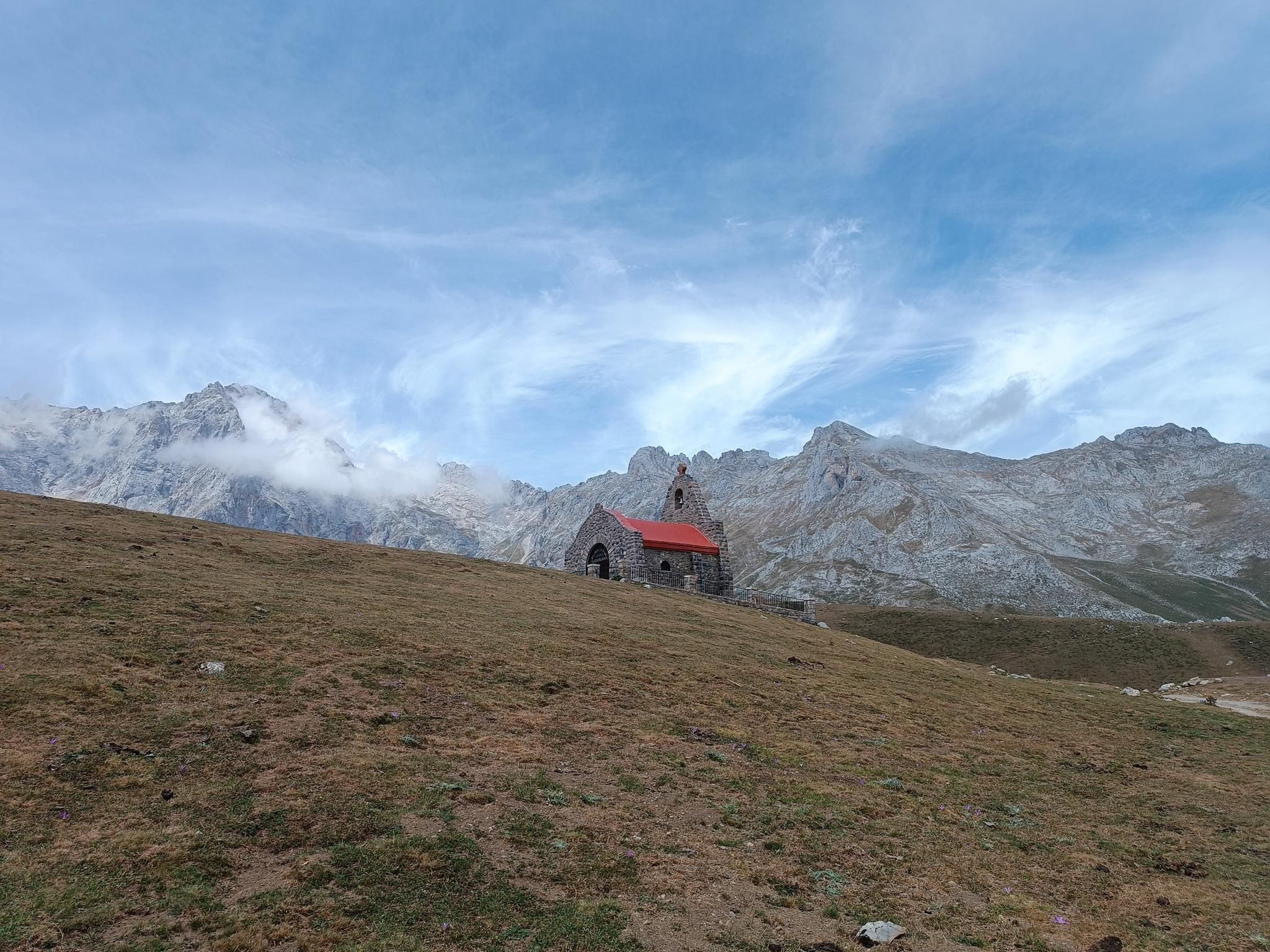
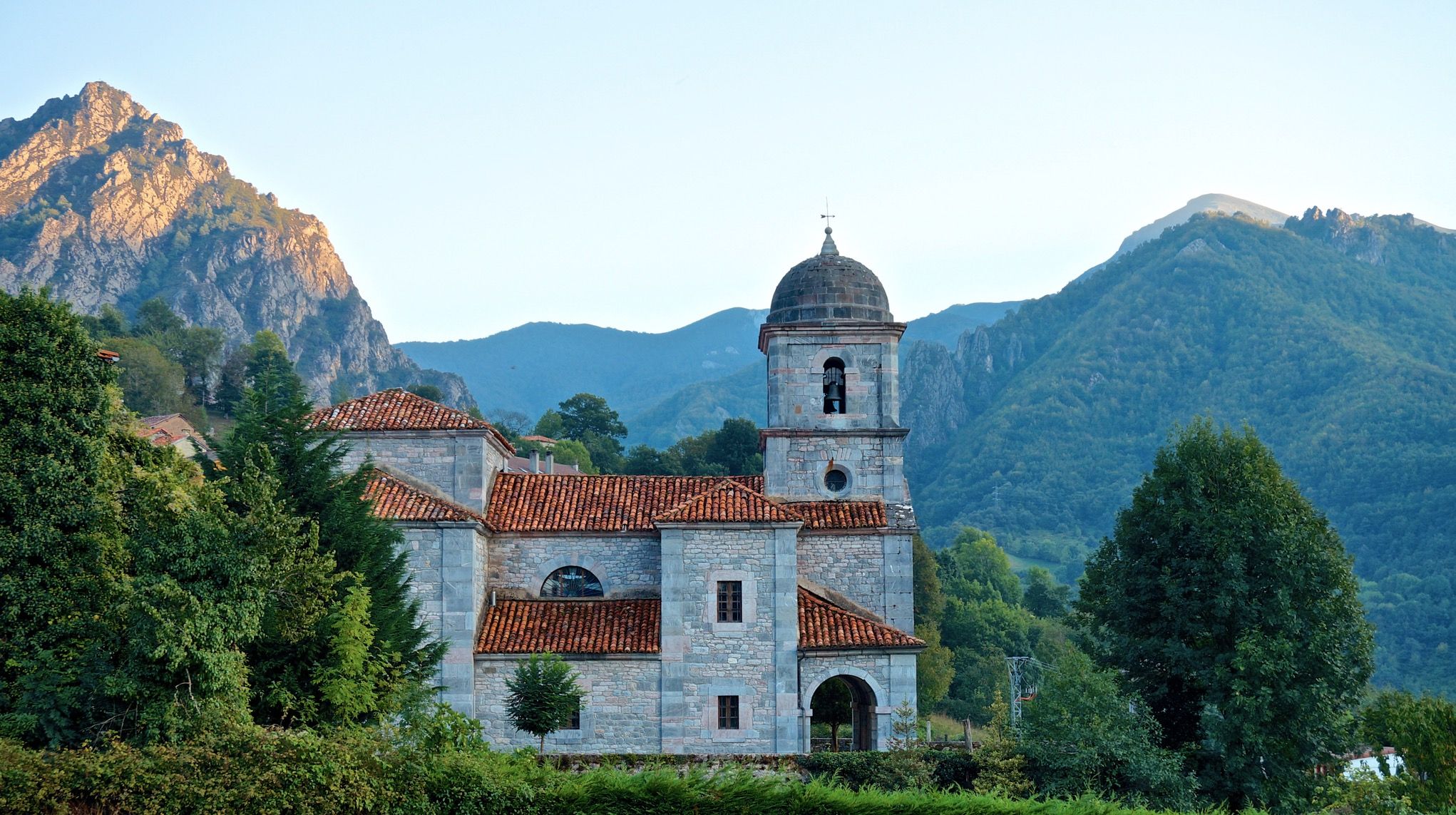
A pilgrimage to the peaks – Camino de los Santuarios
The untamed Collado Jermoso – Picos de Europa
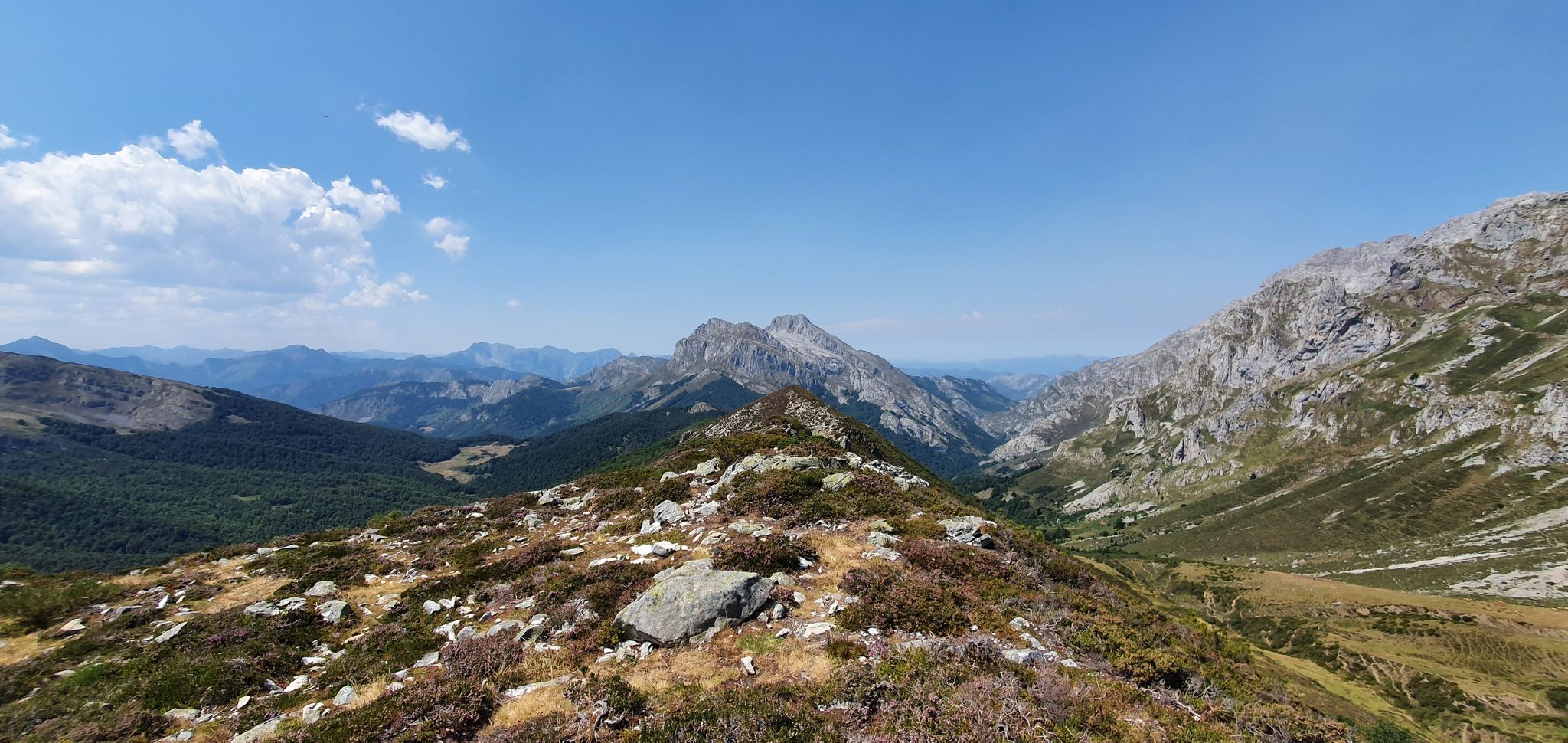
Four days hiking in Spain’s Picos de Europa – Anillo Vindio
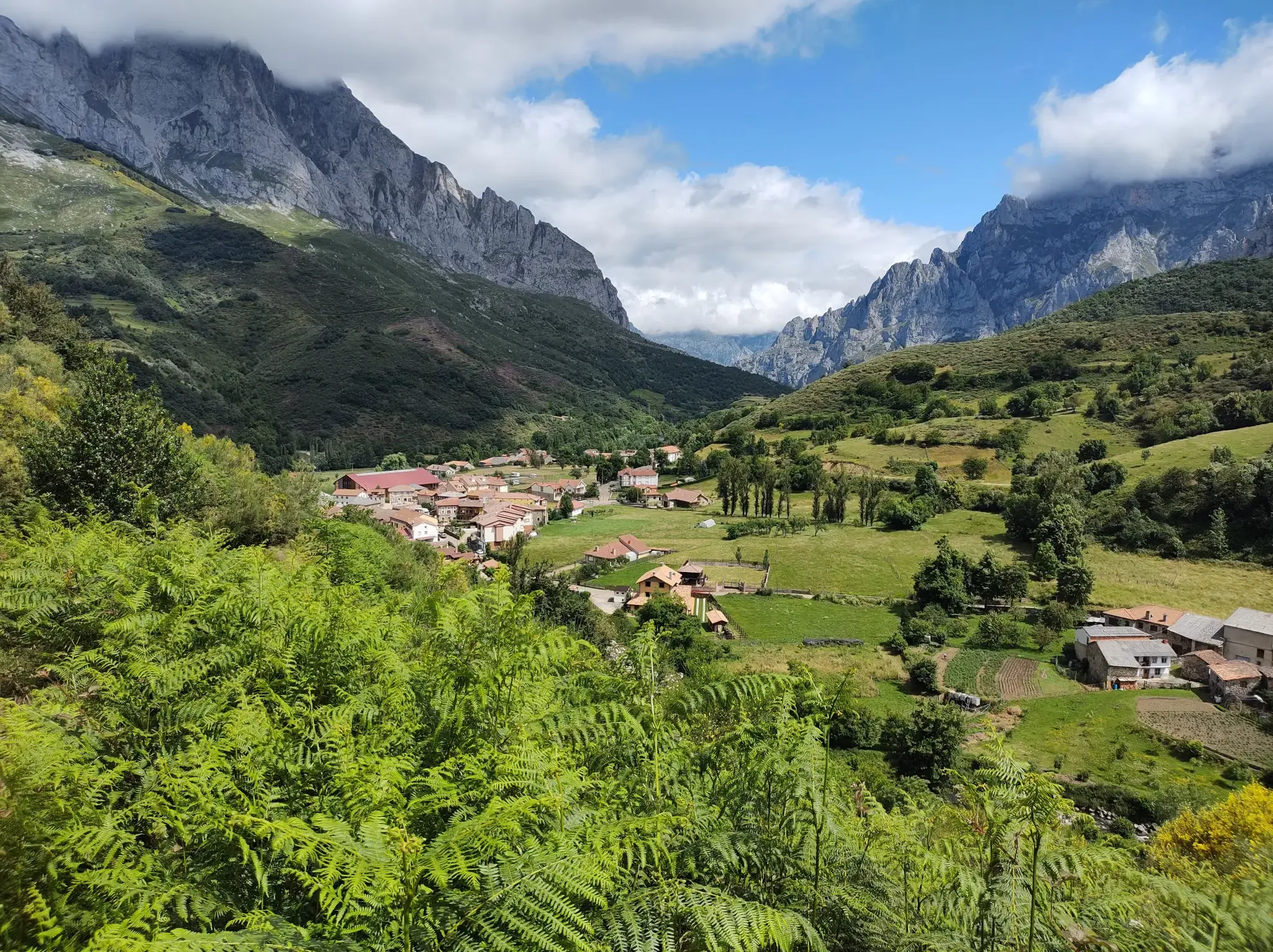
Hike Spain’s Picos de Europa – Ring of Peaks, Three Massifs
Other adventures in Picos De Europa


Tips from the Community

Spectacular landscapes. The cable car ride also offers beautiful views. I visited/walked around there and loved it, I recommend it.👍🥾
0
0

Mega canyon in a mega backdrop
5
1
Great vantage point! Can be reached on foot by hiking along the Rio Duje.
2
0

A lush and diverse environment with abundant species of birds, ibex and other animals. In addition, the area is perfect for taking photos. And of course, one of the main attractions of Fuente Dé is its cable car, which ascends visitors to an altitude of around 1,823 meters. The cable car ride is spectacular and offers panoramic views.
5
0

Fuente Dé is a small, magical village. It actually has almost no houses, but rather a campsite and a parador, as well as its famous funicular railway for ascending to the Picos de Europa. Its glacial cirque, dotted with beech forests, and the source of the Deva River make it a geomorphological point of interest. The views from the village toward the vertical limestone walls of the Picos de Europa are incredible.
0
0

Here is a small series of short tunnels - one of the beautiful photo opportunities of the Ruta del Cares.
4
0
If you start in Poncebos, this is where the most beautiful part of the Ruta del Cares begins. From here to the dam wall just before Caín, the gorge gets narrower and narrower, the rock faces ever steeper - and the photos ever more beautiful. The rest of the way to Caín is almost completely flat and the path is very easy to walk, so that you can enjoy the divine to the fullest.
4
3
An abandoned small shepherd's settlement towards the end of the climb to the beginning of the Ruta del Cares - a nice photo opportunity or a first place to rest if you are struggling with the climb. Between the upper house and the lower buildings, the path leads over an old staircase - on the way back downhill you should be careful here, you can easily slip on the smooth limestone.
4
0
Frequently Asked Questions
What are the most iconic natural landmarks to explore in Picos de Europa?
Picos de Europa is renowned for its dramatic natural beauty. Key landmarks include the stunning glacial Lakes of Covadonga (Lago Enol and Lago Ercina), nestled amidst lush meadows. The emblematic Picu Urriellu (Naranjo de Bulnes), an international climbing icon, offers a distinctive silhouette visible from various viewpoints. Additionally, the spectacular Desfiladero de la Hermida (La Hermida Gorge) provides a breathtaking scenic drive through towering cliffs.
Are there any family-friendly attractions or activities in Picos de Europa?
Yes, Picos de Europa offers several family-friendly options. The Fuente Dé Cable Car is a popular choice, ascending over 750 meters in just four minutes to offer spectacular panoramic views that children and adults alike will enjoy. The El Cable Viewpoint at the top station is also considered family-friendly. Gentle walks around the Lakes of Covadonga are also suitable for families.
What cultural and historical sites can I visit in the region?
The region is rich in history and culture. The Sanctuary of Covadonga, with its Basilica and Holy Cave, holds significant spiritual and historical importance. The charming town of Cangas de Onís, the first capital of Asturias, features a famous Roman bridge and the ancient Chapel of Santa Cruz. In the eastern part, the medieval town of Potes is known for its cobbled streets and historic architecture.
What are the best viewpoints for panoramic vistas in Picos de Europa?
Picos de Europa boasts numerous viewpoints offering stunning vistas. The El Cable Viewpoint, accessible via the Fuente Dé Cable Car, provides expansive views of the central massif. Other notable viewpoints include Mirador del Pozo de la Oración, offering views of Naranjo de Bulnes, and Mirador de la Princesa, overlooking Lake Enol.
Are there any unique man-made structures or trails to explore?
Absolutely. The Dwarves' Tunnels on the Cares Trail are a series of 71 man-made tunnels carved into the rock face, providing a unique passage along the Cares River. The Ruins of the Shepherds’ Settlement on the Ruta del Cares also offer a glimpse into the region's past, set in a dramatic canyon landscape.
What outdoor activities, such as hiking or cycling, can I do near these attractions?
Picos de Europa is a paradise for outdoor enthusiasts. You can find numerous routes for various sports. For road cycling, explore challenging loops like the 'San Antolín de Bedón Beach – Holy Cave of Covadonga loop' or the 'Historic center of Potes – Fuente Dé Cable Car loop'. Runners can tackle trails such as the 'Lakes of Covadonga Circular Trail' or the 'Ring of Picos (3 Massifs)'. Mountaineers have options like the 'Viewpoint – Horcados Rojos loop from Fuente Dé'. You can find more details on these and other routes in the Road Cycling Routes, Running Trails, and Mountain Hikes guides for Picos de Europa.
What is the best time of year to visit Picos de Europa for sightseeing and outdoor activities?
The best time to visit Picos de Europa generally depends on your preferred activities. For hiking and enjoying the natural landscapes, late spring (May-June) and early autumn (September-October) offer pleasant temperatures and fewer crowds. Summer (July-August) is popular but can be busy, especially around major attractions like the Lakes of Covadonga and the Cares Trail. Winter brings snow, making it ideal for winter sports but limiting access to some higher-altitude areas.
Are there any charming villages worth visiting in Picos de Europa?
Yes, the region is dotted with picturesque villages. Potes, in the eastern part, is a medieval gem known for its cobbled streets and historic stone houses. Bulnes, accessible by funicular, offers a unique, isolated mountain experience. Mogrovejo is recognized as one of Spain's most beautiful villages, and Sotres is the highest village, famous for its Cabrales cheese.
What makes the Ruta del Cares so special, and what can I expect?
The Ruta del Cares, often called the 'Divine Gorge,' is considered one of the most spectacular hikes in northern Spain. The section known as 6 km on the Ruta del Cares, particularly from Cain, offers breathtaking views of nature in its full splendor within a rocky gap over 2,000 meters deep. The trail navigates tunnels, caves, and bridges, providing an unforgettable experience through the Cares Gorge.
What kind of wildlife can I expect to see in Picos de Europa National Park?
As a UNESCO Biosphere Reserve, Picos de Europa National Park is rich in diverse flora and fauna. Keep an eye out for iconic species such as the Cantabrian brown bear, Iberian wolf, and Cantabrian chamois. The area is also home to a wide variety of bird species, making it a great spot for birdwatching.
Can I find traditional local products or culinary experiences in the Picos de Europa?
Yes, the Picos de Europa region is famous for its artisan cheese production, particularly the strong and flavorful Cabrales cheese. Many villages offer opportunities to discover local cheese dairies and sample traditional products. You'll also find traditional Asturian and Cantabrian cuisine in the local restaurants and cafes.
What are the main geographical divisions of the Picos de Europa mountain range?
The Picos de Europa range is divided into three distinct massifs, each with its own characteristics. The Western Massif (Cornión) is home to Covadonga and its famous lakes. The Central Massif (Urrieles) features the highest concentration of vertical peaks, including Naranjo de Bulnes, and impressive gorges. The Eastern Massif (Ándara) is characterized by gentler landscapes with green valleys and forests, suitable for quieter walks.
Most popular routes in Picos De Europa
Most popular attractions in Picos De Europa

Get inspired with the komoot mobile app


Explore more
Still not found the Highlight you’re looking for? See guides of the top attractions in other regions:
