Attractions and Places To See in Gándaras De Budiño - Top 15
Best attractions and places to see in Gándaras De Budiño include significant natural wetlands and rich archaeological heritage. This area, located in the province of Pontevedra, Spain, is known for its extensive wetlands within the Louro River basin, which are a crucial ecosystem for diverse flora and fauna. It also features an important Paleolithic archaeological site, recognized as one of the oldest in the Iberian Peninsula. The region offers a blend of natural beauty and historical intrigue for exploration.
Best…
Last updated: May 10, 2026
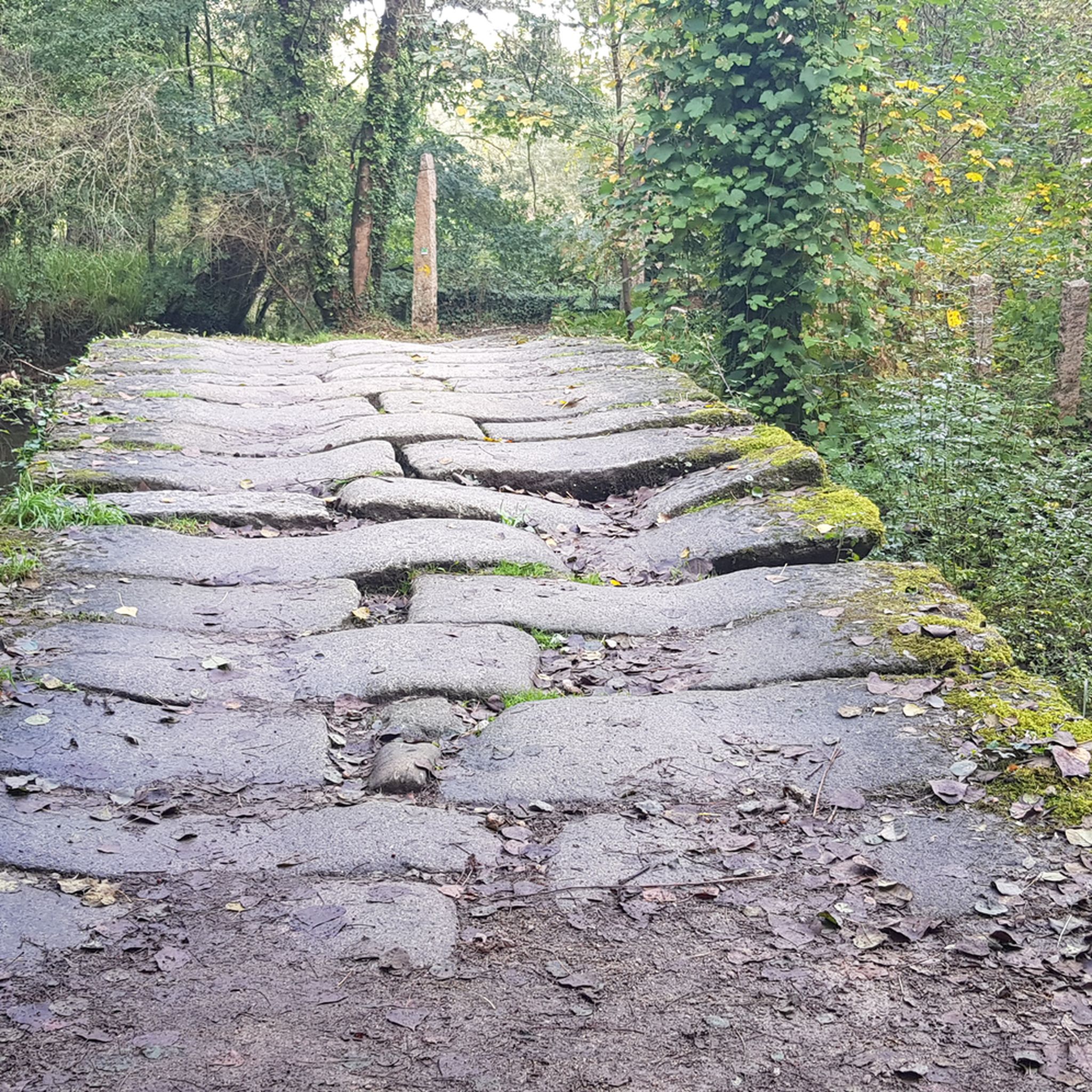
Roman Bridge of Orbenlle
Highlight • Bridge
Translated by Google •
Tip by

Ponte da Veiga
Highlight • Bridge
Translated by Google •
Tip by
Sign up now to discover places like this
Get recommendations on the best single tracks, peaks, & plenty of other exciting outdoor places.
Sign up for free
Translated by Google •
Tip by
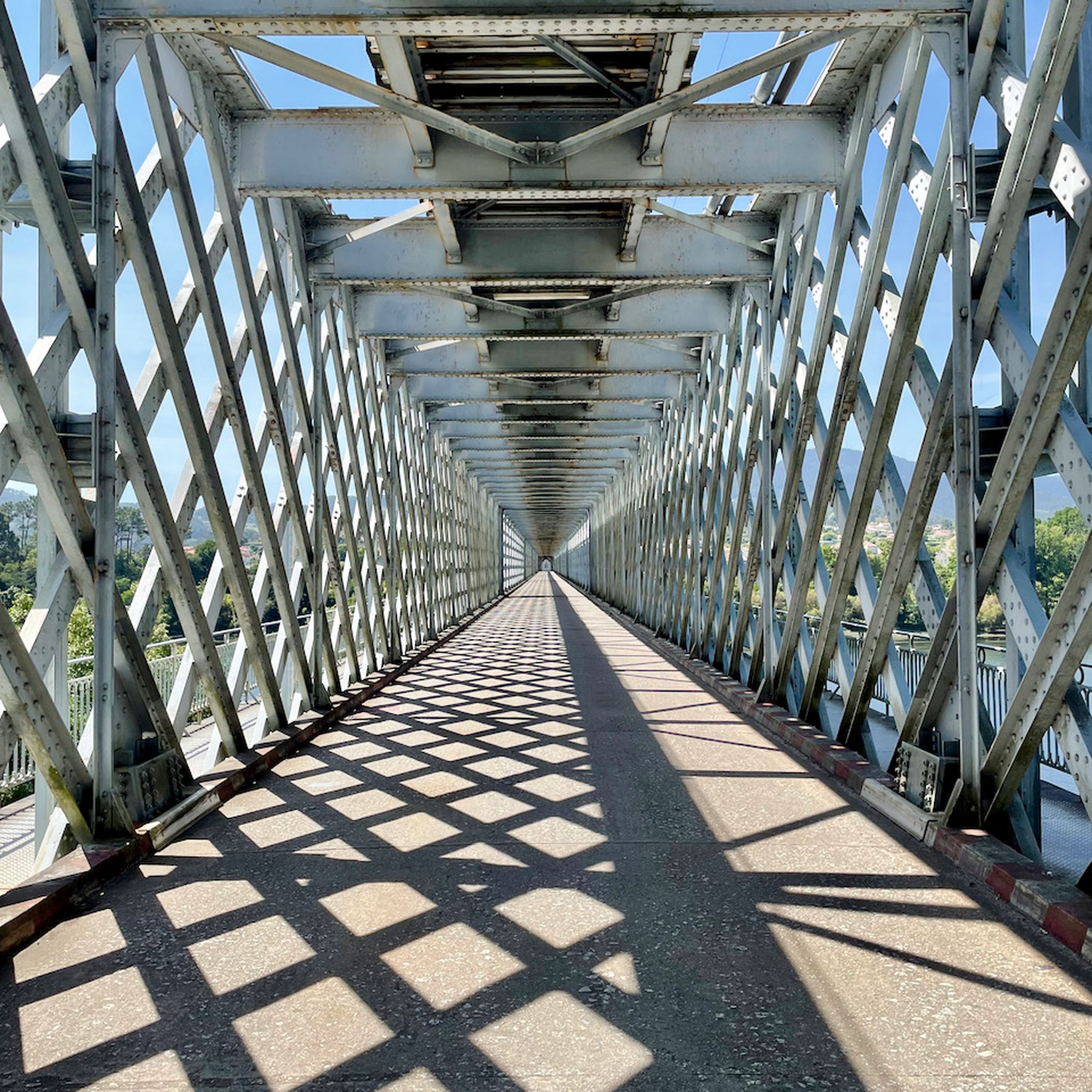
Pilgrims' Bridge
Highlight • Bridge
Translated by Google •
Tip by
Xai Óscar Mural Wall
Highlight • Monument
Translated by Google •
Tip by
Sign up for free to discover even more attractions in Gándaras De Budiño.
Sign up for free
Already have an account?
Start today with a free account
Your next adventure awaits.
Login or Signup

Tips from the Community

You'll find it straight ahead coming along the Portuguese road, and there's a fork in the road towards O Porriño.
0
0

Be sure to take the alternative route. The main route leads 8 km through the largest industrial area in Galicia!
2
0

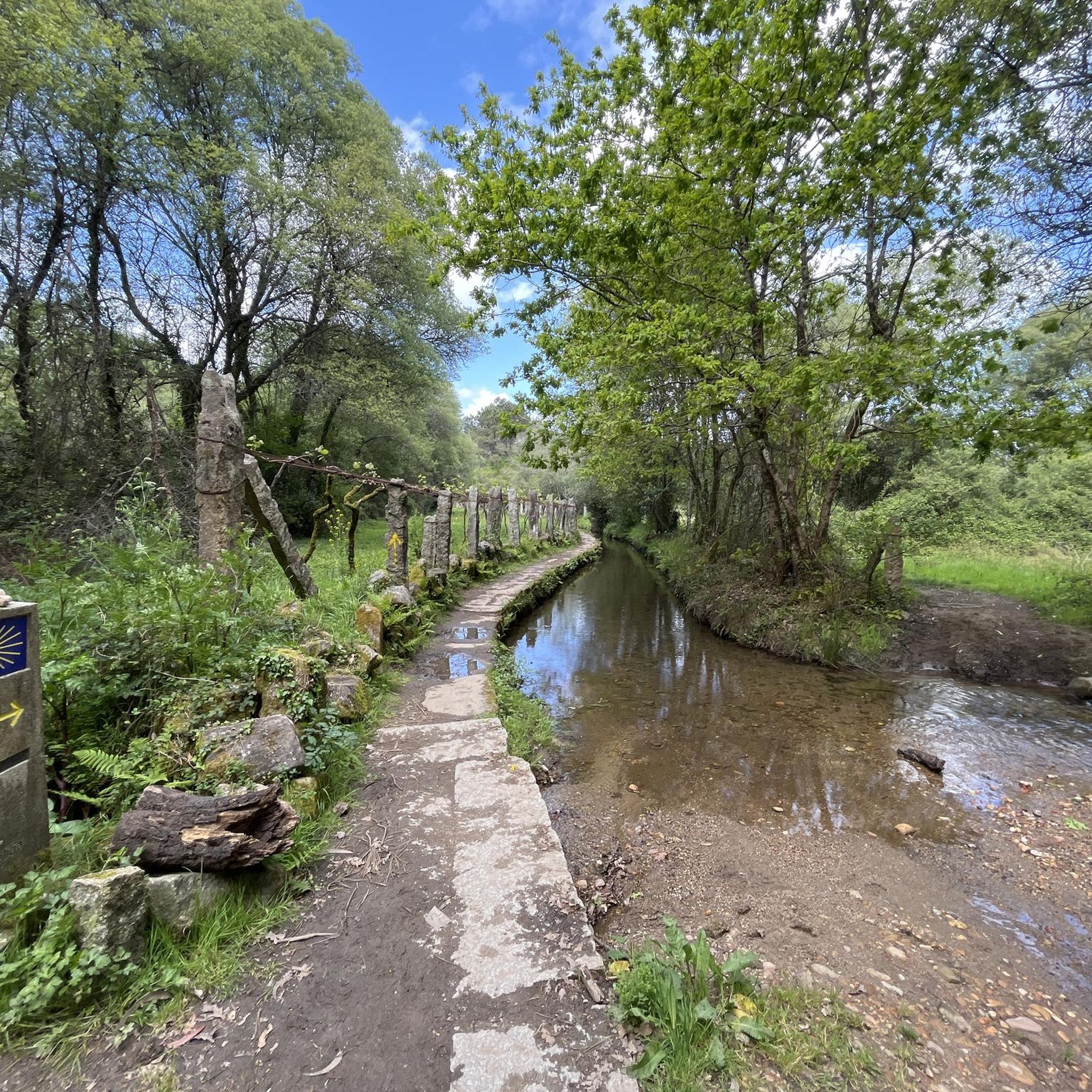
Path that crosses the Louro River, with a splendid environment. 🌞🚶😎
9
0
Pilgrims walking the Portuguese Way to Santiago de Compostela pass this bridge, making it a place of great historical significance. If you ever visit Tui, don't miss the opportunity to cross this beautiful bridge and immerse yourself in its history and charm. 🌉🚶♂️
2
0

Only about 1 km longer and leads partly through a forest area. Otherwise just as monotonous along the road as the main path.
7
1
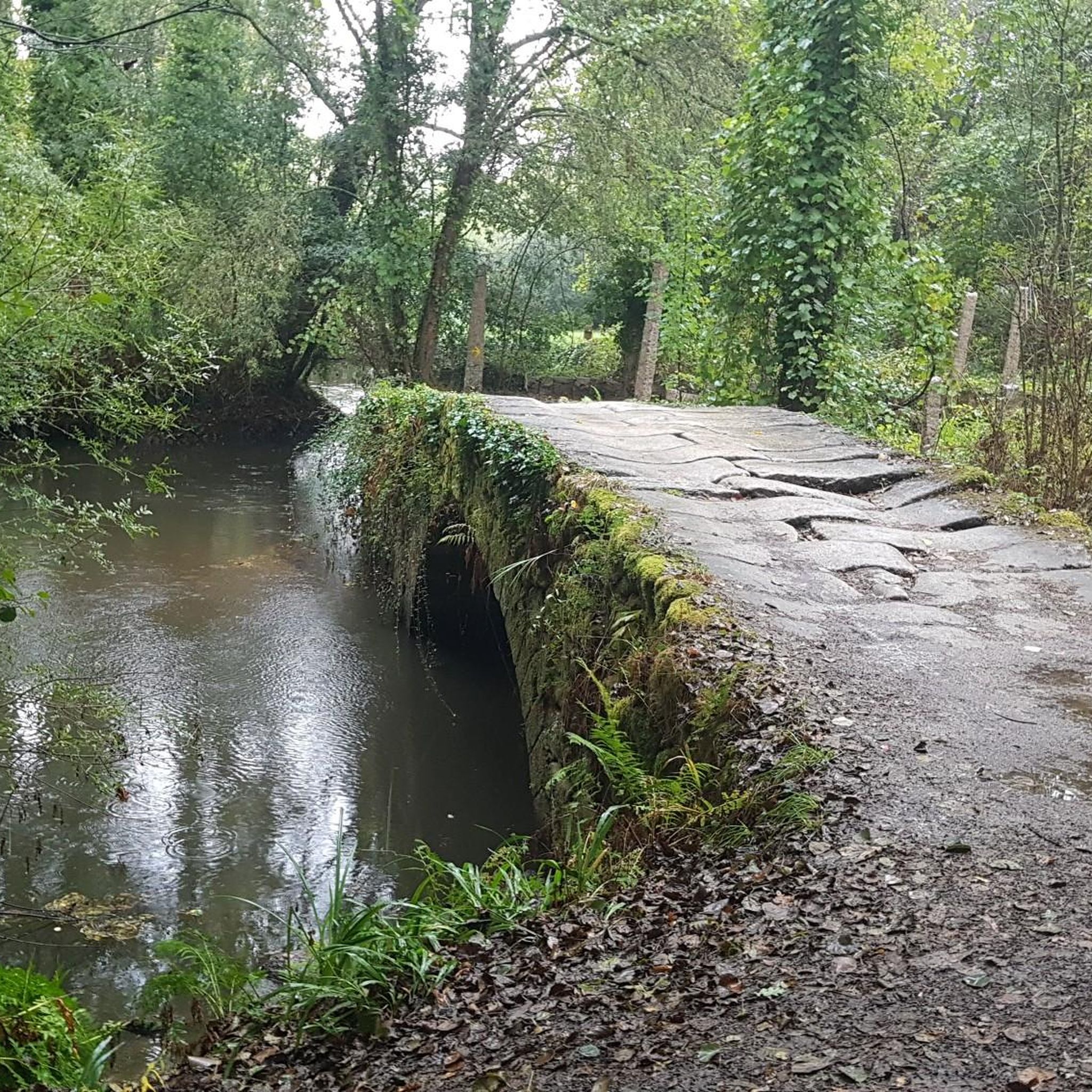
The Ponte de A Veiga in Tui, Galicia, is an ancient medieval bridge also known as the "Roman Bridge." Its original construction is attributed to the Romans, and it stands over the Louro River, near where it flows into the Miño. The Ponte de A Veiga was built of granite and consists of four arches. It was part of the ancient Roman Via XIX, which connected Bracara (present-day Braga, Portugal) with Santiago de Compostela. Pilgrims walking the Portuguese Way to Santiago de Compostela pass over this bridge, making it a place of great historical significance. If you ever visit Tui, don't miss the opportunity to cross this beautiful bridge and immerse yourself in its history and charm. 🌉🚶♂️
8
0

If the distance to travel is short, then travel light to avoid setbacks. Don't forget to drink enough water. Remember that just because you don't get thirsty, you shouldn't hydrate yourself. On the contrary, you should always do it. Your body will thank you. Shoes like these are a good option ( hiking boots 🥾 for routes with long walks on asphalt they are not the best) wear comfortable shoes that are not tight and waterproof, dry feet are the best measure but if the weather is dry it will also be a great help.
2
0

To the left, an alternative path that avoids crossing an industrial estate. Well signposted and in a natural environment
3
0
Frequently Asked Questions
What natural features can I explore in Gándaras De Budiño?
Gándaras De Budiño is renowned for its significant natural wetlands, which are a Special Area of Conservation (ZEC). You can explore a complex of lagoons, ponds, and streams within the Louro River basin, forming one of Galicia's largest wetland areas. The region is a biodiversity hotspot, particularly important for migratory birds, and features humid forests and unique aquatic vegetation. The Faro de Budiño Mountain Range also offers scenic views of the valley.
Are there historical or cultural sites to visit in the area?
Yes, Gándaras De Budiño boasts a rich archaeological heritage. The Roman Bridge of Orbenlle, crossing the Louro River, is a notable historical site. Another significant landmark is Ponte da Veiga, an ancient medieval bridge also known as the "Roman Bridge," which was part of the ancient Roman Via XIX. The area also preserves traditional elements like "poldras" and "pontellas," offering insight into past human settlements.
What kind of outdoor activities can I do near these attractions?
The region offers various outdoor activities, especially cycling and hiking. For cycling enthusiasts, there are routes like the 'Roman Bridge of Orbenlle – Alternative route loop from Tui' for gravel biking, or the 'Baiona Marina – Hermitage of Saint Sebastian loop from Tui' for road cycling. You can find more cycling routes in the Cycling in Gándaras De Budiño guide and gravel biking options in the Gravel biking in Gándaras De Budiño guide.
Are there easy hiking trails suitable for families in Gándaras De Budiño?
Yes, Gándaras De Budiño offers several easy walking trails perfect for families. Examples include the 'Aquatic Plants in the Stream – Louro River Trail loop from Go-Kart Porriño' and the 'Louro River Trail – Riverside bench in O Porriño loop from O Porriño'. These trails typically have low elevation gain and allow for a pleasant experience. You can explore more options in the Easy hikes in Gándaras De Budiño guide.
What is the significance of the Gándaras de Budiño Wetlands for wildlife?
The Gándaras de Budiño Wetlands are a crucial ecosystem and a biodiversity hotspot. They are particularly important for ornithologists, hosting over 150 species of vertebrates, including approximately 80 species of nesting waterfowl. The wetlands serve as a vital stopover for migratory birds, making it an excellent location for bird observation. You can find bird observation platforms along the hiking trails.
What do visitors enjoy most about the trails in Gándaras De Budiño?
Visitors often appreciate the scenic beauty and tranquility of the trails. For instance, the Alternative Route "C. Complementario" (Camino de Santiago, Gándaras de Budiño) is highly recommended for its pleasant walk through a forest, offering a more enjoyable experience compared to other paths. Many also enjoy the historical context provided by ancient bridges like the Roman Bridge of Orbenlle, set in splendid natural surroundings.
Are there any unique artistic or cultural points of interest?
Yes, you can discover unique artistic elements such as the Xai Óscar Mural Wall. These murals, created by self-taught painter Xai Óscar, are hard to miss and often depict themes related to the region, including pilgrims. There's also a bench nearby, inviting visitors to take photos and enjoy the art.
What is the best time of year to visit Gándaras De Budiño?
While Gándaras De Budiño can be visited year-round, the wetlands are particularly vibrant during spring and autumn. These seasons offer pleasant temperatures for hiking and are ideal for birdwatching, as migratory birds pass through the area. Summer can also be enjoyable, especially for exploring the river beaches near the bridges.
Are there any ancient Roman structures in the area?
Yes, the region is rich in Roman history. The Roman Bridge of Orbenlle is a clear example. Additionally, the Ponte da Veiga, an ancient medieval bridge, is also known as the "Roman Bridge" due to its attributed Roman origins and its role as part of the ancient Roman Via XIX, which connected Bracara (Braga, Portugal) with Santiago de Compostela.
Can I find viewpoints to enjoy panoramic scenery?
Yes, the Faro de Budiño Mountain Range, located to the northeast of the wetlands, offers excellent scenic views of the valley. There is a specific viewpoint situated on a granite base along one of the forest tracks leading towards Faro Budiño, providing a great panorama of the natural landscape.
What is the historical significance of the archaeological site in Gándaras de Budiño?
The Archaeological Site of Gándaras de Budiño is highly significant, housing an important Paleolithic site. Evidence suggests human presence dating back between 18,000 and 26,000 BC, making it one of the oldest in the Iberian Peninsula. Recent studies even push this back to 310,000 years, highlighting its immense historical value. It is recognized as a Bien de Interés Cultural (Asset of Cultural Interest).
Are there any religious or pilgrimage-related sites?
Yes, the Ponte da Veiga is particularly significant for pilgrims. It is part of the Portuguese Way to Santiago de Compostela, and pilgrims still cross this ancient bridge today. Additionally, the Iglesia Románica de San Salvador de Budiño, a Romanesque church, once belonged to an ancient Cluniac monastery, adding to the region's religious heritage.
Most popular routes in Gándaras De Budiño

Get inspired with the komoot mobile app


Explore more
Still not found the Highlight you’re looking for? See guides of the top attractions in other regions:
