Attractions and Places To See in Sierra Del Cordel - Top 5
Attractions and places to see in Sierra Del Cordel include a mountain range forming part of the Cantabrian Mountains in southern Cantabria. This region is known for its natural landscapes and diverse ecosystems, featuring prominent peaks and extensive forests. It serves as a critical habitat for wildlife and holds cultural significance through its historical high-altitude pastures. The area offers a variety of natural features and landmarks for exploration.
Best attractions and places to see in Sierra Del Cordel
- The most…
Last updated: June 3, 2026
Peña Labra
Highlight • Summit
Translated by Google •
Tip by

Palombera Pass
Highlight • Mountain Pass
Translated by Google •
Tip by

Sign up now to discover places like this
Get recommendations on the best single tracks, peaks, & plenty of other exciting outdoor places.
Sign up for free
Tres Mares Peak
Highlight • Summit
Translated by Google •
Tip by
Ascent to the Cohilla Reservoir
Highlight (Segment) • Climb
Translated by Google •
Tip by
Alto del Tambuey
Highlight • Mountain Pass
Translated by Google •
Tip by

Sign up for free to discover even more attractions in Sierra Del Cordel.
Sign up for free
Already have an account?
Start today with a free account
Your next adventure awaits.
Login or Signup
Other adventures in Sierra Del Cordel

Tips from the Community

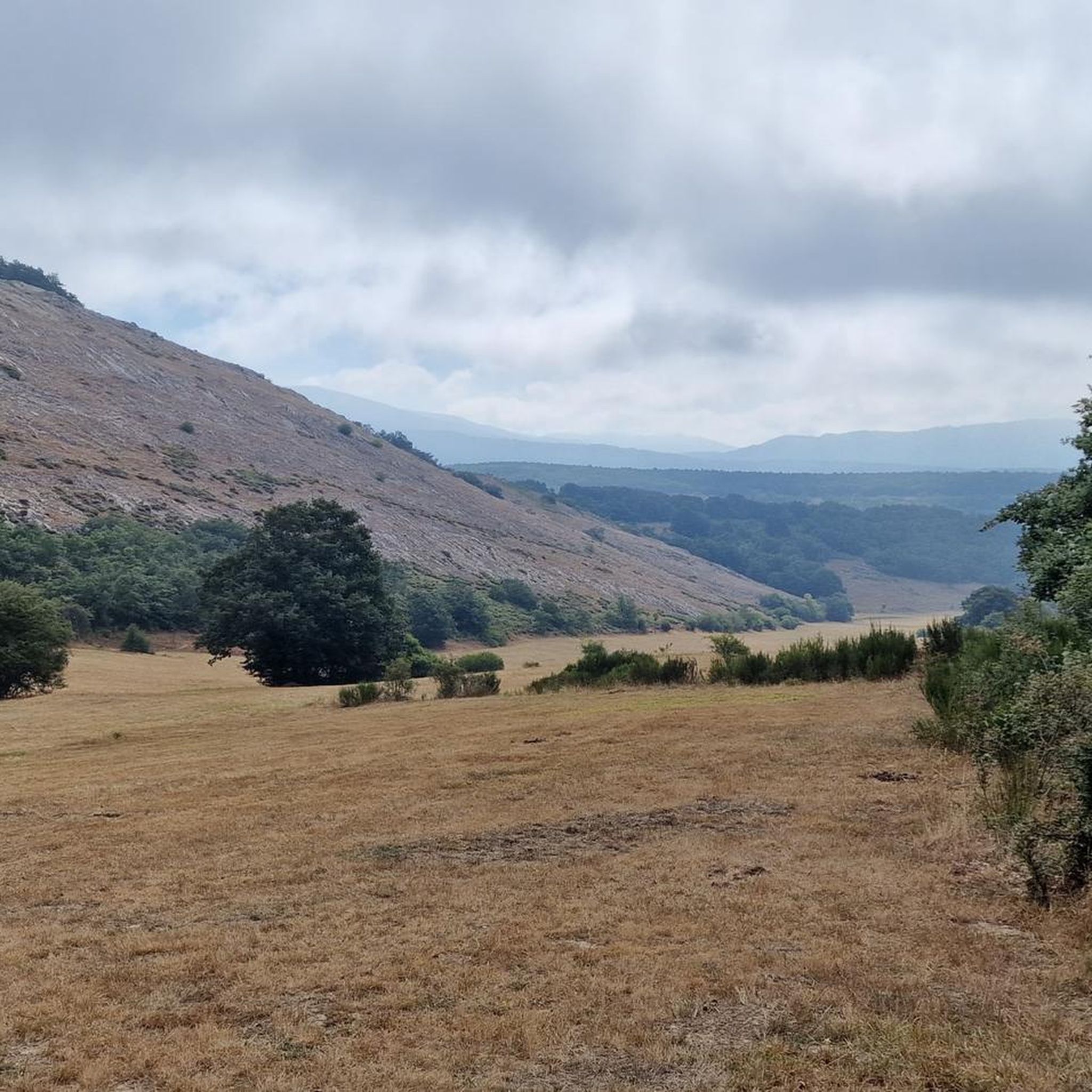
From Los Tojos (636 m) and Colsa (729 m) the rope is gained at the Venta Vieja pass (1152 m), where one of the many inns that awaited the traveller along the way was located.
0
0
A hill located below the summit of the same name as the Saja reserve, resting on a ridge of gentle elevations above the Cabuérniga valley. These Saja mountains are often known as the Sierra de Bárcena Mayor, due to the town that lies at its feet at an altitude of 534 metres. In ancient times, the so-called Camino de Castilla or Reinosa road crossed this ridge towards the lands of Campoo. From Los Tojos (636 m) and Colsa (729 m) the ridge was reached at the Venta Vieja hill (1152 m), where one of the many inns that awaited the traveller along the way was located.
0
0

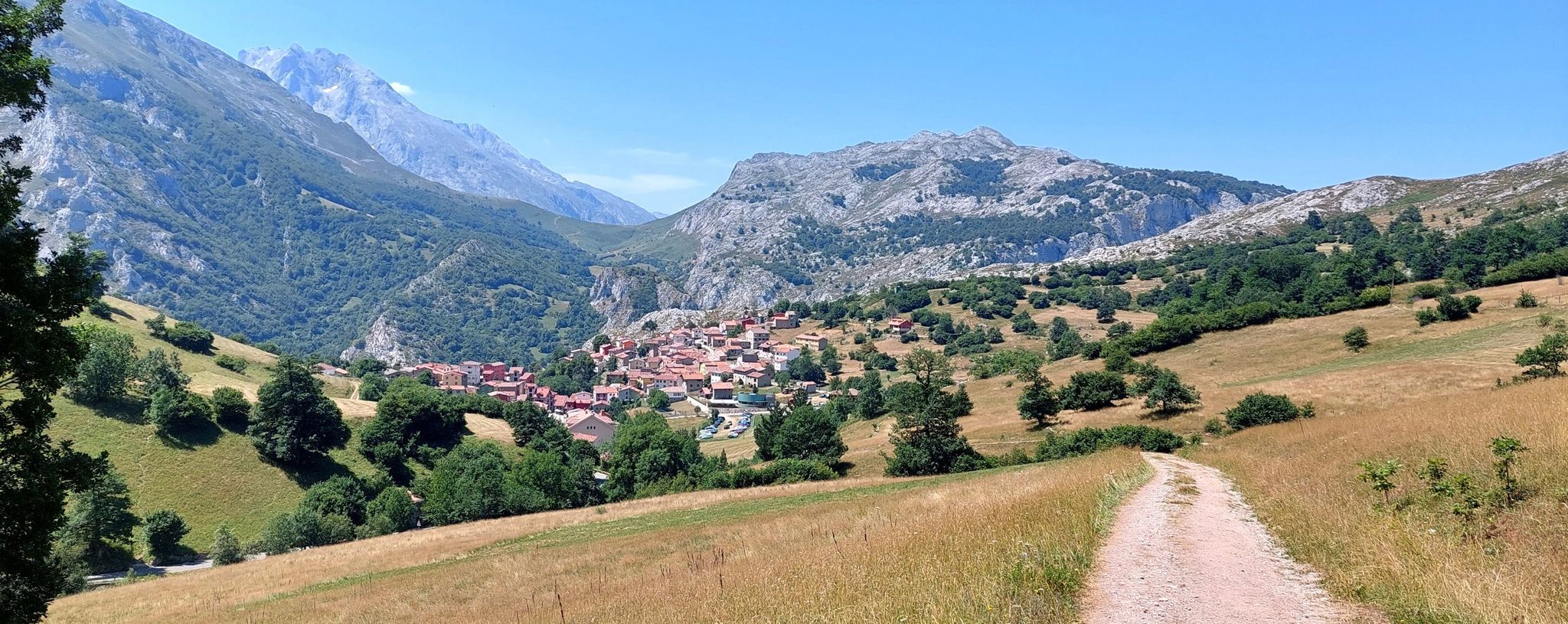
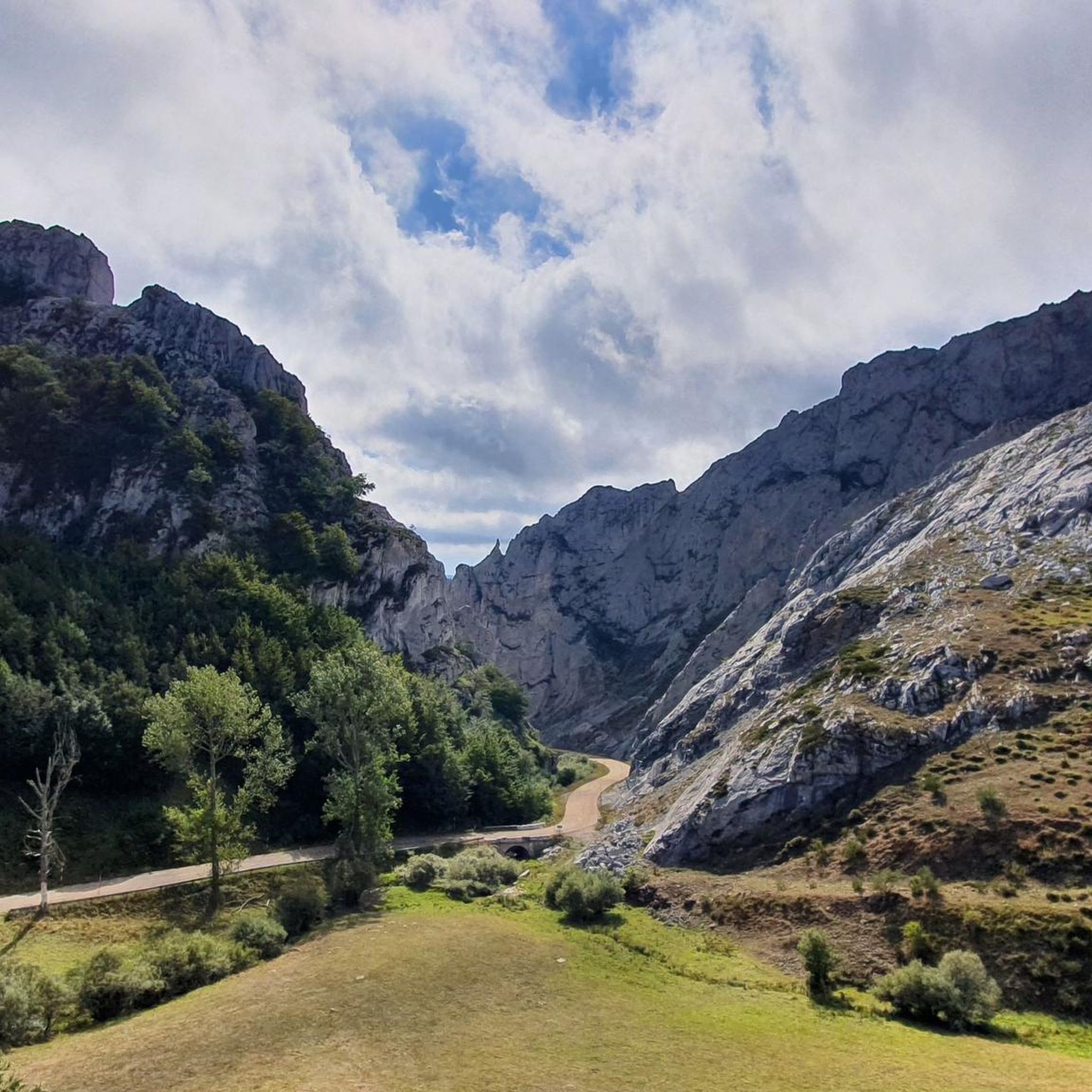
The Palombera pass is a 1st category mountain pass located at the eastern end of the Sierra del Cordel. One of the most beautiful ports in Cantabria with a spectacular landscape.
2
0
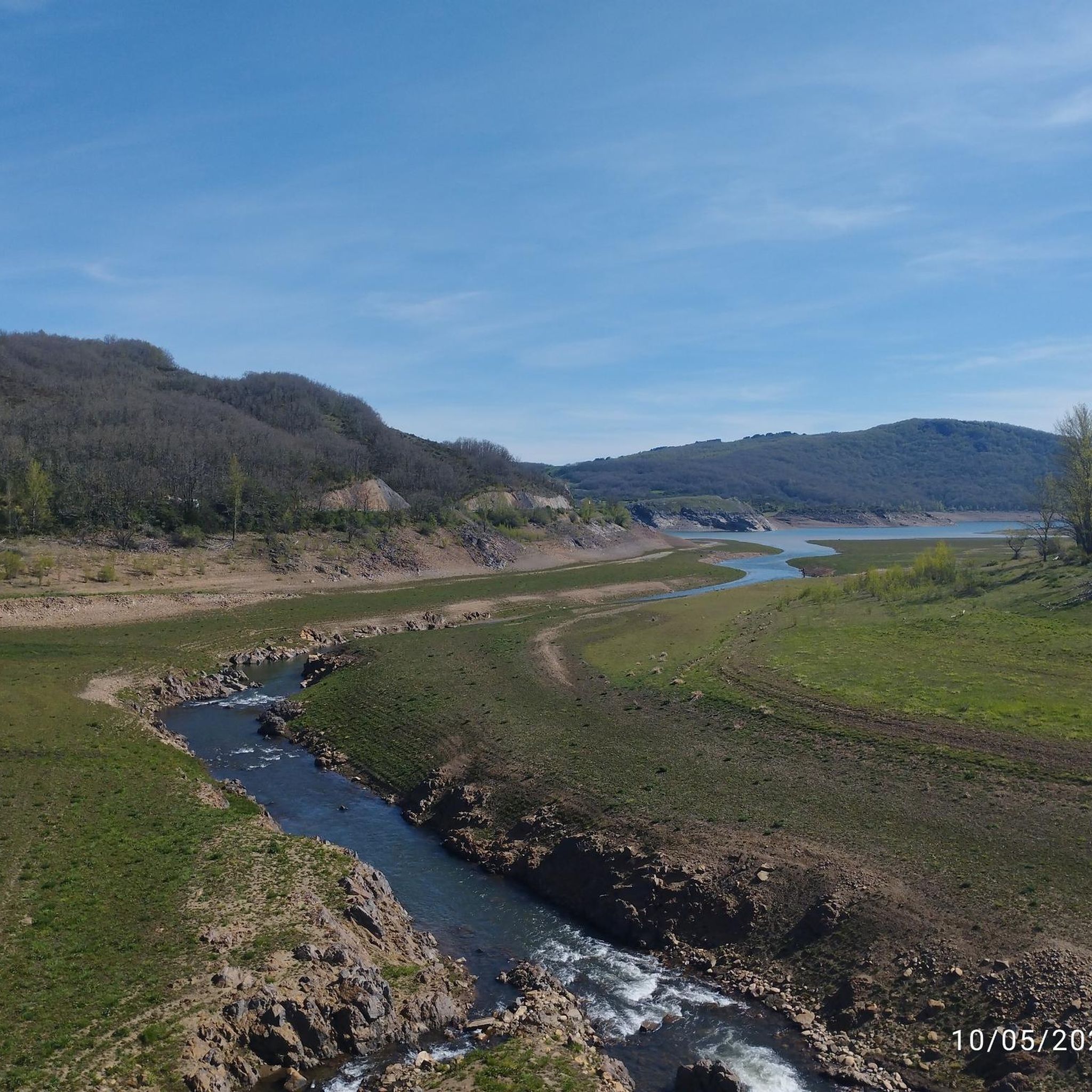
This is the toughest and most beautiful part at the same time, with sections between 8% and 9% until the ascent to the Cohilla reservoir.
1
0

At 2029 meters above sea level, the top of Peña Labra is located in a privileged place. It represents the border between the Community of Cantabria and Castilla y León, so to the north you will have impressive views of the Cantabrian interior and the mountains of the Picos de Europa National Park, while to the south you will be able to appreciate another wonderful landscape such as the of the Montaña Palencia Natural Park. Crowning its peak is for the most daring, very technical sectors and not suitable for those who suffer from vertigo, but it has a great reward.
1
0
Very close to the Alto Campo ski resort and located at 2,149 meters above sea level, the top of Tres Mares is one of those peaks that you cannot miss. You will have wonderful views towards the Cantabrian interior, the Picos de Europa National Park and the neighboring Montaña Palentina Natural Park in the Castilla y León region.
5
0
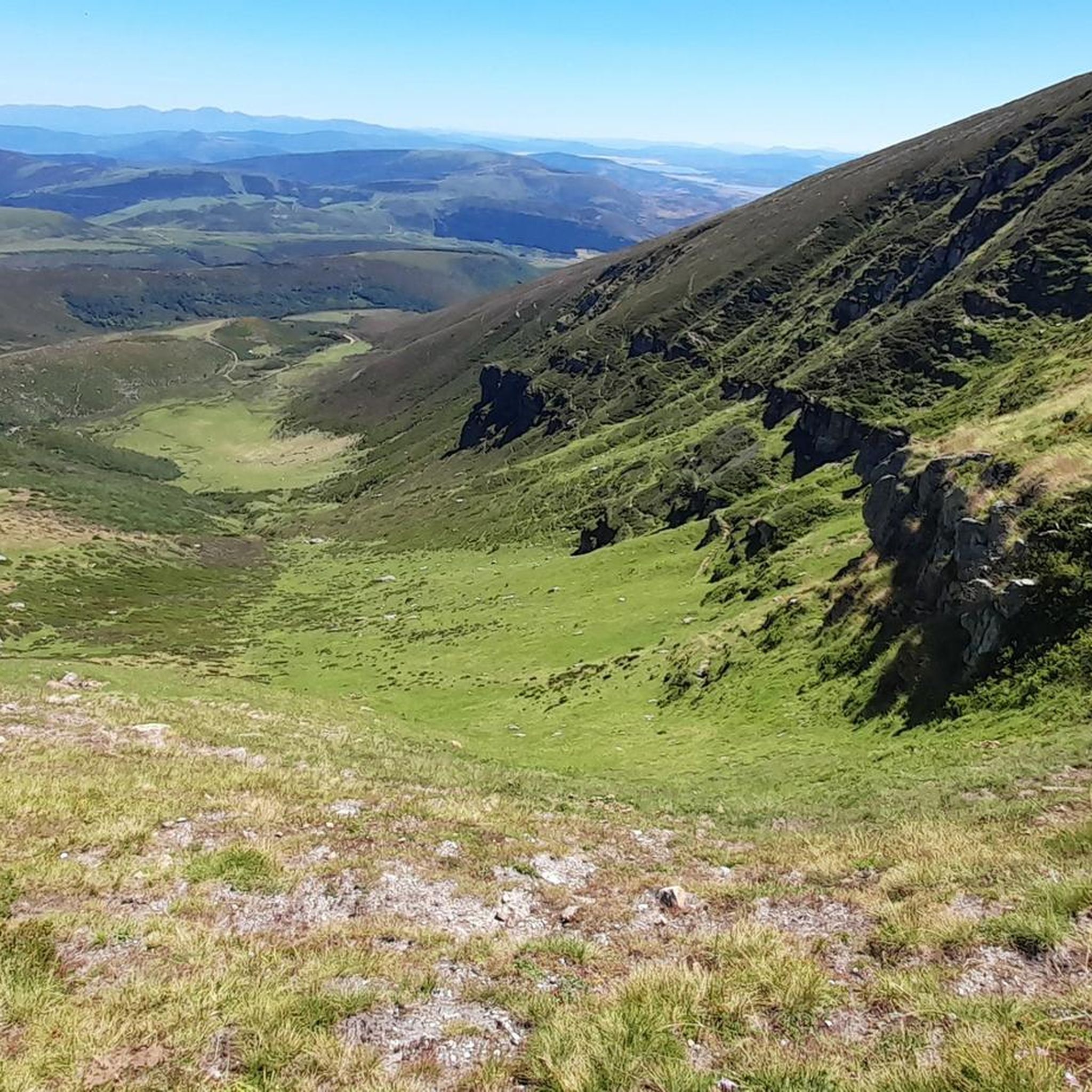
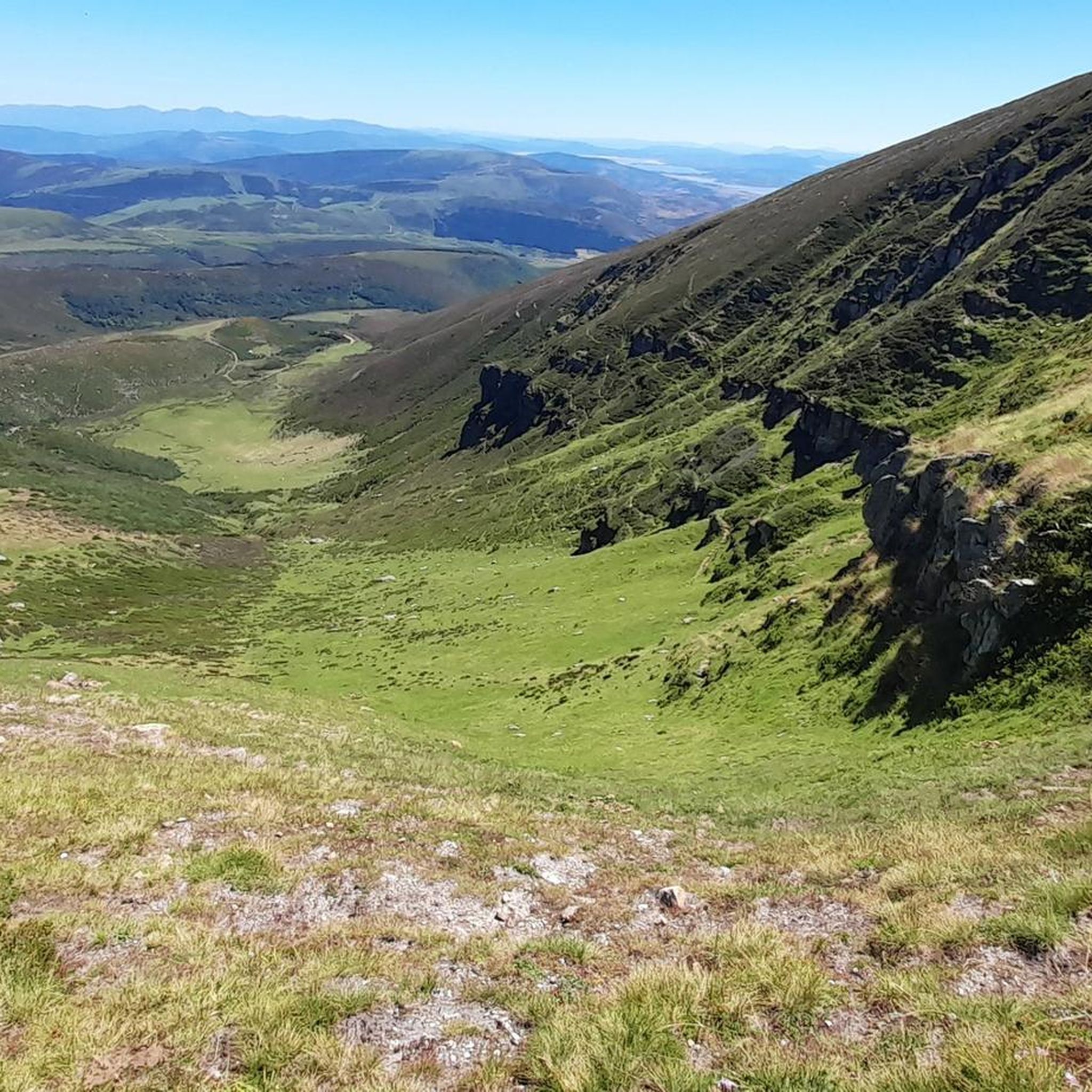
At 2029 meters above sea level, the top of Peña Labra is located in a privileged place. It represents the border between the Community of Cantabria and Castilla y León, so to the north you will have impressive views of the Cantabrian interior and the mountains of the Picos de Europa National Park, while to the south you will be able to appreciate another wonderful landscape such as the of the Montaña Palencia Natural Park.
3
0

After a beautiful climb, we crown this pass. It is easy to link it with Cruz de Fuentes as an alternative to the difficult descent from Fuente to Ozcaba
0
0
Frequently Asked Questions
What kind of natural landscapes can I expect to see in Sierra Del Cordel?
Sierra Del Cordel is renowned for its stunning natural landscapes, featuring prominent peaks and diverse ecosystems. You'll find extensive deciduous forests, including oak and beech groves, particularly within the Saja forest. The region also boasts a well-preserved holly grove, Acebal de Abiada, and important peat bogs like Avellanosa. The varied terrain includes high-altitude pastures and dramatic mountain passes.
What are some of the highest peaks in Sierra Del Cordel?
The highest elevation in Sierra Del Cordel is Pico Cornón, reaching 2125 meters. Other significant peaks include Tres Mares Peak (2149m), known for its triple watershed, and Peña Labra (2029m), which marks the border between Cantabria and Castilla y León. Both offer expansive views of the Cantabrian interior and Picos de Europa.
Are there any scenic mountain passes to visit in the area?
Yes, Sierra Del Cordel features several scenic mountain passes. Palombera Pass, at 1260 meters, is located at the eastern end of the Sierra del Cordel and is considered one of the most beautiful passes in Cantabria, offering spectacular panoramic views. Another notable pass is Alto del Tambuey, which historically served as part of the Camino de Castilla.
What outdoor activities can I do near the attractions in Sierra Del Cordel?
The Sierra Del Cordel area is excellent for various outdoor activities. You can explore numerous hiking trails, with options ranging from easy loops to challenging ascents. Cycling is also popular, with routes for touring bicycles and dedicated MTB trails. For detailed routes and guides, you can check out the Hiking in Sierra Del Cordel, Cycling in Sierra Del Cordel, and MTB Trails in Sierra Del Cordel guides.
Are there challenging routes for experienced hikers or cyclists?
Absolutely. For hikers, the ascent to Peña Labra is considered challenging with very technical sectors. Cyclists can tackle demanding routes like the Ascent to the Cohilla Reservoir, which features sections between 8% and 9% gradient. Many MTB trails in the region are also rated as difficult, offering significant challenges.
What is the best time of year to visit Sierra Del Cordel for outdoor activities?
The best time to visit Sierra Del Cordel largely depends on your planned activities. For hiking and cycling, late spring (May-June) and early autumn (September-October) generally offer pleasant temperatures and stable weather conditions. During these periods, you can avoid the intense heat of summer and the snow and ice of winter, which can make higher elevations inaccessible or require specialized gear.
Is Sierra Del Cordel important for wildlife?
Yes, Sierra Del Cordel is a critical habitat, particularly for the Cantabrian brown bear, representing the eastern limit of their population in the Cantabrian Mountains. The area is part of the Natura 2000 network and recognized as a Special Protection Area for birds. Efforts are underway for brown bear recovery, including planting apple trees for their sustenance. You might also encounter various bat species and invertebrates indicative of mature forests.
Are there any historical or cultural points of interest in the region?
The high-altitude pastures of Puertos de Sejos have historically supported extensive transhumant livestock farming for centuries, reflecting a significant cultural aspect of the area. Ancient human presence is suggested by mentions of the 'Ídolo de Sejos' and 'Menhires de Sejos' in connection with this area, hinting at deep historical roots in the landscape.
What geological features are characteristic of Sierra Del Cordel?
The Sierra Del Cordel is primarily composed of very hard sandy conglomerates from the Triassic period. These highly resistant strata lead to the formation of large erratic blocks, such as the distinctive 'cantos de la Borrica' found in the Puertos de Sejos. Limited granite outcrops can also be observed within the range.
What do visitors enjoy most about the attractions in Sierra Del Cordel?
Visitors frequently highlight the breathtaking panoramic views from peaks like Tres Mares Peak and Peña Labra, which offer vistas stretching across the Cantabrian interior, Picos de Europa, and Montaña Palentina Natural Park. The scenic beauty of passes like Palombera Pass and the challenging yet rewarding climbs are also highly appreciated by the komoot community.
Are there family-friendly walking options in Sierra Del Cordel?
While some routes can be challenging, there are options suitable for families. Look for trails with 'easy' difficulty grades, such as the 'Tres Mares loop from Estación de Esquí y Montaña Alto Campoo' mentioned in the Hiking in Sierra Del Cordel guide. These often involve less elevation gain and shorter distances, allowing families to enjoy the natural beauty at a comfortable pace.
Most popular routes in Sierra Del Cordel

Get inspired with the komoot mobile app


Explore more
Still not found the Highlight you’re looking for? See guides of the top attractions in other regions:
