New Forest National Park
New Forest National Park
Top 20 Lakes in New Forest National Park
Best lakes in New Forest National Park are integral to its diverse landscape, which spans over 566 square kilometers of ancient woodlands, heathlands, and coastline. This protected area in southern England is known for its unique blend of natural habitats and cultural heritage, including free-roaming ponies and cattle. The region's aquatic features, ranging from significant freshwater bodies to historical man-made ponds, contribute to its ecological value and offer varied recreational opportunities. These water bodies are often sites of scientific interest, supporting rare flora and fauna.
Best lakes in New Forest National Park
- The most popular lakes is Whitten Pond, an other natural feature that offers striking waterside views on open heathland. This spot is popular for relaxing and enjoying the scenery, with ponies and other wildlife often present.
- Another must-see spot is Normandy Lagoon Nature Reserve, a historical site and wetland. This nature reserve provides views of the sea and surrounding woodlands, with opportunities for birdwatching and observing diverse wildlife.
- Visitors also love Hatchet Pond, a significant freshwater lake and nature reserve. It is recognized for its ecological value, supporting rare wetland plants and animals, and is a popular location for peaceful strolls and picnics.
- New Forest National Park is known for its freshwater ponds, man-made lakes, and nature reserves. Visitors can explore a variety of aquatic environments, each with distinct ecological and historical significance.
- The lakes in New Forest National Park are appreciated by the komoot community, with over 120 upvotes and 40 photos shared.
Last updated: October 4, 2026
Whitten Pond
Highlight • Natural
Tip by

Hatchet Pond
Highlight • Lake
Tip by

Sign up now to discover places like this
Get recommendations on the best single tracks, peaks, & plenty of other exciting outdoor places.
Normandy Lagoon Nature Reserve
Highlight • Historical Site
Tip by

Lymington and Keyhaven Marshes
Highlight (Segment) • Natural
There's a footpath that hugs the shoreline, taking you through the marshes and providing outstanding views. The Solent Way and final stretch of the Bournemouth Coast Path also use this path.
Tip by

Eyeworth Pond
Highlight • Structure
Tip by

Sign up for free to discover even more lakes in New Forest National Park.
Already have an account?
Start today with a free account
Your next adventure awaits.
Popular around New Forest National Park
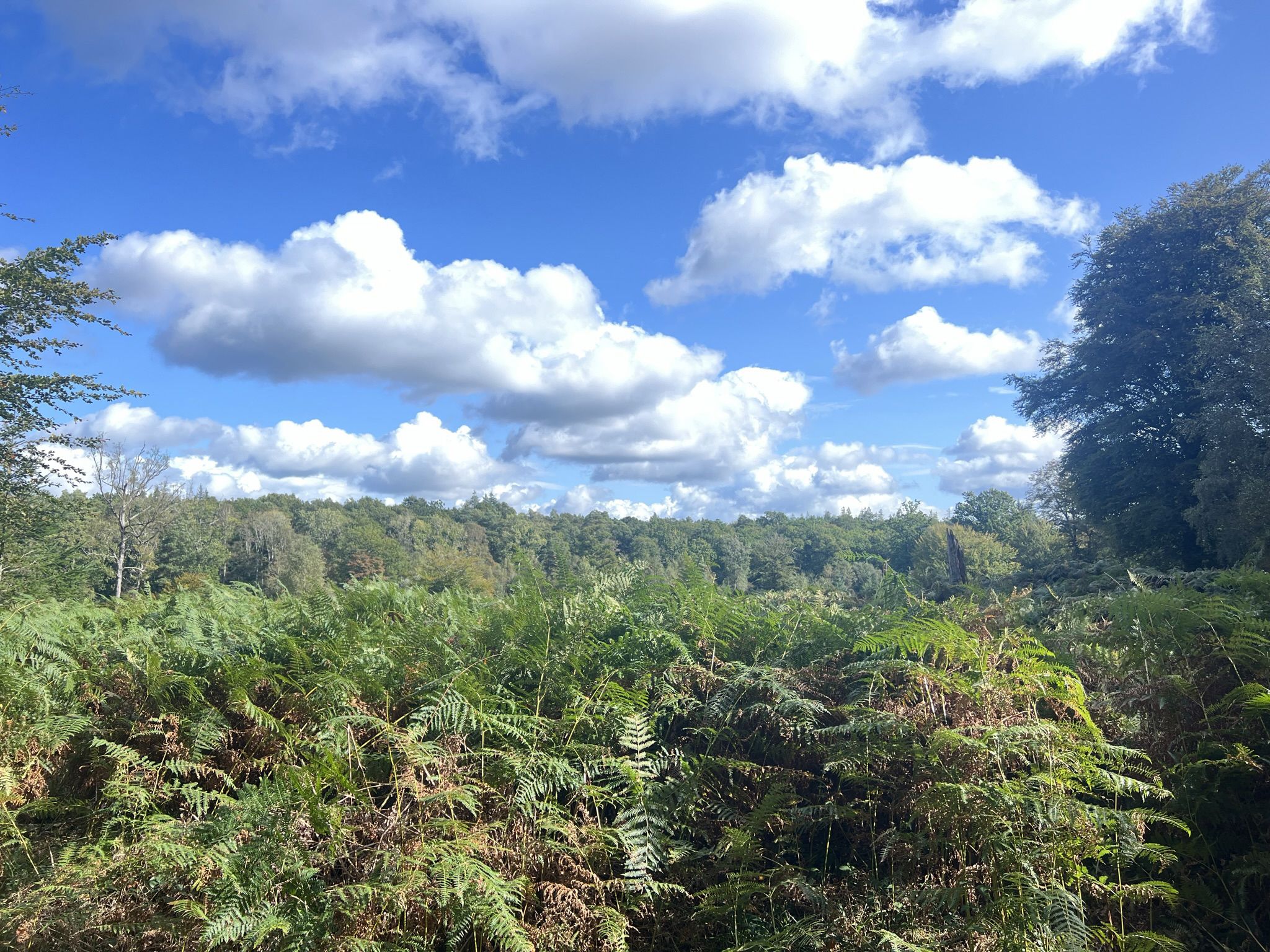
New Forest National Park – A Walk in the Parks
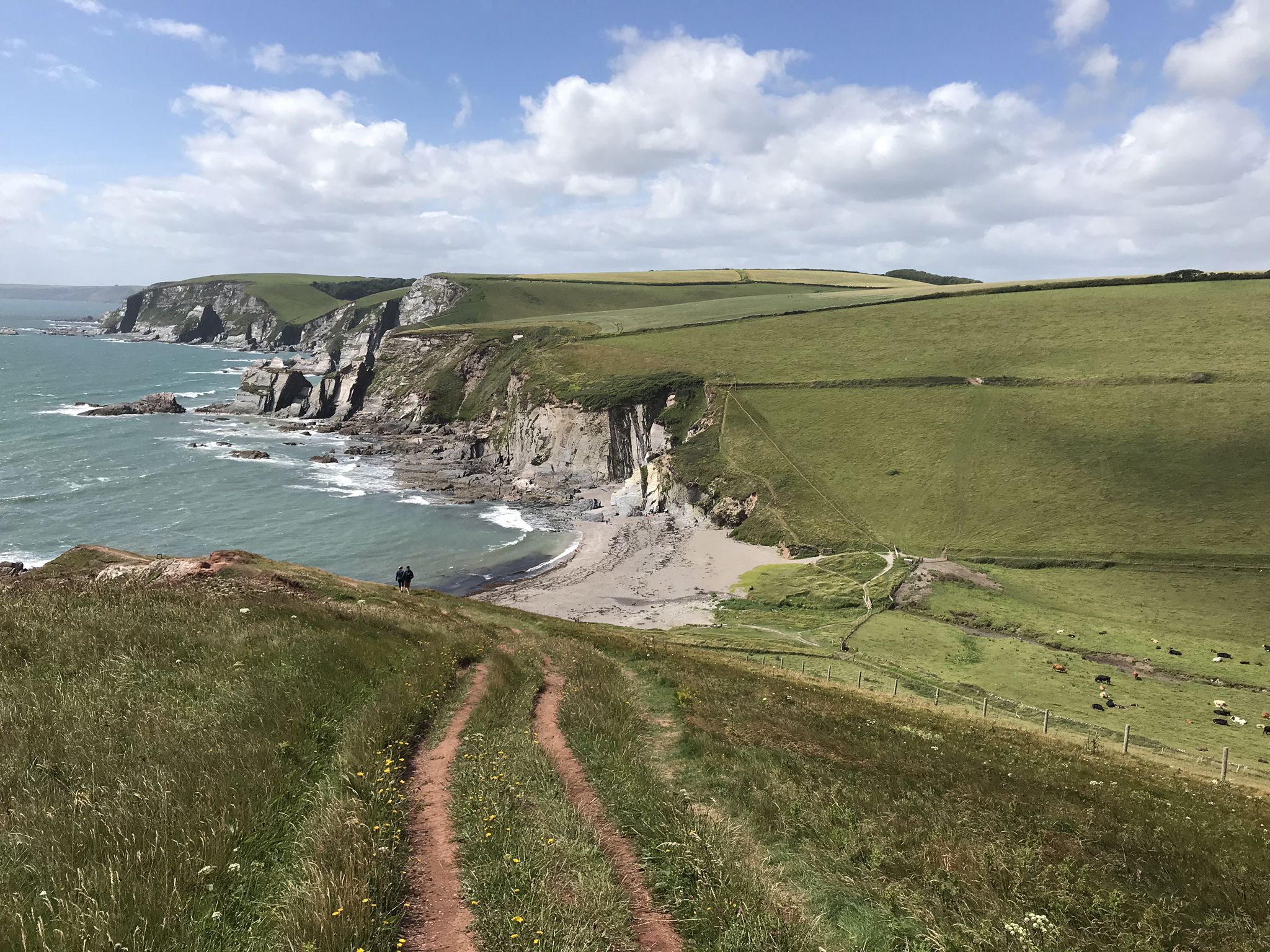
E9 Plymouth to Dover — An epic exploration of England's south coast
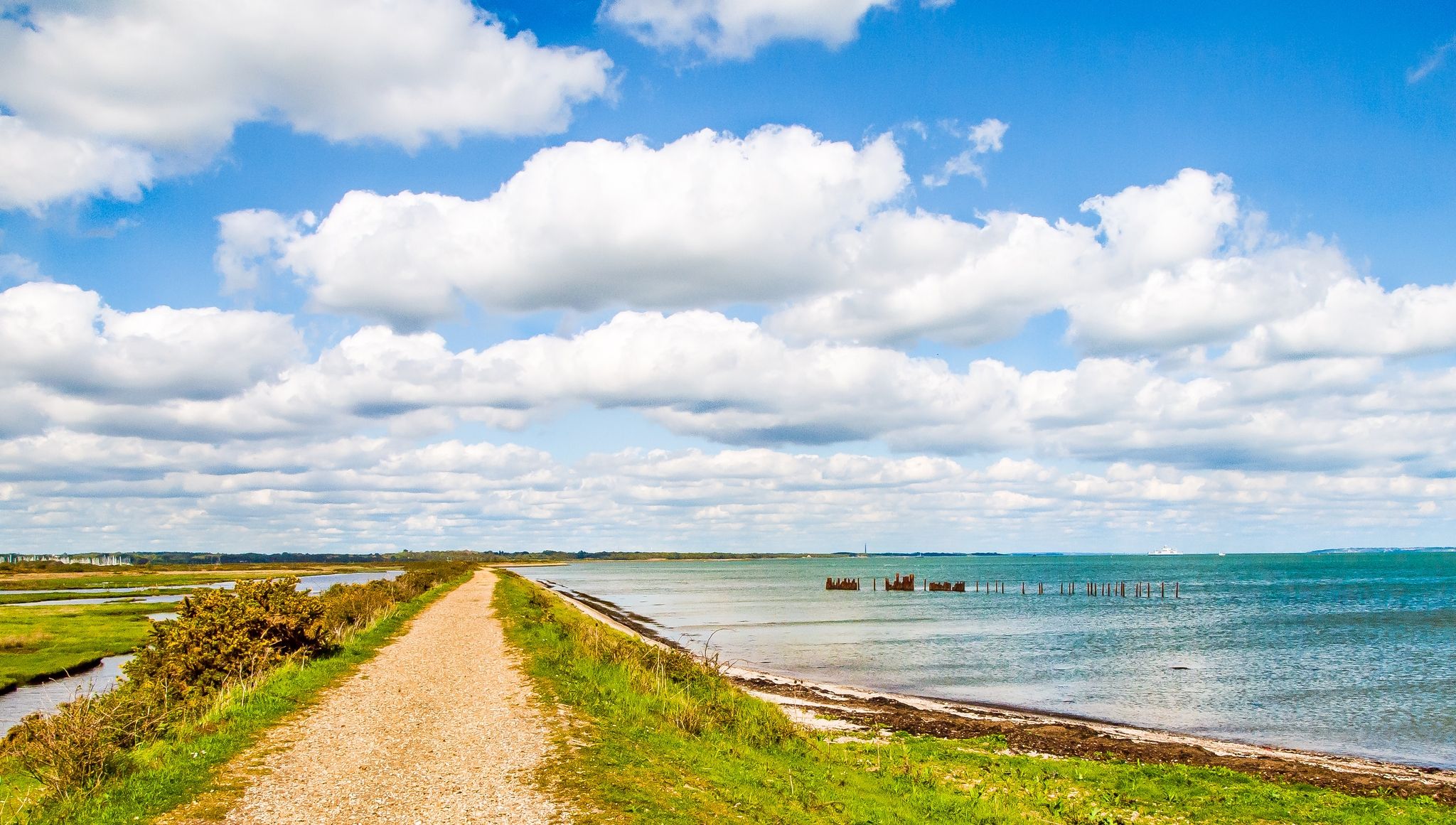
Solent Way — A picturesque hike along the Hampshire coastline
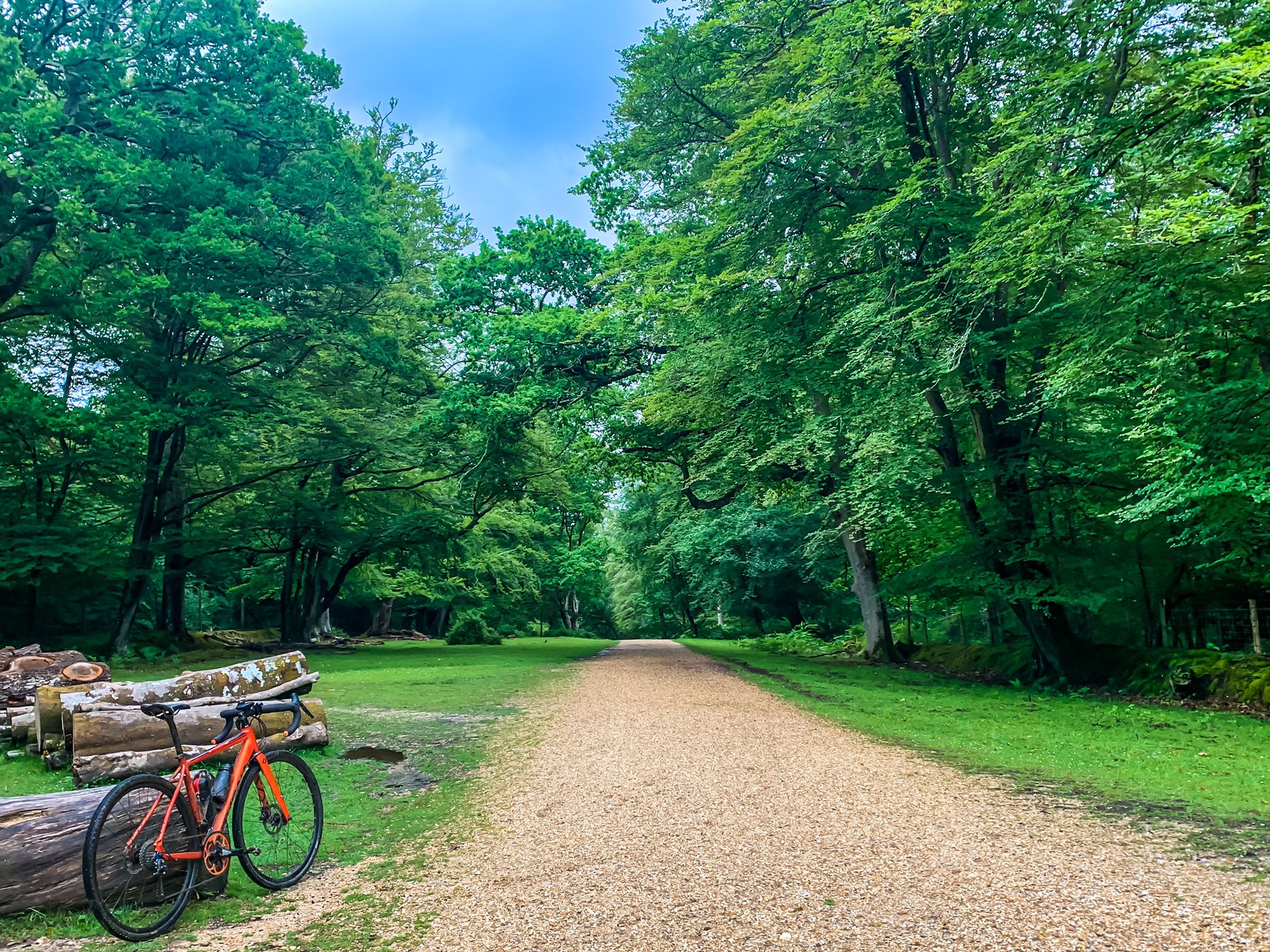
New Forest - The most Beautiful Cycling Routes
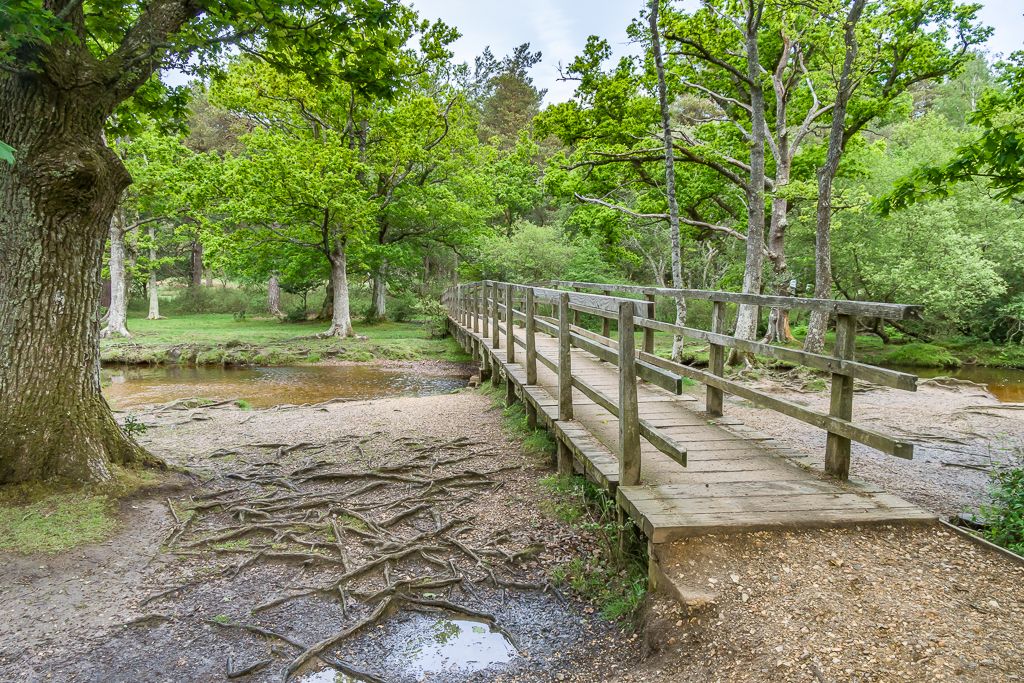
New Forest - All the Accessible Routes

New Forest - Walking in the National Park
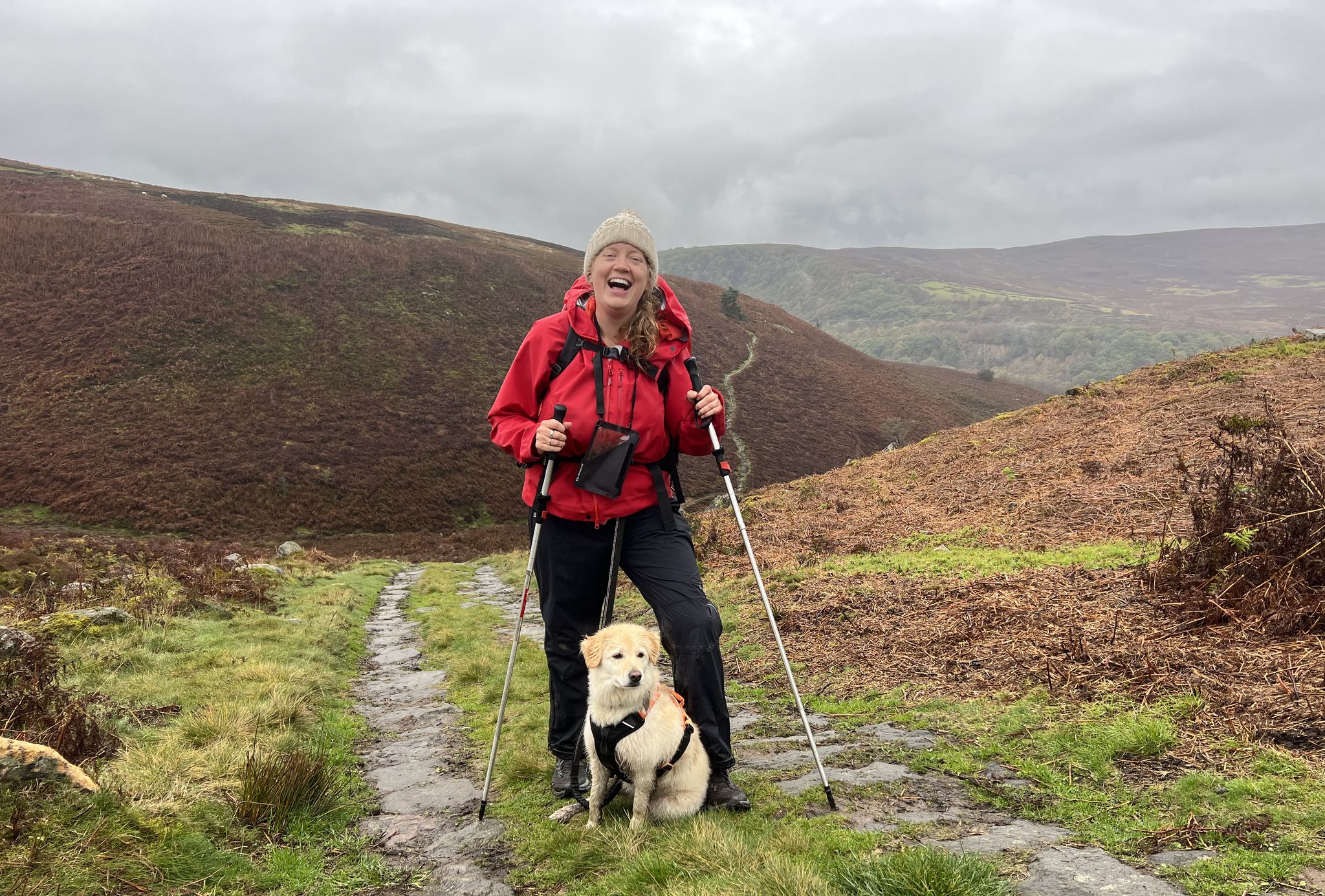
A Walk in the Parks – hikes across all of England’s national parks

Smooth rolling in the New Forest — 7 scenic road rides
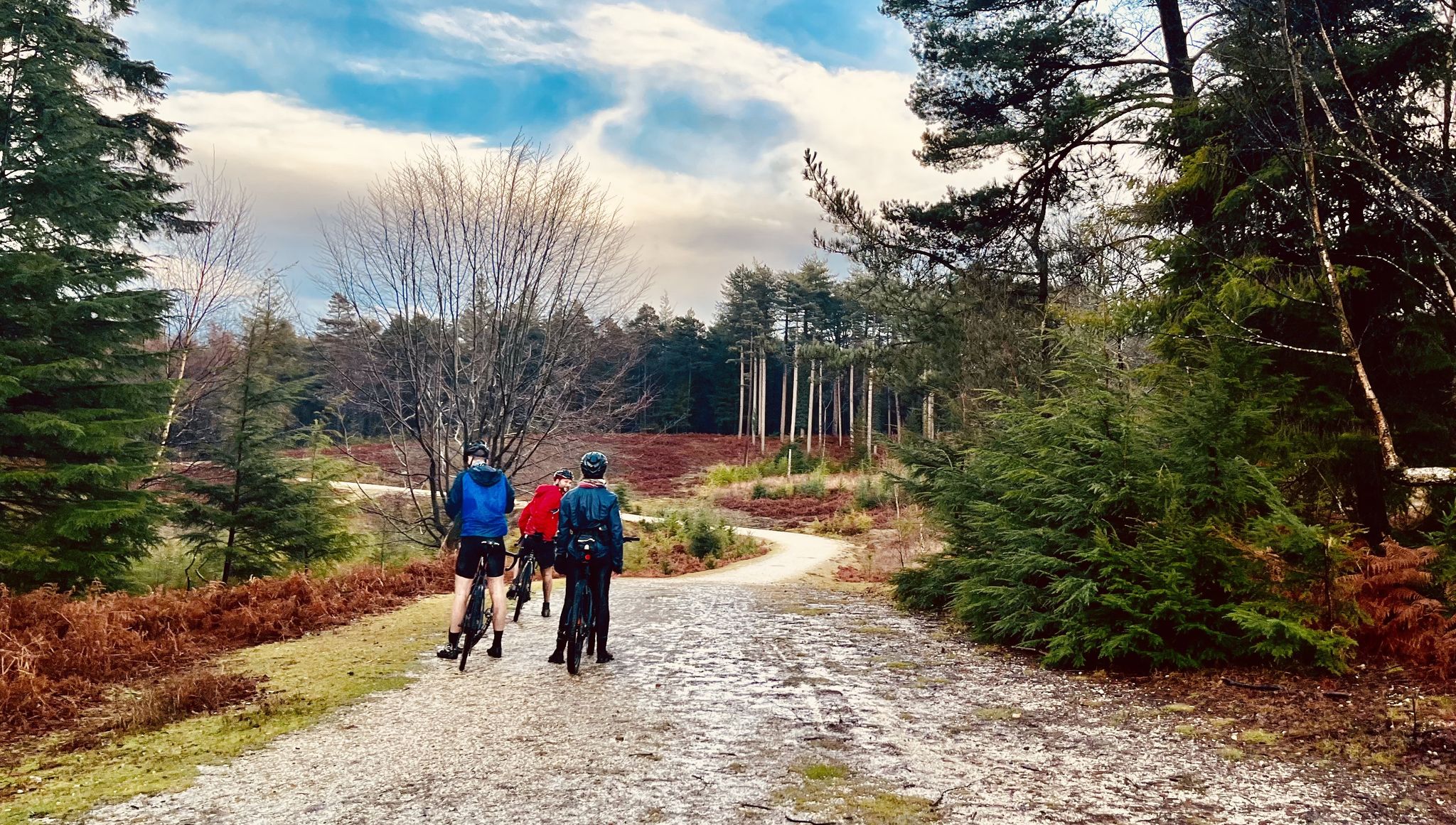
Discover the New Forest trails — 7 magical cycling safaris
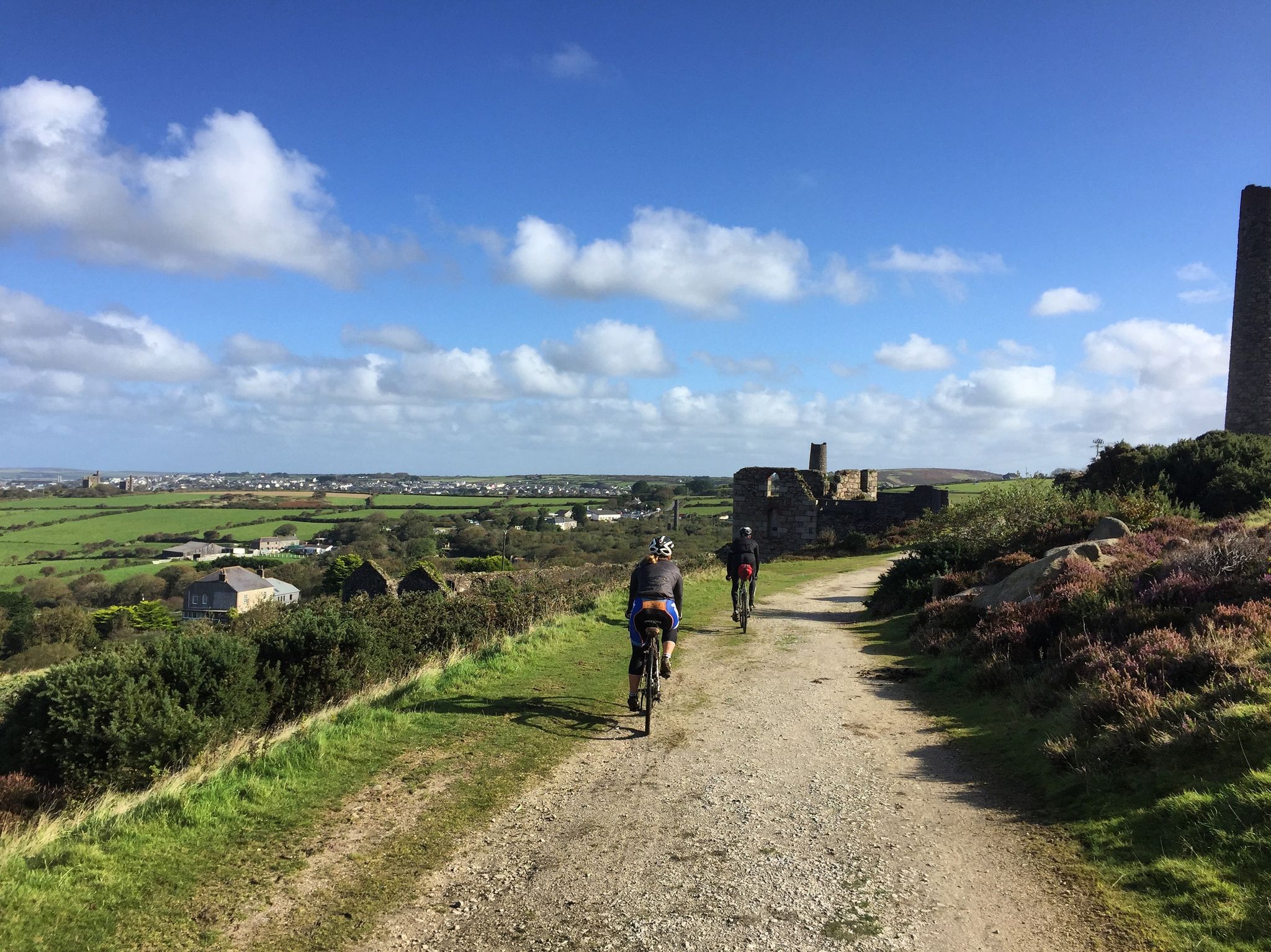
My favourite West Country riding — South-West Gravel Gold
Other adventures in New Forest National Park


Tips from the Community

As others have said, the area around this pond is crucially important for endangered birds from April to August and should be avoided during these months to give the wildlife the time and space it needs to safely raise their babies.
0
0

If you're walking with a dog that has a tendency to find mud, I recommend keeping it on a lead on the sea wall if the sea is any distance at all from the wall. Smelly, gloopy mud is present just about anywhere between Lymington and Milford-on-Sea!
0
0
Walked to this pond early April. Ground comparatively dry due to very low rainfall in March. No signage seen for nesting birds.
0
0

The marshes were once used as salterns for the thriving salt industry. The salterns are first mentioned in 1132, and continued in use until 1865. They were replaced by oyster beds, but are now disused marshland with some enclosing banks. A circular mound 1.2 metres high and 12 metres across is all that remains of a mill, and there is another mound with an overgrown brick structure and rectangular pond of unknown date. Just north of the marshes, in Lower Pennington, are several 18th-century salt boiling houses. The marshes are a site of special scientific interest and an area of outstanding natural beauty. They are part of the New Forest National Park, and in summer are grazed by cattle and ponies owned by New Forest commoners. Part of the marshes behind the sea wall are a national nature reserve managed by English Nature, and a local nature reserve managed by Hampshire County Council. Part of the intertidal mudland is also a nature reserve. The marshes and tidal muds offer a variety of wildlife habitats, which are important for gulls and terns in spring/summer and waders and wildfowl in autumn/winter.
0
1
Lymington and Keyhaven Marshes is a beautiful area of coastline. The internationally important coastal marshes and mudflats are teeming with fish and, as a result, thousands of sea birds and waders flock here. The Trust leases the offshore coastal marsh and mudflats to help protect this unique and historical coastal habitat. Covering nearly 740 hectares between the mouth of the Lymington River and the village of Keyhaven, this coastal reserve offers fantastic views across the Solent to Hurst Castle and the Isle of Wight. Although this is our largest nature reserve, it is not one for exploring but for admiring the stunning vistas. Visit in the spring to see arriving migrant birds such as wheatear, swallow and tern. Vast numbers of black-headed gull can be found nesting on the islands among the mudflats and open water. Out at sea, cormorant dive for fish beneath the waves. Listen to the distinctive high-pitched sounds of redshank and oystercatcher as they wade through the marshes, looking for crustaceans, fish and molluscs to feed on. In summer, discover specialist, salt-tolerant plants among the shingle banks on Hurst Spit. Yellow horned-poppy, sea campion and sea aster flourish here, surviving the salt spray carried on the breeze.
0
0

Keen bird watchers this is a must lots of different birds around the area. Great views of the Isle of Wight
1
0

A wonderful place to have a picnic or read a book in the summer. Please keep in mind that curious horses may come and take a look
0
0
Frequently Asked Questions
When is the best time to visit the lakes in New Forest National Park?
The lakes in New Forest National Park offer something year-round. For vibrant flora like daffodils and bluebells, spring is ideal. Summer is perfect for butterflies and dragonflies, while autumn brings migratory birds and beautiful foliage. Winter also offers opportunities for birdwatching, especially at places like Blashford Lakes Nature Reserve, which is a year-round destination.
What kind of wildlife can I expect to see around the New Forest lakes?
The lakes are rich in wildlife. At Hatchet Pond, you'll often see wild ponies and donkeys. Blashford Lakes Nature Reserve is a haven for birdwatchers, with approximately 500 bird species recorded. Sowley Pond is important for surface-feeding and diving ducks, and is home to the only known breeding population of Variable Damselfly in the New Forest. Normandy Lagoon Nature Reserve also offers diverse wildlife and excellent birdwatching opportunities.
Are there easy walks around the lakes in New Forest National Park?
Yes, many lakes offer easy walking opportunities. Hatchet Pond has an easy circular walk. Blashford Lakes Nature Reserve features five miles of flat, waymarked paths. You can also find easy hikes in the wider New Forest National Park, such as those listed in the Easy hikes in New Forest National Park guide.
Can I find circular walks around specific lakes?
Absolutely. A popular circular walk skirts Hatchet Pond, offering scenic views. Whitten Pond and Eyeworth Pond also serve as starting points for popular circular walks through surrounding heathland and woodlands.
What outdoor activities can I do near the lakes in New Forest National Park?
Beyond walking, you can enjoy cycling and mountain biking. The New Forest National Park offers numerous routes, including those found in the Cycling in New Forest National Park and MTB Trails in New Forest National Park guides. Certain lakes within Blashford Lakes Nature Reserve are also suitable for watersports like water skiing and sailing.
Are the lakes in New Forest National Park suitable for families?
Many lakes are family-friendly, offering tranquil settings for picnics and gentle strolls. Hatchet Pond, Eyeworth Pond, Janesmoor Pond, and Cadman's Pool are all noted as great spots for families to relax and enjoy nature. The presence of wild ponies and donkeys often delights younger visitors.
Are there accessible paths for wheelchairs around the lakes?
Blashford Lakes Nature Reserve offers five miles of flat, waymarked paths, making it a good option for accessibility. The New Forest National Park also provides accessible trails, and you can find more information on their website: newforestnpa.gov.uk.
Are dogs allowed around the lakes in New Forest National Park?
Dogs are generally welcome in the New Forest, but it's crucial to keep them under close control, especially around livestock and wildlife. Some areas, particularly during ground-nesting bird season (February to July), may have restrictions or ask visitors to avoid certain paths. Always check local signage.
What is the history behind Sowley Pond?
Sowley Pond is a man-made water body with a rich history dating back to the 14th century. It was originally created by monks from Beaulieu Abbey as a fishery and later supplied water for an ironworks in the 17th and 18th centuries. Today, it's recognized for its ecological significance. You can learn more about its history on Wikipedia.
Where can I find a tranquil or hidden lake in the New Forest?
For a tranquil experience, Eyeworth Pond is considered a hidden gem amidst lush woodland. Cadman's Pool also offers a peaceful setting for strolls. These spots are often less crowded than the more popular areas.
Is wild swimming permitted in the New Forest lakes?
For the most part, swimming is not permitted in the New Forest's lakes and ponds. This is due to hidden risks and the need to protect delicate natural habitats and conservation efforts. Visitors are encouraged to enjoy the tranquil beauty from the shore and explore the surrounding walks instead.
What do visitors enjoy most about the lakes in New Forest National Park?
Visitors particularly enjoy the serene beauty, the opportunity for peaceful strolls, and the chance to observe wildlife like ponies and donkeys gathering at the water's edge. Spots like Hatchet Pond are popular for picnics and watching sunsets, while Whitten Pond is appreciated for its striking waterside views on open heathland.
Is parking available near the New Forest lakes?
Yes, parking is generally available near many of the popular lakes and ponds. For example, Hatchet Pond has parking, and Eyeworth Pond also has a small number of parking places, making them convenient starting points for walks.
Most popular routes in New Forest National Park
Most popular attractions in New Forest National Park

Get inspired with the komoot mobile app


Explore more
Still not found your perfect lake in New Forest National Park? Check out the guides of these regions to see even more beautiful places.
