The best walks and hikes in Trotternish
4.5
(6836)
42,851
hikers
33
hikes
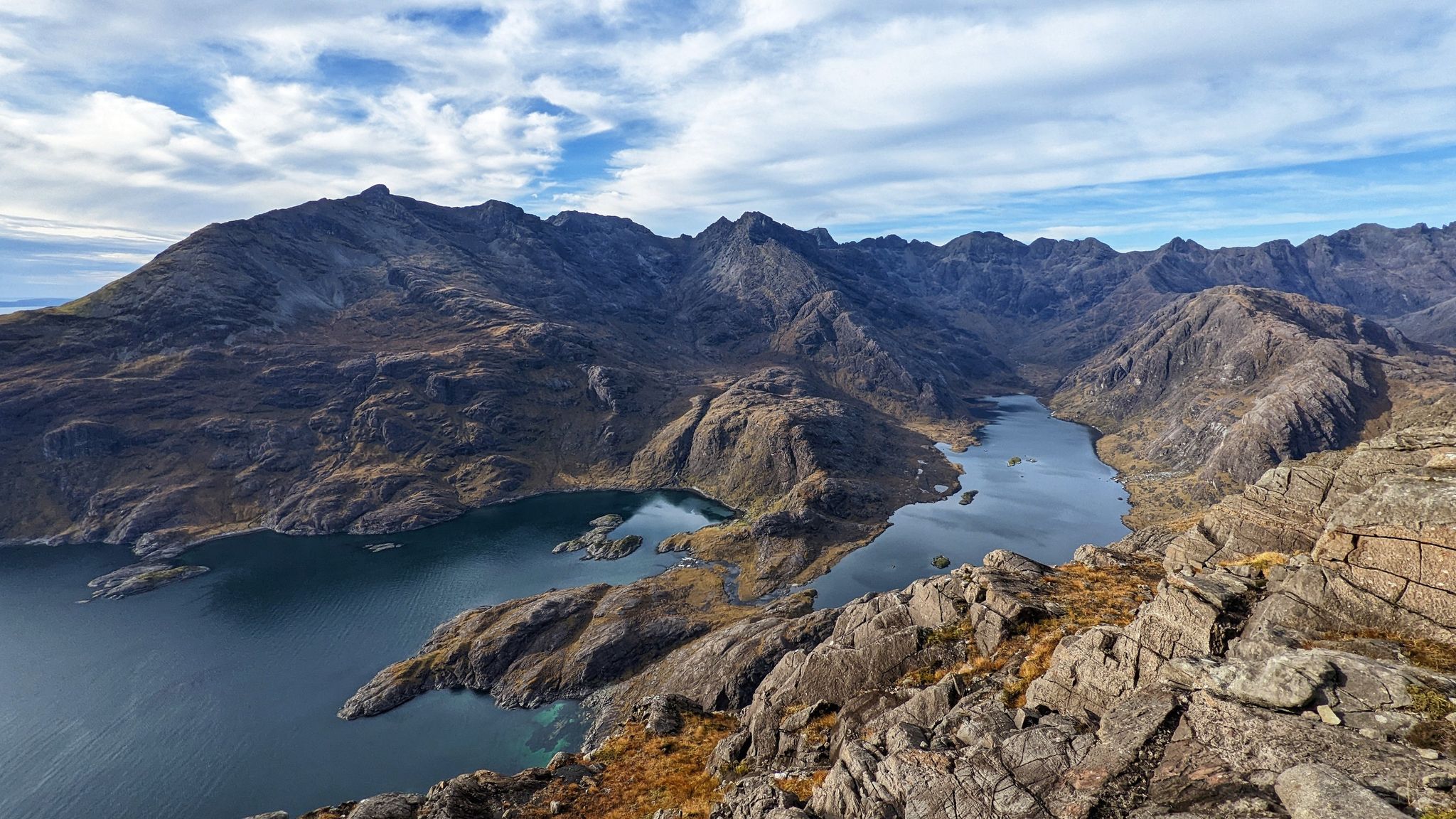
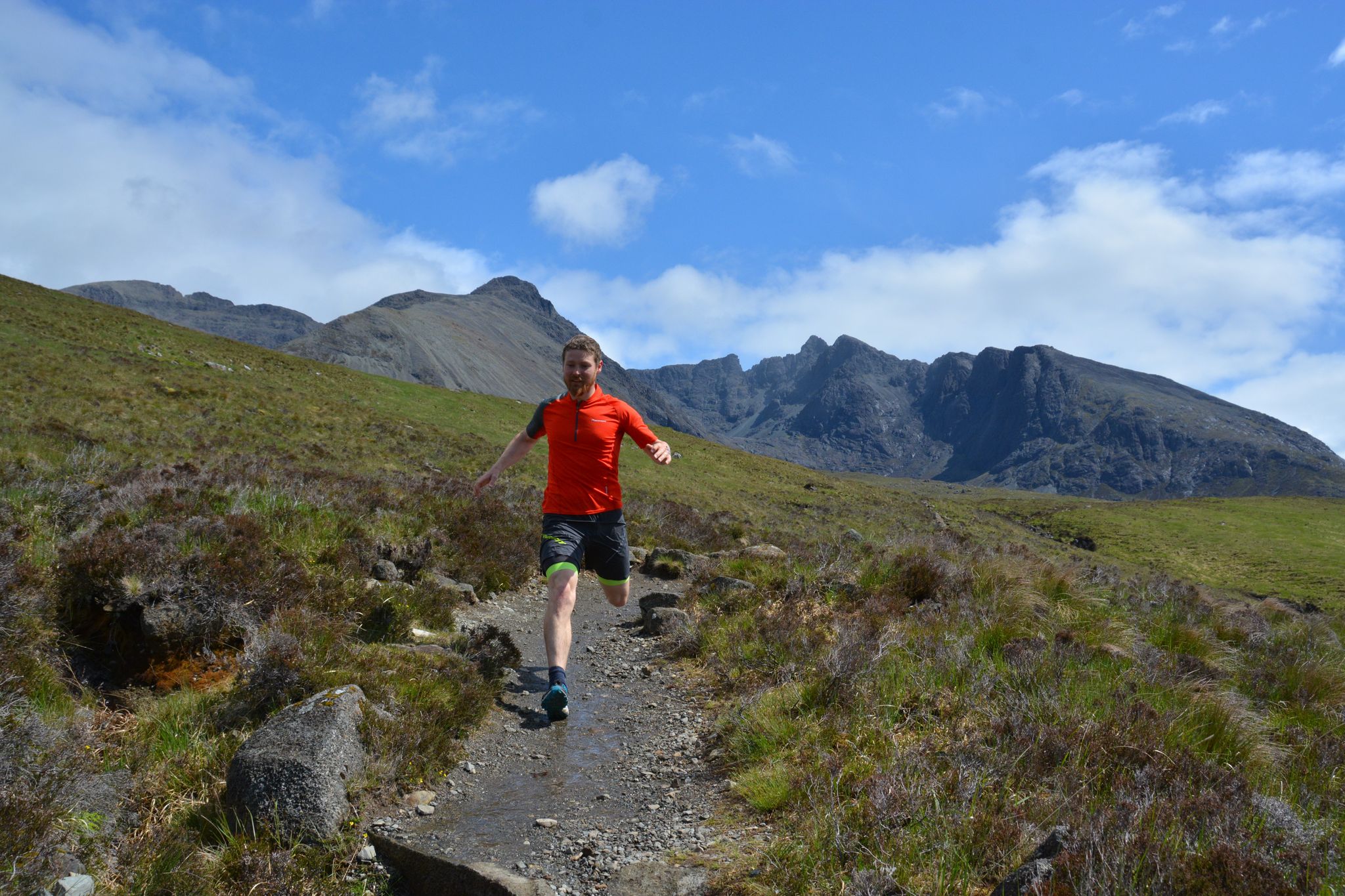
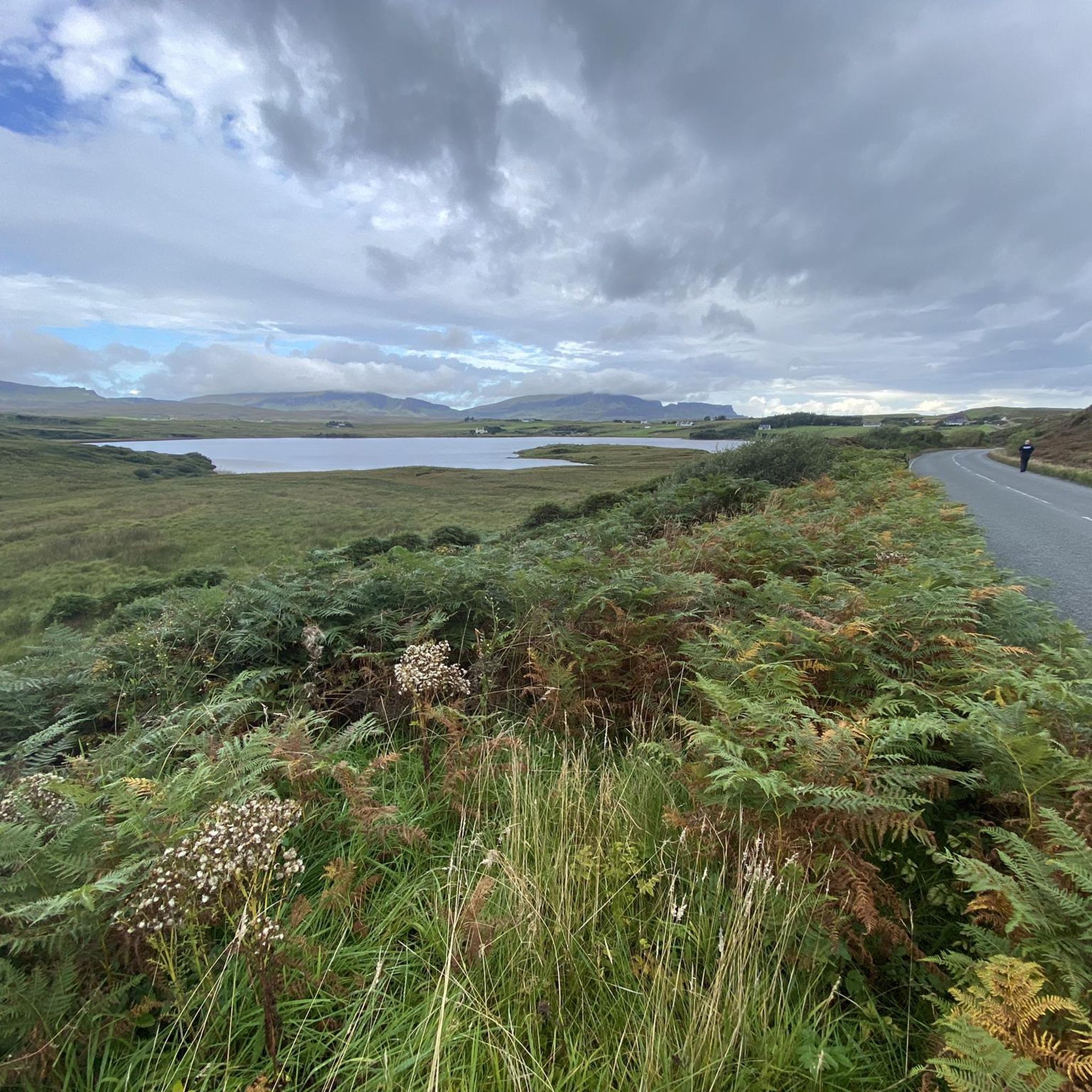
Hiking in Trotternish offers access to a landscape shaped by ancient geological activity, featuring dramatic landslips, basalt formations, and coastal cliffs. The region is characterized by the Trotternish Ridge, which has created an otherworldly terrain of pinnacles, such as the Old Man of Storr, and unique rock formations like those found in the Quiraing. Hikers can explore a diverse range of natural features, from the miniature hills of the Fairy Glen to the striking sea cliffs of Kilt Rock. This area provides varied terrain for outdoor exploration, including rolling hills, steep ascents, and coastal paths.
Best hiking trails in Trotternish
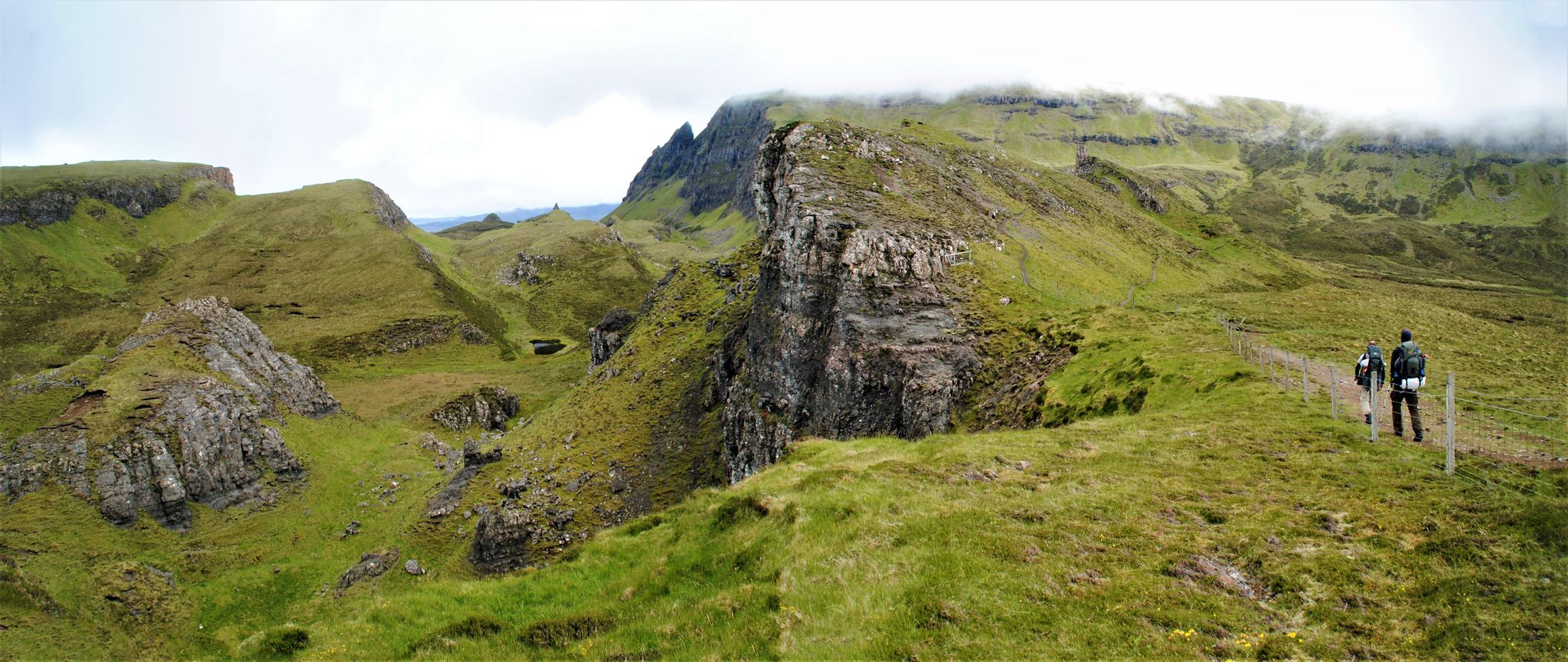
- The most popular hiking route is The Quiraing & Meall na Suiramach loop from Flodigarry — Trotternish, Isle of Skye, a 6.7 miles (10.7 km) trail that takes 4 hours 27 minutes to complete. This difficult route explores the iconic landslip formations and offers panoramic views.
- Another top favourite among local hikers is Brothers' Point Trail, an easy 1.9 miles (3.1 km) path. This trail leads to a scenic headland, providing coastal views and opportunities for wildlife spotting.
- Local hikers also love the The Quiraing Needle & Prison formations — Trotternish, Isle of Skye, a 2.5 miles (4.1 km) trail leading through distinctive rock formations, often completed in about 1 hour 24 minutes.
- Hiking in Trotternish is defined by dramatic landslips, basalt pinnacles, and rugged coastal paths. The network offers options for various ability levels, from gentle walks to challenging hill routes.
- The routes in Trotternish are highly rated by the komoot community with an average score of 4.6 stars from over 2800 reviews. More than 16000 hikers have used komoot to explore Trotternish's varied terrain.
Last updated: September 26, 2026
4.8
(1419)
7,370
hikers
Hard hike. Good fitness required. Sure-footedness, sturdy shoes and alpine experience required.
4.8
(1346)
7,318
hikers
6.55km
02:39
280m
280m
Hard hike. Good fitness required. Sure-footedness, sturdy shoes and alpine experience required.

4.9
(242)
1,615
hikers
4.08km
01:24
100m
100m
Hard hike. Great for any fitness level. Sure-footedness, sturdy shoes and alpine experience required.
4.7
(99)
352
hikers
13.9km
05:00
520m
520m
Hard hike. Very good fitness required. Sure-footedness, sturdy shoes and alpine experience required.
4.6
(88)
595
hikers
3.08km
00:53
80m
80m
Easy hike. Great for any fitness level. Easily-accessible paths. Suitable for all skill levels.
Get access to more routes and recommendations from other explorers.
Already have an account?
Our route recommendations are based on thousands of hikes, rides, and runs completed by other people on komoot.
Start today with a free account
Your next adventure awaits.
Popular around Trotternish
Other adventures in Trotternish


Tips from the Community

For centuries, the Quiraing was not a tourist viewpoint. Its walls, needles and nooks served the inhabitants of Trotternish to hide livestock from raiders. Particularly curious is The Table, an elevated, surprisingly flat and grassy plateau, practically invisible from below. According to tradition, they could hide animals there without those crossing the valley even knowing they were above them. Seeing the rock labyrinth from this point, it is easy to understand why it was a perfect hiding place.
0
0


Creag Loisgte is a lesser-known but distinctive ridge on the Trotternish Peninsula of the Isle of Skye. It is located near the Quiraing and is part of the dramatic landscape formed by landslides and volcanic processes. The name comes from Gaelic and roughly means 'burnt rock', referring to the dark basalt formations. Creag Loisgte offers wide views over the rugged coastline and is appreciated by hikers who wish to experience the island's quiet, pristine nature away from the well-trodden paths.
0
0
The Quiraing on the Isle of Skye is a spectacular landscape of rugged rocks, steep slopes, and green plateaus on the Trotternish Peninsula. It was formed by massive landslides that are still active today, constantly changing the shape of the landscape. The area is known for distinctive formations such as The Needle, The Prison, and The Table. The Quiraing offers some of Scotland's most impressive views and is a popular destination for hikers and photographers. Its dramatic scenery gives it an almost mystical atmosphere.
0
0
The Quiraing on the Isle of Skye is a spectacular landscape of rugged rocks, steep slopes, and green plateaus on the Trotternish Peninsula. It was formed by massive landslides that are still active today, constantly changing the shape of the landscape. The area is known for distinctive formations such as The Needle, The Prison, and The Table. The Quiraing offers some of Scotland's most impressive views and is a popular destination for hikers and photographers. Its dramatic scenery gives it an almost mystical atmosphere.
0
0
Fir Bhreugach is a striking rock formation in the Quiraing area on the Isle of Skye. The name comes from Gaelic and means approximately "the false man" or "the deceiver", referring to the unusual, almost human-like silhouette of the rocks. Like many formations on the Trotternish Peninsula, Fir Bhreugach was formed by landslides and erosion, which are constantly changing the landscape. Today, it is a less well-known but fascinating part of the Quiraing, contributing to the mysterious, almost mythical atmosphere of this unique landscape.
0
0
The Needle at the Quiraing on the Isle of Skye is a slender, steeply rising rock column that stands out from the landscape like a natural needle. It was formed by massive landslide movements that continue to shape the area today. Erosion exposed the rock and sculpted it into this distinctive form. The Needle is one of the most famous sights in the Quiraing and a popular photo motif. Together with formations like The Prison, it shapes the dramatic, almost unreal landscape of the Trotternish Peninsula.
0
0
The Prison am Quiraing on the Isle of Skye is a striking rock formation with steep, almost vertical walls, reminiscent of a natural fortress or prison – hence the name. It was formed by ancient landslides that shaped the terrain of the Trotternish Peninsula and continue to change it slightly to this day. The Prison is one of the most famous geological landmarks of the Quiraing and is particularly popular with hikers and photographers. From here, you can enjoy impressive views of the island's rugged, dramatic landscape.
0
0
Frequently Asked Questions
How many hiking trails are available in Trotternish?
Trotternish offers a diverse selection of over 30 hiking routes, catering to various skill levels. You'll find a good mix of easy, moderate, and difficult trails to explore the peninsula's unique landscapes.
What makes hiking in Trotternish unique?
Hiking in Trotternish is defined by its spectacular and unique geological formations. The region features dramatic landslips, basalt pinnacles like the Old Man of Storr, and otherworldly terrain such as the Quiraing. These ancient volcanic and glacial movements have created a landscape unlike anywhere else, offering breathtaking views and diverse natural features.
What do other hikers say about the trails in Trotternish?
The trails in Trotternish are highly rated by the komoot community, with an average score of 4.6 stars from over 2800 reviews. Hikers often praise the dramatic scenery, the unique geological formations, and the variety of routes available, from coastal paths to challenging hill climbs.
Are there easy hiking options suitable for beginners in Trotternish?
Yes, Trotternish offers several easy hiking options. For instance, the Brothers' Point Trail is an easy 1.9-mile (3.1 km) path leading to a scenic headland with coastal views. The Fairy Glen, near Uig, also provides an easily explored area perfect for a leisurely walk among its miniature hills and unique rock formations.
Can I find challenging hikes in Trotternish?
Absolutely. Trotternish is home to several challenging routes, particularly those exploring the Quiraing and the Trotternish Ridge. The Quiraing & Meall na Suiramach loop from Flodigarry is a difficult 6.7-mile (10.7 km) trail that takes over 4 hours to complete, offering panoramic views and significant elevation changes.
Are there any circular walks in Trotternish?
Yes, circular walks are a popular way to experience the region's highlights. A notable example is the Quiraing Loop, which allows you to explore the iconic landslip formations and return to your starting point. Another option is the more extensive Meall na Suiramach and the Quiraing Loop.
What natural attractions can I explore while hiking in Trotternish?
Trotternish is rich in natural attractions. You can hike to the famous Old Man of Storr, explore the unique rock formations of The Quiraing, including The Prison, or wander through the enchanting Fairy Glen. Other highlights include the dramatic Kilt Rock and Mealt Falls, where water plunges directly into the sea, and the coastal areas offering opportunities for wildlife spotting.
Where can I see dinosaur footprints in Trotternish?
For a unique historical attraction, you can find fossilized dinosaur footprints at Staffin Beach near Staffin. This offers a fascinating glimpse into the ancient past of the Isle of Skye.
Are there family-friendly hiking routes in Trotternish?
Yes, several areas are suitable for families. The Fairy Glen, with its miniature hills and 'Castle Ewen' rock formation, is an easy and enchanting place for a family walk. Shorter, less strenuous sections of coastal paths or easy routes like the Brothers' Point Trail also make for enjoyable family outings.
Are dogs allowed on the hiking trails in Trotternish?
Generally, dogs are welcome on most hiking trails in Trotternish. However, it's crucial to keep them on a lead, especially in areas with livestock or ground-nesting birds, to protect wildlife and farm animals. Always follow the Scottish Outdoor Access Code and clean up after your dog.
What is the best time of year to go hiking in Trotternish?
The best time to hike in Trotternish is typically from late spring to early autumn (May to September). During these months, the weather is generally milder, with longer daylight hours and less rainfall. However, be prepared for changeable weather conditions at any time of year, as is common in Scotland.
Is public transport available to reach hiking trailheads in Trotternish?
Public transport options are limited but available in Trotternish. Buses connect some of the main villages and attractions, such as Portree, Uig, and Staffin, which can provide access to certain trailheads. However, for maximum flexibility and access to more remote starting points, having your own transport is often recommended.
Are there any specific permits or fees required for hiking in Trotternish?
No, generally, there are no specific permits or fees required for hiking on the public access trails in Trotternish. Scotland's 'right to roam' allows access to most land, provided you follow the Scottish Outdoor Access Code. However, parking at popular trailheads like the Old Man of Storr or the Quiraing often incurs a parking fee.
Most popular attractions in Trotternish

Get inspired with the komoot mobile app


Explore more
Browse the best Hikes in other regions.
