The 20 Most Amazing Peaks in Ben Nevis And Glen Coe
Best mountain peaks in Ben Nevis And Glen Coe are found in the Scottish Highlands, a region renowned for its dramatic landscapes and challenging summits. This area features the highest mountain in the UK, Ben Nevis, alongside the iconic peaks of Glen Coe. The terrain includes a mix of strenuous hikes, technical scrambles, and long ridge walks, offering diverse experiences for outdoor enthusiasts. These mountains are characterized by their craggy faces, exposed ridges, and significant elevation gains.
Best mountain peaks…
Last updated: August 2, 2026
Ben Nevis summit
Highlight • Summit
An estimated 75,000 people ascend via the straightforward, zigzagging …
Tip by

Ben Nevis Mountain Path
Highlight (Segment) • Trail
Tip by

Sign up now to discover places like this
Get recommendations on the best single tracks, peaks, & plenty of other exciting outdoor places.
Sign up for free
Càrn Mòr Dearg
Highlight • Climb
Tip by

Stob Dearg (Buachaille Etive Mòr) summit
Highlight • Viewpoint
Tip by

Stob Coire Raineach (Buachaille Etive Beag)
Highlight • Viewpoint
Tip by
Sign up for free to discover even more peaks in Ben Nevis And Glen Coe.
Sign up for free
Already have an account?
Start today with a free account
Your next adventure awaits.
Login or Signup
Popular around Ben Nevis And Glen Coe
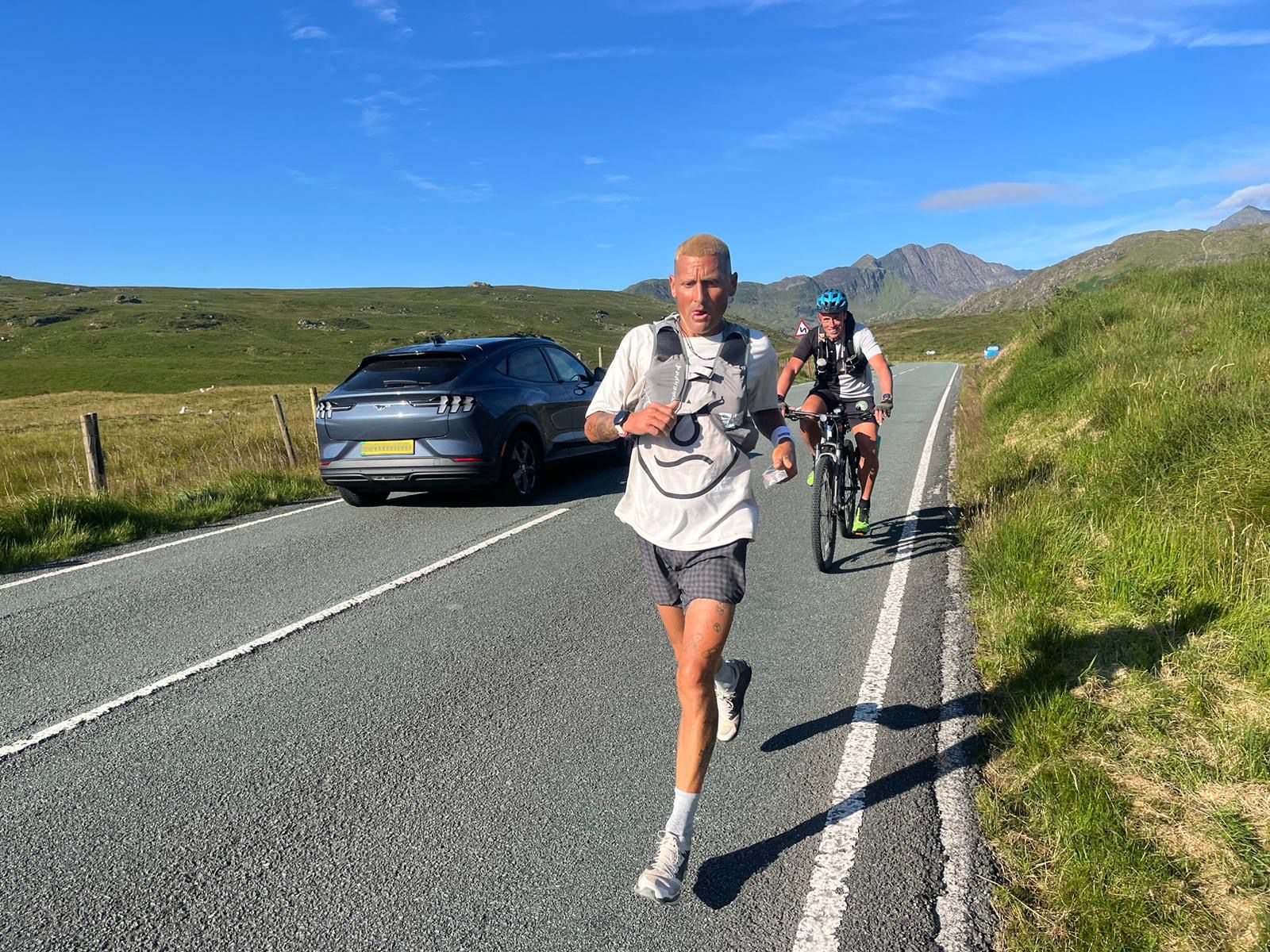
Supporting the National Three Peaks FKT in true Green Runners’ Style
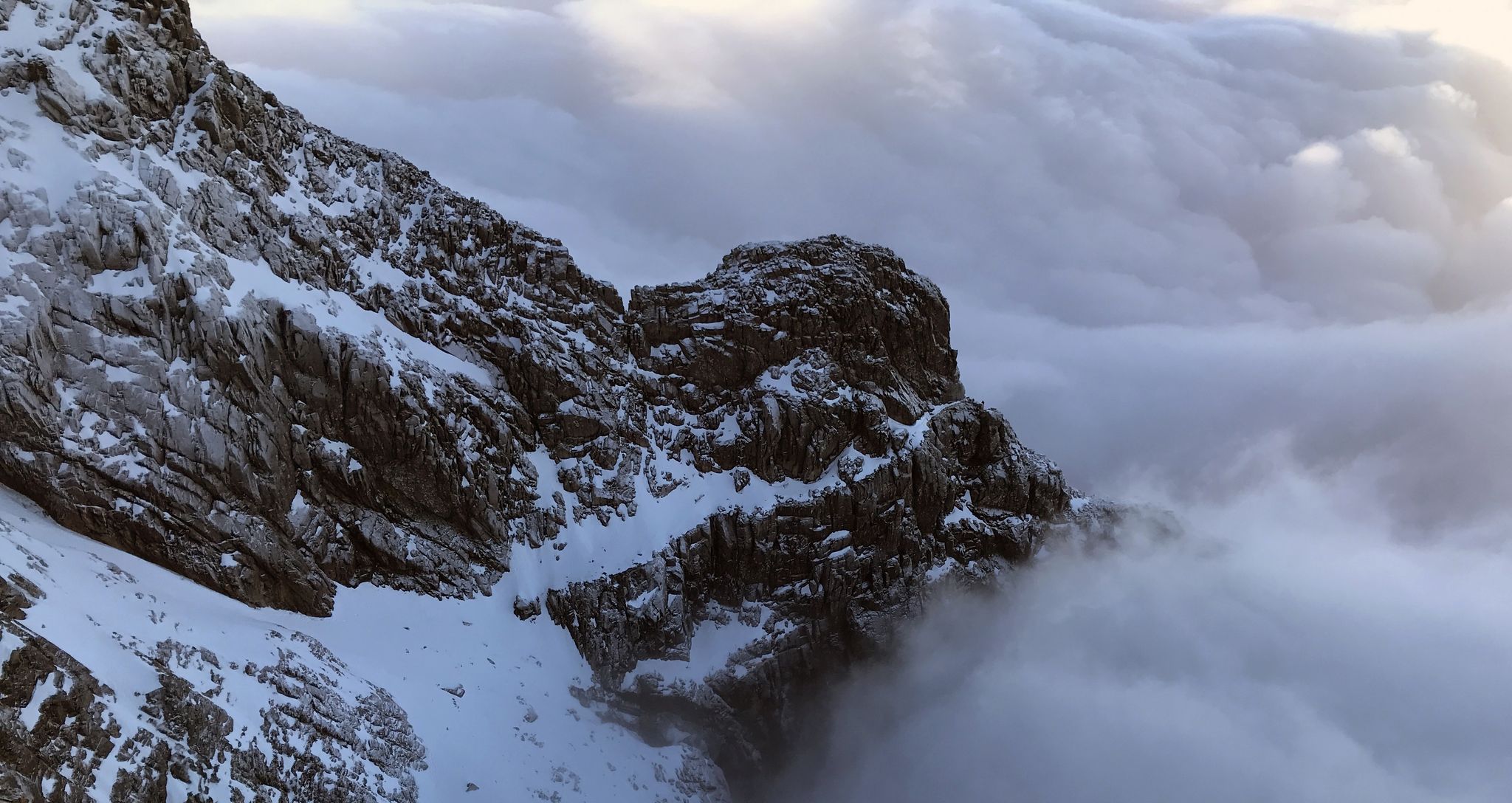
Ephemeral Lines – Stunning UK Winter Ridges
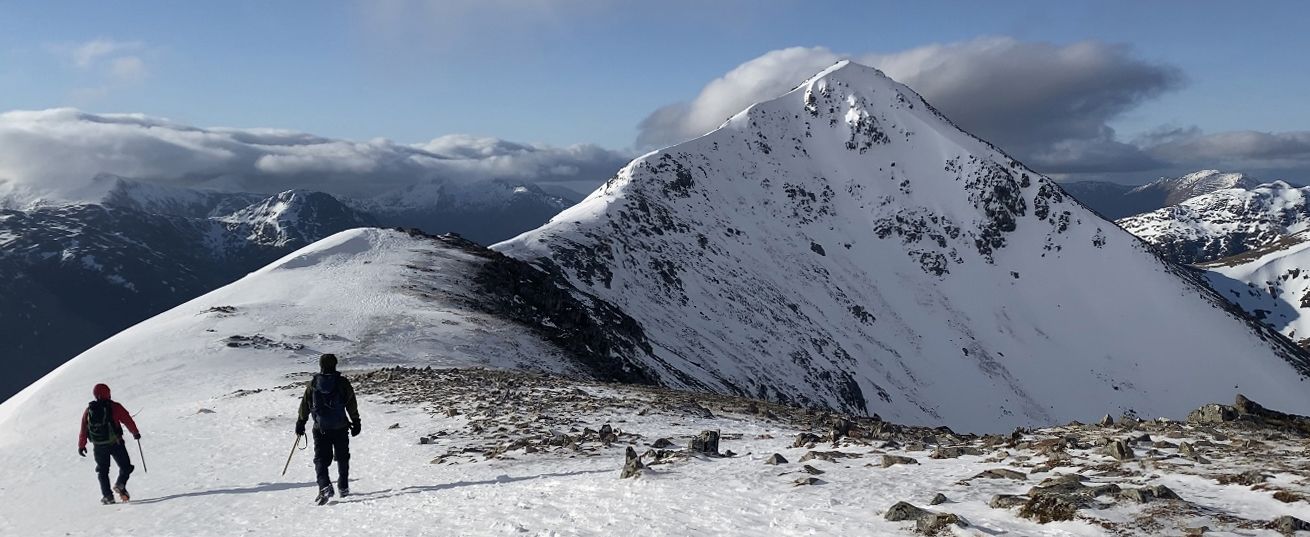
Scottish winter – five superb mountaineering routes in Lochaber
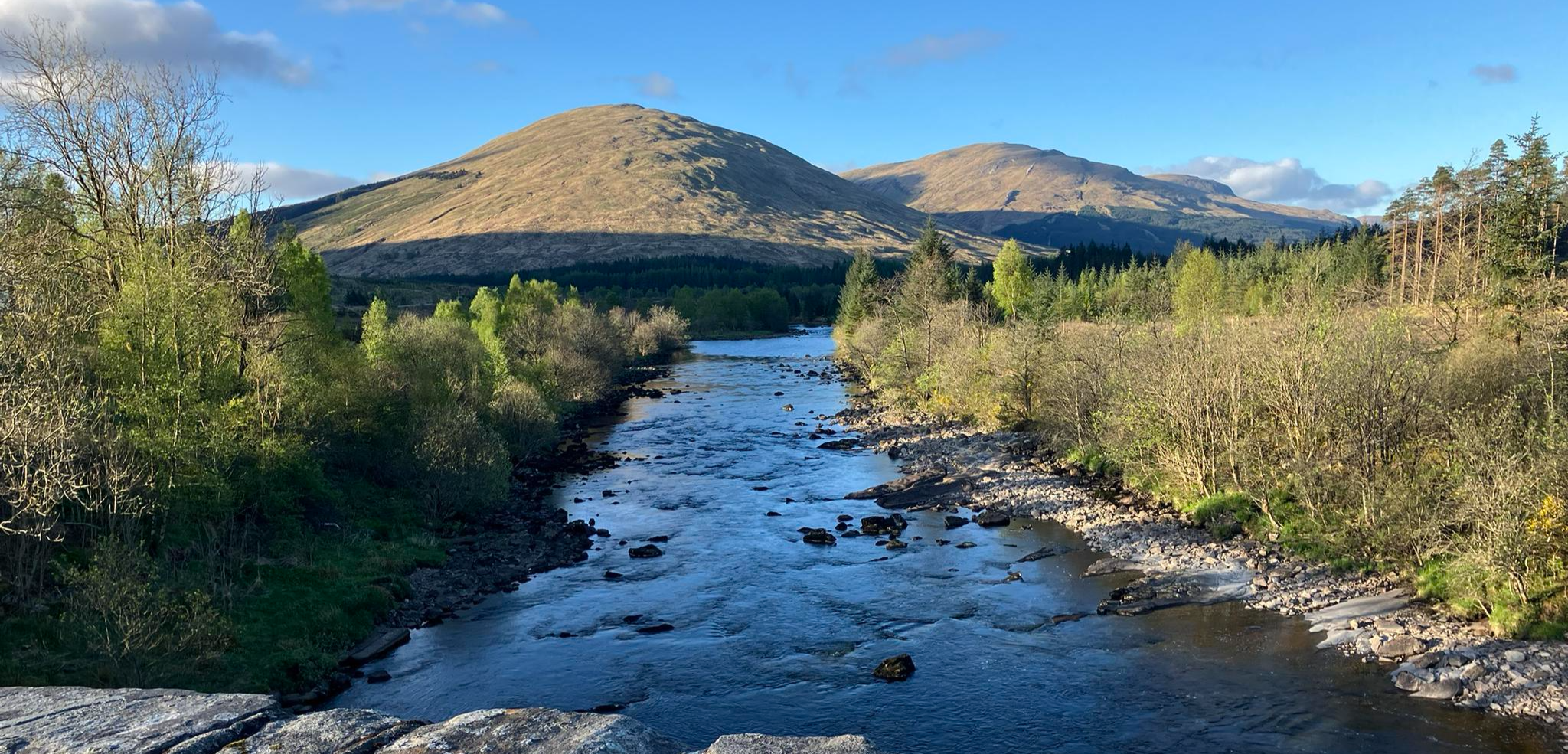
Running the West Highland Way – Scotland's Great Trails
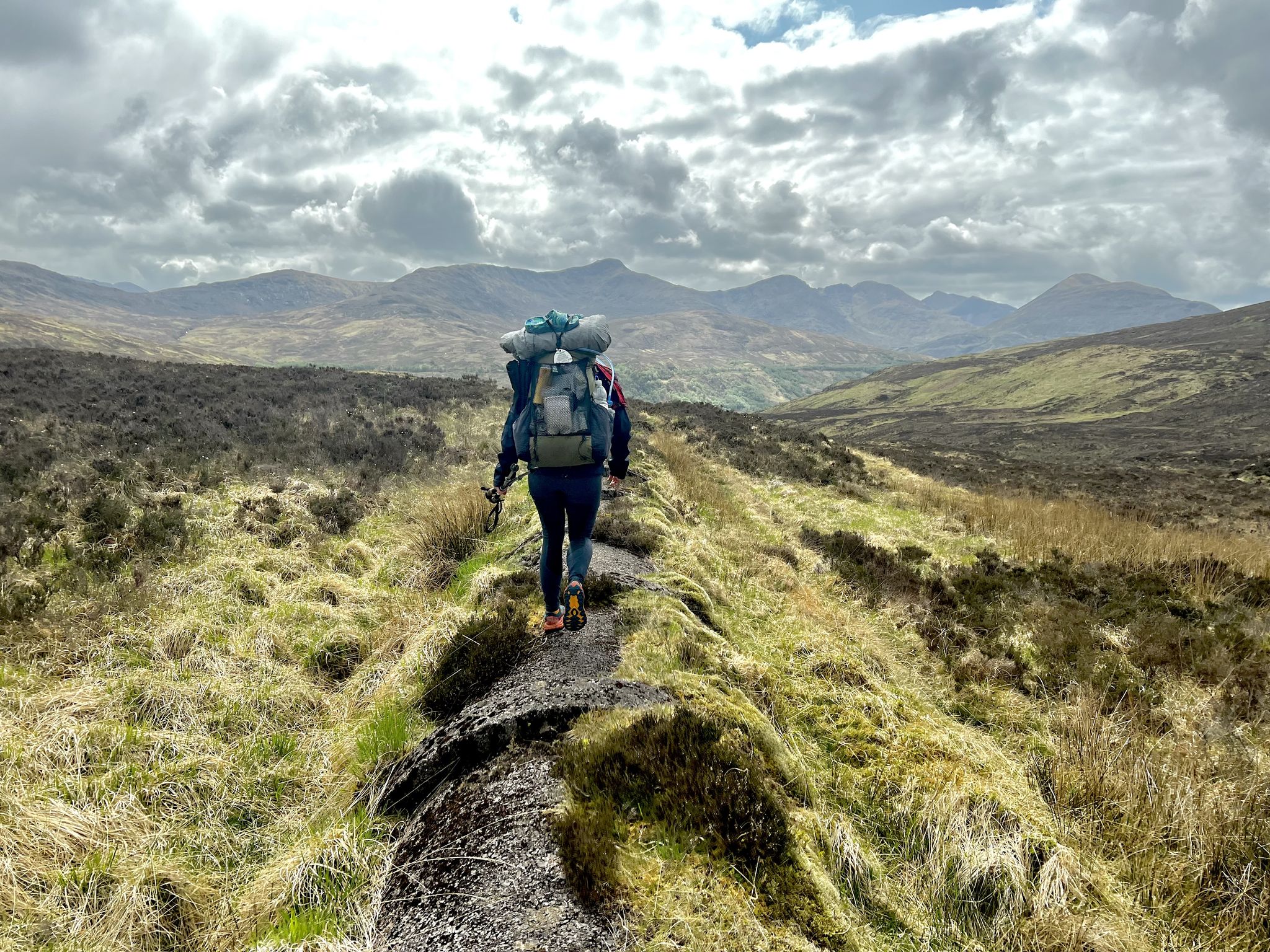
TGO Challenge 2023 – Coast to Coast: Oban to Montrose
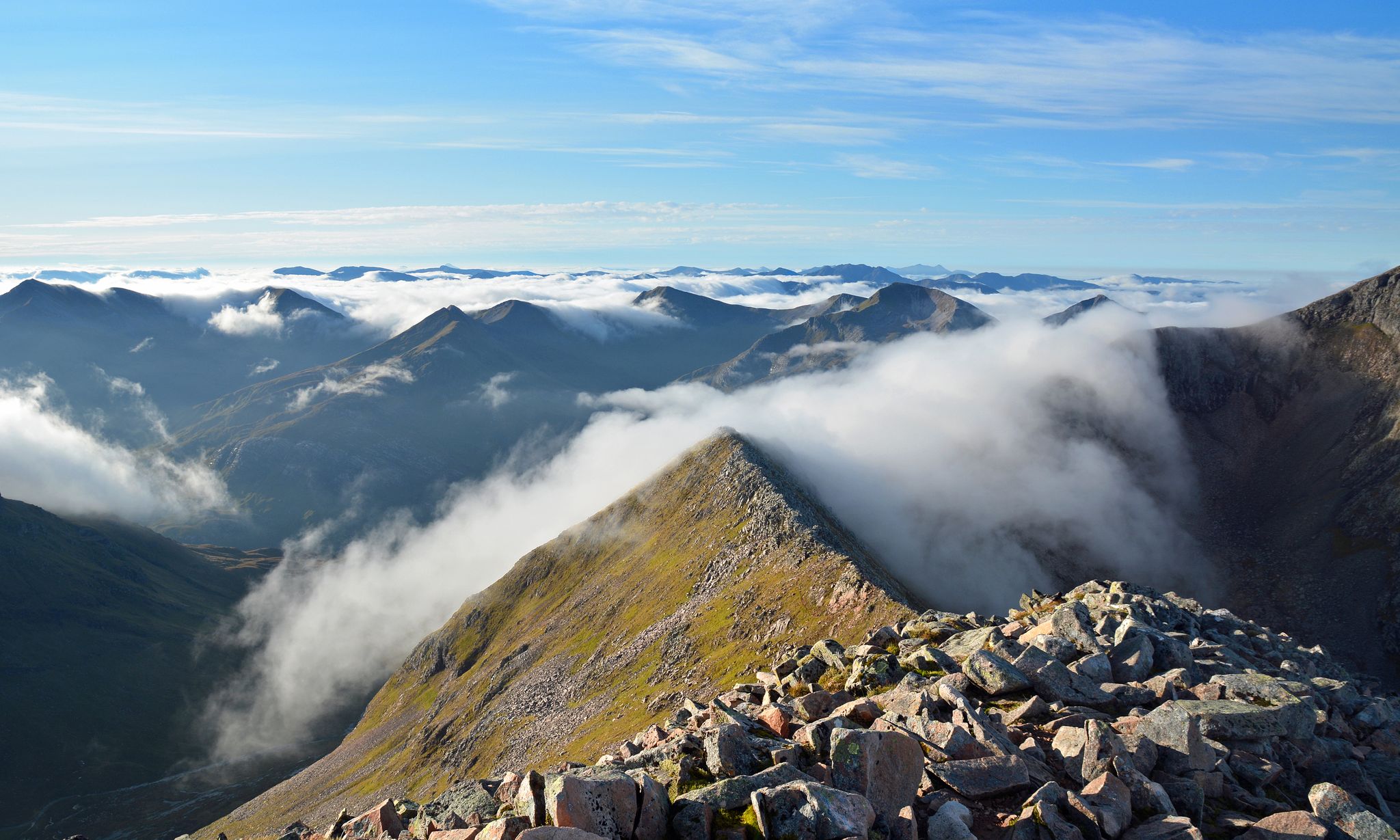
Charlie Ramsay Round — Feet in the clouds, hiking Scotland's Highlands
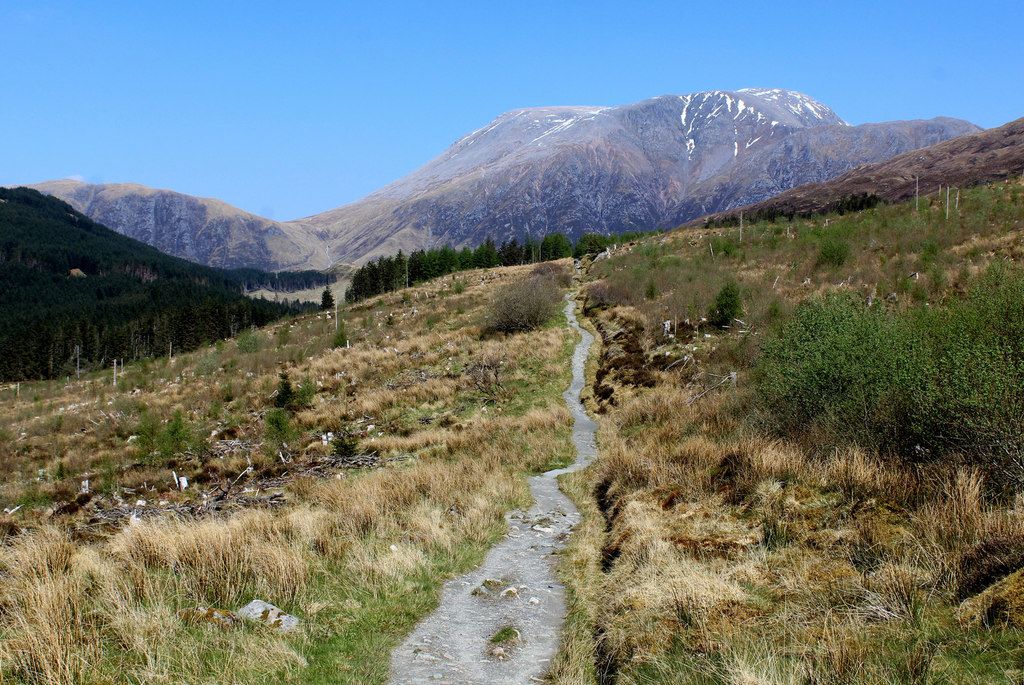
West Highland Way – Mountain biking
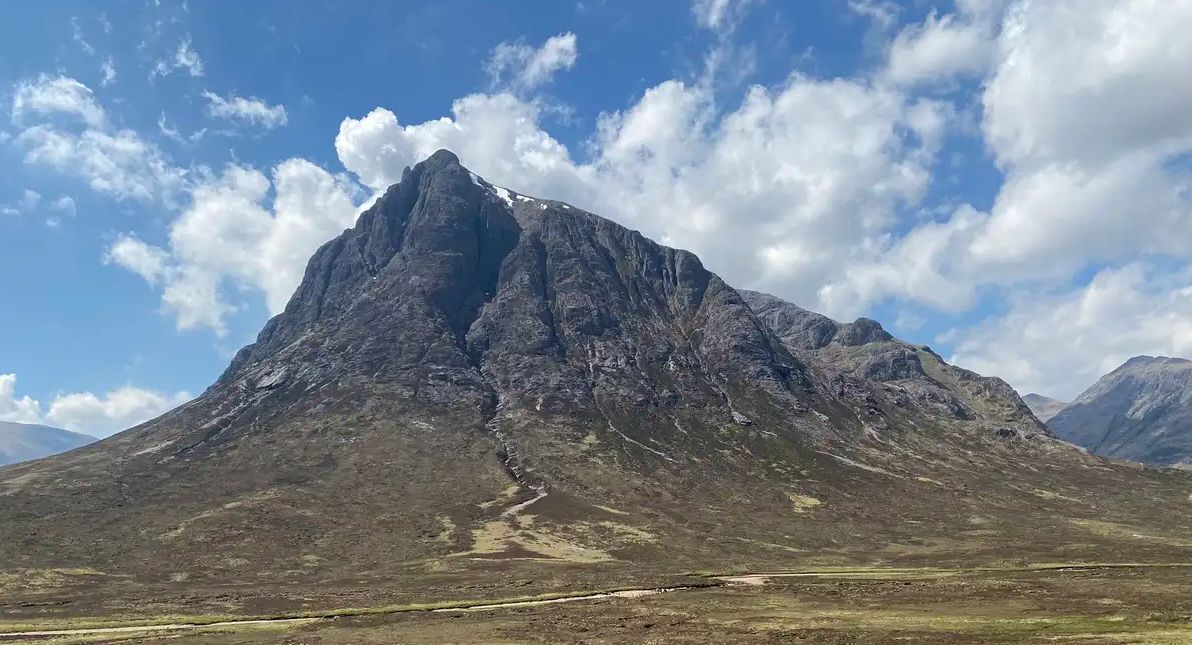
West Highland Way — Hike Scotland's most iconic long distance trail
All The Peaks: Running the UK's Big Three Rounds
Glistening Lakes and Sublime Cascades – Wild Swim Walks
Other adventures in Ben Nevis And Glen Coe


Tips from the Community

If the conditions are dry, and you're not afraid of heights, absolutely go for it. It's brilliant.
0
0

Amazing scramble with great views of Ben Nevis and the ridge along the way
0
0

Great view of Ben Nevis and the ridge on they way to the top.
0
0

The view over Glen Coe is truly magnificent. From the actual summit you should walk a little further to the lower rocks, from where you can get an even better view of northern Glen Coe.
1
0

The highest point on the Buachaille Etive Mor ridge, the Munro Stob Dearg is a superb viewpoint over Rannoch Moor and down into Glencoe. The summit is a very airy spot with the ground falling away very steeply. It is not a difficult place to reach in summer conditions using the classic route up Coire na Tulaich.
3
0

Despite being the ninth highest Munro, Càrn Mòr Dearg is best known for the rocky, narrow ridge that connects to its rather burly neighbour, Ben Nevis. It's perhaps the quality of its famous ridge and its proximity to the biggest mountain in the land that means Càrn Mòr Dearg's summit is rarely the main objective. However, a fine summit it is! It's relatively remote and takes a good deal of effort regardless of starting point. In terms of ascents, its east ridge gives good entertainment, while the more serious east ridge of Càrn Dearg Meadhonach is another good option. However, most access the summit from Coire Leis, via a steep slog up its western flanks.
1
0
Ben Nevis is Britain's highest mountain and arguably its greatest from a mountaineering perspective too. This is mostly down to its immense North Face, a treasure trove of ridges, buttresses and gullies that climbers have been testing themselves on for generations. Leaving the summit in poor visibility during winter poses significant dangers due to the cornices that form on the Ben's gullies. The safest way off is to walk on a bearing of 231 degrees for 492 feet (150 m) from the summit trig point. Then, walk on a bearing of 282 degrees to intercept the zig zags of the Pony Track.
1
0

It is Scotland's most photographed mountain. And at 1021 m, the Stob Dearg is one of the Munros.
4
1
Frequently Asked Questions
What are some popular hiking routes to the summit of Ben Nevis?
The most common route to the summit of Ben Nevis is the Ben Nevis Mountain Path, also known as the 'Pony Track'. It's a straightforward, zigzagging path that sees around 75,000 ascents annually. For a more adventurous and scenic option, experienced hikers can consider the CMD Arete (Càrn Mòr Dearg Arête), a grade one scramble that connects Càrn Mòr Dearg with Ben Nevis summit, offering breathtaking views of the North Face.
How challenging are the mountain peaks in Ben Nevis and Glen Coe?
The peaks in Ben Nevis and Glen Coe offer a range of difficulties. Ben Nevis itself, via the Mountain Path, is a challenging ascent due to its length (10.5 miles) and significant elevation gain (1,352 meters). Other peaks like Buachaille Etive Mòr and Bidean nam Bian involve steep uphill sections, rocky trails, and can include mild scrambling. The Aonach Eagach Ridge is considered one of mainland Scotland's most difficult horizontal scrambling ridges, requiring significant climbing skills and experience.
What are some of the most iconic natural features or viewpoints in Glen Coe?
Glen Coe is renowned for its dramatic landscapes. The Stob Dearg (Buachaille Etive Mòr) summit offers superb panoramic views across Rannoch Moor and is famous for its distinctive pyramidal profile. The Three Sisters of Glen Coe (Gearr Aonach, Aonach Dubh, and Beinn Fhada) are striking ridges within the Bidean nam Bian massif. Additionally, the Hidden Valley (Coire Gabhail) within Bidean nam Bian is a secluded glen with a rich history.
Are there any less crowded or alternative routes to experience the Ben Nevis area?
While the Ben Nevis Mountain Path can be very crowded, especially on good weather days, the CMD Arete route to Ben Nevis via Càrn Mòr Dearg offers a quieter and more adventurous experience with incredible views of Ben Nevis's North Face. This route is a grade one scramble and is suitable for experienced hikers.
What is the best time of year to hike in the Ben Nevis and Glen Coe regions?
The best time to hike in Ben Nevis and Glen Coe is generally during the late spring, summer, and early autumn months (May to September) when weather conditions are typically more stable, and daylight hours are longer. However, even in summer, conditions can change rapidly, and it can snow on Ben Nevis all year round. Winter conditions (October to April) are significantly more challenging, often requiring specialist equipment and experience due to snow, ice, and shorter daylight.
Are there family-friendly walking options near Ben Nevis?
While the main ascent of Ben Nevis is challenging, there are family-friendly walks in the wider Glen Nevis area. For example, the Glen Nevis Valley trail running loop is a moderate option, and the Steall Waterfall and Glen Nevis hike is also considered moderate. These offer a chance to experience the stunning scenery without the extreme difficulty of summiting the highest peaks.
What are some challenging ridge walks in Glen Coe?
Glen Coe is home to some of Scotland's most challenging ridge walks. The Aonach Eagach Ridge is widely regarded as the most difficult horizontal scrambling ridge in mainland Scotland, featuring steep, exposed, and narrow sections. The CMD Arete, linking Càrn Mòr Dearg to Ben Nevis, is another challenging grade one scramble with exposed sections.
Where can I find parking for the Ben Nevis Mountain Path?
Parking for the Ben Nevis Mountain Path is typically available at the Glen Nevis Visitor Centre near Fort William. It's advisable to arrive early, especially during peak season, as parking can fill up quickly. There are also other car parks in the Glen Nevis area that provide access to various trails.
What kind of wildlife might I encounter while hiking in Ben Nevis and Glen Coe?
The Ben Nevis and Glen Coe regions are rich in wildlife. You might spot red deer, golden eagles, buzzards, and various smaller birds. Keep an eye out for mountain hares and stoats, especially at higher elevations. The diverse habitats, from moorland to rocky peaks, support a variety of species.
What outdoor activities can I do near these mountain peaks?
Beyond peak bagging, the region offers a wide array of outdoor activities. You can explore various MTB trails, including the challenging Devil's Staircase or the easier Glencoe Lochan Mountain Trail. There are also numerous running trails like the Ben Nevis Mountain Path or the Ring of Steall Skyrace route. For hikers, waterfall hikes such as Steall Waterfall and Glen Nevis are popular.
What makes Buachaille Etive Mòr a notable peak in Glen Coe?
Buachaille Etive Mòr, often called 'The Buachaille,' is one of Scotland's most recognizable peaks due to its distinctive pyramidal shape, especially when viewed from the northeast. Its highest point, Stob Dearg (Buachaille Etive Mòr) summit, offers superb panoramic views across Rannoch Moor. It stands as a sentinel at the head of Glen Etive and the entrance to Glen Coe, making it a popular subject for photographers and a challenging climb for adventurers.
What is the Hidden Valley (Coire Gabhail) in Bidean nam Bian known for?
The Hidden Valley, or Coire Gabhail, is a secluded glen within the Bidean nam Bian massif. Historically, it was used by the Clan MacDonald to hide cattle, giving it a sense of mystery and isolation. Today, it's a popular short walk offering dramatic scenery, with terrain that can be steep and rocky, leading into a beautiful, hidden basin.
What should I consider regarding essential gear for hiking in the Scottish peaks?
When hiking in the Scottish peaks, essential gear includes waterproof and windproof outer layers, warm clothing (even in summer), sturdy hiking boots, a map and compass (and the ability to use them), a headlamp, sufficient food and water, and a first-aid kit. Due to rapid weather changes, it's crucial to be prepared for all conditions, including rain, strong winds, and cold temperatures, regardless of the season.
Most popular routes in Ben Nevis And Glen Coe
Most popular attractions in Ben Nevis And Glen Coe

Get inspired with the komoot mobile app


Explore more
See even more amazing summits in Ben Nevis And Glen Coe with these guides:
