The best walks and hikes around Parco naturale regionale Molentargius - Saline
4.3
(742)
6,114
hikers
42
hikes
Hiking trails Parco Molentargius Saline are characterized by a unique wetland ecosystem situated between Cagliari and Quartu Sant'Elena. This protected area features an intricate hydrographic system of freshwater and saltwater basins, including Bellarosa Minore and Molentargius. The landscape is predominantly flat, encompassing extensive salt pans and supporting diverse plant life adapted to saline conditions. Historical elements such as ancient saltworks, 19th-century canals, and early 20th-century iron bridges are also present throughout the park.
Best hiking trails in Parco naturale regionale…
Last updated: August 3, 2026
4.0
(14)
74
hikers
9.98km
02:46
160m
160m
Hard hike. Good fitness required. Sure-footedness, sturdy shoes and alpine experience required.
4.0
(21)
69
hikers
9.18km
02:19
10m
10m
Hike the 5.7-mile (9.2 km) Molentargius-Saline round trip, a moderate 2-hour route known for flat terrain and pink flamingos.

Sign up for free
4.5
(45)
210
hikers
Moderate hike. Good fitness required. Easily-accessible paths. Suitable for all skill levels.
4.6
(14)
190
hikers
8.55km
02:09
10m
10m
Moderate hike. Good fitness required. Easily-accessible paths. Suitable for all skill levels.
3.6
(10)
72
hikers
2.62km
00:48
80m
80m
Easy hike. Great for any fitness level. Easily-accessible paths. Suitable for all skill levels.
Get access to more routes and recommendations from other explorers.
Sign up for free
Already have an account?
Our route recommendations are based on thousands of hikes, rides, and runs completed by other people on komoot.
Start today with a free account
Your next adventure awaits.
Login or Signup
Popular around Parco naturale regionale Molentargius - Saline
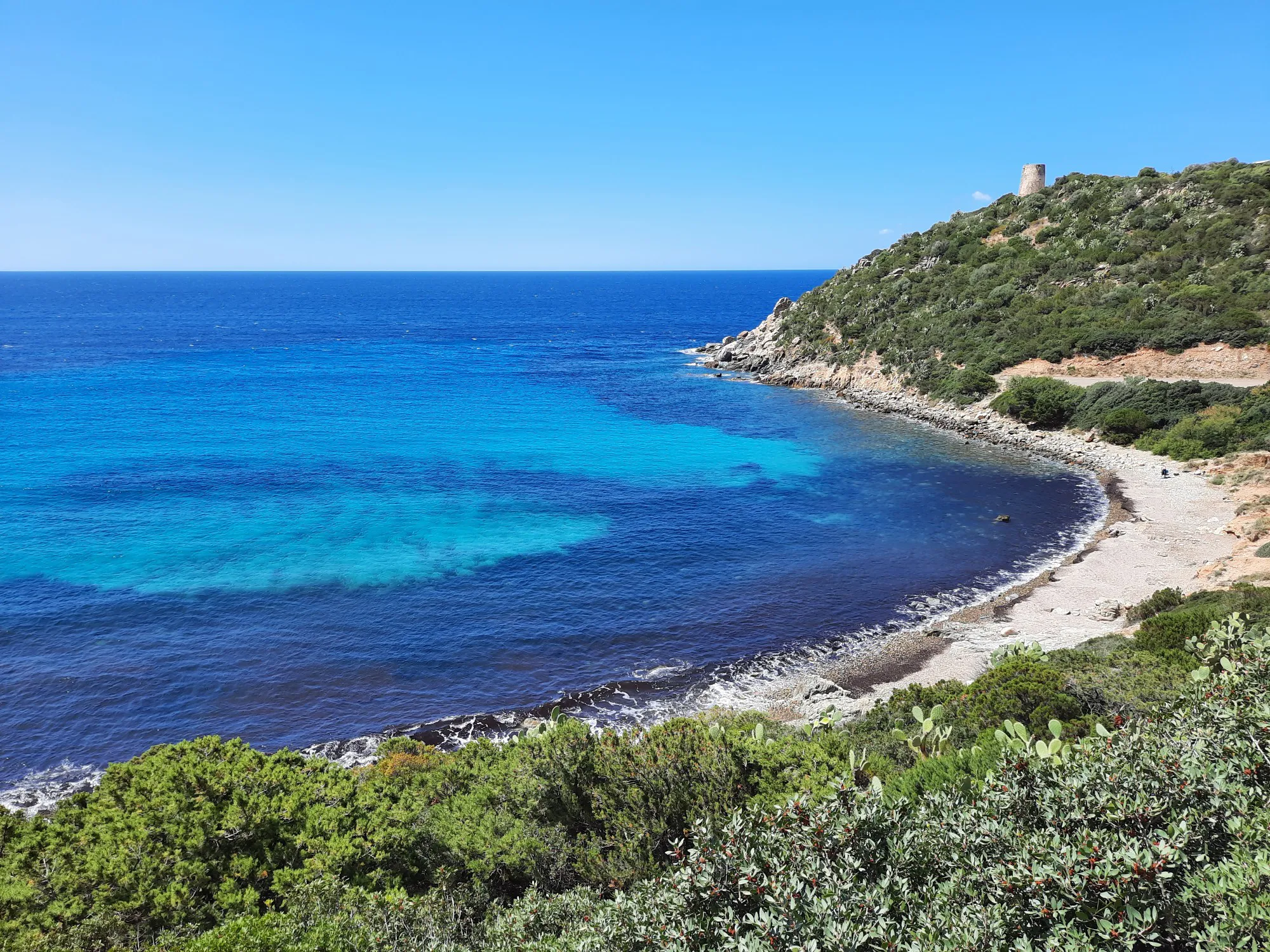
Cagliari to Villasimius on the Via degli Angeli – Cammino 100 Torri
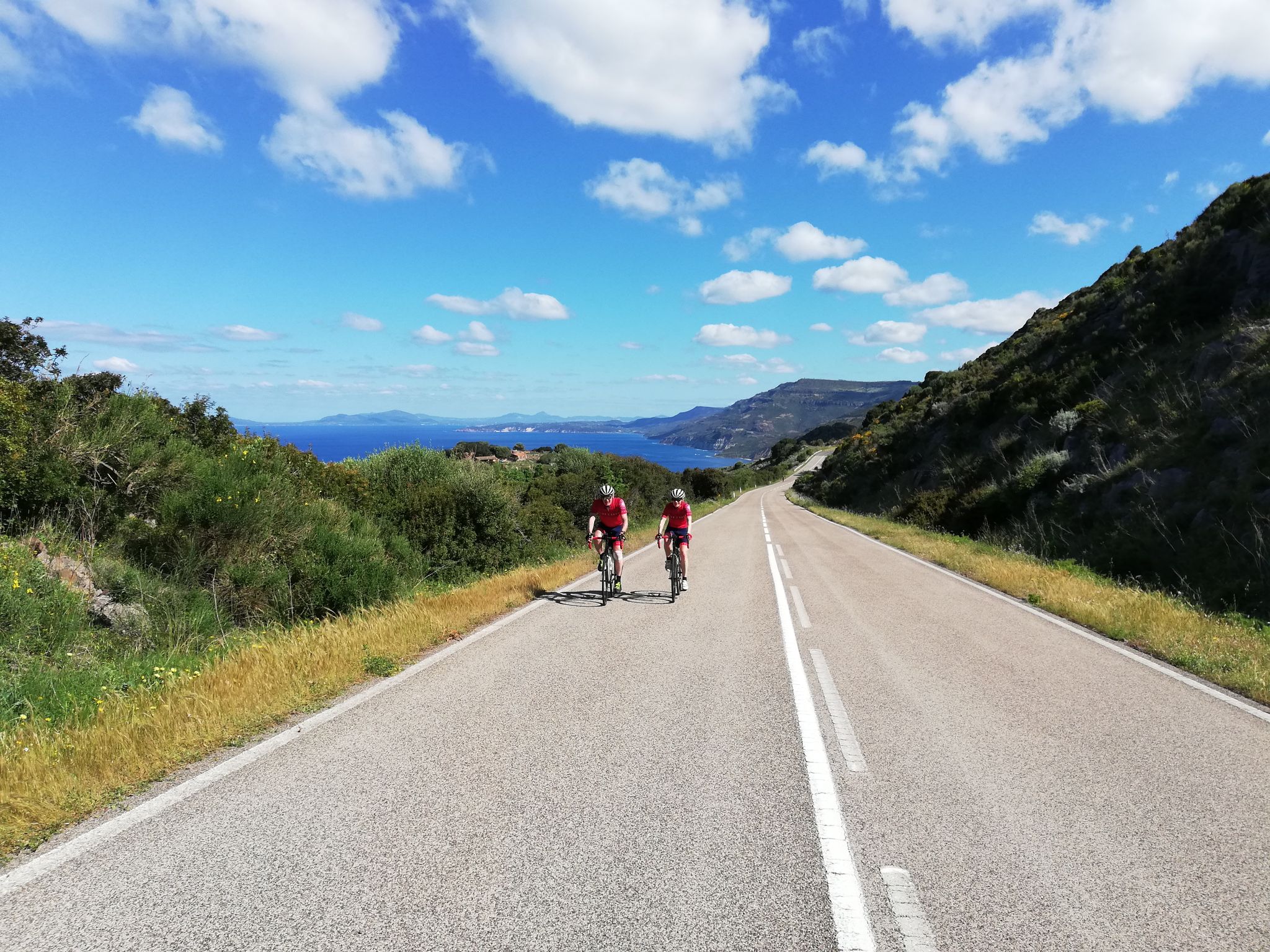
Amazing views on perfectly smooth asphalt - road bike tours in Sardinia
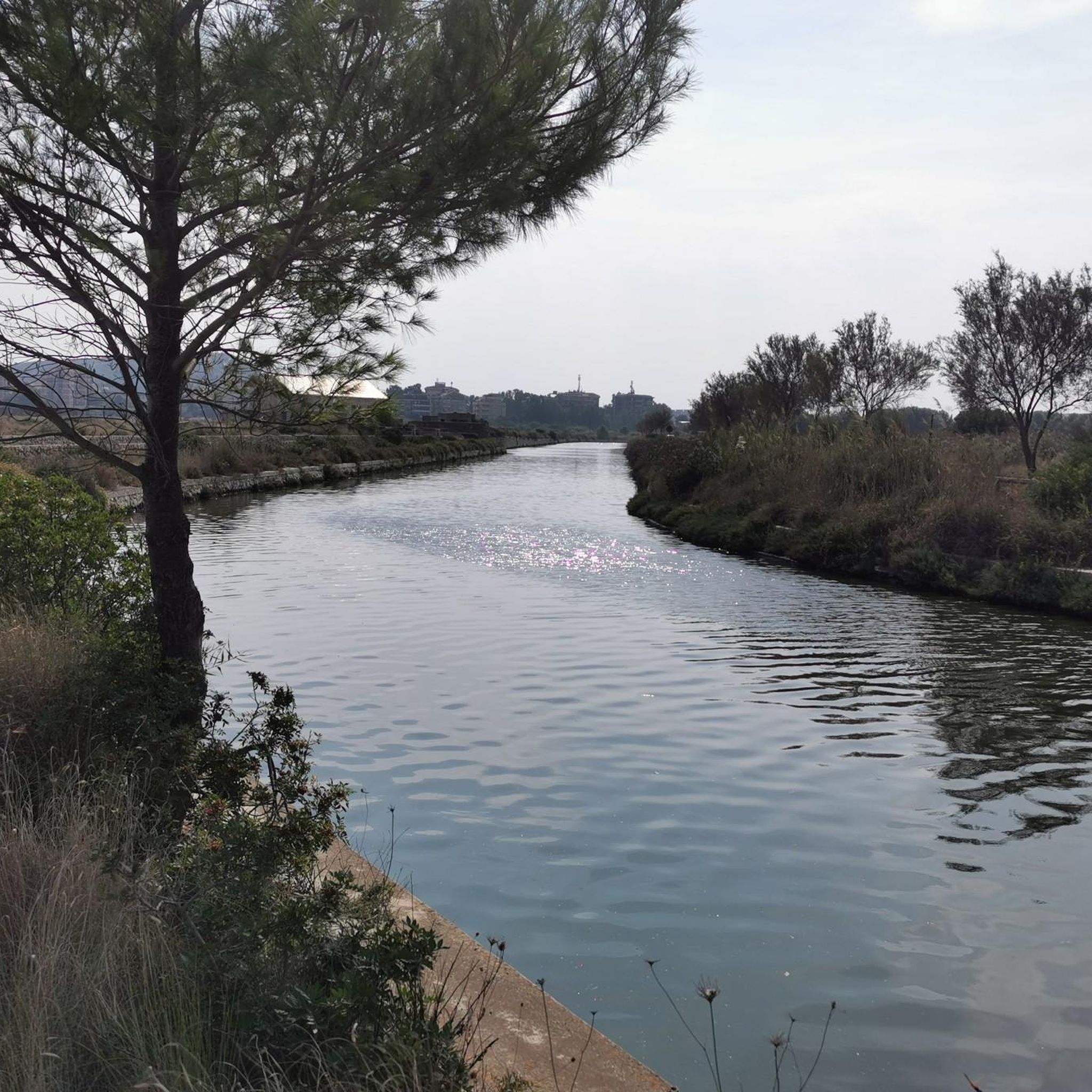
Running Trails around Parco naturale regionale Molentargius - Saline
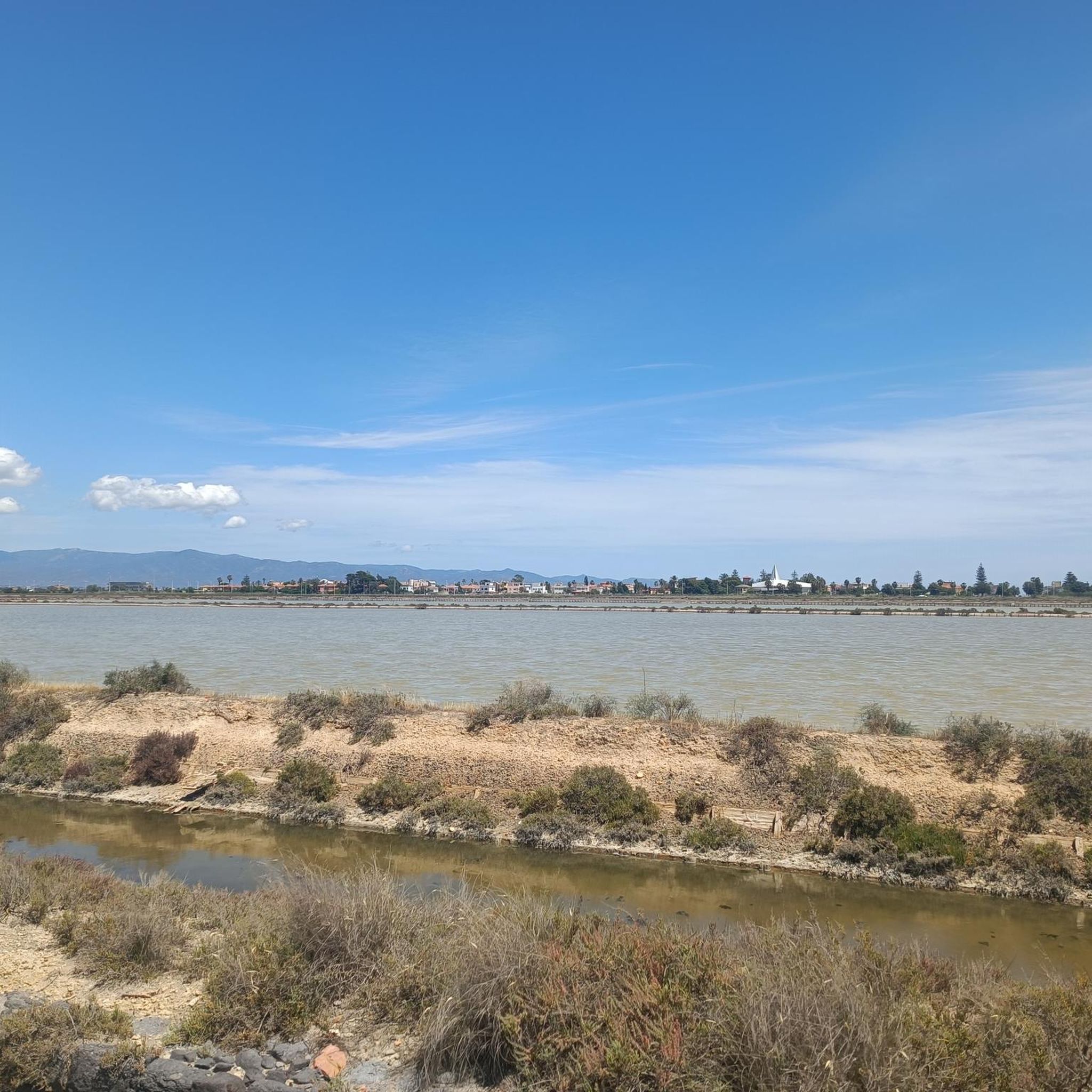
Cycling around Parco naturale regionale Molentargius - Saline
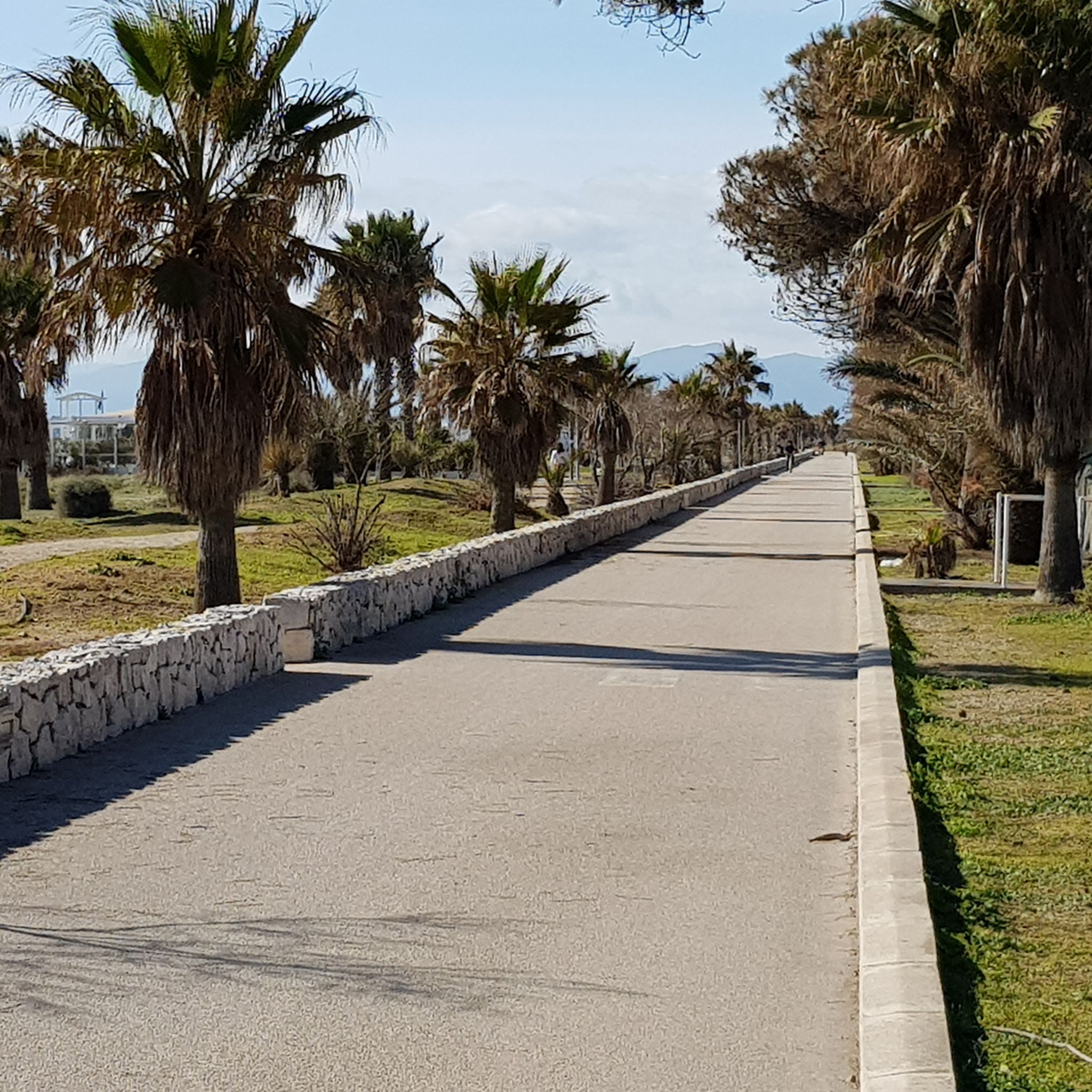
Road Cycling Routes around Parco naturale regionale Molentargius - Saline
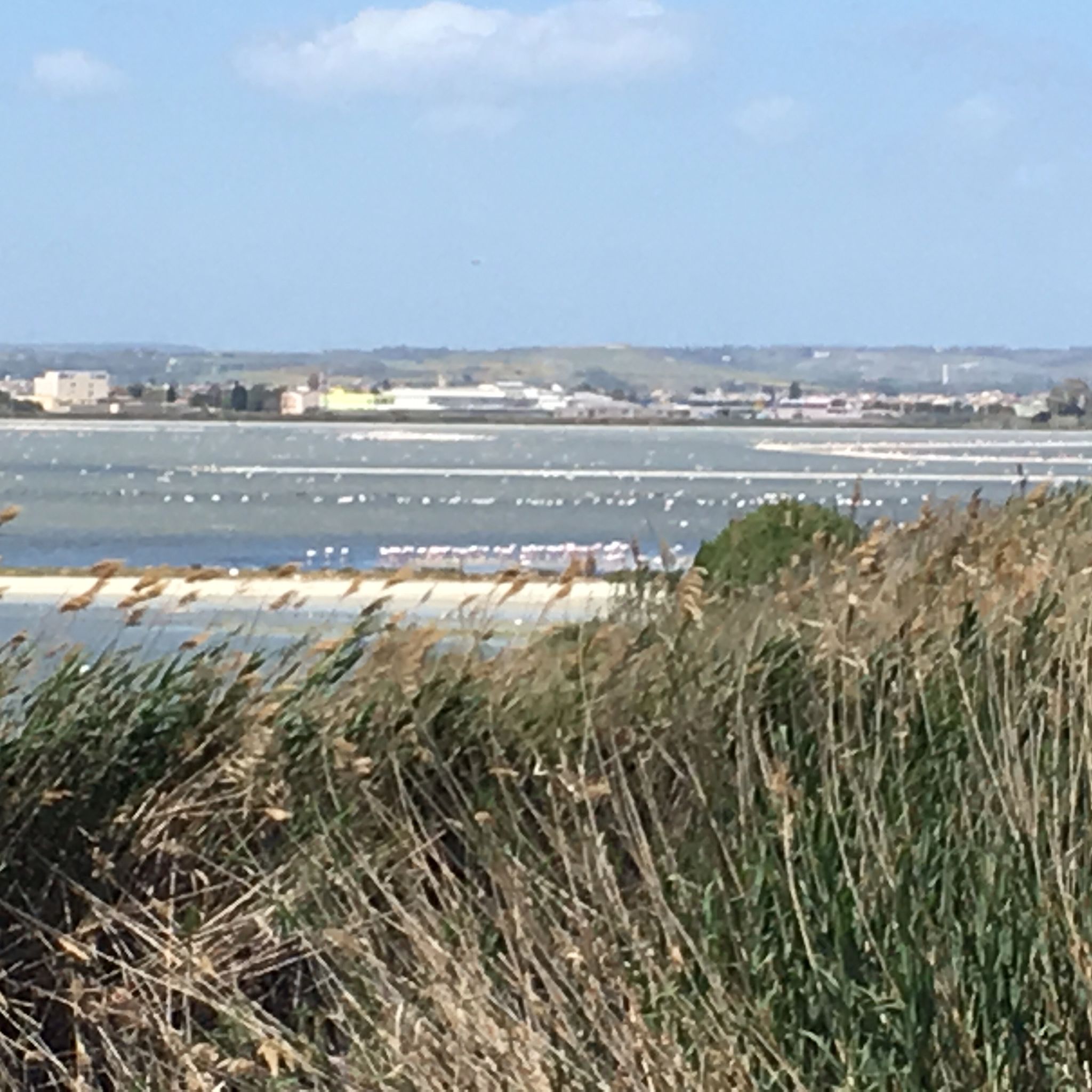
MTB Trails around Parco naturale regionale Molentargius - Saline
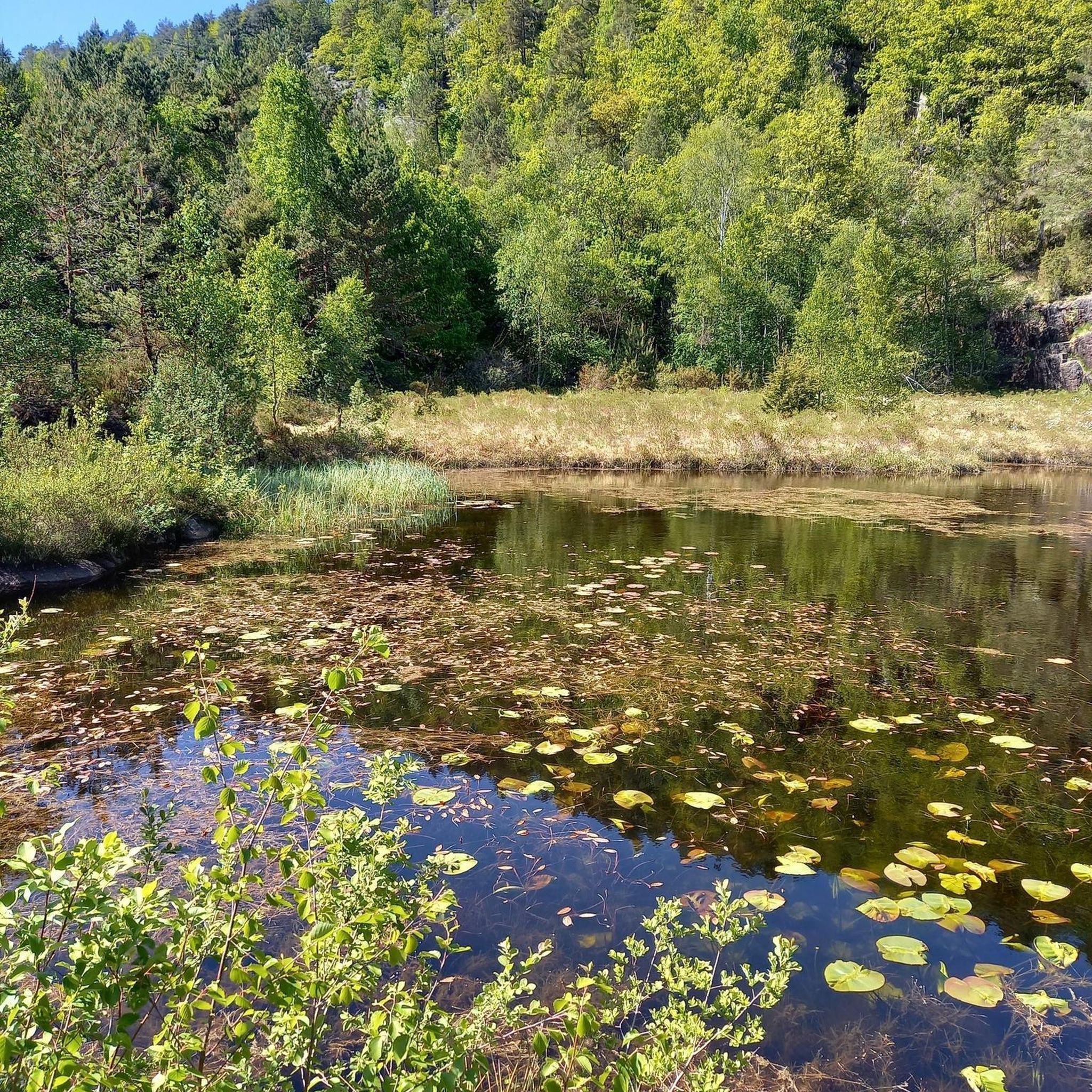
Gravel biking around Parco naturale regionale Molentargius - Saline
Other adventures around Parco naturale regionale Molentargius - Saline


Tips from the Community

They are apparently being repaired / restored at the moment
0
0

Very beautiful beach - great trail.
1
0

Before this small, sacred monument with the (diabolical) name "Croce della Sella del Diavolo" (Cross of the Devil's Seat), I would like to offer the viewer lingering here a brief prayer, written by the Polish-born Holy Father Jan Paul II in preparation for the great Jubilee of the Holy Year 2000: "Jesus, only Son of the Father, full of grace and truth, light that illuminates every person, grant to all who seek you with a pure heart the fullness of life. To you, Redeemer of mankind, beginning and end of time and of the universe, to the Father, the inexhaustible source of all goodness, and to the Holy Spirit, the seal of infinite love, be honor and glory for all eternity. Amen." (Pope John Paul II / Karol Wojtyla)
0
0

A beautiful view from the Devil's Saddle. Sturdy shoes, sunscreen, and plenty of water are highly recommended for the hike up the mountain (130 meters elevation gain).
0
0
Beautiful views of the bay in front of Cagliari. Sturdy shoes, plenty of water, and sunscreen are highly recommended for the hike up the mountain.
0
0

View of Poetto
0
1

Beach as far as the eye can see…
1
0

The view over Poetto is amazing
1
1
Frequently Asked Questions
What is the terrain like for hiking in Parco naturale regionale Molentargius - Saline?
The terrain in Parco naturale regionale Molentargius - Saline is predominantly flat, characterized by extensive wetlands and historic salt pans. Many paths are easily accessible, making it suitable for various fitness levels. While most trails are flat, some routes, like the Sella del diavolo, Cagliari — Round trip, include ascents to coastal headlands, offering more challenging sections and scenic views.
What kind of wildlife can I expect to see while hiking in the park?
Parco naturale regionale Molentargius - Saline is a renowned birdwatcher's paradise, home to over 180 bird species. You can expect to see vibrant flamingo colonies, which are a major attraction, along with rosy gulls, red herons, little egrets, marsh harriers, and kingfishers. The park's diverse wetland environment supports this rich biodiversity, making it an internationally important site for waterfowl.
Are there any historical sites or landmarks to explore within the park?
Yes, the park has significant historical elements related to its ancient saltworks, which date back to Roman times. You can still observe architectural features from various eras, including 19th-century canals and basins, a workers' village, and early 20th-century iron bridges. These structures reflect the area's long industrial history alongside its natural beauty. You can learn more about the park's history at the Molentargius–Saline Regional Natural Park highlight.
Are there family-friendly hiking options in Parco naturale regionale Molentargius - Saline?
Absolutely. The park offers many easy and flat trails that are ideal for families. The View of Poetto Beach – View from Sella del Diavolo loop from Unipol Domus, for example, is an easy 3.6-mile (5.8 km) trail that can be completed in about 1 hour 41 minutes, offering coastal views. The generally flat terrain and opportunities for birdwatching make it a great destination for all ages.
Can I bring my dog on the trails in Parco naturale regionale Molentargius - Saline?
While the park is a natural reserve, specific regulations regarding dogs may apply to protect the sensitive wildlife, especially nesting birds. It's generally advisable to keep dogs on a leash and stick to designated paths. We recommend checking local signage or the park's official guidelines for the most current information on dog-friendly areas and rules before your visit.
How can I get to Parco naturale regionale Molentargius - Saline by public transport or car?
The park is conveniently located between Cagliari and Quartu Sant'Elena, making it highly accessible. You can reach it easily by car, with various parking options available around its perimeter. Public transport also serves the area, connecting it to the nearby urban centers. For specific bus routes and schedules, it's best to consult local transport services in Cagliari or Quartu Sant'Elena.
What is the best time of year to hike in Parco naturale regionale Molentargius - Saline?
The best time to visit for hiking is typically during the spring (March to May) and autumn (September to November) months. During these periods, the weather is mild and pleasant, ideal for outdoor activities. These seasons also offer excellent opportunities for birdwatching, as many migratory species are present, and the flamingos are particularly active. Summers can be very hot, and winters might bring more rain.
Are there any circular hiking routes available in the park?
Yes, the park features several circular routes that allow you to experience different aspects of its landscape. A popular option is the Molentargius Park Cycle and Pedestrian Trail, a moderate 5.7-mile (9.2 km) path that winds through the wetlands and salt pans, perfect for birdwatching. Another is the View from Sella del Diavolo – View of Poetto Beach loop from Stadio Amsicora, offering coastal views.
What are some notable points of interest along the trails?
Along the trails, you'll encounter several notable points of interest. The most iconic are the Molentargius Salt Pans and Flamingos, where you can observe the vibrant bird colonies. You can also see the Molentargius Canal, part of the historical saltworks infrastructure, and various scenic viewpoints like the Scenic viewpoint offering panoramic vistas of the park's unique landscape.
What do other hikers say about the trails in Parco naturale regionale Molentargius - Saline?
The trails in Parco naturale regionale Molentargius - Saline are highly rated by the komoot community, with an average score of 4.4 stars from over 390 reviews. Hikers often praise the unique wetland ecosystem, the abundance of birdlife, especially the flamingos, and the well-maintained, accessible paths. Many appreciate the opportunity for peaceful walks and the blend of natural beauty with historical industrial elements.
How many hiking trails are available in Parco naturale regionale Molentargius - Saline?
There are over 35 hiking trails available in Parco naturale regionale Molentargius - Saline. These routes cater to various difficulty levels, with a significant number of easy and moderate options, ensuring there's something for everyone, from casual walkers to more experienced hikers.
Are there shaded areas along the trails in Parco naturale regionale Molentargius - Saline?
Given the park's wetland and salt pan characteristics, many trails in Parco naturale regionale Molentargius - Saline are relatively open with limited natural shade. It's advisable to prepare for sun exposure, especially during warmer months, by bringing appropriate sun protection like hats, sunglasses, and sunscreen. Some sections might offer sporadic shade from sparse vegetation, but it's not a dominant feature of the landscape.
Most popular routes around Parco naturale regionale Molentargius - Saline
Most popular attractions around Parco naturale regionale Molentargius - Saline

Get inspired with the komoot mobile app


Explore more
Browse the best Hikes in other regions.
