Attractions and Places To See around Tiber River Park - Top 20
Best attractions and places to see around Tiber River Park are found primarily in the Umbria region of Italy, spanning approximately 7,295 hectares along 50 kilometers of the Tiber River. Established as a protected area in 1990 and managed by the WWF, the park offers a diverse array of natural landscapes and rich historical and cultural sites. It serves as a significant refuge for indigenous and migratory birds, alongside ancient towns and archaeological remains.
Best attractions and places to see…
Last updated: August 2, 2026
Titignano Castle
Highlight • Castle
Translated by Google •
Tip by

Todi
Highlight • Settlement
A flourishing center of the Umbrians, it resisted Etruscan domination, accepting …
Translated by Google •
Tip by

Sign up now to discover places like this
Get recommendations on the best single tracks, peaks, & plenty of other exciting outdoor places.
Sign up for free
Temple of Santa Maria della Consolazione
Highlight • Religious Site
Translated by Google •
Tip by
Piazza del Popolo, Todi
Highlight • Historical Site
Translated by Google •
Tip by
Prodo Castle and Village Square
Highlight • Castle
Translated by Google •
Tip by
Sign up for free to discover even more attractions around Tiber River Park.
Sign up for free
Already have an account?
Start today with a free account
Your next adventure awaits.
Login or Signup
Popular around Tiber River Park
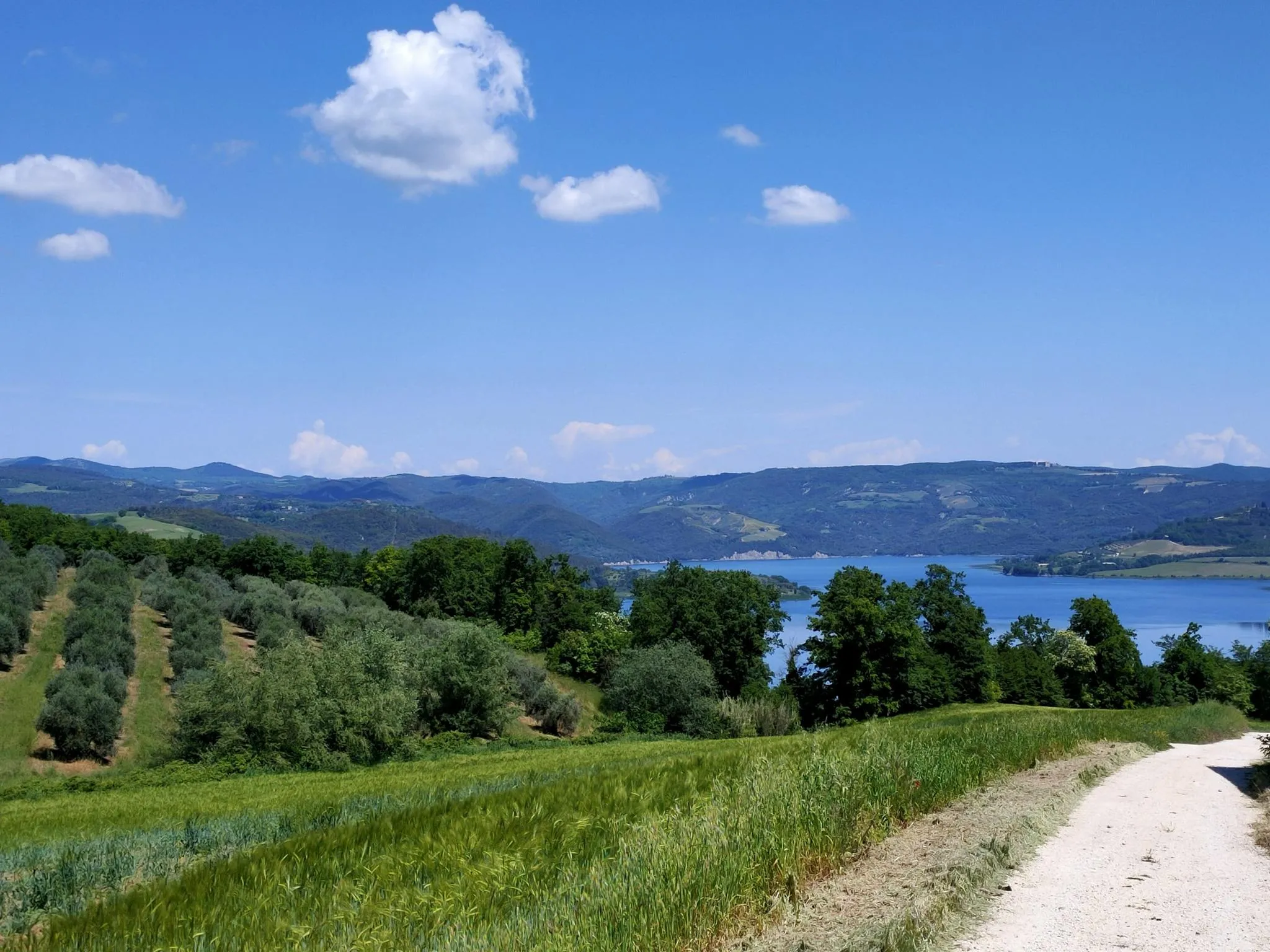
Italian Coast2Coast – From Portonovo to Orbetello
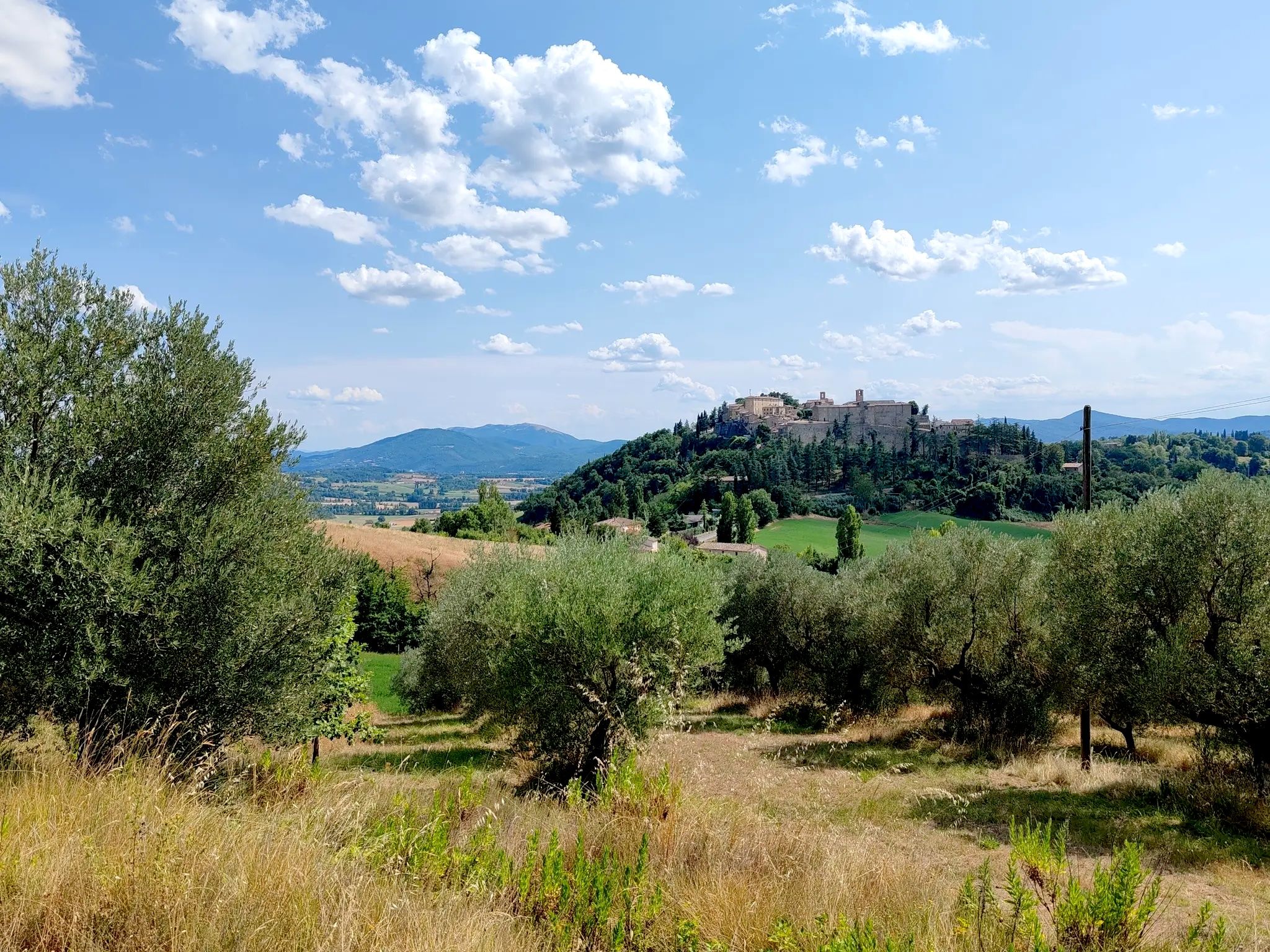
Day rides in the heart of Umbria – a Journey through History
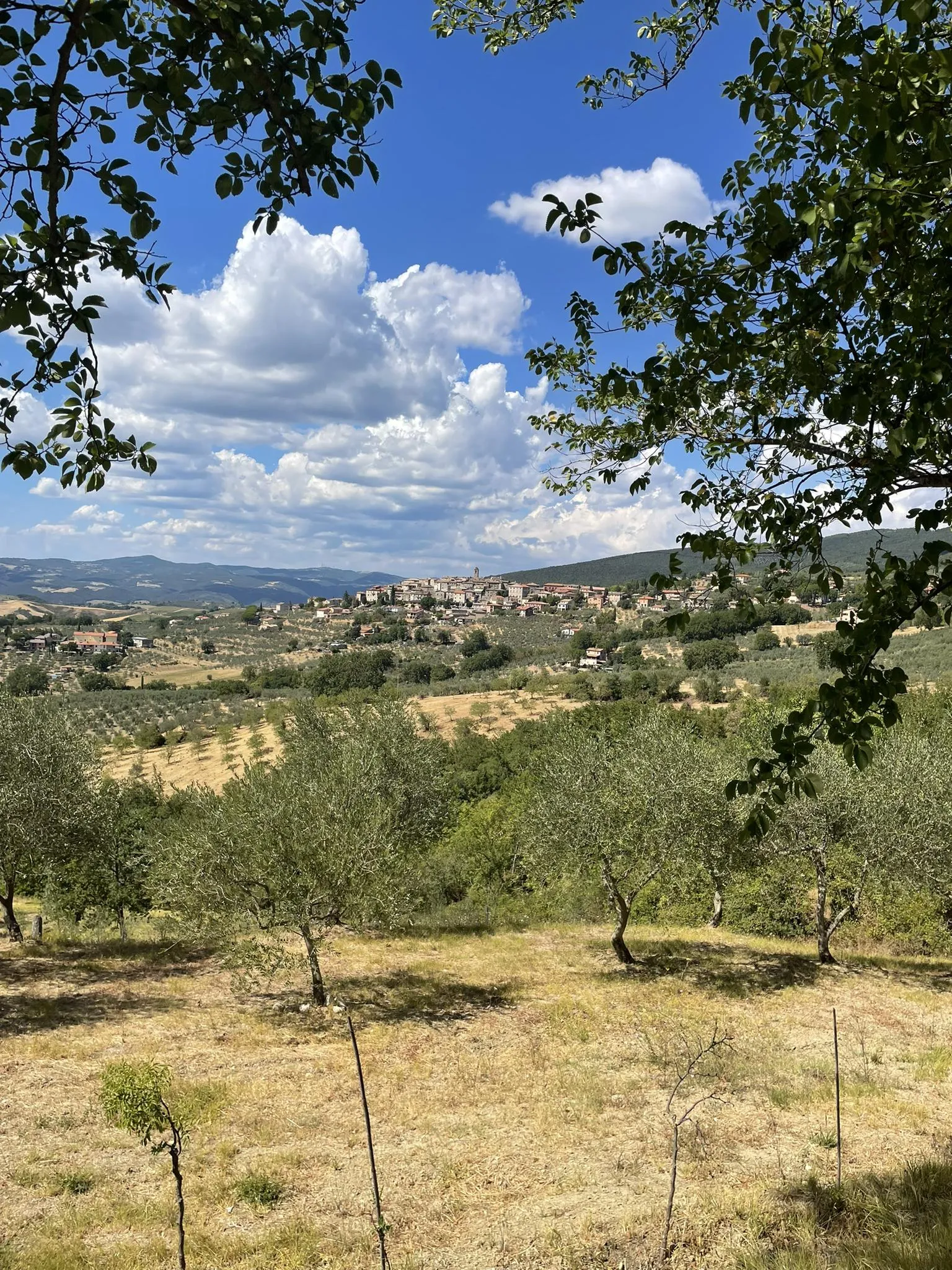
Hiking in Italy’s Umbria region – Cammino dei Borghi Silenti
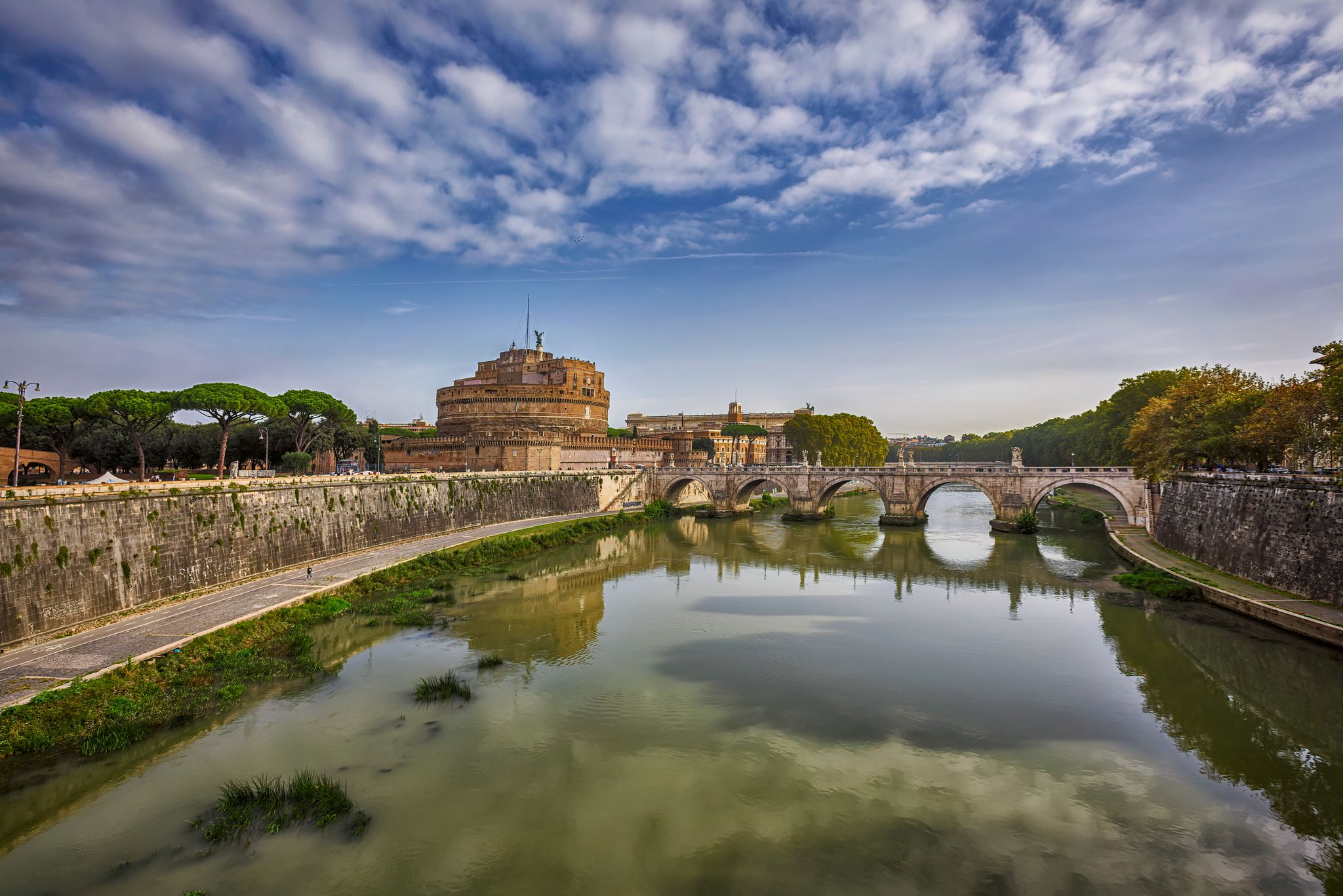
All roads lead to Rome – Romea Tiberina Cycleway
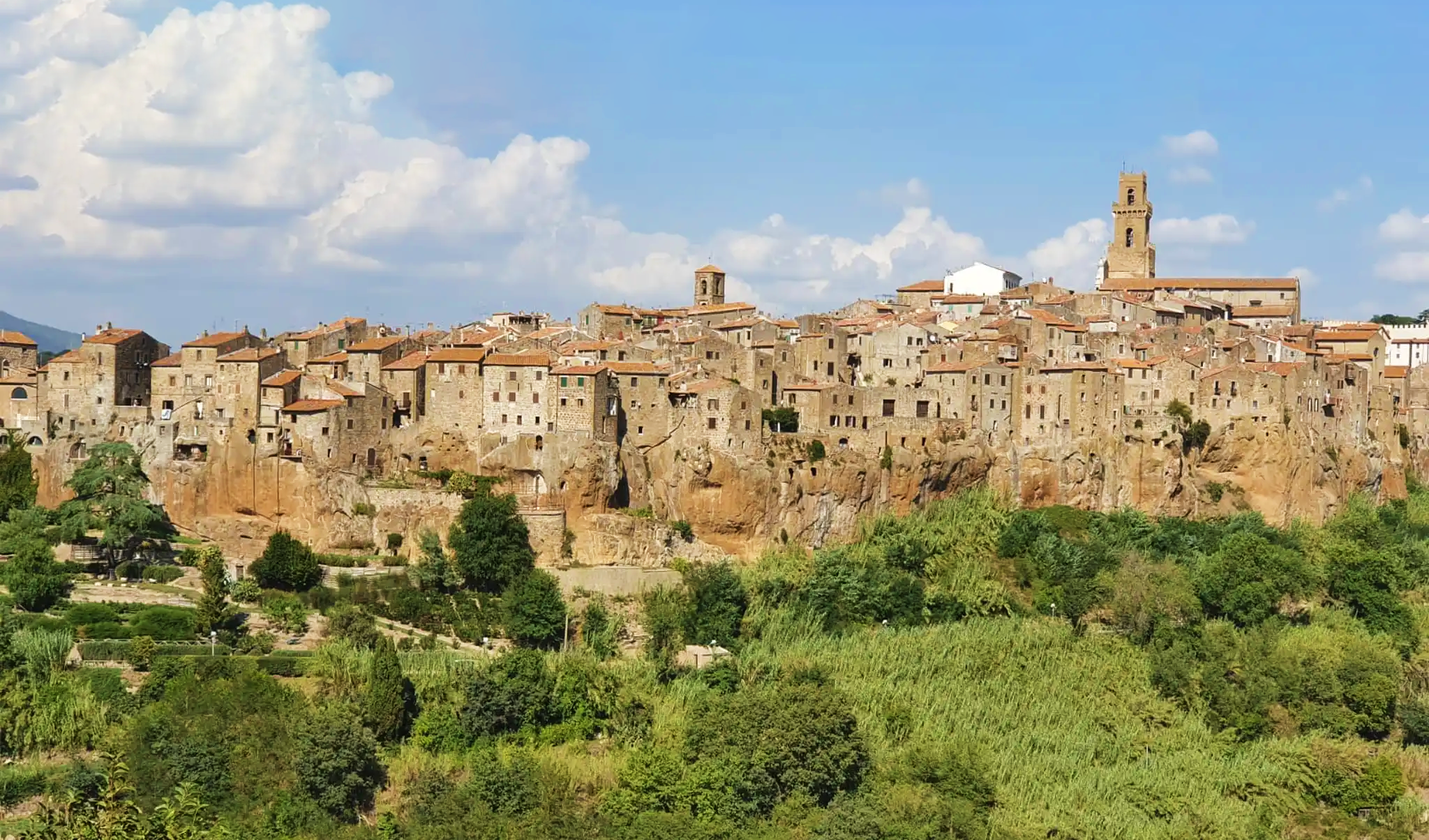
Italy coast to coast by bike – Orbetello to Senigallia
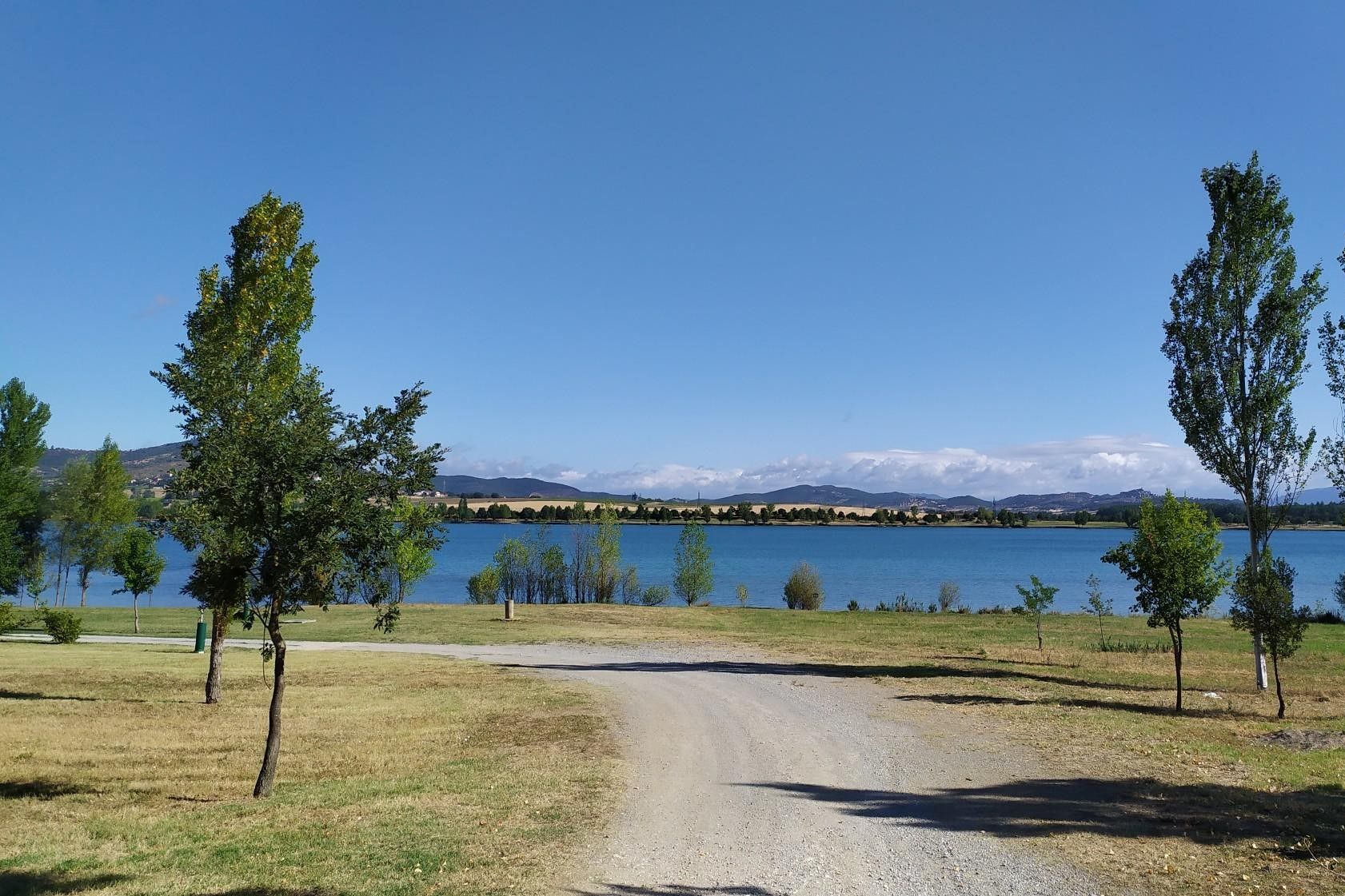
Between villages and white roads – gravel of the Umbrian lakes
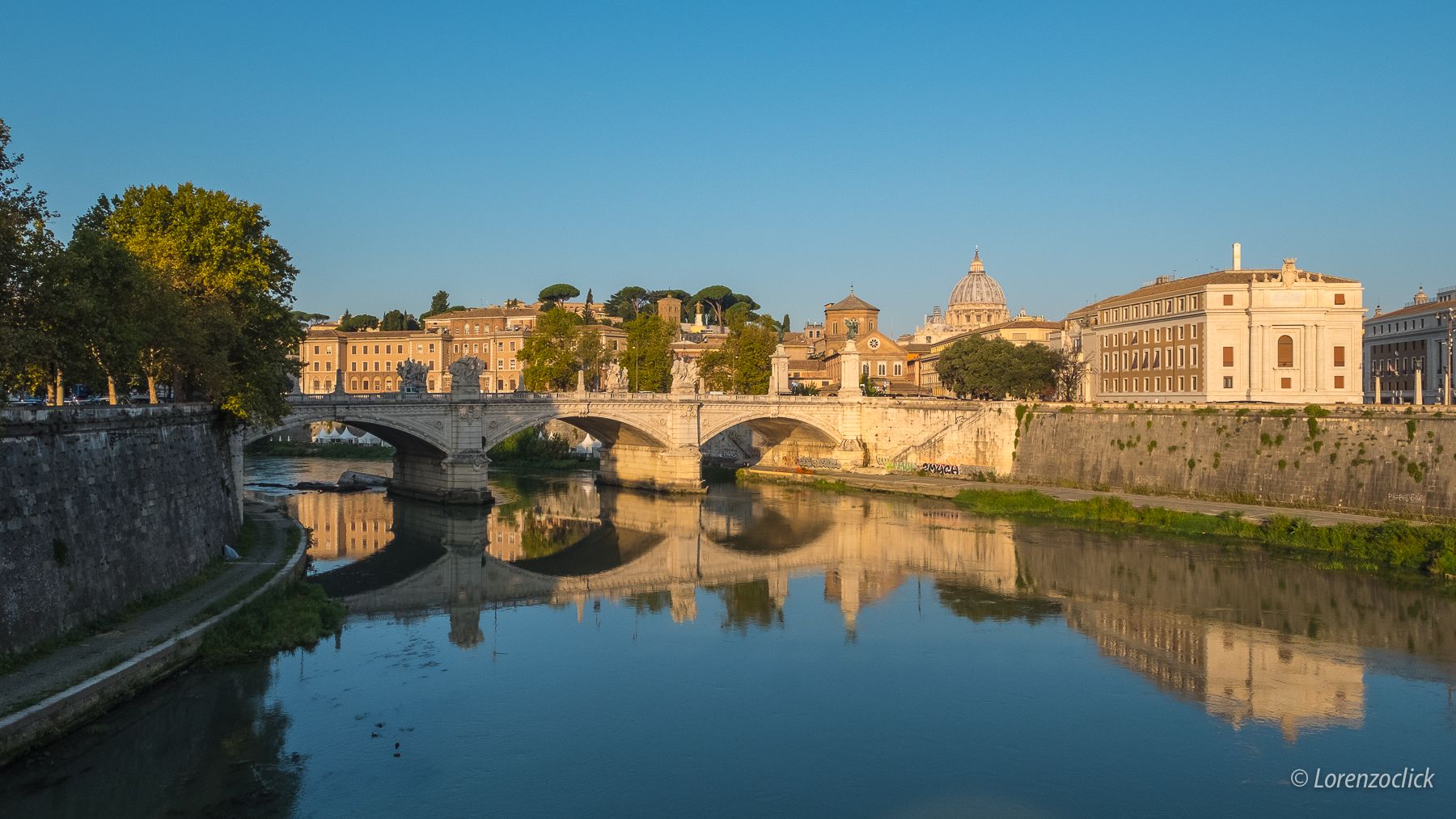
Cycling from the source to the mouth of the Tiber — the Regina Ciclarum
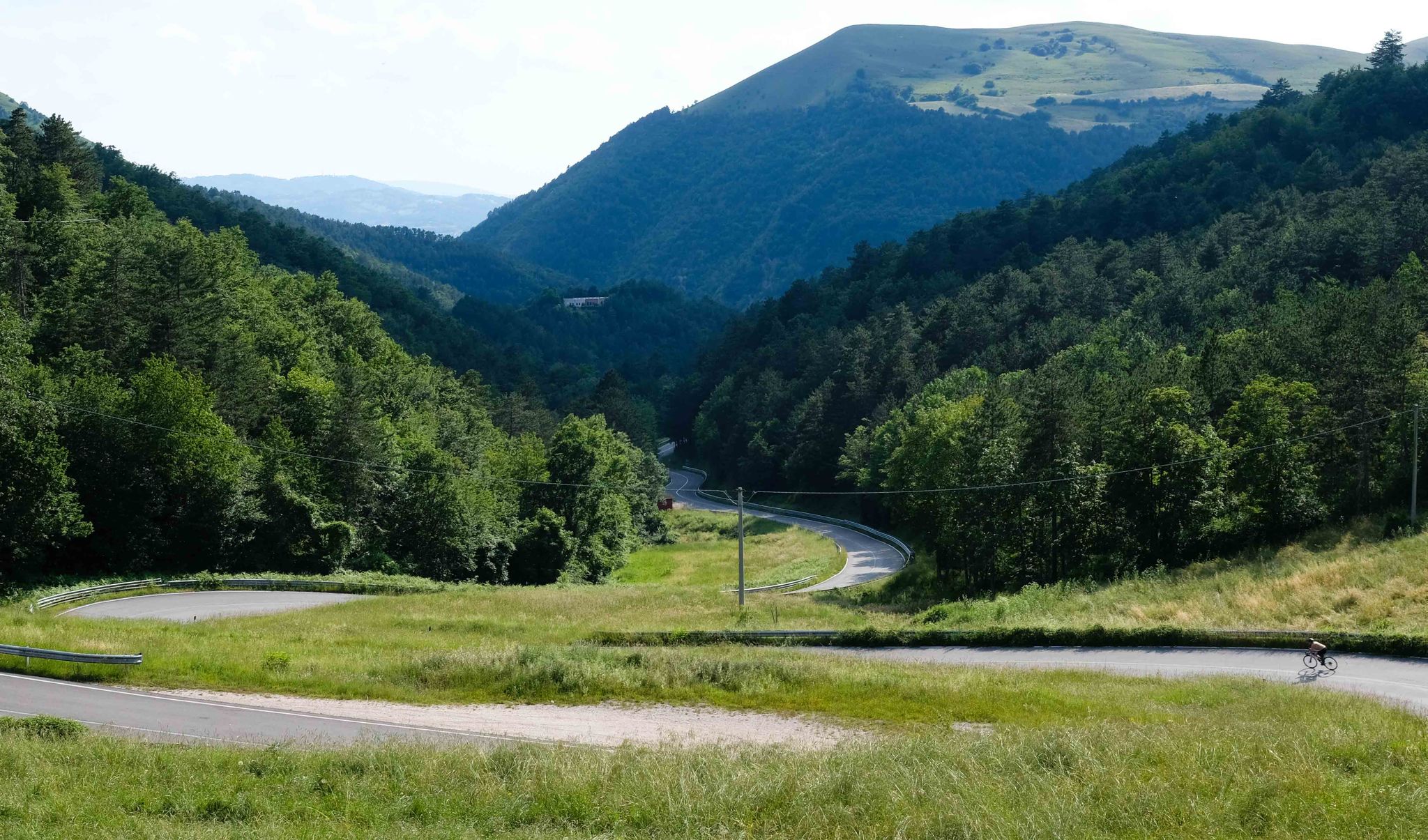
Italy’s Coast to Coast – pedalling from the Adriatic to Tyrrhenian Sea
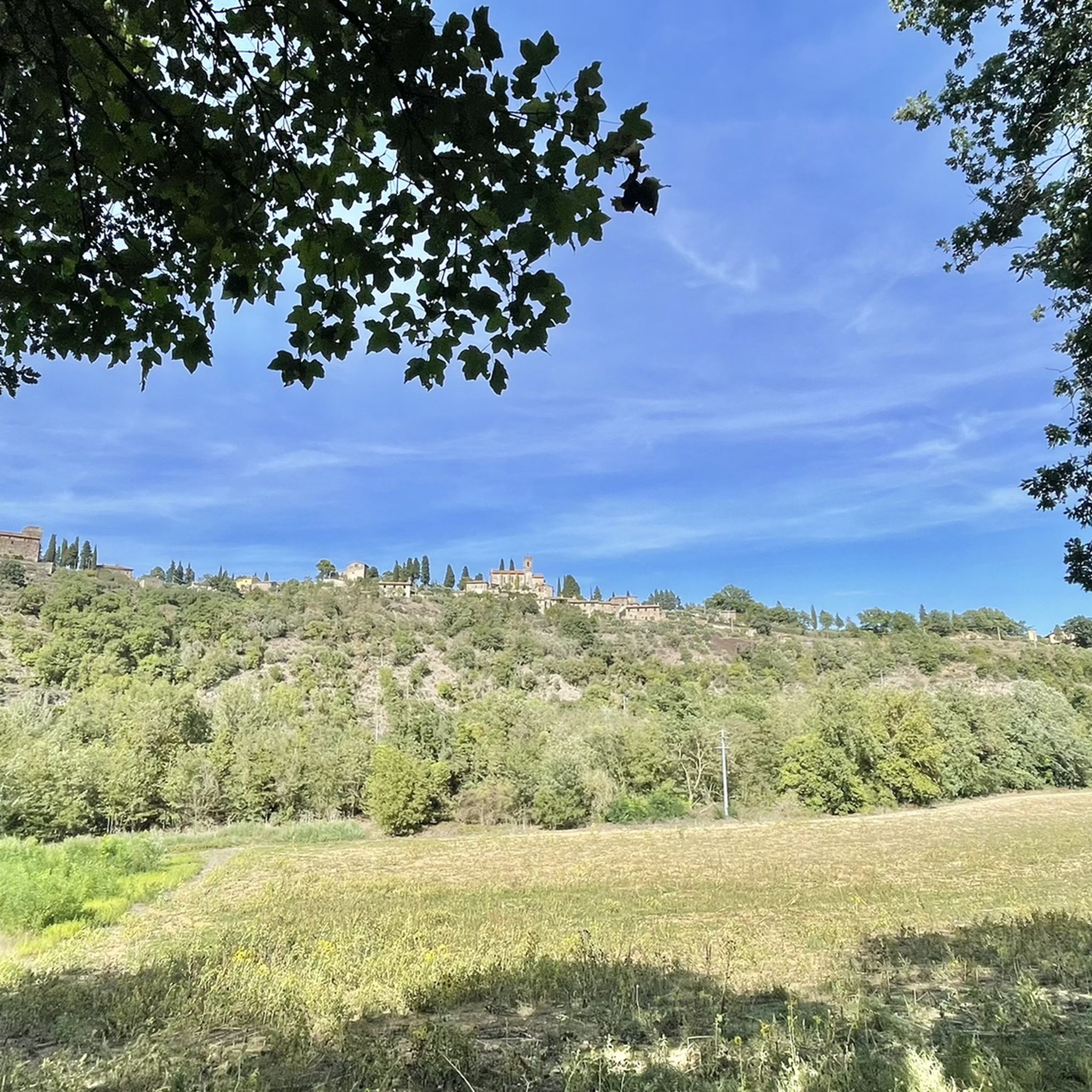
Hiking around Tiber River Park
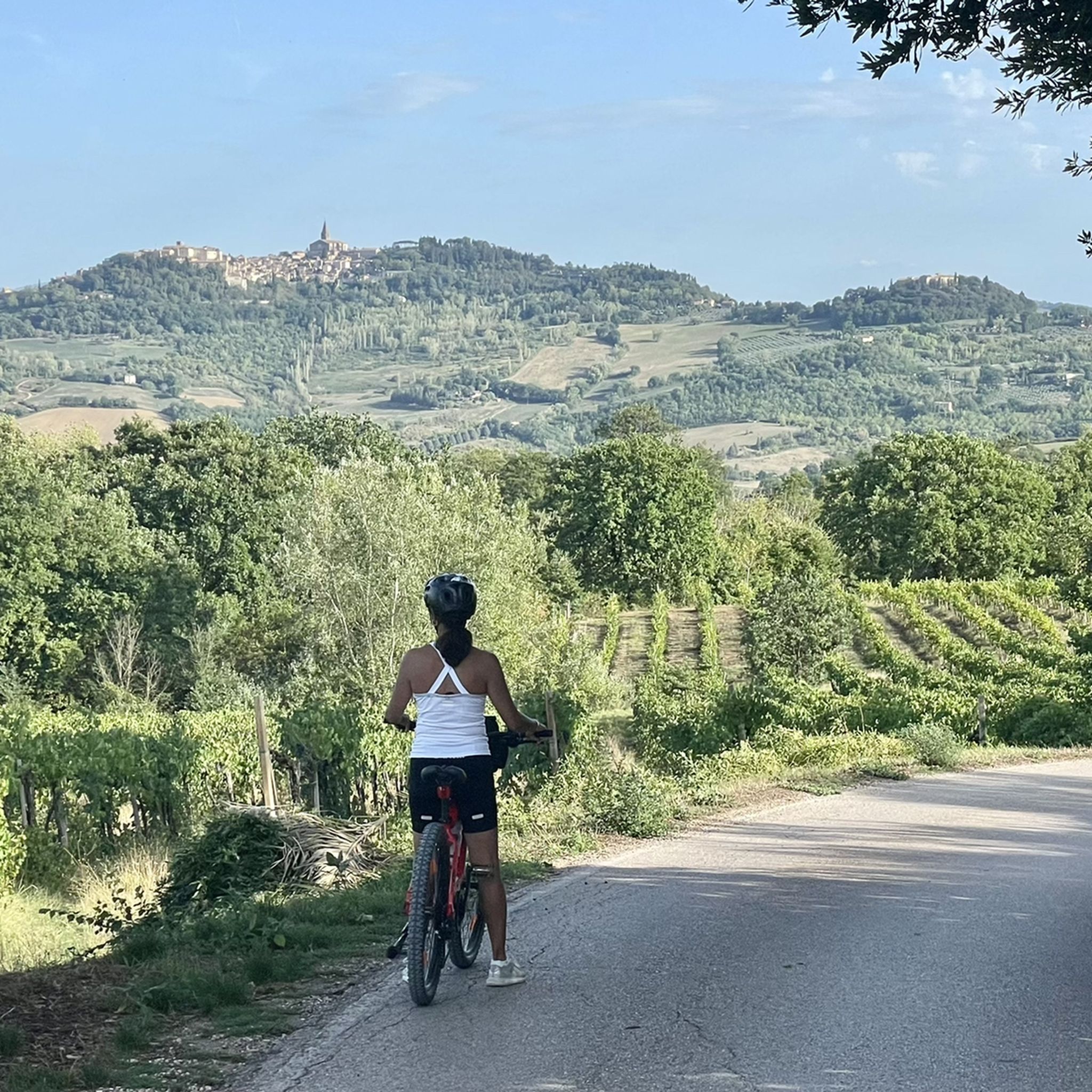
MTB Trails around Tiber River Park
Other adventures around Tiber River Park


Tips from the Community

Prodo Castle dominates the small village of the same name, a hamlet of Orvieto (TR). Built in 1222 by the Prodenzani family as a trapezoidal defensive stronghold with tuff walls, square and round towers, arrow slits, and a fortified gate, it was strengthened between the 13th and 15th centuries to control the Umbrian valleys. Garibaldi's refuge in 1849, it is now privately owned. Although the interior cannot be visited, the exterior offers panoramic views of the Fosso Campione, making it ideal for excursions near the Forello Gorges.
0
0

For the first time, Todi has been recognized as a virtuous municipality in terms of environmental sustainability and quality of life, having been awarded the 2020 "Spighe Verdi" (Green Ears of Wheat) flag by the FEE Italia Foundation for Environmental Education and Confagricoltura. Numerous indicators were taken into consideration, including education for sustainable development; sustainability and innovation in agriculture; the quality of tourism; the enhancement of natural areas and landscape; the maintenance of urban furnishings; and accessibility for all.
1
0
The Temple of Santa Maria della Consolazione is located just outside the thirteenth-century walls of the town, in the southwestern part of Todi, and is one of the finest examples of Renaissance art in Umbria.
1
0

Castle "inhabited" by many stray cats and converted into a farmhouse. Excellent view of Lake Corbara. There is a bar and a restaurant.
0
0

The town of Todi in the province of Perugia in Umbria is known for its beautiful medieval town center. There are numerous historical buildings lined up around the central Piazza del Popolo. Antique and medieval finds prove that the hilltop town was founded in the 8th century BC by the Indo-European-Italian Umbrian tribe.
1
0

Protected by ramparts, on the top of a hill overlooking the Tiber, Todi is a city with ancient roots. A flourishing center of the Umbrians, it resisted Etruscan domination, accepting the supremacy of Rome in the 3rd century BC. In the Roman period, important communication routes were built, placing Todi at the center of a strategic road network. Its Roman heritage includes the theatre, the baths, the acropolis and temples scattered on the hill. After the fall of the Roman Empire, Todi came under the dominion of the Goths and the Byzantines, suffering the incursions of the Lombards. In the municipal age, Todi recovered, becoming one of the first free municipalities in Italy, with the construction of majestic public and religious buildings. In the sixteenth century, the city experienced a cultural and artistic renewal, culminating with the temple of Santa Maria della Consolazione. Piazza del Popolo, in the heart of the city, is considered one of the most beautiful in Italy, with the Duomo overlooking it. Traces of the Roman forum are still present under the flooring.
3
0

Prodo is a fraction of the municipality of Orvieto (TR), famous for having hosted Giuseppe Garibaldi on the run after the failed attempt to conquer Rome. Also known for the 14th century medieval castle which unfortunately has become private property and cannot be visited.
0
0

The construction of the Temple of Santa Maria della Consolazione began in 1508 and was completed after a hundred years. It is considered one of the symbolic buildings of Renaissance architecture.
1
0
Frequently Asked Questions
What unique natural features can I explore in Tiber River Park?
The Tiber River Park is home to several unique natural features. You can discover the dramatic Forello Gorge, a canyon with high rocky walls carved by the Tiber River. Another highlight is the Dunarobba Petrified Forest, one of the world's most interesting paleontological sites, featuring giant petrified tree trunks. The Alviano Oasis, managed by the WWF, is an essential refuge for over 150 species of aquatic and migratory birds, making it ideal for birdwatching.
Which historical towns and cultural sites should I visit in the Tiber River Park area?
The region boasts rich historical and cultural sites. Don't miss Todi, a medieval town with ancient Umbrian, Etruscan, and Roman roots, featuring the beautiful Piazza del Popolo and the Renaissance Temple of Santa Maria della Consolazione. Other notable towns include Orvieto, Baschi, and Alviano. You can also find archaeological remains, medieval castles like Titignano Castle and Prodo Castle, and even the smallest theater in the world, Teatro della Concordia, in Montecastello di Vibio.
What outdoor activities can I do around Tiber River Park?
The park offers a variety of outdoor activities. You can enjoy hiking, cycling, and horseback riding on the numerous paths that crisscross the woods. Lake Corbara is perfect for water sports like canoeing and kayaking. For more specific routes, explore guides like Hiking around Tiber River Park or MTB Trails around Tiber River Park.
Are there family-friendly attractions or activities in the Tiber River Park region?
Yes, many attractions in the Tiber River Park area are suitable for families. Exploring historical towns like Todi with its medieval squares and charming alleys is a great option. The Alviano Oasis provides an engaging experience for children interested in birdwatching and nature. Easy walks and cycling paths are also available, such as those found in the Easy hikes around Tiber River Park guide.
Where can I go birdwatching in Tiber River Park?
The primary destination for birdwatching in Tiber River Park is the Alviano Oasis. This WWF-managed natural oasis is a vital refuge and flocking point for over 150 species of aquatic and migratory birds, including ospreys, swans, great egrets, and grey herons. It's a prime location for observing diverse avian life.
What kind of archaeological sites can be found in the park?
The Tiber River Park is rich in archaeological remains from Umbrian, Etruscan, and Roman civilizations. You can find ancient hamlets, ruins, and relics from various historical periods. Notable examples include the Scoppieto Archaeological Area, which features an ancient ceramic kiln, and the Vallone di San Lorenzo necropolis in Montecchio, a large Umbrian-Etruscan necropolis with approximately 3,000 tombs.
What is the best time of year to visit Tiber River Park for outdoor activities?
The Tiber River Park is generally pleasant for outdoor activities during spring (April-June) and autumn (September-October) when the weather is mild and the landscapes are vibrant with new growth or autumnal colors. Summers can be warm, making water activities on Lake Corbara particularly appealing, while winters are cooler but still offer opportunities for quieter exploration.
Are there any specific hiking routes recommended for visitors?
Yes, there are numerous hiking routes catering to different levels. Popular options include walks around Todi's historic center, trails from Titignano Castle along the Tiber, and exploring the area around Civitella del Lago and Buche del Vento. For detailed routes, check out the Hiking around Tiber River Park guide.
Can I bring my dog to the attractions and trails in Tiber River Park?
Many outdoor areas and trails within Tiber River Park are generally dog-friendly, especially for walks and hikes. However, specific rules may apply to protected areas like the Alviano Oasis or within historical buildings and town centers. It's always advisable to keep dogs on a leash and check local regulations for specific sites or natural reserves you plan to visit.
What is Lake Corbara known for?
Lake Corbara, an artificial lake created by damming the Tiber River, is known for its scenic beauty, surrounded by olive groves and vineyards. It's a popular spot for relaxing walks and various water sports such as canoeing and kayaking. The lake also supports diverse fish species like carp, perch, and pike, making it a point of interest for anglers.
Are there any viewpoints offering panoramic vistas of the Tiber River Park landscape?
Absolutely. Towns like Todi, perched on a hill, offer stunning panoramic views of the surrounding Umbrian countryside and the Tiber valley. From the village of Titignano, you can find ancient ruined castles with overlooking views of Lake Corbara and the Forello Gorge. Many trails also lead to elevated points providing picturesque vistas.
What are the main characteristics of the Forello Gorge?
The Forello Gorge is considered the heart of the Tiber River Park, characterized by its very high rocky walls, exceeding 200 meters in some places, and dense vegetation. Carved by the Tiber River, it features karstic inlets and a complex of caves. The river section here can be swift, earning it the nickname 'Il Furioso' (The Furious), and it's a dramatic natural landscape to explore.
Most popular routes around Tiber River Park
Most popular attractions around Tiber River Park

Get inspired with the komoot mobile app


Explore more
Still not found the Highlight you’re looking for? See guides of the top attractions in other regions:
