The 20 Most Amazing Peaks around Gennargentu National Park
Best mountain peaks around Gennargentu National Park are located in the heart of Sardinia, Italy. This region is home to the island's highest peaks, offering diverse landscapes and geological features. The Gennargentu massif features rocks among the oldest in Europe, characterized by limestone walls, spires, and expansive plateaus. It provides a range of mountain experiences, from high-altitude summits to unique natural monuments.
Best mountain peaks around Gennargentu National Park
- The most popular mountain peaks is Monte Corrasi Summit, a…
Last updated: October 9, 2026
Summit of Punta La Marmora
Highlight • Summit
Translated by Google •
Tip by

Monte Corrasi Summit
Highlight • Summit
From here, at 1,463 meters above …
Translated by Google •
Tip by

Sign up now to discover places like this
Get recommendations on the best single tracks, peaks, & plenty of other exciting outdoor places.
Punta La Marmora summit cross
Highlight • Summit
Translated by Google •
Tip by

Punta Paulinu
Highlight • Summit
Translated by Google •
Tip by
Mount Bruncu Spina
Highlight • Summit
Translated by Google •
Tip by

Sign up for free to discover even more peaks around Gennargentu National Park.
Already have an account?
Start today with a free account
Your next adventure awaits.
Popular around Gennargentu National Park
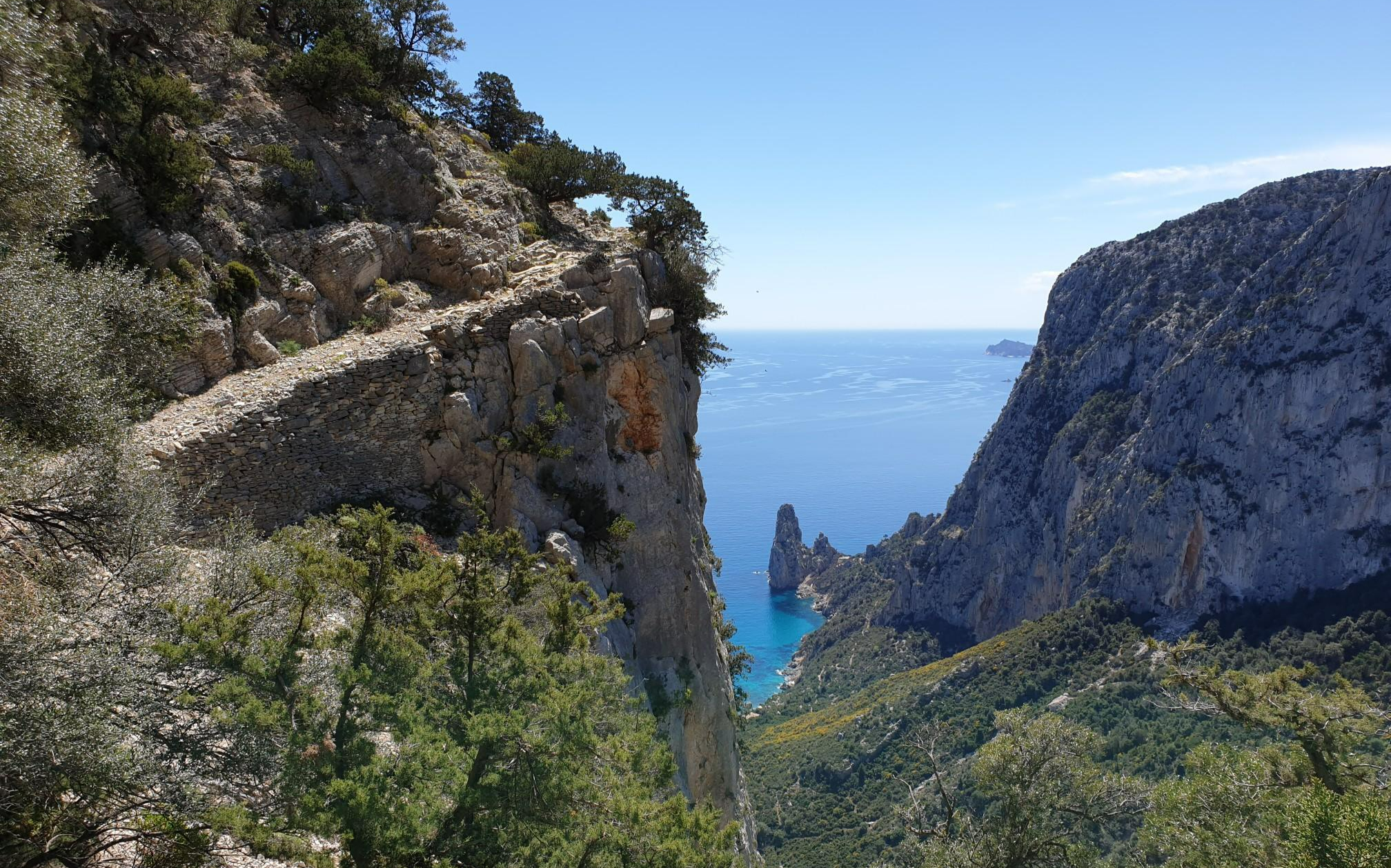
Wild Blue - an adventure overlooking the sea
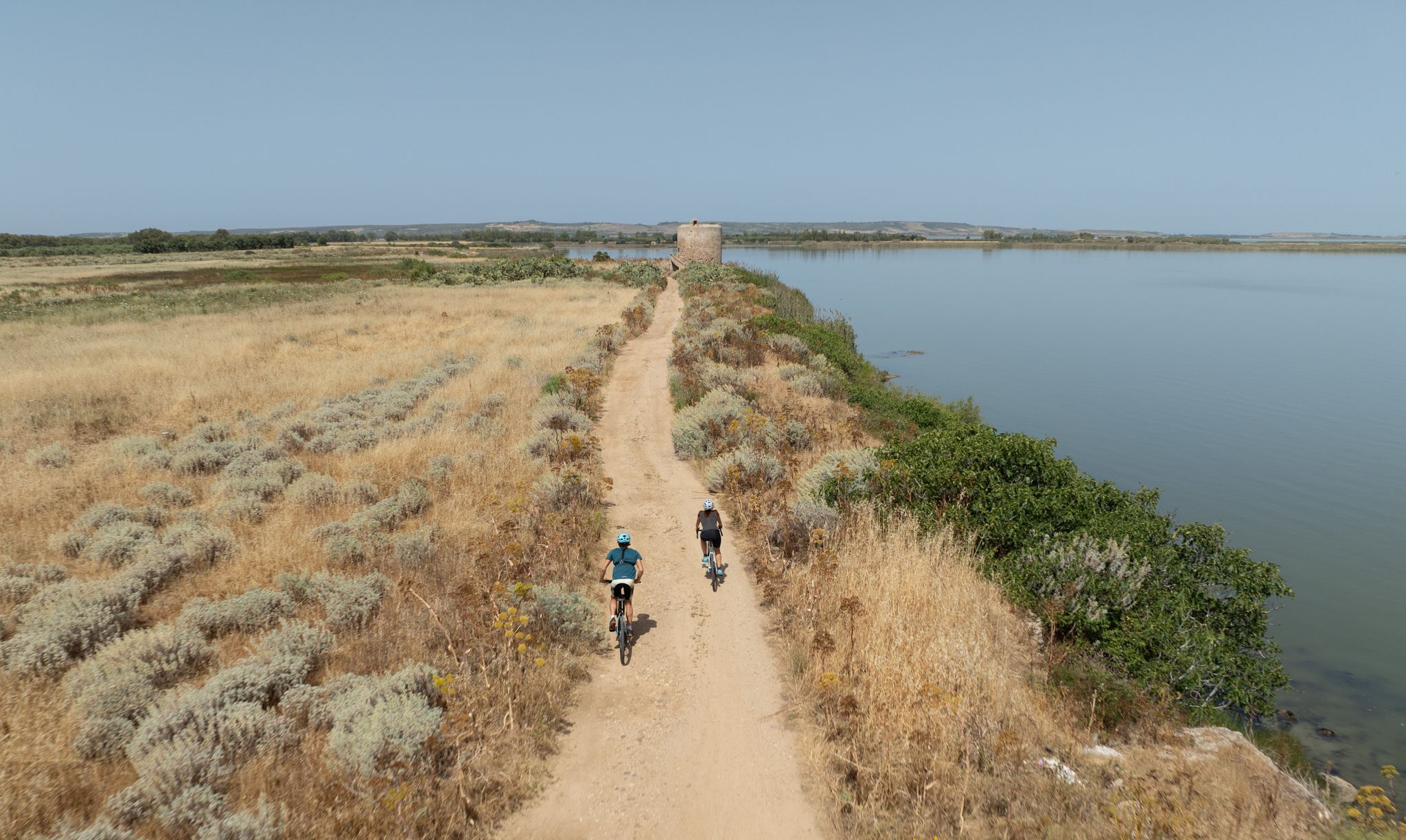
Discover wild Sardinia – 10 superb MTB Tours
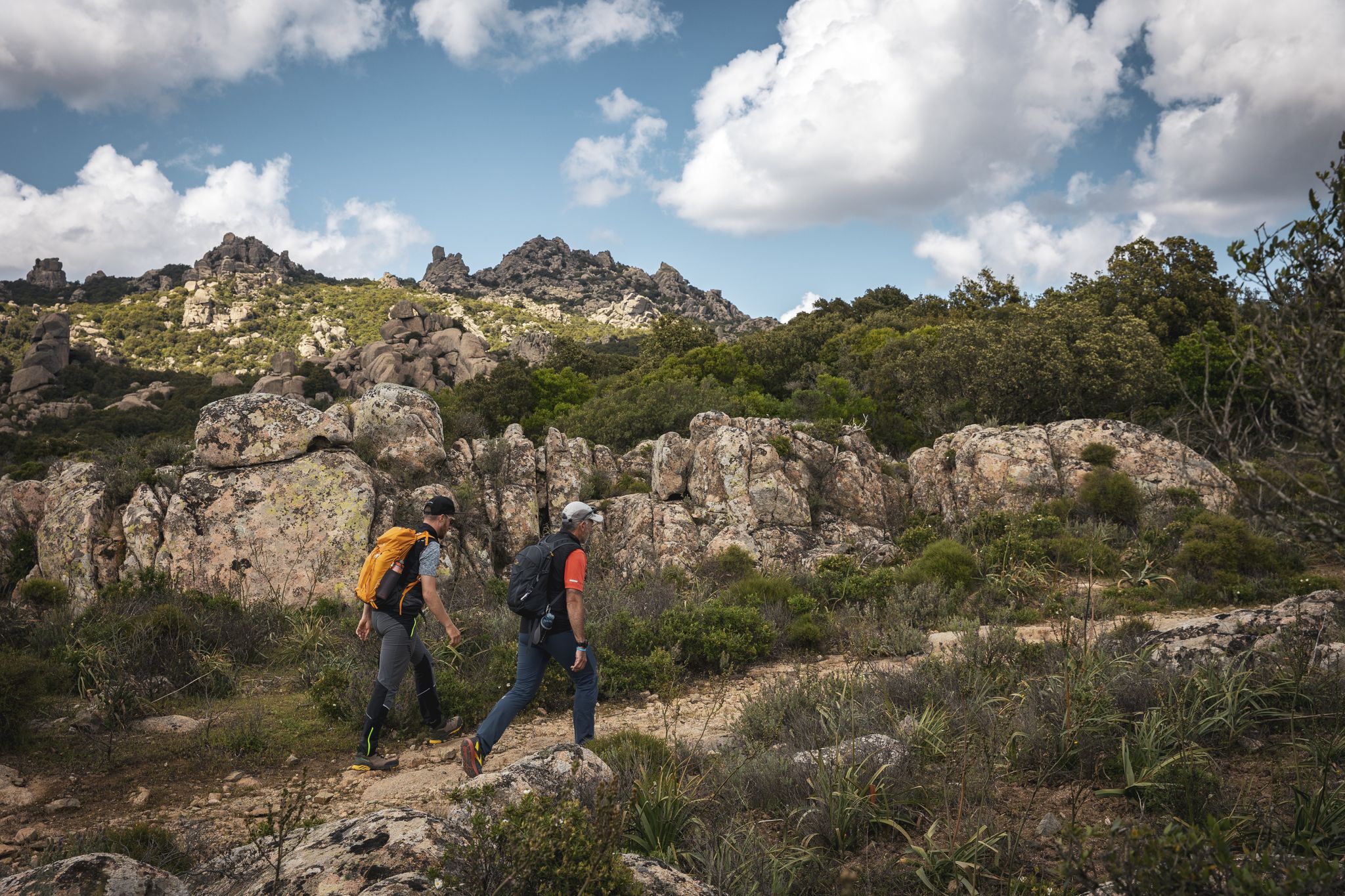
Eternal Sardinia – walks among the wonders of the hinterland
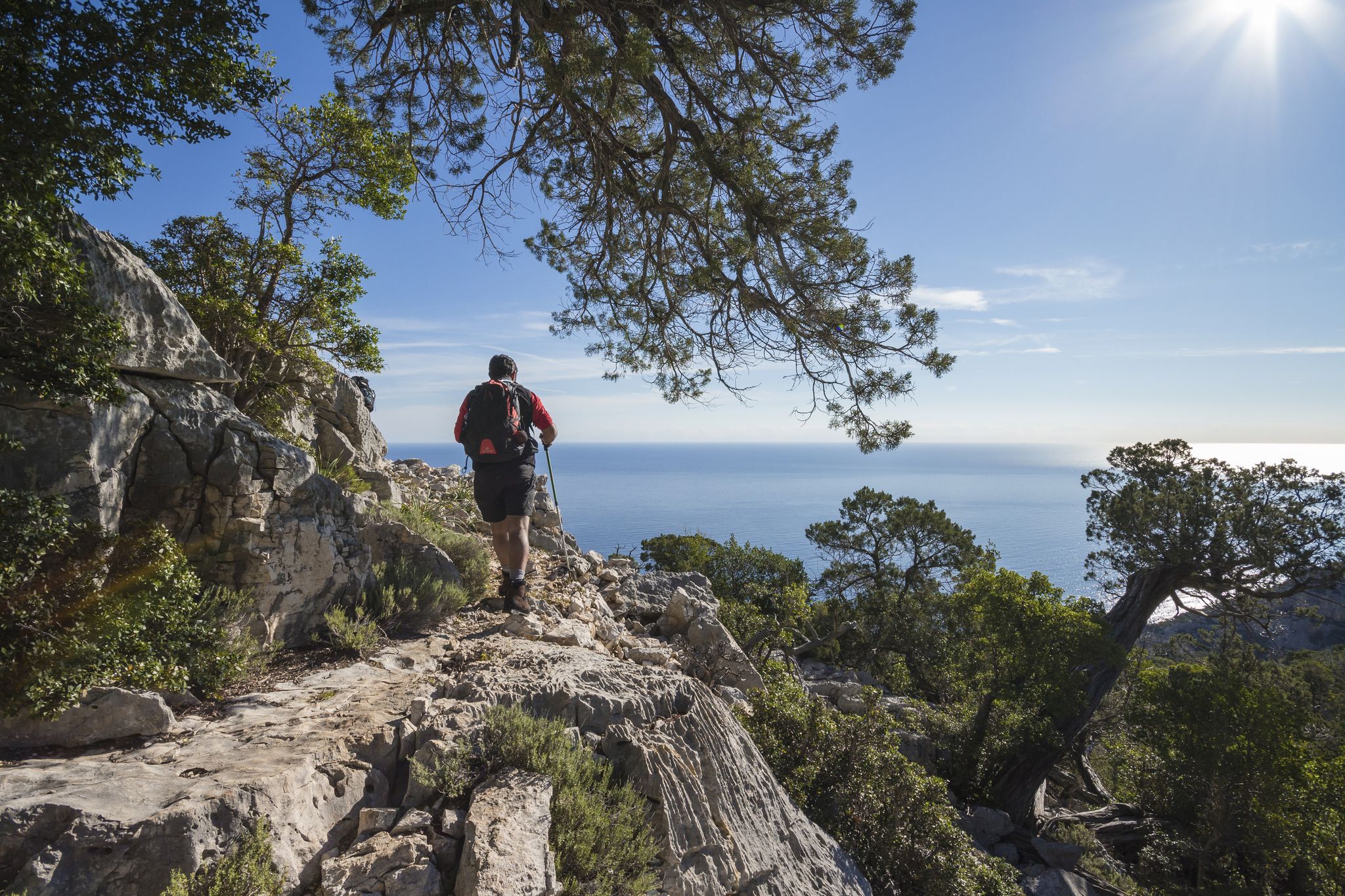
Magnificent Sardinia – day hikes overlooking the sea
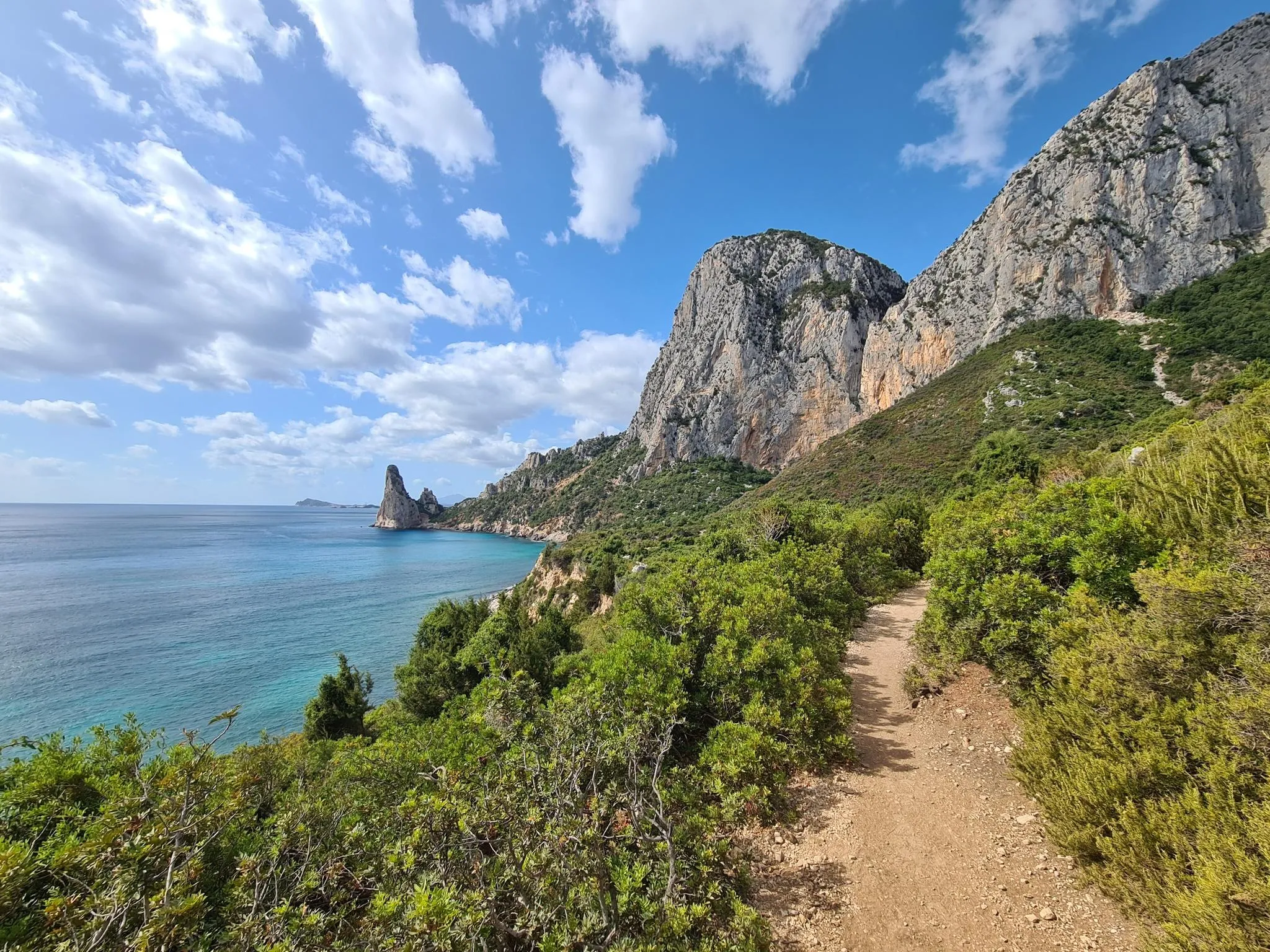
Discover Sardinia on the Via Ogliastra – Cammino 100 Torri
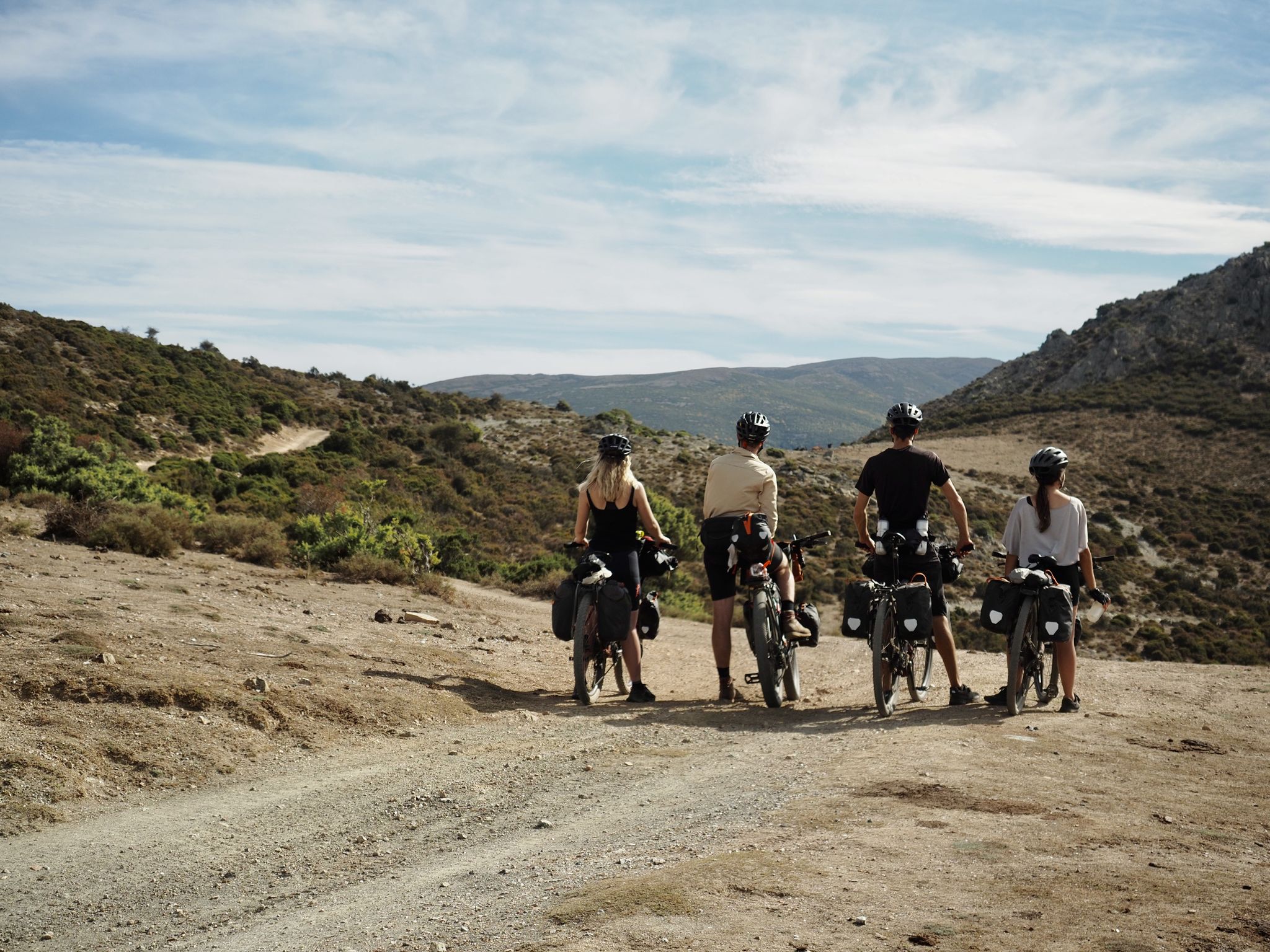
Bikepacking the TranSardinia – the quiet Italian island life
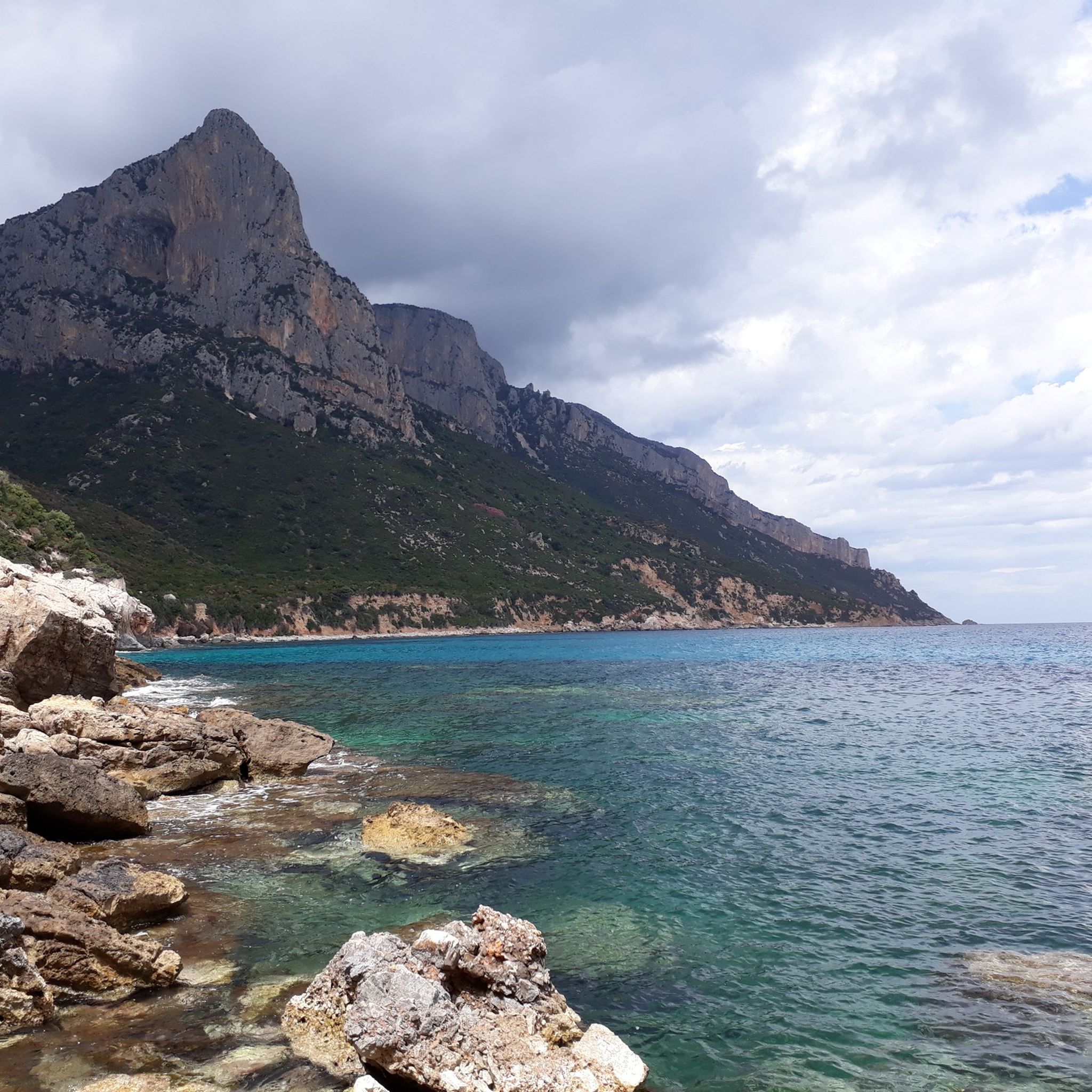
Hiking around Gennargentu National Park
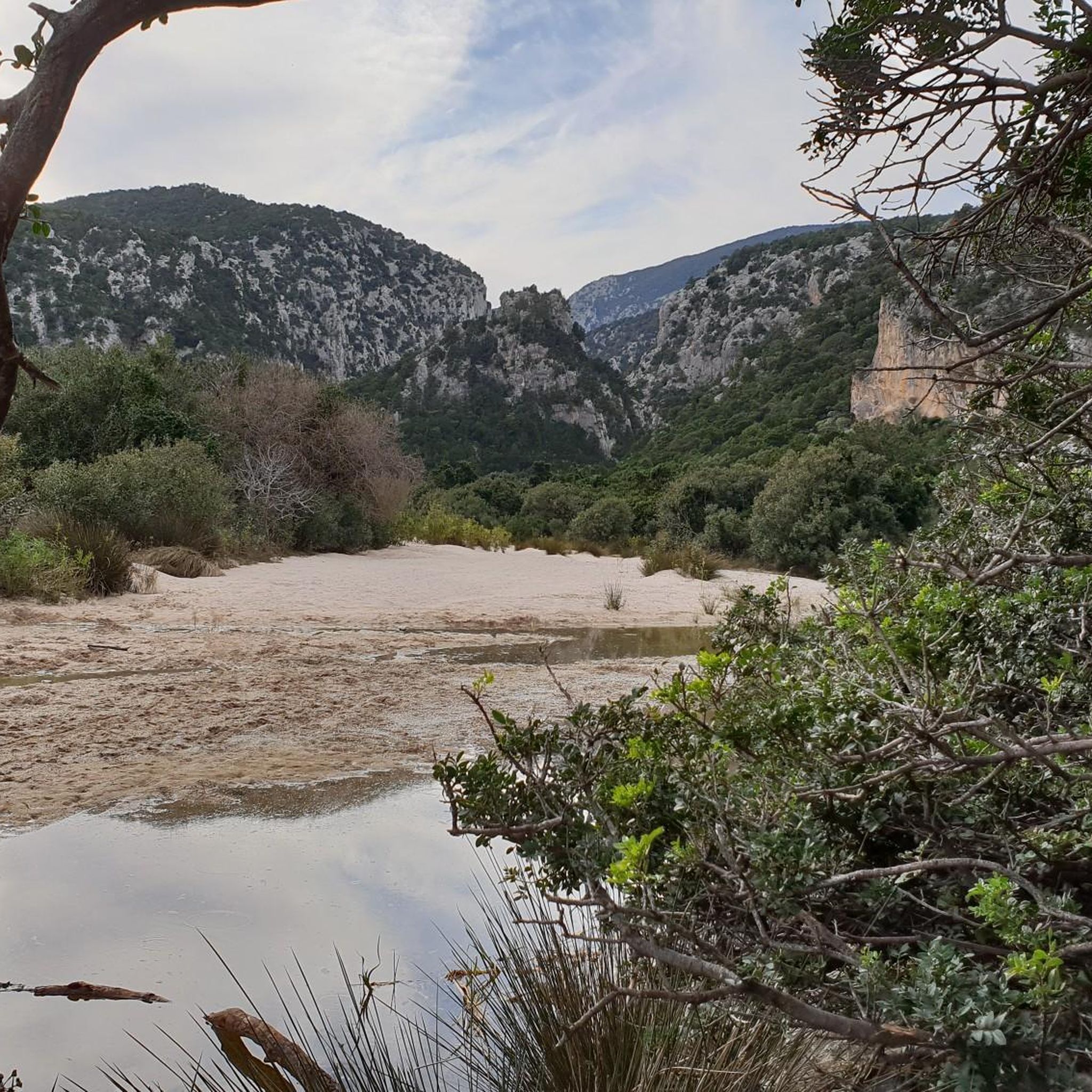
Running Trails around Gennargentu National Park
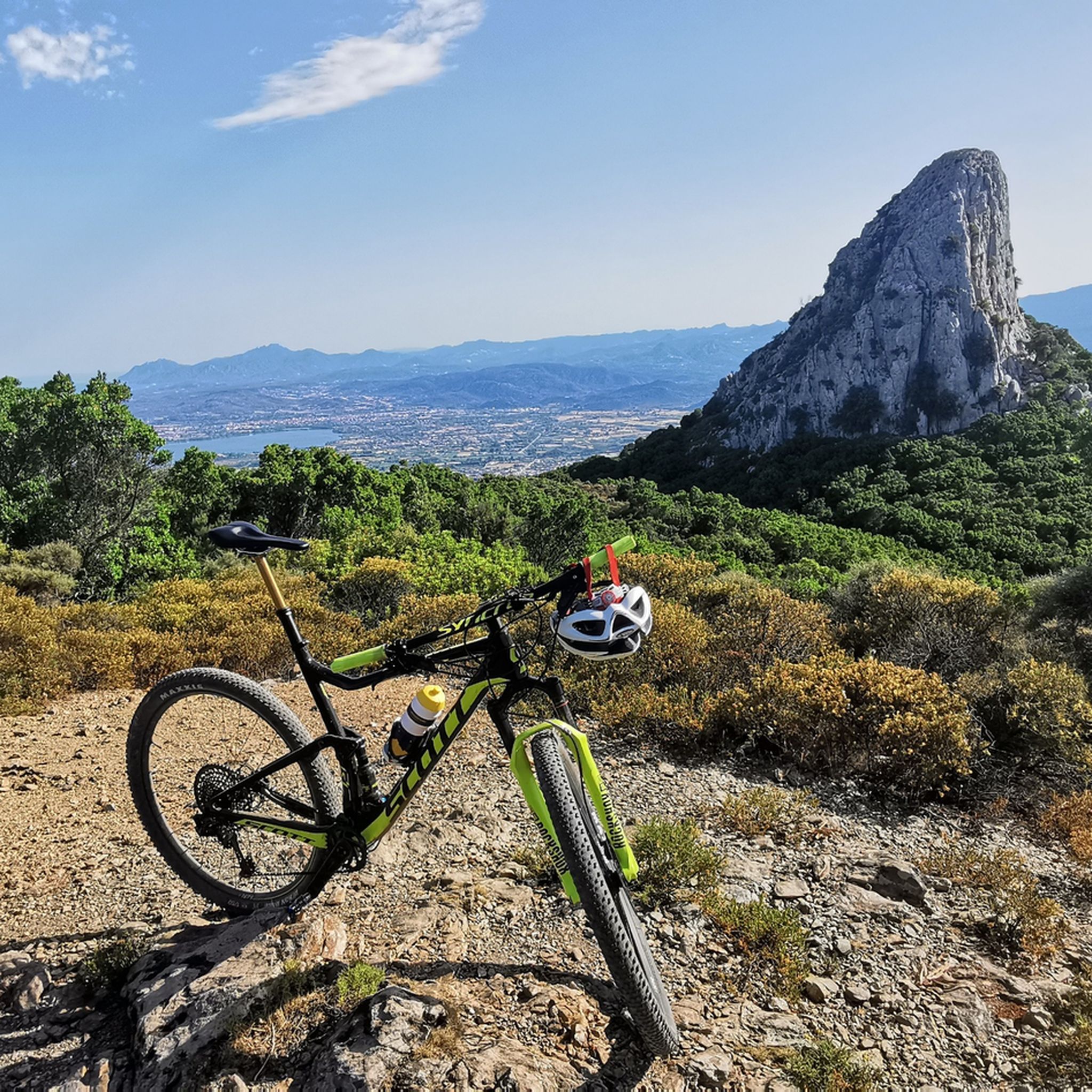
MTB Trails around Gennargentu National Park
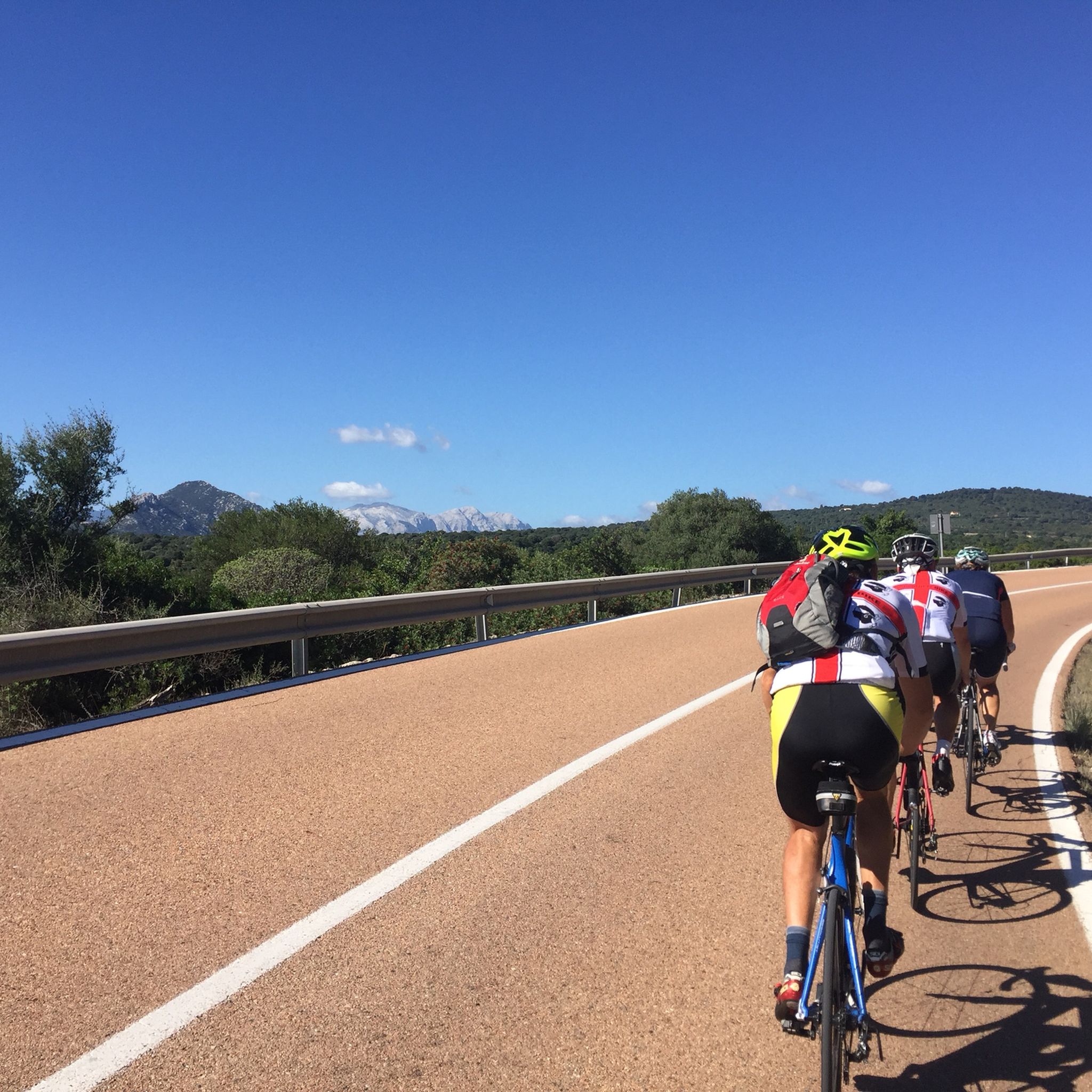
Road Cycling Routes around Gennargentu National Park
Other adventures around Gennargentu National Park


Tips from the Community

The Monti del Gennargentu form the highest mountain range in Sardinia and the "roof of the island". It is located in the heart of Barbagia. The rugged, rocky mountain world is home to Punta La Marmora (1,834 m), the highest peak in Sardinia, as well as historical Nuragic villages, and offers fantastic hiking opportunities.
1
0

Great view. Beautiful area.
2
0
After a great tour you will be rewarded with a fantastic view.
0
0

It may not be obvious that Sardinia's highest mountain is crowned by an imposing summit cross, but it seems completely natural to the mountain hiker. A base made of natural stone from the surrounding area forms the lower level of this small sacred monument. A round column bears the Latin inscription "Ave Crux spes unica" (loosely translated "Hail [Holy] Cross, [our] only hope") and continues further up - almost seamlessly - into the longitudinal beam of the cross. Like many other summit crosses, it is comparatively simple in its design and has no corpus, but is certainly dignified.
3
0

Mount Corrasi, the highest peak of the vast and wild Supramonte, is characterized by sheer limestone walls, towers, white spiers, caves and large plateaus. From here, at 1,463 meters above sea level, the spectacular views offer a 360 degree panorama that embraces Nuoro, Orgosolo, Dorgali, the coast of Cala Gonone and the Gennargentu.
5
0

The somewhat exposed summit offers not only enough space to take a break but also a comprehensive panoramic view over the sea in the Gulf of Orosei to the other mountains of the Supramonte.
2
1

With an all-mountain mountain bike you can do almost everything on the bike, both uphill and downhill
1
0
Frequently Asked Questions
What are the most popular mountain peaks to visit in Gennargentu National Park?
Among the most popular peaks are Punta La Marmora, the highest point in Sardinia offering unparalleled panoramic views, and Monte Corrasi Summit, known for its dramatic limestone formations and 360-degree vistas. Visitors also frequently explore Bruncu Spina, the second-highest peak, which transforms into a ski resort in winter.
What unique natural features can I expect to see in the Gennargentu mountains?
The Gennargentu mountains are characterized by diverse natural features. You'll find ancient rock formations, including the dramatic limestone walls, towers, and white spires of the Supramonte region, particularly around Monte Corrasi Summit. The area also boasts unique natural monuments like Perda e Liana, a towering rock formation that is a symbol of Ogliastra.
Are there family-friendly mountain walks in Gennargentu National Park?
While many peaks offer challenging ascents, some areas within Gennargentu National Park provide more accessible options. For instance, the Sa Portiscra Wildlife Area offers beautiful, shady paths through ancient forests, suitable for families. Always check specific trail difficulties and distances before heading out.
What is the best time of year to hike the mountain peaks in Gennargentu National Park?
The ideal months for hiking the higher peaks like Punta La Marmora are from June to September, when the weather is generally clear and warm. However, the Gennargentu massif is considered a year-round hiking destination, with winter offering unique snow sports opportunities on Bruncu Spina.
What kind of views can I expect from the highest peaks in Gennargentu National Park?
From Punta La Marmora, the highest peak, you can enjoy unparalleled panoramic views that stretch across the entire island of Sardinia, and on a clear day, even to the silhouettes of Corsica. Monte Corrasi Summit offers a spectacular 360-degree panorama encompassing Nuoro, Orgosolo, Dorgali, the coast of Cala Gonone, and the Gennargentu massif itself.
What outdoor activities, besides peak bagging, can I do near the Gennargentu mountain peaks?
Beyond summiting peaks, Gennargentu National Park offers a range of outdoor activities. You can explore rock climbing spots like Monte Oddeu and Punta Cusidore, or venture into the dramatic Gorropu Gorge, one of Europe's deepest canyons. There are also numerous routes for mountain hikes, waterfall hikes, and gravel biking in the surrounding areas.
Are there any notable wildlife areas or natural reserves in the Gennargentu region?
Yes, the Gennargentu range is invaluable for its endemic and rare habitats. The Sa Portiscra Wildlife Area, for example, is a nature reserve known for its ancient holm oak forests, juniper bushes, and diverse wildlife, including golden eagles, mouflons, and wild cats. It's also a site for the successful resettlement of Sardinian deer.
What are the typical terrain characteristics when hiking in Gennargentu National Park?
Hikers in Gennargentu National Park will encounter varied terrain. Trails can traverse picturesque forests, flowering meadows, and impressive boulder and craggy landscapes, especially on ascents to peaks like Punta La Marmora. The Supramonte region features sheer limestone walls and expansive plateaus.
Where can I find challenging hiking trails near the Gennargentu peaks?
For challenging hikes, consider routes that lead to the highest summits. The ascent to Punta La Marmora is a rewarding challenge, often starting from Rifugio Sa Crista or Rifugio S'Arena. Other difficult routes include the High Trail to Bruncu Spina – Punta La Marmora Summit Cross loop and the Point Sos Nidos – Monte Corrasi loop.
What historical or cultural significance do the Gennargentu mountains hold?
The Gennargentu massif is home to some of Europe's oldest rocks, indicating a long geological history. Beyond geology, natural monuments like Perda e Liana are steeped in local legend, sometimes considered gathering places for Nuragic peoples or entrances to the underworld. The peaks themselves, like Punta La Marmora, are named after historical figures who extensively described Sardinia.
Are there opportunities for snow sports in Gennargentu National Park?
Yes, in winter, Bruncu Spina transforms into a hub for snow sports. It is the island's only ski resort, offering slopes suitable for skiing and snowboarding enthusiasts.
What are some of the less-known but equally impressive peaks in the Gennargentu range?
Beyond the highest summits, the Gennargentu range includes other impressive peaks such as Punta Paulinu (1,792 m), Monte Spada (1,595 m), and Punta Erbas Virdes (1,676 m). These peaks contribute to the ancient massif's diverse landscape and offer rewarding experiences for those looking to explore beyond the most frequented spots.
Most popular routes around Gennargentu National Park
Most popular attractions around Gennargentu National Park

Get inspired with the komoot mobile app


Explore more
See even more amazing summits around Gennargentu National Park with these guides:
