Attractions and Places To See around Gennargentu National Park - Top 20
Best attractions and places to see around Gennargentu National Park include rugged mountains, deep gorges, and ancient forests in the heart of Sardinia. This region, spanning Nuoro and Ogliastra, features diverse natural landscapes and significant cultural sites. Visitors can explore archaeological remnants and traditional villages that preserve local customs. The park offers a blend of challenging terrain and serene coastal stretches.
Best attractions and places to see around Gennargentu National Park
- The most popular attractions is Gorropu Gorge, a canyon considered one of Europe's deepest and most spectacular. Its towering rock faces reach up to 500 meters, offering a challenging hiking experience.
- Another must-see spot is Pedra Longa Rock Formation, a natural monument on the dramatic east coast. This towering rock pillar is a notable landmark and a starting point for coastal trails.
- Visitors also love Cala Luna, a beach known for its light sand, turquoise water, and numerous caves. It is accessible on foot or by boat and offers crystal-clear waters.
- Gennargentu National Park is known for its diverse natural monuments, canyons, and beaches. The region offers a variety of attractions, from high mountain peaks to dramatic coastlines and ancient cultural sites.
- The attractions around Gennargentu National Park are appreciated by the komoot community, with more than 1200 upvotes and nearly 1000 photos shared across 182 highlights.
Last updated: October 9, 2026
Gorropu Gorge
Highlight • Canyon
Translated by Google •
Tip by

Summit of Punta La Marmora
Highlight • Summit
Ideally, start your tour in the parking area at Rifugio Sa Crista or Rifugio S’Arena near Desulo. The route is not short at 15.5 kilometers, but it rewards you with an incredible variety of landscapes. Within a walking time of three and a half to four and a half hours, you will cross picturesque forests, pass flowering meadows and hike across impressive boulder and craggy terrain. Among other things, it goes over the summits of Bruncu Spina and Punta Paulinu.
As you climb from Bruncu Spina towards Punta La Marmora, a huge summit cross might lead you astray. But don't be fooled, because the true summit is only reached when you reach the small rock pyramid that marks the top of La Marmora.
The peak itself was named after the general and scientist Alberto Ferrero della Marmora, who described Sardinia in detail in his works. His love for the island will become clear to you at the summit when you enjoy the breathtaking view.
You should be well prepared for this hike. This means: Sturdy hiking boots, enough water and sun protection should be in your luggage. If you need refreshment in between, you can stop off in the towns of Desulo or Fonni.
The months from June to September are ideal for the tour. But Punta La Marmora is actually a year-round hiking destination for everyone who is looking for something special. Ready for this adventure? Then lace up your hiking boots and experience Sardinia at its best!
Translated by Google •
Tip by

Sign up now to discover places like this
Get recommendations on the best single tracks, peaks, & plenty of other exciting outdoor places.
Cala Luna
Highlight • Beach
The beauty of this bay is beyond compare. Here you can find shelter in the shade of one of the numerous caves or immerse yourself in the crystal clear waters, a true treasure of Sardinia. At the end of the bay, an oasis invites you to stop for a snack in the kiosk or for a picnic. Also watch out for bold goats grazing on the steep slopes!
If the walk back seems too challenging, you can always take a boat back to Cala Gonone or Cala Fuili.
Translated by Google •
Tip by

Pedra Longa Rock Formation
Highlight (Segment) • Natural Monument
Translated by Google •
Tip by

Wooden steps to Cala Goloritzé Beach
Highlight • Trail
Translated by Google •
Tip by

Sign up for free to discover even more attractions around Gennargentu National Park.
Already have an account?
Start today with a free account
Your next adventure awaits.
Popular around Gennargentu National Park
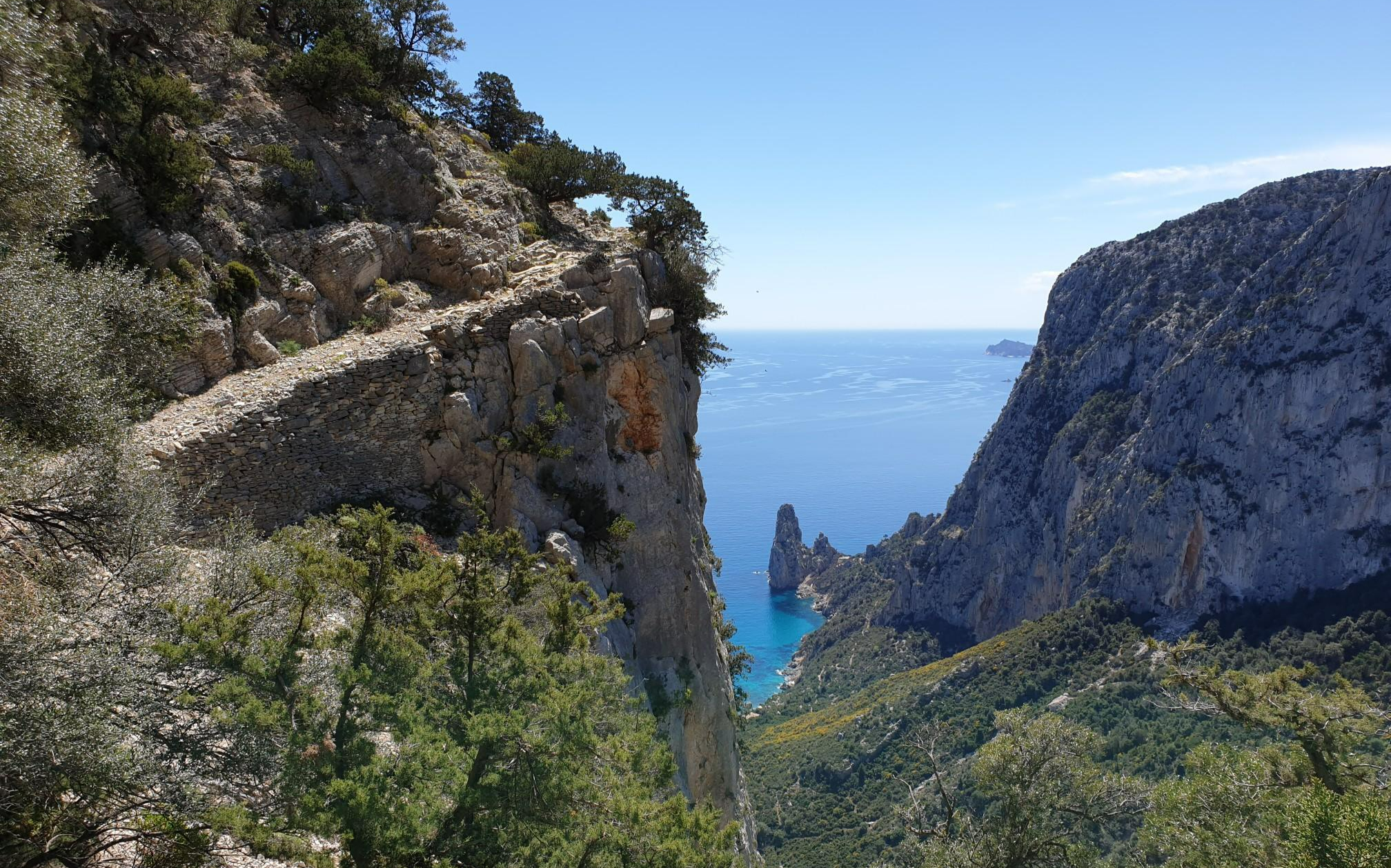
Wild Blue - an adventure overlooking the sea
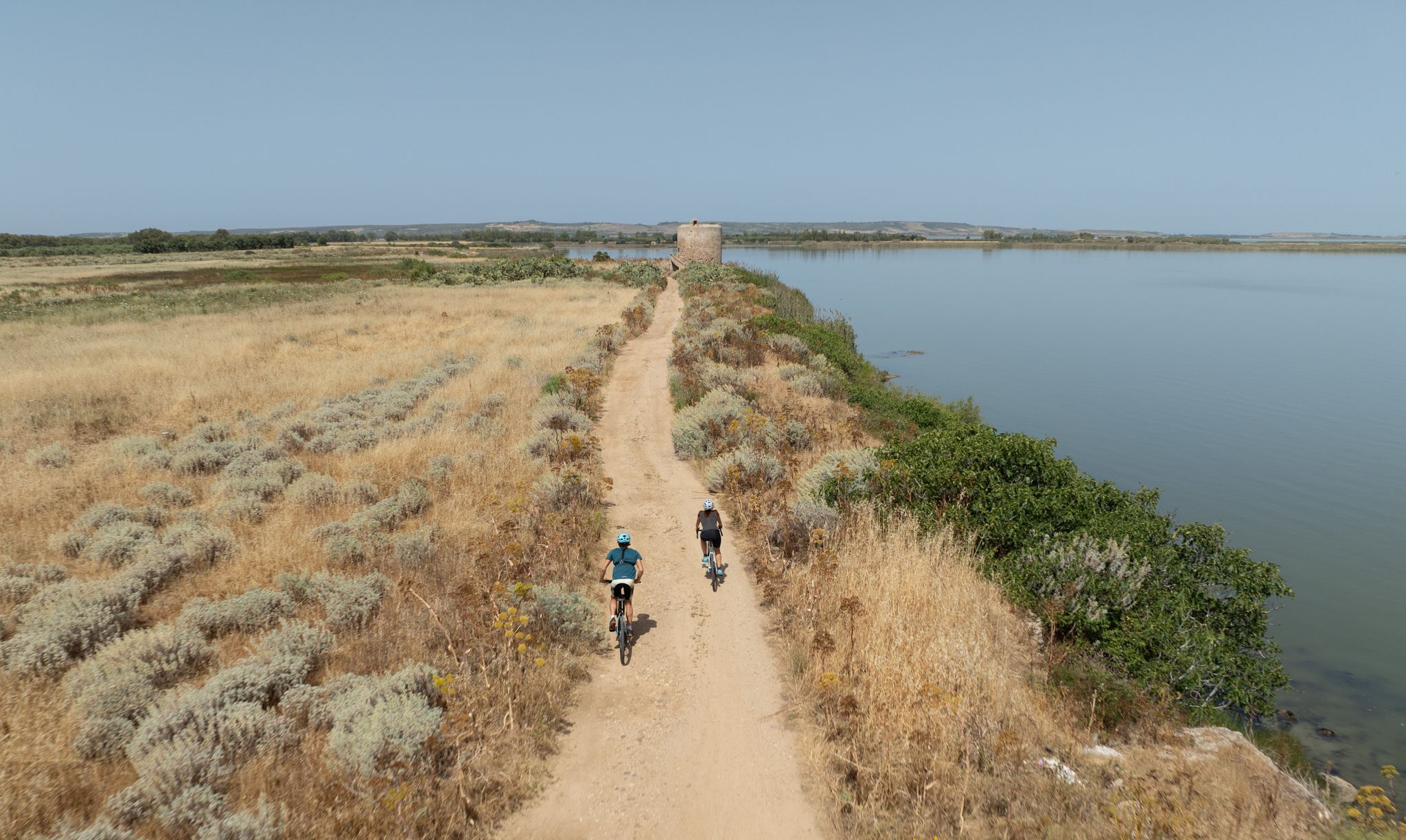
Discover wild Sardinia – 10 superb MTB Tours
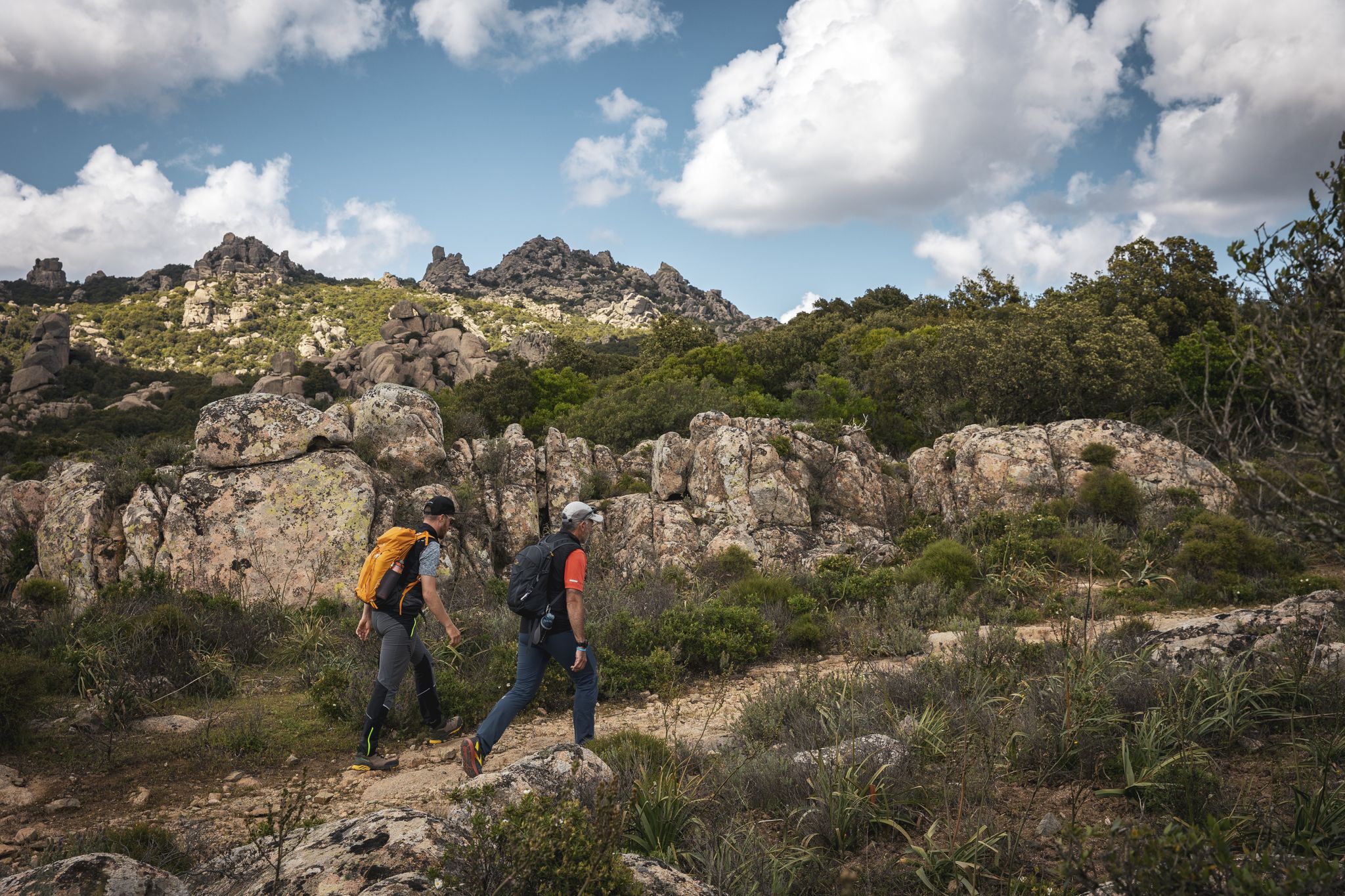
Eternal Sardinia – walks among the wonders of the hinterland
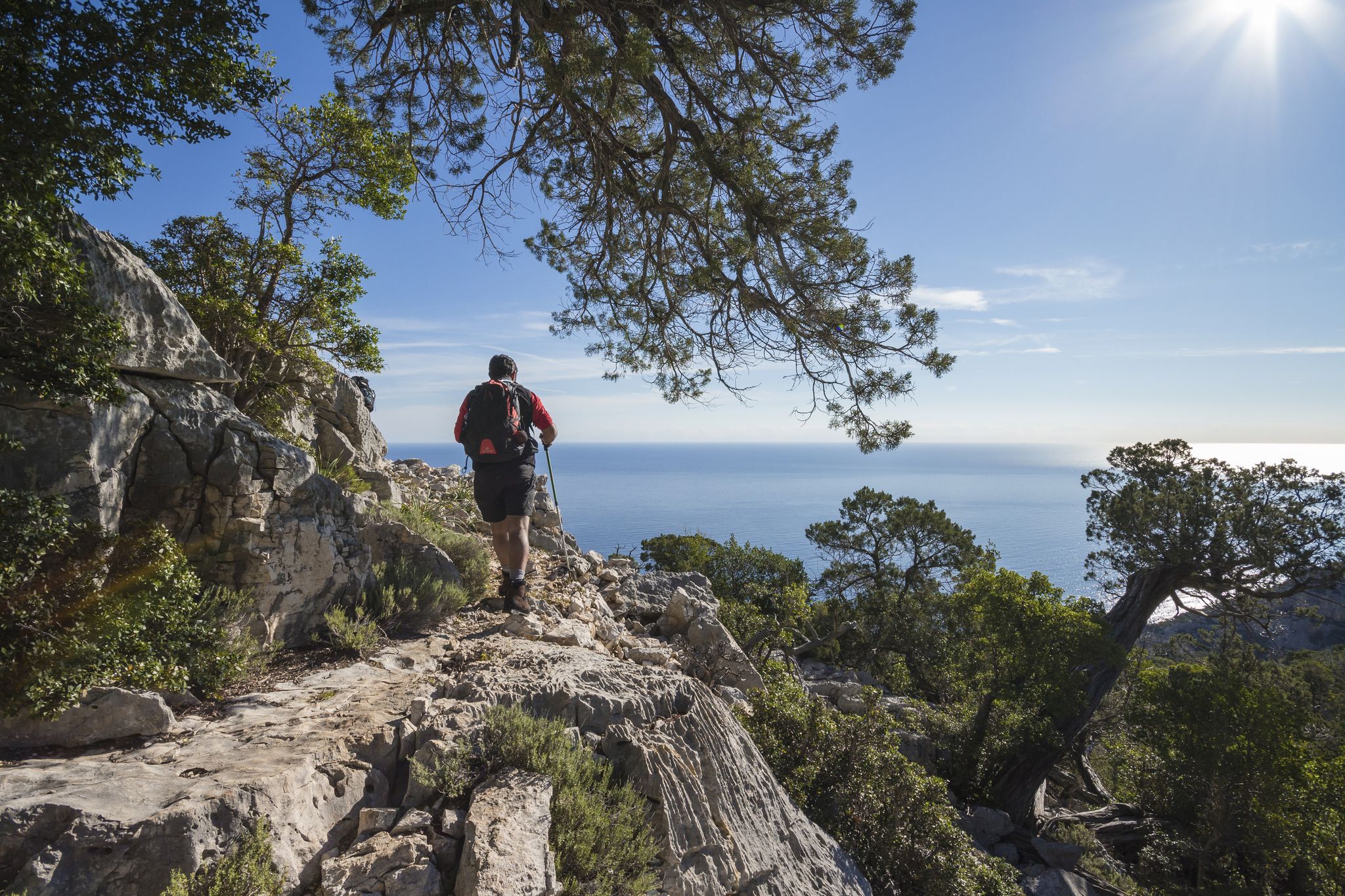
Magnificent Sardinia – day hikes overlooking the sea
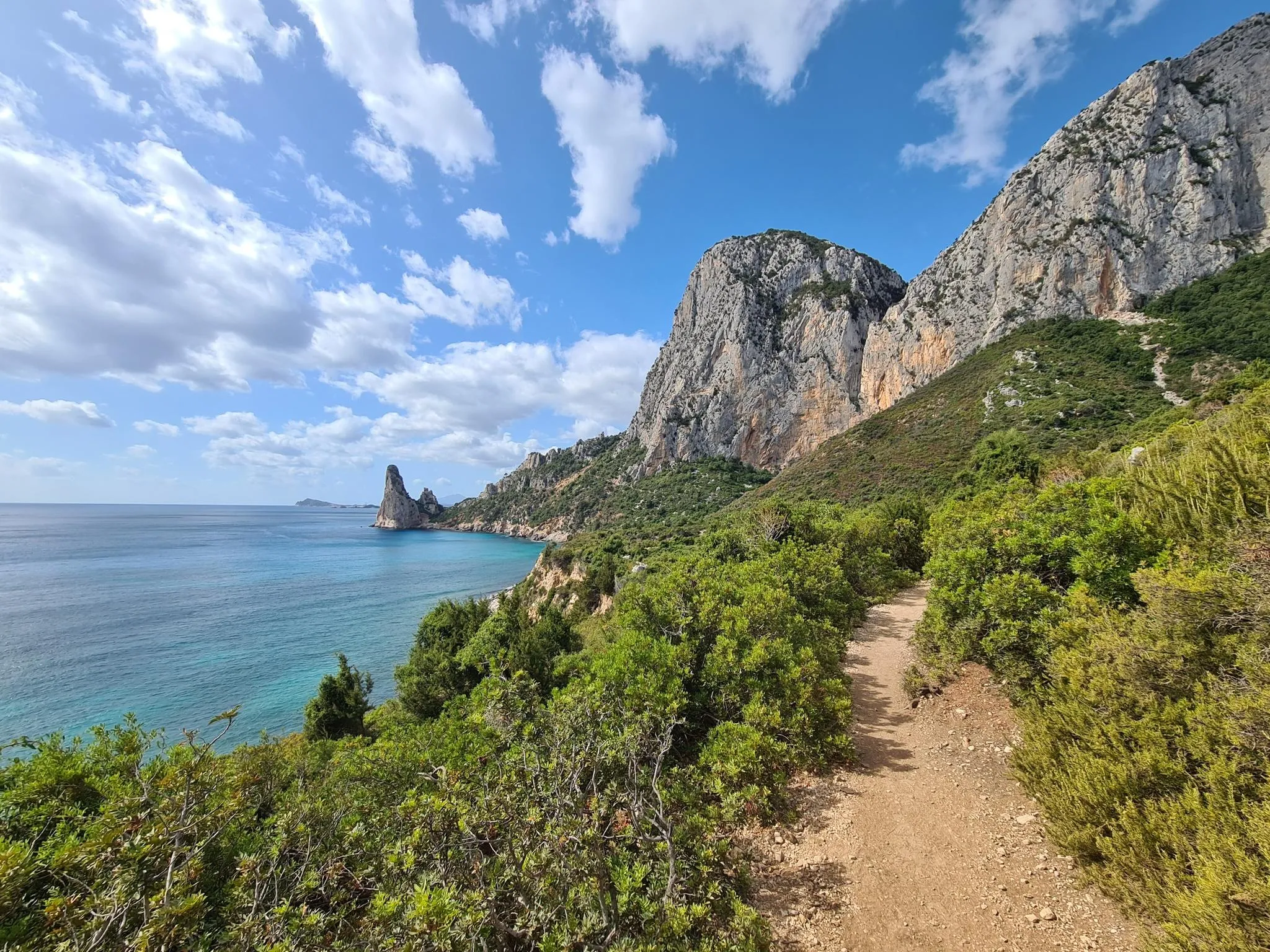
Discover Sardinia on the Via Ogliastra – Cammino 100 Torri
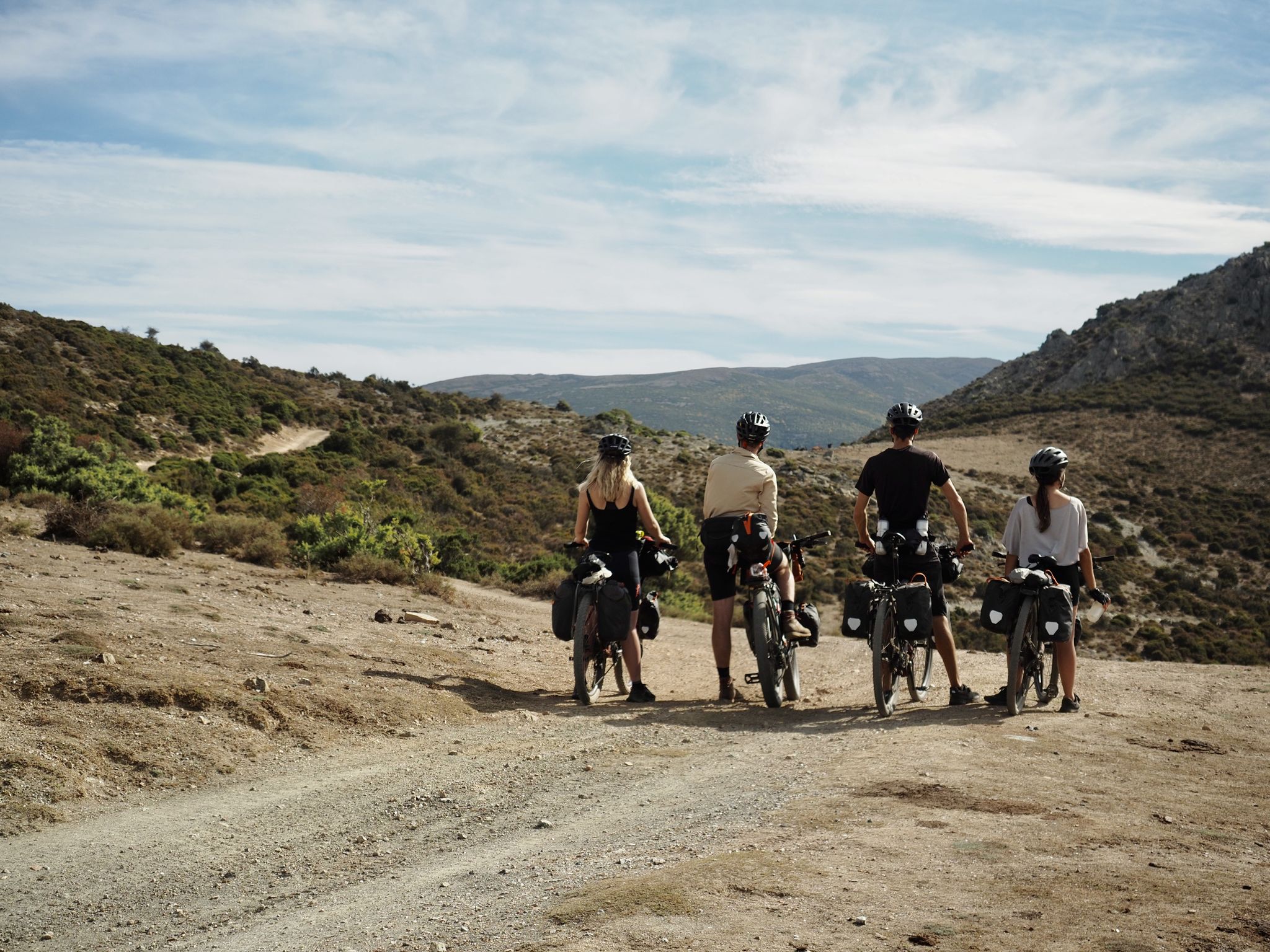
Bikepacking the TranSardinia – the quiet Italian island life
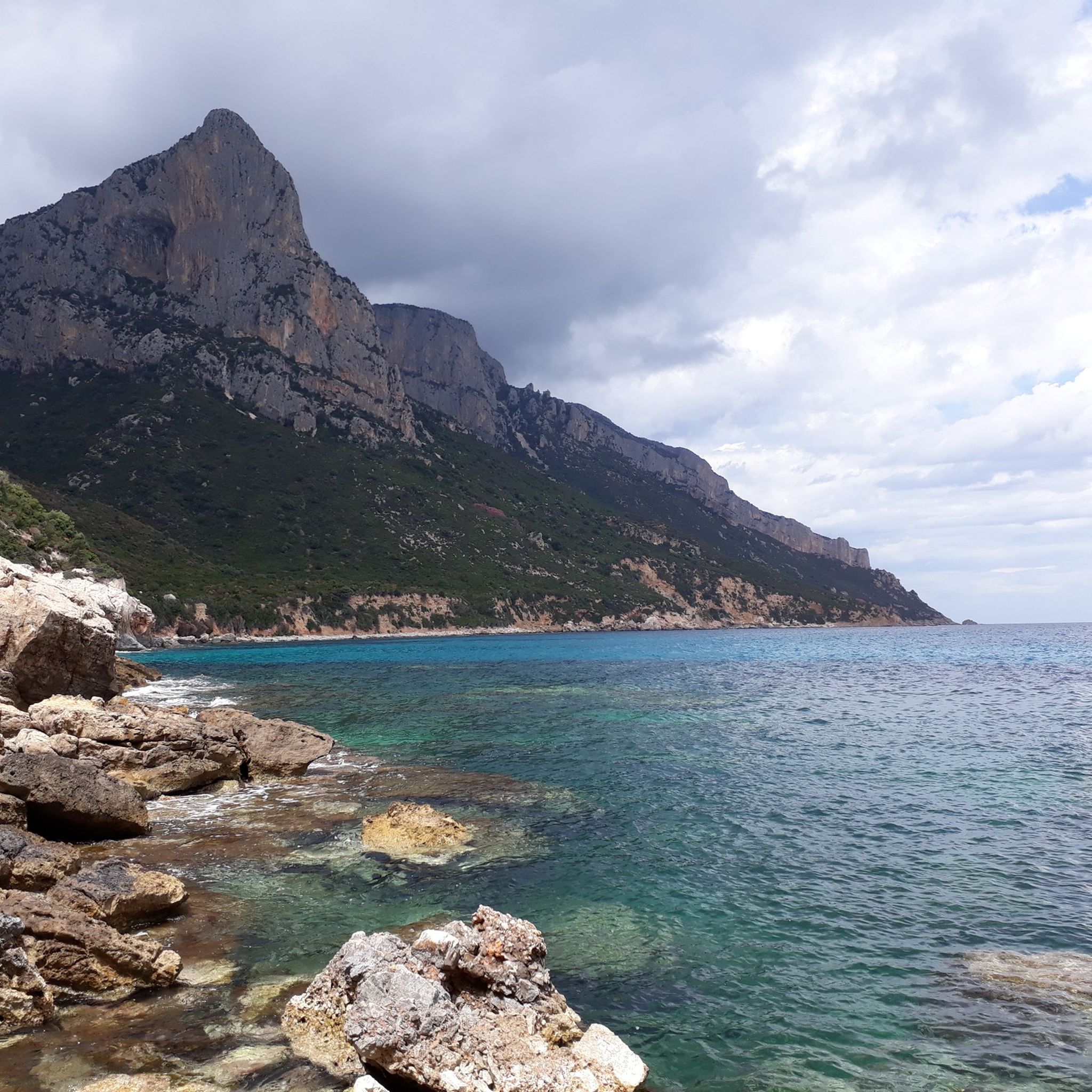
Hiking around Gennargentu National Park
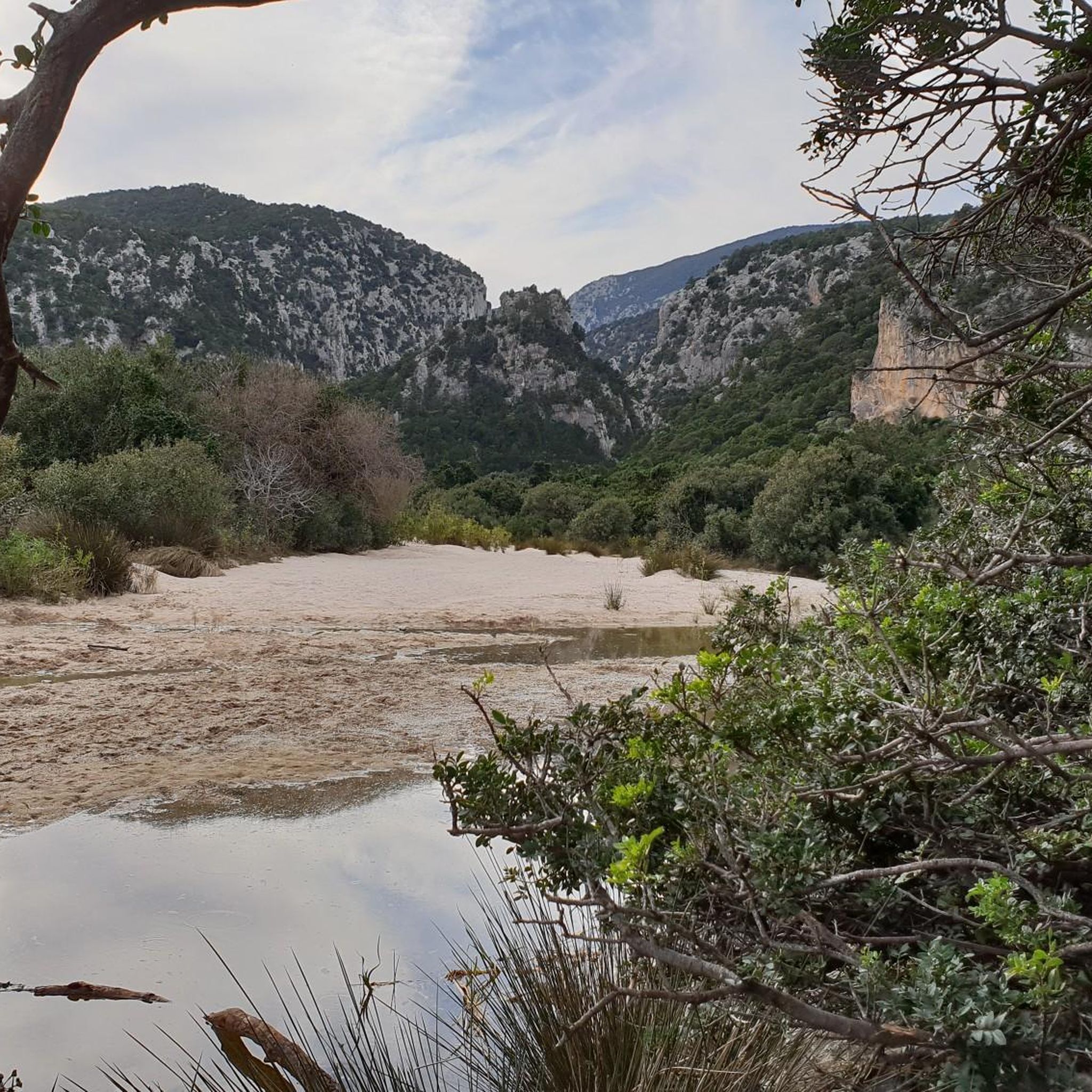
Running Trails around Gennargentu National Park
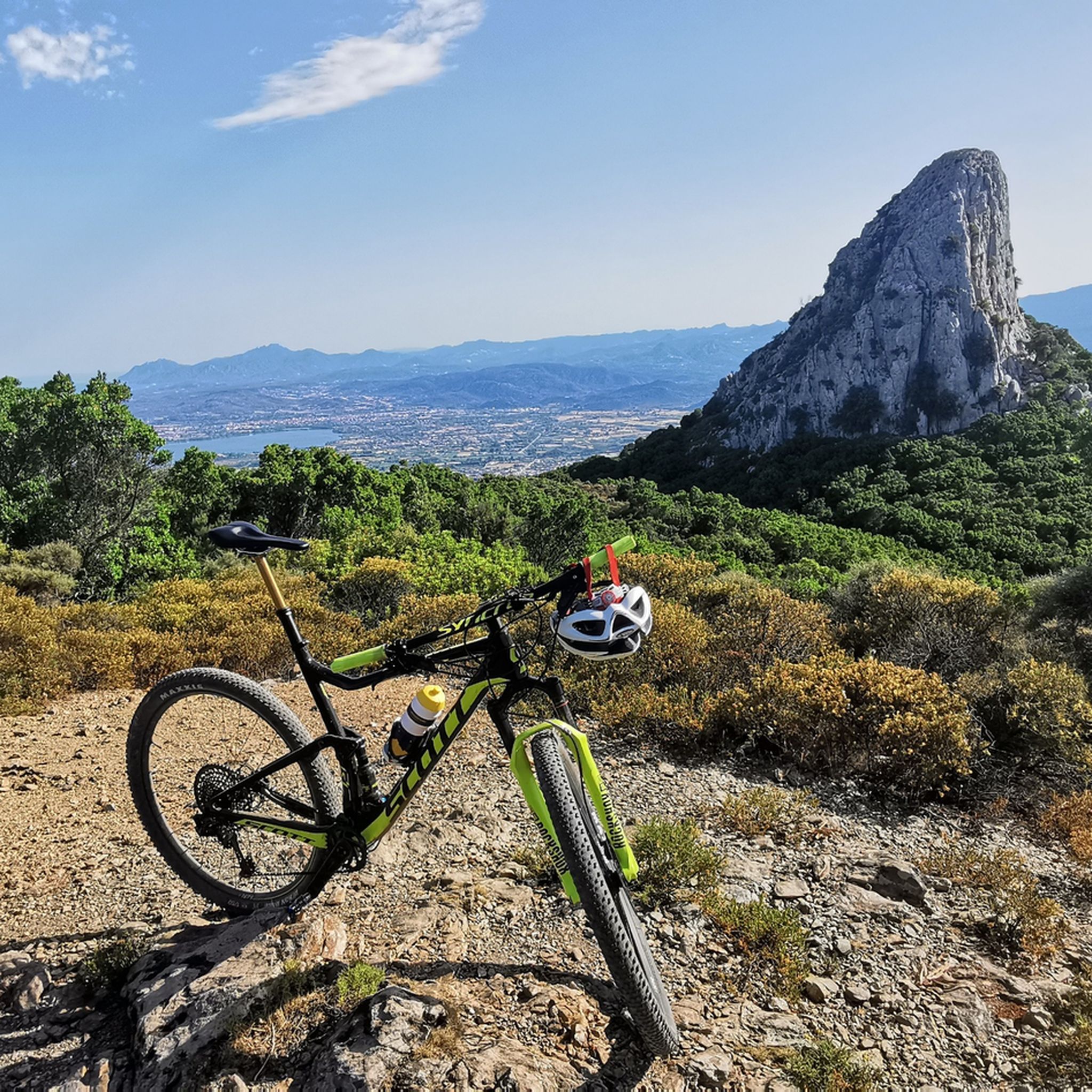
MTB Trails around Gennargentu National Park
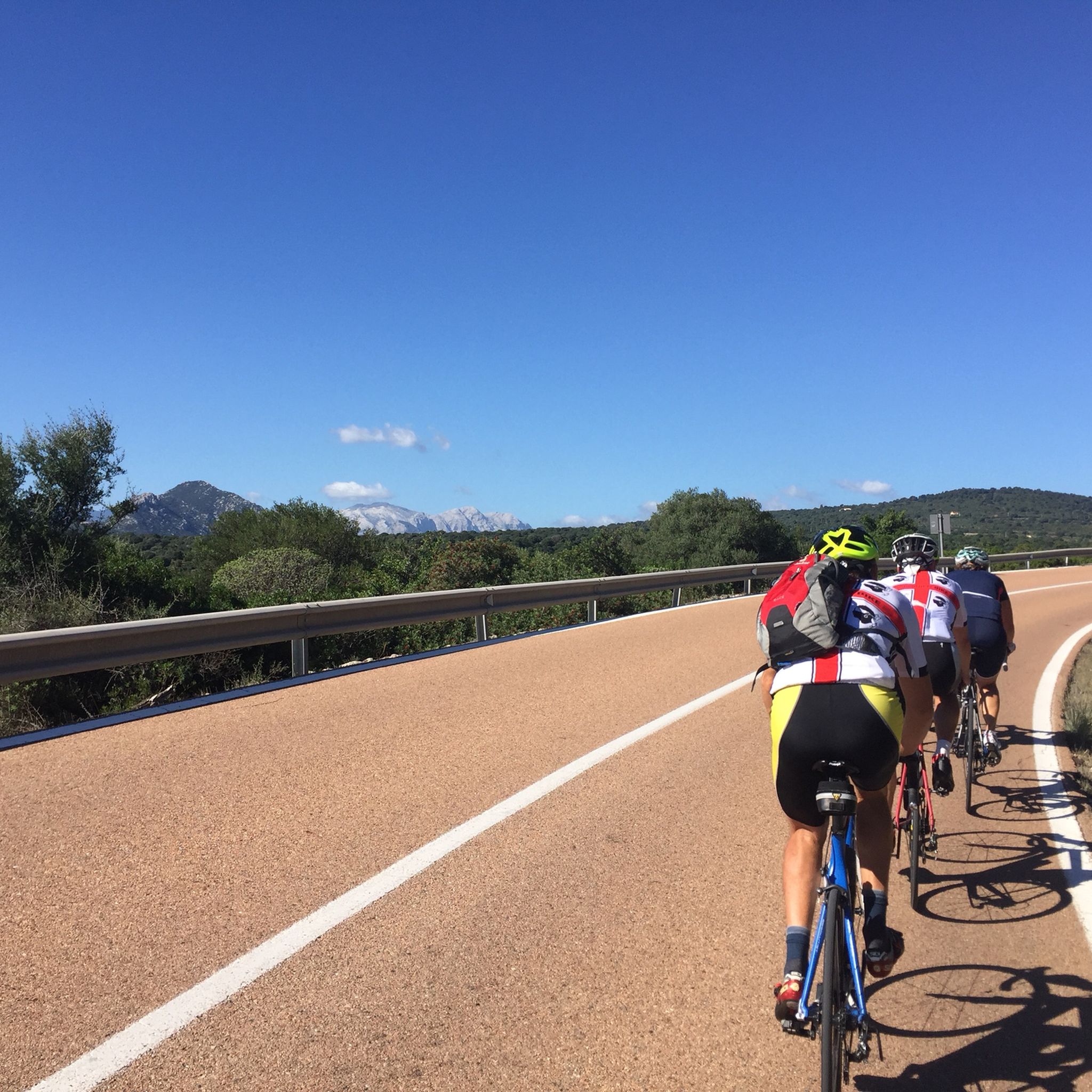
Road Cycling Routes around Gennargentu National Park
Other adventures around Gennargentu National Park


Tips from the Community

Done, goal reached, all effort forgotten, now a nice swim in the crystal clear water.
2
0

Cala Luna is an enchanting bay and an estuary very frequented by summer maritime traffic. It is absolutely worth a visit, as it represents a true pearl of the Mediterranean with its light sand, turquoise water, numerous small caves and almost white rocks. It can be reached either on foot or by boat. The beauty of this bay is beyond compare. Here you can find shelter in the shade of one of the numerous caves or immerse yourself in the crystal clear waters, a true treasure of Sardinia. At the end of the bay, an oasis invites you to stop for a snack in the kiosk or for a picnic. Also watch out for bold goats grazing on the steep slopes! If the walk back seems too challenging, you can always take a boat back to Cala Gonone or Cala Fuili.
5
11

With an all-mountain mountain bike you can do almost everything on the bike, both uphill and downhill
1
0

Already above this rustic construction you have a breathtaking view of the untouched beauty of the beach. But caution is advised! The stairs, although revised in 2023, require your full attention. Your steps are high and the railing does not provide stable support everywhere. If you're one of those people who gets uneasy at heights, close your eyes for a moment and concentrate on each step. Or let the fascinating view take effect and forget for a moment the adrenaline rush that the steep steps offer you. For those who love thrills and want to fully enjoy the pure beauty of nature, there is a little detour: Punta Salinas. This path takes longer, but rewards you with an even more impressive panoramic view of the bay. Hold on tight and enjoy every moment of this little adventure. This makeshift staircase may not be the most convenient access to the bay, but that's what gives this place its rustic charm. It feels like you are discovering a hidden treasure that is only accessible to the bravest. And as you carefully take each step, you realize how special this place is - a piece of untouched paradise just waiting to be explored.
2
0
Imagine standing on the highest point in Sardinia, Punta La Marmora, and your gaze sweeps over the entire island. On a clear day you can even see the silhouettes of Corsica on the horizon. You can put this experience into practice by hiking to the summit of this 1,834 meter high elevation. Ideally, start your tour in the parking area at Rifugio Sa Crista or Rifugio S’Arena near Desulo. The route is not short at 15.5 kilometers, but it rewards you with an incredible variety of landscapes. Within a walking time of three and a half to four and a half hours, you will cross picturesque forests, pass flowering meadows and hike across impressive boulder and craggy terrain. Among other things, it goes over the summits of Bruncu Spina and Punta Paulinu. As you climb from Bruncu Spina towards Punta La Marmora, a huge summit cross might lead you astray. But don't be fooled, because the true summit is only reached when you reach the small rock pyramid that marks the top of La Marmora. The peak itself was named after the general and scientist Alberto Ferrero della Marmora, who described Sardinia in detail in his works. His love for the island will become clear to you at the summit when you enjoy the breathtaking view. You should be well prepared for this hike. This means: Sturdy hiking boots, enough water and sun protection should be in your luggage. If you need refreshment in between, you can stop off in the towns of Desulo or Fonni. The months from June to September are ideal for the tour. But Punta La Marmora is actually a year-round hiking destination for everyone who is looking for something special. Ready for this adventure? Then lace up your hiking boots and experience Sardinia at its best!
5
2

Climbing to Punta La Marmora from Bruncu Spina you first reach the pre-summit, which is misleading with its enormous summit cross. To reach the highest peak in Sardinia, you need to continue further south until you reach a small rock pyramid. This marks La Marmora's peak share of 1,833.
3
2
Punta La Marmora, which rises 1,834 meters above sea level, is the highest peak in Sardinia. It is located in the Gennargentu massif. A cross crowns the top of this magnificent place. Running up here isn't difficult, except for some occasionally steep sections. It's not very technical; you just have to be fit. The breathtaking views make it truly extraordinary. You can see up to the lake of the upper Flumendosa, Perda Liana and Arbatax, if the fog allows it, and on the other side you can range up to Oristano. It's incredible.
1
0

The wooden staircase was revised in 2023, but attention should be paid to the staircase and not to the view.
2
1
Frequently Asked Questions
What are the most popular natural attractions in Gennargentu National Park?
The park is renowned for its dramatic natural features. Among the most popular are Gorropu Gorge, one of Europe's deepest canyons with towering 500-meter high walls, and the Summit of Punta La Marmora, Sardinia's highest peak offering panoramic views. The stunning Cala Luna beach, with its light sand and turquoise waters, is also a favorite.
Are there any challenging hikes or climbs in the area?
Yes, the region offers several challenging options. The hike to the Summit of Punta La Marmora, at 1,834 meters, is a rewarding 15.5 km journey. Exploring the Gorropu Gorge itself involves navigating challenging sections, with some areas even requiring alpine equipment. The Pedra Longa Rock Formation is also a notable spot for climbing and marks the gateway to the challenging Selvaggio Blu long-distance trail.
What kind of historical or cultural sites can I visit?
Gennargentu National Park is rich in history. You can explore remnants of ancient civilizations, including Nuragic villages and archaeological sites like Su Texile and Su Sterru. The Nuragic village of Monte Tiscali, hidden inside a sinkhole, offers a unique glimpse into the island's past. Traditional villages such as Orgosolo, Fonni, Desulo, and Tonara also preserve age-old customs and culinary traditions.
What is the best time of year to visit Gennargentu National Park?
The months from June to September are ideal for hiking to the Summit of Punta La Marmora and enjoying the coastal areas. However, Punta La Marmora is considered a year-round hiking destination. For exploring gorges like Gorropu, spring is often recommended when water levels are higher, creating more impressive pools and waterfalls.
Are there family-friendly activities or trails in the park?
While many trails are challenging, some areas are suitable for families. The Gorropu Gorge provides helmets for children at the entrance, and the initial sections are manageable. Coastal beaches like Cala Luna offer calm, clear waters for swimming and exploring caves, which can be a fun family outing accessible by foot or boat.
What wildlife can I expect to see in Gennargentu National Park?
The park is a sanctuary for diverse wildlife. Keep an eye out for the elusive mouflon, Sardinian deer, and wild boars. Birdwatchers might spot golden eagles, peregrine falcons, Eleonora's falcons, and griffon vultures soaring above the rugged landscapes.
Can I go swimming in the area?
Yes, the dramatic coastline of the Gulf of Orosei, including pristine beaches like Cala Luna, Cala Goloritzé, and Cala Mariolu, offers crystal-clear turquoise waters perfect for swimming. These coves are often accessible by boat or scenic trails.
What kind of outdoor activities, besides hiking, are available?
Beyond hiking, the region offers various outdoor activities. You can explore mountain biking trails, with routes like the 'Punta La Marmora (1.834 m s.l.m) in mountain bike' or 'Orgosolo loop through the Forest of Montes'. Road cycling is also popular, with scenic routes such as the 'Gennargentu National Park and Lake Gusana Loop'. For more details on routes, check out the Mountain Hikes, Road Cycling Routes, and MTB Trails guides for the area.
Are there any unique geological features to explore?
Absolutely. The park is famous for its impressive geological formations. Besides the deep Gorropu Gorge, you can visit the Piricanis Gorges, known for their dramatic rock formations. Su Gologone is a significant karst spring, and Su Suercone is a massive sinkhole containing ancient yew trees. The numerous caves, including Grotta del Bue Marino, also showcase stunning stalactites and underground lakes.
What are some lesser-known 'hidden gems' in the Gennargentu region?
Beyond the main attractions, consider exploring the ancient forests of holm oaks and junipers, which provide a tranquil escape. The traditional shepherd's huts scattered throughout the park offer a glimpse into the region's pastoral heritage. Additionally, the area around Arzana features serene waterfalls accessible via scenic trails, providing a peaceful natural experience.
What do visitors enjoy most about the Gennargentu National Park attractions?
Visitors consistently praise the breathtaking natural beauty and the sense of adventure. The 'impressive' and 'spectacular' nature of Gorropu Gorge, the 'magnificent view' from the Summit of Punta La Marmora, and the 'enchanting' and 'beyond compare' beauty of Cala Luna are frequently highlighted. The diverse landscapes, from rugged mountains to pristine coastlines, also contribute to a highly appreciated experience.
Most popular routes around Gennargentu National Park
Most popular attractions around Gennargentu National Park

Get inspired with the komoot mobile app


Explore more
Still not found the Highlight you’re looking for? See guides of the top attractions in other regions:
