The best cycling routes around Drents-Friese Wold
4.5
(344)
2,305
riders
61
rides
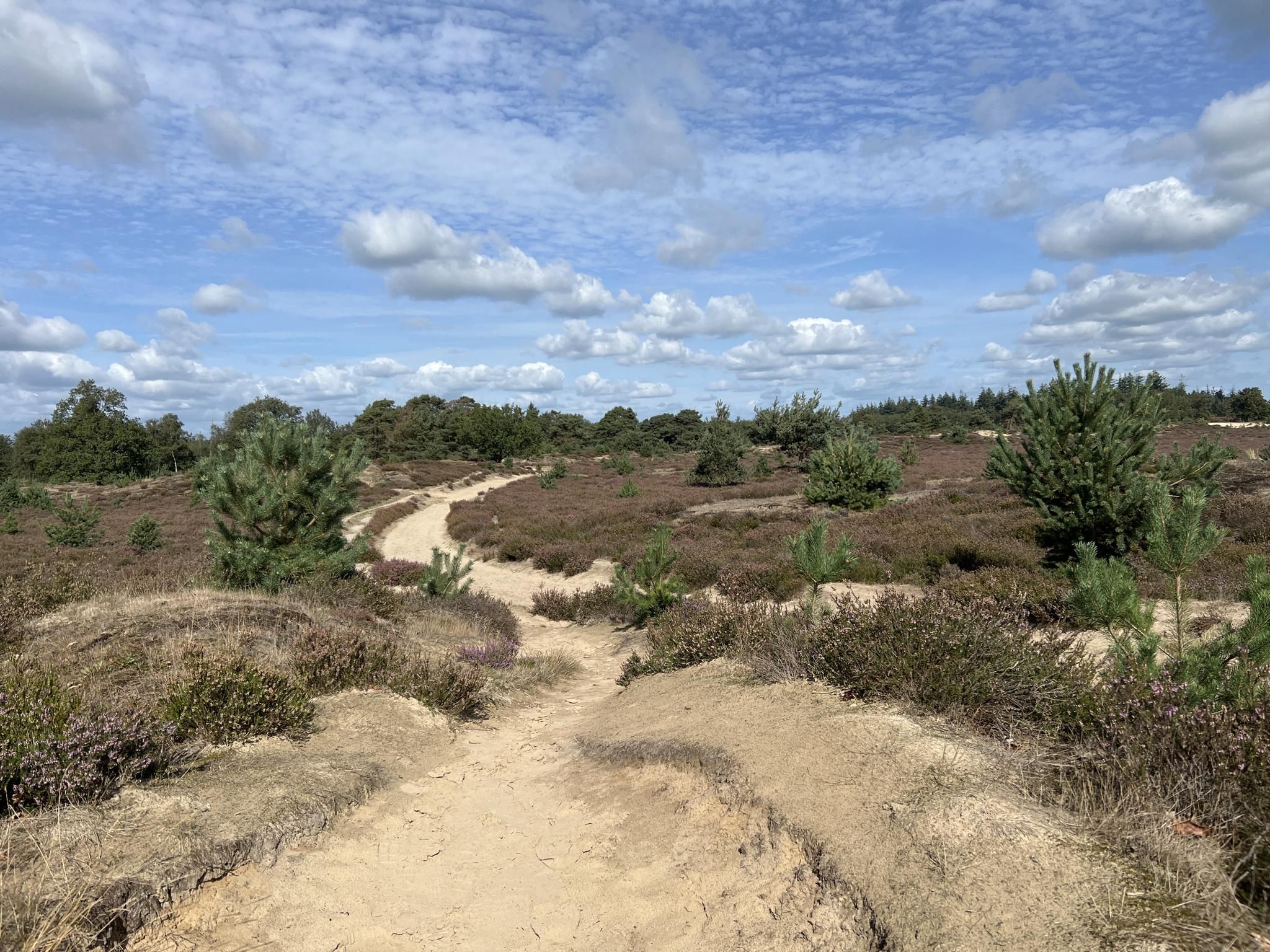
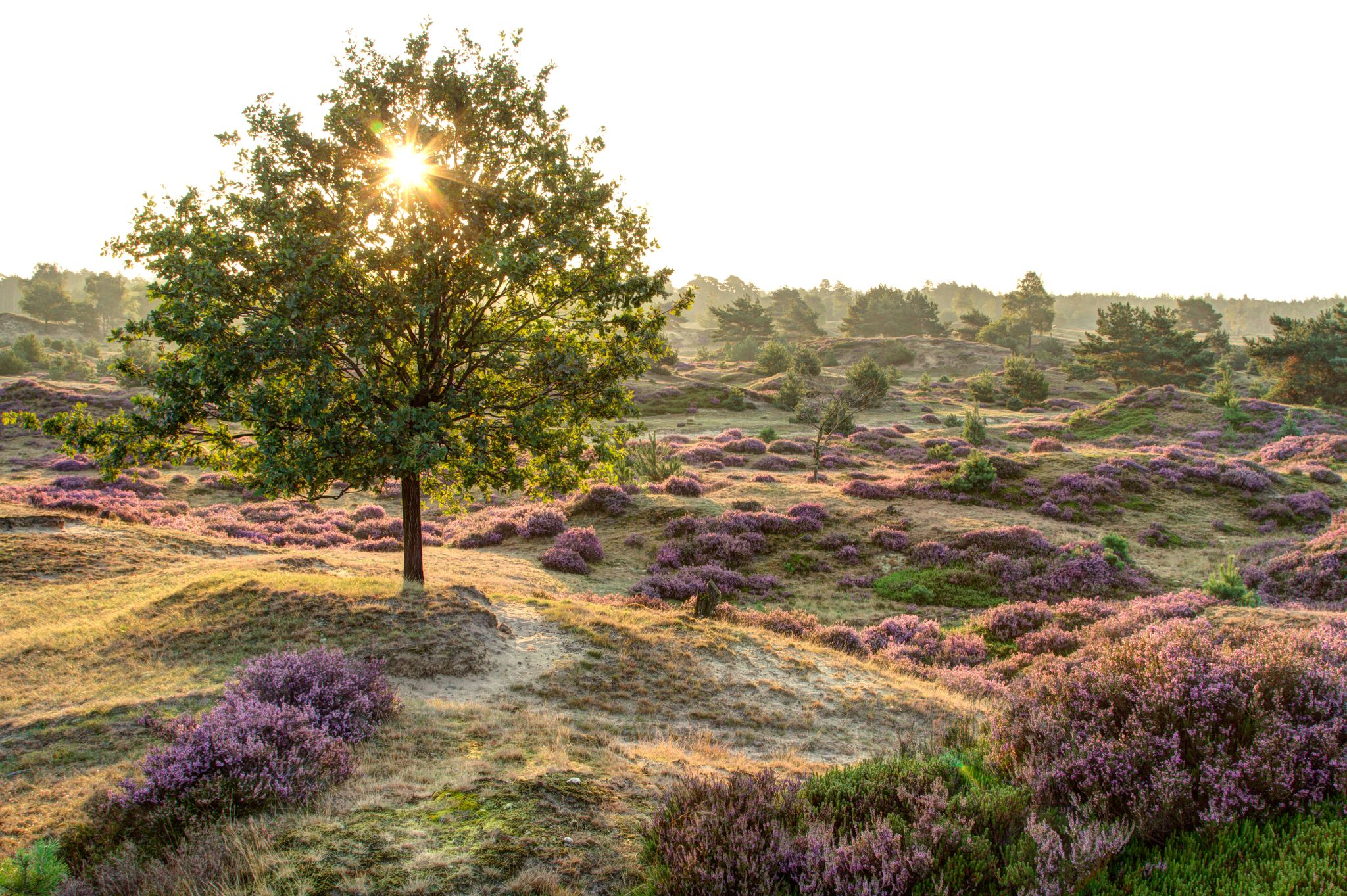
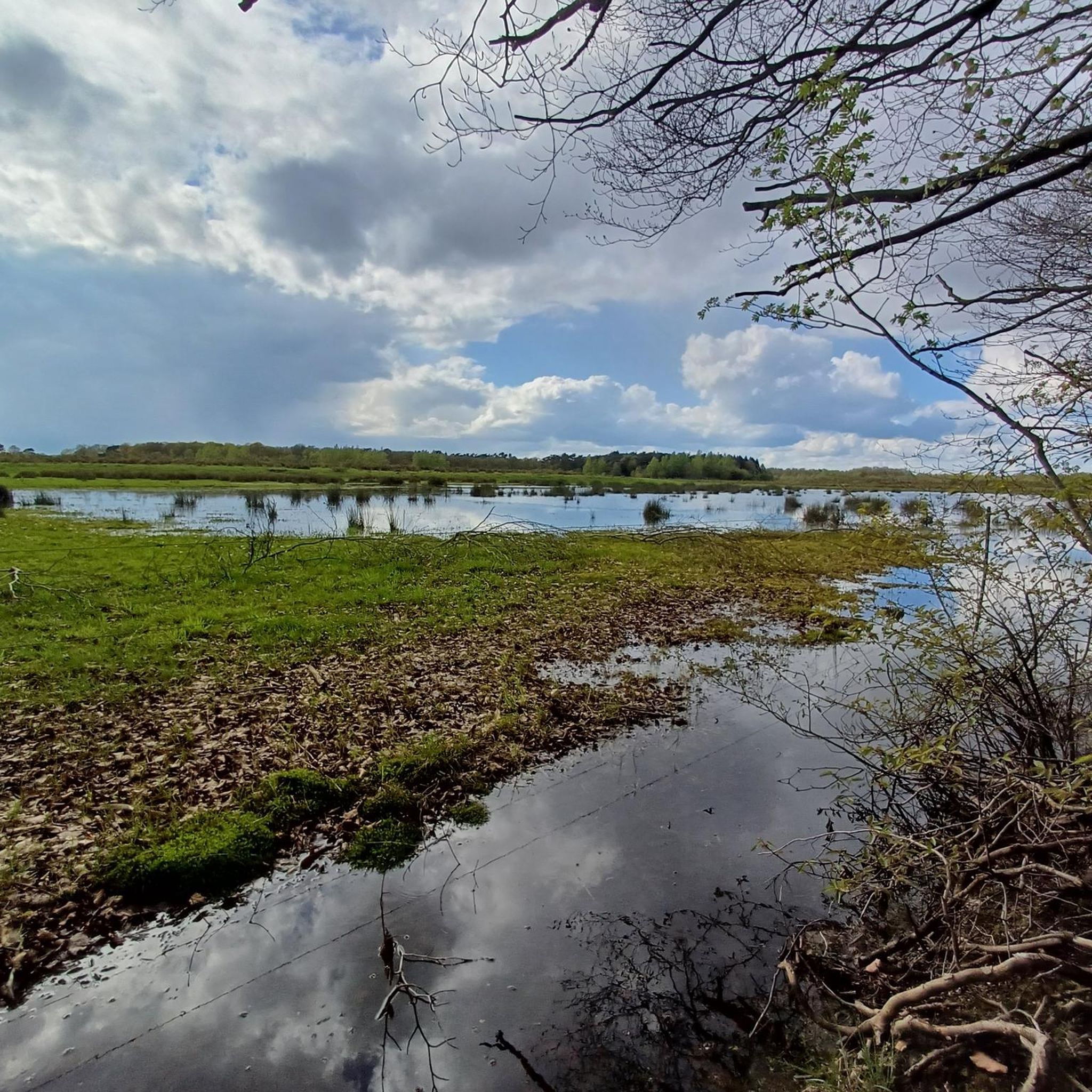
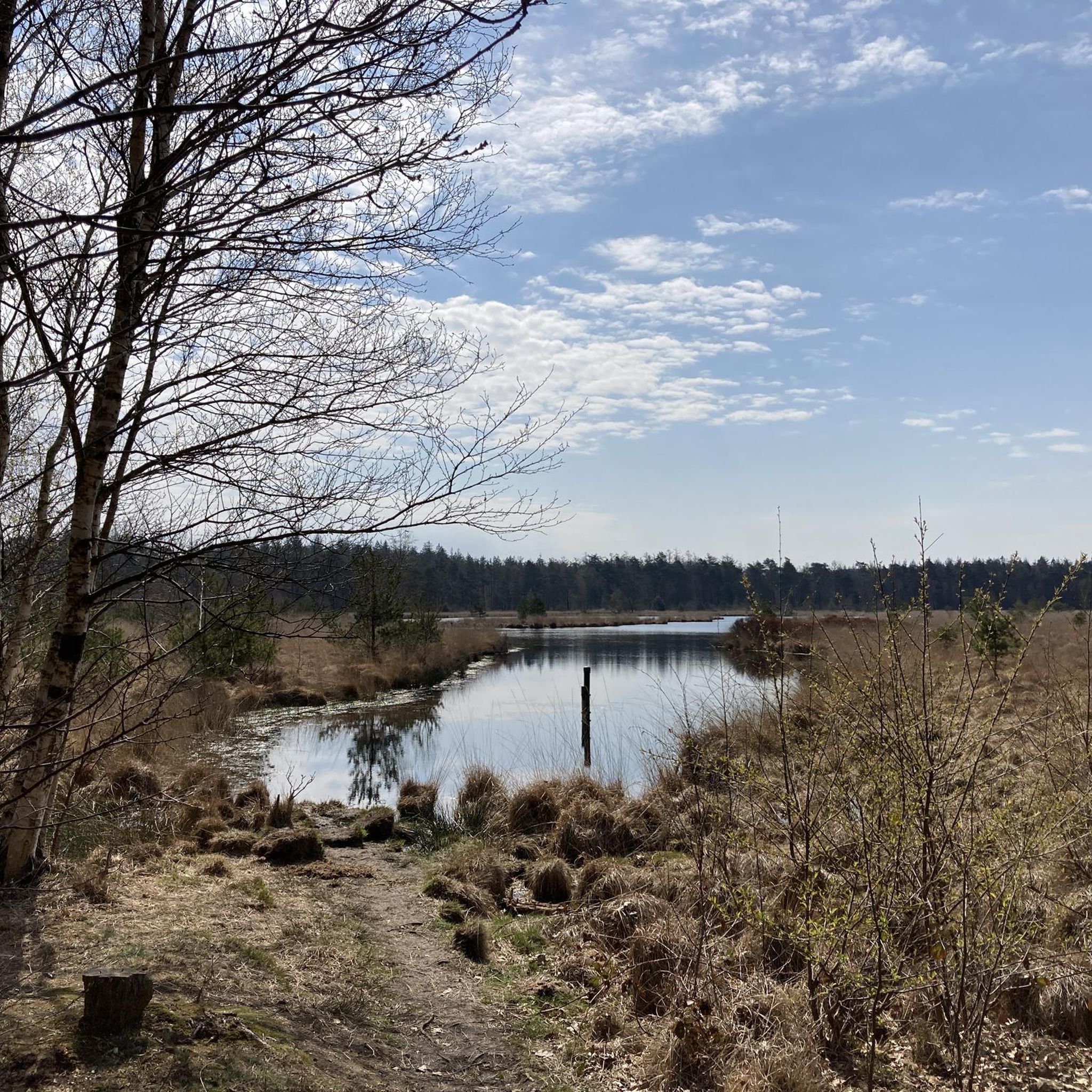
Touring cycling around Drents-Friese Wold offers diverse landscapes across one of the largest continuous forested areas in the Netherlands. The region features extensive woodlands, open heathlands, and unique drifting sands. Cyclists will encounter tranquil ponds, marshes, and fens, alongside lush stream valleys and interspersed grasslands. The terrain is generally gentle, with minimal elevation changes, making it suitable for various cycling abilities.
Best touring cycling routes around Drents-Friese Wold
- The most popular touring cycling route is Fochteloërveen Nature Reserve – Colonies…
Last updated: October 8, 2026
4.7
(72)
386
riders
Moderate bike ride. Good fitness required. Mostly paved surfaces. Suitable for all skill levels.
4.6
(30)
183
riders
Easy bike ride. Great for any fitness level. Mostly paved surfaces. Suitable for all skill levels.

4.6
(37)
126
riders
Moderate bike ride. Good fitness required. Mostly paved surfaces. Suitable for all skill levels.
4.6
(11)
99
riders
Moderate bike ride. Good fitness required. Mostly paved surfaces. Suitable for all skill levels.
4.5
(17)
116
riders
Easy bike ride. Great for any fitness level. Mostly paved surfaces. Suitable for all skill levels.
Get access to more routes and recommendations from other explorers.
Already have an account?
Our route recommendations are based on thousands of hikes, rides, and runs completed by other people on komoot.
Start today with a free account
Your next adventure awaits.
Popular around Drents-Friese Wold


Tips from the Community

As of September 2026, the viewpoint is dilapidated and therefore cordoned off.
0
0
The "Nationaal Park Drents-Friese Wold" is a 6150-hectare contiguous nature area on the border of the Dutch provinces of Friesland and Drenthe. The National Park is one of the largest of the 21 existing parks in the Netherlands and consists of forest, heathland, and drifting sand areas. Its closed forest area is the second largest in the Netherlands. It is bordered by Appelscha in the southeast of Friesland and Doldersum, Diever, Hoogersmilde, Wapse, and Vledder in Drenthe. The Drents-Friese Wold area was declared a National Park in 2000. The park is operated by the state forestry administration (Dutch: Staatsbosbeheer), the association for nature monuments (Natuurmonomenten), the Het Drentse Landschap foundation, and the Maatschappij van Weldadigheid foundation. Only a very small part of the area is still privately owned. The National Park has a visitor center in Appelscha and Diever, as well as information boards at the park's six large parking lots. Over 130 kilometers of hiking trails are signposted. The network of very good cycling paths is similarly extensive. Source: partly Wikipedia
0
0
Since 1882, the octagonal gallery corn mill 'De Vlijt' has stood here. When it was built, it was about relocating a Frisian polder mill. This mill was rebuilt in Oldendiever by the mill builder Ritzen from Diever. A predecessor built in 1879 by mill builder H. Wiersma from Scheemda had burned down in 1881. During the reconstruction, many wooden parts from the burned-down mill were reused. As a result, burn marks are still visible on many beams today; especially on the beams of the stone hull. On December 22, 1942, the gallery collapsed during the turning. From then on, it was no longer possible to grind with wind power, and the mill became dilapidated. A major restoration took place in 1955/1956. Since the mill was not used for grinding afterwards, it became dilapidated again. In 1979, the mill was sold to the municipality of Diever without the residential house. After an extensive restoration, the mill was put back into commercial operation. We had a very interesting guided tour in German. Tours are possible on Saturdays or by appointment.
0
0

The small white wooden church was erected in a very short time. On October 18, 1904, the first stone was laid (the inside of the wooden church consists of a half-stone wall), on December 14, the first church service took place. Busy In the sixties of the last century, the church was so busy that two services were held to accommodate everyone. In 1968, an extension was added to the church. For this, the entire facade was moved forward. But even in the years that followed, the church building was quickly too small again and an army tent was attached to the building to provide shelter for people. In the eighties, 120 people visited the small church weekly. All Protestants feel at home here The numbers stand in stark contrast to the current situation, where the church only has nine members.
0
0

The smallest wooden chapel (hall church) in Drenthe. Built in 1904. The chapel houses a state-protected cabinet organ. https://kennis.cultureelerfgoed.nl/index.php/Monumenten/507281
1
0
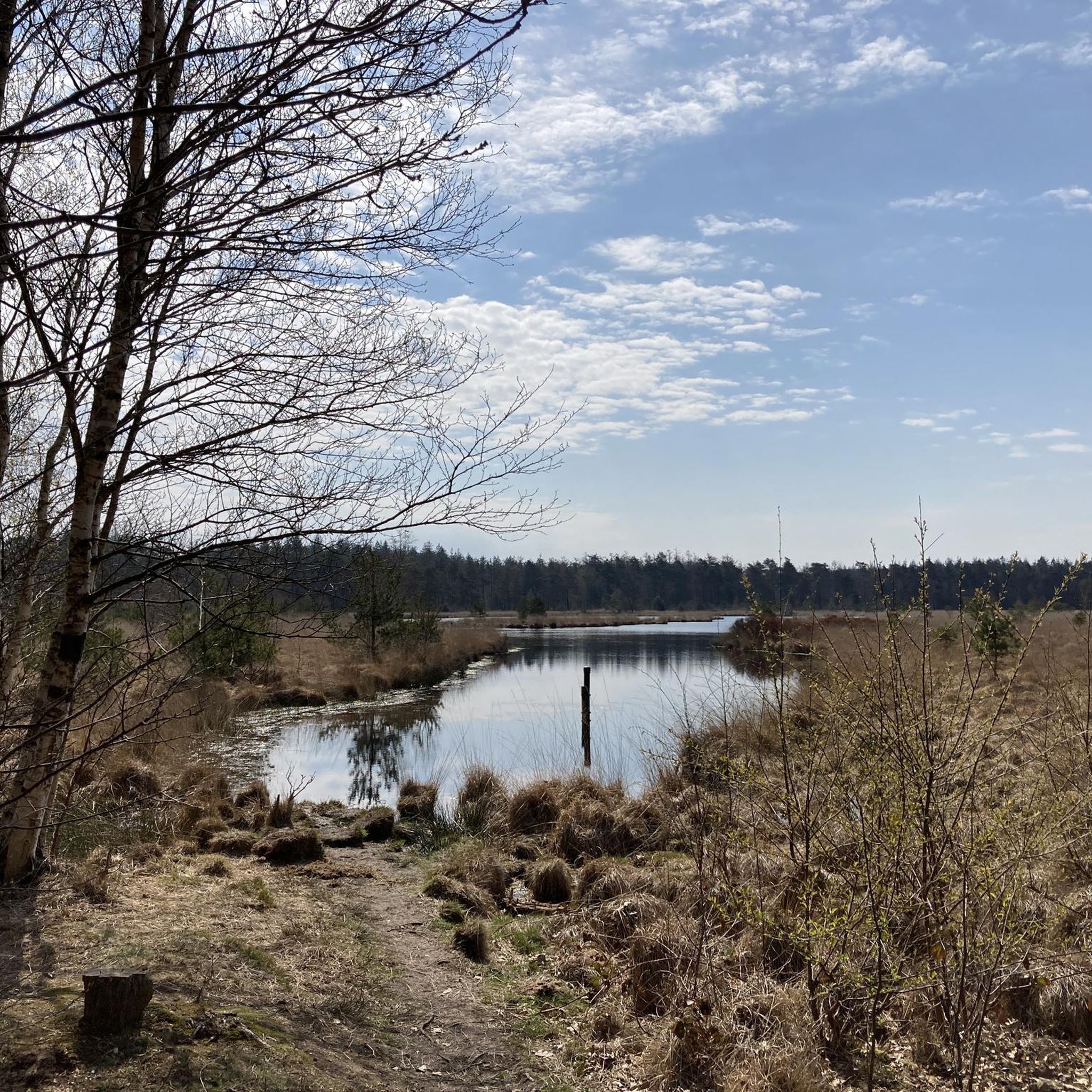
The Fochteloërveen is a vast and rare raised bog area of 2500 hectares on the border of Friesland and Drenthe, near Veenhuizen and Appelscha. The area is known for its expansive landscape and is one of the last places in Western Europe where living raised bog still grows and is being restored.
0
0

The National Prison Museum has been located at its current site in Veenhuizen since 2005; the only remaining non-free institution of the Society of Benevolence, a UNESCO World Heritage site since 2021. The 1823 building is one of the few tangible reminders from the era of the Colonies of Benevolence in the village. In addition to permanent and temporary exhibitions, the Prison Museum offers engaging activities for young and old. From a visit to a notorious disciplinary prison, a ride through the village with the old Boevenbus (crooks' bus), to in-depth events and activities. See also: https://gevangenismuseum.nl/
1
0
The building was erected as a barracks for the Royal Marechaussee in 1886, commissioned by the Ministry of Justice. The design is by W.C. Metzelaar. Above the entrance door is a keystone with Metzelaar's initials and the years 1886 and 1902. The latter year presumably indicates internal modifications to the building as a barracks for infectious diseases. Some later renovations concern the interior and changes to the north side facade and the extension on the west rear facade. These interventions fall outside the protection.
1
0
Frequently Asked Questions
What is the general terrain like for touring cycling in Drents-Friese Wold?
The Drents-Friese Wold offers a remarkably varied landscape for touring cyclists. You'll encounter extensive woodlands, open heathlands, and unique drifting sands like the Aekingerzand Sand Dunes. The terrain is generally gentle with minimal elevation changes, making it accessible for various cycling abilities. While many routes are on paved surfaces, some may include unpaved segments suitable for gravel biking.
Are there touring cycling routes suitable for beginners or families in Drents-Friese Wold?
Yes, Drents-Friese Wold is very welcoming for beginners and families. The region features many easy routes with gentle terrain and minimal elevation. For example, the Drents-Friese Wold – Dolmen D52, Diever loop from Langedijke is an easy 17.6-mile (28.4 km) path that passes historical sites, perfect for a relaxed family outing.
How many touring cycling routes are available in Drents-Friese Wold?
There are over 50 touring cycling routes available in Drents-Friese Wold, catering to a wide range of preferences and abilities. This includes 37 easy routes, 12 moderate routes, and a few more challenging options.
What kind of natural attractions can I see along the touring cycling routes?
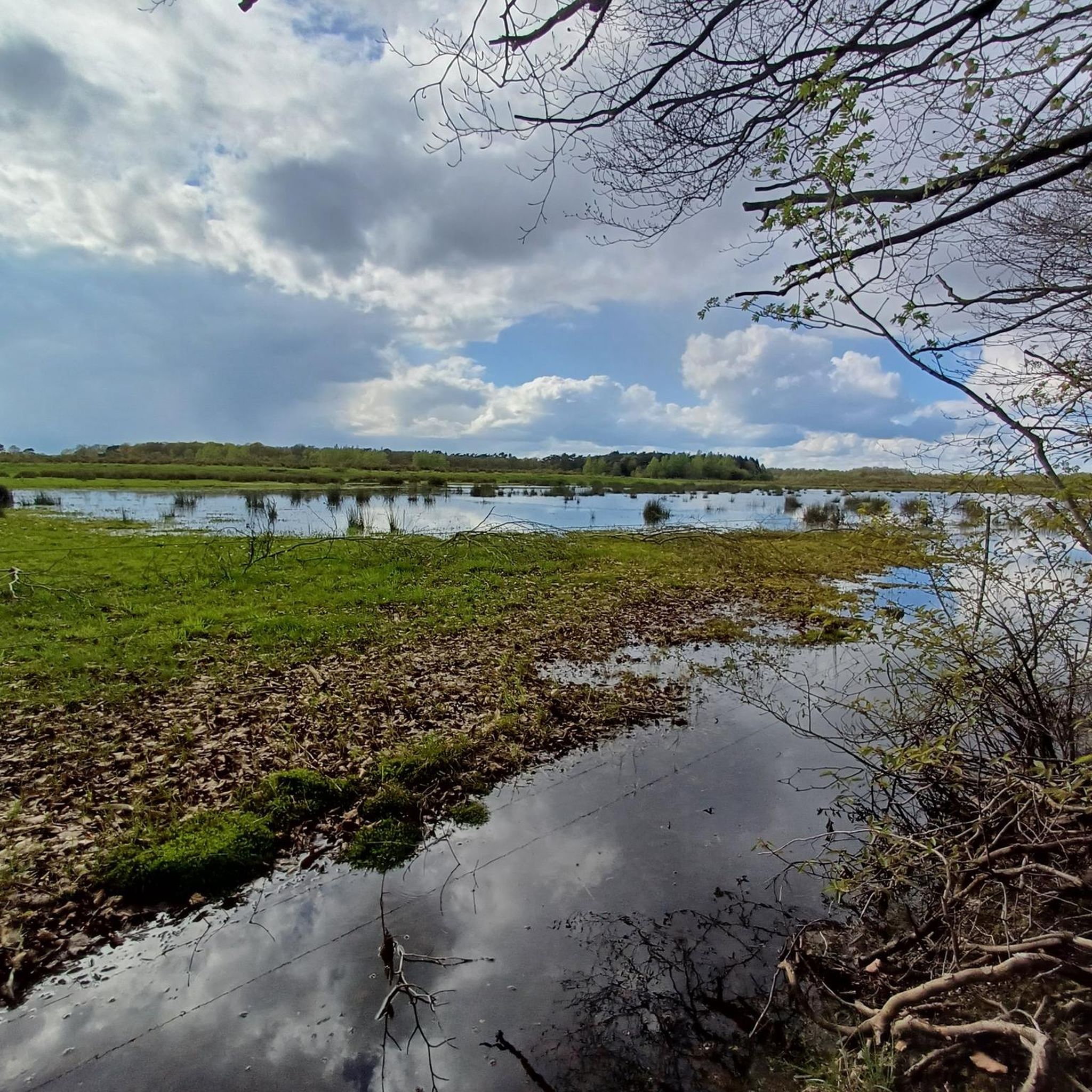
Drents-Friese Wold is rich in natural beauty. Cyclists can explore tranquil ponds like Grenspoel and Ganzenpoel, vast heathlands that turn purple in autumn, and dynamic drifting sands. The Vledder Aa brook creates lush stream valleys, and you might even spot rare plant species or local wildlife like roe deer and pine martens.
Are there any historical landmarks or points of interest to visit while cycling?
Absolutely. The park integrates several historical elements. You can cycle past the prehistoric Hunebed D52 near Diever, offering a glimpse into the region's past. Other historical sites include Hiding place and the Tracks in the Field Archaeological Experience Point.
What do other touring cyclists enjoy most about Drents-Friese Wold?
The area is highly rated by the komoot community, with an average score of 4.6 stars from over 250 reviews. Cyclists often praise the diverse landscapes, from extensive forests to open heathlands and unique drifting sands, as well as the well-maintained cycling paths that allow for immersive nature experiences. The variety of routes, catering to different skill levels, is also frequently highlighted.
Are there any circular touring cycling routes in Drents-Friese Wold?
Yes, many of the touring cycling routes in Drents-Friese Wold are designed as circular loops, allowing you to start and end at the same point. Examples include the Drents-Friese Wold – Pond in Drents-Friese Wold loop from Drents-Friese Wold & Leggelderveld and the Drents-Friese Wold – Aekingerbroek loop from Boswachterij Appelscha.
Where can I park my car when starting a touring cycling route in Drents-Friese Wold?
Drents-Friese Wold has several designated parking areas, often near visitor centers or trailheads, making it convenient to start your cycling tour. Popular starting points like Boswachterij Appelscha or near Diever usually offer ample parking facilities.
What is the best season for touring cycling in Drents-Friese Wold?
The Drents-Friese Wold is beautiful year-round, but spring and early autumn are particularly recommended for touring cycling. In spring, the forests are lush and green, while early autumn brings vibrant colors to the heathlands and woodlands. Summer is also pleasant, offering shaded routes through the extensive forests.
Are there any longer touring cycling routes for more experienced cyclists?
Yes, for more experienced cyclists looking for a longer ride, routes like the Drents-Friese Wold – De Zaandplatte Windmill loop from Drents-Friese Wold & Leggelderveld offer a substantial challenge. This moderate 45.5-mile (73.2 km) route provides an extended exploration of the region's diverse landscapes.
Can I combine my cycling trip with public transport in Drents-Friese Wold?
While the park is primarily accessed by car, some villages bordering Drents-Friese Wold have limited public transport connections. It's advisable to check local bus schedules in advance if you plan to combine your cycling trip with public transport, as services might be infrequent, especially on weekends.
Are there observation towers or viewpoints along the cycling routes?
Yes, you can pause your journey to climb observation towers at locations like Doldersummerveld and Aekingerzand, offering panoramic views of the heathlands and drifting sand plains. The Bosberg tower near Appelscha, standing on the highest point of the Frisian mainland, provides a sublime view of the surroundings.
Most popular routes around Drents-Friese Wold
Most popular attractions around Drents-Friese Wold

Get inspired with the komoot mobile app


Explore more
Browse the best Cycling routes in other regions.
