The best gravel rides around Drents-Friese Wold
4.6
(73)
1,394
riders
82
rides
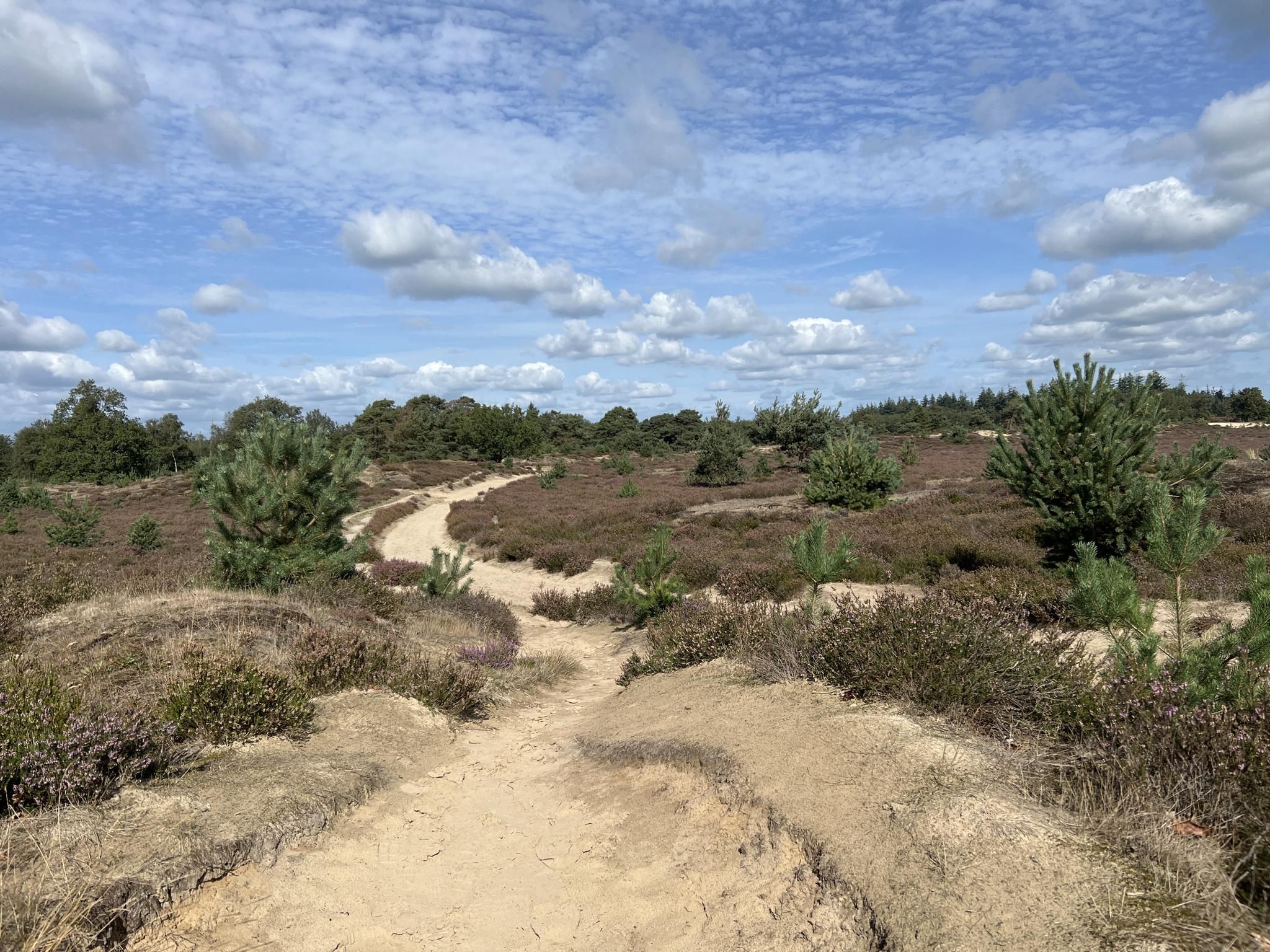
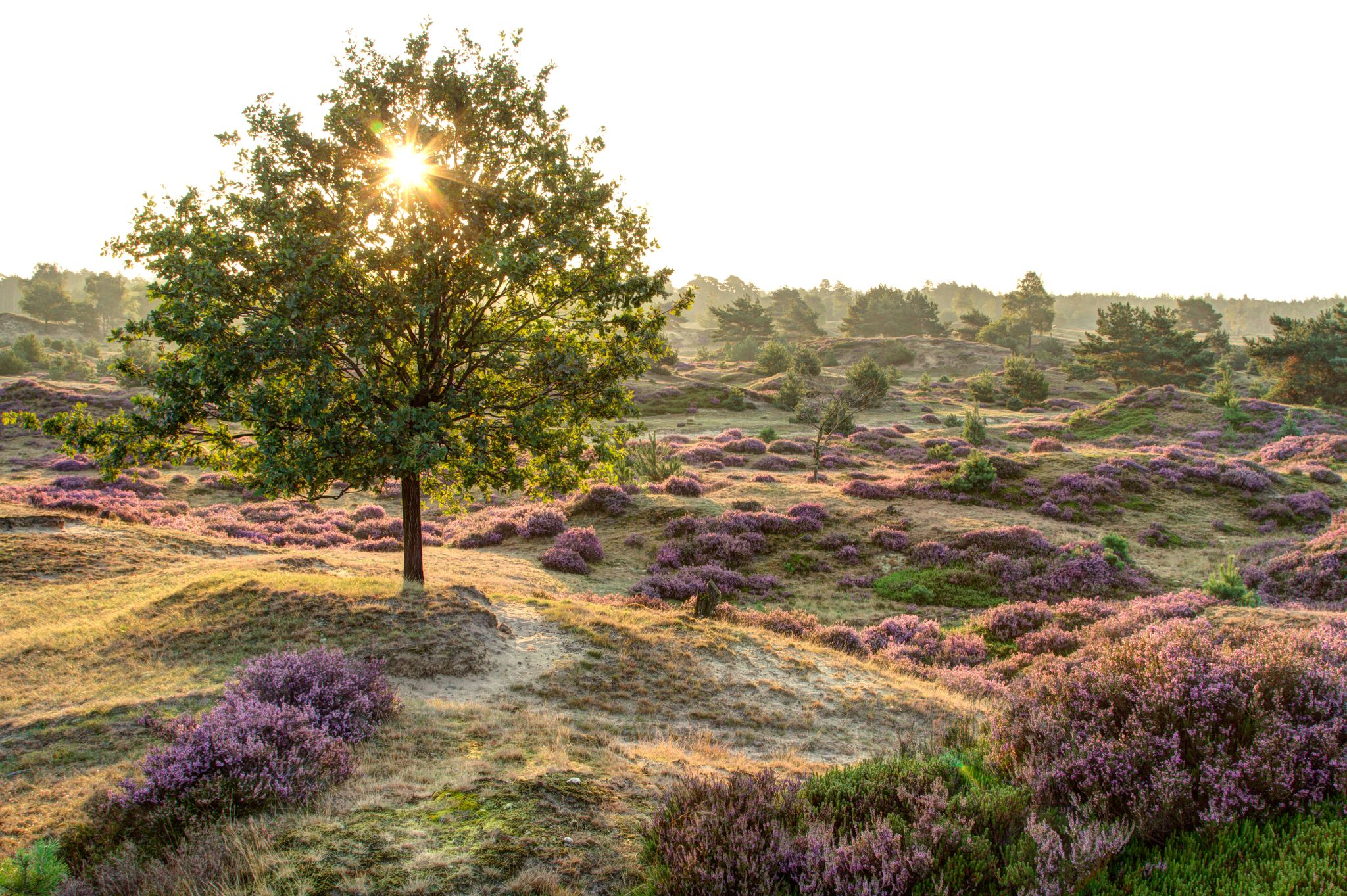
Gravel biking around Drents-Friese Wold offers routes through a landscape characterized by extensive forests, open heathlands, and sandy areas. The region features gently rolling terrain with minimal elevation changes, making it suitable for varied gravel biking experiences. National parks like Dwingelderveld and Drents-Friese Wold provide a network of unpaved paths and forest tracks.
Best gravel bike trails around Drents-Friese Wold
- The most popular gravel bike trail is Dwingelerveld National Park loop from Geeuwenbrug, a 43.2 miles (69.5 km) trail…
Last updated: June 5, 2026
4.7
(9)
99
riders
69.5km
04:49
80m
70m
Hard gravel ride. Good fitness required. You may need to push your bike for some segments of this route.
4.0
(1)
86
riders
46.4km
03:25
70m
70m
Moderate gravel ride. Good fitness required. Mostly paved surfaces. Suitable for all skill levels.

Sign up for free
18
riders
28.1km
01:58
40m
40m
Easy gravel ride. Great for any fitness level. Mostly paved surfaces. Suitable for all skill levels.
46
riders
Hard gravel ride. Good fitness required. You may need to push your bike for some segments of this route.
13
riders
64.0km
03:22
80m
80m
Moderate gravel ride. Good fitness required. Mostly paved surfaces. Suitable for all skill levels.
Get access to more routes and recommendations from other explorers.
Sign up for free
Already have an account?
Our route recommendations are based on thousands of hikes, rides, and runs completed by other people on komoot.
Start today with a free account
Your next adventure awaits.
Login or Signup
Popular around Drents-Friese Wold


Tips from the Community

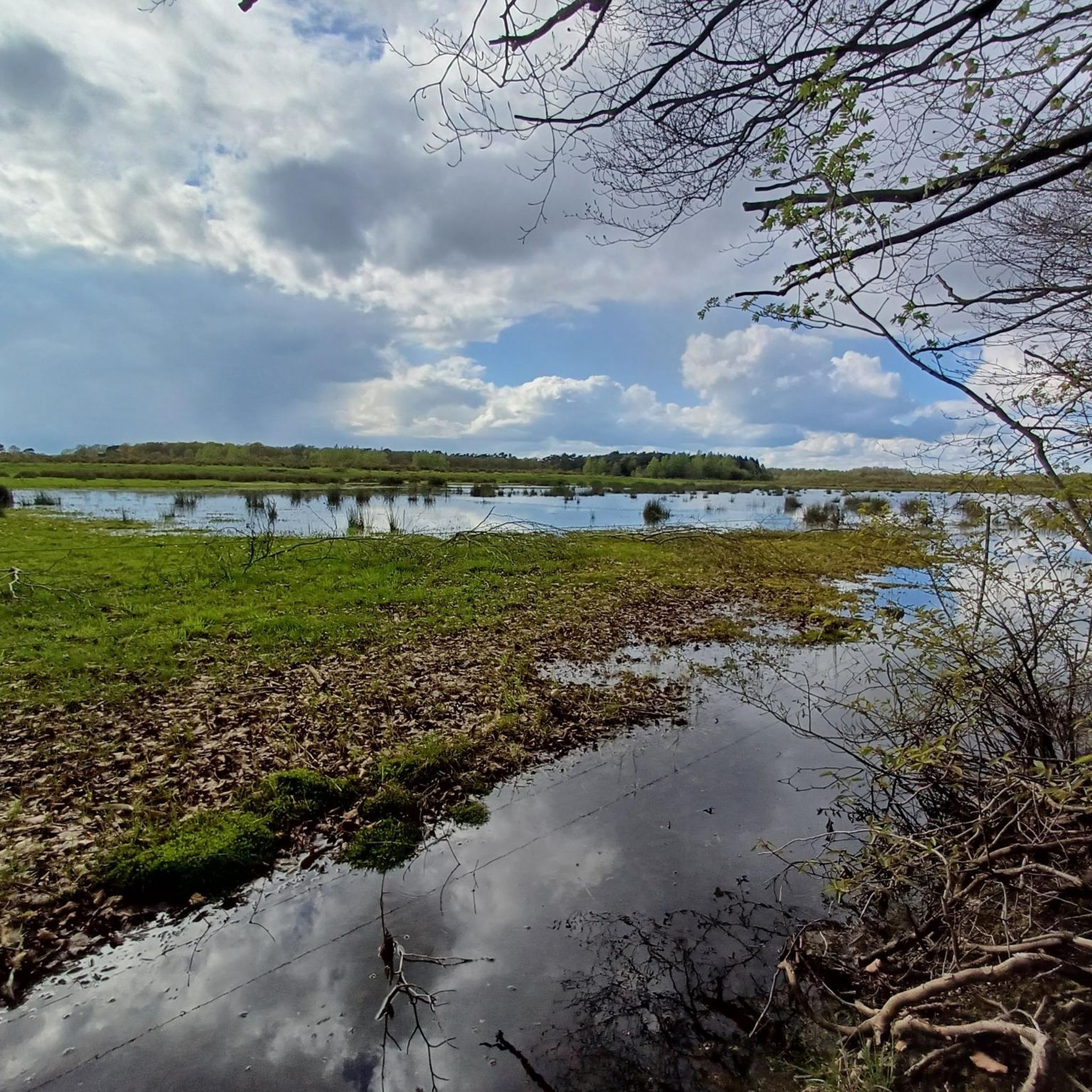
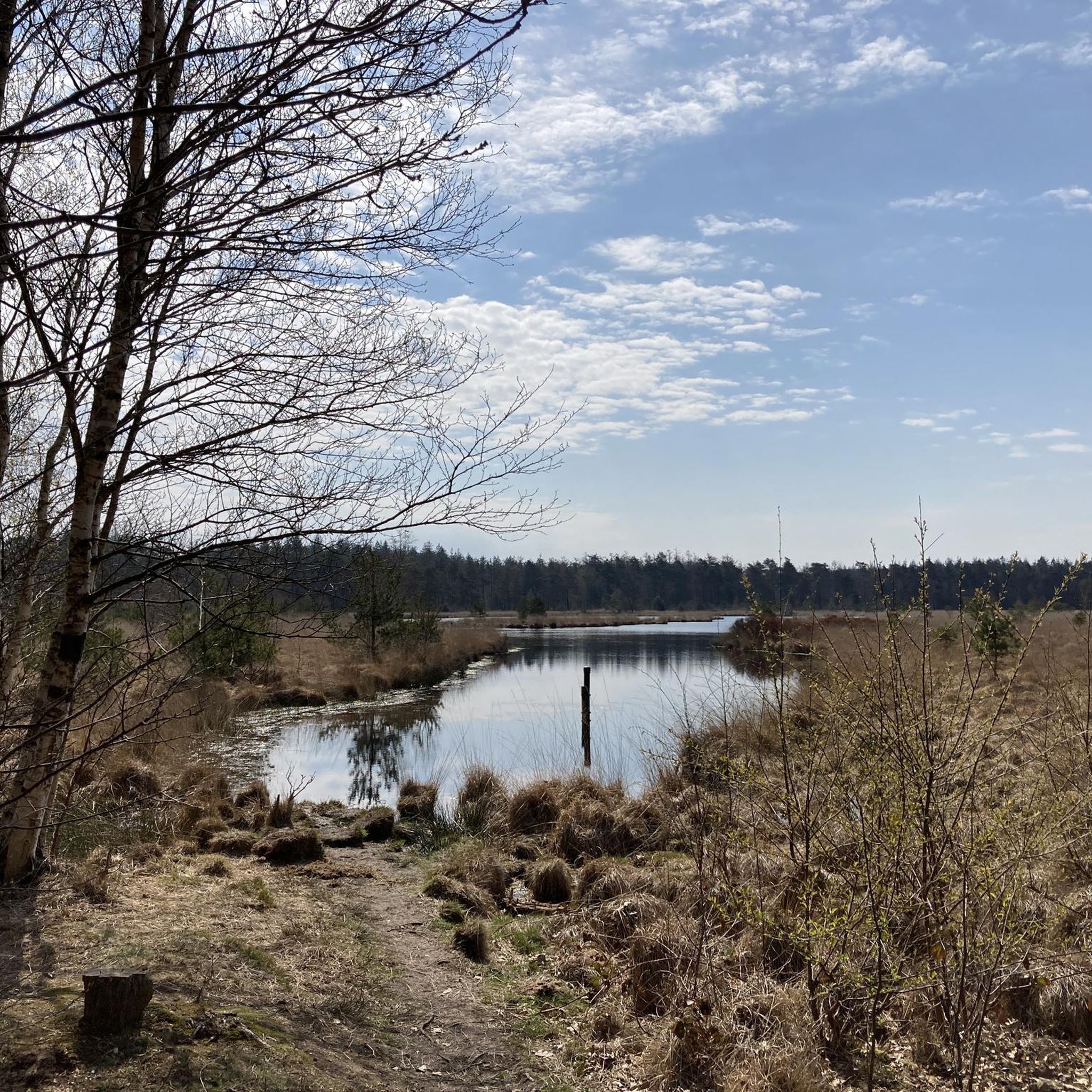
A route that combines beautiful scenery, occasionally technical trails, and some flowy tracks. Unfortunately, there are no grazers in this area anymore due to the wolf, although a herd of horses is said to live there. Incidentally, I've never seen a wolf there.
0
0

The route is no longer cycleable. There are many trees on the path, and the paths are closed.
1
0

The second-largest dolmen in the Netherlands can be found in Havelte. Dolmen D53 is the only dolmen damaged during the war. The German air force wanted to build an airfield at this location, so the stones were moved. The airfield was bombed to pieces, and the dolmen was excavated and reassembled. The dolmen is approximately 18 meters long, almost complete, and lies on the edge of a heathland. Along with dolmens D54 and D52, it is one of the few in this part of Drenthe. Dolmen D54 is slightly smaller than D53. It lies in the middle of a small sandy plain surrounded by grass. It is a beautiful walking area around these dolmens, as the small sandy plain is surrounded by heathland, small forests, and meadows. Dolmen D53 and D54 are a must-see on your dolmen tour because they are complete, well-maintained, and impressive. If you're coming from Havelte, you can follow the main road, which will take you past a side road. If you take this, the dolmen is almost immediately on your left. Continue driving a little further, and you'll find dolmen D54. Source: https://www.drenthe.nl/locaties/1800662783/hunebed-d53-en-d54-1
1
0

D52 is a medium-sized dolmen consisting of six capstones, three of which rest on, and 3 between, the fourteen side stones. Furthermore, there are two closing stones and one portal stone. The position of the other portal stone is marked with a lead seal. One capstone is missing. During the inventory by Van Giffen in 1918, the dolmen was described as being "in a completely dilapidated state". The stones lying scattered here and there no longer deserved the name dolmen. Under his leadership, the dolmen was thoroughly restored in 1953/54, during which most of the side stones had to be re-erected and secured. Archaeologists today believe that Van Giffen went too far in his restoration zeal. For example, he could no longer determine the function of six stones himself, and even the original number of capstones was unknown to him. Nevertheless, there is now a virtually complete dolmen again. However, it is more the result of guesswork than of a responsible restoration. In November 2008, 3 capstones were defaced with blue paint. The damage was repaired as well as possible shortly thereafter. In early April 2011, a fire was lit in the burial chamber, causing a large crack in one of the supporting stones. This will be repaired as soon as possible.
0
0

Landhotel Diever is also located here for a delicious lunch on the way
0
0

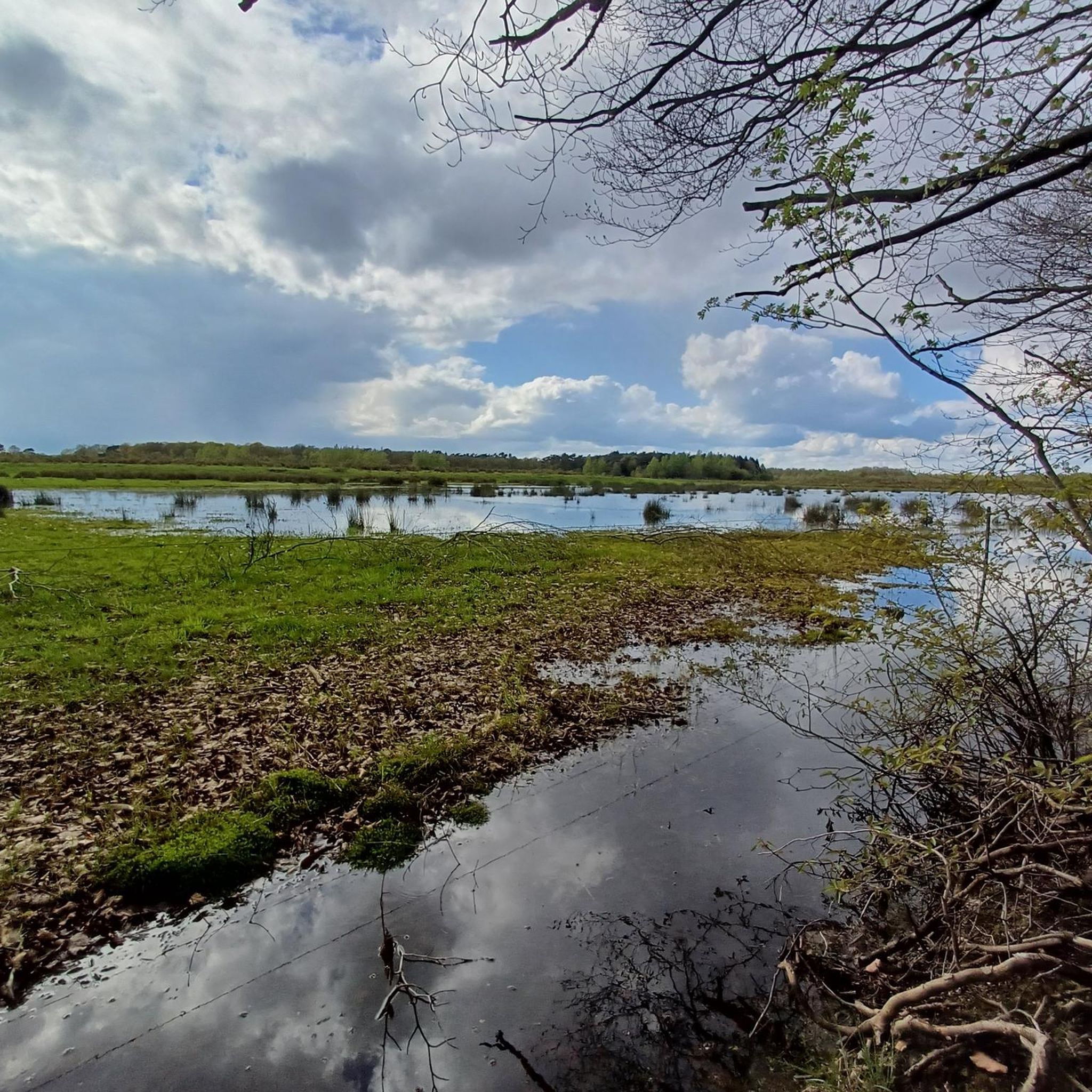
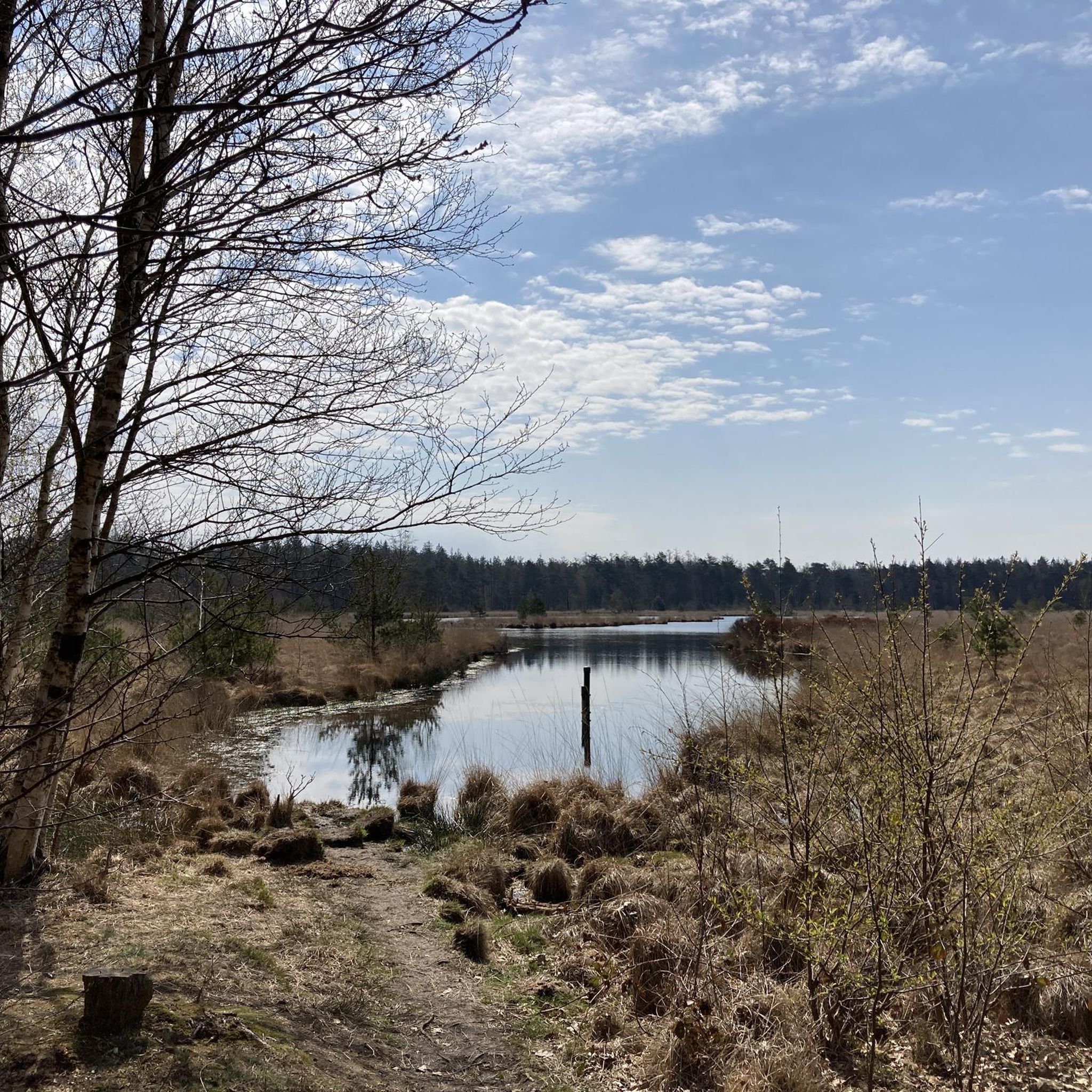
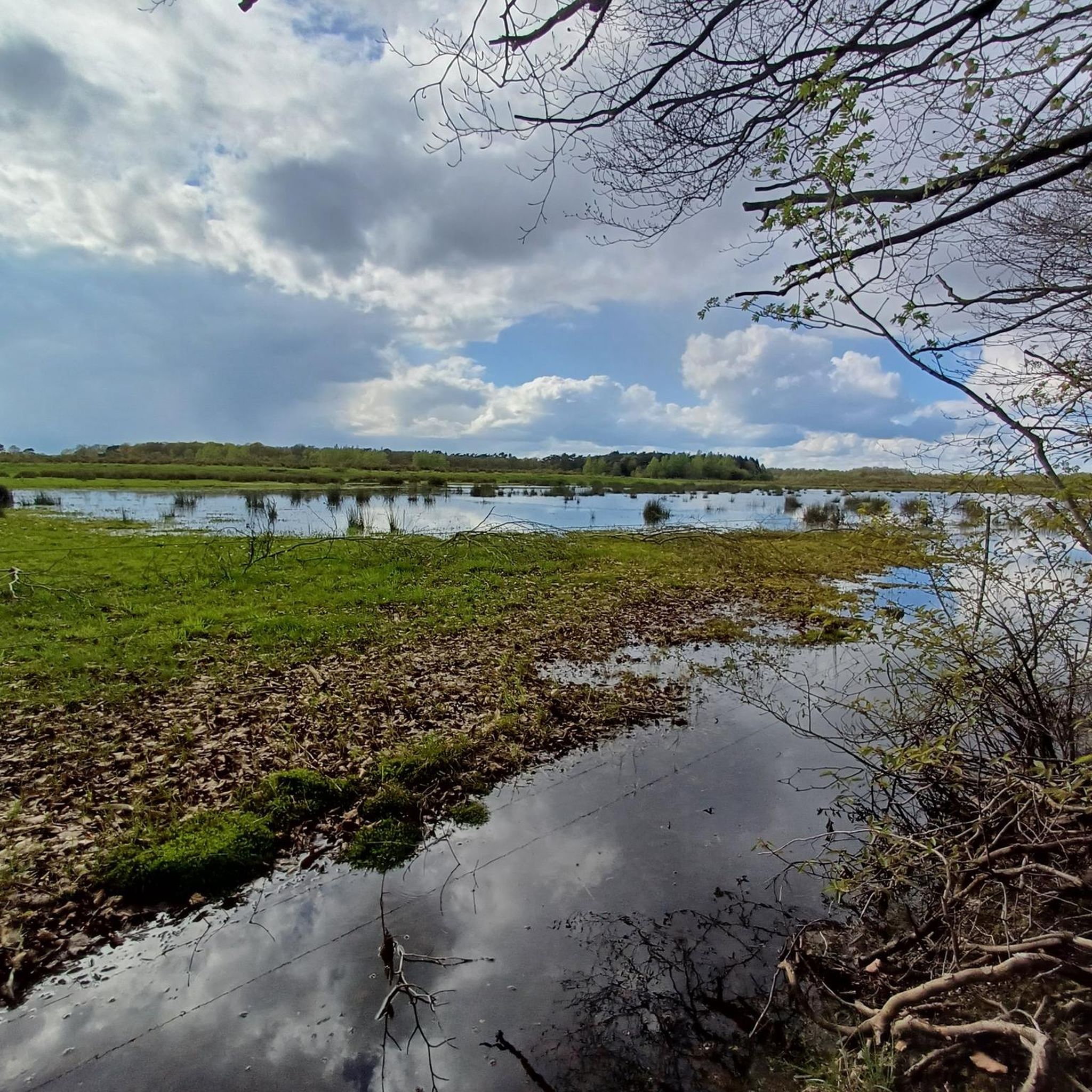
A beautiful, quiet area with heathland, forests and fens. If you are lucky, you will also spot the flock of sheep here.
0
0
Frequently Asked Questions
How many gravel bike trails are available in Drents-Friese Wold?
There are over 90 gravel bike routes available in the Drents-Friese Wold region, offering a wide variety of experiences through forests, heathlands, and sandy areas. These routes cater to different skill levels, from moderate to difficult.
Are there easy gravel bike trails suitable for beginners in Drents-Friese Wold?
Yes, Drents-Friese Wold offers several routes suitable for beginners, characterized by minimal elevation changes and well-maintained paths. While many routes are rated moderate, there are 29 routes specifically categorized as easy. For a good starting point, consider routes that explore the less technical forest tracks.
What are some longer gravel bike routes in the Drents-Friese Wold area?
For those looking for a longer ride, the region offers several extensive routes. The Dwingelerveld National Park loop from Geeuwenbrug is a challenging 43.2-mile (69.5 km) trail. Another option is the Dolmen D53 – Dolmens of Holtingerveld loop from Diever, which covers 39.9 miles (64.2 km) and takes you through varied landscapes.
Are there any family-friendly gravel bike routes in Drents-Friese Wold?
While many routes in Drents-Friese Wold are rated moderate to difficult, there are easier sections and paths suitable for families, especially those with some biking experience. Look for routes that stick to wider forest paths and avoid the more technical singletracks. The region's generally flat terrain makes it accessible for various ages.
Can I find circular gravel bike routes in Drents-Friese Wold?
Absolutely. Most of the gravel bike routes in Drents-Friese Wold are designed as circular loops, allowing you to start and end at the same point. Examples include the Diever sand – Dolmen D52, Diever loop from Diever, a 15-mile (24.2 km) route, and the longer Bosveen – View over Holtingerveld loop from Diever, which is 33.9 miles (54.6 km).
What kind of terrain can I expect on gravel bike trails in Drents-Friese Wold?
The terrain in Drents-Friese Wold is diverse, featuring extensive forests, open heathlands, and sandy areas. You'll encounter a mix of unpaved forest tracks, gravel paths, and some sandy singletracks, particularly in areas like the Aekingerzand. The region has gently rolling terrain with minimal elevation changes, making it ideal for gravel biking.
Are there any interesting sights or landmarks along the gravel bike trails?
Yes, the Drents-Friese Wold region is rich in natural beauty and historical sites. You can explore the vast Drents-Friese Wold National Park itself, or cycle past the unique Aekingerzand Sand Dunes. The area also features ancient burial mounds known as dolmens, such as Hunebed D52, Diever. You might also encounter several tranquil lakes like Grenspoel.
What is the best time of year for gravel biking in Drents-Friese Wold?
The best time for gravel biking in Drents-Friese Wold is generally from spring to autumn (April to October). During these months, the weather is milder, and the natural landscapes are at their most vibrant. Summer offers longer daylight hours, while spring and autumn provide pleasant temperatures and beautiful scenery, especially with the heathlands in bloom.
Where can I find parking for gravel biking in Drents-Friese Wold?
You'll find various parking options near the main entrances to Drents-Friese Wold National Park and its surrounding villages like Diever and Geeuwenbrug. Many trailheads have designated parking areas, often free or with a small fee. Look for signs indicating 'P' (Parkeren) near visitor centers or popular starting points for routes.
Are there any cafe stops or places to refuel along the gravel bike routes?
Yes, several routes pass through or near villages where you can find cafes, restaurants, or shops to refuel. Within the national park itself, options might be limited, so it's always a good idea to carry sufficient water and snacks. Planning your route to include stops in towns like Diever or Dwingeloo will ensure you have opportunities for refreshments.
How do other gravel bikers rate the trails in Drents-Friese Wold?
The gravel biking routes in Drents-Friese Wold are highly rated by the komoot community, with an average score of 4.3 stars from over 50 reviews. Reviewers often praise the diverse landscapes, the quiet woodlands, and the well-maintained unpaved paths that make for an excellent gravel biking experience.
Are there options for advanced gravel bikers looking for a challenge?
Yes, Drents-Friese Wold offers challenging routes for advanced gravel bikers, particularly those that incorporate more technical singletracks and sandy sections. The Drents-Friese Wold – Aekingerzand Singletrack loop from Diever, for example, is a difficult 28.6-mile (46.1 km) path known for exploring the open sand drifts of the Aekingerzand.
Most popular routes around Drents-Friese Wold
Most popular attractions around Drents-Friese Wold

Get inspired with the komoot mobile app


Explore more
Browse the best Gravel rides in other regions.
