Attractions and Places To See around Parque Natural do Douro Internacional - Top 20
Attractions and places to see around Parque Natural do Douro Internacional is a region in northeast Portugal, bordering Spain, characterized by dramatic landscapes and rich biodiversity. The Douro River has carved deep valleys and steep cliffs, creating a unique habitat for diverse flora and fauna. This area is known for its significant cultural heritage, including ancient towns and historical sites. The park offers a blend of natural beauty and cultural exploration.
Best attractions and places to see around Parque Natural…
Last updated: August 9, 2026
The monastery
Highlight • Religious Site
Translated by Google •
Tip by

Ponte Almirante Sarmento Rodrigues
Highlight • Bridge
Translated by Google •
Tip by

Sign up now to discover places like this
Get recommendations on the best single tracks, peaks, & plenty of other exciting outdoor places.
Sign up for free
The ruin
Highlight • Castle
Translated by Google •
Tip by
Yellow Rock Viewpoint
Highlight • Viewpoint
It offers wide panoramic views of the Douro River surrounded …
Translated by Google •
Tip by
Barca d'Alva
Highlight • Settlement
Translated by Google •
Tip by
Sign up for free to discover even more attractions around Parque Natural do Douro Internacional.
Sign up for free
Already have an account?
Start today with a free account
Your next adventure awaits.
Login or Signup
Popular around Parque Natural do Douro Internacional
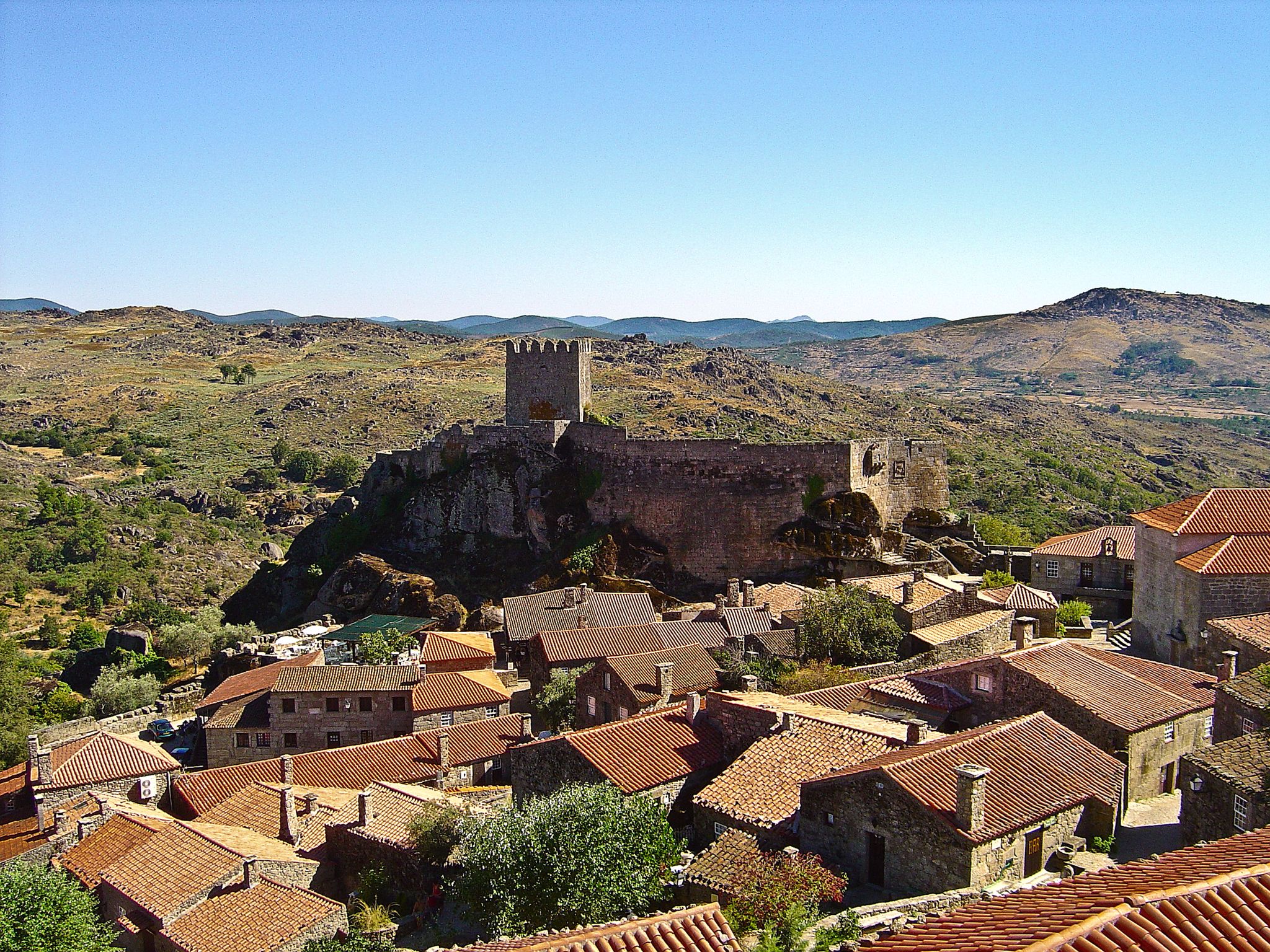
Great Route of Historic Villages (GR 22 north loop) - castles and valleys
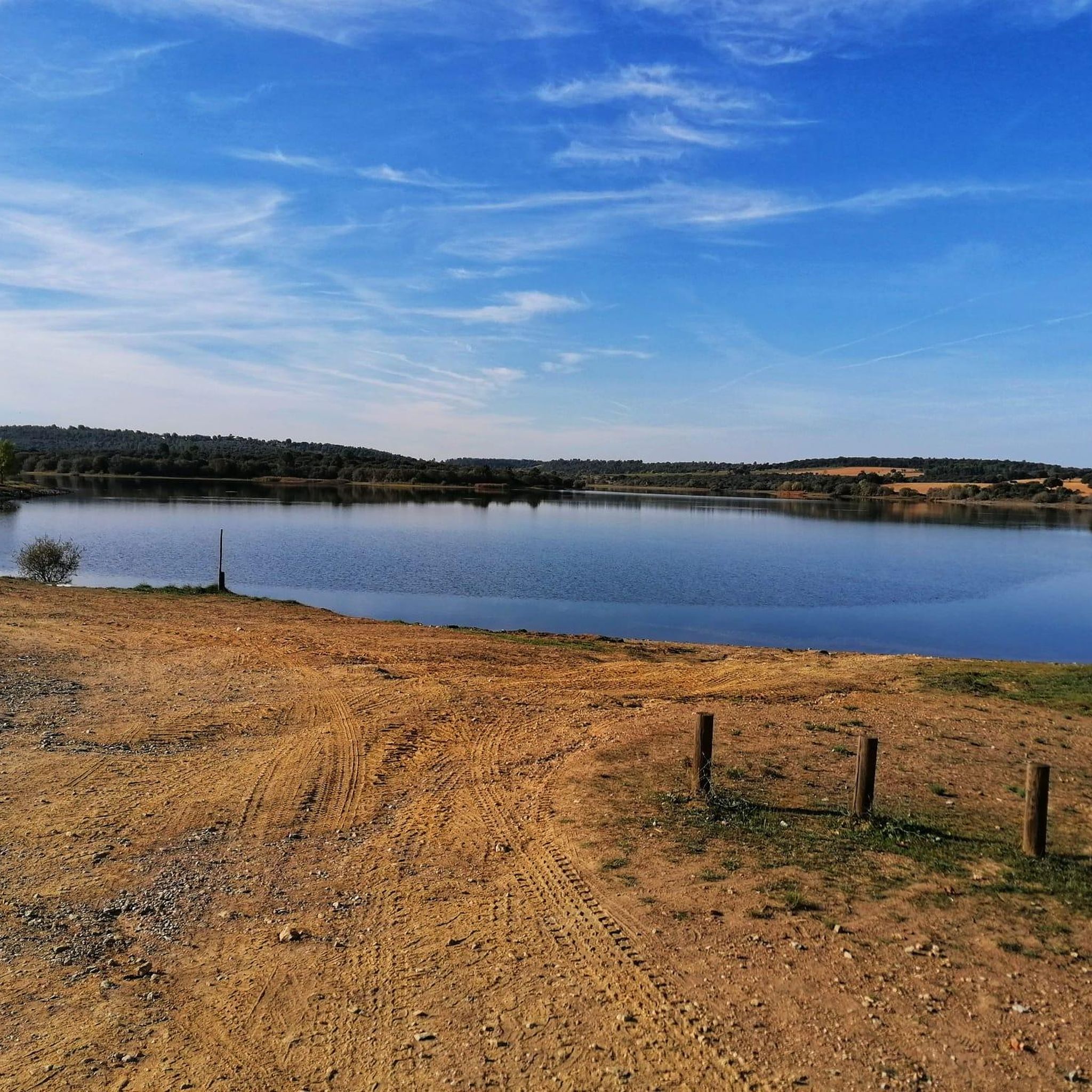
Road Cycling Routes around Parque Natural do Douro Internacional
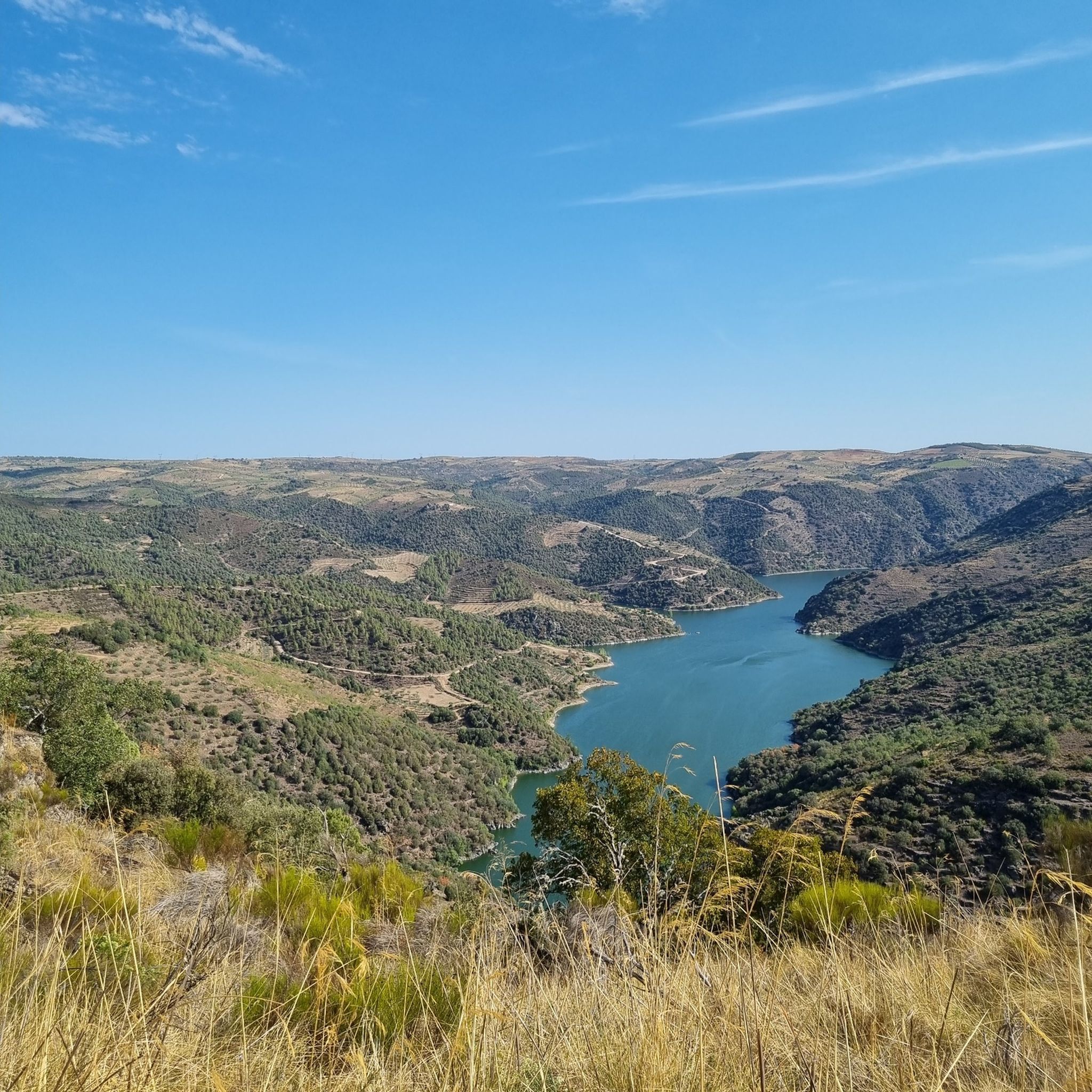
Hiking around Parque Natural do Douro Internacional
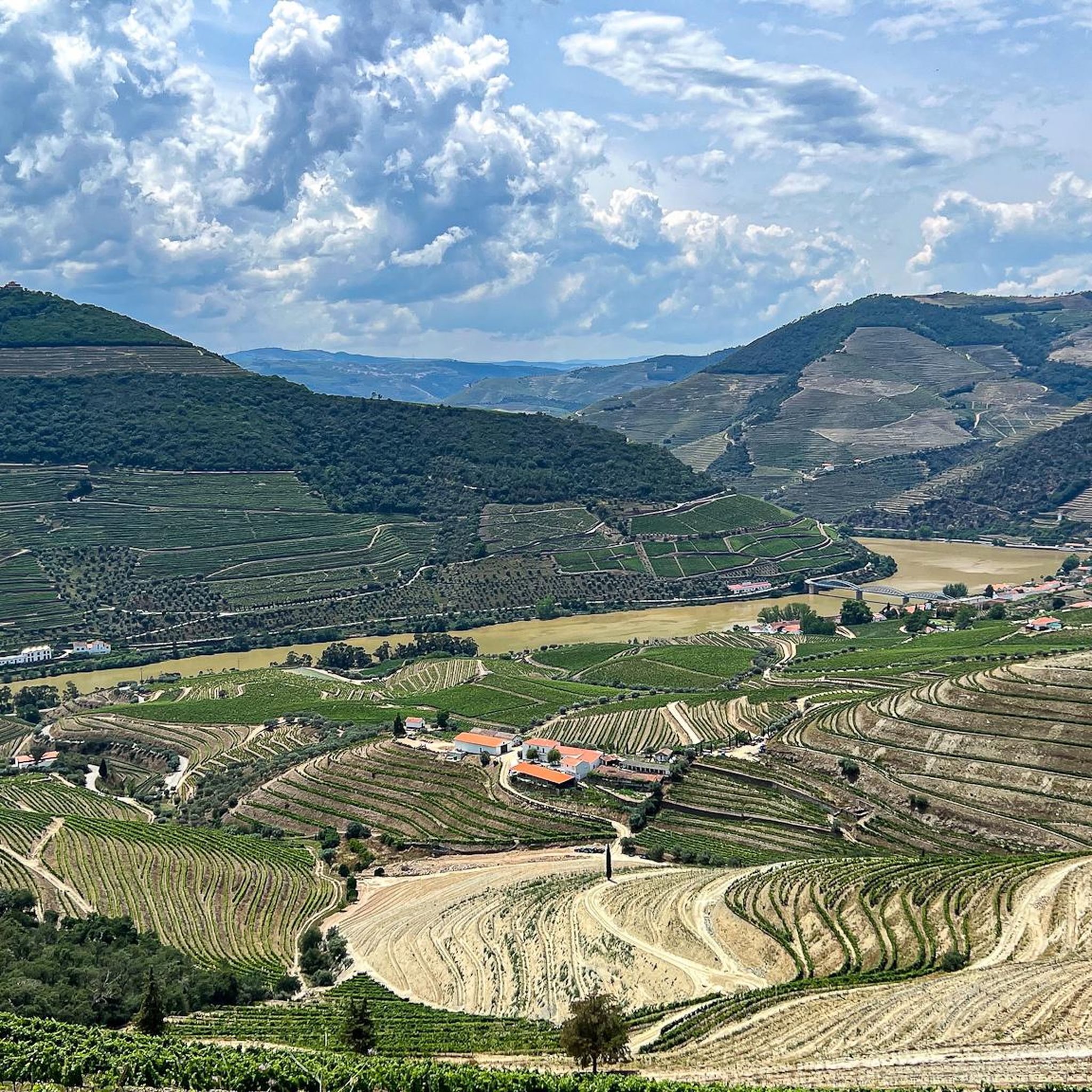
Running Trails around Parque Natural do Douro Internacional
MTB Trails around Parque Natural do Douro Internacional
Cycling around Parque Natural do Douro Internacional
Other adventures around Parque Natural do Douro Internacional

Tips from the Community

Mirador do Penedo Amarelo. It is located on Rua do Penedo Amarelo, in the urban area of Miranda do Douro. It offers wide panoramic views of the Douro River surrounded by green hills, the dam, the historic center and the co-cathedral of Miranda do Douro. It is one of the most outstanding urban viewpoints in the area.
3
0

The bridge was designed and built in 1955 by the renowned Portuguese engineer Edgar Cardoso. It is considered the first motorway bridge in the Portuguese section of the Douro River and is a concrete arch bridge with a length of approximately 300 meters. It is named after the Portuguese naval officer and colonial administrator Almirante Manuel Maria Sarmento Rodrigues, who served as governor of Guinea and Mozambique under the Salazar dictatorship and later became Minister of Colonies.
1
0

The first bishops of Miranda had to live in the Castle. It was only in 1601 that construction began on the Episcopal Palace and the Seminary. When it was completed, more than a century later, its opulence was no less than that of the Cathedral, whose Renaissance style it imitated. The Palace was built around a central courtyard, surrounded by a cloister with lowered arcades, on monolithic columns. And, although badly damaged by successive fires during the 17th and 18th centuries, it was the definitive transfer of the seat of the Diocese to Bragança, in 1780, that caused it to fall into rapid ruin. The shadow of its monumentality can still be seen today in the cloister and on the portico of the Seminary. However, despite its state of ruin, its symbolic power remains because the bishops always continued to engrave their names on the respective memorial, at the entrance to the Renaissance portico of the first Episcopal Palace of the Diocese.
2
1
The castle of Miranda do Douro was built during a second period of settlement and ordering in Trás-os-Montes, which occurred during the reign of King Dinis. The first kings had provided this vast region with administrative units protected by Romanesque castles, called Terras, whose mission was to establish royal authority in an area of the kingdom that was notoriously peripheral. Over time, this power structure proved to be inadequate and King Afonso III initiated a different policy, the most visible of which was the founding of new urban towns. In the territory of Miranda do Douro, the new town was founded by King Dinis in 1286, thus culminating in the transfer of power from the old castle of Algoso, which had been the capital of the land until that date.
1
1

This beautiful viewpoint is located in the urban centre of Miranda do Douro, at the end of the street closest to the river, specifically on the street of the same name.
0
1
The bridge is notable for its six curvilinear polygonal arches, with a total length of 232 metres. In 1973, it was named after Admiral Sarmento Rodrigues, a prominent Portuguese politician and military man. The structure is an outstanding example of bridge engineering of the period and remains an important landmark in the region.
9
0
Barca d’Alva is a charming destination! This small Portuguese village is located on the banks of the Douro River and is known for its stunning landscapes and tranquility.
11
0

The bridge connects Spain and Portugal. Thanks to the EU you can easily walk across it 🙂
1
0
Frequently Asked Questions
What are the most scenic viewpoints in Parque Natural do Douro Internacional?
The region is renowned for its dramatic landscapes. A must-visit is the Yellow Rock Viewpoint in Miranda do Douro, offering panoramic views of the Douro River, the dam, and the historic town center. Another excellent spot is the Miradouro de Penedo Durão, near Freixo de Espada à Cinta, which provides breathtaking vistas of the Douro gorge and is ideal for birdwatching.
Are there historical sites to explore in the Parque Natural do Douro Internacional?
Yes, the park is rich in history. In Miranda do Douro, you can visit the 13th-century Castelo de Miranda do Douro and the impressive 16th-century Concathedral de Miranda do Douro. The town of Mogadouro also features a 13th-century castle built by the Knights Templar. Don't miss the ancient rock art at Solhapa and Fraga do Gato, or the remains of the Roman fortified settlement at Castro de São João das Arribas.
What outdoor activities can I do near these attractions?
The Parque Natural do Douro Internacional offers a variety of outdoor activities. You can explore numerous hiking trails, including the São João das Arribas Trail or the Vale da Ribeira do Mosteiro. For cyclists, there are challenging road cycling routes like the International Douro Park Loop. Additionally, you can enjoy running trails such as the Yellow Rock Viewpoint loop from Miranda do Douro.
What is the best time of year to visit Parque Natural do Douro Internacional?
The park offers different attractions throughout the year. For birdwatching, spring and autumn are ideal. If you want to witness a spectacular natural phenomenon, visit during February and March when the almond trees bloom, transforming the landscape with vibrant colors and local festivities.
Are there any family-friendly attractions in the area?
Yes, several spots are suitable for families. The Yellow Rock Viewpoint in Miranda do Douro is easily accessible and offers great views for all ages. The village of Barca d'Alva is a charming place to visit, and environmental cruises on the Douro River are a popular activity that families can enjoy together.
Where can I see wildlife, especially birds, in the park?
The Parque Natural do Douro Internacional is a prime location for wildlife, particularly birdwatching. The deep valleys and steep cliffs of the Douro River provide a habitat for around 170 species of wild birds. You have a good chance of spotting Egyptian vultures, griffon vultures, black storks, falcons, golden eagles, and Bonelli's eagles. The Miradouro de Penedo Durão is an excellent spot for birdwatching, especially at sunset.
What unique natural features define the Parque Natural do Douro Internacional?
The park is defined by the majestic Douro River, which has carved out deep valleys and steep cliffs, often compared to the 'Grand Canyon' of the Iberian Peninsula. This rugged topography, combined with a Mediterranean microclimate, creates a unique habitat. You'll also find important juniper and nettle tree forests, along with Mediterranean forests of holm oak and cork oak.
Can I visit any river beaches or swimming spots?
Yes, the Congida River Beach, located near Freixo de Espada à Cinta, is a notable point of interest where visitors can enjoy the river in a more relaxed setting.
What are some notable towns or villages to visit within the park?
Beyond Miranda do Douro, consider visiting Freixo de Espada à Cinta, known for its Manueline Gothic architecture and the Tower of the Rooster. The village of Castelo Rodrigo, within the municipality of Figueira de Castelo Rodrigo, is also a significant historical highlight with its own unique charm.
Is there an interesting bridge to see in the region?
Yes, the Ponte Almirante Sarmento Rodrigues is an outstanding example of bridge engineering. Built in 1955, it's notable for its six curvilinear polygonal arches and serves as an important regional landmark connecting Spain and Portugal.
What agricultural landscapes are characteristic of the park?
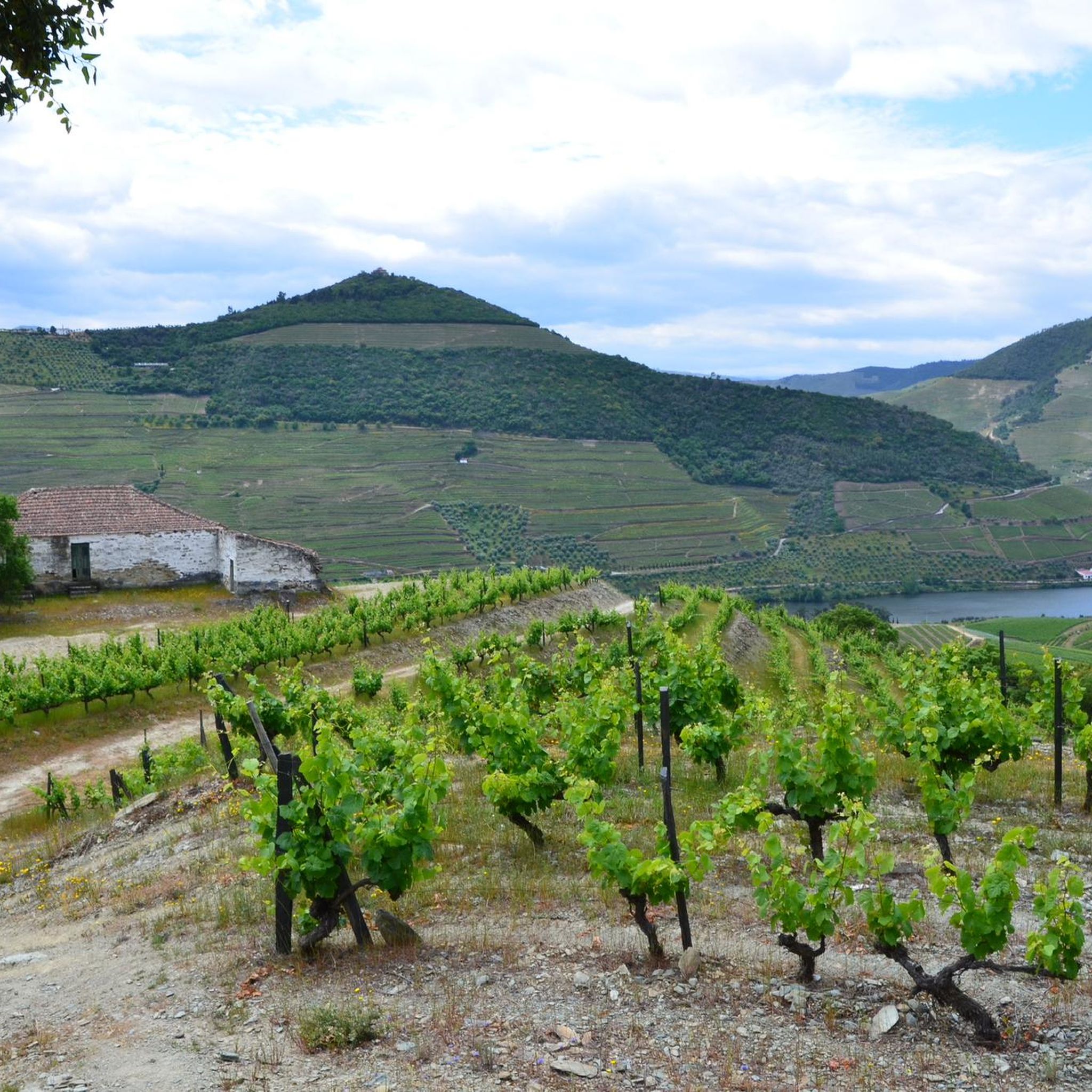
The region's economy is deeply rooted in agriculture. You'll see extensive vineyards, olive groves, and almond trees shaping the countryside. Traditional dovecotes are also a common sight, reflecting the area's agricultural heritage.
Most popular routes around Parque Natural do Douro Internacional
Most popular attractions around Parque Natural do Douro Internacional

Get inspired with the komoot mobile app


Explore more
Still not found the Highlight you’re looking for? See guides of the top attractions in other regions:
