The best road cycling routes in Oregon
4.6
(682)
20,022
riders
1,286
rides
Road cycling in Oregon offers diverse landscapes, from rugged coastlines to snow-capped mountains and high deserts. The state features an extensive network of routes traversing verdant forests, river gorges, and rolling valleys. This geographical variety provides a constantly changing backdrop for cyclists.
Best road cycling routes in Oregon
- The most popular road cycling route is Twin Bridges Scenic Bikeway, a 38.4 miles (61.9 km) trail that takes 2 hours 58 minutes to complete. This moderate route offers views of the Cascade Mountains.
- Another top favourite among local road cyclists is Historic Columbia River Highway and Marine Drive Loop, a difficult 58.6 miles (94.3 km) path. This route features waterfalls and panoramic views of the Columbia River Gorge.
- Local road cyclists also love the Mt. Bachelor loop via Cascade Lakes Highway, a 63.1 miles (101.6 km) trail leading through mountain landscapes and alpine lakes, often completed in about 4 hours 28 minutes.
- Road cycling in Oregon is defined by rugged coastlines, snow-capped mountains, and river gorges. The network offers options for various ability levels, from moderate rides to challenging climbs.
- The routes in Oregon are highly rated by the komoot community with an average score of 4.6 stars from over 400 reviews. More than 18,000 road cyclists have used komoot to explore Oregon's varied terrain.
Last updated: October 7, 2026
4.8
(5)
271
riders
61.9km
02:59
540m
540m
Embark on the Twin Bridges Scenic Bikeway for a moderate road cycling adventure that spans 38.4 miles (61.9 km). You will ascend 1769 feet (539 metres) over approximately 2 hours and 58 minutes, offering a rewarding workout. As you pedal, you will witness the stunning backdrop of the snow-capped Cascade Mountains, a constant companion throughout your ride. The route transitions through varied landscapes, from arid high-desert terrain to lush wetlands. You will also cross the two iconic bridges over the Deschutes River, providing picturesque views of its middle section and surrounding ranches.
The Twin Bridges Scenic Bikeway is easily accessible, beginning and concluding in Drake Park, right in the heart of downtown Bend. This central starting point makes it simple to reach and allows for convenient pre or post-ride activities in the city. While the majority of the route is paved, be mindful of farm equipment that may be present on rural sections. Additionally, some sections share roadways with other users, so stay alert.
This popular loop near Bend, Oregon, offers a diverse and captivating experience for road cyclists. The route is notable for its continuously changing scenery, which includes passing through Shevlin Park, a local natural gem. You will experience the unique blend of native high-desert landscapes alongside active hobby farms, showcasing the region's varied character.
4.3
(9)
202
riders
64.1km
02:27
640m
640m
Embark on the Willamette Greenway and Trolley Trail Loop for a moderate road cycling adventure that blends urban landscapes with natural riverside beauty. This 39.9 miles (64.1 km) route, with 2095 feet (638 metres) of elevation gain, offers a diverse experience, from the shady parks and quaint neighborhoods of the Trolley Trail to the lush greenery of the Springwater Corridor. You can expect to complete this ride in about 2 hours and 27 minutes, enjoying continuous views of the Willamette River as you pass landmarks like the Oregon City Bridge and the Eastbank Esplanade.
To begin your ride, consider using Portland's MAX light rail, which is bike-friendly and offers an eco-friendly way to reach the trail. Be aware that parts of the Willamette Greenway Trail can get busy with pedestrians, especially during summer, so ride carefully and share the path. Some sections of the Greenway are also narrow and curvy, requiring you to stay alert to your surroundings.
This loop provides a comprehensive tour of the Portland metropolitan area's cycling infrastructure, connecting distinct paths. You will encounter artistic installations, like a chainsaw-carved salmon-catching bear, along the Trolley Trail, adding unique visual interest to your journey. The route transitions from urban charm to more rural settings as you cycle outside the city, offering varied scenery throughout.

5.0
(3)
239
riders
76.0km
03:37
640m
640m
Embark on the Twin Bridges Scenic Bikeway, a moderate 47.2-mile (76.0 km) racebike route that promises ever-changing scenery over approximately 3 hours and 36 minutes. You will gain 2097 feet (639 metres) as you pedal through a diverse landscape. Expect to see native high-desert terrain transition into lush hay fields, all while enjoying distant views of the snow-capped Cascade Mountains. The route is uniquely defined by its two crossings of the Deschutes River, where you can observe lovely wetlands and ranches.
This bikeway conveniently starts and finishes in Bend, making access straightforward. Drake Park in downtown Bend serves as an excellent starting point, offering amenities like restrooms and parking for your convenience. While you will mostly be on rural roads with generally low traffic, remain aware of farm equipment and other multi-use roadways. For a safer experience, it is recommended to ride the main loop portion in a clockwise direction, especially where it briefly joins Highway 20, which features a dedicated bike lane.
Beyond the scenic beauty, the Twin Bridges Scenic Bikeway offers a unique glimpse into the region's natural environment. As you cycle, you will pass through Shevlin Park, where Tumalo Creek carves its way through a rugged canyon, adding another layer of natural wonder to your journey. This route stands out for its blend of high-desert vistas, agricultural landscapes, and riverine ecosystems, providing a comprehensive and rewarding road cycling experience in Central Oregon.
3.5
(2)
135
riders
57.3km
02:31
500m
500m
The Forest Park & Sauvie Island Loop is a moderate racebike route offering a dynamic ride through contrasting landscapes. You'll cover 35.6 miles (57.3 km) with an elevation gain of 1653 feet (504 metres), typically completing it in about 2 hours and 30 minutes. Begin your journey in the deep, urban forest of Forest Park, where dense tree canopies create cool, shaded sections. As you climb, you might glimpse Sauvie Island and distant snow-capped peaks on clear days. The route then transitions to the open, flat farmlands and wildlife preserves of Sauvie Island, providing charming views of the Multnomah Channel and the iconic Saint Johns Bridge. This loop delivers a unique blend of challenging climbs and scenic, relaxed stretches.
When planning your ride, be aware that the wildlife area on Sauvie Island has seasonal closures, typically from October 1 to April 15. It is wise to check current conditions before you go, especially if you plan to explore that specific area. You should also be mindful of motorists on Sauvie Island roads, as they are shared. If you are riding between November and June, fenders are recommended for the Forest Park sections due to potentially wet conditions and muddy trails.
This route stands out for its dramatic shift in scenery, moving from a deeply forested urban wilderness to expansive farmlands. The contrast between the dense, shaded trails of Forest Park and the open, agricultural vistas of Sauvie Island makes for a memorable experience. You will encounter both challenging ascents and flat, fast sections, providing a comprehensive test of your racebike skills. The route's unique combination of natural beauty and urban proximity makes it a popular choice for local cyclists.
4.0
(2)
48
riders
51.8km
02:34
780m
780m
Embark on a moderate road cycling adventure through Portland's diverse landscapes with the Forest Park, Rock Creek Road, Linnton, and St. Johns Bridge loop. This route spans 32.2 miles (51.8 km) and features a significant elevation gain of 2560 feet (780 metres), typically taking about 2 hours and 33 minutes to complete. You'll experience the lush, green canopy of Forest Park, one of the largest urban forests in the United States, before enjoying impressive views of the iconic St. Johns Bridge and the Willamette River. Prepare for a ride that combines challenging climbs with thrilling descents, offering a varied terrain experience.
This road cycling route is best suited for riders with good fitness, given its moderate difficulty and substantial elevation changes. While much of the path is well-paved, be prepared for some segments that might be unpaved and could present a challenge. When crossing the St. Johns Bridge, exercise caution; its sidewalks are narrow, making shared use difficult and cycling alongside traffic potentially harrowing. Plan your ride during daylight hours to fully appreciate the scenery and navigate any tricky sections safely.
This loop offers a unique blend of urban forest tranquility and city views, passing through the local character of Linnton. On clear days, you might even catch glimpses of Mount St. Helens and Mount Adams in the distance, adding to the scenic reward. The route's design ensures you encounter both the natural beauty of Forest Park and the architectural marvel of the St. Johns Bridge, making it a distinctive Portland cycling experience.
4.0
(2)
61
riders
94.3km
04:44
1,030m
1,030m
Embark on a challenging road cycling adventure along the Historic Columbia River Highway and Marine Drive Loop. This difficult 58.6-mile (94.3 km) route will take you through lush forests and past dramatic basalt cliffs, offering an immersive experience. You'll climb 3367 feet (1026 metres) over an estimated 4 hours and 44 minutes, with rewarding views of waterfalls like the iconic Multnomah Falls. The ride blends demanding climbs with scenic sections, making it ideal for experienced cyclists.
When planning your ride, note that recent path improvements have made connecting from Marine Drive to the Historic Columbia River Highway much smoother, helping you avoid heavy traffic. This allows for a more continuous and enjoyable journey. You will find several segments of the Historic Columbia River Highway are car-free, providing a peaceful and immersive cycling experience. Consider starting early to make the most of the estimated 4 hours and 44 minutes duration and to enjoy the quieter sections.
This route is notable for its historical significance as part of the Columbia River Gorge National Scenic Area. The Historic Columbia River Highway itself is an engineering marvel, one of the first scenic highways in the United States. As you ride, you will pass the historic Vista House at Crown Point, which offers unparalleled panoramic views of the Gorge, making the effort worthwhile. This combination of history and natural beauty sets the route apart.
4.0
(1)
49
riders
68.8km
02:42
340m
340m
Moderate road ride. Good fitness required. Mostly well-paved surfaces and easy to ride.
4.8
(4)
55
riders
68.0km
02:46
400m
400m
Embark on the Hillsboro and Hagg Lake Loop for a moderate road cycling adventure through Scoggins Valley Park. This route spans 42.3 miles (68.0 km) and involves a total elevation gain of 1320 feet (402 metres), typically taking about 2 hours and 46 minutes to complete. As you cycle, you will experience a varied landscape, from the calm waters of Henry Hagg Lake to the rolling hills of the Oregon Coast Range. The trail also guides you through open farmlands and local vineyards, offering a pleasant mix of scenery. You can enjoy both relaxed sections around the lake and more demanding stretches originating from Hillsboro.
When planning your ride on the Hillsboro and Hagg Lake Loop, you will find parking readily available at several spots around Henry Hagg Lake, a popular starting point for cyclists. The area is well-equipped with convenient "Bike Hubs" at key locations, providing access to tools, pumps, and even solar-powered USB charging stations. While no specific permits are mentioned for this route, it is wise to remain aware of occasional parked cars along the shoulders. Also, keep an eye out for wildlife, such as deer, which can sometimes be present on the wider sections of the road.
This loop is a notable destination for road cyclists in the region, offering a comprehensive tour of the Scoggins Valley. The route's appeal lies in its ability to combine a scenic lake circuit with views extending to the distant Oregon Coast Range mountains. It provides a rewarding experience for those looking to explore the natural beauty and agricultural landscapes surrounding Hillsboro. The diverse terrain ensures that your ride remains engaging from start to finish.
5.0
(1)
69
riders
123km
06:13
1,900m
1,900m
Embark on the McKenzie Pass Scenic Bikeway, a difficult 76.3-mile (122.8 km) racebike route that challenges you with 6244 feet (1903 metres) of elevation gain. This journey typically takes around 6 hours and 12 minutes to complete. You will cycle through dramatic landscapes, transitioning from eastern Oregon's ponderosa pine forests to the striking moonscape lava fields near the summit. At the Dee Wright Observatory, you can pause to take in panoramic views of the Cascade Mountains, including Mount Washington and the Three Sisters, before descending into lush, dense Cascadian forests.
Planning your ride requires attention to detail. Oregon Route 242, which forms part of the bikeway, is seasonally closed to motor vehicles from mid-November to mid-June, offering a rare traffic-free experience during those months. Be aware that services are limited along the route, and cell service can be non-existent in certain areas, so carry enough water and supplies. The road also has minimal shoulders in some sections, and you should be prepared for varying weather conditions and potential road debris, especially if you ride in the spring.
What makes this route truly unique is the stark contrast in its natural environment. You'll traverse distinct ecosystems, from the dry eastern forests to the volcanic moonscape and then the wet western slopes. The seasonal closure of the pass to cars is a significant draw, allowing you to experience the raw beauty of the lava fields and mountain views without vehicle traffic. This bikeway offers a profound connection to the geological history and diverse ecology of the Willamette National Forest.
5.0
(2)
37
riders
92.8km
03:23
400m
400m
Embark on The Rivers loop, a moderate racebike route that guides you through Portland's diverse riverfront landscapes. This 57.6 miles (92.8 km) journey offers a blend of urban vistas and natural scenery along the city's waterways. You'll navigate well-maintained paved cycleways, including sections of the Springwater Corridor and the Marine Drive Trail. Expect to gain 1309 feet (399 metres) in elevation over an estimated 3 hours and 23 minutes of riding. Keep an eye out for the distinctive Oregon Slough Railroad Bridge as you pedal, a memorable landmark on your ride.
Planning your ride on The Rivers loop is straightforward, as the route is designed for road cyclists and features predominantly paved, well-maintained surfaces. You can typically find parking conveniently located near the starting point within Portland. The city's extensive bike network also provides easy access to the start from various neighborhoods, allowing you to cycle there directly. This route is generally accessible throughout the year, but checking local weather conditions before you head out is always a good idea.
This route stands out for its unique combination of urban exploration and natural riverfront beauty, showcasing Portland's commitment to cycling infrastructure. It offers a fantastic opportunity to experience the city's vibrant atmosphere alongside its serene natural environments. The trail's design allows you to enjoy significant mileage without encountering extreme climbs, making it an excellent choice for a substantial road cycling adventure.
Get access to more routes and recommendations from other explorers.
Already have an account?
Our route recommendations are based on thousands of hikes, rides, and runs completed by other people on komoot.
Start today with a free account
Your next adventure awaits.
Popular around Oregon
Road Cycling Routes in Multnomah County
Road Cycling Routes in Deschutes County
Road Cycling Routes in Hood River County
Road Cycling Routes in Lane County
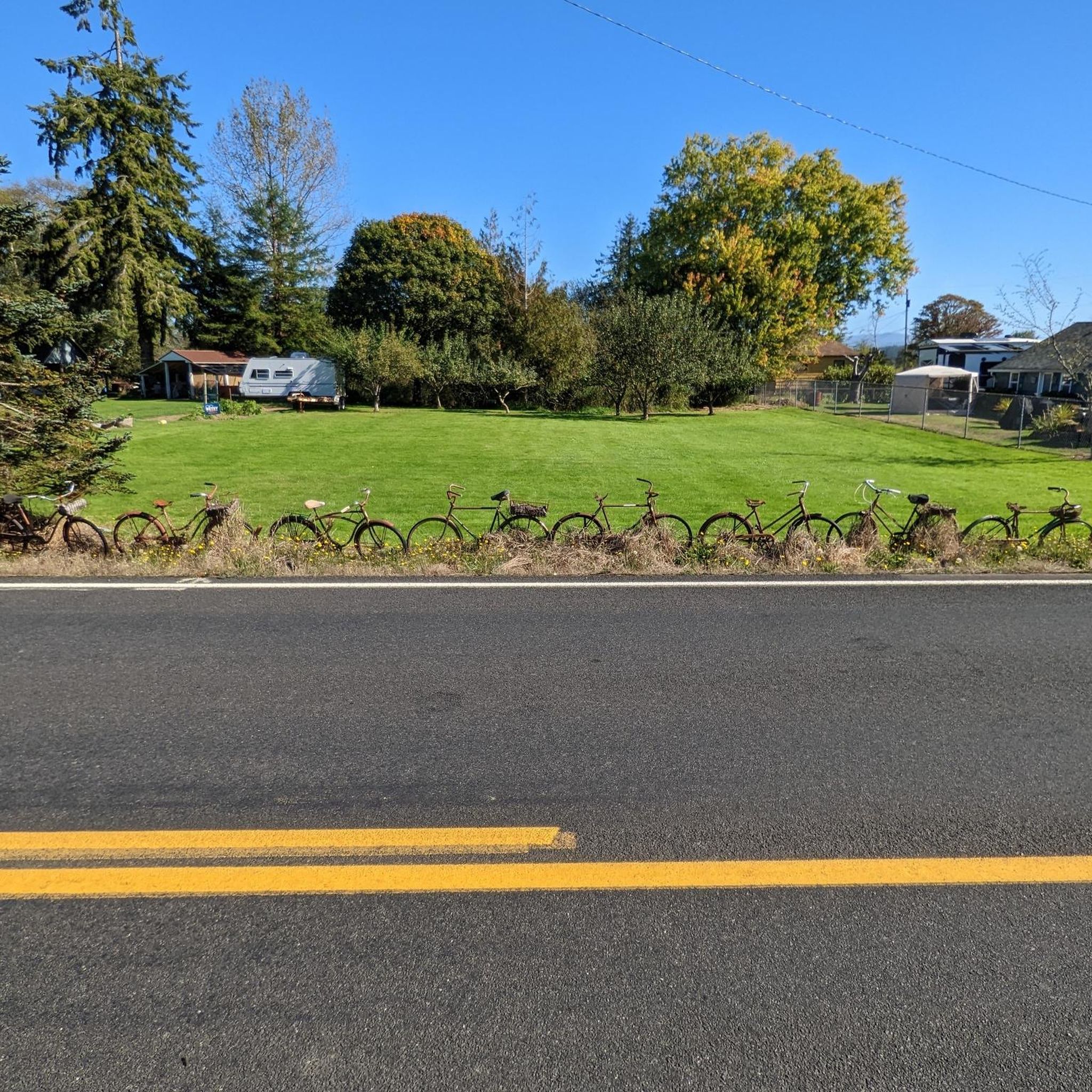
Road Cycling Routes in Clatsop County
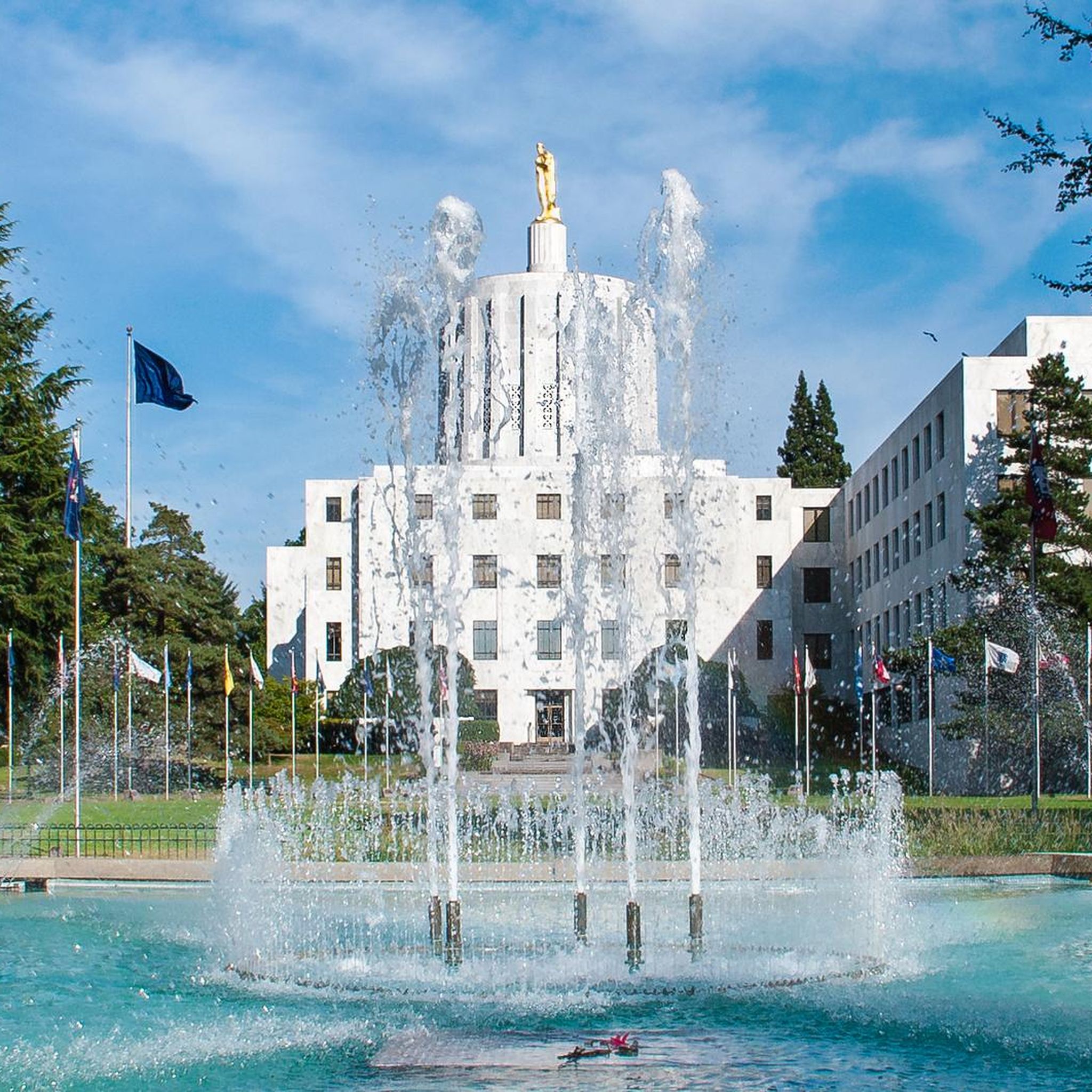
Road Cycling Routes in Marion County
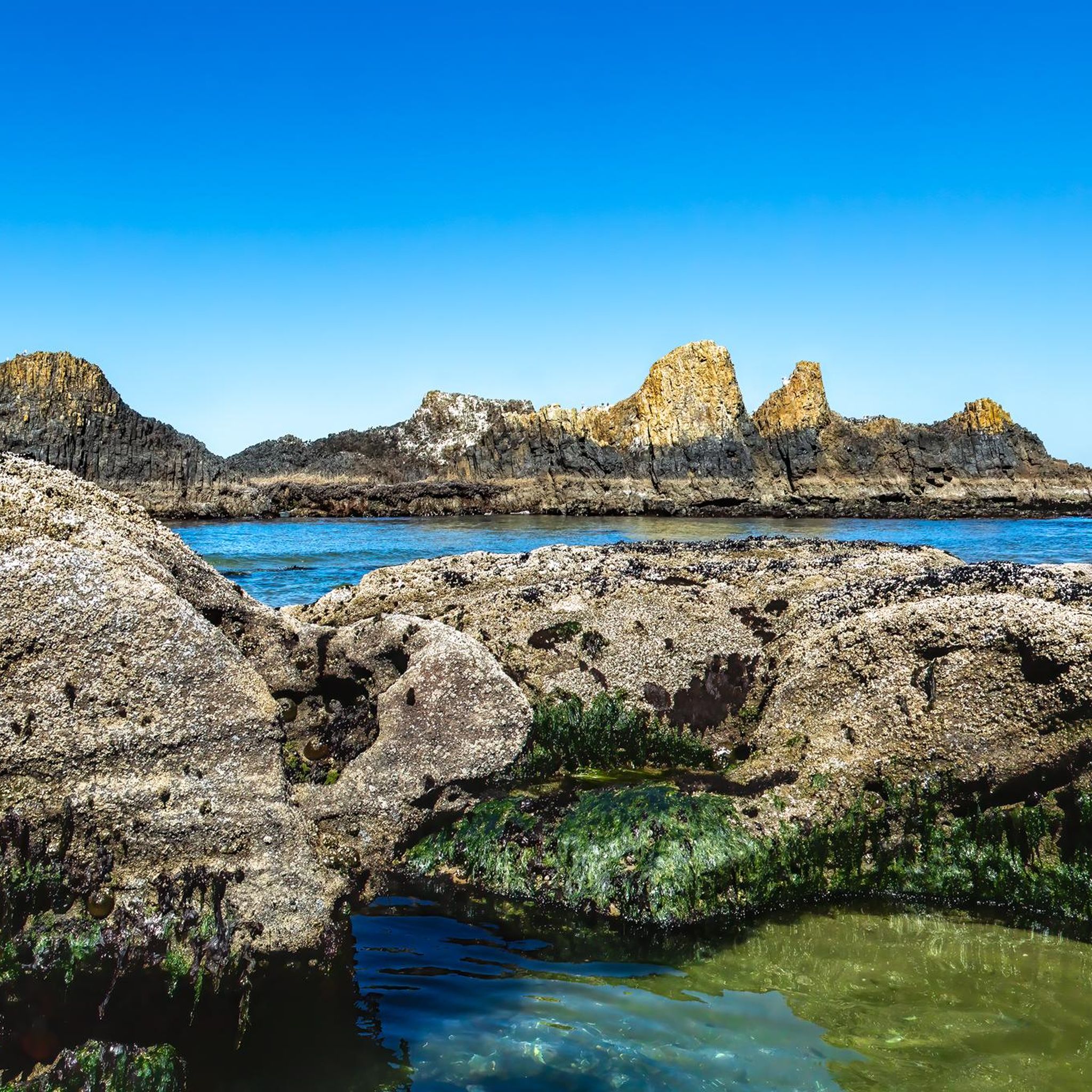
Road Cycling Routes in Lincoln County
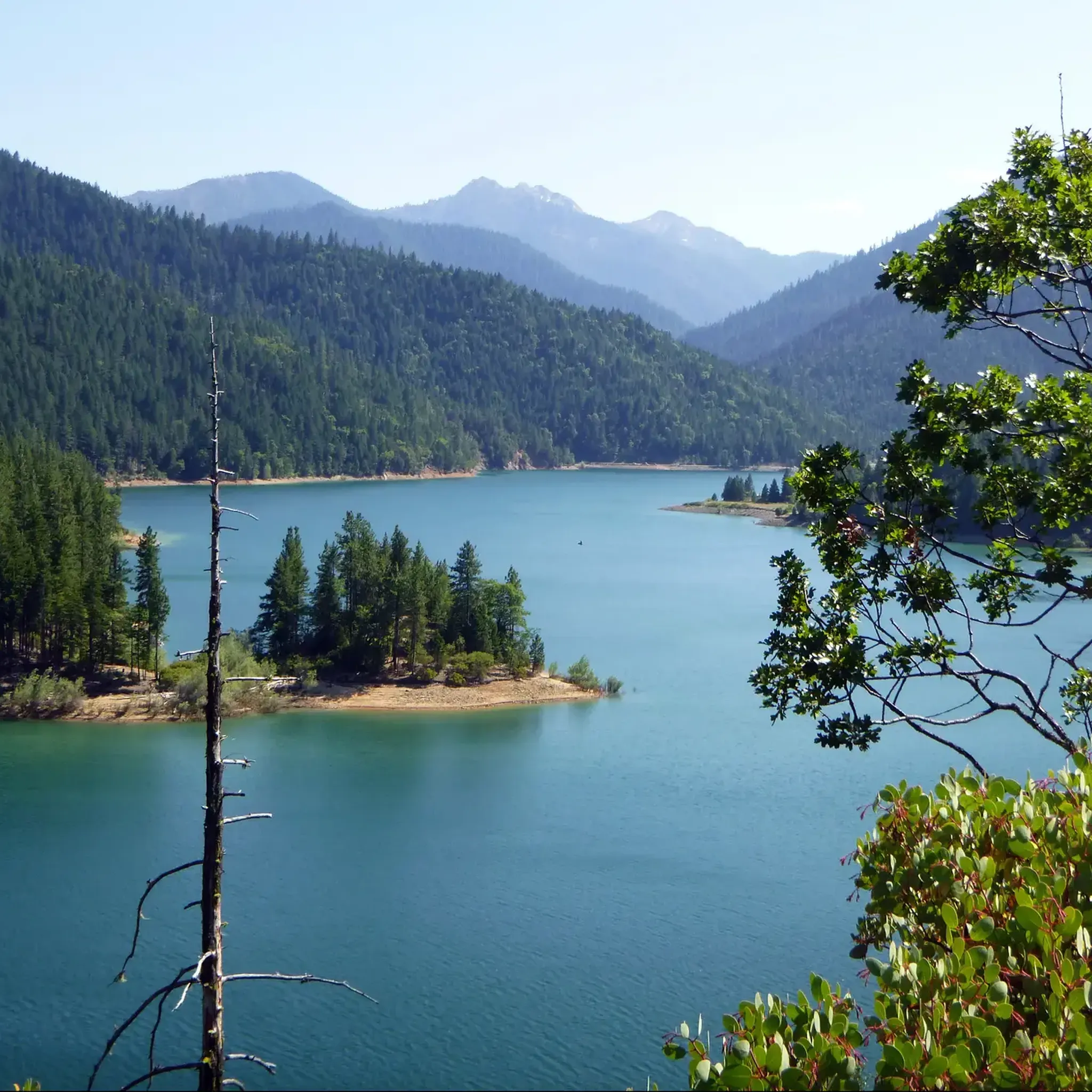
Road Cycling Routes in Jackson County
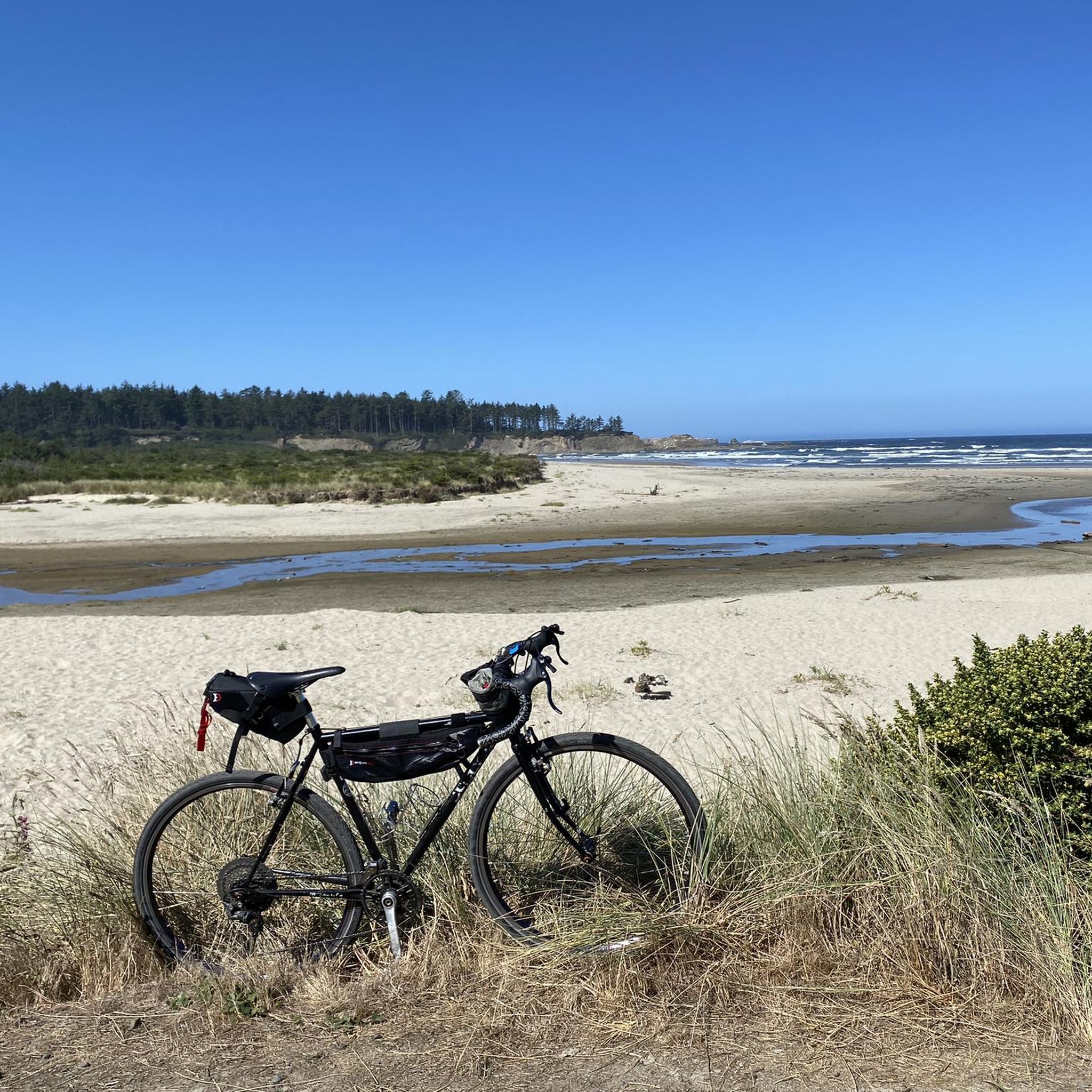
Road Cycling Routes in Coos County
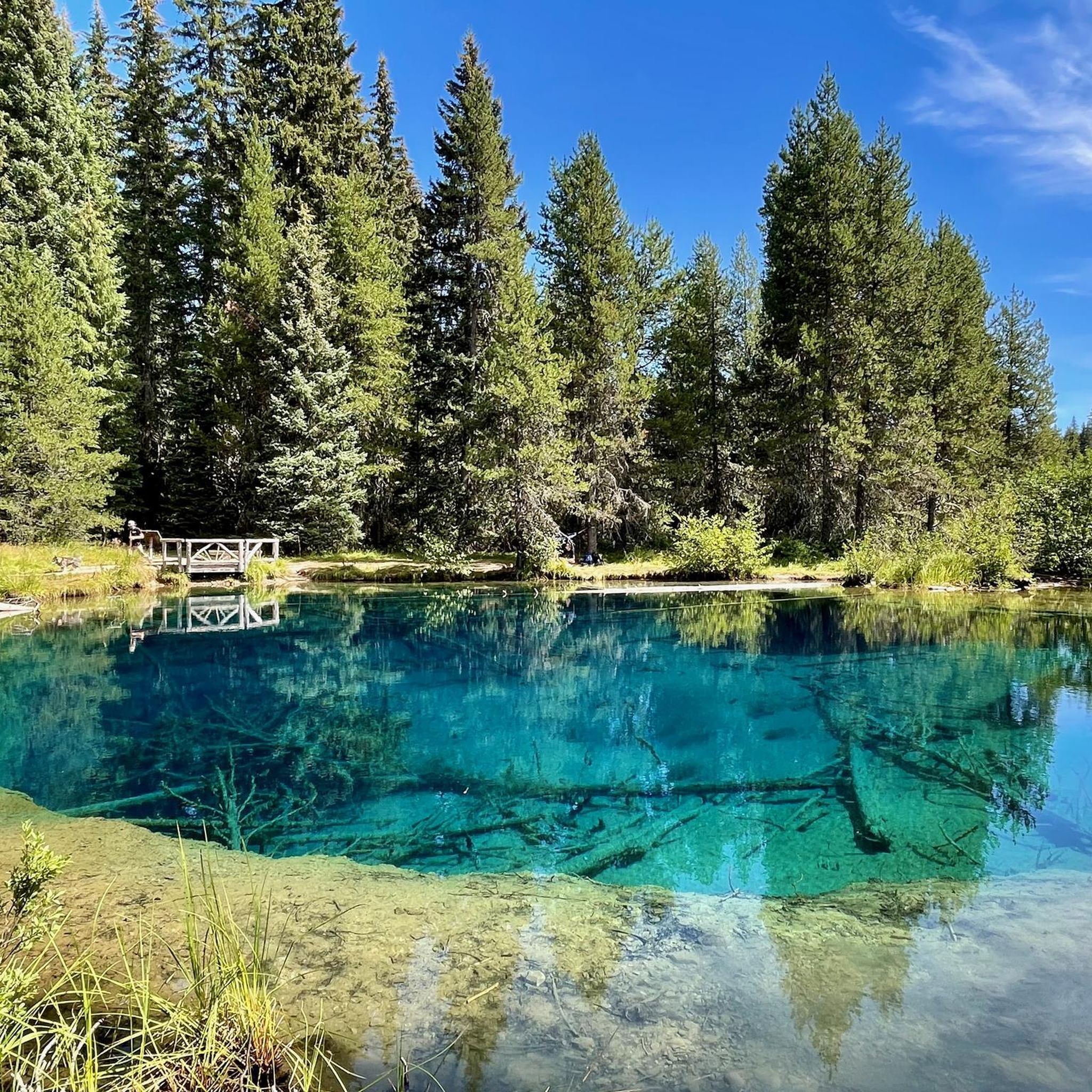
Road Cycling Routes in Clackamas County
Other adventures in Oregon


Tips from the Community

Definitely worth the round trip to take the McKenzie Pass. There is a vault toilet here that is very well maintained. There are stairs but also an accessible gradual path to the lower part of the observatory. The extra lava tour path is also fully paved and accessible.
0
0

One hell of a climb up here from US 30 on the South end - but worth it! Great views and a decent crossing (once you climb to the bridge itself).
0
0

Broughton Beach offers visitors easy access to the Columbia River, and on clear days you will also have a great view of Mt. Hood. The slow current and gradual entry into the water make this a great place to stop for a swim on warm days.
1
0

Here's a perfect spot to take a break, park your bike, and walk up the trail for an excellent view of both Lower and Upper Multnomah Falls.
1
0

The Eastbank Esplanade is the longest floating pedestrian and bike path in the United States, stretching 1,200 feet along the Willamette River. It offers great views of the river and the city of Portland.
0
0

The St. Johns Bridge is a steel suspension bridge that stretches across the Willamette River. It has a total length of 2,067 feet, and is the tallest bridge in Portland. Construction began just before the Stock Market Crash of 1929, providing crucial employment to many local residents during the Great Depression.
0
0

A popular park with miles of hiking, running and mountain biking trails both on trail and pavement. Tumalo Creek offers a place to cool off on a warm day.
0
0

Originally named Waluga by the Clackamas Indians, meaning "wild swan," the lake has served as a vital resource for centuries. A scenic trail encircles the lake, providing a pleasant path for joggers, walkers, and cyclists.
0
0
Frequently Asked Questions
How many road cycling routes are available in Oregon?
Oregon offers an extensive network of road cycling routes, with over 1,200 options available. These routes cater to various skill levels, ensuring there's something for every cyclist.
What are the difficulty levels of road cycling routes in Oregon?
You'll find a range of difficulty levels for road cycling in Oregon. There are approximately 390 easy routes, 700 moderate routes, and 180 difficult routes, providing options for beginners to experienced riders seeking a challenge.
When is the best time of year for road cycling in Oregon?
The best time for road cycling in Oregon generally spans from spring through fall. While specific conditions vary by region, these seasons offer the most favorable weather for exploring the coast, mountains, and valleys. Some higher elevation routes, like those in the Cascade Mountains, are best enjoyed in summer and early fall once snow has melted.
Are there family-friendly road cycling routes in Oregon?
Yes, Oregon offers numerous family-friendly road cycling options, particularly on easier routes and dedicated bikeways. While specific family-focused routes aren't detailed here, the state's diverse network includes many paths suitable for a more relaxed pace, especially in areas like the Willamette Valley or along flatter sections of the coast.
What scenic landmarks and natural features can I expect to see along Oregon's road cycling routes?
Oregon's road cycling routes traverse incredibly diverse landscapes. You can expect to see rugged coastlines, majestic snow-capped mountains like Mount Hood, verdant forests, and high deserts. Notable landmarks include the dramatic rock formations at Crater Lake National Park, the iconic Multnomah Falls in the Columbia River Gorge, and the colorful Painted Hills in Eastern Oregon.
Are there routes that feature waterfalls?
Absolutely. The Columbia River Gorge is particularly renowned for its numerous waterfalls. The Historic Columbia River Highway and Marine Drive Loop is a challenging route that features panoramic gorge views and passes by several waterfalls, including the famous Multnomah Falls.
Can I find challenging climbs for road cycling in Oregon?
Yes, Oregon offers challenging climbs for experienced road cyclists. Routes like the McKenzie Pass Scenic Bikeway provide significant elevation gains and stunning mountain views. The Mt. Bachelor loop via Cascade Lakes Highway is another difficult route known for its alpine scenery and demanding ascents.
Are there loop routes available for road cyclists in Oregon?
Many road cycling routes in Oregon are designed as loops, offering a convenient way to start and end your ride at the same point. Examples include the Willamette Greenway and Trolley Trail Loop and the Forest Park & Sauvie Island Loop, which provide diverse scenery without needing a return trip.
What do other cyclists say about road cycling in Oregon?
The road cycling experience in Oregon is highly regarded by the komoot community, with an average score of 4.6 stars from over 400 reviews. Cyclists often praise the state's varied terrain, from coastal roads to mountain passes, and the stunning natural beauty that serves as a backdrop for their rides.
Which regions offer diverse road cycling experiences in Oregon?
Oregon's geographical diversity means you can find varied road cycling experiences across different regions. The Oregon Coast offers dramatic ocean vistas, the Columbia River Gorge features waterfalls and basalt cliffs, the Cascade Mountains provide alpine lakes and challenging climbs, and the Willamette Valley is known for its rolling vineyards and rural communities.
Are there any specific scenic bikeways in Oregon worth exploring?
Oregon is home to an innovative Scenic Bikeways program. The Twin Bridges Scenic Bikeway is a popular moderate route offering views of the Cascade Mountains. Another notable option is the McKenzie Pass Scenic Bikeway, known for its challenging climbs and unique volcanic landscapes.
What kind of terrain can I expect on Oregon's road cycling routes?
The terrain on Oregon's road cycling routes is incredibly varied. You can expect everything from flat, paved paths along rivers and coastlines to rolling hills through agricultural areas and challenging mountain ascents with significant elevation changes. This diversity ensures a wide range of experiences for all types of road cyclists.
Most popular routes in Oregon
Most popular attractions in Oregon

Get inspired with the komoot mobile app


Didn’t find what you were looking for?
Check out more Road cycling routes throughout Oregon below and find the perfect route in your destination.
Explore more
Browse the best Road cycling routes in other regions.
