Attractions and Places To See around Grafenberger Wald - Top 20
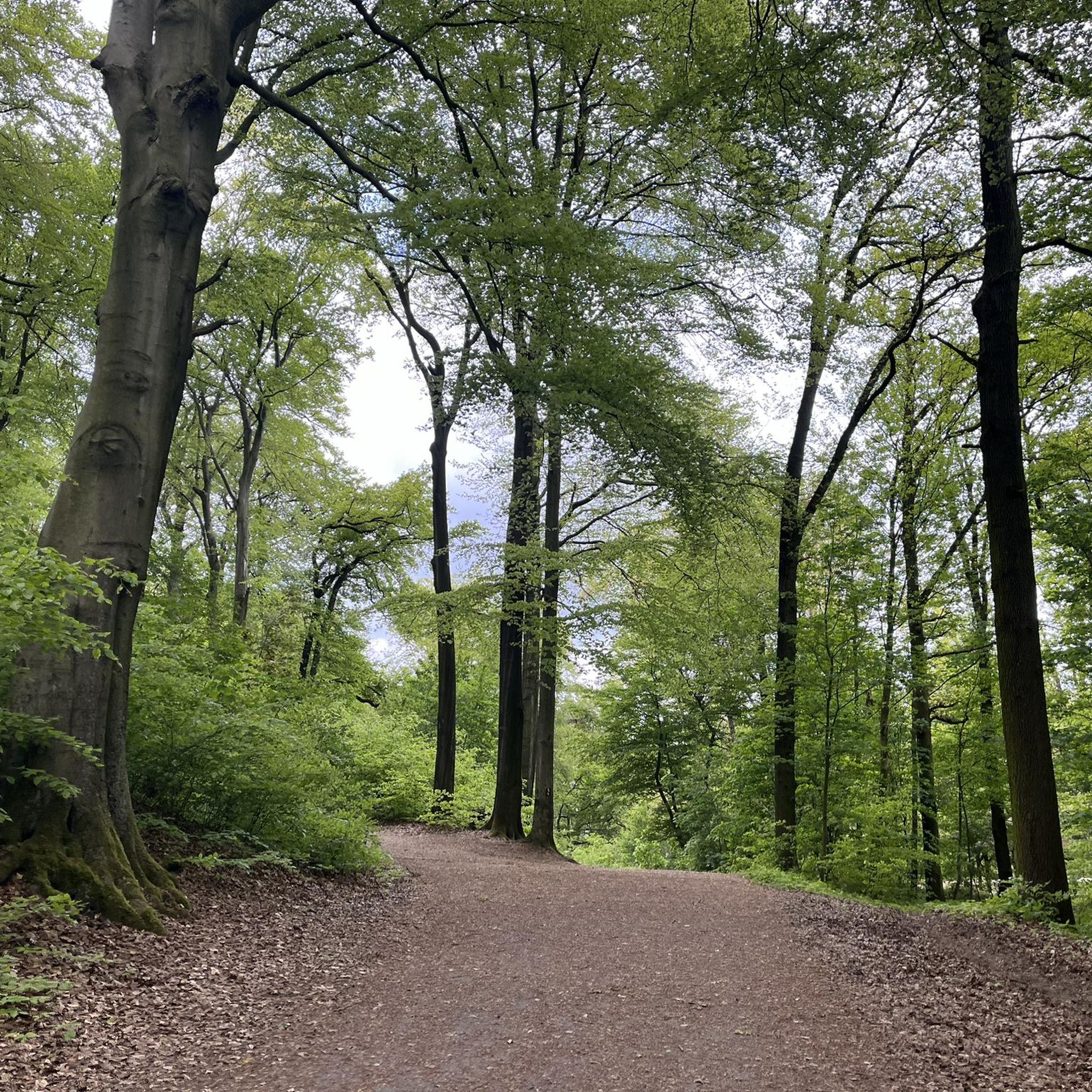
Best attractions and places to see around Grafenberger Wald, located in the northeast of Düsseldorf, offer a natural escape for outdoor enthusiasts. This area serves as a vital green lung for the region, featuring dense woodlands, open meadows, and small streams. Grafenberger Wald provides kilometers of well-maintained trails for hiking, cycling, and horseback riding. The region is also home to significant natural landmarks and points of interest.
Best attractions and places to see around Grafenberger Wald
- The most popular attraction…
Last updated: May 9, 2026
Grafenberg climb from Düsseldorf
Highlight (Segment) • Climb
Translated by Google •
Tip by

Grafenberger Wald Wildlife Park
Highlight • Natural
duesseldorf.de/stadtgruen/wald/wildpark.html
duesseldorf.de/fileadmin/Amt68/gartenamt/pdf/wald/wildpark.pdf
Embedded in the scenic Grafenberg Forest, the wildlife park with its more than 100 animals is an attractive destination that is open …
Translated by Google •
Tip by

Sign up now to discover places like this
Get recommendations on the best single tracks, peaks, & plenty of other exciting outdoor places.
Sign up for free
Wildpark Grafenberg
Highlight • Structure
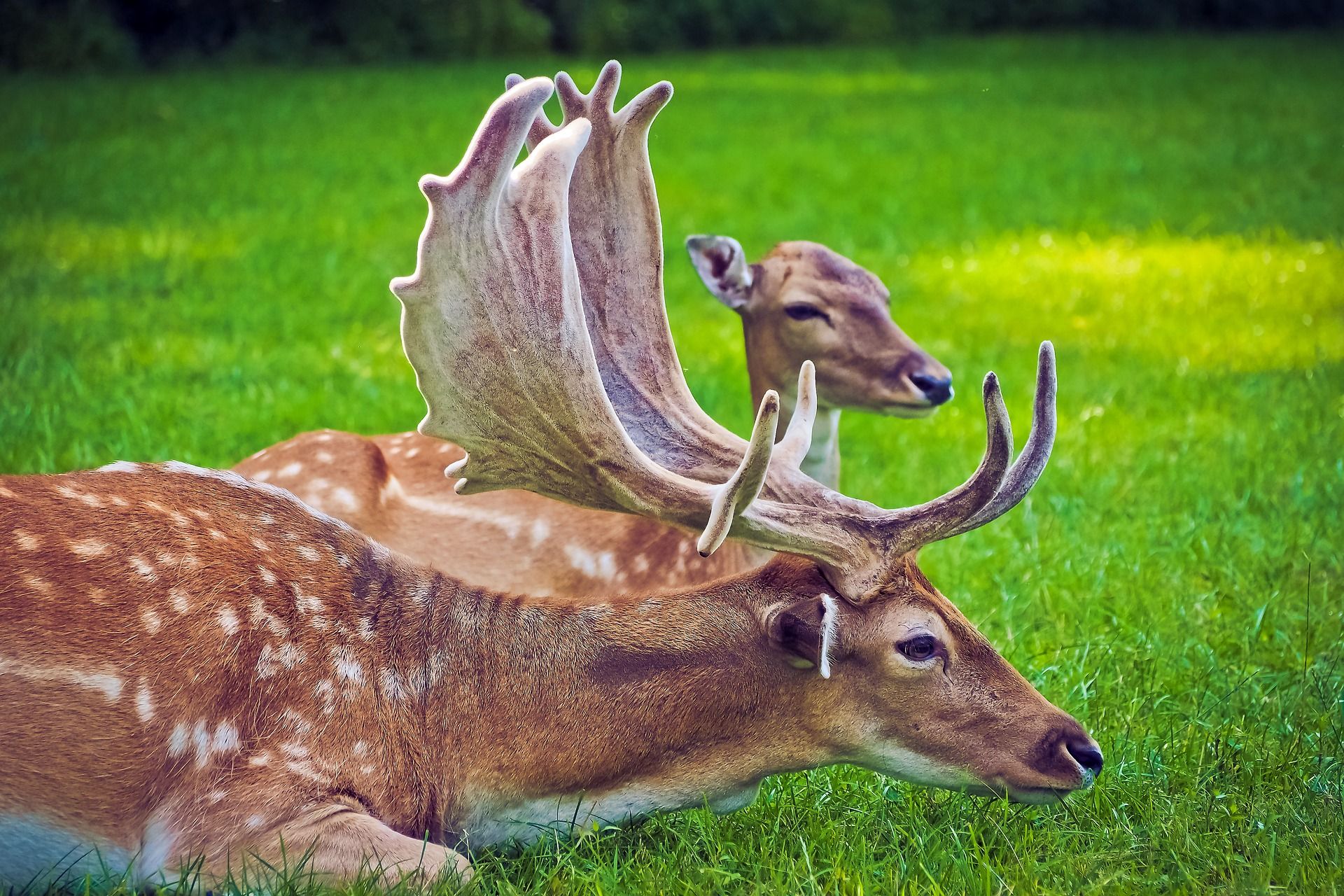
But completely without deer, because fallow deer live in the Grafenberg wildlife park - a medium-sized species of deer - …
Translated by Google •
Tip by
Pfeiffer Bridge in Ludenberg
Highlight • Bridge
Translated by Google •
Tip by

Fallow Deer Enclosure, Wildpark Grafenberg
Highlight • Structure
Translated by Google •
Tip by
Sign up for free to discover even more attractions around Grafenberger Wald.
Sign up for free
Already have an account?
Start today with a free account
Your next adventure awaits.
Login or Signup

Other adventures around Grafenberger Wald

Tips from the Community

Small climb out of the city towards the forest
3
0

Always a nice short vacation for young and old.
0
0
Only the female animals are kept in the outdoor enclosure. The fallow deer are found in a separate enclosure diagonally opposite the wild boars.
2
0


"Come on, let's go feed the deer!" is something we often hear from visitors when they enter our spacious fallow deer enclosure. Fallow deer are frequently mistaken for roe deer. Fallow deer are among the native deer species, but they differ considerably from the other two in size/weight, coat color – even the adults have spots – and antlers (shovel-shaped). And – something many visitors don't know – no roe deer are kept at the Grafenberg Wildlife Park. They occur naturally throughout our forests and can therefore be observed outside the park. http://www.wildpark-duesseldorf.de/der-wildpark/unsere-tiere/ http://www.wildpark-duesseldorf.de/der-wildpark/unsere-tiere/damwild/#more-2146
3
0
"Our wild boar (the wild boar) find enough space to burrow and wallow on more than 5 hectares of enclosure space. They live in the family group of the so-called Rotte. The older females - the sows - lead their family groups with piglets (the very small striped ones) and defectors (the juvenile, slightly larger bullies) in search of food, a suitable place to sleep, a nice wet wallow or a tree to which to join good at rubbing the mud out of their fur, through the enclosure. From time to time they are accompanied by one of the boars (males). Our wild boar "Obi" was born in 1999 and is currently one of the oldest wild boars in a German game reserve. On average, wild boars in game enclosures live to be around 14/15 years old." http://www.wildpark-duesseldorf.de/der-wildpark/unsere-tiere/ http://www.wildpark-duesseldorf.de/der-wildpark/unsere-tiere/schwarzwild/#more-2144
2
1
"ADVENTURES IN NATURE WITH FOX, WILD BOAR, RACCOON & CO But completely without deer, because fallow deer live in the Grafenberg wildlife park - a medium-sized species of deer - which is often confused with roe deer. One of the oldest game parks in Germany is located on the edge of the Grafenberg Forest, below the racecourse. Many native animal species live there in spacious enclosures on the almost 40-hectare area, and there are also a few immigrants such as mouflons and raccoons. Unlike in the zoo, the approximately 100 animals can decide for themselves whether to show themselves to people, so patience is sometimes required." http://www.wildpark-duesseldorf.de/der-wildpark/rundgang/
3
0
Frequently Asked Questions
What natural features can I explore in Grafenberger Wald?
Grafenberger Wald offers a diverse natural landscape with extensive forest trails, dense woodlands, open meadows, and small streams. A notable natural landmark is the over 200-year-old protected avenue of chestnut trees. You can also find water fountains along the trails providing drinkable mountain water.
Are there any viewpoints offering scenic vistas?
Yes, an insider tip is the View of Düsseldorf from Aaper Höhenweg, a short walk from Staufenplatz. This spot provides impressive views over Düsseldorf and the surrounding area, making it a worthwhile stop in any season.
What family-friendly activities are available in Grafenberger Wald?
The most popular family attraction is Wildpark Grafenberg, one of Germany's oldest wildlife parks. Here, children and adults can observe and even feed native German animal species like red deer, fallow deer, and wild boars. The park also features the Fallow Deer Enclosure, offering close-up animal encounters. Additionally, Grafenberger Wald has several playgrounds and designated picnic areas, perfect for family outings.
Can I spot wildlife in Grafenberger Wald?
Absolutely. The Wildpark Grafenberg is home to about 100 animal species, primarily native to Germany, including red deer, fallow deer, mouflons, roe deer, wild boars, foxes, and raccoons. Outside the park, the forest itself is a natural habitat where you might encounter various local wildlife.
Are there hiking trails suitable for different skill levels?
Yes, Grafenberger Wald features kilometers of well-maintained hiking trails suitable for all levels, from easy strolls to more challenging routes. For specific easy options, you can explore routes like the 'Wildpark Grafenberg – Wetland in the wildlife park 🐸 loop' or the 'Aaper Clearing – Aaper Ridge Trail loop'. Find more details and routes on the Easy hikes around Grafenberger Wald guide.
What cycling opportunities are there around Grafenberger Wald?
Grafenberger Wald and its surroundings offer excellent cycling opportunities. You can find diverse routes for gravel biking and road cycling. For gravel enthusiasts, options include the 'North Beach – Unterbacher See' loop. Road cyclists can tackle routes like the 'Tour de France 2017 Climb' or longer tours towards the Rhine Plain. Explore more routes on the Gravel biking around Grafenberger Wald guide and the Road Cycling Routes around Grafenberger Wald guide.
Are there any historical landmarks in the area?
Yes, the Pfeiffer Bridge in Ludenberg is a notable historical landmark. Opened in 1907, it was financed by banker Wilhelm Pfeiffer to create a shortcut between Hardt and Grafenberger Wald. The bridge has a rich history, including being saved from demolition during World War II.
What is the best time of year to visit Grafenberger Wald?
Grafenberger Wald is enjoyable year-round. Spring and autumn offer beautiful foliage and pleasant temperatures for hiking and cycling. Summer is ideal for family picnics and wildlife spotting, while winter can transform the forest into a serene, picturesque landscape, though some facilities might have reduced hours. The View of Düsseldorf from Aaper Höhenweg is worthwhile in any season.
Where can I find food or refreshments near Grafenberger Wald?
Within Grafenberger Wald, you can find Gut Wolfsaap, a restaurant accessible by foot or car. It's known for traditional German food, a relaxed atmosphere, and an outdoor area where children can play near horse stables. There are also cafes and pubs in the surrounding Düsseldorf-Grafenberg area for post-hike refreshments.
Is there parking available for visitors?
Yes, there are parking options available, particularly near popular access points like Staufenplatz, which is a good starting point for exploring the forest and accessing the viewpoint. Specific parking areas are often signposted around the perimeter of Grafenberger Wald.
What makes Grafenberger Wald a unique destination?
Grafenberger Wald stands out as a vital green lung for Düsseldorf, offering a unique blend of extensive natural forest, diverse wildlife at Wildpark Grafenberg, and historical elements like the Pfeiffer Bridge. Its well-maintained trails cater to various outdoor activities, and the opportunity to feed animals in a natural setting makes it particularly special for families.
Are there any hidden gems or lesser-known spots to discover?
Beyond the main attractions, the ancient chestnut avenue offers a serene and picturesque stroll away from busier paths. The restaurant Gut Wolfsaap, nestled within the forest, is also considered a hidden gem for its traditional food and relaxed setting. Exploring the numerous smaller trails can also lead to quiet, secluded spots within the diverse woodlands.
Most popular routes around Grafenberger Wald

Get inspired with the komoot mobile app


Explore more
Still not found the Highlight you’re looking for? See guides of the top attractions in other regions:
