Attractions and Places To See around Oderteich - Top 15
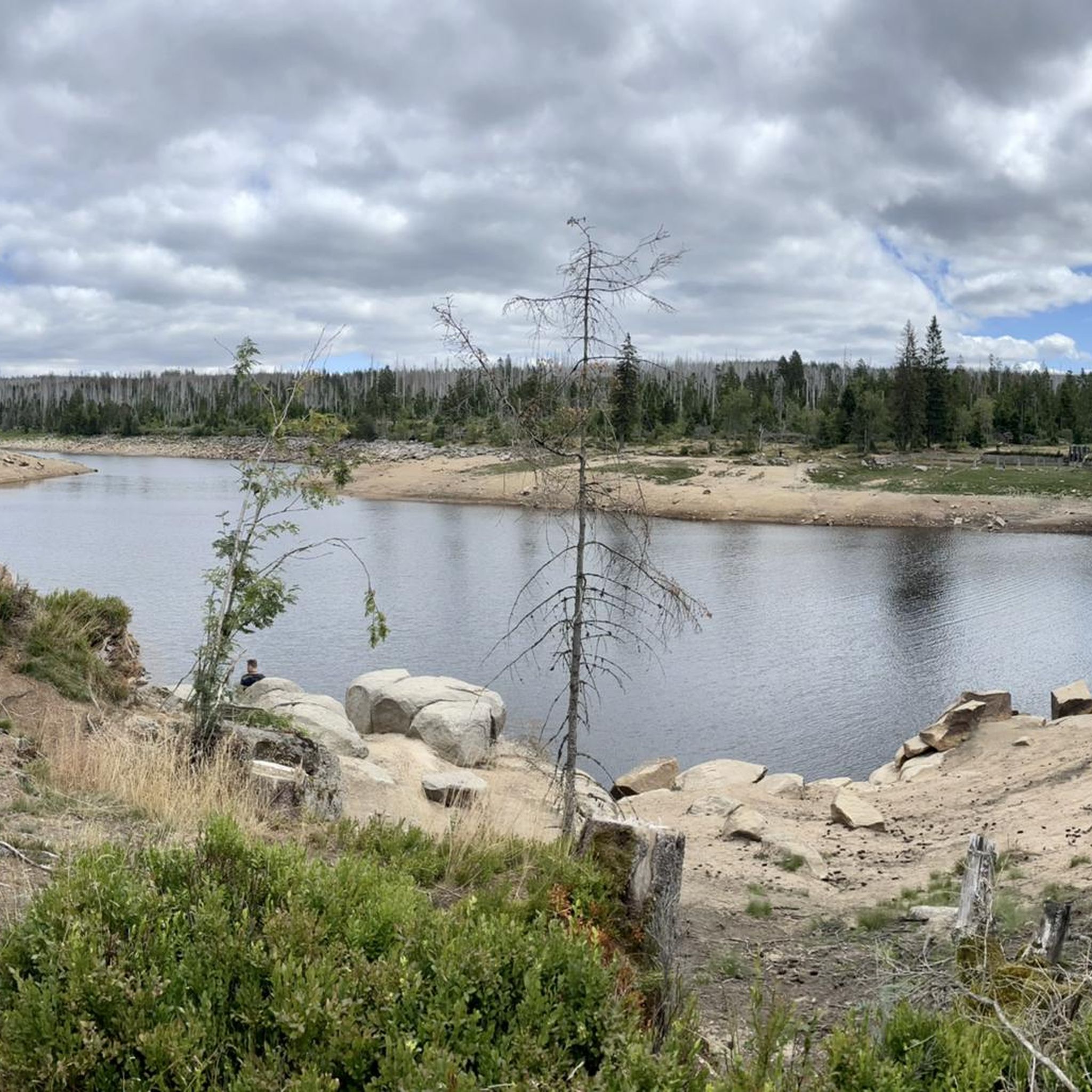
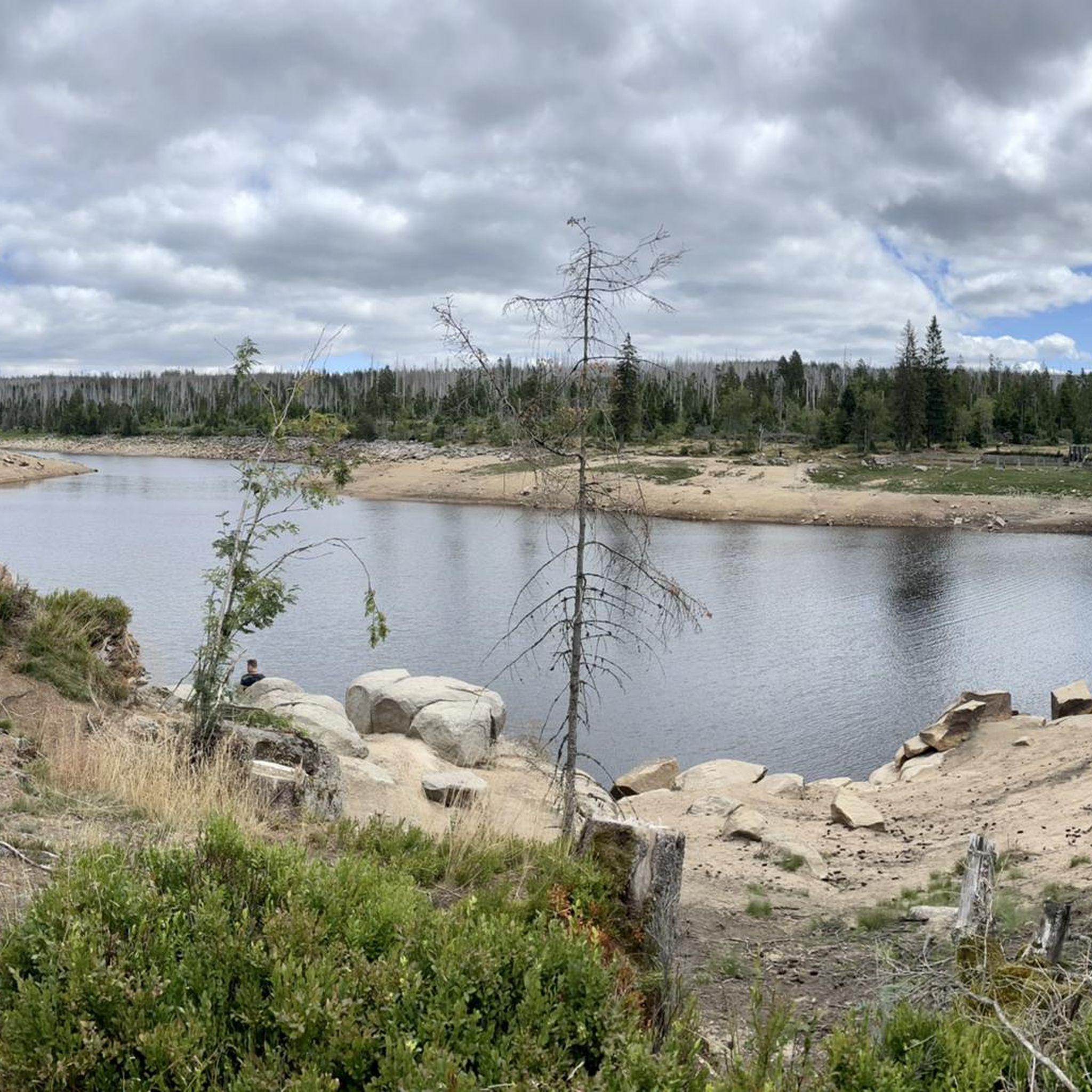
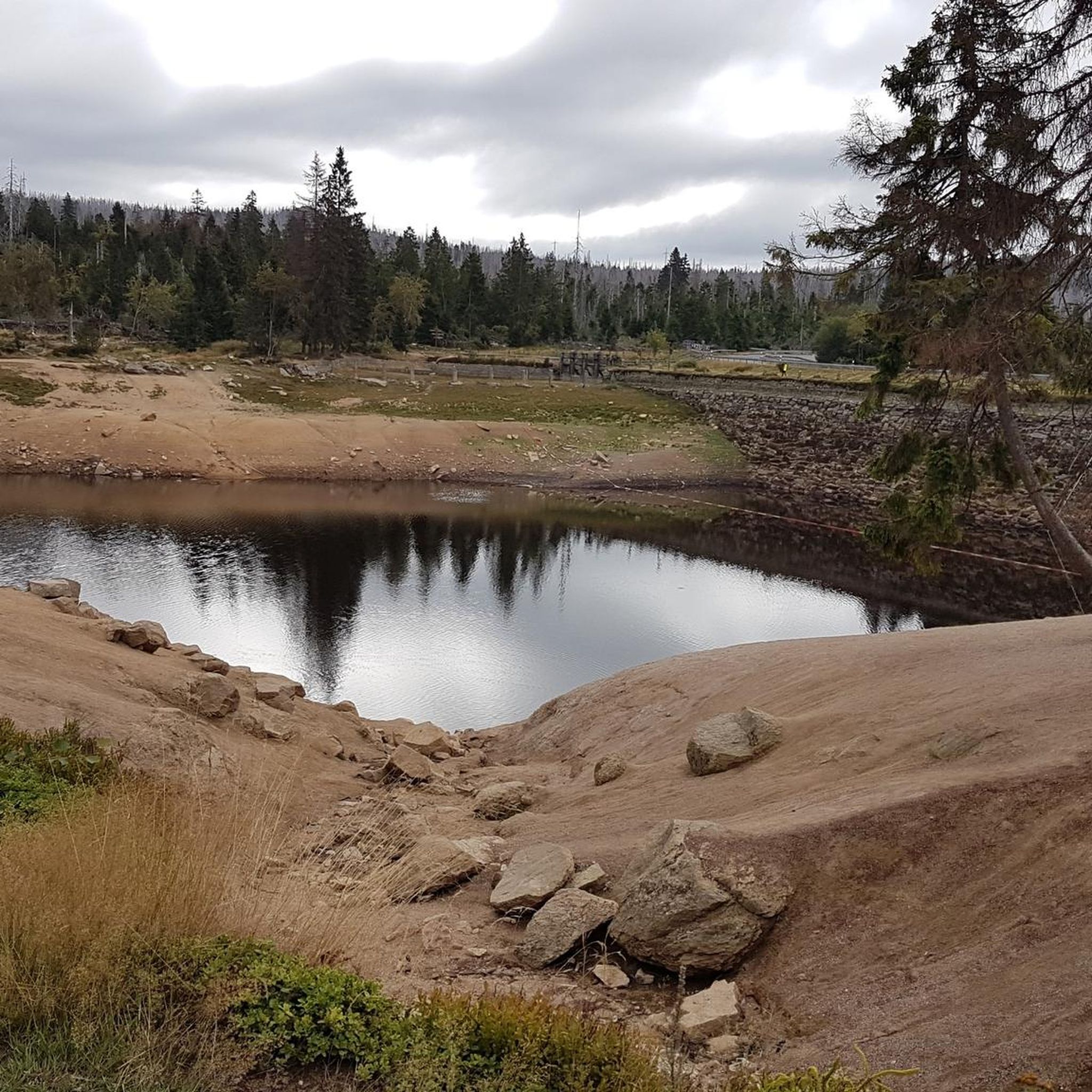
Best attractions and places to see around Oderteich include a blend of historical engineering and unique natural landscapes within the Harz National Park. This reservoir, once Germany's largest, is an integral part of the Upper Harz Water Regale, a UNESCO World Heritage Site. Visitors can explore its brownish-colored water, ancient spruce trees, and moorland areas. The region offers recreational opportunities, including designated swimming areas and accessible hiking trails.
Best attractions and places to see around Oderteich
- The most popular attractions…
Last updated: May 9, 2026
Oderteich
Highlight • Lake
Translated by Google •
Tip by

Oderteich riverside path
Highlight (Segment) • Trail
Translated by Google •
Tip by

Sign up now to discover places like this
Get recommendations on the best single tracks, peaks, & plenty of other exciting outdoor places.
Sign up for free
Root-covered path on the west shore of the Oderteich
Highlight (Segment) • Trail
Translated by Google •
Tip by

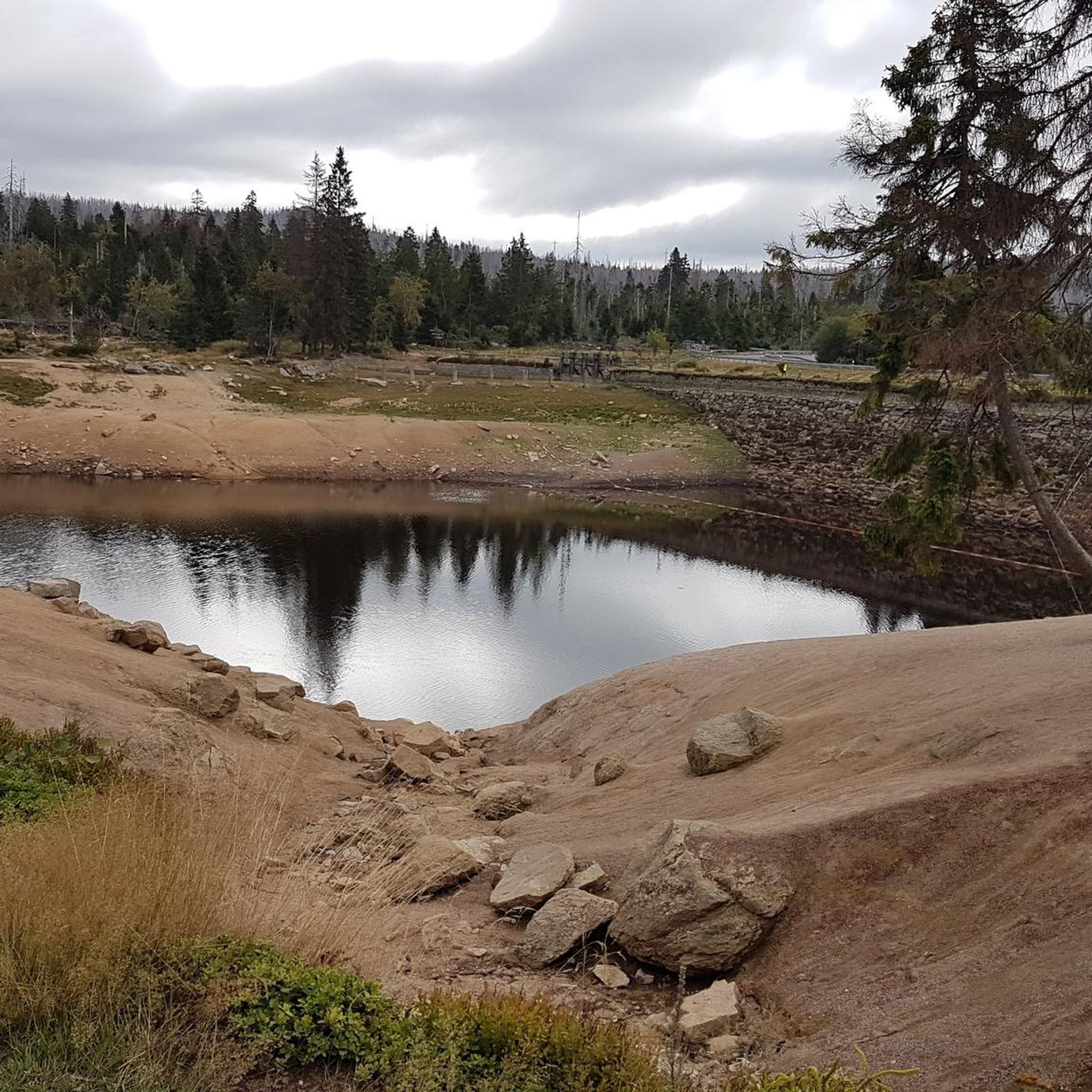
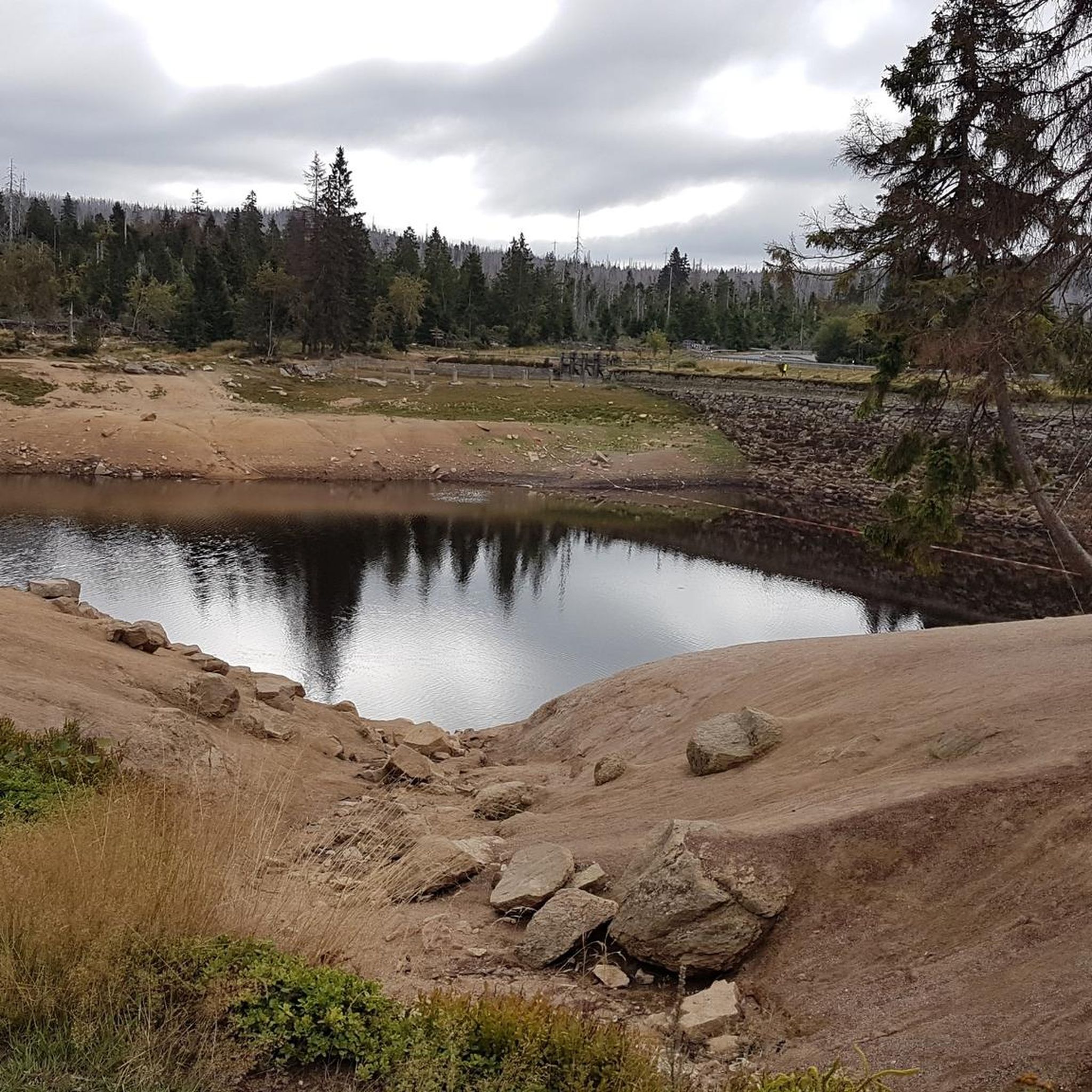
Overflow sluice at Oderteich
Highlight • Monument
Translated by Google •
Tip by

Frau Holle wooden sculpture at the Oderteich
Highlight • Monument
Translated by Google •
Tip by

Sign up for free to discover even more attractions around Oderteich.
Sign up for free
Already have an account?
Start today with a free account
Your next adventure awaits.
Login or Signup


Tips from the Community

A very nice round trip around the Oderteich, you come along here 😉
1
0

Very interesting to look at and a beautiful place to relax
5
0

The circular path is beautiful. You walk over the sand, the wooden walkway and then past the bathing area and there are plenty of opportunities to take a break. It's like a little vacation when you're there.
2
0

Every dam needs a flood relief system to ensure that even exceptionally large floods do not cause the crest of the dam to overflow. At the Oderteich, it is located at the eastern end of the dam. In the reservoir in front of the outflow, several menhir-like granite steles, about 2.50 meters high, are noticeable. They serve to keep ice floes away from the overflow, as they could block the outflow cross-section.[24] The sluice system of the old outflow was manufactured in 1895 by the Royal Central Forge Clausthal. It makes it possible to increase the reservoir level by another meter. Originally, the outflow continued straight on for almost 100 meters towards the south before the water could rush down into the valley. This route is still visible to the trained eye in the terrain. When, towards the end of construction work in 1722, stones were still missing to complete the dam, the steeply sloping and approximately 80-meter-long Great Flood was blasted out of the rock about 60 meters below the sluice gate at a right angle to this outfall, with the hope that it would improve hydraulic performance. The shot-shot route carved into the rock is particularly impressive when in use. The outfall was initially not sufficiently dimensioned. In December 1760, the dam was overflowed during an exceptional flood. The stable dam construction meant that only minor damage occurred. The response was to raise the dam by one meter, which probably only compensated for the dam settlement that had occurred up to that point. In 1886/87, it was concluded that the performance of the outfall needed to be increased further. To this end, a further outfall was built a few meters east of the existing outfall, twelve meters wide at the inlet, with the overflow threshold about one meter above the threshold of the old main outfall. It runs parallel to the main outflow under the B 242 and merges with it shortly before the overflow level and the subsequent spillway. This has increased the capacity of the flood relief system by around 50%.
2
0

You can also swim there and take a nice little walk. Hiking boots are recommended, though.
1
0

The overflow apron is definitely interesting to look at
4
0

Very nice corner. A lot of water flows in winter.
2
0

Very nice place to relax.
1
0
Frequently Asked Questions
What unique natural features can I explore around Oderteich?
Oderteich is nestled within the Harz National Park, offering a rich natural environment. You can observe the lake's distinctive brownish-colored water, caused by humic acids from its moorland sources. The eastern bank features ancient spruce trees, some over 300 years old, adapted to harsh winter conditions. The circular hiking trail also leads through fascinating moorland areas with specialized plants like peat moss and cotton grass.
What historical landmarks are significant at Oderteich?
The most prominent historical landmark is the Oderteich Dam, constructed between 1715 and 1722. It was once Germany's largest reservoir dam and is a testament to historical engineering, preserved in its original state. Oderteich is also an integral part of the Upper Harz Water Regale, a UNESCO World Heritage Site, which historically supplied water to mines and now contributes to electricity generation. You can also see the Overflow sluice at Oderteich, a protective system from 1895.
Are there hiking trails around Oderteich, and what are their difficulties?
Yes, a popular option is the well-marked Oderteich Circular Hiking Trail, which is approximately 4 to 4.5 kilometers long and considered easy with low gradients. For more options, you can explore various routes like the 'Wooden boardwalk at the Oderteich' (easy to moderate) or longer trails such as the 'Oderteich – Rehberger Graben loop' (moderate) and 'Oderteich riverside path – Torfhaus Moor loop' (moderate). You can find more details on hiking around Oderteich.
Is Oderteich suitable for families with children?
Absolutely! The Oderteich Circular Hiking Trail is particularly family-friendly due to its low gradients and varied terrain, including boardwalks. Children might enjoy the Frau Holle wooden sculpture at the Oderteich and the unique atmosphere of the root-covered paths. Designated swimming areas near the dam also provide opportunities for family fun during warmer months.
Can I swim in Oderteich?
Yes, Oderteich is one of the few reservoirs in the Harz Mountains where swimming is permitted. There are designated areas near the dam that offer bathing spots and sunbathing lawns, making it a great place to cool off in the summer.
When is the best time to visit Oderteich?
Oderteich offers different experiences throughout the year. In summer, it's ideal for swimming and hiking. In autumn, the surrounding forests display vibrant colors. Winter transforms the lake into a unique ice landscape, perfect for scenic walks, though good winter gear is essential. Spring brings fresh greenery and blooming moorland plants.
Where can I park near Oderteich?
There is a free parking lot conveniently located directly near the dam on the Harzhochstrasse, making it easy to access the circular trail and other attractions.
Are there accessible paths around Oderteich?
Yes, parts of the Oderteich Circular Hiking Trail feature boardwalks that lead safely through sensitive moorland environments. The trail generally has low gradients, making it suitable for a wider range of visitors, though some sections with roots (like the Root-covered path on the west shore of the Oderteich) might require good hiking boots.
What do visitors enjoy most about Oderteich?
Visitors frequently appreciate the blend of historical significance and natural beauty. The well-preserved dam and its role in the UNESCO World Heritage site are often highlighted. The opportunity to walk the scenic circular trail, swim in the unique brownish water, and observe the ancient spruce trees and moorland environments are also highly valued. Many enjoy the peaceful atmosphere and the chance to connect with nature.
Can I extend my hike from Oderteich to other notable areas?
Yes, Oderteich serves as an excellent starting point for longer excursions. You can connect to trails leading towards the nearby Torfhausmoor, a significant saddle moor, or even embark on routes offering views or connections towards the Brocken, the highest peak in the Harz. For more challenging routes, consider the Mountain Hikes around Oderteich.
Are dogs allowed on the trails around Oderteich?
While specific regulations for dogs are not detailed, the Harz National Park generally welcomes dogs on leashes on designated trails. The Oderteich Circular Hiking Trail is a popular outdoor route, and many visitors bring their dogs. Always ensure your dog is on a leash to protect wildlife and respect other visitors.
What kind of wildlife can I expect to see in the Harz National Park around Oderteich?
As Oderteich is located within the Harz National Park, which allows the forest to develop into a wilderness, you can expect diverse flora and fauna. While specific sightings vary, the park is home to deer, wild boars, various bird species, and unique insects. The moorland areas also host specialized plant life like carnivorous sundew. Keep an eye out, especially during quieter times.
Most popular routes around Oderteich
Most popular attractions around Oderteich

Get inspired with the komoot mobile app


Explore more
Still not found the Highlight you’re looking for? See guides of the top attractions in other regions:
