The best gravel rides around Zazuar
13
riders
3
rides
Gravel biking around Zazuar offers routes through the Ribera del Duero wine region, characterized by extensive vineyards, rolling hills, and river valleys. The landscape features agricultural paths, pine, juniper, and holm oak forests, and moderate elevation changes. The Arandilla River, a tributary of the Duero, flows through the area, contributing to varied terrain suitable for gravel cycling.
Best gravel bike trails around Zazuar
- The most popular gravel bike trail is Aranda de Duero loop from Aranda de Duero, a…
Last updated: October 1, 2026
3
riders
35.1km
02:28
150m
150m
Moderate gravel ride. Good fitness required. Mostly paved surfaces. Suitable for all skill levels.
5
riders
33.1km
02:23
150m
150m
Moderate gravel ride. Good fitness required. Mostly paved surfaces. Suitable for all skill levels.

2
riders
39.9km
02:47
290m
290m
Moderate gravel ride. Good fitness required. Mostly paved surfaces. Suitable for all skill levels.
1
riders
Hard gravel ride. Good fitness required. You may need to push your bike for some segments of this route.
2
riders
70.8km
05:31
900m
900m
Hard gravel ride. Very good fitness required. You may need to push your bike for some segments of this route.
Our route recommendations are based on thousands of hikes, rides, and runs completed by other people on komoot.
Start today with a free account
Your next adventure awaits.
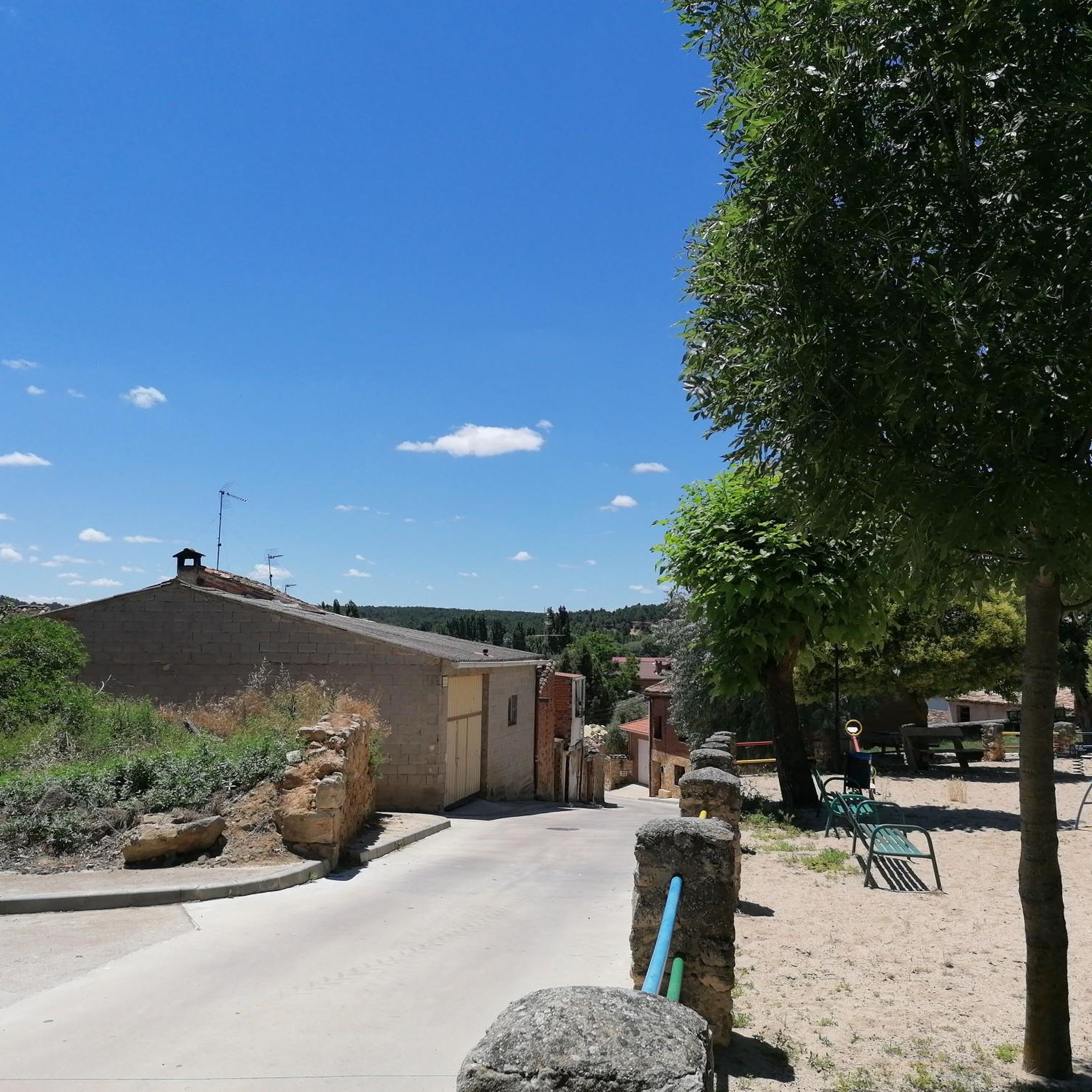
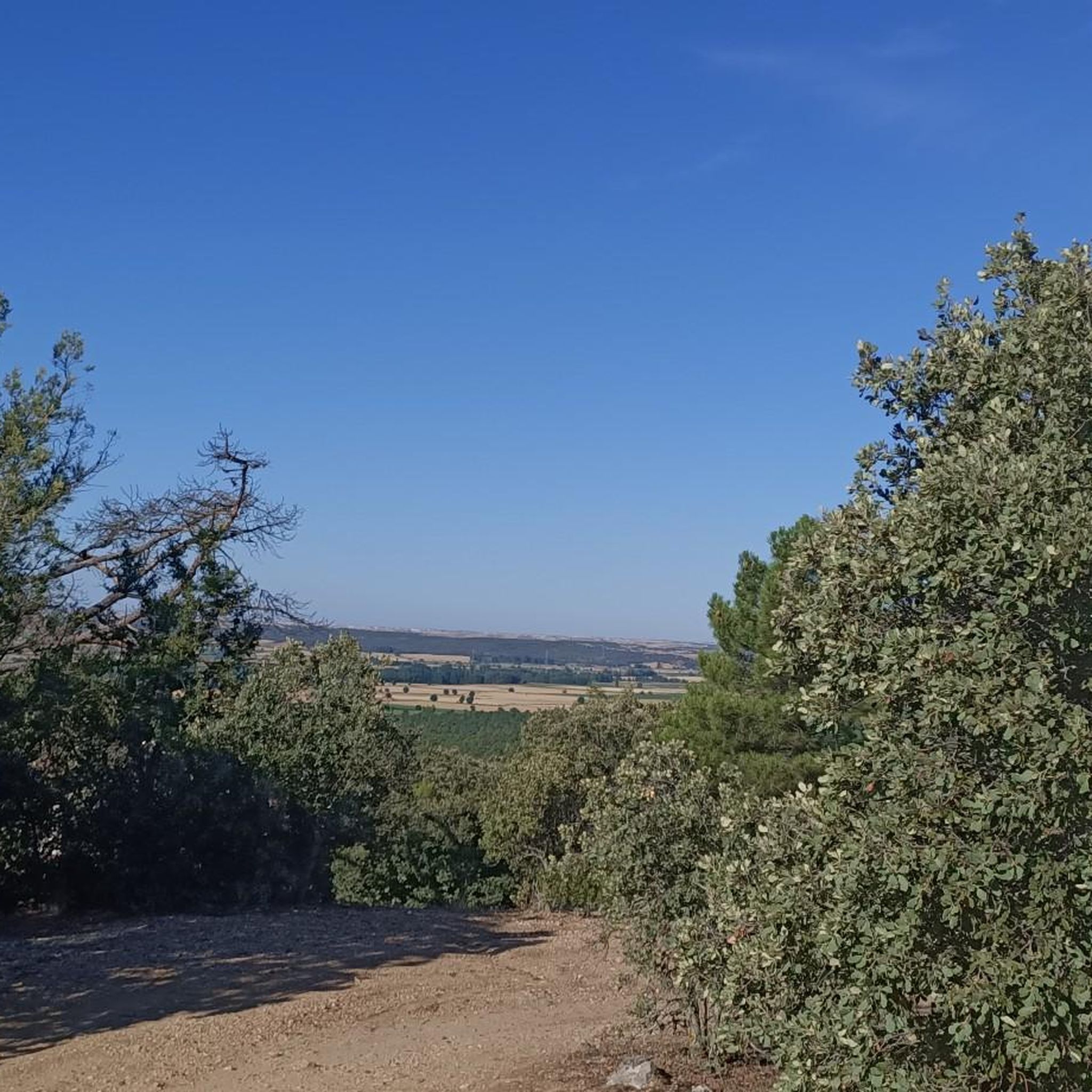
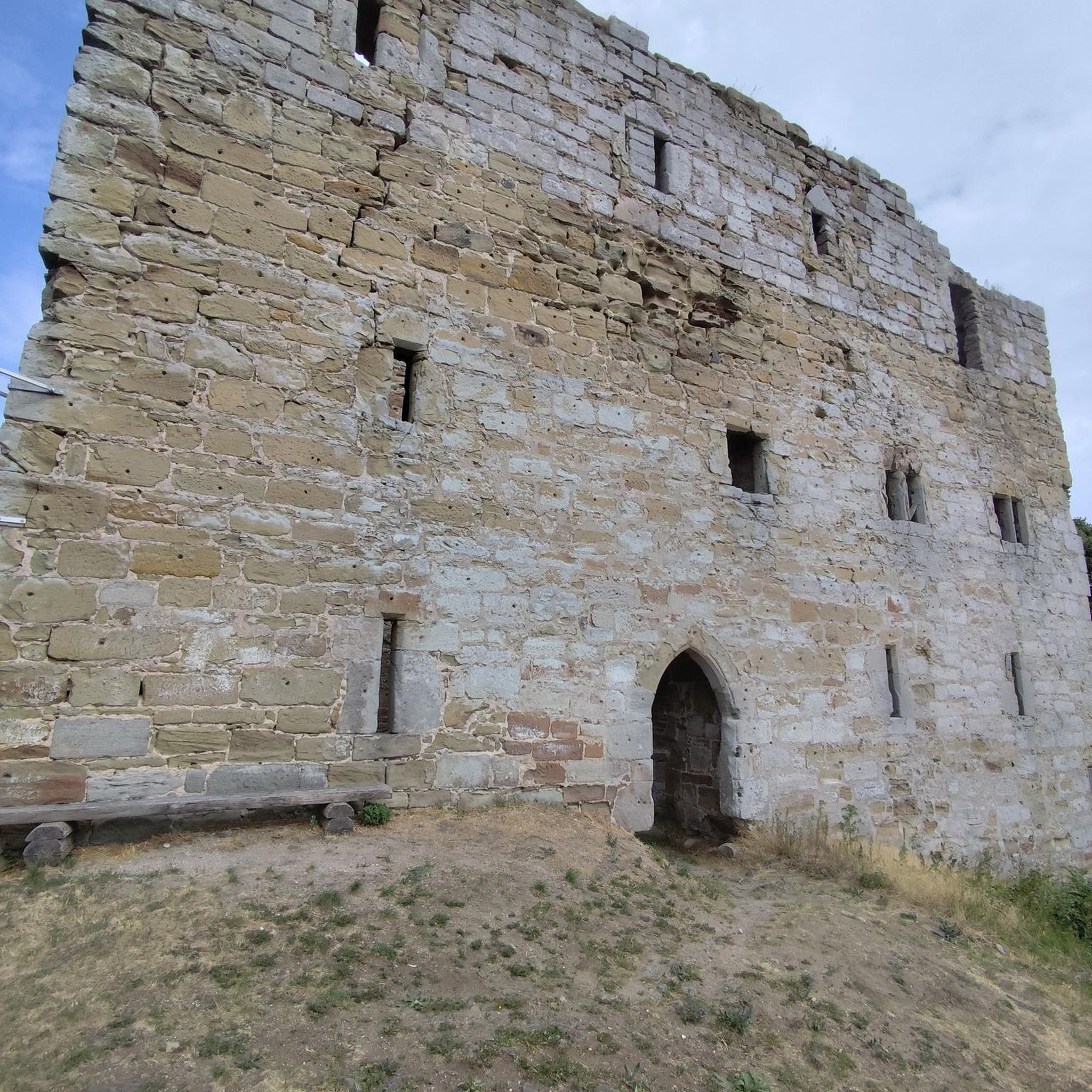

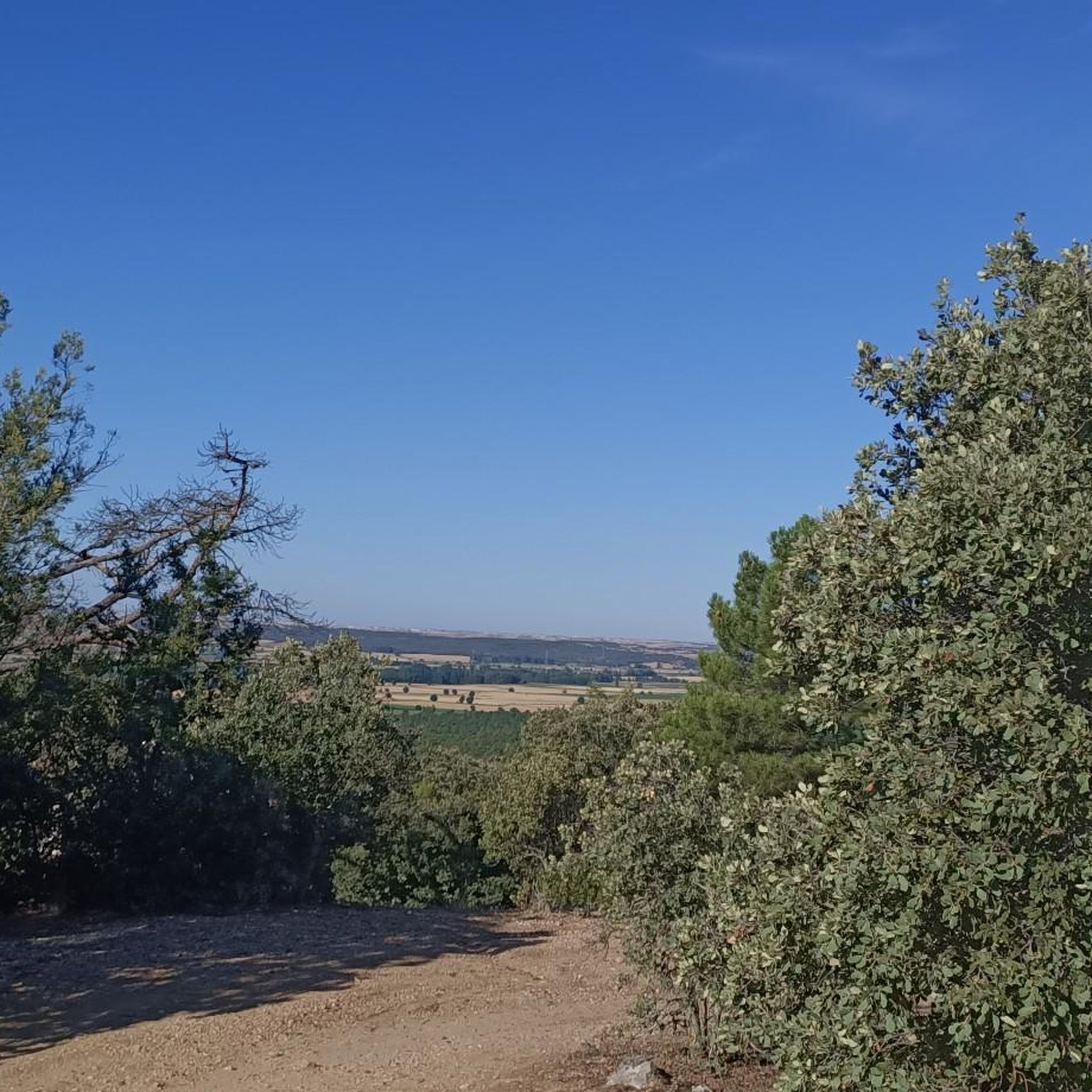
Tips from the Community

Fuentespina, a small town in the province of Burgos in the Ribera del Duero, is a tranquil destination ideal for enjoying the rural environment and wine culture; the most interesting thing is to stroll through its traditional old town, visit the church of San Miguel, and above all explore its underground cellars and vineyards, as it is part of one of the most important wine regions in Spain. Additionally, from there you can take routes along the Duero River or visit Aranda de Duero, famous for its gastronomy (especially roast suckling lamb), making the visit a very complete experience combining nature, history, and wine tourism.
2
0

The Church of Saint Andrew the Apostle in Zazuar is a large church built between the 16th and 19th centuries. Its interior combines Gothic and Renaissance styles and is notable for its altars with 15th-century Castilian panels, a Gothic monstrance, and a processional cross. The masonry and stone tower was completed in 1802.
4
0
The Church of Saint Andrew the Apostle in Zazuar was built between the 16th and 19th centuries. Its interior combines Gothic and Renaissance styles and is notable for its altars with 15th-century Castilian panels, a Gothic monstrance, and a processional cross. The masonry and stone tower was completed in 1802.
4
0
The Church of Our Lady of the Assumption in Quemada, Burgos, is a Romanesque church (12th-13th centuries). Its most notable features are the 16th-century Renaissance tower, an 18th-century main altarpiece, and a Renaissance baptismal font.
4
0
Aranda de Duero, in the province of Burgos, is the capital of the famous Ribera del Duero wine region. The city is known for its excellent wines and its network of underground wine cellars, medieval tunnels dug beneath the old town. It is also a top culinary destination, famous for its roast lamb and blood sausage. Its heritage includes Gothic churches such as Santa María la Real, which complement the cultural and culinary experience.
4
0
The Church of Santa María la Real is a prominent Gothic monument in Aranda de Duero, Spain. Its most notable feature is its main façade, a masterpiece of the 15th-century Isabelline Gothic style, richly decorated with detailed sculptures. It is a cultural and architectural landmark in the city.
4
0

Nice area for outdoor activities.
0
0

Aranda de Duero is especially known for its gastronomy (roasted lamb and blood sausage from Aranda) and its wines from the Ribera del Duero Designation of Origin. In terms of architectural heritage, it is worth highlighting the church of Santa María la Real (with an incredible Gothic-Elizabethan façade), the church of San Juan (today a sacred museum), the Sanctuary of San Pedro Regalado and the 7 km of Underground Wine Cellars built between the 12th and 18th centuries in the Old Town.
1
0
Frequently Asked Questions
How many gravel bike trails are available around Zazuar?
There are a few gravel bike trails around Zazuar, offering diverse experiences through the Ribera del Duero region. You can explore routes that take you through vineyards and along river valleys.
What kind of terrain can I expect on gravel bike trails near Zazuar?
The gravel bike trails near Zazuar primarily traverse the scenic Ribera del Duero wine region. You'll encounter a mix of vineyard paths, rolling hills, and rural trails through agricultural landscapes. Some routes may also pass through pine, juniper, and holm oak forests, offering varied surfaces and beautiful views.
Are there any circular gravel routes in the Zazuar area?
Yes, there are circular gravel routes available. For instance, the Aranda de Duero loop from Aranda de Duero offers a moderate ride, while the Church of San Andrés, Zazuar loop from Hontoria de Valdearados provides a more challenging circular option.
What are some interesting landmarks or attractions I can see while gravel biking near Zazuar?
Many routes offer opportunities to see historical and cultural points of interest. You might pass by the impressive Church of San Andrés, Zazuar, or explore the charming town of Peñaranda de Duero. Other notable sites in the broader area include the Monastery of Santa María de la Vid and the Church of Santa María la Real of Aranda de Duero.
What is the best time of year for gravel biking in Zazuar?
The Ribera del Duero region generally offers pleasant conditions for gravel biking from spring through autumn. Spring brings blooming vineyards and mild temperatures, while autumn provides stunning fall colors and comfortable riding weather. Summers can be warm, so early morning or late afternoon rides are often preferred during peak season.
Are there any family-friendly gravel biking options around Zazuar?
While there are no routes specifically labeled 'easy' in the immediate guide, some moderate routes, such as the Gravel loop from Villanueva de Gumiel, could be suitable for families with older children or those accustomed to longer rides. These routes typically feature manageable elevation changes and well-maintained gravel paths.
Can I find routes suitable for beginners or those looking for an easier ride?
The routes in this guide are generally rated as moderate to difficult. For beginners, the Aranda de Duero loop from Aranda de Duero or the Gravel loop from Villanueva de Gumiel are both moderate in difficulty, offering a good introduction to gravel biking in the region without extreme challenges.
Are there any long-distance gravel routes for experienced riders?
While the routes listed here are around 33-35 km, the broader Ribera del Duero region is known for longer touring routes. For a more challenging experience, the Church of San Andrés, Zazuar loop from Hontoria de Valdearados is rated difficult and features more elevation gain, providing a good workout for experienced riders.
Is it possible to access Zazuar's gravel trails using public transport?
Zazuar is a small municipality, and direct public transport options specifically for cyclists might be limited. It is approximately 12 kilometers northeast of Aranda de Duero, which is a larger town with more transport connections. Cyclists often drive to the area or use Aranda de Duero as a base to start their rides.
Are there places to eat or drink near the gravel bike trails in Zazuar?
Zazuar and nearby villages in the Ribera del Duero region offer local establishments where you can find refreshments. Given the area's wine-producing heritage, you might find opportunities to visit local bodegas or small restaurants in the villages you pass through, especially in larger towns like Aranda de Duero.
What are the typical elevation changes on gravel routes around Zazuar?
The routes around Zazuar feature moderate elevation changes, characteristic of the rolling hills in the Ribera del Duero. For example, routes like the Aranda de Duero loop from Aranda de Duero have around 150 meters of elevation gain, while more challenging options like the Church of San Andrés, Zazuar loop from Hontoria de Valdearados can have over 240 meters of ascent.
Most popular attractions around Zazuar

Get inspired with the komoot mobile app


Explore more
Browse the best Gravel rides in other regions.
