Attractions and Places To See around Loch of Stenness - Top 5
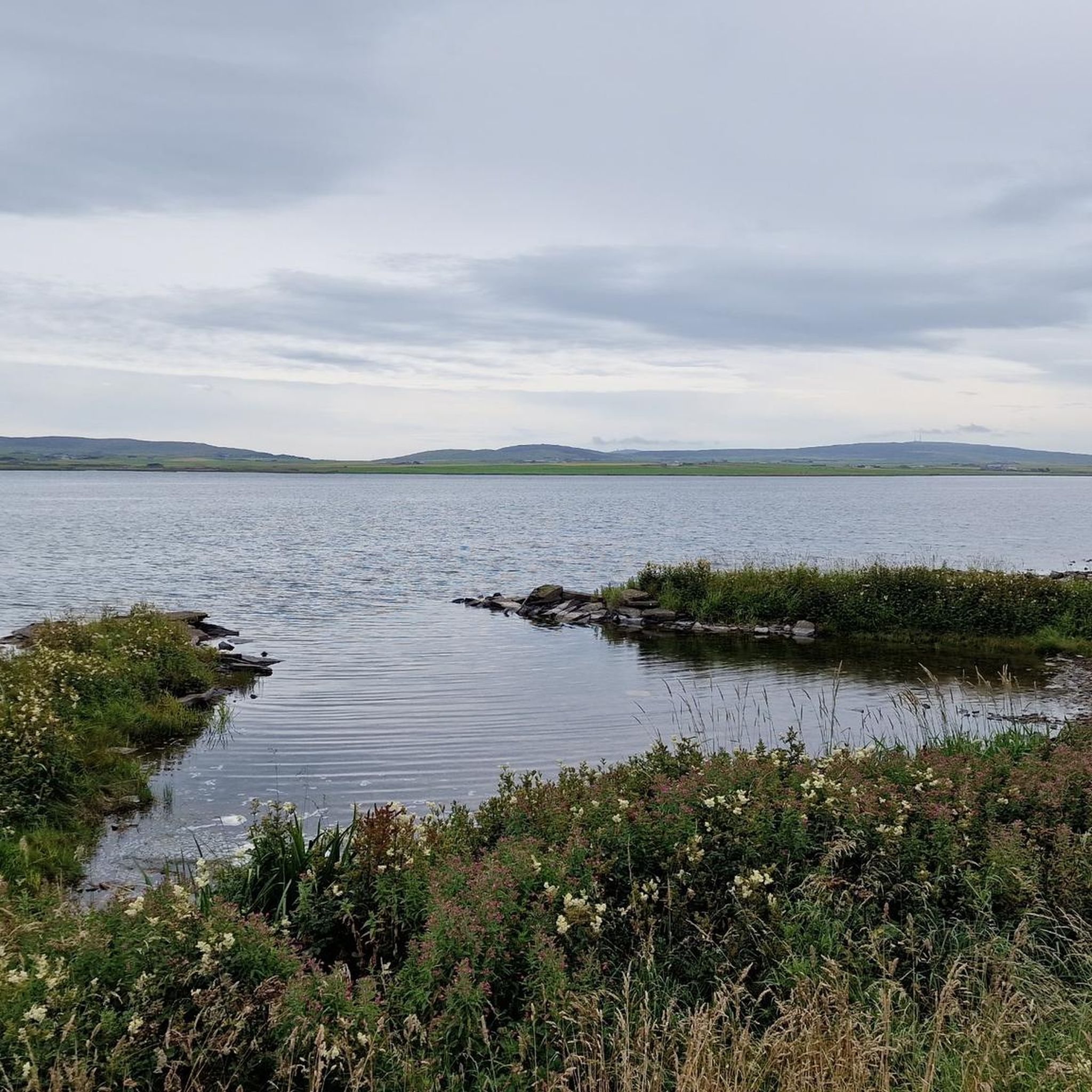
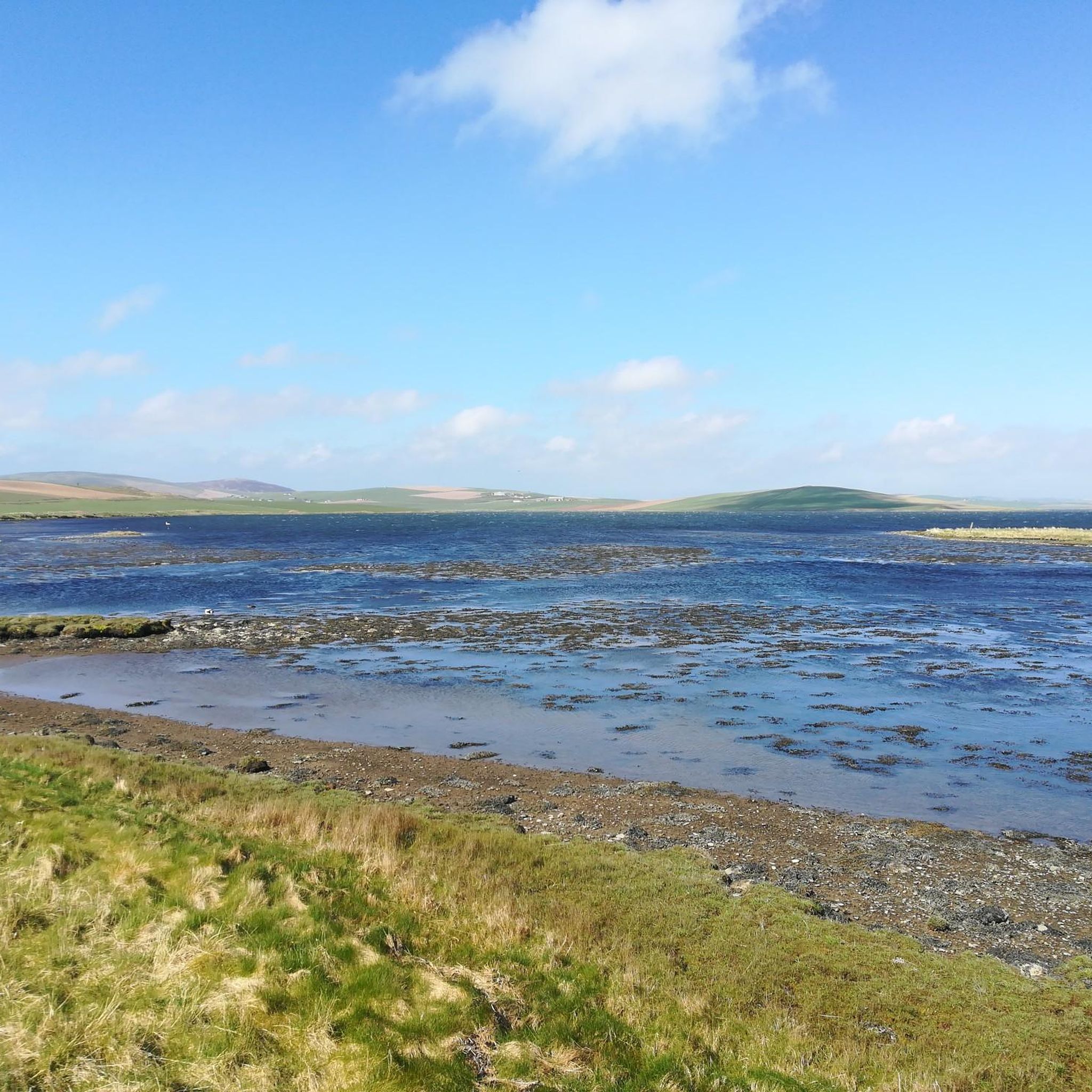
Best attractions and places to see around Loch of Stenness include significant Neolithic sites and unique natural features. This brackish loch on Mainland, Orkney, is the largest of its kind in the UK, offering a distinct ecosystem. The area is part of the Heart of Neolithic Orkney UNESCO World Heritage Site, featuring ancient monuments. It provides a blend of historical exploration and natural observation.
Best attractions and places to see around Loch of Stenness
- The most popular attractions is Standing…
Last updated: October 31, 2026
Standing Stones of Stenness
Highlight • Historical Site
Translated by Google •
Tip by

The Watch Stone
Highlight • Natural Monument
Translated by Google •
Tip by
Sign up now to discover places like this
Get recommendations on the best single tracks, peaks, & plenty of other exciting outdoor places.
Voy Road Singletrack
Highlight (Segment) • Cycleway
Tip by

Start today with a free account
Your next adventure awaits.
Tips from the Community

Nice informative stone circle
2
0
Interesting.. just beautiful.. Stones
1
0
The largest stone circle in Europe
1
0

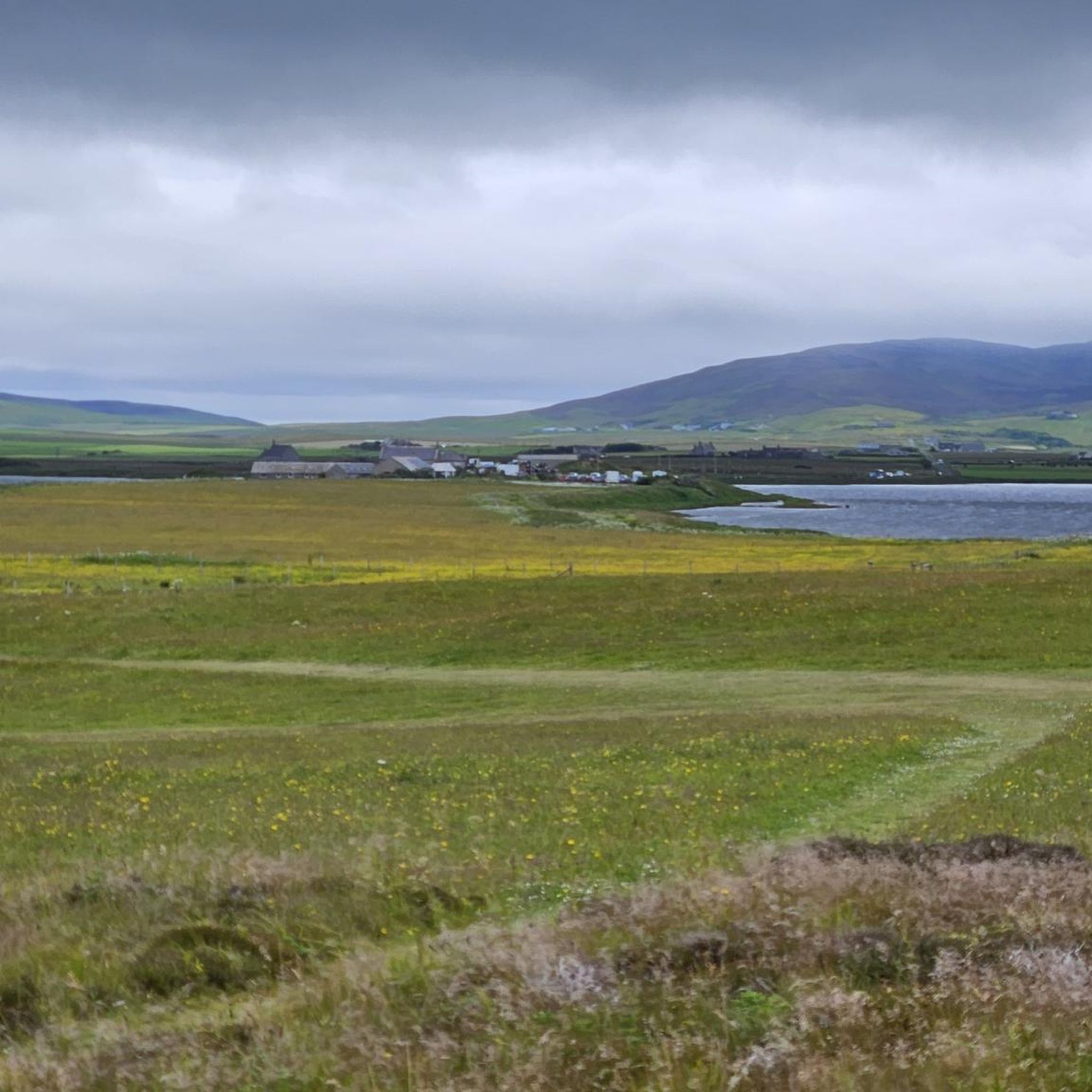
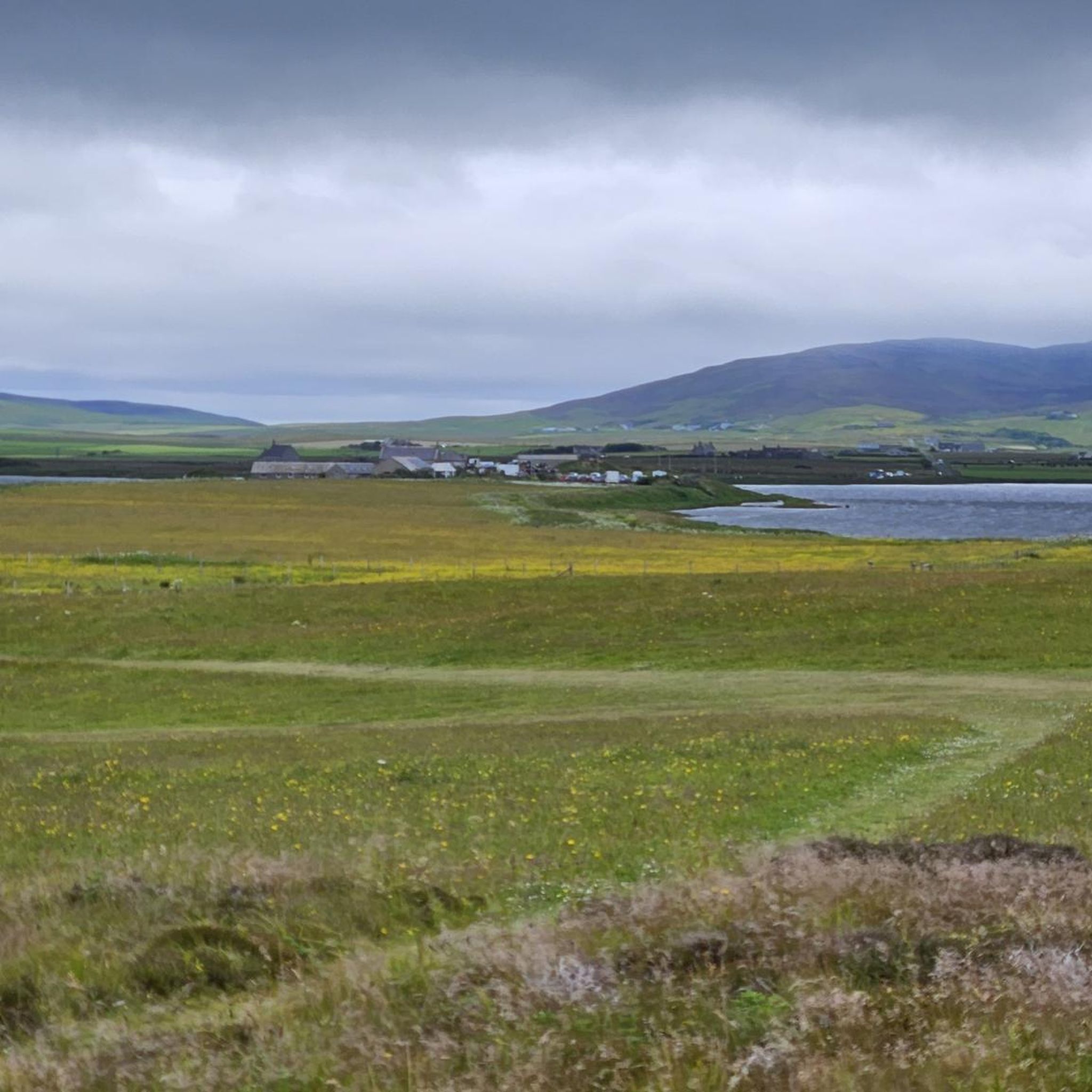
When I was on Strava, this was a regular segment that apparently no-one else bothered with. it is best appreciated slow as takes you along the quiet north edge of the Loch and links Brodgar road with the main Birsay Road from Stromness. Relatively traffic free with just odd tractor and RM delivery van, a good place for the orthinologist as well
0
0

The Watch Stone, also spelled Watchstone, is a standing stone or menhir from the Neolithic period, standing between the Loch of Stenness and the Loch of Harray on Mainland, one of Scotland's Orkney Islands. The megalith is part of the Heart of Neolithic Orkney World Heritage Site. The stone is on the west side of the road. About 170 meters to the south-southeast are the Stones of Stenness. North of the stone lies the Ring of Brodgar. The Watch Stone is a rectangular stone 5.6 meters high, 1.5 meters wide and 40 centimeters thick. The Watch Stone is the tallest monolith in this area. The base is provided with modern masonry for reinforcement. The front and back of the stone face east and west. (Wikipedia)
9
0
Stones of Stenness, also called Standing Stones of Stenness, is a henge stone circle monument dating from the Neolithic Age, located on the southeast side of Loch of Stenness on Mainland, one of Scotland's Orkney Islands. The stone circle, together with Skara Brae, the Ring of Brodgar and Maeshowe, belongs to the Heart of Neolithic Orkney, which has been a UNESCO World Heritage Site since 1999. The name Stones of Stenness is derived from the Old Norse Steinn-nes, a stone elevation in the landscape. In the eighteenth and nineteenth centuries, this stone circle was also referred to by the most likely romanticized term Temple of the Moon. The oldest known written reference comes from Martin Martin in 1716. In 1841 this term was still in use locally. The Temple of the Sun was used for the Ring of Brodgar. (Wikipedia)
10
0
Stones of Stenness, also called Standing Stones of Stenness, is a henge stone circle monument dating from the Neolithic Age, located on the southeast side of Loch of Stenness on Mainland, one of Scotland's Orkney Islands. The stone circle, together with Skara Brae, the Ring of Brodgar and Maeshowe, belongs to the Heart of Neolithic Orkney, which has been a UNESCO World Heritage Site since 1999. (Wikipedia)
9
0
Frequently Asked Questions
What historical sites can I explore around Loch of Stenness?
The area is rich in Neolithic history. You can visit the ancient Standing Stones of Stenness, one of the earliest stone circles in the British Isles. Nearby, the impressive Ring of Brodgar is another integral part of the Heart of Neolithic Orkney UNESCO World Heritage Site. Don't miss the Unstan Cairn, a Neolithic tomb, and the solitary The Watch Stone, the tallest monolith in the area.
What natural features make the Loch of Stenness area unique?
The Loch of Stenness itself is a unique natural feature, being the largest brackish lagoon in the UK. Its mix of fresh and saltwater supports a diverse ecosystem, making it a Site of Special Scientific Interest (SSSI) and a Special Area of Conservation (SAC). The loch is also connected to the freshwater Loch of Harray, forming a significant loch system.
Are there walking or hiking trails near the attractions?
Yes, there are several walking and hiking opportunities. You can find easy hikes around the area, including routes like "The Ring of Brodgar & Stones of Stenness" and "Barnhouse Neolithic Settlement – Standing Stones of Stenness loop." For more options, explore the easy hikes guide for Loch of Stenness.
Can I find family-friendly activities around Loch of Stenness?
Many of the historical sites, such as the Standing Stones of Stenness, The Watch Stone, and Unstan Cairn, are considered family-friendly. The open spaces around the loch and the archaeological sites offer engaging exploration for all ages. Birdwatching is also a popular family activity.
What are the options for cycling around Loch of Stenness?
The area offers pleasant cycling routes. The Voy Road Singletrack follows the quiet north edge of the loch, connecting Brodgar road with the main Birsay Road. For more extensive rides, you can find road cycling routes like the "Ring of Brodgar – Standing Stones of Stenness loop from Stromness." Check the road cycling guide for Loch of Stenness for detailed options.
How can I get to the main attractions like the Standing Stones of Stenness or the Ring of Brodgar?
The main attractions are located on Mainland, Orkney. While specific public transport routes can vary, local bus services often connect major towns like Stromness and Kirkwall to the vicinity of the Neolithic sites. It's advisable to check current bus schedules for the most up-to-date information on routes serving the Loch of Stenness area.
Is there parking available at the major Neolithic sites?
Yes, parking facilities are generally available at or very close to the major Neolithic sites such as the Standing Stones of Stenness and the Ring of Brodgar. These sites are popular, so designated parking areas are provided for visitors.
What is the best time of year to visit the Loch of Stenness area?
The summer months (June to August) offer the mildest weather and longest daylight hours, making them ideal for exploring the outdoor sites. However, the area can be beautiful in spring and autumn, with fewer crowds and good opportunities for birdwatching as wildfowl migrate. Winter offers a stark, dramatic landscape, though weather can be more challenging.
What kind of wildlife can I spot around the loch?
The Loch of Stenness is an important habitat for wildlife due to its brackish nature. You can spot various burrowing worms, bivalves like mussels, and the snail Hydrobia ulvae. It's also a significant wintering ground for wildfowl, including pochard, tufted duck, scaup, and goldeneye, making it an excellent spot for birdwatching.
What is the difference between the Standing Stones of Stenness and the Ring of Brodgar?
Both are significant Neolithic stone circles and part of the UNESCO World Heritage site, but they differ in scale and age. The Standing Stones of Stenness are older, dating to around 3100 BCE, and originally comprised 12 stones. The Ring of Brodgar, erected around 2700 BCE, is larger in diameter (over 100 meters) and still retains about half of its original stones, offering a more expansive circular formation.
Are there any other significant archaeological sites besides the main stone circles?
Beyond the prominent stone circles, the area features other important archaeological sites. The Unstan Cairn is a notable Neolithic tomb. Additionally, the Ness of Brodgar, located on the narrow isthmus between the Loch of Stenness and the Loch of Harray, is an active archaeological dig site that has revealed a substantial Neolithic settlement.
Are the paths around the Loch of Stenness accessible for wheelchairs or strollers?
While many of the ancient sites are in open, natural landscapes, some paths may be uneven. The main visitor areas at the Standing Stones of Stenness and the Ring of Brodgar often have more accessible routes. However, for specific accessibility details, it's best to check with local visitor centers as terrain can vary.
Can I bring my dog to the attractions around Loch of Stenness?
Generally, dogs are welcome at many of the outdoor archaeological sites and walking trails around Loch of Stenness, provided they are kept on a lead and owners clean up after them. However, specific restrictions might apply to certain indoor facilities or sensitive wildlife areas, so always look for local signage.
Most popular routes around Loch of Stenness

Get inspired with the komoot mobile app


Explore more
Still not found the Highlight you’re looking for? See guides of the top attractions in other regions:
