The best city hikes and walks around Gran Bilbao
4.5
(3477)
21,202
hikers
294
hikes
Urban hiking trails around Gran Bilbao offer a diverse landscape for exploration. The region is characterized by its urban core, the Nervión River, and surrounding hills that provide elevated perspectives. Paths often follow the riverfront, connecting city landmarks with green spaces. This combination of cityscapes and accessible natural features defines the urban walking experience in Gran Bilbao.
Best urban hiking trails around Gran Bilbao
- The most popular urban hiking route is Bilbao City Highlights Trail, a 4.1 miles (6.7…
Last updated: November 7, 2026
4.4
(55)
229
hikers
6.66km
01:45
60m
60m
4.7
(31)
285
hikers
6.37km
01:42
70m
70m

4.6
(11)
81
hikers
15.9km
04:43
440m
440m
3.0
(1)
8
hikers
4.8
(4)
39
hikers
5.18km
01:21
40m
40m
Easy hike. Easily walkable paths.
Get access to more routes and recommendations from other explorers.
Already have an account?
Our route recommendations are based on thousands of hikes, rides, and runs completed by other people on komoot.
Start today with a free account
Your next adventure awaits.
Popular around Gran Bilbao

City hikes around Embalse de Gorostitza
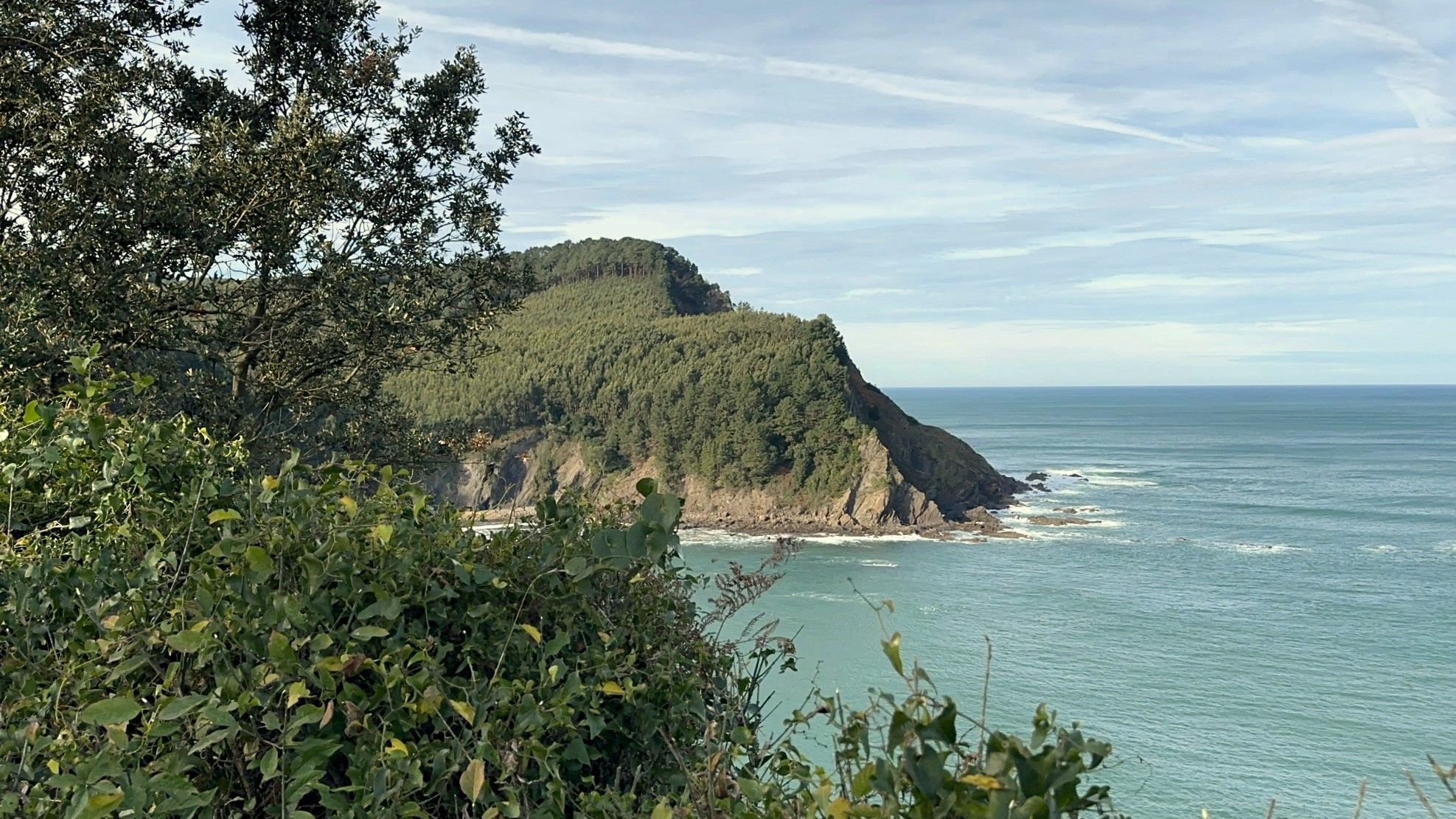
A paradise of contrasts – Uribe-Kosta Trail (GR 280)
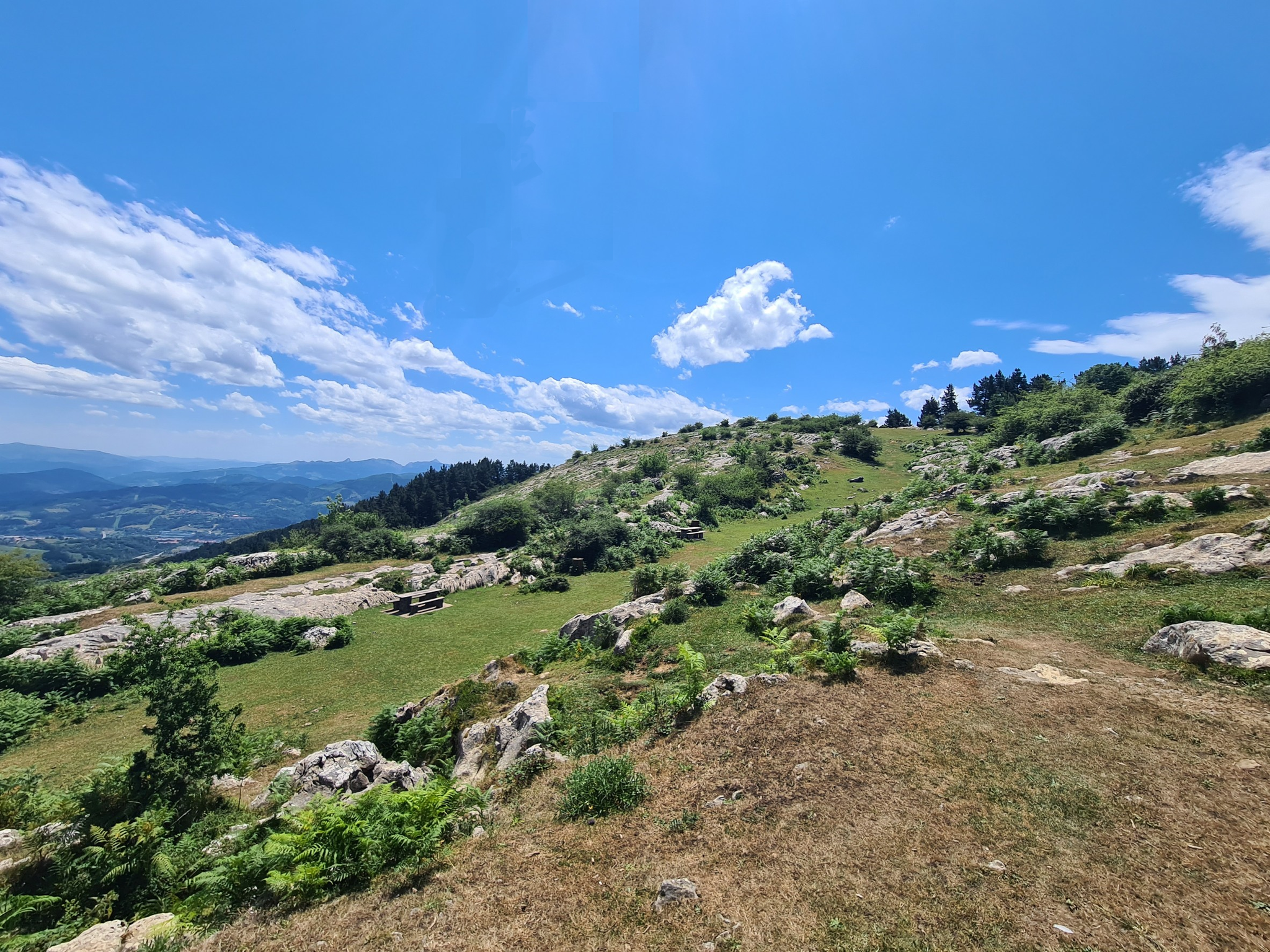
An escape from the hustle and bustle of the city – Bilbao's Green Belt (GR 228)
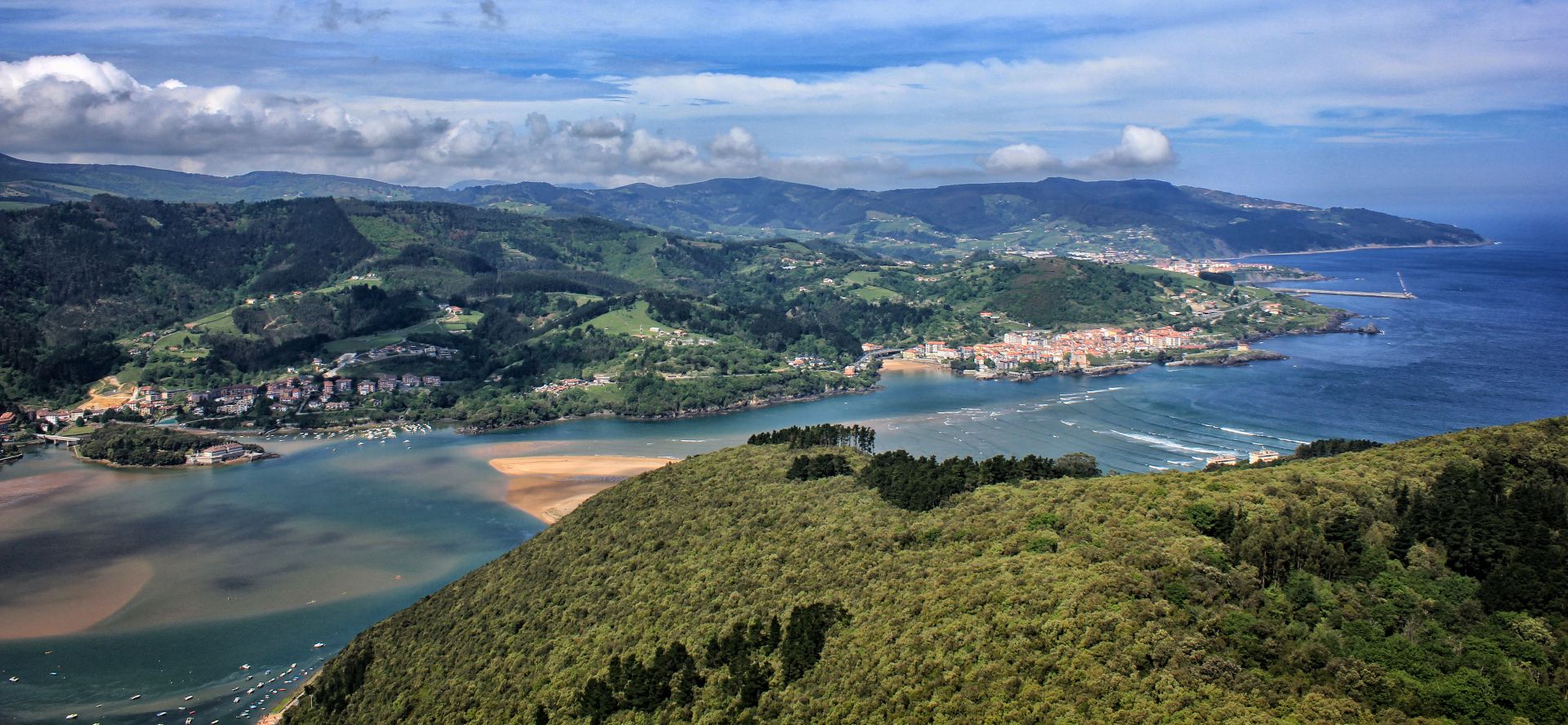
By the sea and the mountains – Tour of Biscay (GR 123)

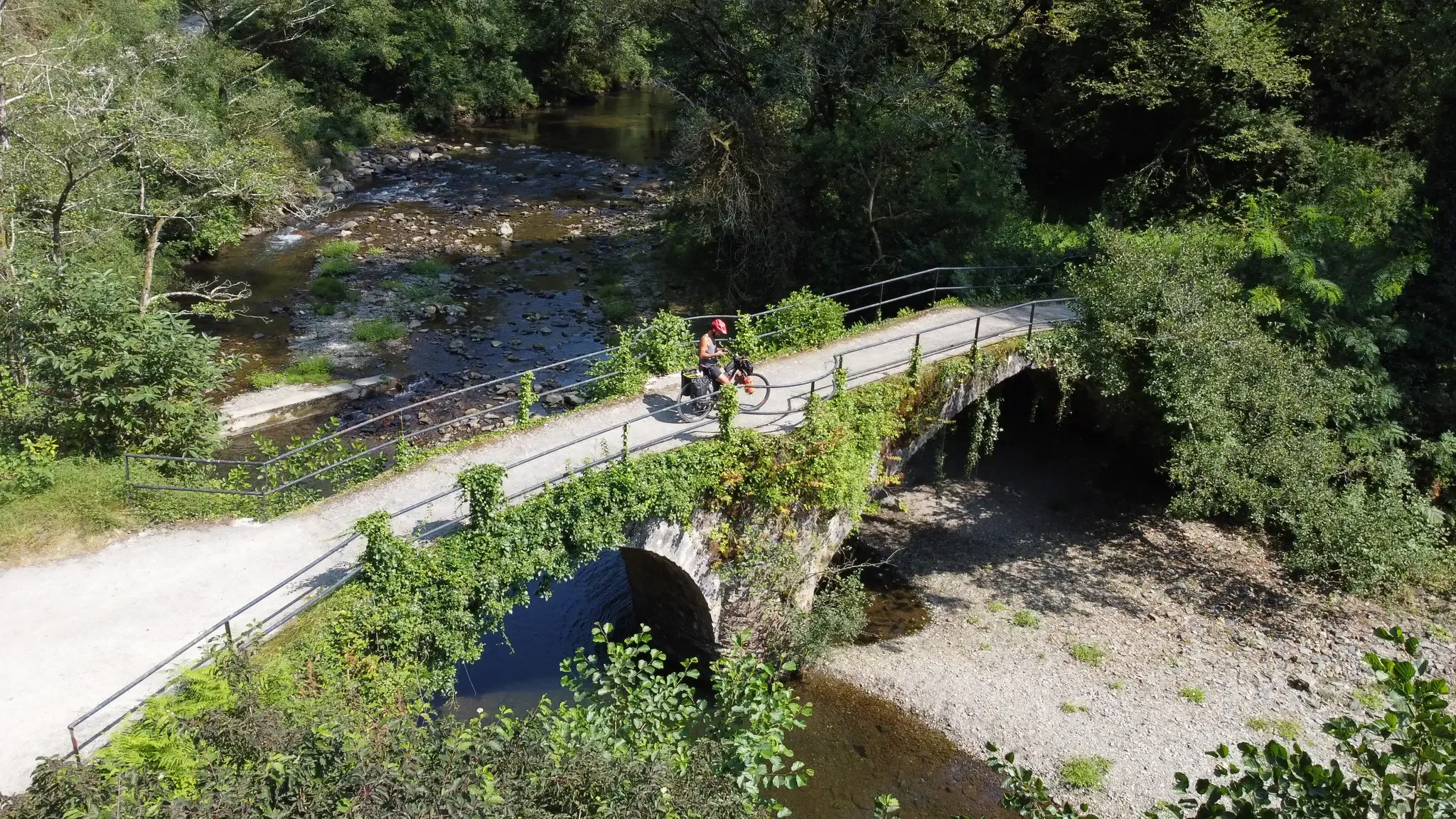
Zazpiak Bat Packing – a cycling adventure in the Basque Country
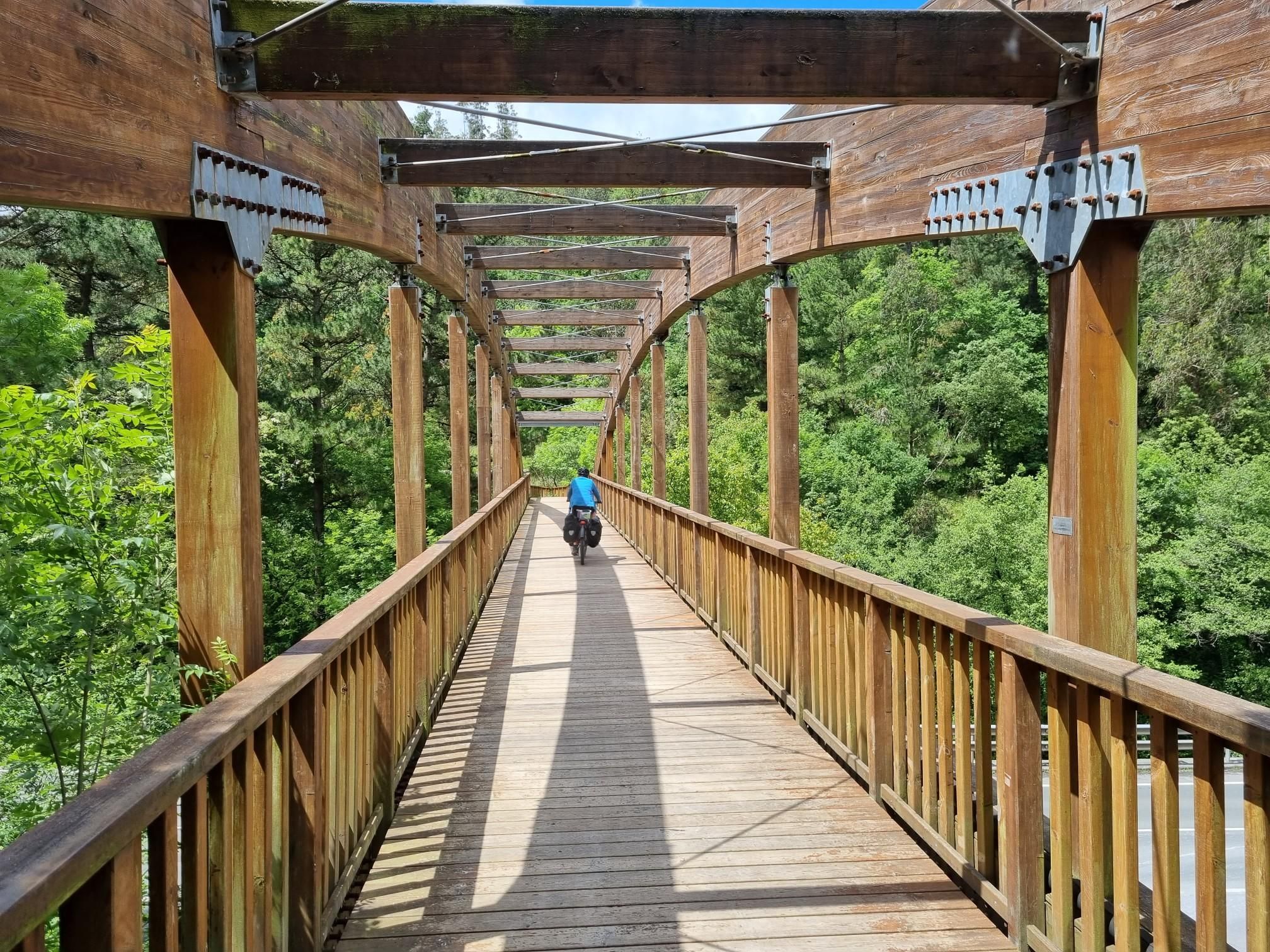
A Basque Country bike Tour – Montes de Hierro Greenway
From the coast to the mountains – Tour of the Basque Country
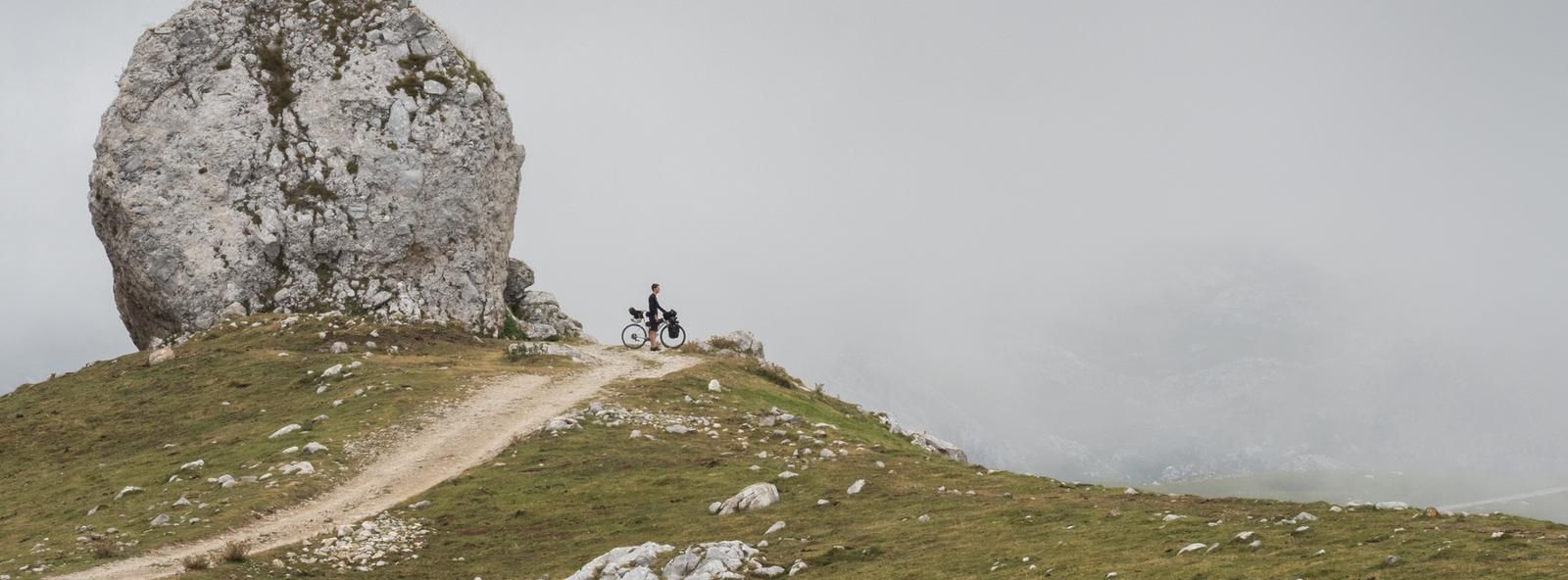
Cycling Northern Spain – (re)discovering home
Other adventures around Gran Bilbao


Tips from the Community

Very good and well-filled pintxo bars around the square.
1
0
During our visit in October 2026 unfortunately covered due to new plants, otherwise one of the artworks around the museum.
1
0

No visitor to Bilbao can miss this flower dog. It's a lovely walk along the river to the museum, and there it sits enthroned at the entrance. A great sight!
0
0

The Church of San Antón is a Catholic church located in the Old Town neighbourhood of Bilbao, Spain. It is dedicated to Anthony the Great, known as San Antón in Spanish. It is featured, along with the San Antón Bridge, in the city's coat of arms. The estuary of Bilbao flows next to it. The church was built at the end of the 15th century on a plot where there had been a warehouse for three hundred years. It is considered an asset of cultural interest since 17 July 1984, in the category "National Historic-Artistic Monument". In 1774 the construction of the present Belfry Tower was begun by Gabriel de Capelastegui, replacing an earlier structure. The tower has a quadrangular body that rises near the central roof. Above it is the belfry crowned by a dome and a lantern, and with auctions in the weathercock. It has a shining Baroque dieciochesco style, being one of the best examples of the whole Basque Country. The weathercock dates back to 1775, specifically it was made on 7 December 1775 Throughout history this church has suffered damage and was closed twice. The main source of damage was flooding from the Nervión river. The last flood was in 1983 and resulted in furniture, drag doors and railings inside the church being destroyed. The church has also suffered damage through bombing and fire during war, especially during the Carlist war. During this war, the church was forced to close as it was used for military logistics.
0
0

Neoclassical square in the heart of Bilbao's Old Town (Casco Viejo). • The square was laid out in 1821 and completed in 1851. • It is surrounded by arcades and columns, beneath which are numerous pintxos bars and restaurants. • Plaza Nueva is a popular meeting place and considered the heart of the old town. • A flea market takes place in the square on Sundays.
0
0
It was inaugurated in 1939 and honors Evaristo de Churruca, a Spanish naval officer and engineer known for his contributions to the canalization of the Nervión River. The monument consists of an Art Deco-style obelisk with bronze statues symbolizing man's struggle against the sea.
0
0

A roundabout to relax and all around is car traffic.
0
0

The Churruca Pier or Evaristo de Churruca Pier is a pier in the Biscayan town of Las Arenas (Getxo). Designed and built by the Spanish engineer Evaristo de Churruca y Brunet, it is located at the end of the Nervión estuary and is named after him, as is its counterpart, the Churruca Pier in Portugalete, located on the opposite bank of the estuary. The Churruca Pier extends along the right bank of the Nervión mouth, from the Vizcaya Bridge onward. It is divided into two parts: The first serves as a street, extending from the Vizcaya Bridge to the landscaped area known as Churruca Park, which includes several tamarind gardens and connects to the Las Arenas Pier and Las Arenas Beach. This first part consists of a promenade parallel to the estuary, a small garden separating it from a one-way road, and a sidewalk on the other side of the road, which provides access to the homes. The second part consists of a landscaped promenade and extends beyond the beach. This is the pier itself, the structure built by Evaristo de Churruca, which allowed the channeling of the Nervión River. It consists of two pedestrian walkways, separated by several garden areas, which connect at a small plaza at the end, where a small lighthouse stands. At the beginning of the pier is the monument to Evaristo de Churruca, a huge obelisk depicting man struggling with and conquering the sea (represented by Neptune, the Roman god, in a position of defeat). This image symbolizes man's struggle against the sea.
1
0
Frequently Asked Questions
How many urban hiking trails are available in Gran Bilbao?
Gran Bilbao offers a wide selection of urban hiking trails, with over 270 routes available. These range from easy strolls perfect for beginners to more challenging paths for experienced hikers, ensuring there's something for everyone.
What are the typical difficulty levels for urban hikes in Gran Bilbao?
The urban hiking trails in Gran Bilbao cater to all fitness levels. You'll find a significant number of easy routes, totaling over 150, which are ideal for a relaxed walk. There are also around 100 moderate trails for those seeking a bit more challenge, and a smaller selection of about 18 difficult routes for experienced hikers.
What kind of natural features can I expect to see on urban hikes in Gran Bilbao?
Urban hikes in Gran Bilbao often blend cityscapes with stunning natural elements. You can expect to encounter the scenic Nervión River, green hills, and even coastal views depending on the route. The region is known for its diverse landscapes, from urban parks to areas bordering natural parks like Gorbeia and Urkiola, offering a refreshing mix of environments.
Are there any urban trails in Gran Bilbao that offer great viewpoints?
Yes, many urban trails provide excellent viewpoints. For instance, routes around Mount Pagasarri, which is close to Bilbao, offer fantastic panoramic views of the city. Even within the city, trails along the river or through elevated neighborhoods can provide unique perspectives of Bilbao's architecture and surrounding hills.
Which urban hikes are suitable for families with children?
Many of Gran Bilbao's urban trails are family-friendly, especially the easier, flatter routes. The Bilbao City Highlights Trail is a great option, allowing families to explore the city's main attractions at a comfortable pace. Similarly, the Bilbao River Walk: Guggenheim to Old Town offers a pleasant, mostly flat path along the river, suitable for all ages.
Are urban hiking trails in Gran Bilbao accessible by public transport?
Absolutely. Many urban hiking trails in Gran Bilbao are easily accessible via the city's extensive public transport network, including metro, tram, and bus services. This makes it convenient to reach trailheads and return from your destination without needing a car. For example, the Mercator de la Ribera from Bilbao-Abando route starts directly from a central transport hub.
What landmarks can I see along urban hiking routes in Gran Bilbao?
Urban hikes in Gran Bilbao often pass by iconic landmarks. You can explore the modern architecture of the Guggenheim Museum, walk across the unique Zubizuri Bridge, or discover the historic charm of Plaza Nueva. Further afield, the impressive Vizcaya Bridge is also a notable sight accessible from some routes.
Are there any circular urban trails in Gran Bilbao?
Yes, there are several circular urban trails available, which are great for starting and ending your hike in the same location. An example is the Mercator de la Ribera from Bilbao-Abando — circular via Plaza Nueva, which allows you to explore the city's vibrant market and historic square before returning to your starting point.
What do other hikers enjoy most about urban hiking in Gran Bilbao?
The komoot community highly rates urban hiking in Gran Bilbao, with an average score of 4.5 stars. Reviewers often praise the unique blend of urban exploration with natural beauty, the accessibility of trails, and the opportunity to discover both well-known landmarks and hidden gems. The variety of routes, from riverside walks to city viewpoints, is also frequently highlighted.
Are there any urban trails that follow old railway lines or greenways?
While many urban trails are within the city, the broader Gran Bilbao region offers greenways that follow old railway lines. For example, the Vía Verde de Arrazola, though a short drive from the city center, provides a gentle and pleasant walk through forests and meadows, showcasing the region's commitment to repurposing old infrastructure for outdoor activities.
Can I find cafes or pubs along urban hiking routes in Gran Bilbao?
Yes, one of the advantages of urban hiking in Gran Bilbao is the easy access to amenities. Many routes pass through or near vibrant neighborhoods where you can find numerous cafes, pintxo bars, and restaurants to refuel and relax. The Old Town (Casco Viejo) and areas along the Nervión River are particularly rich in options for a refreshing break.
Most popular routes around Gran Bilbao
Most popular attractions around Gran Bilbao

Get inspired with the komoot mobile app


Didn’t find what you were looking for?
Check out more Hikes throughout Gran Bilbao below and find the perfect route in your destination.
Explore more
Browse the best Hikes in other regions.
