The best traffic-free bike rides around Gruissan
4.2
(261)
6,704
riders
19
rides
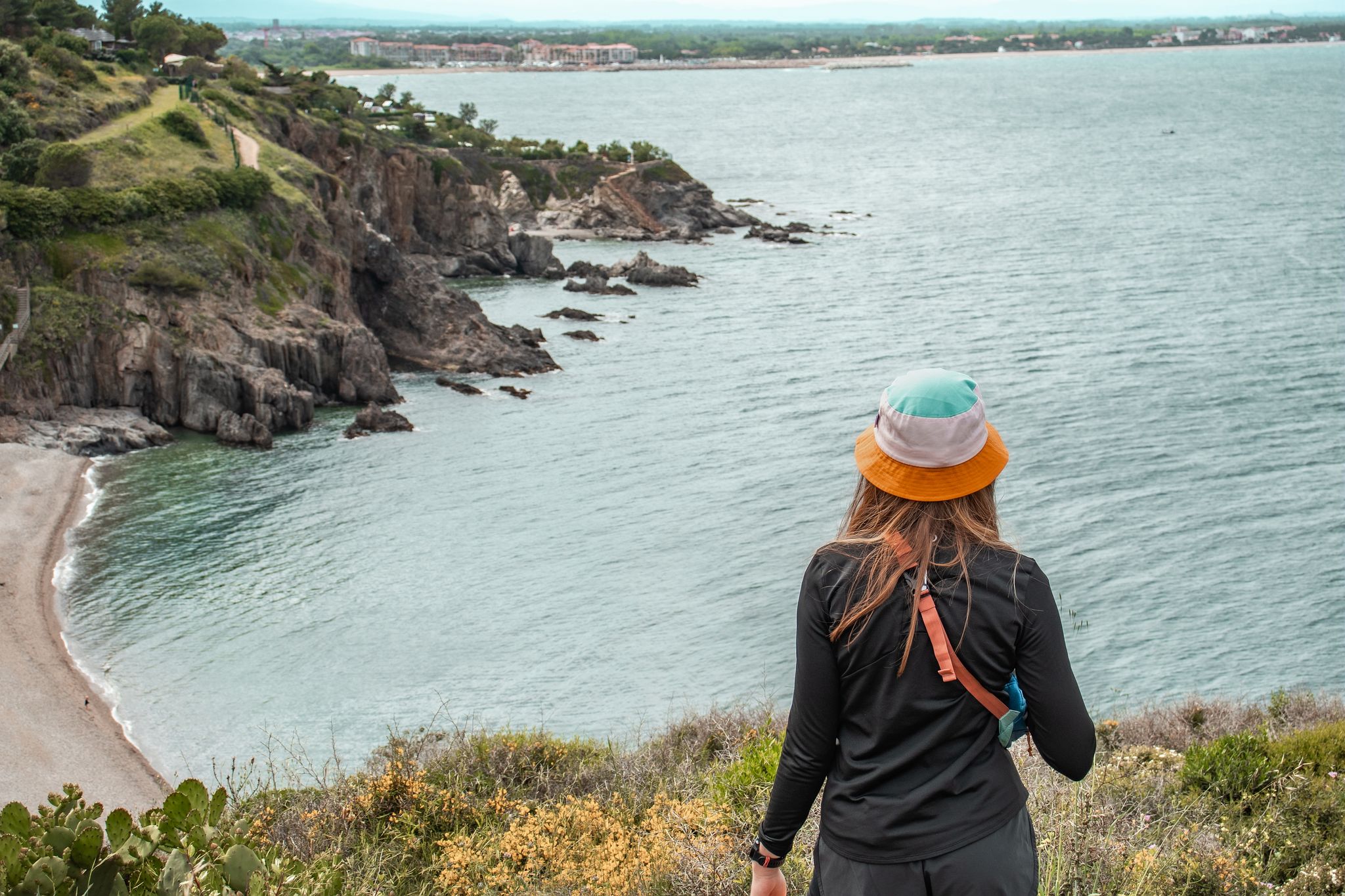
No traffic road cycling routes around Gruissan traverse a diverse landscape characterized by coastal lagoons, salt marshes, and the scrubland of the Massif de la Clape. The region offers varied terrain, from flat paths alongside the Étang de Gruissan and Salin de Gruissan to routes winding through vineyards and offering views of the Mediterranean Sea. This area provides a network of paved routes suitable for road cyclists seeking quiet paths away from vehicular traffic.
Best no traffic road cycling routes…
Last updated: October 9, 2026
5.0
(2)
80
riders
46.2km
01:53
110m
110m
Moderate road ride. Great for any fitness level. Some segments of this route may be unpaved and difficult to ride.
3.7
(3)
25
riders
50.0km
02:07
170m
170m
Moderate road ride. Good fitness required. Some segments of this route may be unpaved and difficult to ride.

5.0
(2)
42
riders
Moderate road ride. Good fitness required. Some segments of this route may be unpaved and difficult to ride.
24
riders
31.2km
01:34
80m
80m
Moderate road ride. Great for any fitness level. Some segments of this route may be unpaved and difficult to ride.
35
riders
Moderate road ride. Great for any fitness level. Some segments of this route may be unpaved and difficult to ride.
Get access to more routes and recommendations from other explorers.
Already have an account?
Our route recommendations are based on thousands of hikes, rides, and runs completed by other people on komoot.
Start today with a free account
Your next adventure awaits.




Tips from the Community

if the lilly passeur ferry is not there on the Orb, you have to go back to Sérignan and take this bridge
0
0

The Salins de l’île Saint-Martin are a remarkable example of a landscape shaped by salt exploitation. Salt marshes have been documented in Gruissan since the Middle Ages, but the current facilities were established at the beginning of the 20th century: the Société des salins de l’île Saint-Martin was created in 1911-1912. For several decades, salt production sustained many families from Gruissan. The principle relies on the progressive evaporation of seawater. Introduced into the ponds, it circulates from one compartment to another and concentrates under the action of the sun and wind, until it allows salt to crystallize in the salt pans. The salt worker controls this circulation and adapts the water’s progression to the weather conditions. The salt pans also constitute a remarkable natural environment. As salinity increases, the organisms present in the ponds evolve; in the most concentrated ponds, the microalga Dunaliella salina can give the water reddish-orange hues. It indirectly contributes to the coloration of flamingos, which feed in particular on small crustaceans living in these very salty waters.
2
0
Dominating the old village, the Tour Barberousse is the main vestige of the former fortified castle of Gruissan. A first fortification is attested as early as 1084, but the current tower belongs to the development of the castle in the 13th century: a document from 1247 mentions the construction of a tower near the entrance, which would be the one preserved today. The name "Barberousse" is, however, more recent and its origin remains uncertain. One should not see in it the trace of a passage of the famous Ottoman corsair Khayr ad-Dîn Barberousse, who died in 1546, long after the construction of the tower. The Heritage Inventory rather suggests a possible confusion with Gaspard Dot, known as "Barbe Roussette" or "Barberousse", a corsair active in the Gulf of Lion at the end of the 16th century.
2
0
With an average depth of only 55 cm, the Étang de Gruissan is more of a lagoon than a true "lake". Its brackish waters depend on exchanges between the sea, canals, and watershed, while winds can significantly alter its functioning. It is part of the six lagoons of the Narbonne complex, protected notably for the richness of their wetlands and their importance for birds. A few kilometers away, the remains of Île Saint-Martin recall another era: between the 2nd century BC and Roman antiquity, these lagoons were part of Narbonne's vast port system.
3
0

This road connects beautiful vineyards with the Mediterranean coast, creating an unforgettable landscape combination.
0
0

Located just between Narbonne-Plage and Saint-Pierre la mer, this pretty marina can accommodate 600 boats.
0
0
Sublime little fishing port! Intimate, little known, you will be in the heart of nature. Let yourself be invaded by the atmosphere of the place between the Mediterranean Sea, the Aude river and the Vendres wetland classified Natura 2000.
0
0

The pond can be easily circumnavigated by bike, it is worth it
0
0
Frequently Asked Questions
How many no traffic road cycling routes are available around Gruissan?
There are over 15 dedicated traffic-free road cycling routes around Gruissan, offering a variety of experiences from easy coastal loops to more moderate rides through the natural landscapes. In total, komoot lists 18 such routes.
Are there easy, traffic-free road cycling routes suitable for beginners or families in Gruissan?
Yes, Gruissan is very welcoming for beginners and families. There are 9 easy, traffic-free road cycling routes. A great option is the Gruissan Lagoon – Barberousse Tower loop from Gruissan, which is just over 10 km long with minimal elevation, perfect for a relaxed ride. The region's 'Cycling Welcome' label ensures facilities cater to all cyclists.
What kind of landscapes can I expect on these traffic-free cycling routes in Gruissan?
You'll experience a diverse range of landscapes. Many routes wind through sparkling lagoons like the Étang de Gruissan and Ayrolle Pond, offering tranquil paths and opportunities for birdwatching. Others take you through the unique pink and white hues of the Salin de Gruissan, or offer glimpses of the Mediterranean Sea and the lush scrubland of the Massif de la Clape.
Are there circular no traffic road cycling routes in Gruissan?
Yes, many of the traffic-free routes around Gruissan are circular, allowing you to start and finish at the same point. For example, the Salin de Gruissan – Gruissan Lagoon loop from Gruissan offers a scenic circular ride of over 21 km, showcasing the unique salt marshes and lagoons.
What are some interesting landmarks or natural sights I can see along these routes?
Gruissan's traffic-free routes often pass by significant natural and historical sites. You can cycle past the iconic Œil Doux Sinkhole, explore the unique Salin de Gruissan, or catch views of the historic Barberousse Tower. The routes also offer glimpses of the diverse flora and fauna within the Regional Natural Park of Narbonnaise in the Mediterranean.
What is the best time of year to enjoy traffic-free road cycling in Gruissan?
The spring and autumn months are ideal for traffic-free road cycling in Gruissan. The weather is typically mild and pleasant, perfect for exploring the lagoons, vineyards, and coastal paths without the peak summer heat. Winter can also be enjoyable, offering cooler temperatures and fewer visitors, while summer can be very warm, making early morning or late afternoon rides preferable.
Where can I park to access these traffic-free cycling routes in Gruissan?
Gruissan is well-equipped for cyclists, and you'll find various parking options, especially near the main village and popular starting points for routes. Many accommodations and the Tourist Office, part of the 'Cycling Welcome' label, can also provide guidance on convenient parking for cyclists.
Are there any specific routes that offer good opportunities for wildlife spotting?
Absolutely. The routes that traverse the lagoons and wetlands, such as the Étang de Gruissan and Ayrolle Pond, are excellent for wildlife spotting. These Natura 2000 sites are home to diverse bird species, including flamingos, particularly around the Salin de Gruissan. Keep an eye out for various birds and other wildlife in these protected natural areas.
Can I find more challenging no traffic road cycling routes near Gruissan?
While many traffic-free routes are easy, some offer a moderate challenge, particularly those that venture towards the edges of the Massif de la Clape. For instance, the Peyriac-de-Mer Village Square – View of Bages loop from Peyriac-de-Mer, though still relatively flat, covers a good distance and offers varied scenery, providing a slightly longer and more engaging ride.
What do other road cyclists enjoy the most about road cycling in Gruissan?
The area is highly rated by the komoot community, with an average score of 4.35 stars. Reviewers often praise the stunning, varied landscapes, from the serene lagoons and salt marshes to the coastal views and vineyards. The dedicated cycling infrastructure and the general 'Cycling Welcome' atmosphere are also frequently highlighted, making it a favorite for traffic-free exploration.
Are there any routes that explore the charming villages around Gruissan?
Yes, some traffic-free routes allow you to discover the picturesque villages nearby. The Peyriac-de-Mer Village Square – Pond loop from Peyriac-de-Mer is a great example, taking you through the charming village of Peyriac-de-Mer and its surrounding ponds, offering a blend of cultural and natural beauty.
Most popular attractions around Gruissan

Get inspired with the komoot mobile app


Explore more
Browse the best Road cycling routes in other regions.
