The best traffic-free bike rides around Sainte-Gemme-La-Plaine
4.6
(8)
35
riders
7
rides
Gravel biking around Sainte-Gemme-La-Plaine offers diverse terrain across the Vendée department. The region features expansive plains, quiet countryside roads, and the ancient Sainte-Gemme Forest, known for its venerable oaks and unique flora on limestone terrain. Cyclists can also explore routes near waterways and the edges of the Marais Poitevin marshlands. This landscape provides a mix of flat sections and wooded paths suitable for no traffic gravel bike trails.
Best no traffic gravel bike trails around Sainte-Gemme-La-Plaine
- The most popular no…
Last updated: May 24, 2026
4.3
(3)
11
riders
32.1km
01:50
30m
30m
Easy gravel ride. Great for any fitness level. Mostly paved surfaces. Suitable for all skill levels.
4.3
(3)
10
riders
27.4km
01:30
30m
30m
Easy gravel ride. Great for any fitness level. Mostly paved surfaces. Suitable for all skill levels.

Sign up for free
4
riders
46.6km
02:49
100m
100m
Moderate gravel ride. Good fitness required. Mostly paved surfaces. Suitable for all skill levels.
2
riders
39.7km
03:02
330m
330m
Moderate gravel ride. Good fitness required. Mostly paved surfaces. Suitable for all skill levels.
5.0
(2)
4
riders
19.7km
00:59
20m
20m
Easy gravel ride. Great for any fitness level. Mostly paved surfaces. Suitable for all skill levels.
Get access to more routes and recommendations from other explorers.
Sign up for free
Already have an account?
Our route recommendations are based on thousands of hikes, rides, and runs completed by other people on komoot.
Start today with a free account
Your next adventure awaits.
Login or Signup
Popular around Sainte-Gemme-La-Plaine
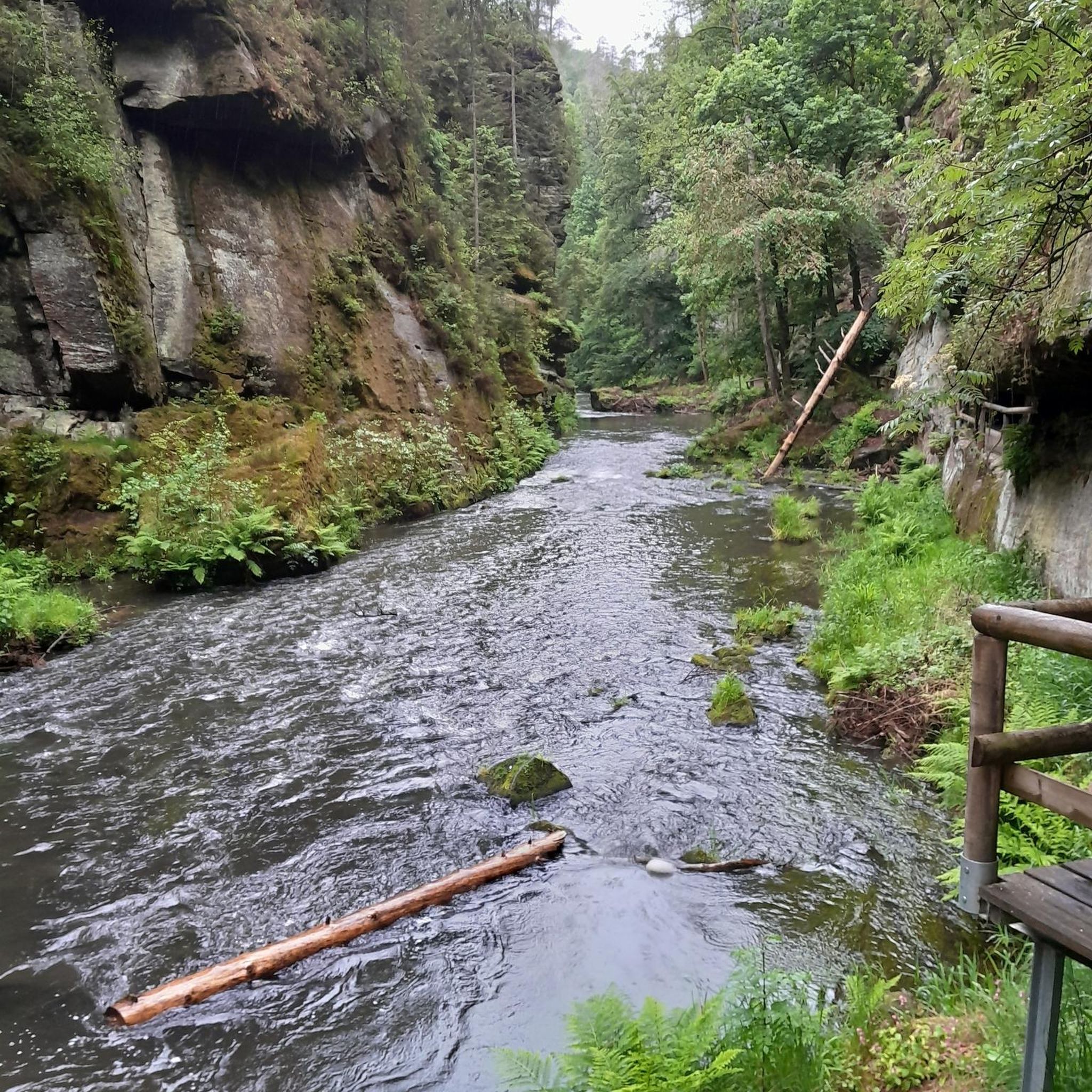
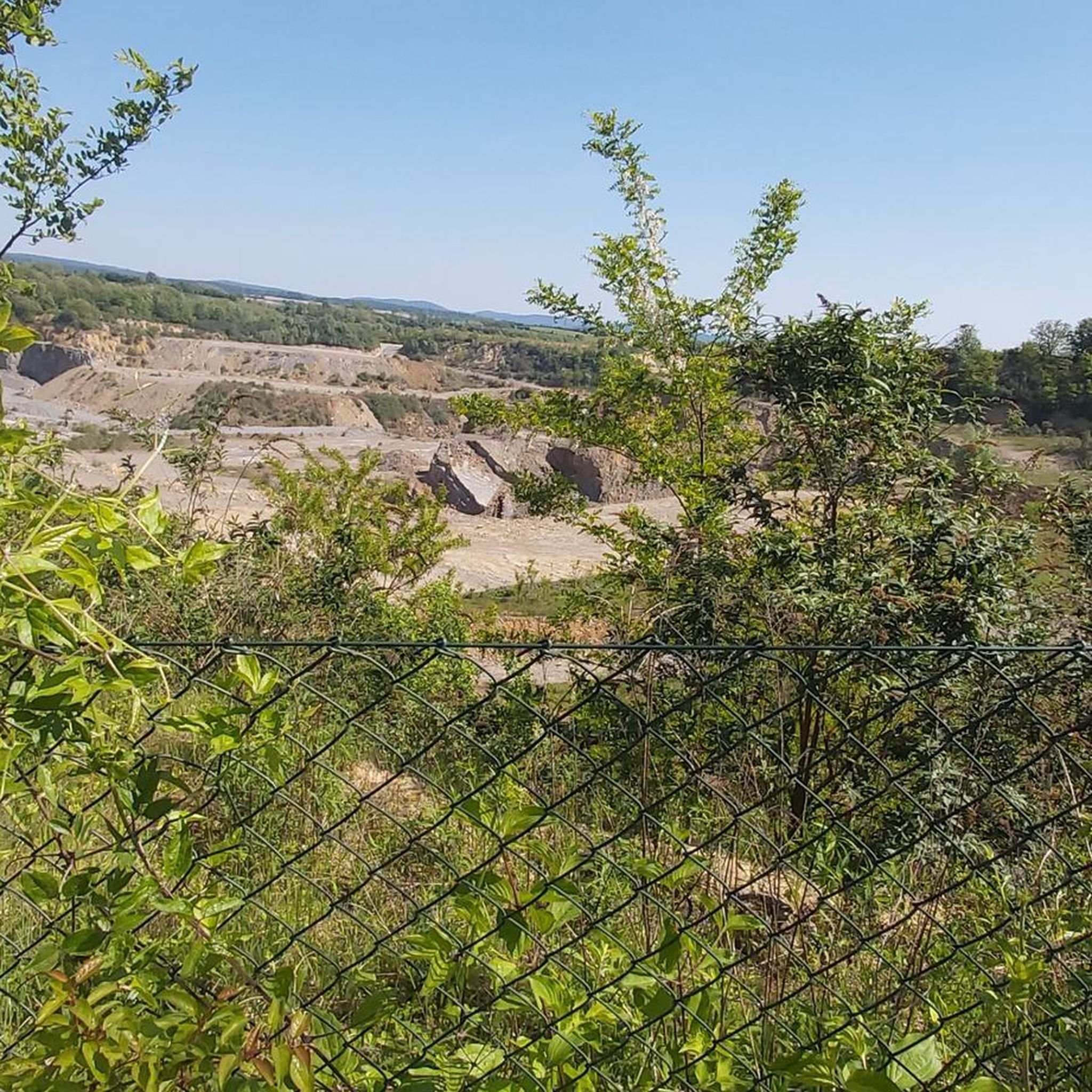
Tips from the Community

The first section of the Luçon Canal, heading south, is uncovered; we are on the dike. The section from Triaize to Luçon is wilder. A country road then a path leads between crops.
0
0

A narrow but sturdy wooden bridge to cross the river, suitable for pedestrians and cyclists, safe and with beautiful views.
0
1
This picturesque village is a perfect place for a break and refreshments. There are several restaurants and a nice café Tea room "Les Rives Enchan'thé just after the bridge. (The café is open every day from 1:30 p.m. to 7 p.m. except Sunday and Monday).
0
0

Great little park with enchanted seating areas, old buildings and colorful plants. Must see!
0
0

When the 1st Cavalry Dragon arrived in the town of Luçon ordered by Georges Clemenceau in 1910, the army required a supply of 70 liters of water per day, per man, and per horse, i.e. for 630 men and 750 horses a daily need of nearly 100 m3 of water. Thus, in 1912, at the height of the boom in reinforced concrete construction, a water tower was erected near the barracks. Originally composed of a parallelepiped tank of 110 m3, the work took on a monumental form when an agreement was made between the city and the war administration in order to allow the people of Luçon to also benefit from a distribution of potable water. The capacity of the tank then increases to 500 m3. The water tower measures 25 meters high on a base of 220 m² and even had official accommodation. The water tower with the adjoining electrical factory which made it possible to operate it (factory powered by coal from Faymoreau) made Luçon a city at the cutting edge of modernity with running water and electricity. . However, in 1961 the water tower was decommissioned, and it gradually deteriorated due to lack of maintenance. In 1991, the reinforced concrete monument was threatened with demolition, but by a decree of February 10, 1992 it was automatically classified as a historic monument, in order to allow its preservation. It now stands as a witness to early 20th century architecture consecrated by the appearance of reinforced concrete, and offers a light and astonishing silhouette for a water tower with its late art deco style and ceramic flourishes. . On the main facade, two cast iron lion faces had an orange lamp. This monument was to be supplemented by a lighthouse which was never completed.
0
0
The origins of the city of Luçon are linked to port activity dating back to the early Middle Ages, when the city was located on the edge of the Gulf of Pictons before the drying up of the Marais Poitevin. Luzon was then a fortified town, whose ramparts, protected by water moats, can be seen in the layout of the streets surrounding the town centre. Throughout the 19th century, the commercial activity of the port of Luçon with northern Europe in particular, which for a time even made it the third largest grain port in France, contributed to the enrichment of the city. This activity stopped in the 20th century with the silting of the canal which connected the city to the coast. But Luzon is best known for its religious status. From the 7th century, the foundation of a monastery which was destroyed by the Viking invasions made it the spiritual center of Bas-Poitou and the town became the seat of the bishopric in the 14th century. In 1608, a certain Armand Jean du Plessis was appointed Bishop of Luçon. Noting the sad state of the city ravaged during the Wars of Religion, he described the region as "the ugliest bishopric in France, the dirtiest and most disagreeable" (especially in order to justify his request for subsidies from the ecclesiastical authorities). endeavored from then on to reorganize the diocese which he left in 1623 to put himself at the service of the king, after a long ascent to the throne.This bishop of Luçon, with remarkable intellectual qualities, ended up becoming the principal Minister of Louis XIII, and remains known under the name of “Cardinal of Richelieu.” The history of the city remains intrinsically linked to the figure of Richelieu who officiated in this cathedral. Begun in 1091, the cathedral was initially in the Romanesque style. The portal of the north transept remains from this period. But for the most part, the building (the nave, the choir, the cloister) that we see now was rebuilt several times in the Gothic style. During the wars of religion, the church was repeatedly ransacked. The high openwork neo-Gothic spire is a splendid romantic fantasy according to 19th century taste. It peaks at 85 m and gives the cathedral the silhouette we know today. The city center of Luçon also offers other historical and religious monuments.
0
0
The site of Mareuil sur Lay corresponds to that of an old city marked by the proximity of the sea. Former port, it welcomed the barges (traditional boats dedicated to the transport of goods) which went up the Lay by transporting in particular salt. Once at the port, the salt was unloaded and transported overland. Under Napoleon 1st, a national road was laid out, leading to the construction of a new stone bridge and Mareuil became an obligatory passage between La Roche sur Yon and La Rochelle. The bridge you cross here dates from this period and offers a beautiful view of the old town of Mareuil. The town is also at the heart of the Mareuil vineyard, which is the largest and one of the most famous in Vendée. Located on the slopes of the Lay and Yon rivers, it extends over an area of 300 hectares divided between 10 municipalities. Annual production is approximately 17,000 hl.
0
0
Frequently Asked Questions
How many no-traffic gravel bike trails are available around Sainte-Gemme-La-Plaine?
There are 5 curated no-traffic gravel bike trails around Sainte-Gemme-La-Plaine, offering a variety of distances and difficulties. These routes are designed to keep you away from busy roads, allowing you to enjoy the peaceful Vendée countryside.
What kind of terrain can I expect on these no-traffic gravel routes?
The terrain around Sainte-Gemme-La-Plaine is quite varied. You'll find routes traversing open plains and agricultural fields, offering expansive views and relatively flat sections. Some trails also lead through wooded areas like the Sainte-Gemme Forest, characterized by ancient oaks, providing shaded, natural paths. The broader Vendée region is known for its mix of countryside, valleys, and wooded paths, ensuring a diverse gravel biking experience.
Are there any easy, beginner-friendly no-traffic gravel routes?
Yes, there are several easy routes perfect for beginners or those looking for a relaxed ride. For instance, the Luçon Canal – Portes du Chapître loop from Luçon is an easy 32 km ride with minimal elevation gain. Another great option is the Luçon Canal – Portes du Chapître loop from Triaize, which is slightly shorter at 27 km and also very flat.
Can I find longer, more challenging no-traffic gravel rides in the area?
Absolutely. For a more challenging experience, consider the Château de Nieul-sur-l'Autise – Charming town center loop from Luçon. This route spans nearly 49 km and features a moderate amount of elevation, making it a good option for advanced gravel cyclists looking for a longer, car-free adventure.
What are some interesting sights or landmarks I can see along these quiet gravel trails?
Many routes offer glimpses of local heritage and natural beauty. You might pass by historical sites like the Luçon Cathedral or the Saint-Sauveur Church of Mareuil-sur-Lay. The region also features charming town centers and picturesque countryside. While not directly on every route, the nearby Regional Natural Park of the Marais Poitevin, known as "Green Venice," offers unique landscapes for exploration.
Are there any circular no-traffic gravel routes available?
Yes, all the no-traffic gravel routes listed are circular, allowing you to start and end at the same point. Examples include the Luçon Canal – Portes du Chapître loop from Luçon and the Yon Footbridge – Charming town center loop from Mareuil-sur-Lay-Dissais, providing convenient options for your ride.
What is the best time of year to go gravel biking in Sainte-Gemme-La-Plaine to avoid traffic?
The Vendée region is pleasant for cycling for much of the year. Spring and autumn generally offer mild temperatures and beautiful scenery, with fewer tourists than the peak summer months, making it ideal for finding truly no-traffic conditions. Spring also brings wild daffodils to the Sainte-Gemme Forest. While summer is popular, early mornings or late afternoons can still provide quiet riding experiences.
Are these trails suitable for families with children?
Many of the easier, flatter routes with minimal elevation gain are well-suited for families. The focus on no-traffic paths ensures a safer and more relaxed environment for younger riders. Routes like the Luçon Canal – Portes du Chapître loop from Triaize are particularly good choices for a family outing.
Where can I find parking for these no-traffic gravel bike routes?
Parking is generally available in the starting towns of the routes, such as Luçon, Triaize, or Mareuil-sur-Lay-Dissais. These towns are common departure points for cyclists, and you can usually find public parking areas suitable for leaving your vehicle while you ride.
What do other gravel bikers say about the no-traffic routes in this region?
The no-traffic gravel routes around Sainte-Gemme-La-Plaine are highly regarded by the komoot community, with an average rating of 4.3 stars. Reviewers often praise the peacefulness of the countryside, the well-maintained paths, and the opportunity to explore the natural beauty of the Vendée away from busy roads.
Are there any cafes or places to stop for refreshments along these quiet routes?
While the routes themselves focus on natural and quiet areas, the starting and ending towns like Luçon, Triaize, and Mareuil-sur-Lay-Dissais offer various amenities, including cafes and restaurants where you can refuel before or after your ride. It's always a good idea to carry water and snacks, especially on longer stretches between towns.
How do the no-traffic gravel trails around Sainte-Gemme-La-Plaine compare to other nearby regions?
Sainte-Gemme-La-Plaine benefits from being part of the wider Vendée region, which boasts an extensive network of cycling paths. While Sainte-Gemme-La-Plaine offers a blend of plains and forest trails, nearby areas like the Pays des Achards explicitly feature dedicated "Gravel circuits." This means you can expect a consistent focus on cycling infrastructure and varied terrain throughout the broader area, with Sainte-Gemme-La-Plaine serving as an excellent base for exploration.
Can I explore the Marais Poitevin on a no-traffic gravel bike route from Sainte-Gemme-La-Plaine?
Sainte-Gemme-La-Plaine is located with good access to the Regional Natural Park of the Marais Poitevin, often called "Green Venice." While specific no-traffic gravel routes directly into the heart of the marshlands might require a short drive to a starting point within the park, many routes in the broader area will take you along its edges or through similar watery landscapes, offering a taste of this unique environment. The region's extensive cycling network makes it feasible to plan rides that incorporate parts of the Marais Poitevin.
Most popular routes around Sainte-Gemme-La-Plaine
Most popular attractions around Sainte-Gemme-La-Plaine

Get inspired with the komoot mobile app


Explore more
Browse the best Gravel rides in other regions.
