The best walks and hikes around Sainte-Gemme-La-Plaine
4.5
(32)
158
hikers
41
hikes
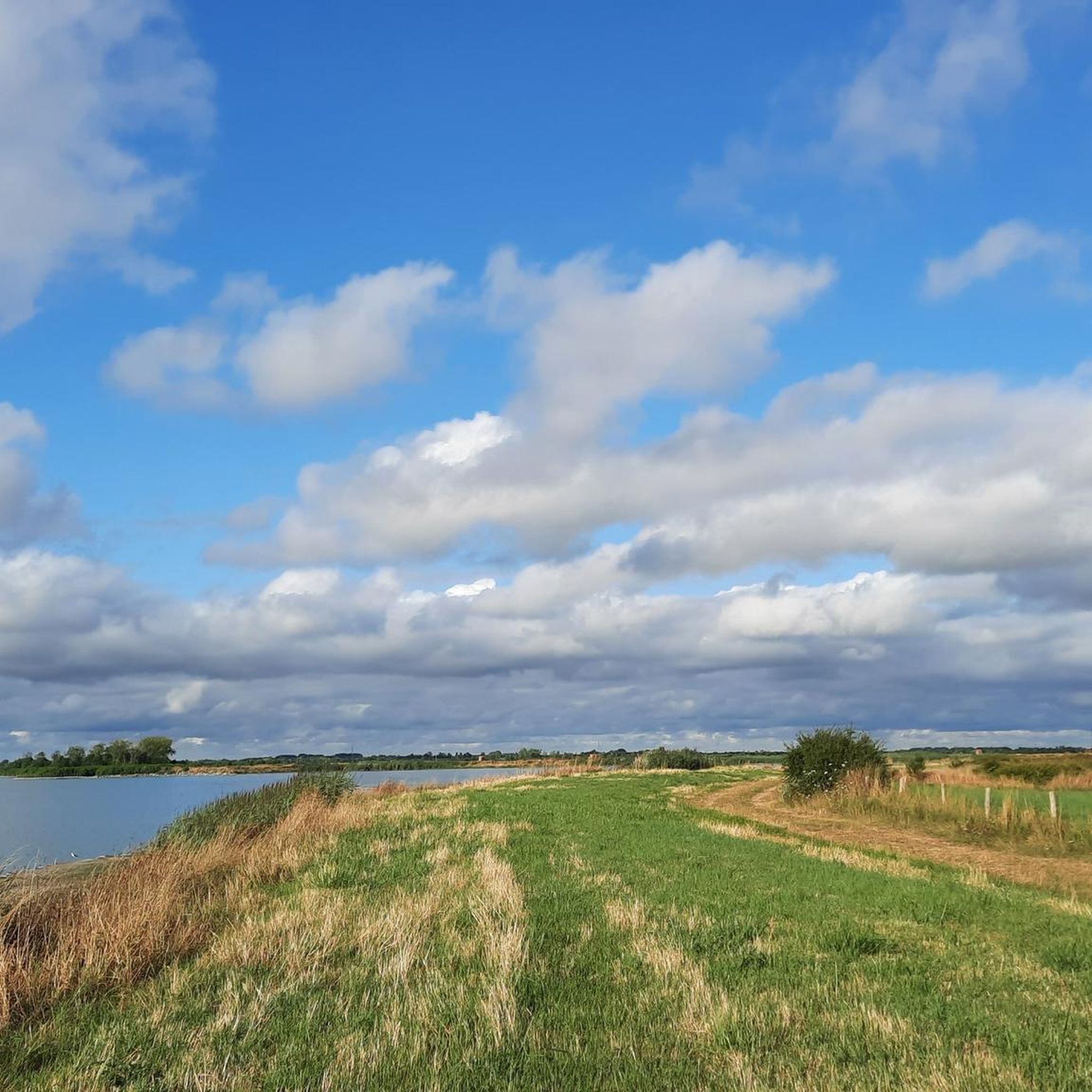
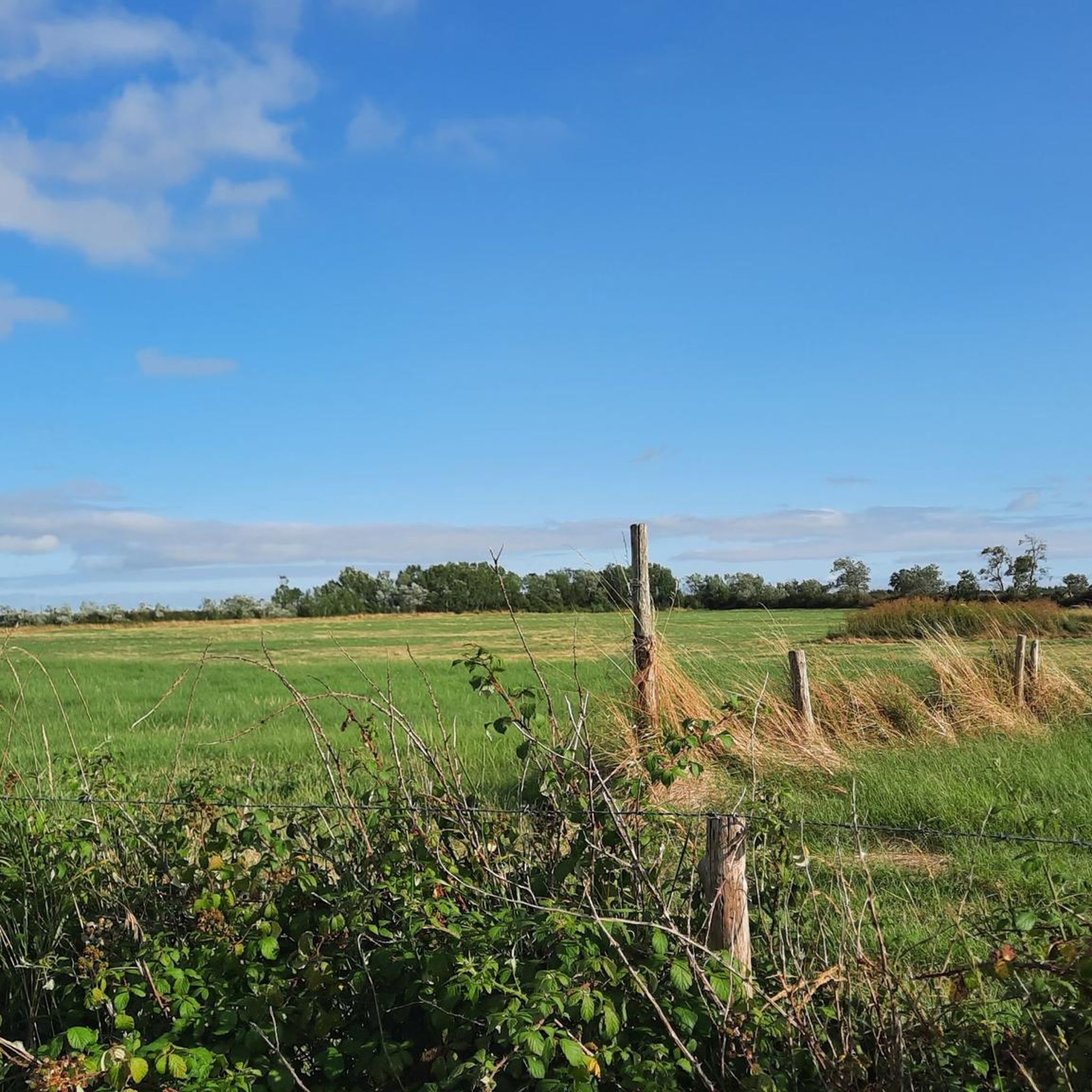
Hiking around Sainte-Gemme-La-Plaine offers access to varied rural landscapes, characterized by agricultural fields and local woodlands. The region features generally flat terrain, with minimal elevation changes across its trails. These conditions make the area suitable for accessible hiking trails and family friendly hikes. The foret de Sainte Gemme la Plaine provides shaded paths for exploration.
Best hiking trails around Sainte-Gemme-La-Plaine
- The most popular hiking route is Green Oaks Trail loop from Sainte-Gemme-la-Plaine, an easy 2.1 miles (3.3 km) trail…
Last updated: November 15, 2026
4.7
(3)
7
hikers
3.33km
00:51
10m
10m
Easy hike. Easily walkable paths.
4.8
(5)
12
hikers
9.40km
02:24
30m
30m
Moderate hike. Good fitness required. Easily walkable paths.

4.7
(3)
4
hikers
Easy hike. Easily walkable paths.
6
hikers
12.8km
03:14
20m
20m
Moderate hike. Good fitness required. Easily walkable paths.
2
hikers
8.64km
02:10
0m
0m
Moderate hike. Good fitness required. Easily walkable paths.
Get access to more routes and recommendations from other explorers.
Already have an account?
Our route recommendations are based on thousands of hikes, rides, and runs completed by other people on komoot.
Start today with a free account
Your next adventure awaits.


Tips from the Community


The market takes place in the hall all year round on Wednesday mornings and Saturday mornings from 7:30 a.m. to 12:30 p.m.
3
0

The origins of the city of Luçon are linked to port activity dating back to the early Middle Ages, when the city was located on the edge of the Gulf of Pictons before the drying up of the Marais Poitevin. Luzon was then a fortified town, whose ramparts, protected by water moats, can be seen in the layout of the streets surrounding the town centre. Throughout the 19th century, the commercial activity of the port of Luçon with northern Europe in particular, which for a time even made it the third largest grain port in France, contributed to the enrichment of the city. This activity stopped in the 20th century with the silting of the canal which connected the city to the coast. But Luzon is best known for its religious status. From the 7th century, the foundation of a monastery which was destroyed by the Viking invasions made it the spiritual center of Bas-Poitou and the town became the seat of the bishopric in the 14th century. In 1608, a certain Armand Jean du Plessis was appointed Bishop of Luçon. Noting the sad state of the city ravaged during the Wars of Religion, he described the region as "the ugliest bishopric in France, the dirtiest and most disagreeable" (especially in order to justify his request for subsidies from the ecclesiastical authorities). endeavored from then on to reorganize the diocese which he left in 1623 to put himself at the service of the king, after a long ascent to the throne.This bishop of Luçon, with remarkable intellectual qualities, ended up becoming the principal Minister of Louis XIII, and remains known under the name of “Cardinal of Richelieu.” The history of the city remains intrinsically linked to the figure of Richelieu who officiated in this cathedral. Begun in 1091, the cathedral was initially in the Romanesque style. The portal of the north transept remains from this period. But for the most part, the building (the nave, the choir, the cloister) that we see now was rebuilt several times in the Gothic style. During the wars of religion, the church was repeatedly ransacked. The high openwork neo-Gothic spire is a splendid romantic fantasy according to 19th century taste. It peaks at 85 m and gives the cathedral the silhouette we know today. The city center of Luçon also offers other historical and religious monuments.
0
0

Strategic cycle path of the Vendée
1
2

pretty forest. ideal for a family walk
0
0
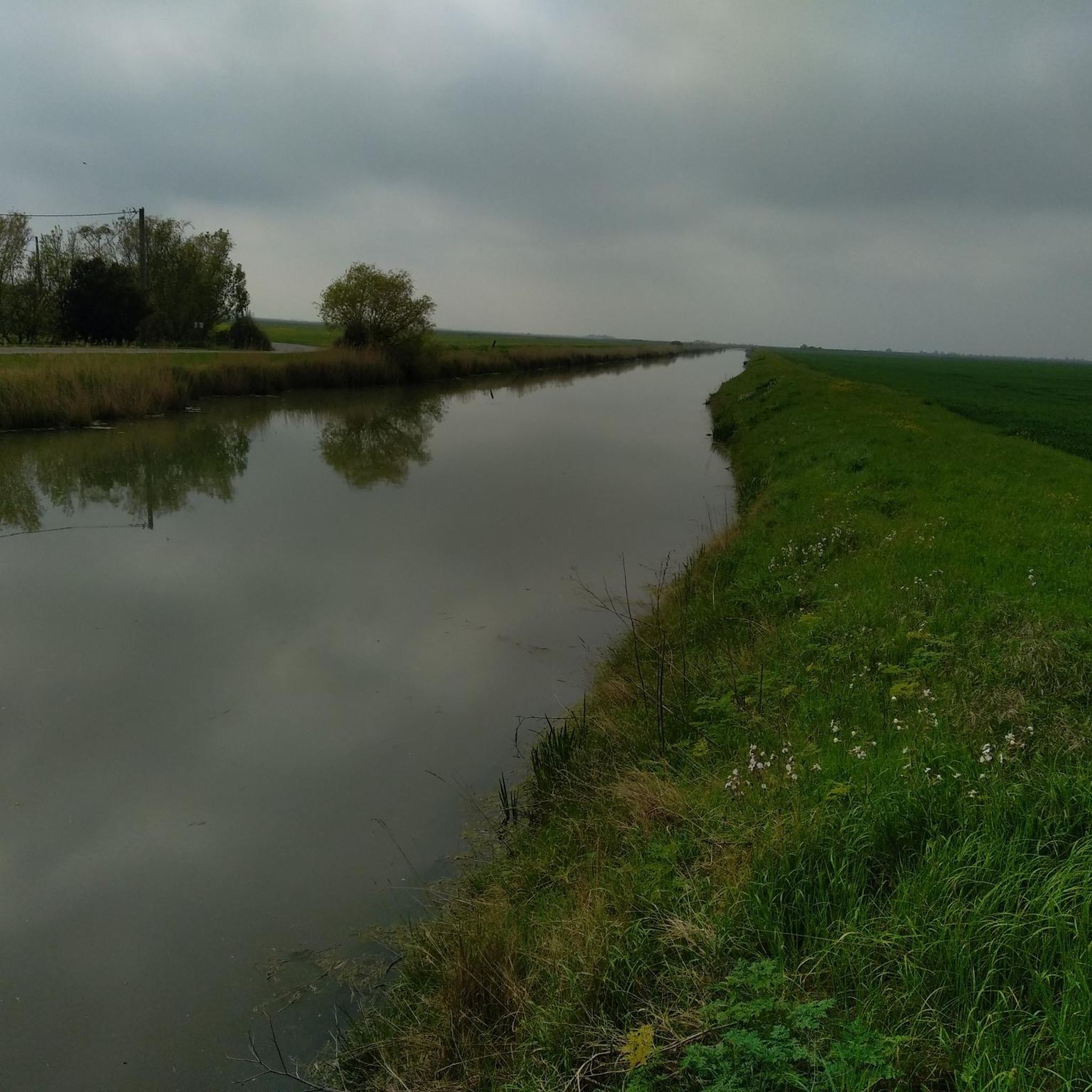
Intersection of several canals and bike trails, south to the Baie de L'Aiguillon, North-east to Champagné; north-west to Saint-Michel-en-l'Herm and L'Aiguillon-sur-Mer.
1
2
The portes du chapître in the last decades of the 18th century made the canal more reliable and easier to navigate. While the massive human interventions to drain and make these coastal plains arable were celebrated in the past, today the remaining, and recovering, wetlands are the chief attraction.
5
1
Frequently Asked Questions
How many hiking trails are available around Sainte-Gemme-La-Plaine?
There are over 40 hiking routes recorded in Sainte-Gemme-La-Plaine. These trails cater to various skill levels, with 18 easy, 20 moderate, and 2 difficult options.
Are there easy hikes suitable for beginners or families in Sainte-Gemme-La-Plaine?
Yes, Sainte-Gemme-La-Plaine is well-suited for easy hikes and family-friendly outings due to its generally flat terrain and minimal elevation changes. An excellent option is the Green Oaks Trail loop from Sainte-Gemme-la-Plaine, an easy 3.3 km route.
What kind of landscapes can I expect to see while hiking in this region?
The region around Sainte-Gemme-La-Plaine is characterized by varied rural landscapes, including extensive agricultural fields and tranquil local woodlands. The Forêt de Sainte Gemme la Plaine offers particularly shaded and pleasant paths for exploration.
Are there any circular walks available in Sainte-Gemme-La-Plaine?
Many of the trails in Sainte-Gemme-La-Plaine are designed as loops, offering convenient circular walks. For example, the Toller alter Baum loop from Sainte-Gemme-la-Plaine is a moderate 11.9 km circular path exploring wider rural surroundings.
What are some interesting landmarks or attractions to see near the hiking trails?
While hiking, you can explore several points of interest. Notable attractions include the historic Saint-Sauveur Church of Mareuil-sur-Lay and the impressive Luçon Cathedral. You might also discover a sea of torch lilies or the charming town center of Sainte-Gemme-La-Plaine.
What do other hikers say about the trails in Sainte-Gemme-La-Plaine?
The hiking routes in Sainte-Gemme-La-Plaine are highly regarded by the komoot community, holding an average rating of 4.5 stars from over 30 reviews. Hikers often praise the gentle paths and the peaceful rural atmosphere.
Are there any longer, more challenging hikes for experienced walkers?
While the region is generally flat, there are longer routes that offer a good challenge. The Pavilion – Cathedral of Luçon loop from Luçon is a moderate 13.2 km trail that provides a more extended exploration of the area.
Is there parking available near the trailheads in Sainte-Gemme-La-Plaine?
Parking availability varies by trailhead. Many routes, especially those starting from villages or specific points of interest, typically have designated parking areas nearby. It's advisable to check the specific tour details on komoot for parking information related to your chosen route.
Can I find shaded paths, especially during warmer months?
Yes, the Forêt de Sainte Gemme la Plaine offers numerous shaded paths, providing a welcome respite from the sun during warmer weather. Many routes incorporate sections through these local woodlands.
Are there any trails that pass by historical sites or notable buildings?
Yes, some trails lead past historical sites. For instance, the Château de Bessay loop from Bessay is a 6.5 km trail that takes you through varied countryside, often including views of the local château.
What is the best time of year to go hiking in Sainte-Gemme-La-Plaine?
The generally mild climate of the Vendée region makes hiking enjoyable for much of the year. Spring and autumn offer pleasant temperatures and vibrant scenery, while summer provides longer daylight hours, though shaded woodland paths are preferable during peak heat.
Most popular routes around Sainte-Gemme-La-Plaine
Most popular attractions around Sainte-Gemme-La-Plaine

Get inspired with the komoot mobile app


Explore more
Browse the best Hikes in other regions.
