The best traffic-free bike rides around Nézignan-L'Évêque
4.2
(205)
4,253
riders
67
rides
No traffic road cycling routes around Nézignan-L'Évêque traverse a landscape characterized by rolling hills and extensive vineyards, offering scenic views throughout the year. The region also features glimpses of ancient volcanic formations and is situated close to the Mediterranean coast, providing diverse backdrops for rides. Paved surfaces are common, making the area well-suited for road cycling. These routes often connect charming historic villages and agricultural areas.
Best no traffic road cycling routes around Nézignan-L'Évêque
- The most popular no traffic road cycling route is Beach View – Canal du Midi loop from Castelnau-de-Guers, a 40.4 miles (65.0 km) trail that takes 2 hours 38 minutes to complete. This route offers coastal views and follows sections of the historic Canal du Midi.
- Another top favourite among local road cyclists is Lac de Vailhan – Olivettes Dam loop from Pézenas, a moderate 40.1 miles (64.5 km) path. This route features significant elevation gain and passes by scenic lakes and dams.
- Local road cyclists also love the Castelnau-de-Guers – Noilly Prat Distillery loop from Pézenas, a 21.9 miles (35.3 km) trail leading through vineyard landscapes, often completed in about 1 hour 27 minutes.
- Road cycling around Nézignan-L'Évêque is defined by rolling vineyards, historic villages, and distant volcanic vistas. The network offers options for various ability levels, from easy rides to more challenging circuits.
- The routes in Nézignan-L'Évêque are highly rated by the komoot community with an average score of 4.1 stars from more than 170 reviews. More than 3900 road cyclists have used komoot to explore Nézignan-L'Évêque's varied terrain.
Last updated: November 4, 2026
12
riders
37.6km
01:41
370m
370m
Moderate road ride. Good fitness required. Mostly well-paved surfaces and easy to ride.
3.0
(1)
10
riders
22.1km
00:57
120m
120m
Easy road ride. Mostly well-paved surfaces and easy to ride.

3.0
(1)
6
riders
Hard road ride. Very good fitness required. Some segments of this route may be unpaved and difficult to ride.
7
riders
53.4km
02:16
390m
390m
Moderate road ride. Good fitness required. Mostly well-paved surfaces and easy to ride.
13
riders
41.0km
01:40
210m
210m
Easy road ride. Mostly well-paved surfaces and easy to ride.
Get access to more routes and recommendations from other explorers.
Already have an account?
Our route recommendations are based on thousands of hikes, rides, and runs completed by other people on komoot.
Start today with a free account
Your next adventure awaits.
Popular around Nézignan-L'Évêque

Tips from the Community

Beautiful path with old trees that provide pleasant shade in the summer. En
0
0
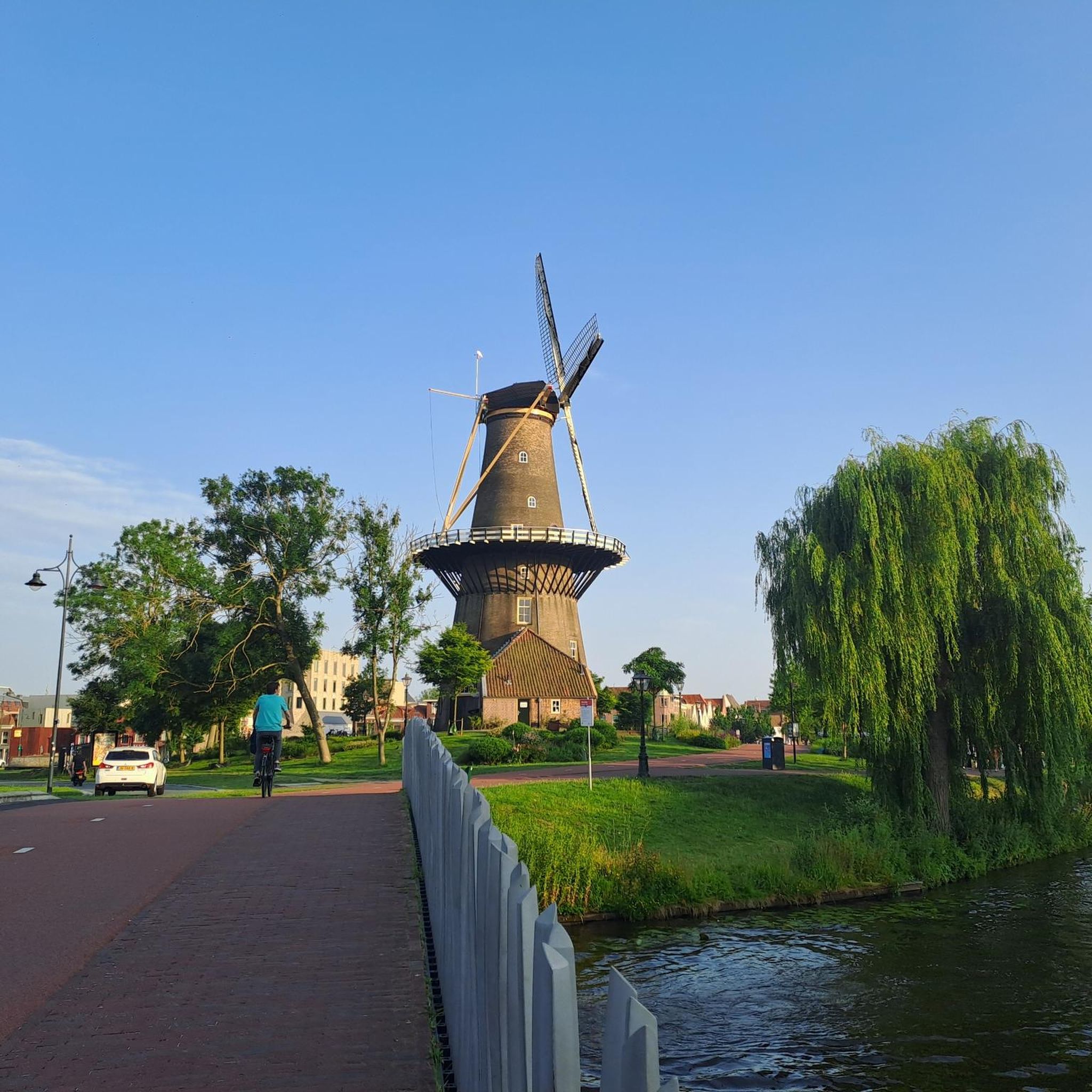
Beautiful avenue with old trees that provide pleasant shade in the summer. It's fun to ride along here 😄
0
0

This medieval village, which appeared in the 11th century, had a strategic position, perched above the Hérault valley. Even today, its castle, fortifications, and towers give it a military appearance.
1
0
Nézignan-L'Évêque has a long history marked by the passage of Celts, Phoenicians, Greeks, Romans, Visigoths, and Arabs. It was, however, in the Middle Ages that the village experienced its true development with the construction of a fortified castle in place of the ancient castrum. Despite the wars of religion, the village has endured through the centuries to the present day, as evidenced by its heritage.
1
0

Attached to the diocese of Agde, the Benedictine abbey of Saint-Thibéry is said to have been founded around 770 with the arrival of Attilio, a disciple and advisor of Benoît d’Aniane. First abbot of the monastery, Attilio settled with a few monks near the tombs of the three Christian martyrs Tibère, Modeste, and Florence, executed during the reign of the Roman emperor Diocletian on November 10, 304 [...]. During the Middle Ages, the abbey was the seat of several councils, such as those of 907 and 1050, bringing together bishops and abbots from the province of Narbonne. All-powerful among the abbeys of Languedoc, Saint-Thibéry declined with the Hundred Years' War.
0
0

This Benedictine abbey has its roots in the 8th century. Around 770, a monastery is said to have been founded here by Attilio, a disciple of Benedict of Aniane, near the tombs attributed to three Christian martyrs: Thibéry, Modeste, and Florence. The place then became an important pilgrimage center. The abbey occupies an even older site: it is located at the foot of the ancient oppidum and on the presumed site of the ancient agglomeration of Cessero. The current abbey church, largely marked by Gothic architecture, bears witness to the many transformations of the abbey during the Middle Ages and the following centuries. In 1639, the abbey joined the Congregation of Saint Maur and received the title of royal abbey from Louis XIII. The Maurists then undertook a major reorganization of the monastery, of which the conventual buildings still retain elements.
5
0
Dominating the old village of Magalas, the Saint-Laurent church was first the castle chapel before becoming the parish church in 1270. Built in the second half of the 12th century, it is one of the fine examples of Romanesque architecture in the Biterrois region, enriched over the centuries by Gothic and Renaissance elements. By taking the time to observe the porch and the sculpted capitals, you will discover faces, plant motifs, but also mermaids and griffins, witnesses to the medieval imagination. An amusing anecdote accompanies the place: in 1967, Louis de Funès filmed a cult scene from the film Le Petit Baigneur here. When leaving the church, continue your walk through the alleys of the ancient castrum, which still retain the layout of the medieval fortified village.
3
0
Le Prieuré Saint-Martial is a discreet but history-rich stop amidst the wine landscapes of Alignan-du-Vent. Behind its walls lies a site occupied since antiquity: the priory is said to have been built on the site of an ancient Roman villa, before evolving over the centuries under the religious and agricultural influence of the communities that occupied it. Associated with a Benedictine monastic presence, Saint-Martial bears witness to a time when priories were not only places of prayer but also centers for land exploitation. Around the religious building, a vibrant estate was organized, linked to cultivation, livestock farming, and probably viticulture, which profoundly shaped the landscape of Languedoc. The site subsequently experienced a new life: the former Le Prieuré Saint-Martial complex has been restored and transformed into a charming place to stay, with accommodations set up in the historic buildings, a tree-lined park, and relaxation areas. It indeed features about a dozen accommodations (apartments, lofts, cottages, and villas), blending the charm of the old (stone walls, exposed beams, vaulted volumes) with contemporary amenities. Guests have access to two swimming pools, one of which is heated in mid-season. This redevelopment now makes it possible to preserve a rural heritage that could have disappeared, by giving a new function to these centuries-old stones.
3
0
Frequently Asked Questions
How many no-traffic road cycling routes are available around Nézignan-L'Évêque?
There are over 60 dedicated no-traffic road cycling routes around Nézignan-L'Évêque listed on komoot. These routes cater to various fitness levels, with a good mix of easy, moderate, and challenging options to explore the beautiful Languedoc region.
Are there easy, beginner-friendly no-traffic road cycling routes in the area?
Yes, the region offers many easy routes perfect for beginners or those seeking a relaxed ride. For example, the Castelnau-de-Guers – Noilly Prat Distillery loop from Pézenas is an excellent choice, offering gentle terrain and scenic views. Another accessible option is the Cave traditional – Pézenas loop from Valros, which allows you to enjoy the local vineyards without significant climbs.
What kind of landscapes can I expect on these no-traffic road cycling routes?
You'll experience a diverse range of landscapes. Many routes wind through picturesque rolling hills and lush vineyards, characteristic of the Languedoc region. Some routes also offer magnificent views of ancient volcanic landscapes, while others bring you close to the Mediterranean coast, providing a mix of agricultural beauty and coastal vistas.
Are there any scenic loop routes for road cycling around Nézignan-L'Évêque?
Absolutely. Many of the no-traffic road cycling routes are designed as loops, allowing you to start and end in the same location. A great example is the Beach View – Canal du Midi loop from Castelnau-de-Guers, which combines coastal views with the tranquility of the Canal du Midi.
What attractions or points of interest can I see along the no-traffic road cycling routes?
The routes often pass by charming historical sites and natural wonders. You might encounter the historic Pézenas Historic Centre, known for its traditional architecture, or the ancient Saint-Thibéry Mill. Don't miss the unique geological formation known as The Fairy Stretcher for astonishing landscapes and panoramic views.
What is the best time of year for no-traffic road cycling in Nézignan-L'Évêque?
The Languedoc region generally enjoys a Mediterranean climate, making spring (April-June) and autumn (September-October) ideal for road cycling. During these seasons, the weather is typically mild and pleasant, and the landscapes are particularly vibrant with blooming flowers or rich autumnal colors. Summer can be hot, so early morning rides are recommended if cycling during July and August.
Are there any routes that feature lakes or dams?
Yes, some routes incorporate beautiful natural water features. For instance, the Olivettes Dam – Lac de Vailhan loop from Pézenas offers scenic views around the dam and lake, providing a refreshing change of scenery during your ride.
What do other road cyclists enjoy most about cycling in Nézignan-L'Évêque?
The area is highly rated by the komoot community, with an average score of 4.1 stars from over 170 ratings. Reviewers often praise the region's quiet, well-paved roads, the stunning vineyard scenery, and the opportunity to discover charming historical villages like Pézenas and Nézignan-L'Évêque itself, all while enjoying traffic-free sections.
Is parking available near the start of these no-traffic road cycling routes?
Yes, many of the routes start from towns and villages like Pézenas, Castelnau-de-Guers, or Valros, where public parking is generally available. It's advisable to check local parking options in your chosen starting village before your ride.
Can I find cafes or places to stop for refreshments along the routes?
Given the routes often pass through or near charming villages and towns such as Pézenas, you'll find opportunities for cafes, bakeries, and local restaurants. Pézenas, in particular, is known for its vibrant atmosphere and food scene, especially during its weekly food and wine festival in summer, making it a great stop for refreshments.
Are there any challenging or advanced no-traffic road cycling routes for experienced riders?
While this guide focuses on no-traffic routes, the broader region around Nézignan-L'Évêque does offer more demanding circuits with significant elevation gains, such as the 'Molière Monument – Pézenas loop' or the 'Pézenas – Lac des Olivettes loop' mentioned in regional research. For specific challenging no-traffic options, look for routes marked as 'difficult' on komoot, which will test your fitness with more climbs and longer distances.
Most popular routes around Nézignan-L'Évêque
Most popular attractions around Nézignan-L'Évêque

Get inspired with the komoot mobile app


Explore more
Browse the best Road cycling routes in other regions.
