The best walks and hikes around Nézignan-L'Évêque
4.4
(412)
1,726
hikers
150
hikes
Hiking around Nézignan-L'Évêque offers diverse landscapes characterized by rolling hills and extensive vineyards. The region features "caminières," which are cobbled paths winding through gardens and vineyards, providing shaded routes. Notable natural features include the Fig Arboretum and the nearby Mont Saint-Loup, an ancient volcano offering panoramic views. The area also provides access to the Canal du Midi, presenting flat and accessible routes.
Best hiking trails in Nézignan-L'Évêque
- The most popular hiking route is Hiking loop from Castelnau-de-Guers, a 3.9…
Last updated: October 8, 2026
4.6
(37)
128
hikers
6.21km
01:42
90m
90m
Easy hike. Great for any fitness level. Easily-accessible paths. Suitable for all skill levels.
5.0
(1)
20
hikers
3.83km
00:59
10m
10m
Easy hike. Great for any fitness level. Easily-accessible paths. Suitable for all skill levels.

4.0
(8)
22
hikers
Moderate hike. Good fitness required. Easily-accessible paths. Suitable for all skill levels.
4.0
(2)
11
hikers
4.08km
01:04
30m
40m
Easy hike. Great for any fitness level. Easily-accessible paths. Suitable for all skill levels.
4.4
(5)
13
hikers
9.01km
02:26
110m
110m
Moderate hike. Good fitness required. Easily-accessible paths. Suitable for all skill levels.
Get access to more routes and recommendations from other explorers.
Already have an account?
Our route recommendations are based on thousands of hikes, rides, and runs completed by other people on komoot.
Start today with a free account
Your next adventure awaits.

Tips from the Community

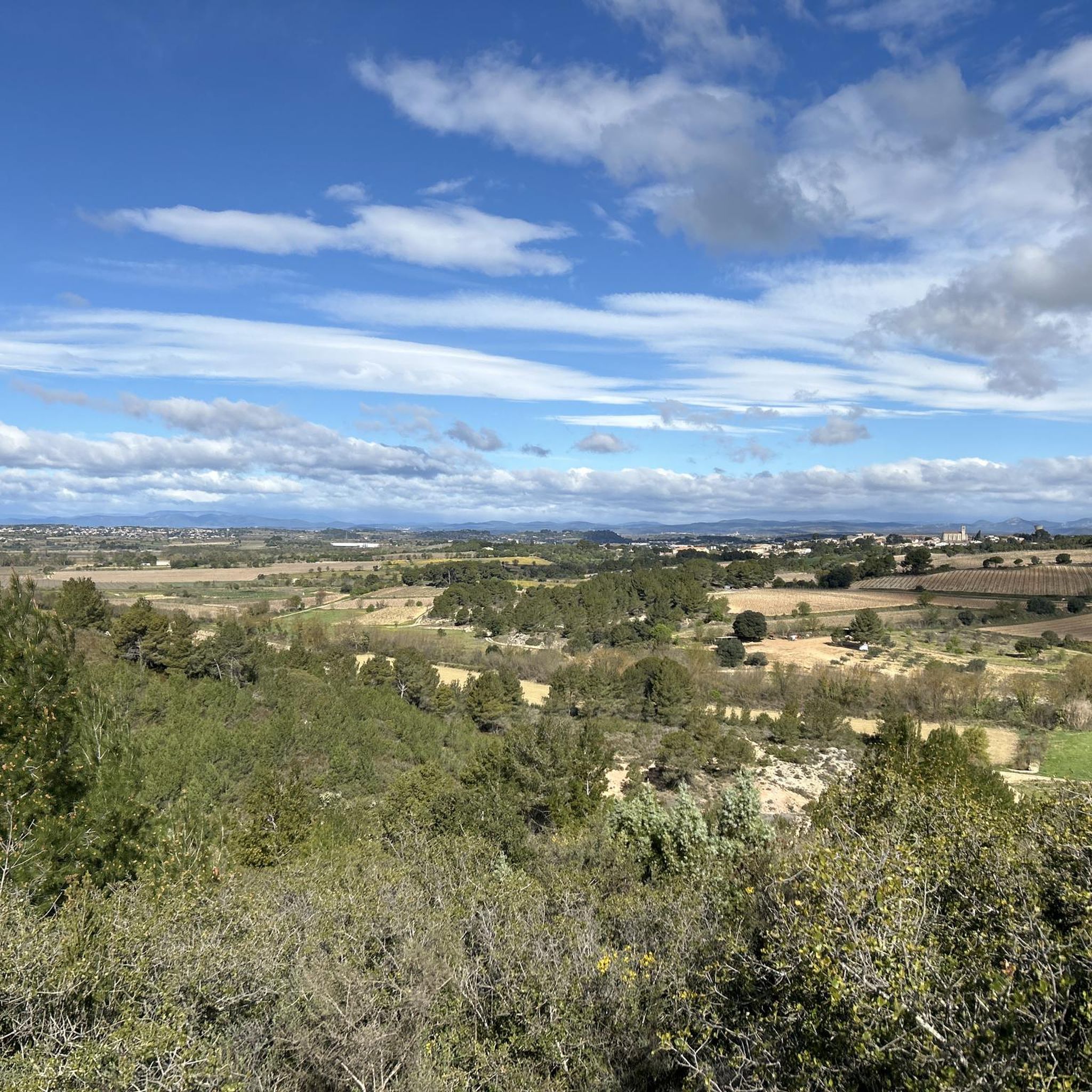
This medieval village, which appeared in the 11th century, had a strategic position, perched above the Hérault valley. Even today, its castle, fortifications, and towers give it a military appearance.
1
0

🧚🏼♀️ L’Étendoir des Fées – a small moonscape In the middle of the garrigue near Castelnau-de-Guers, this extraordinary landscape suddenly appears. The rock layer, about 50 million years old, made of pink sandstone, was formed by erosion over millions of years and in places really resembles a small moonscape. 🌕👌🏼 The so-called “L’Étendoir des Fées” is about 200 meters long and 50 meters wide. After rain, water collects in the small hollows of the rock and reflects the sky – the place is said to look particularly impressive then. And of course, there is also a fitting legend: On full moon nights, after the rain, fairies are said to have washed their laundry here and then laid it out on the rocks to dry. 🧚🏼♀️ Hence the beautiful name “Fairy’s Drying Place”. An unusual spot of nature in the middle of the Mediterranean garrigue and definitely worth a detour. Greetings Marcus ✌🏼
0
0

Attached to the diocese of Agde, the Benedictine abbey of Saint-Thibéry is said to have been founded around 770 with the arrival of Attilio, a disciple and advisor of Benoît d’Aniane. First abbot of the monastery, Attilio settled with a few monks near the tombs of the three Christian martyrs Tibère, Modeste, and Florence, executed during the reign of the Roman emperor Diocletian on November 10, 304 [...]. During the Middle Ages, the abbey was the seat of several councils, such as those of 907 and 1050, bringing together bishops and abbots from the province of Narbonne. All-powerful among the abbeys of Languedoc, Saint-Thibéry declined with the Hundred Years' War.
0
0

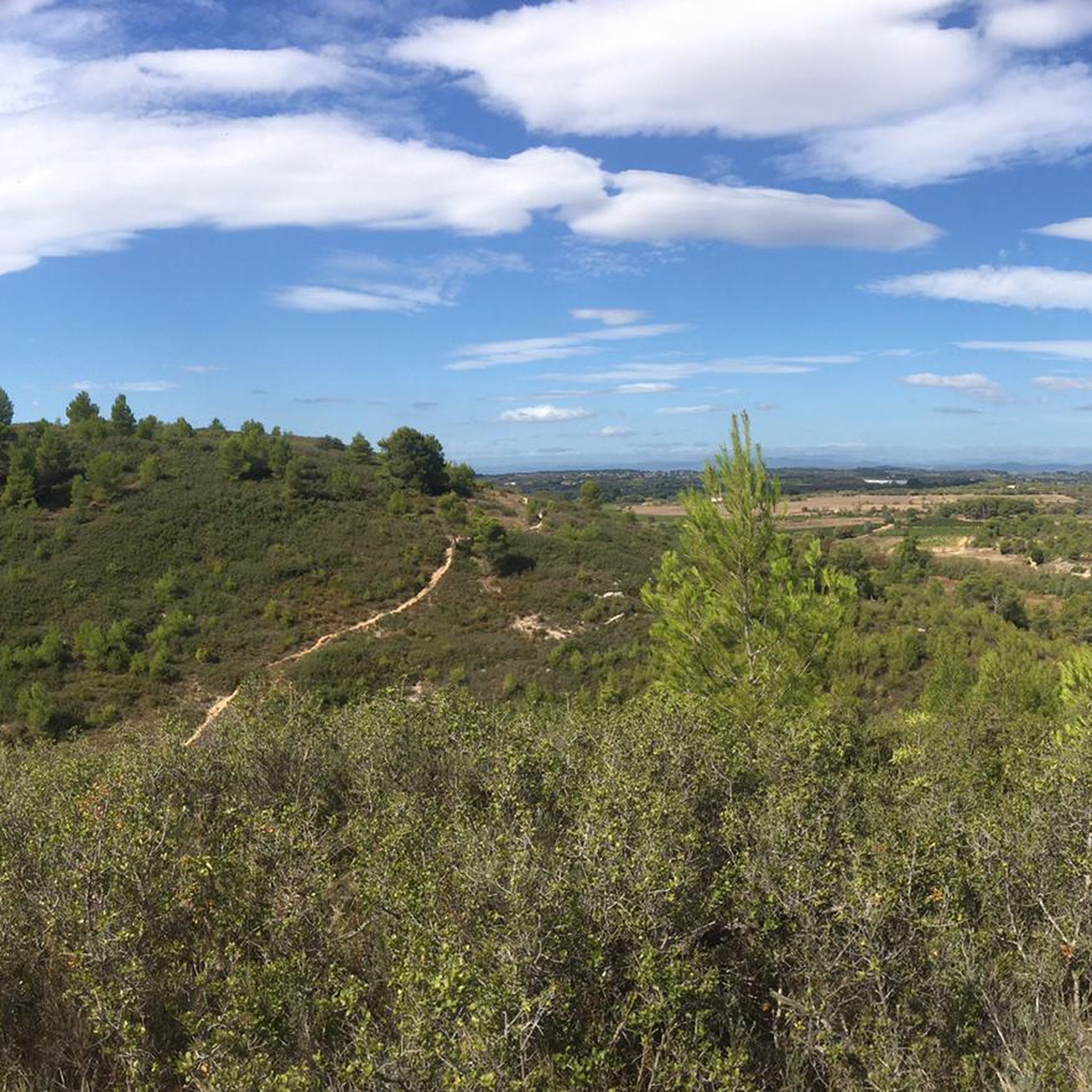
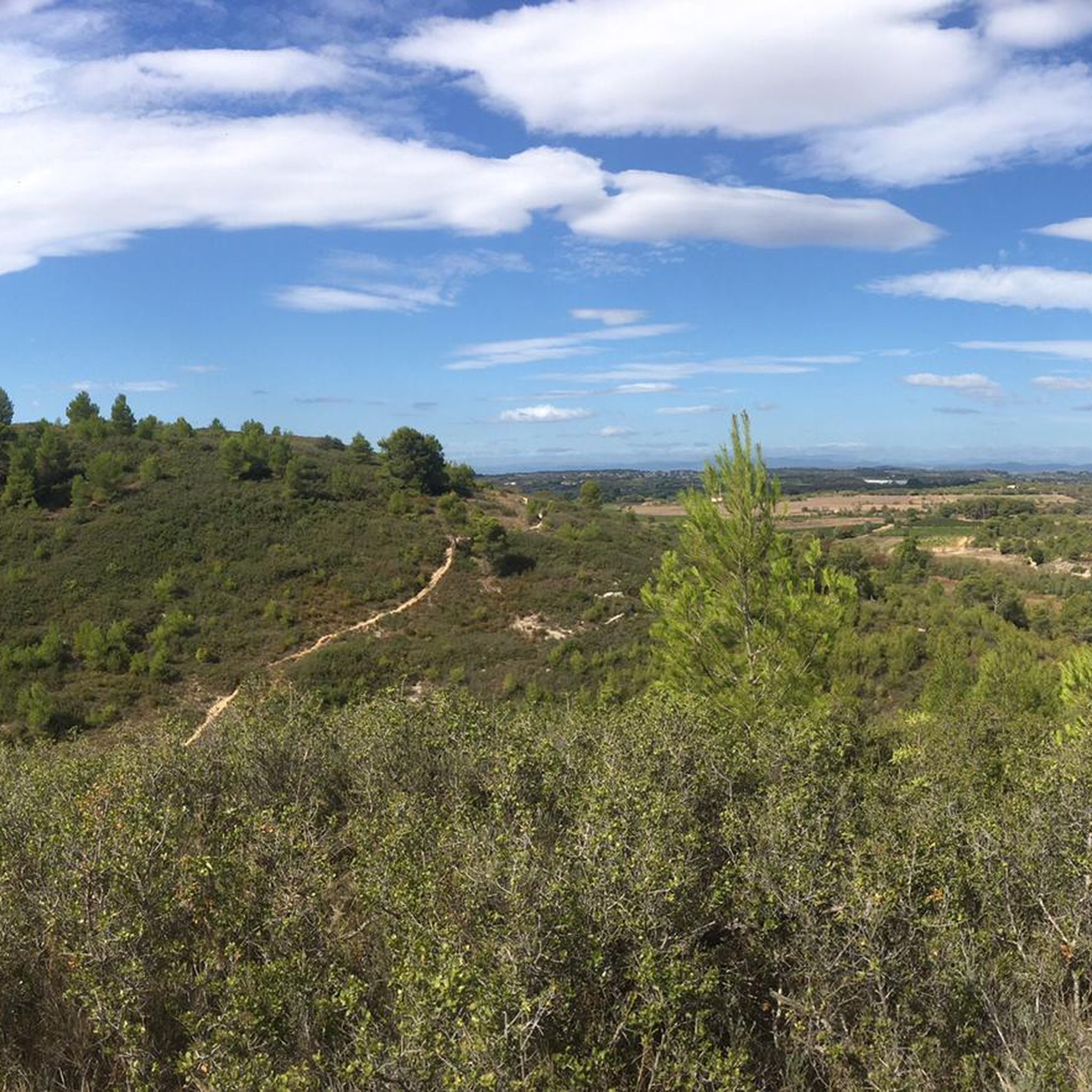
Singletrack to do on foot or by MTB, we go from ochre to white. Caution, it can get a bit slippery in very dry weather.
0
0

This Benedictine abbey has its roots in the 8th century. Around 770, a monastery is said to have been founded here by Attilio, a disciple of Benedict of Aniane, near the tombs attributed to three Christian martyrs: Thibéry, Modeste, and Florence. The place then became an important pilgrimage center. The abbey occupies an even older site: it is located at the foot of the ancient oppidum and on the presumed site of the ancient agglomeration of Cessero. The current abbey church, largely marked by Gothic architecture, bears witness to the many transformations of the abbey during the Middle Ages and the following centuries. In 1639, the abbey joined the Congregation of Saint Maur and received the title of royal abbey from Louis XIII. The Maurists then undertook a major reorganization of the monastery, of which the conventual buildings still retain elements.
4
0
Perched on a promontory overlooking the Hérault valley, the Saint-Antoine hermitage seems out of time. Mentioned as early as the 17th century, this secluded place once welcomed hermits seeking isolation and spiritual life in the heart of the garrigue. Today in ruins, the chapel and its remains still tell of this austere life focused on contemplation and the surrounding landscapes.
1
0
A remarkable geological site, worthy of the fairy legend! The rock that constitutes it is a sandstone (detrital rock) with a carbonate cement and not a limestone. Differential erosion has shaped this landscape into natural basins.
3
0
The hermitage of Saint-Antoine, located in the commune of Castelnau-de-Guers, was built on a promontory overlooking the Hérault alluvial plain. The riverbed is 500 m to the west. Access to the site is facilitated by the presence of two paths that meet at its summit.
0
0
Frequently Asked Questions
How many hiking trails are available around Nézignan-L'Évêque?
There are over 120 hiking routes documented around Nézignan-L'Évêque, offering a wide variety of options for all skill levels. These trails explore the region's diverse landscapes, from vineyards to historical sites.
What makes hiking in Nézignan-L'Évêque unique?
The region is characterized by its picturesque vineyards, rolling hills, and charming 'camininieres' – cobbled paths winding through gardens and old farm cottages. Unique natural features like The Fairy Stretcher, a fascinating limestone formation, and the local Fig Arboretum add to the distinctiveness of the hiking experience. The historical 'circulade' village itself also offers pleasant walks.
Are there easy hikes suitable for families or beginners?
Yes, Nézignan-L'Évêque offers many easy trails perfect for families and beginners. Over 75 routes are classified as easy. A great option is the Saint-Thibéry Mill – Roman bridge loop from Saint-Thibéry, which is a gentle 2.3-mile path following the river and passing historical landmarks.
What kind of natural attractions can I see on the trails?
Hikers can discover a variety of natural attractions. The unique geological formation known as The Fairy Stretcher is a highlight on some routes, offering astonishing landscapes. You'll also encounter lush vineyards, Mediterranean flora, and potentially the Fig Arboretum with its diverse fig tree species. Some trails also lead under small, dazzling white cliffs.
Are there historical landmarks or points of interest along the hiking routes?
Absolutely. The region is rich in history. You can explore sites like the ancient Saint-Thibéry Mill and its Roman bridge, or the Ruins of the Saint-Antoine Hermitage, which also offers a notable viewpoint. The village of Nézignan-L'Évêque itself, with its fortified castle ramparts and 17th/18th-century houses, is a historical gem.
What do other hikers say about the trails in Nézignan-L'Évêque?
The hiking trails in Nézignan-L'Évêque are highly rated by the komoot community, with an average score of 4.5 stars from over 300 reviews. Hikers often praise the diverse landscapes, the charm of the 'camininieres', and the blend of natural beauty with historical sites.
Are there circular hiking routes available?
Yes, many of the trails around Nézignan-L'Évêque are designed as circular routes, allowing you to start and end in the same location. Examples include the Hiking loop from Castelnau-de-Guers and the Wildflowers Along Nature Trail – The Fairy Stretcher loop.
Can I hike with my dog in Nézignan-L'Évêque?
Many trails in the Nézignan-L'Évêque area are suitable for hiking with dogs, especially those through vineyards and open countryside. However, it's always advisable to keep your dog on a leash, particularly near agricultural areas or in villages, and to check for any specific local regulations or protected areas.
Are there any routes with panoramic viewpoints?
Yes, the region offers several spots with excellent views. The village of Nézignan-L'Évêque has a belvedere providing breathtaking panoramic views of the surrounding area. Additionally, the Ruins of the Saint-Antoine Hermitage are known for offering a notable viewpoint over the landscape.
Where can I find parking for the hiking trails?
Parking is generally available in or near the starting points of many trails, especially in the villages like Nézignan-L'Évêque or Castelnau-de-Guers. Look for designated public parking areas within these towns, which often serve as convenient access points for the surrounding routes.
What is the best time of year to go hiking in Nézignan-L'Évêque?
The Mediterranean climate of Nézignan-L'Évêque makes hiking enjoyable for much of the year. Spring (April-June) and autumn (September-October) are particularly pleasant, with mild temperatures and beautiful scenery. Summers can be hot, so early morning or late afternoon hikes are recommended during July and August. Winters are generally mild, offering a quieter hiking experience.
Are there any challenging hikes for experienced hikers?
While many routes are easy to moderate, there is at least one route classified as difficult for those seeking a greater challenge. The gentle terrain of the region means that even longer routes typically have moderate elevation changes, but their length can provide a good workout. For example, the Pioch Garès loop from Castelnau-de-Guers is a moderate 5.5-mile hike with some elevation.
Most popular routes around Nézignan-L'Évêque
Most popular attractions around Nézignan-L'Évêque

Get inspired with the komoot mobile app


Explore more
Browse the best Hikes in other regions.
