The best traffic-free bike rides around Castanet-Le-Haut
4.7
(32)
636
riders
1
ride
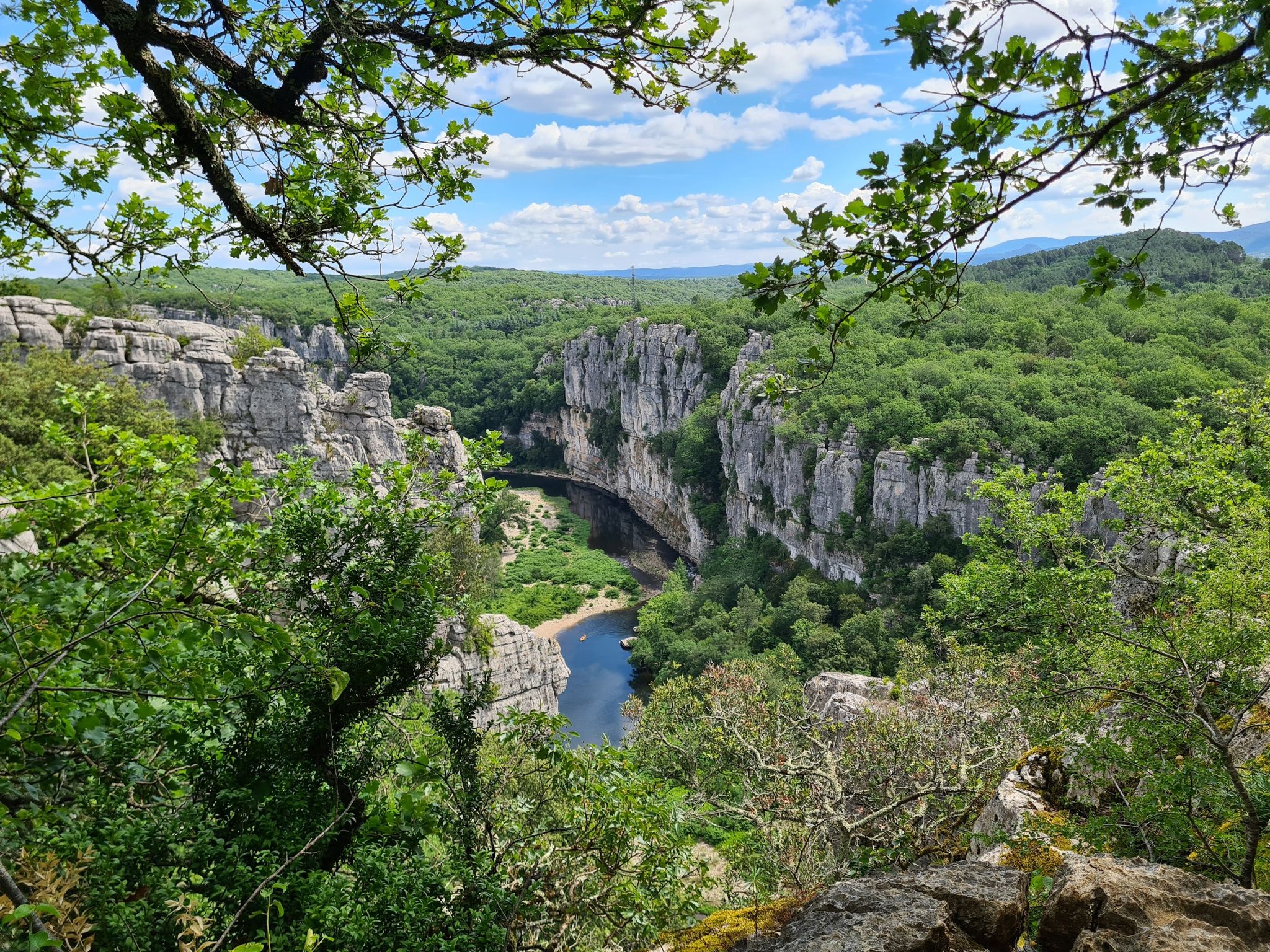
No traffic road cycling routes around Castanet-Le-Haut traverse a varied landscape characterized by the granite Espinouse massif and limestone Falaises d'Orques. The region features significant elevation changes, with routes climbing through mountainous areas like Mont Caroux, which reaches 1091 meters. Cyclists encounter diverse ecosystems, from Mediterranean garrigue to higher-elevation forests of chestnut, beech, and fir, alongside rivers such as the Dourdou de Camarès and the Mare.
Best no traffic road cycling routes around Castanet-Le-Haut
- The most popular no traffic road cycling route is Statue-menhir du Cros loop from Mialet, a 29.6 miles (47.6 km) trail that takes 3 hours 26 minutes to complete. This moderate route features an ascent of 2756 feet (840 m) and passes by historical statue-menhirs.
- Another top favourite among local road cyclists is Layrac Pass – L'Espinouse Pass (1,124 m) loop from Combes, a difficult 70.2 miles (113.0 km) path. This challenging route includes a substantial climb of 7119 feet (2170 m) and offers views from L'Espinouse Pass.
- Local road cyclists also love the Col du Pas du Loup – Col du Pas du Loup (717m) loop from Mialet, a 26.2 miles (42.2 km) trail leading through the terrain around Col du Pas du Loup, often completed in about 3 hours 9 minutes.
- Road cycling around Castanet-Le-Haut is defined by granite massifs, limestone cliffs, and river valleys. The network offers options for different ability levels, from moderate loops to difficult routes with significant elevation gains.
- The routes in Castanet-Le-Haut are highly rated by the komoot community with an average score of 4.7 stars from over 20 reviews. More than 600 road cyclists have used komoot to explore Castanet-Le-Haut's varied terrain.
Last updated: November 2, 2026
4.0
(2)
5
riders
35.0km
01:57
720m
720m
Moderate road ride. Good fitness required. Mostly well-paved surfaces and easy to ride.
4
riders
47.6km
02:26
840m
840m
Moderate road ride. Good fitness required. Mostly well-paved surfaces and easy to ride.

5
riders
42.5km
02:10
730m
730m
Moderate road ride. Good fitness required. Mostly well-paved surfaces and easy to ride.
5.0
(1)
1
riders
28.6km
01:44
650m
650m
Moderate road ride. Good fitness required. Mostly well-paved surfaces and easy to ride.
2
riders
73.6km
03:50
1,090m
1,090m
Hard road ride. Very good fitness required. Some segments of this route may be unpaved and difficult to ride.
Our route recommendations are based on thousands of hikes, rides, and runs completed by other people on komoot.
Start today with a free account
Your next adventure awaits.




Tips from the Community

In the heart of Mélagues, the « Mother and Child » statue is a unique landmark in the village. Created in 2003 by sculptor Jacques Bourges, this work testifies to the link between artistic creation and the tradition of stone. Originally from the neighboring Sidobre region, the artist has dedicated a large part of his work to granite and to highlighting this material. Installed on a stone forecourt, this sculpture highlights a universal theme: the maternal bond.
2
0
In the heart of Mélagues, the statue ‘Mother and Child’ is a unique landmark in the village. Installed on a stone forecourt, this sculpture highlights a universal theme: the maternal bond.
0
0
The Saint-Martin quarry reveals another facet of the landscape around Brusque. Behind the reliefs and valleys that one crosses by bike lies a resource exploited by humans: limestone, extracted here in the form of aggregates used for public works and land development.
2
0
The Pont Vieux de Camarès is a privileged stopover to discover the identity of the village. This old crossing of the Dourdou bears witness to the importance of transit routes in local history. From the bridge, the view combines the river, the facades of the village and the Saint-Michel church, offering a beautiful reading of the link between built heritage and landscape.
2
0
On the path of Pradailles, this straight section offers a beautiful reading of the agricultural landscape around Comps. The road crosses the cultivated fields, guiding the gaze towards the isolated farm. The wooded hills close the horizon.
2
0
A beautiful opening onto the countryside around Pradailles: the road crosses cultivated fields up to the hamlet, offering a simple and authentic reading of the rural landscape of Aveyron.
2
0

To see this place in the middle of fields and woods.
0
0

A former monastery erected into an abbey in 1136, Sylvanès was founded around 1120 by Pons de Léras, a former lord reputed to be a brigand and thief who did penance for his crimes and made a pilgrimage to Santiago de Compostela.
0
0
Frequently Asked Questions
How many no-traffic road cycling routes are available around Castanet-Le-Haut?
There are 5 dedicated no-traffic road cycling routes around Castanet-Le-Haut featured in this guide. These routes offer diverse experiences, from moderate to difficult, allowing you to explore the region's stunning landscapes without heavy vehicle interference.
What kind of terrain and elevation can I expect on these no-traffic road cycling routes?
The region around Castanet-Le-Haut, marked by the Espinouse massif and Falaises d'Orques, offers varied terrain. You can expect significant elevation gains, with some routes featuring over 2,000 meters of climbing. For example, the Layrac Pass – L'Espinouse Pass (1,124 m) loop from Combes covers 112 km with over 2,100 meters of ascent, requiring very good fitness. Other routes, like the Statue-menhir du Cros loop from Mialet, offer a moderate challenge with around 840 meters of climbing over 47 km.
Are there any specific landmarks or scenic viewpoints along these quiet cycling routes?
Yes, the routes often pass through areas with notable natural features and viewpoints. The Mont Caroux massif offers exceptional distant views, particularly from the Orientation table at Mont Caroux. You might also encounter significant mountain passes like L'Espinouse Pass (1,124 m), Fontfroide Pass, and Col de la Croix de Mounis, which are popular with cyclists for their challenging ascents and panoramic vistas.
What is the best time of year for no-traffic road cycling in Castanet-Le-Haut?
The region's diverse ecosystems mean constantly renewing scenery throughout the seasons. Generally, spring and autumn offer pleasant temperatures for cycling, avoiding the peak heat of summer. These periods also tend to have less tourist traffic, contributing to a quieter cycling experience on the roads.
Are there any loop routes available for no-traffic road cycling?
Yes, several routes are designed as loops, allowing you to start and finish in the same location. Examples include the challenging Layrac Pass – L'Espinouse Pass (1,124 m) loop from Combes and the moderate Col du Pas du Loup – Col du Pas du Loup (717m) loop from Mialet. These loops are ideal for exploring the varied landscapes of the Espinouse massif.
What do other road cyclists enjoy most about cycling in Castanet-Le-Haut?
The area is highly rated by the komoot community, with an average score of 4.7 stars. Reviewers often praise the region's challenging yet rewarding climbs, the breathtaking natural settings, and the opportunity to cycle on quiet, well-paved roads through diverse landscapes, from Mediterranean garrigue to chestnut and fir forests.
Are there any family-friendly no-traffic road cycling options?
While many routes in this guide feature significant elevation and are rated moderate to difficult, the 'no traffic' focus means a safer environment. For families, look for routes with less elevation gain or consider shorter sections of the longer routes if they pass through particularly quiet, flat areas. Always check the route details for specific difficulty and terrain before setting out with children.
Where can I find parking for these quiet road cycling routes near Castanet-Le-Haut?
Many routes start from villages like Mialet or Combes, where you can typically find public parking. For instance, the Statue-menhir du Cros loop and the Col du Pas du Loup loop both start from Mialet. It's advisable to check the specific starting point of your chosen route on komoot for detailed parking information, as options can vary.
Are there any cafes or accommodation options for cyclists in Castanet-Le-Haut or nearby?
Castanet-Le-Haut and the surrounding villages offer a selection of local cafes, pubs, and accommodation options. These establishments cater to visitors exploring the region. It's recommended to check local listings or inquire in advance, especially during peak season, to ensure availability and opening hours.
Are there any unpaved sections on these road cycling routes?
These routes are specifically curated for road cycling, meaning they primarily follow paved roads. However, the diverse terrain of the Espinouse massif can sometimes lead to varying road surface conditions. While major unpaved sections are avoided for road bikes, it's always good practice to review the route details and surface type on komoot before your ride to be fully prepared.
Can I access Castanet-Le-Haut by public transport with my bike?
Public transport options to Castanet-Le-Haut are limited. While some regional bus services might operate, direct routes with dedicated bike transport facilities are not common. It's best to research specific bus or train lines serving the Hérault department and their bike policies well in advance, as many require bikes to be dismantled or bagged.
What natural features can I expect to see along the routes, beyond mountains and passes?
Beyond the impressive Mont Caroux and Espinouse massif, you'll encounter a rich natural heritage. The region boasts diverse ecosystems, from Mediterranean garrigue with thyme and rosemary to higher-altitude forests of chestnut, beech, and fir. Rivers like the Dourdou de Camarès and the Mare traverse the commune, and some routes may pass near larger bodies of water such as the Lac-du-Salagou or the La Raviège Dam and Lake Laouzas.
Most popular routes around Castanet-Le-Haut
Most popular attractions around Castanet-Le-Haut

Get inspired with the komoot mobile app


Explore more
Browse the best Road cycling routes in other regions.
