The best traffic-free bike rides around Wolfisheim
4.5
(2001)
35,126
riders
100
rides
No traffic road cycling routes around Wolfisheim offer a diverse landscape for cyclists, characterized by well-maintained canal paths and serene agricultural areas. The terrain is generally flat to gently undulating, making it accessible for various fitness levels. Its proximity to Strasbourg provides access to a broader network of cycling opportunities, including historical fortifications and the scenic Alsace Wine Route. The region's physical features include the historic Canal de la Bruche and expansive open fields.
Best no traffic road cycling routes…
Last updated: October 6, 2026
4.6
(57)
1,004
riders
44.4km
01:48
210m
210m
Easy road ride. Great for any fitness level. Mostly well-paved surfaces and easy to ride.
4.4
(22)
607
riders
65.5km
03:16
350m
350m
Moderate road ride. Good fitness required. Mostly well-paved surfaces and easy to ride.

4.4
(16)
248
riders
Moderate road ride. Good fitness required. Some segments of this route may be unpaved and difficult to ride.
4.7
(25)
470
riders
81.2km
03:41
720m
720m
Moderate road ride. Good fitness required. Mostly well-paved surfaces and easy to ride.
5.0
(1)
38
riders
43.1km
01:50
250m
250m
Easy road ride. Great for any fitness level. Mostly well-paved surfaces and easy to ride.
Get access to more routes and recommendations from other explorers.
Already have an account?
Our route recommendations are based on thousands of hikes, rides, and runs completed by other people on komoot.
Start today with a free account
Your next adventure awaits.
Popular around Wolfisheim
Tips from the Community

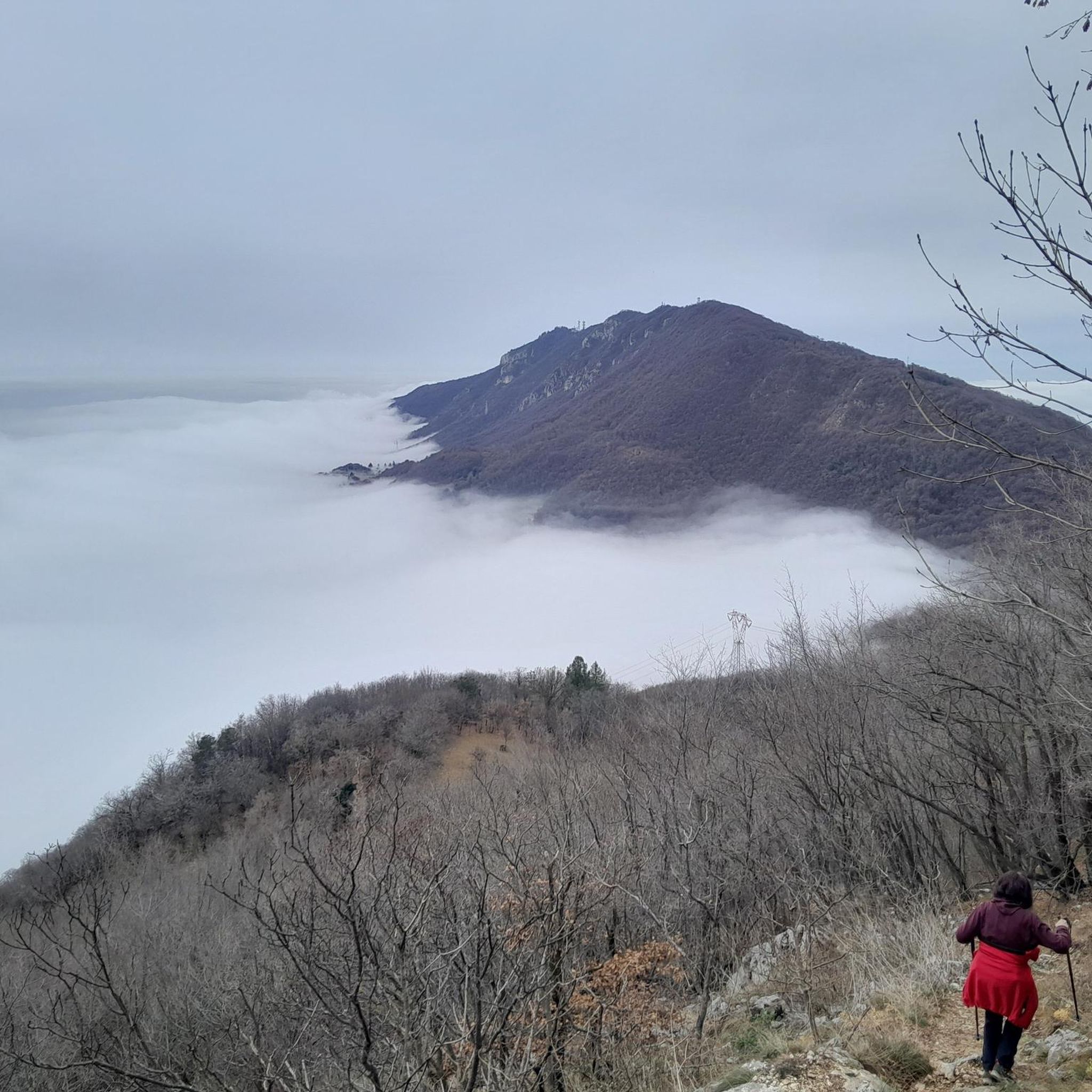
The Odilienberg (763 m) in Alsace is the most important spiritual center of the region. Founded around 690 by Saint Odilia, the monastery attracts hundreds of thousands of pilgrims annually. The centerpiece of the complex is the Basilica of the Assumption of Mary (1687–1692) with the burial chapel, where the relics of the patron saint rest in an 8th-century sandstone sarcophagus. Directly on the panoramic terrace are the Chapel of Tears and the Chapel of Angels (12th century), known for their luminous gold mosaics from 1935. Inside the basilica, there is also a fine wooden inlaid Way of the Cross by Charles Spindler. Below the monastery rocks runs a magnificent hiking trail. It leads past the monumental, colorful ceramic Way of the Cross (14 stations) and the Lourdes Grotto, both integrated directly into the red sandstone by Léon Elchinger in the 1930s. About a 15-minute walk further down, the Odilien spring emerges in the forest, its water traditionally sought for eye ailments. The entire mountain plateau is enclosed by the Heidenmauer, a mysterious, 11-kilometer-long prehistoric defensive wall. Following the hiking trails further south, you reach the Maennelstein (817 m), the highest point of the ridge, which offers a wide panoramic view over the Rhine plain to the Black Forest. The monastery grounds are open all year round and admission is free. Would you like to use this short text for a brochure or are you still looking for information on how to get there for your tour? AI answers may contain errors. For legal advice, you should consult an expert. More information
0
1

Wrong location and duplicate - here is the correct place: https://www.komoot.com/de-DE/highlight/1057103?ref=ihd&t_s=referral&t_cid=highlight_share&t_ref_username=1065335028189
0
0

Great landscape and beautiful cycle path.
0
0
Very nice cycle path along the canal.
0
0

The Canal de la Bruche is a canal in eastern France that originally connected Soultz-les-Bains near Molsheim with the city of Strasbourg. It was built in 1682 by the famous military engineer Vauban, primarily to transport sandstone from the Soultz quarries for the construction of Strasbourg's fortifications.
0
0
Dachstein lies off the main roads in Alsace and is therefore less developed for tourism. The village nevertheless boasts some noteworthy buildings, such as: the medieval city gate, the Porte de la Bruche, the Church of St. Martin (Église Saint-Martin), which still retains Gothic elements, a nave, and a Baroque altar; the Renaissance castle (extended in the 19th century in the Neo-Renaissance style) of the de Turckheim family, the Château de Turckheim, or the Vieux Château. It was formerly a summer residence for some of the bishops of Strasbourg; the old washhouse, and the Château Hervé Bourcart, or "La Magnanerie." It is located closer to the village center and was built in 1750 as a private villa that housed the royal silkworm breeding school. It has been owned by the Hervé family since 1838. In the 1990s, the castle and its idyllic surroundings served as the setting for the film saga "The Alsatians." Magnan is an Occitan word meaning mulberry. The Magnanerie is the headquarters of a silkworm farm. The streets of Dachstein are lined with several traditional half-timbered houses, some with carved wooden galleries.
0
0

We really enjoyed the cycle path along the Canal de la Bruche
0
0

Frequently Asked Questions
How many no-traffic road cycling routes are available around Wolfisheim?
There are over 80 dedicated no-traffic road cycling routes around Wolfisheim. These routes cater to various skill levels, with a significant number being easy or moderate, ensuring a pleasant ride for most cyclists.
What makes Wolfisheim a good location for no-traffic road cycling?
Wolfisheim offers an excellent network of well-paved paths, particularly along the Canal de la Bruche and sections of the Piste des Forts. These routes provide a blend of scenic canal-side riding, historical exploration around fortifications, and picturesque agricultural landscapes, all designed to minimize traffic encounters.
What do other cyclists say about the no-traffic road cycling routes in Wolfisheim?
The no-traffic road cycling routes around Wolfisheim are highly rated by the komoot community, with an average score of 4.5 stars from over 1,500 ratings. Reviewers often praise the peaceful canal paths, the well-maintained surfaces, and the beautiful, traffic-free scenery.
Are there any easy, no-traffic road cycling routes suitable for beginners in Wolfisheim?
Yes, Wolfisheim offers many easy, no-traffic road cycling routes perfect for beginners. A great option is the Canal de la Bruche cycle path – Canal de la Bruche loop from Wolfisheim, which is just under 20 km with minimal elevation gain, offering a relaxed ride along the historic canal.
Can I find challenging car-free road cycling routes near Wolfisheim?
While many routes are easy to moderate, some no-traffic road cycling routes near Wolfisheim do offer more challenge. For instance, the Canal de la Bruche – Geisweig climb loop from Entzheim Aéroport includes over 500 meters of elevation gain over its 50+ km distance, providing a more demanding experience while still utilizing traffic-free sections.
Are there circular no-traffic road cycling routes available?
Yes, many of the no-traffic road cycling routes around Wolfisheim are designed as circular loops, allowing you to start and end at the same point. An example is the Bruche Canal – Canal de la Bruche loop from Strasbourg Roethig, which offers a 45 km circular ride along the canal.
What are the main scenic highlights I can expect on no-traffic road cycling routes around Wolfisheim?
You can expect diverse scenery, including the tranquil waterside paths of the Canal de la Bruche, the green spaces and historical fortifications of the Piste des Forts network, and serene agricultural landscapes. The routes often provide a peaceful escape into nature.
Are there any historical sites or attractions along these car-free routes?
Yes, the region is rich in history. The Canal de la Bruche itself is a historical landmark, built in 1682. Additionally, routes often pass near or through areas connected to the Piste des Forts, a network of paths linking 19th-century fortifications. You can also visit the nearby Parc du Fort Kléber, a former military fort now a public park with varied landscapes and a small farm.
Is Wolfisheim a good base for family-friendly no-traffic cycling?
Absolutely. The flat and well-maintained paths along the Canal de la Bruche are particularly suitable for families. The nearby Parc du Fort Kléber also offers a playground and animals, making it a great destination for a family outing combined with a ride.
What is the best time of year for no-traffic road cycling in Wolfisheim?
Spring, summer, and early autumn generally offer the most pleasant conditions for no-traffic road cycling in Wolfisheim. During these seasons, the weather is typically mild, and the natural landscapes are at their most vibrant. While the Canal de la Bruche can be busy on weekends, weekdays usually offer a quieter experience.
Are there amenities like cafes or restaurants near the no-traffic cycling paths?
Yes, as many routes connect Wolfisheim to Strasbourg and other villages, you'll find various amenities. Along the Canal de la Bruche and in nearby towns, there are opportunities to stop for cafes, pubs, and restaurants to refuel during your ride.
How can I access the no-traffic road cycling routes by public transport?
Wolfisheim is well-connected to Strasbourg, which has extensive public transport options. From Strasbourg, you can often reach starting points for routes along the Canal de la Bruche or Piste des Forts via local buses or trams, many of which accommodate bicycles or are close to cycling infrastructure.
Where can I park my car to access the no-traffic road cycling routes?
Parking is generally available in Wolfisheim and at various access points along the Canal de la Bruche and Piste des Forts. Look for designated parking areas in the commune or near popular trailheads to begin your ride.
Most popular attractions around Wolfisheim

Get inspired with the komoot mobile app


Explore more
Browse the best Road cycling routes in other regions.
