The best city hikes and walks around Rochefort
4.5
(2791)
25,136
hikers
36
hikes
Urban hiking trails around Rochefort offer a diverse range of experiences, primarily characterized by coastal and riverine landscapes. The region features flat terrain, often following promenades, city centers, and historical sites. These routes provide opportunities to explore urban environments alongside natural features like coves and riverbanks. The area is well-suited for accessible walks with minimal elevation gain.
Best urban hiking trails around Rochefort
- The most popular urban hiking route is Royan city center — loop, a 2.8 miles (4.6…
Last updated: November 16, 2026
3.6
(7)
104
hikers
11.1km
02:50
30m
30m
Moderate hike. Good fitness required. Easily walkable paths.
5.0
(2)
98
hikers
6.24km
01:37
30m
30m
Easy hike. Easily walkable paths.

4.0
(10)
85
hikers
Moderate hike. Good fitness required. Easily walkable paths.
5.0
(1)
17
hikers
6.52km
01:40
30m
30m
Easy hike. Easily walkable paths.
37
hikers
2.96km
00:45
10m
10m
Easy hike. Easily walkable paths.
Get access to more routes and recommendations from other explorers.
Already have an account?
Our route recommendations are based on thousands of hikes, rides, and runs completed by other people on komoot.
Start today with a free account
Your next adventure awaits.
Popular around Rochefort
City hikes in Forêt Des Combots D'Ansoine
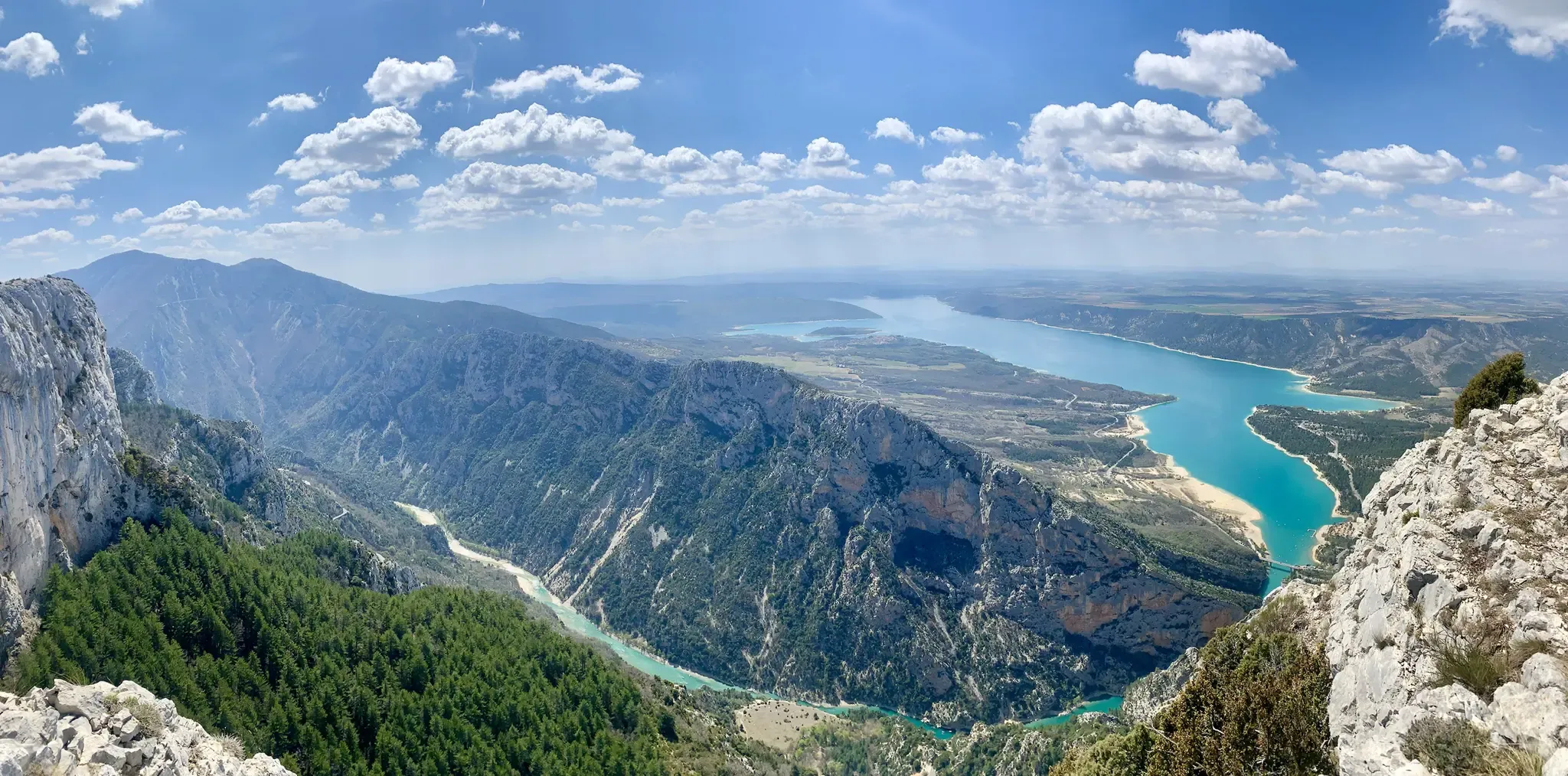
GR 4 – Crossing the south of France from Atlantic Coast to Provence
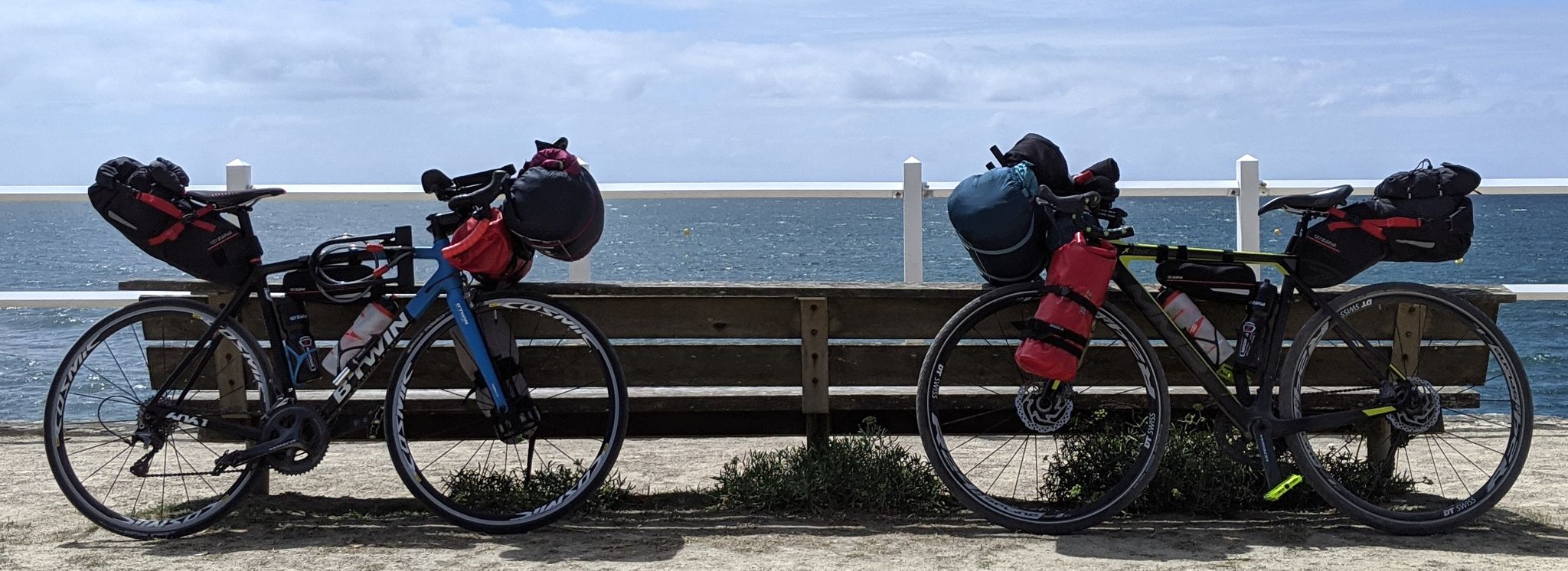
La Vélodyssée — From north to south via the ocean
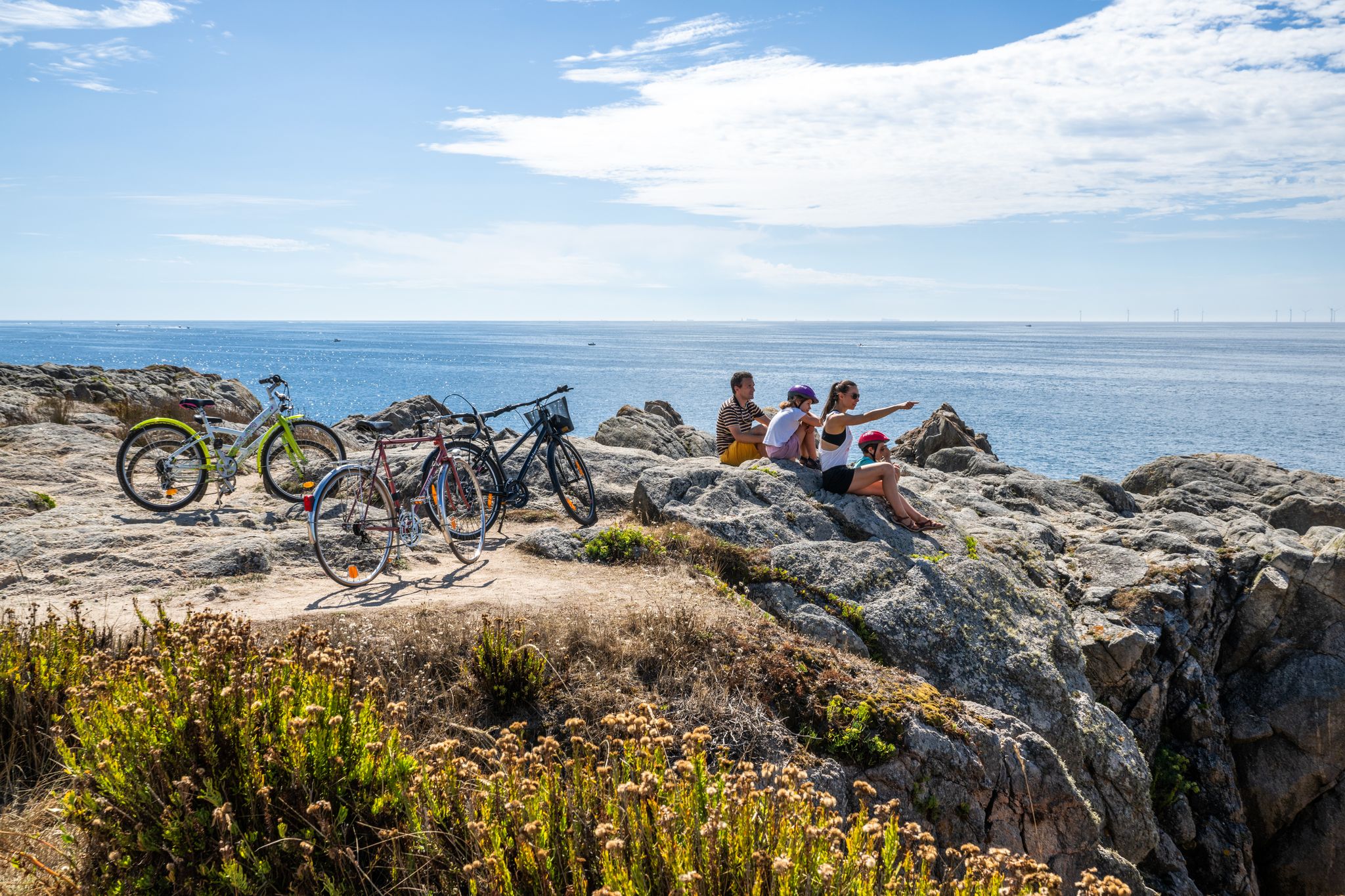
French Atlantic coast – 9 bike Tours from La Baule to Saint-Jean-de-Luz
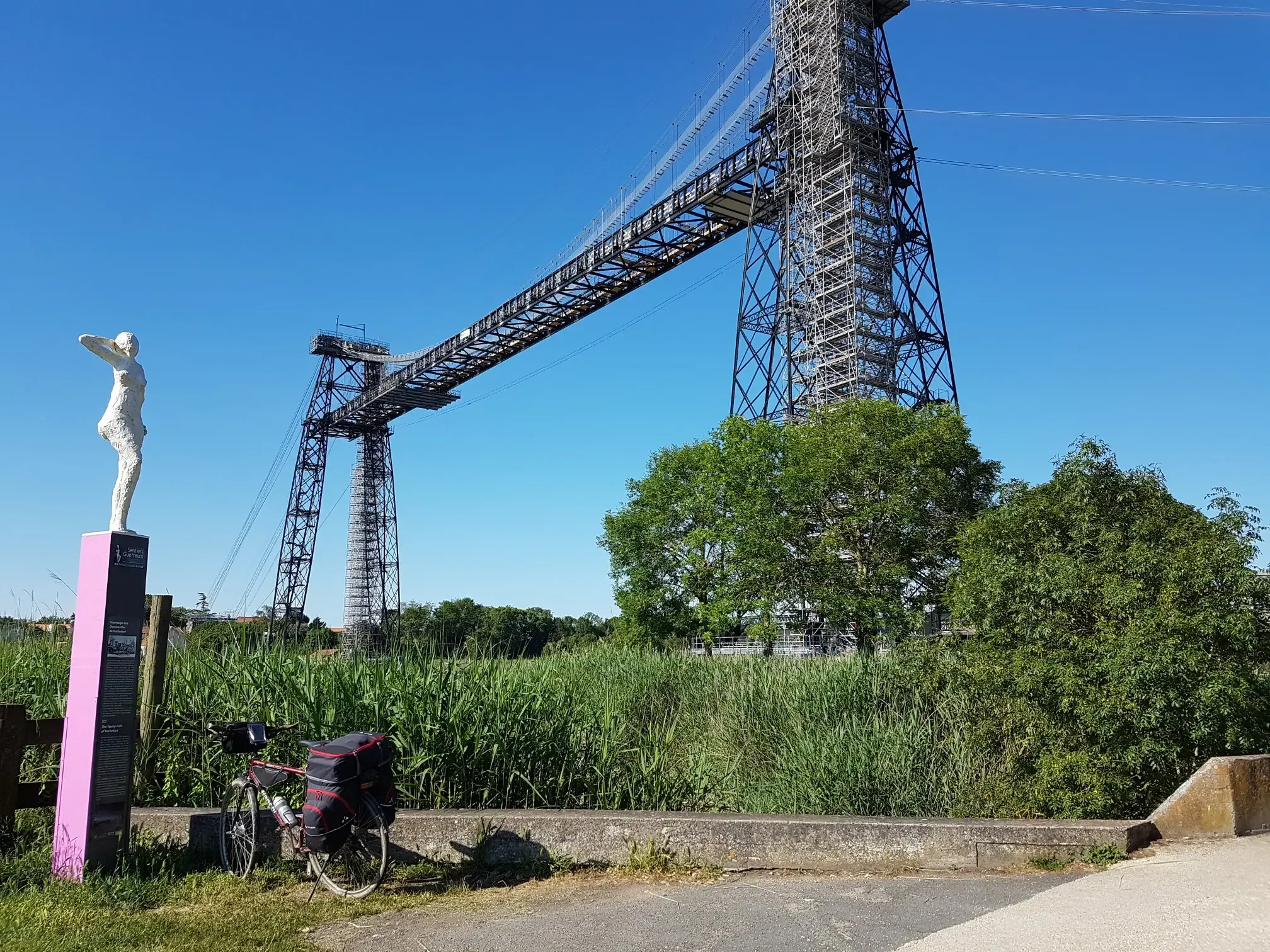
From the marshes to the Charente – a ride in the south of Aunis
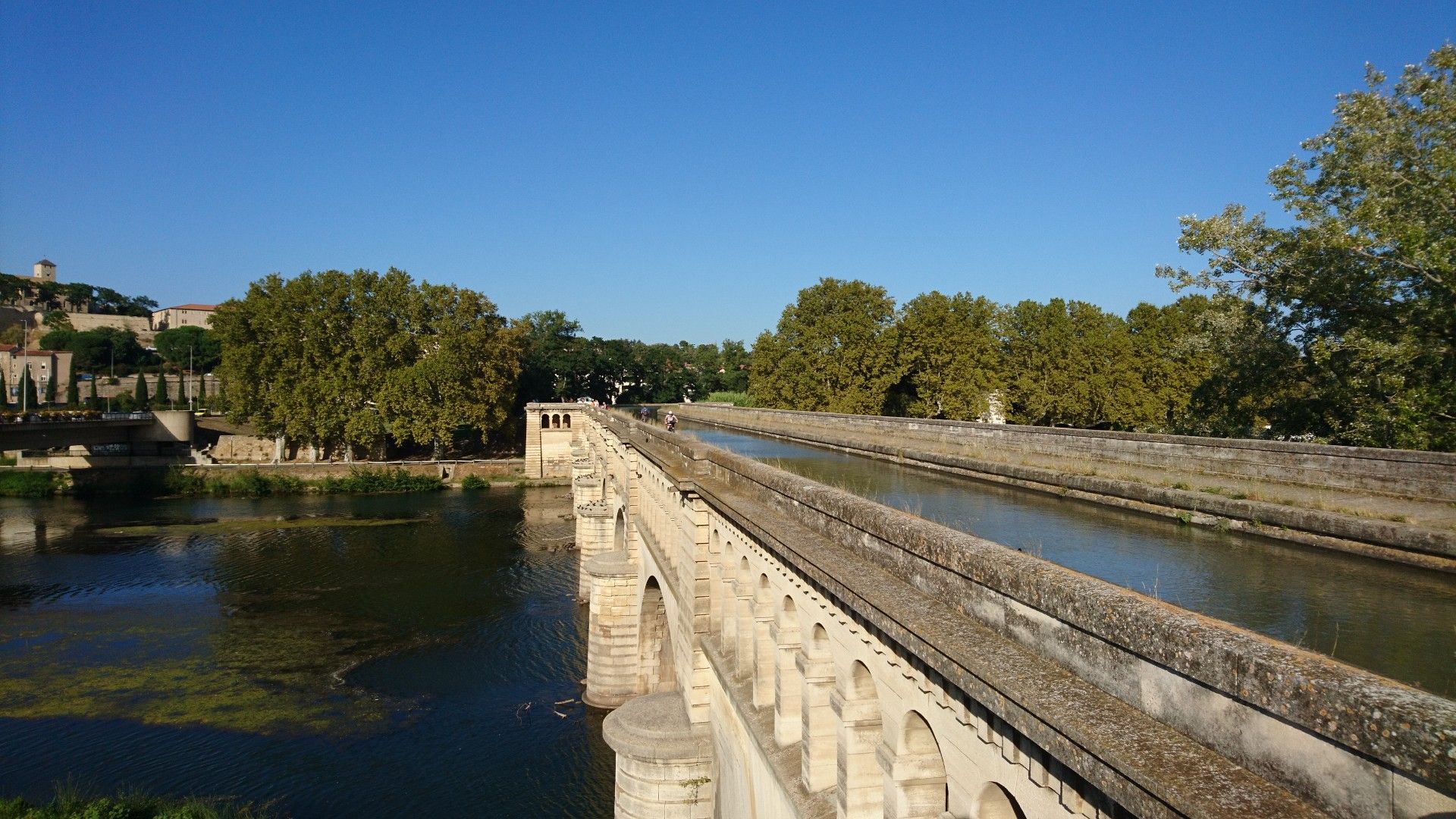
A river adventure – Canal des Deux Mers by bike
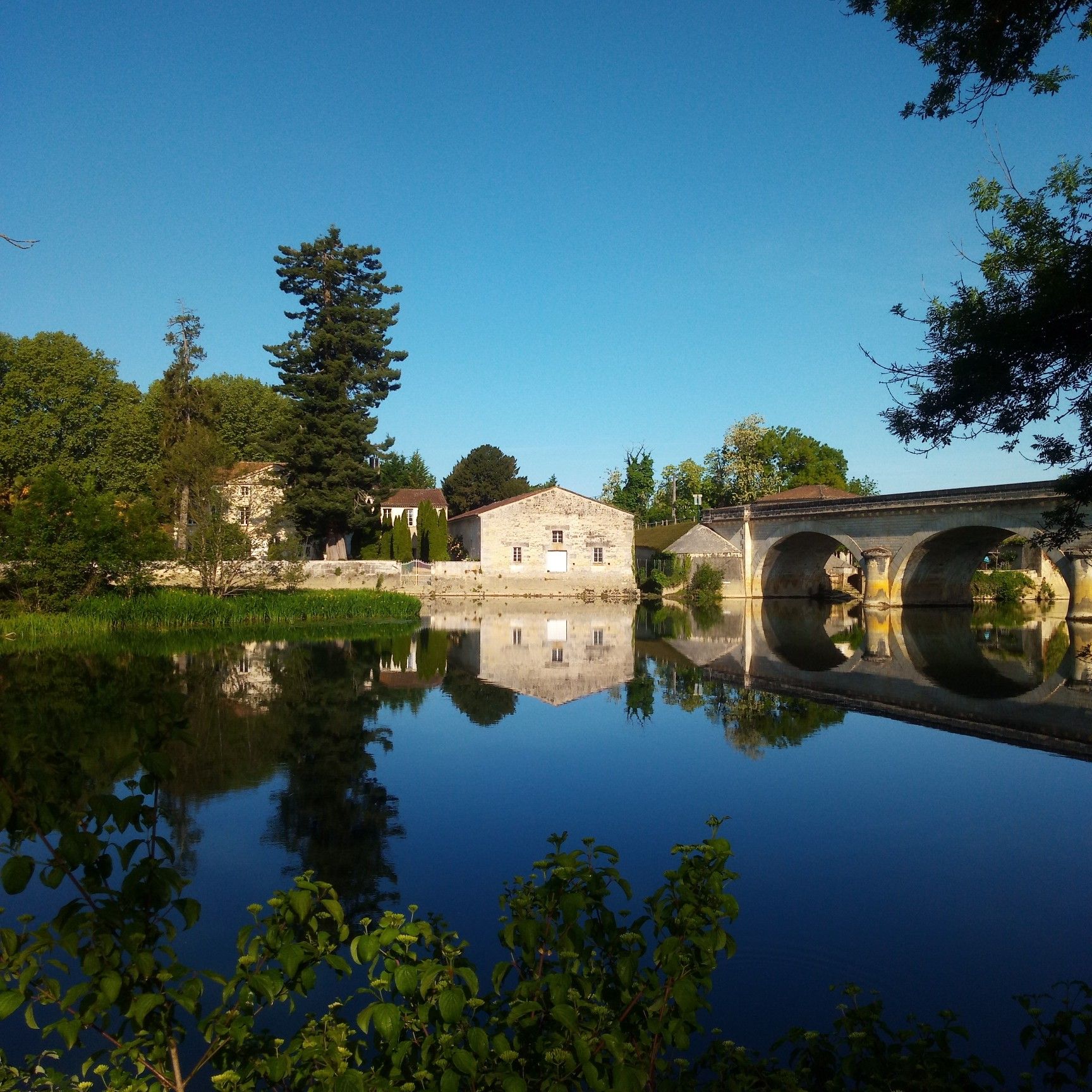
The Flow Vélo – a route that transports you
Other adventures around Rochefort


Tips from the Community

Les Jardins de la Mer are located in the heart of Royan, between the seafront and the port, on the site of the former grand casino of the Reconstruction. 🌊 Before Les Jardins de la Mer Before the Second World War, this space was part of the seafront promenade and garden sector. The Botton square, created around 1850, was notably an important landscaped area between the port and the beach. After the bombings of 1945, Royan is completely rethought as part of the Reconstruction, under the direction of, among others, the architect-urban planner Claude Ferret. 🎰 The grand casino of Royan It is here that one of the emblematic buildings of the new town was built. The Royan casino, designed by, among others, Claude Ferret, Pierre Marmouget and Adrien Courtois, was completed around 1960. Its very modern architecture, with its curved shapes, its colors and its large opening towards the sea, quickly became a symbol of Royan in the 1950s-1960s. It hosted, among other things, shows and cultural events. The Festival of Contemporary Music, from 1964 to 1978, was an important event in Royan's cultural life. 🏗️ The disappearance of the casino The casino was finally demolished in 1985, notably for safety and financial reasons. A real estate project was to take its place, but it did not materialize. The space was then transformed into public gardens, which took the name of Jardins de la Mer. 🎨 The mosaics that recall the casino A particularly interesting element today is the mosaics created by the Atelier des arts plastiques de Royan, with students and artists. They reproduce certain patterns and shapes of the disappeared casino, notably the rotunda and its decor. They therefore constitute a kind of artistic memory of the lost building. 🇨🇦 The stele of Pierre Dugua de Mons Les Jardins de la Mer also house the stele dedicated to Pierre Dugua de Mons, a figure linked to the history of the French colonization of North America. The stele was inaugurated in 1988 in the gardens of the Town Hall, then transferred in 2007 to Les Jardins de la Mer, near the port. 🌿 Today Les Jardins de la Mer therefore constitute a green space that links: the beach → the seafront → the gardens → the port of Royan. They are also used for events, exhibitions and summer activities. The City has recently worked to strengthen the plant presence and landscape quality of this seafront area.
0
0
How the idea for the first concert in 1987 was born and how Philippe Tranchet and Royan Fréquence technically managed to broadcast this violin live from the beach... almost by accident from a radio project. 📻 The starting point: Royan Fréquence In the early 1980s, Philippe Tranchet created the local radio station Royan Fréquence. He didn't just want to make it a radio station: he also organized events to bring Royan to life, especially during the summer season. He had a habit of imagining rather unusual events. His idea in 1987 was therefore above all a radio one: to stage a real classical concert live from the Grande-Conche beach, and to have it heard by the listeners of Royan Fréquence. It wasn't about creating a festival yet. 🎻 The meeting with Patrice Mondon A few years earlier, Philippe Tranchet had met Jean-Jacques Goldman in the studios of Royan Fréquence. Goldman had agreed to sponsor the young radio station and came to Royan with his violinist, Patrice Mondon, a violinist with the Paris Opera. This meeting was to be decisive. Tranchet asked Mondon to take on a rather extravagant challenge: to play the violin alone on the Grande-Conche, on a summer evening, in a tuxedo, with his feet in the sand. The choice of the tuxedo was not accidental: Philippe Tranchet was precisely looking for the contrast between the very solemn universe of a classical concert and the totally relaxed one of the beach. 🌊 The evening of 1987 In 1987, Patrice Mondon set up on the beach. He notably played a Bach aria, accompanied by a soundtrack broadcast by the radio. A contemporary source dedicated to the 30th anniversary also indicates that he performed "Eleanor Rigby" by The Beatles, whose string arrangement lent itself particularly well to the experiment. And then an extraordinary scene occurred. Listeners of Royan Fréquence began to wonder if the concert was really being broadcast live. They took their transistor radios and headed down to the Grande-Conche. On the beach and the seafront, people could then be seen listening to the radio while watching the violinist play in front of them. Radio and reality merged. It was this experience that gave birth to "Un Violon sur le Sable". 🎼 But why the name "Un Violon sur le Sable"? It was precisely the contrast that appealed to Tranchet: a musician in a tuxedo, a prestigious instrument, Bach... and around him: the sand, the sea, the waves, the holidaymakers, and the wind. Later, Philippe Tranchet himself summarized the problem with this phrase: "It was a challenge to pit a Stradivarius against its worst enemies: sand, wind, salt, the tide." This sentence explains quite well why the experience was so unusual for a classical musician. 🎻 1988: we do it again... but with four violins The success of the first attempt led to the experiment being repeated in 1988. This time, it was no longer a soloist but a string quartet. Then the progression was spectacular: 1987: 1 violin ↓ 1988: string quartet ↓ following years: chamber orchestra ↓ 1990s: symphony orchestra ↓ 1999: three concerts ↓ today: large symphony orchestra and international soloists. And in 2012, the adventure extended to the town with "Un Violon sur la Ville", which allowed the use of other venues in Royan and the surrounding area for more intimate concerts. A little anecdote that explains a lot What is quite remarkable is that the festival was not originally conceived as a classical music festival. It was born from a much simpler idea: "What if we broadcast a real concert from the beach, live on the radio?" Popular success then gradually transformed this experience into one of Royan's major musical events.
0
0
🎻 The story of „Un Violon sur le Sable” in Royan „Un Violon sur le Sable” (A Violin on the Sand) was born in 1987 on the La Grande-Conche beach in Royan, on the initiative of Philippe Tranchet, then director of the local radio station Royan Fréquence. The idea was quite crazy for the time: to broadcast a classical music concert live from the beach. 1987: Literally… a single violin For the first edition, Philippe Tranchet asked his friend Patrice Mondon, a violinist with the Paris Opera, to come and play alone on the beach. The choice of setting and attire was deliberately spectacular: Patrice Mondon played in a tailcoat, with his feet in the sand, accompanied not by an orchestra present on site, but by a soundtrack. He notably performed an aria by Bach. The concert was broadcast live on Royan Fréquence. Listeners even came to the seafront with their transistor radios to check that what they were hearing on the radio corresponded to what was happening on the beach. It is this image – a violinist in a tailcoat playing facing the ocean – that would give the festival its name and identity. 1988: The violin becomes a quartet The experience was renewed as early as 1988, this time with a string quartet and with the support of the municipality of Royan. Then, progressively: quartet; chamber orchestra; ensemble of about twenty musicians; then a symphony orchestra of about 55 musicians. Conductor Jérôme Pillement led the orchestra from 1992. 1999: Birth of the true festival A major step occurred in 1999: the event expanded to three major concerts, and the orchestra then numbered around 60 musicians. It was truly at this time that the original concert became a festival. 2012: „Un Violon sur la Ville” In 2012, the festival extended beyond the beach with the creation of „Un Violon sur la Ville” (A Violin in the City). Concerts were then organized in various locations in Royan and neighboring towns: gardens, churches, markets, and other unusual places. Today The original principle, however, has remained intact: to bring great classical music down to the beach, in front of the ocean, rather than reserving it for concert halls. The orchestra now brings together more than 70 musicians, to whom various guest soloists are added. Concerts can gather tens of thousands of spectators on La Grande-Conche. The festival also plays with a rather extraordinary paradox: classical instruments are exposed to sand, salt, humidity, wind, and the cool night air. Philippe Tranchet summarized this challenge by talking about the confrontation of a Stradivarius with „its worst enemies, sand, wind, salt, the tide”. 🎼 A story particularly linked to Jean-Jacques Goldman There is also an interesting anecdote concerning Jean-Jacques Goldman. Philippe Tranchet had met the singer in connection with Royan Fréquence. Goldman had agreed to sponsor the radio station and came to Royan accompanied by his violinist Patrice Mondon. It was this meeting that notably led Tranchet to think of Mondon for the first concert in 1987. 📍 The historic location The most interesting thing is that the location of the first concert in 1987 is still the emblematic site of the festival: La Grande-Conche of ROYAN
0
0
The Palais des Congrès de Royan is one of the most emblematic buildings of Royan's reconstruction after the bombings of 1945. It is located in Foncillon, facing the estuary of the Gironde. 1. Before the Palais: the Foncillon Casino The Palais was built on the site of the former Foncillon Casino, destroyed during the Allied bombings of January 5, 1945. After the war, the municipality wanted to make this location a new place for entertainment and meetings. The project eventually evolved towards the creation of one of the first true congress palaces in France. 2. Construction: 1954-1957 The project was entrusted to Claude Ferret, chief architect for the reconstruction of Royan, with Pierre Marmouget, Adrien Courtois, and Jacques Bruneau. * Project: 1954 * Construction: 1954-1957 * Inauguration: August 31, 1957 * Client: Ville de Royan. The architecture was particularly innovative for the time: a building set on stilts, a flat roof-terrace, largely open facades, geometric volumes, and circulation between interior and exterior. The building is part of the Modern Movement, notably with the influence of 1950s Brazilian architecture. 3. An exceptional facade: Jean Prouvé One of the most remarkable features is the facade facing the sea. It featured perforated aluminum panels from Jean Prouvé's workshops. Their arrangement allowed light to be filtered and created very particular shadow effects inside. The large performance hall, designed as a rotunda, also benefited from a stage wall pierced with square openings. 4. A building designed to be versatile Upon its opening, the Palais was not solely intended for congresses. It included, among other things: * a large hall that could accommodate around 1,000 people; * ten commission rooms; * a vast hall; * exhibition galleries; * a restaurant; * a bar; * spaces intended for outdoor parties and events. It thus became an important element of Royan's tourist, cultural, and economic life. 5. The transformations of the 1970s The building was unfortunately to be profoundly modified. In the 1970s, a large glass facade was added on the sea side, and a glazed cubic extension was built on the garden side. These transformations considerably altered the appearance intended by Claude Ferret. A fresco was also created by Nadu Marsaudon in 1977. 6. The rebirth of the Palais: 2021-2023 A major restoration was undertaken to restore the 1950s architecture as much as possible. The work, led notably by Pierre Ferret, son of Claude Ferret, with the chief architect of historic monuments François Chatillon, allowed for: * the removal of the cubic extension; * the restitution of the original volumes; * the restoration of the sea-facing facade; * the recovery of the original colors of Jean Prouvé's panels; * the modernization of equipment, accessibility, and safety. The Palais reopened after this restoration in 2023. 7. Reinforced heritage recognition The building had been listed as a historic monument in 2011. A further step was taken with its classification as a historic monument by decree of July 1, 2025, which constitutes the highest level of heritage protection. Today, the Palais is therefore considered a major element of the architectural heritage of Royan's Reconstruction. A particularly interesting detail The Palais de Royan is often presented as one of the first congress palaces built in France, or even as the first designed as such. Atelier Ferret describes it as the first Palais des Congrès built in France.
0
0

Built from 1955 and consecrated in 1958, the Notre-Dame de Royan church symbolizes the city standing tall and proud again. The reinforced concrete monument thus fits into the general trend of renewal in sacred art after the sad events the world experienced in the 1940s. It is considered today as a feat and a masterpiece of modern architecture. "Upon entering this concrete cathedral, be silent. Here, everything is momentum, rigor, roughness, austere beauty. The twilight sings the elusive, the divine, variable and constant like the sea." ANDRÉ MALRAUX Minister of Cultural Affairs (1958-1969)
1
0


A very impressive sailing ship. A visit is definitely worth it.
2
1
A very beautiful archway!
2
0
Frequently Asked Questions
How many urban hiking trails are available in Rochefort?
There are over 30 urban hiking trails around Rochefort, offering a variety of experiences for city explorers. Most of these routes are considered easy, making them accessible for many hikers.
What do other hikers enjoy most about urban hiking in Rochefort?
The urban hiking trails in Rochefort are highly rated by the komoot community, with an average score of 4.54 out of 5 stars from over 1800 ratings. Hikers often praise the accessibility and the unique blend of historical sites and natural beauty found within the city and its immediate surroundings.
Are there any circular urban walks in Rochefort?
Yes, many of the urban trails in Rochefort are designed as circular routes, allowing you to start and end your hike in the same location. An example is the Royal Ropeworks – Royal Ropewalk loop from Rochefort, which offers a moderate 11 km experience.
What kind of attractions can I see along the urban hiking trails in Rochefort?
Rochefort's urban trails often lead you past a mix of historical and natural sights. You can discover impressive fortifications like the Fort de Fouras or the Fort Vauban. For nature lovers, there are serene spots like Lake Frace or the Fish pass, offering glimpses of the local aquatic life.
Are there any easy urban hikes suitable for families in Rochefort?
Absolutely! Rochefort offers numerous easy urban hikes perfect for families. Many routes are relatively flat and shorter in distance. For instance, the Royal Ropewalk – Royal Ropeworks loop from Rochefort is an easy 6.8 km trail that's great for a family outing.
Can I access urban hiking trails in Rochefort using public transport?
Rochefort is well-connected, and many urban hiking trails are accessible from the city center, which is served by public transport. You can often start your walk directly from a bus stop or train station, making it convenient to explore without a car.
Are there urban trails that offer views of the water or coastline?
While Rochefort itself is inland, its proximity to the coast means some urban trails or nearby routes offer beautiful water views. For example, the Beautiful view of the bay highlight suggests scenic coastal vistas are within reach, often integrated into longer walks or nearby urban extensions.
What is the best time of year for urban hiking in Rochefort?
Rochefort, located in the Ardennes region, offers pleasant urban hiking conditions from spring to autumn. Spring brings blooming flora, while autumn showcases vibrant foliage. Even in winter, many urban paths remain accessible, offering a different, often quieter, perspective of the city's charm.
Are there any urban hikes that pass by historical sites or castles?
Yes, Rochefort's rich history is reflected in its urban landscape. Many trails will lead you past significant historical sites. You can explore areas near the Château-d'Oléron Citadel or the Brouage Citadel, offering a blend of walking and historical discovery.
Are there any urban trails in Rochefort that are suitable for a quick stroll?
Yes, if you're looking for a shorter, more leisurely walk, Rochefort has several easy urban trails. Many are under 5 kilometers, perfect for a quick stroll to explore the city's streets, parks, and riverbanks without committing to a long hike.
Most popular routes around Rochefort
Most popular attractions around Rochefort

Get inspired with the komoot mobile app


Didn’t find what you were looking for?
Check out more Hikes throughout Rochefort below and find the perfect route in your destination.
Explore more
Browse the best Hikes in other regions.
