The best traffic-free bike rides around Quero
19
riders
2
rides
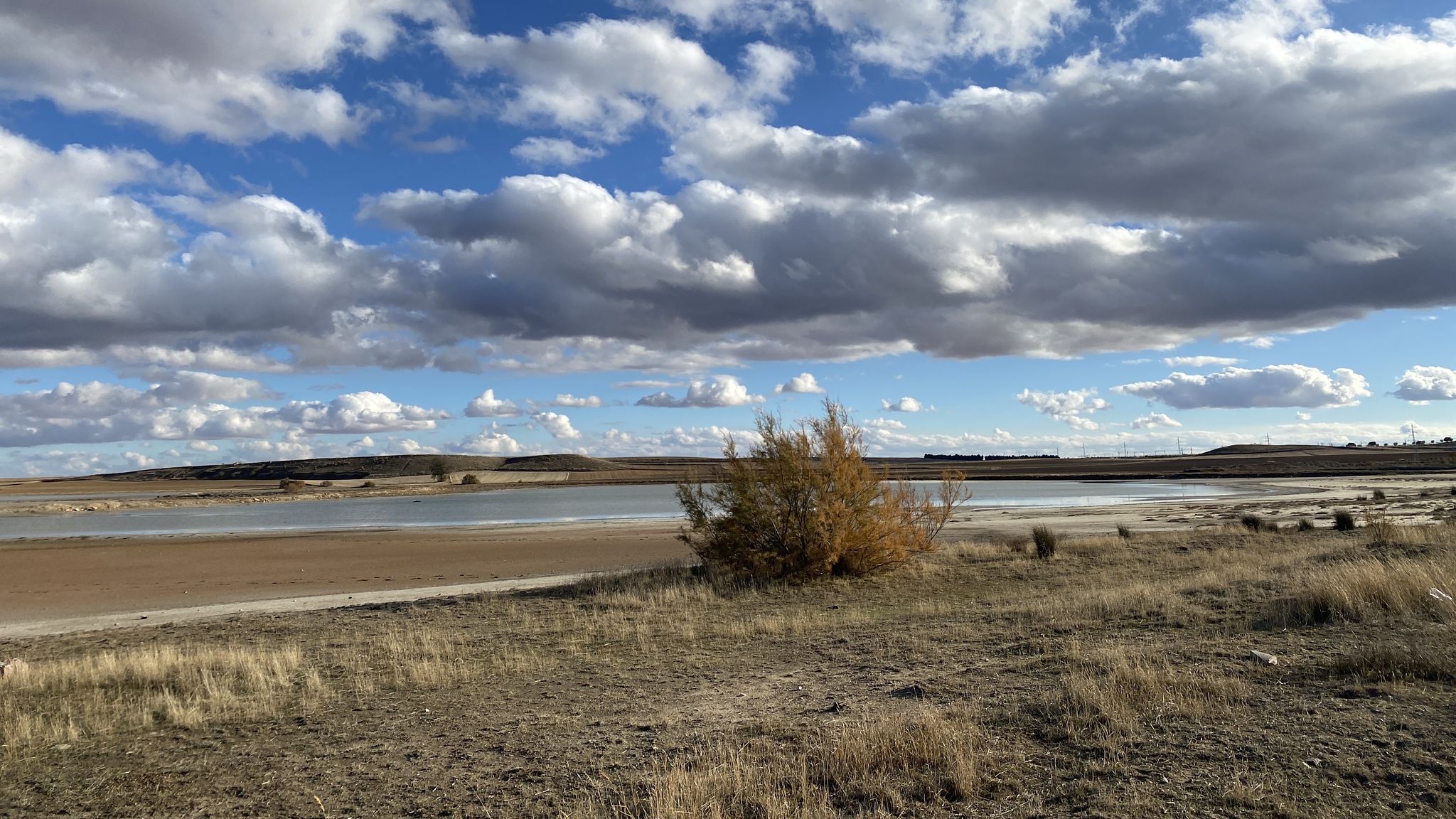
Gravel biking around Quero is characterized by its flat, open plains and agricultural landscapes, offering extensive routes away from traffic. The terrain primarily consists of dirt and secondary roads, providing a consistent surface for gravel cyclists. The region features a landscape of fields and occasional low hills, with minimal elevation changes across most routes.
Best no traffic gravel bike trails around Quero
- The most popular no traffic gravel bike trail is Campo de Criptana Windmills – Windmills of Campo de…
Last updated: May 21, 2026
4
riders
Hard gravel ride. Very good fitness required. You may need to push your bike for some segments of this route.
3
riders
Moderate gravel ride. Good fitness required. Mostly paved surfaces. Suitable for all skill levels.

Sign up for free
2
riders
46.1km
03:43
100m
100m
Moderate gravel ride. Good fitness required. Mostly paved surfaces. Suitable for all skill levels.
2
riders
Moderate gravel ride. Good fitness required. Mostly paved surfaces. Suitable for all skill levels.
4
riders
57.2km
03:55
340m
340m
Moderate gravel ride. Good fitness required. Mostly paved surfaces. Suitable for all skill levels.
Our route recommendations are based on thousands of hikes, rides, and runs completed by other people on komoot.
Start today with a free account
Your next adventure awaits.
Login or Signup
Other adventures around Quero

Tips from the Community

Hill of the Mills (also known as Sierra de los Molinos) in Campo de Criptana. In 1575, the Topographical Reports of Philip II already mentioned “many mills” in the area; in 1752, the Cadastre of the Marquis of Ensenada recorded 34 mills in Campo de Criptana. Currently, 10 mills are preserved, three of them (Infante, Burleta, and Sardinero) dating from the 16th century with their original machinery. The complex has been declared a Site of Cultural Interest and designated a “Historic Site.”
6
0
Alcázar de San Juan is one of the most interesting destinations in the heart of La Mancha, with a blend of history, heritage, nature, and Cervantine traditions. Its name comes from the Military Order of Saint John, which dominated the area after the Reconquista. It claims to be the birthplace of Miguel de Cervantes, as the baptismal font where, according to some studies, the writer was baptized is preserved in the Collegiate Church of Santa María la Mayor. It was an important railway junction and economic center in the 19th and 20th centuries, which shaped its urban development.
2
0
Alcázar de San Juan is one of the most interesting destinations in the heart of La Mancha, with a blend of history, heritage, nature, and Cervantine traditions. Its name comes from the Military Order of Saint John, which dominated the area after the Reconquista. It claims to be the birthplace of Miguel de Cervantes, as the baptismal font where, according to some studies, the writer was baptized is preserved in the Collegiate Church of Santa María la Mayor. It was an important railway junction and economic center in the 19th and 20th centuries, which shaped its urban development.
10
0
The Church of Santa Quiteria in Alcázar de San Juan (Ciudad Real) is one of the town's most important churches, boasting a rich history and significant architectural value. Origin: Construction began in the second half of the 16th century based on plans by Juan de Herrera, the architect of El Escorial. Execution: The work was directed by Agustín Argüello and completed by Bartolomé Elorriaga in 1604. Style: Renaissance with classical elements.
7
0

Return to the town of Campo de Criptana
0
0
The statue of Don Quixote and Dulcinea in El Toboso is one of the town's most emblematic monuments, deeply linked to the Cervantes universe. It stands in the main square of El Toboso, dedicated to Juan Carlos I, in the heart of the town. The sculptures are made of sheet iron, not cast iron, giving them a handcrafted and robust appearance.
4
0

The Museum of the Word occupies an 18th-century mansion. It is a non-profit organization belonging to the César Egido Serrano Foundation. It develops activities centered on the word (spoken, written, or in its various forms), supporting and fostering dialogue between different cultures, ideas, religions, and sensibilities. The result and existence of this dialogue are in themselves a museum piece, and configure it as a meeting place, the only virtual museum in the world in which nothing is exhibited, and which survives online, carrying out and transferring its cultural activities from that platform to the entire world. Since its inauguration, the Museum of the Word has been the setting for various meetings and activities: national and international radio and television programs, uninterrupted readings of Don Quixote, meetings between representatives of different cultures, regional and national politicians, and figures linked to the academic and institutional world.
1
0
It is an 18th-century mansion. The Museum of the Word is a non-profit organization belonging to the César Egido Serrano Foundation, whose goals are to promote art and use dialogue for peace between different cultures and religions. [Wikipedia]. The Museum of the Word supports and encourages dialogue between different cultures, ideas, religions, and sensibilities. The result and existence of this dialogue are in themselves a museum piece, and they constitute it as a meeting place, the only virtual museum in the world in which nothing is exhibited, and which survives online, carrying out and transferring its cultural activities from that platform to the entire world. Since its inauguration, the Museum of the Word has been the scene of various meetings and activities: national and international radio and television programs, uninterrupted readings of Don Quixote, meetings between representatives of different cultures, regional and national politicians, and figures linked to the academic and institutional world. (https://www.fundacioncesaregidoserrano.com/es/museo/historia)
1
0
Frequently Asked Questions
What kind of terrain can I expect on no-traffic gravel bike trails around Quero?
The Quero Vas area, nestled in the Veneto region, offers a diverse landscape perfect for gravel biking. You'll find miles of quiet dirt and secondary roads, riverbanks along the Piave, and scenic routes through meadows and pastures. The terrain varies from gentle slopes to more challenging climbs as you approach areas like Monte Grappa and Monte Cesen, all set against the backdrop of the majestic Dolomite peaks.
Are there any easy, traffic-free gravel bike trails suitable for beginners or families in Quero?
Yes, the region around Quero Vas is known for its extensive network of quiet roads and paths, making it suitable for various skill levels. While specific 'easy' routes are not detailed here, the general character of the area with its secondary roads and riverbanks provides excellent opportunities for family-friendly, traffic-free gravel biking. Look for routes along the Piave River for flatter, more accessible options.
What natural features or scenic viewpoints can I discover on gravel bike routes near Quero?
Gravel biking around Quero offers stunning natural beauty. You can expect views of the Piave River, which embraces Quero Vas, and the surrounding hilly landscapes leading up to Monte Grappa and Monte Cesen. The proximity to the Dolomiti Bellunesi means you'll often catch glimpses of these iconic, dramatic limestone mountains. The Valle di Schievenin and the Fium Stream also contribute to the picturesque scenery.
Can I bring my dog on the gravel bike trails in the Quero area?
While many outdoor areas in Italy are dog-friendly, it's always best to check local regulations for specific trails or protected natural areas. Generally, on public dirt roads and paths away from traffic, dogs are welcome if kept under control, especially around livestock or wildlife. Always ensure your dog is well-behaved and that you carry waste bags.
What historical or cultural landmarks can I explore while gravel biking around Quero?
The Quero Vas region is rich in history. You can visit the ancient Castelnuovo fortress, dating back to Venetian rule, or the 13th-century Archpriest's church, which houses artworks by Italian masters. The Germanic Military Cemetery is a poignant historical site from World War I. For industrial heritage, explore the paper mill complex in Vas. These sites offer fascinating stops along your ride.
Is it possible to find circular no-traffic gravel bike routes in Quero?
The extensive network of quiet roads and paths in the Quero Vas area makes it ideal for creating circular gravel bike routes. Many local trails are interconnected, allowing you to design loops that start and end in the same location, maximizing your exploration of the diverse landscapes without encountering heavy traffic.
What is the best time of year to go gravel biking in Quero to avoid traffic?
The shoulder seasons (spring and autumn) are generally ideal for gravel biking in Quero. The weather is pleasant, and tourist traffic is lower than in peak summer months. This increases your chances of enjoying truly traffic-free routes. Winter can be beautiful but may present colder temperatures and potential snow at higher elevations, while summer can be hot, especially in the valleys.
Are there any specific attractions or points of interest along the routes?
While specific routes are not detailed here, the region offers several points of interest. You might encounter the Laguna Grande de Villafranca or Laguna de la Veguilla, which are beautiful lakes. Historical sites like the Windmills of Campo de Criptana and the Sierra de los Molinos Windmills offer unique photo opportunities. The Hermitage of Cristo de Villajos is another notable religious building you might pass.
How can I access the gravel bike trails in Quero using public transport?
While Quero Vas is a smaller municipality, the broader Belluno province has public transport options. For cyclists, it's advisable to check regional bus or train services for their bike transport policies. Some local buses might accommodate bikes, especially outside peak hours. Planning your route to start near a train station in a larger town like Feltre or Belluno, and then cycling to Quero, could be an option.
Where can I find parking for my car when starting a gravel bike tour in Quero?
In Quero Vas and surrounding smaller towns, you can typically find public parking areas. Look for designated parking lots in the town center or near local amenities. Many trailheads for outdoor activities also offer informal parking. Always ensure you park responsibly and do not obstruct local access or private property.
What makes the Quero Vas area particularly good for no-traffic gravel biking?
The Quero Vas area is exceptional for no-traffic gravel biking due to its unique geographical position. It's situated between the Grappa massif and Monte Cesen, and embraced by the Piave River, offering a natural barrier against heavy vehicle traffic. This creates an extensive network of secondary roads, farm tracks, and river paths that are inherently quiet, allowing cyclists to immerse themselves in the natural and historical landscape without interruption.
Most popular attractions around Quero

Get inspired with the komoot mobile app


Explore more
Browse the best Gravel rides in other regions.
