The best cycling routes around Quero
4.7
(21)
358
riders
14
rides
Touring cycling routes around Quero are set amidst a diverse landscape, strategically positioned between the Monte Grappa Massif and Monte Cesen. The region features deeply embedded valleys, dense woodlands, and striking limestone cliffs, with the River Piave flowing through the municipality. This geographical variety provides a varied backdrop for outdoor activities, offering a mix of terrain for cyclists.
Best touring cycling routes around Quero
- The most popular touring cycling route is La Mancha Wetlands Loop, a 38.1 miles (61.4…
Last updated: May 21, 2026
1
riders
61.4km
04:59
130m
130m
Hard bike ride. Good fitness required. You may need to push your bike for some segments of this route.
1
riders
43.5km
03:28
90m
90m
Moderate bike ride. Good fitness required. Mostly paved surfaces. Suitable for all skill levels.

Sign up for free
67.1km
05:20
290m
280m
Hard bike ride. Very good fitness required. Some segments of this route may be unpaved and difficult to ride.
Moderate bike ride. Good fitness required. Some segments of this route may be unpaved and difficult to ride.
5
riders
Hard bike ride. Very good fitness required. Mostly paved surfaces. Suitable for all skill levels.
Get access to more routes and recommendations from other explorers.
Sign up for free
Already have an account?
Our route recommendations are based on thousands of hikes, rides, and runs completed by other people on komoot.
Start today with a free account
Your next adventure awaits.
Login or Signup


Other adventures around Quero

Tips from the Community

La Puebla de Almoradiel: Its origins are linked to an Iberian and Celtic fortress, inhabited by Romans, Visigoths, and, during the Muslim era, by the Almoravids. The ancient city stood on the Cigüela River, but was abandoned in 1276 due to epidemics. Repopulated by the Order of Santiago in the Middle Ages, it received a town charter in 1315 and the privilege of town status in 1341.
4
0
Founded in 1343 by Prince Don Fadrique Alfonso of Castile, Master of the Order of Santiago, who granted the Charter and the Sepúlveda charter. It was originally called La Puebla de la Isla because it was surrounded by water. The current name honors Don Fadrique, who took refuge in these lands fleeing from Pedro I "The Cruel."
5
0
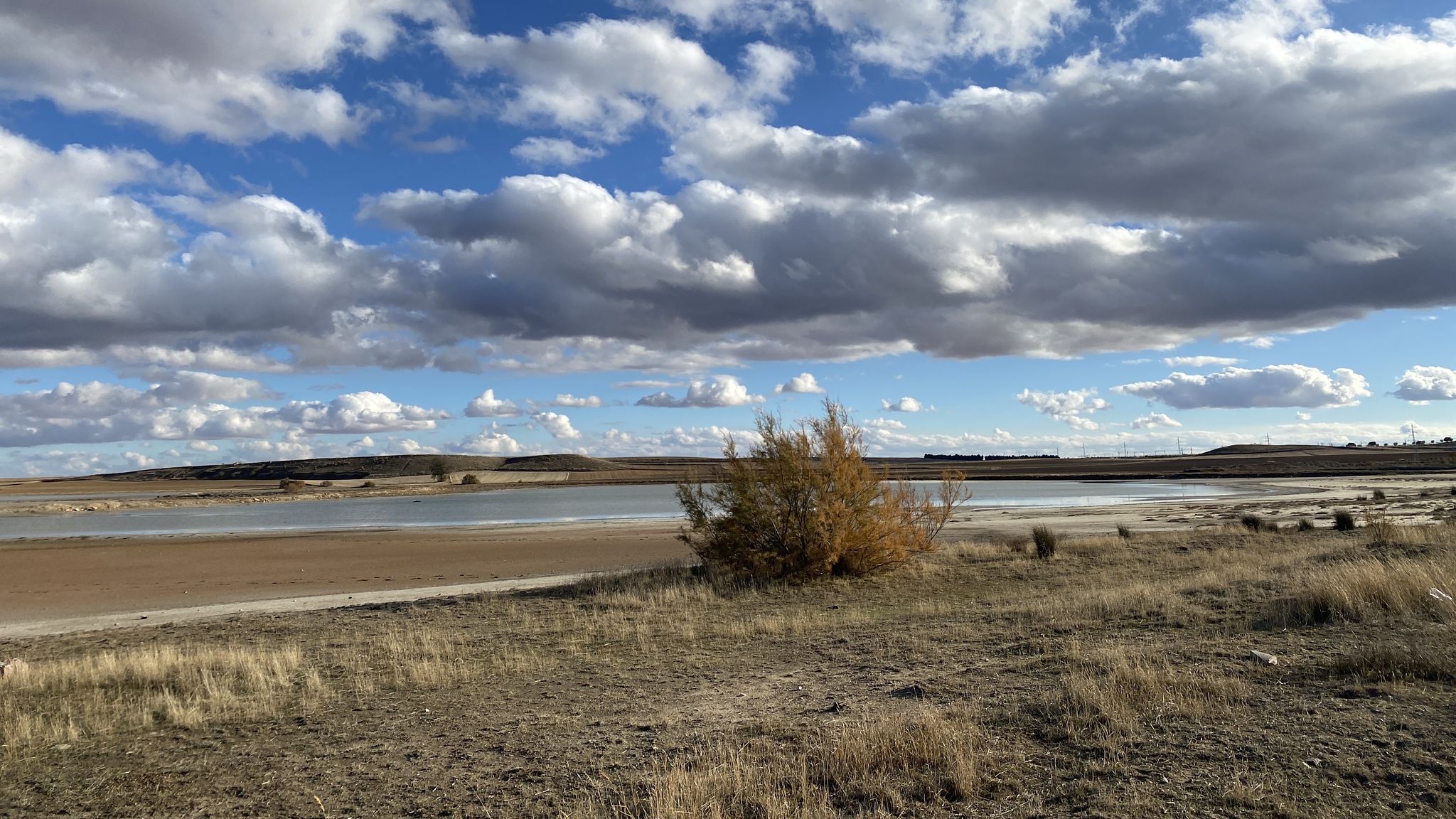
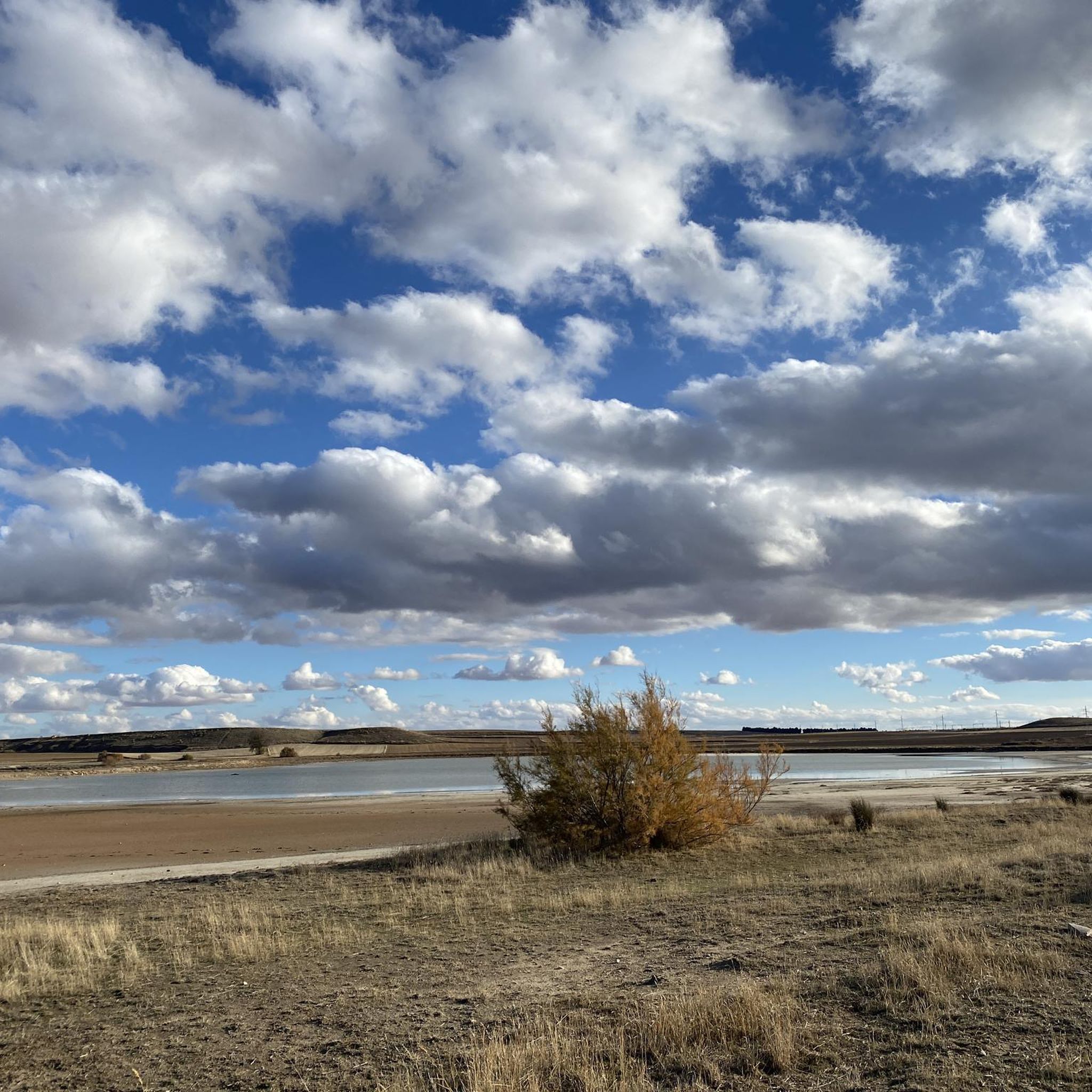
Laguna Larga de Villacañas is one of the most important wetlands in the Toledo region of La Mancha, ideal for nature and photography lovers. Type: Endorheic saline lagoon (landlocked). Area: Approximately 178 hectares. Protection: It is part of the Natura 2000 Network and has been declared a Nature Reserve. Flora: Halophilous vegetation (adapted to saline soils), such as glasswort and esparto grass. Fauna: A wide variety of aquatic and steppe birds: Flamingos, avocets, and black-winged stilts. Migrating harriers, great bustards, and cranes.
3
0
Villacañas (Toledo), in the heart of Toledo's La Mancha region, is a destination that combines cultural heritage, unique nature, and singular traditions.
5
0
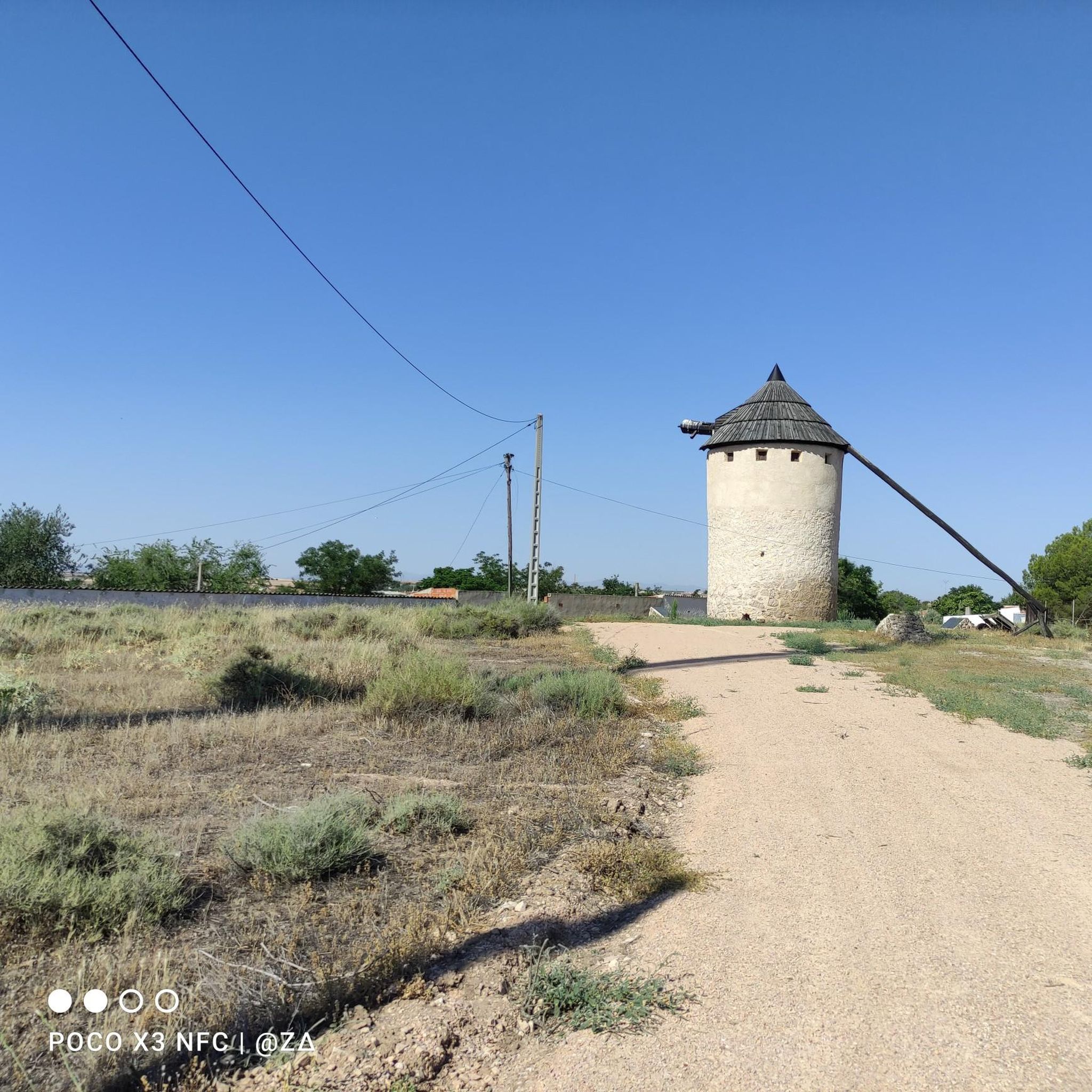
El Romeral (Toledo) is one of the most authentic villages on the Route of the Mills of La Mancha, with a group of mills that evoke Cervantes' image of Don Quixote. There are four mills located on Cerro Santo, overlooking the La Mancha plain. Their names are: El Pechuga (the most emblematic, it retains its original machinery and is used for events). El Crítica (renovated as an exhibition hall). Los Gorrinos. Muela.
5
0
La Guardia (Toledo) is a very interesting destination in the Ocaña Plateau, offering historical heritage, nature, and cultural routes. Church of Our Lady of the Assumption Renaissance church with Baroque details, a main altarpiece, and a bell tower. Casa de los Jaenes (Ethnological Museum) An old 18th-century manor house with collections about traditional La Mancha life.
4
0
The La Guardia Viewpoint is located in La Guardia (Toledo), within the Ocaña Plateau, and is one of the most spectacular spots for contemplating the La Mancha landscape. Located in the northern part of the municipality, on a plateau that slopes down toward the Cedrón stream valley. From the viewpoint, you can see: The La Guardia lagoon complex. The Cedrón Valley and the La Mancha plain. On clear days, even the Altomira Mountains.
14
0

This is the Convent of Poor Clare Franciscan Nuns, founded in 1515 and converted into a convent in 1546. It follows the Rule of Saint Francis and is dedicated to the Conception of Our Lady. Although renovated in the 20th century, it retains its original Renaissance façade. The nuns lead a contemplative life and support themselves by making artisanal sweets, such as the town's famous "pelusas." Hours for purchasing monastic pastries: in the winter, Monday to Friday, 10:00 a.m. to 2:00 p.m. and 4:30 p.m. to 6:00 p.m.; Saturdays and Sundays from 11:00 a.m. In the summer, Monday to Friday, 10:00 a.m. to 2:00 p.m. and 5:00 p.m. to 7:00 p.m.; Saturdays and Sundays from 11:00 a.m.
2
0
Frequently Asked Questions
How many touring cycling routes are available around Quero?
There are over 15 touring cycling routes around Quero, offering a variety of experiences for different skill levels. These routes are highly rated by the komoot community, with an average score of 4.7 stars.
What kind of terrain can I expect on touring cycling routes near Quero?
The touring cycling routes around Quero feature diverse terrain. While the region is known for mountainous backdrops like Monte Grappa and Monte Cesen, many routes offer more moderate profiles. For example, the La Mancha Wetlands Loop is characterized by wetlands scenery and flat sections, while the Vía Verde del Trenillo Loop follows a former railway line, providing a smooth ride. You'll find a mix of deeply embedded valleys, dense woodlands, and open landscapes.
Are there any easy touring cycling routes suitable for beginners around Quero?
While many routes offer moderate challenges, some are more accessible. The Vía Verde del Trenillo Loop is a moderate 27.0-mile (43.5 km) path that follows a former railway line, making it a smooth and scenic option for those looking for a less strenuous ride. It has minimal elevation gain, making it suitable for a relaxed touring experience.
What are some notable natural features or landmarks I can see while cycling near Quero?
The region around Quero offers a blend of natural beauty and interesting landmarks. You can encounter wetlands scenery on routes like the La Mancha Wetlands Loop, or explore agricultural landscapes and lagoons on the Villacañas Lagoons and La Guardia Loop. Nearby attractions include the historic Windmills of Campo de Criptana and various serene lakes such as Laguna Grande de Villafranca and Laguna de la Veguilla.
Are there any circular touring cycling routes in the Quero area?
Yes, several touring cycling routes around Quero are designed as loops, offering convenient starting and ending points. Examples include the popular La Mancha Wetlands Loop, the Vía Verde del Trenillo Loop, and the Villacañas Lagoons and La Guardia Loop. These circular routes allow you to experience diverse scenery without retracing your steps.
What do other touring cyclists say about the routes around Quero?
The touring cycling routes around Quero are highly regarded by the komoot community, boasting an impressive average rating of 4.7 stars from over 21 reviews. Cyclists often praise the varied terrain, from flat wetland paths to more challenging climbs, and the scenic beauty of the landscapes, including lagoons and historic windmills.
Are there any routes that follow old railway lines for a smooth cycling experience?
Absolutely! The Vía Verde del Trenillo Loop is a fantastic option for this. This 27.0-mile (43.5 km) route follows a former railway line, providing a smooth and scenic ride with gentle gradients, making it ideal for a relaxed touring experience.
What are some of the more challenging touring cycling routes near Quero?
For those seeking a greater challenge, routes like the Villacañas Lagoons and La Guardia Loop, covering 41.7 miles (67.1 km) with notable elevation changes, offer a more demanding experience. The Windmills – Statue of Quixote and Dulcinea loop from La Puebla de Almoradiel is another difficult option, featuring over 400 meters of elevation gain over its 72 km distance.
Can I find routes that take me through unique natural environments like wetlands?
Yes, the La Mancha Wetlands Loop is specifically designed to showcase wetlands scenery. This 38.1-mile (61.4 km) trail offers a unique touring cycling experience through a distinct natural environment, characterized by flat sections and diverse ecosystems.
Are there any routes that combine cycling with cultural or historical sights?
Many routes offer glimpses of the region's cultural heritage. For instance, the Windmills – Statue of Quixote and Dulcinea loop from La Puebla de Almoradiel takes you past iconic windmills and other points of interest. Additionally, you can visit attractions like the Windmills of Campo de Criptana or the Sierra de los Molinos Windmills, which are often accessible from various cycling paths.
What is the typical duration for a touring cycling route around Quero?
The duration varies significantly depending on the route's length and difficulty. For example, the La Mancha Wetlands Loop typically takes around 5 hours to complete, while the Vía Verde del Trenillo Loop can be finished in about 3.5 hours. Longer and more challenging routes, such as the Windmills – Statue of Quixote and Dulcinea loop, may require over 6 hours.
Are there opportunities to see lakes or lagoons while cycling in the Quero area?
Yes, the region features several beautiful lakes and lagoons that can be incorporated into your cycling tours. The Villacañas Lagoons and La Guardia Loop specifically leads through these natural water bodies. You can also visit highlights like Laguna Grande de Villafranca, Laguna de la Veguilla, and Laguna de Peñahueca, which are popular spots for nature observation.
Most popular attractions around Quero

Get inspired with the komoot mobile app


Explore more
Browse the best Cycling routes in other regions.
