The best traffic-free bike rides around Bárcena De Pie De Concha
4.3
(4)
287
riders
4
rides
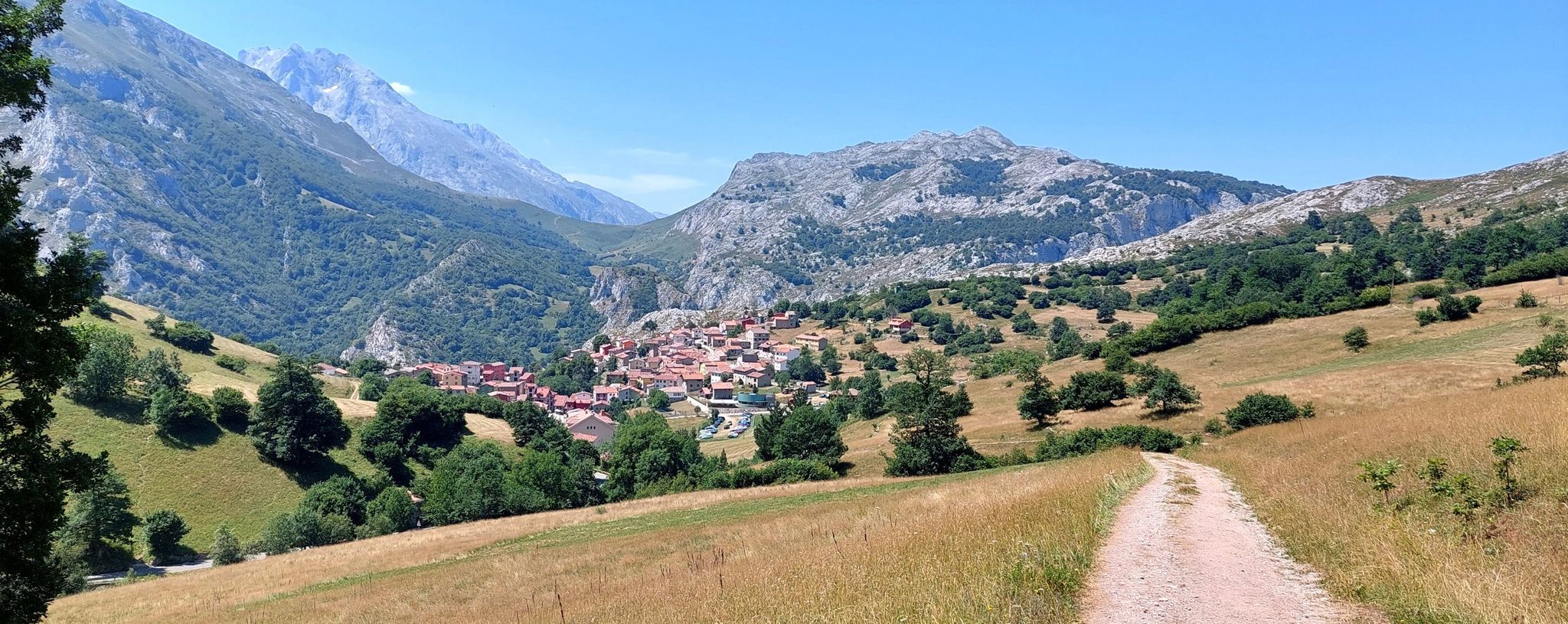
No traffic road cycling routes around Bárcena De Pie De Concha navigate a landscape shaped by the Besaya River, which carves through gorges like the "Hoces de Bárcena." The terrain varies significantly, from the valley floor at 288 meters to peaks exceeding 1,200 meters, such as Pico Jano. The region features extensive forests of beech, oak, birch, and chestnut, providing varied scenery for road cyclists.
Best no traffic road cycling routes around Bárcena De Pie De Concha
- The most popular no traffic road cycling route is Alto de Brenes – Pico Jano loop from Cobejo, a 46.3 miles (74.6 km) trail that takes 4 hours 38 minutes to complete. This difficult route features significant elevation gain, climbing over 5,950 feet (1,814 m).
- Another top favourite among local road cyclists is Alto de Brenes loop from Arenas de Iguña, a moderate 19.0 miles (30.5 km) path. This route offers a challenging ascent of over 2,360 feet (720 m) through the region's varied terrain.
- Local road cyclists also love the Alto de Brenes loop from Bárcena, a 25.6 miles (41.1 km) trail leading through forested areas and offering climbs of over 2,420 feet (738 m), often completed in about 2 hours 8 minutes.
- Road cycling around Bárcena De Pie De Concha is defined by river valleys, mountainous ascents to peaks like Pico Jano, and dense forests. The network offers options for moderate to difficult routes, catering to various ability levels.
- The routes in Bárcena De Pie De Concha are highly rated by the komoot community with an average score of 4.7 stars from 4 reviews. More than 500 road cyclists have used komoot to explore Bárcena De Pie De Concha's varied terrain.
Last updated: October 5, 2026
31
riders
42.3km
02:40
1,030m
1,030m
Hard road ride. Very good fitness required. Mostly well-paved surfaces and easy to ride.
42
riders
73.8km
04:32
1,750m
1,750m
Hard road ride. Very good fitness required. Mostly well-paved surfaces and easy to ride.

15
riders
70.6km
04:13
1,630m
1,630m
Hard road ride. Very good fitness required. Mostly well-paved surfaces and easy to ride.
7
riders
40.9km
02:10
750m
750m
Moderate road ride. Good fitness required. Mostly well-paved surfaces and easy to ride.
Our route recommendations are based on thousands of hikes, rides, and runs completed by other people on komoot.
Start today with a free account
Your next adventure awaits.

Other adventures around Bárcena De Pie De Concha


Tips from the Community

You can climb from Cieza or Los Llares. The road is dirty and somewhat broken through Cieza (be careful when descending on a road bike).
0
0

Located in the La Serna de Iguña neighborhood, in this chapel dedicated to Saint Anthony Abbot, the Octave of Corpus Christi is celebrated. The neighborhoods that make up La Serna are Corral Mayor, Corral de Abajo, Pilipapo or Ribero, and Elecha or Helecha. There is a place known as San Vitores which denotes its previous religious dedication to the aforementioned Saint.
0
0

The church of San Jorge, popularly known as El Partenón, is a few meters from the Palacio de los Hornillos. Built in 1890 as a chapel near his palace, it was donated by the dukes to the town of Las Fraguas to serve as a parish church. It was used during the Civil War as a prison. It is a purely neoclassical building.
1
0
The Palacio de los Hornillos or Palacio de las Fraguas is a large estate in which two palaces are located. The oldest called Casona de las Fraguas (from the 18th century) and the largest of both, called de los Hornillos (late 19th century). It has been the setting for several movies. The Palace of the Hornillos is a private property, owned by the Duke of San Carlos, and cannot be visited. La Casona de las Fraguas is currently a catering business that organizes banquets and celebrations.
0
0

A wonderful and very quiet place with a gravel track that runs next to the reservoir that is a real blast!
1
0

Almost without leaving the town of Bárcena de Pie de Concha
0
0
Located in Bárcena de Pie de Concha and next to the town's cemetery, this small church was built in the 16th century to replace a 13th-century temple from which some elements were reused. It was renovated in the 18th century. Inside the temple, a Romanesque baptismal font is preserved, decorated with a rope motif on the upper surface and two small hollows at the top of the basin.
5
0
Frequently Asked Questions
How many no traffic road cycling routes are available in Bárcena De Pie De Concha?
There are 3 carefully curated no traffic road cycling routes around Bárcena De Pie De Concha. These routes are designed to offer a serene cycling experience away from heavy vehicle traffic, allowing you to fully immerse yourself in the region's natural beauty.
What are the typical difficulty levels for no traffic road cycling routes in this area?
The no traffic road cycling routes in Bárcena De Pie De Concha offer a range of challenges. You'll find 2 moderate routes, perfect for those looking for a good workout without extreme demands, and 1 difficult route, ideal for experienced cyclists seeking a significant challenge with considerable elevation gain.
What natural features can I expect to see along these no traffic road cycling routes?
The routes traverse a dramatic landscape shaped by the Besaya River, offering views of rugged gorges like the "Hoces de Bárcena." You'll cycle through extensive forests of beech, oak, birch, and chestnut trees, especially in areas like the Vaocerezo and Puñagro mountains. The region also borders the Saja-Besaya Natural Park, providing a rich natural backdrop. Consider exploring highlights like the Beautiful section through the beech forest.
Are there any historical landmarks or points of interest along these routes?
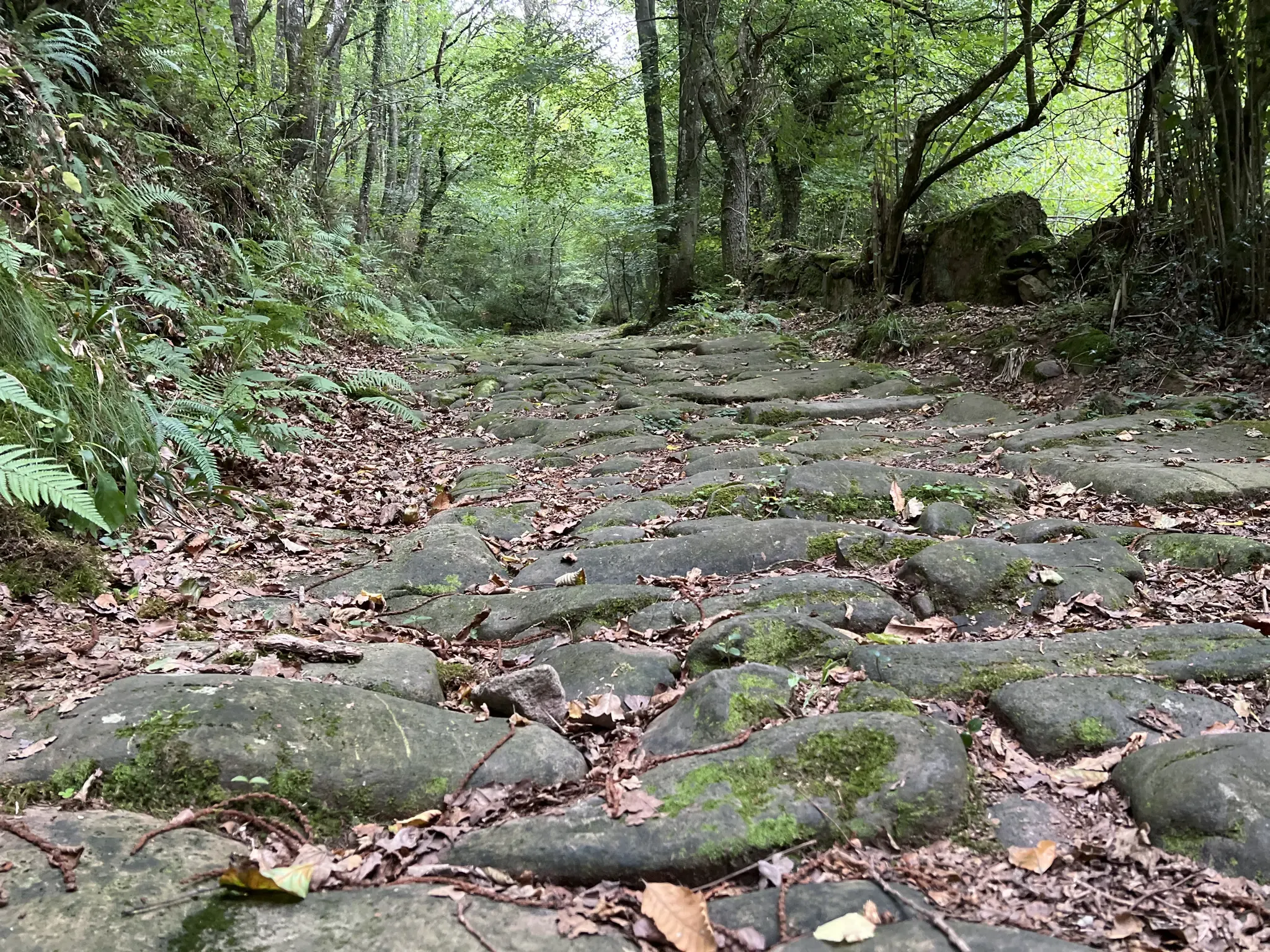
Yes, Bárcena de Pie de Concha is rich in history. You might encounter remnants of the ancient Roman road that once connected the Cantabrian coast to the Castilian plateau. The municipality itself features picturesque traditional Cantabrian homes and a 12th-century Romanesque parish church. A notable nearby settlement to explore is Bárcena Mayor.
Are there viewpoints along the no traffic road cycling routes in Bárcena De Pie De Concha?
Absolutely. The mountainous terrain offers numerous opportunities for stunning panoramic views. Routes often lead to or pass by significant elevations like Pico Jano and mountain passes such as Palombera Pass. The El Moral Plateau is another highlight known for its amazing landscapes.
What is the best time of year for no traffic road cycling in Bárcena De Pie De Concha?
Spring and autumn generally offer the most pleasant conditions for road cycling in Cantabria, with milder temperatures and beautiful scenery. Summer can also be excellent, though some higher elevations might be warmer. Winter can bring colder temperatures and potential snow at higher altitudes, making some routes less accessible.
Are there any challenging no traffic road bike routes for experienced cyclists?
Yes, for experienced cyclists seeking a challenge, the region offers demanding routes with significant elevation. The Alto de Brenes – Pico Jano loop from Cobejo is classified as difficult, featuring over 1800 meters of elevation gain over nearly 75 km, providing a rigorous and rewarding experience.
Are there any easier no traffic road cycling routes suitable for beginners?
While all routes in this guide are rated moderate to difficult, the Alto de Brenes loop from Arenas de Iguña is a moderate option at 30.5 km with 720 meters of elevation, offering a good introduction to the region's terrain without being overly strenuous for those with some cycling experience.
What do other road cyclists enjoy most about cycling in Bárcena De Pie De Concha?
The komoot community highly rates the cycling experience here, with an average score of 4.7 stars. Reviewers often praise the stunning natural landscapes, the challenging yet rewarding climbs, and the opportunity to cycle on quiet roads away from traffic, allowing for a peaceful and immersive outdoor adventure.
Are there circular no traffic road bike routes available?
Yes, all the featured no traffic road cycling routes in this guide are circular. This means you can start and end your ride in the same location, making logistics simpler. Examples include the Alto de Brenes loop from Arenas de Iguña and the Alto de Brenes loop from Bárcena.
Where can I find parking for these no traffic road cycling routes?
While specific parking areas are not detailed for each route, Bárcena De Pie De Concha and its surrounding villages like Arenas de Iguña and Cobejo, which serve as starting points for these routes, typically offer public parking options. It's advisable to check local parking availability upon arrival, especially in smaller villages.
Can I access these no traffic road cycling routes using public transport?
Bárcena De Pie De Concha is accessible by public transport, primarily bus services connecting it to larger towns in Cantabria. However, public transport options for carrying bicycles can be limited. It's recommended to check with local bus operators for their specific policies regarding bicycle transport before planning your trip.
Most popular routes around Bárcena De Pie De Concha
Most popular attractions around Bárcena De Pie De Concha

Get inspired with the komoot mobile app


Explore more
Browse the best Road cycling routes in other regions.
