The best city hikes and walks around Aalst
4.4
(7934)
42,995
hikers
86
hikes
Urban hiking trails around Aalst offer a diverse landscape for exploration, blending city parks with accessible natural areas. The region features green spaces like Stadspark and Koningin Astrid Park, providing tranquil paths within the city. Beyond the urban core, the landscape includes protected nature reserves such as Osbroek, characterized by swampy meadows and alder forests. Hikers can also find ancient woodlands like Neigembos, known for its old beech trees and distinctive hollow ways.
Best urban hiking trails around Aalst
- The…
Last updated: June 3, 2026
5.0
(3)
108
hikers
4.72km
01:12
10m
10m
Easy hike. Great for any fitness level. Easily-accessible paths. Suitable for all skill levels.
4.4
(8)
39
hikers
9.42km
02:24
30m
30m
Moderate hike. Good fitness required. Easily-accessible paths. Suitable for all skill levels.

Sign up for free
3.6
(5)
33
hikers
Moderate hike. Good fitness required. Easily-accessible paths. Suitable for all skill levels.
4.2
(5)
34
hikers
9.45km
02:24
30m
30m
Moderate hike. Good fitness required. Easily-accessible paths. Suitable for all skill levels.
4.7
(3)
32
hikers
Easy hike. Great for any fitness level. Easily-accessible paths. Suitable for all skill levels.
Get access to more routes and recommendations from other explorers.
Sign up for free
Already have an account?
Our route recommendations are based on thousands of hikes, rides, and runs completed by other people on komoot.
Start today with a free account
Your next adventure awaits.
Login or Signup
Popular around Aalst
City hikes in Kravaalbos
City hikes in Kravaalbos En Omgeving
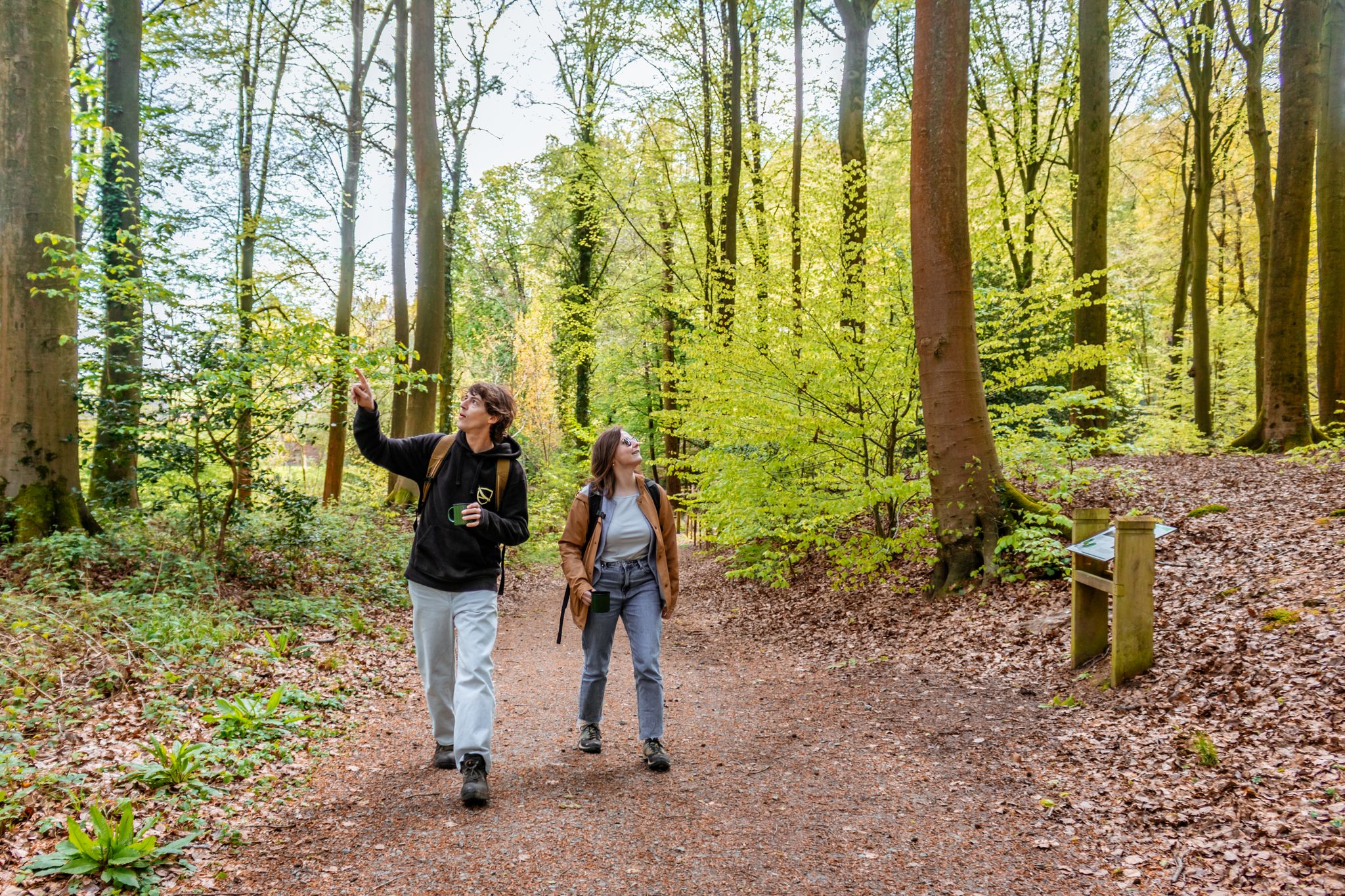
City hikes around Neigembos
From station to station through nature – station hoppers in East Flanders
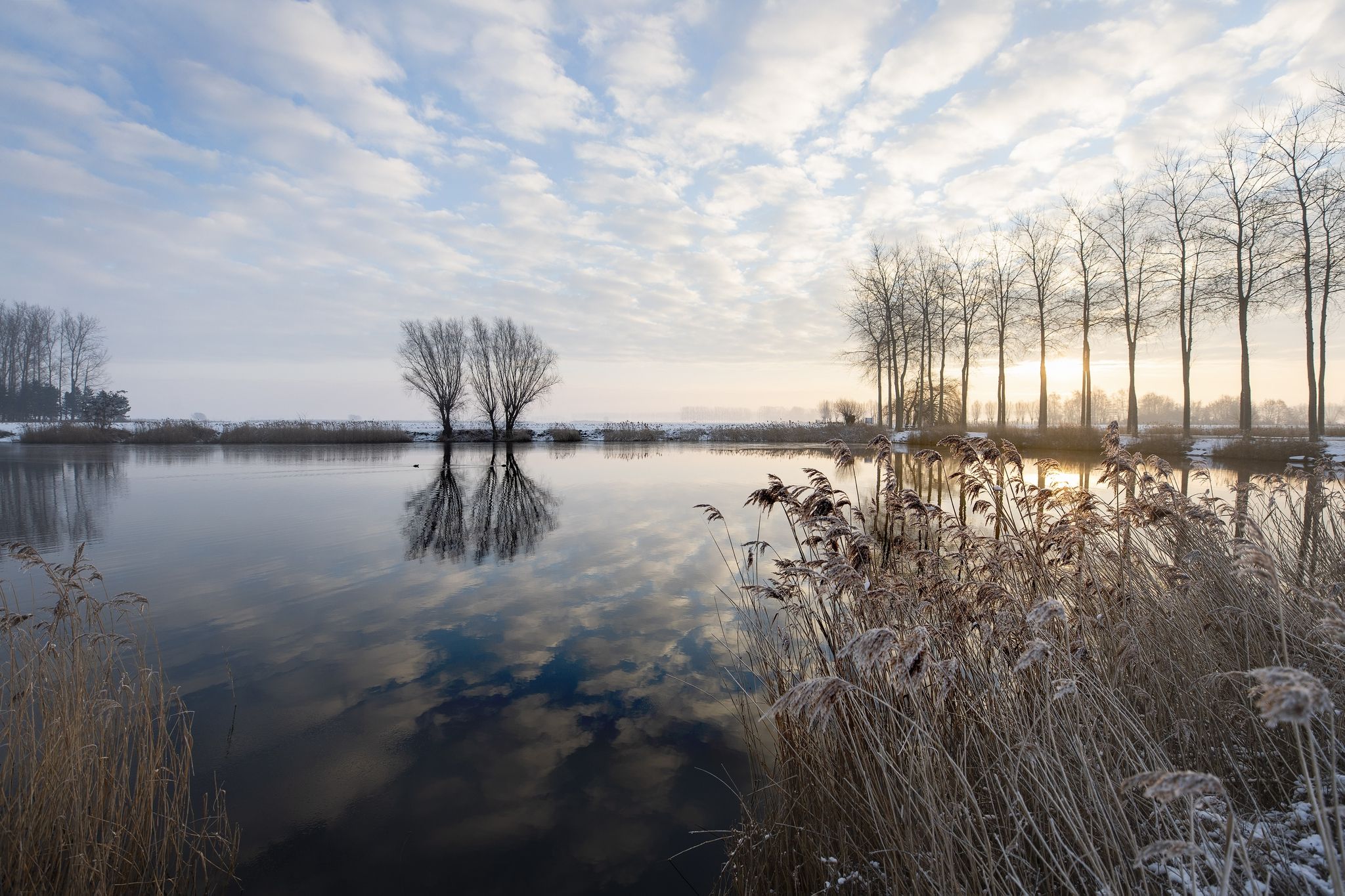
Winter hiking bliss in Flanders
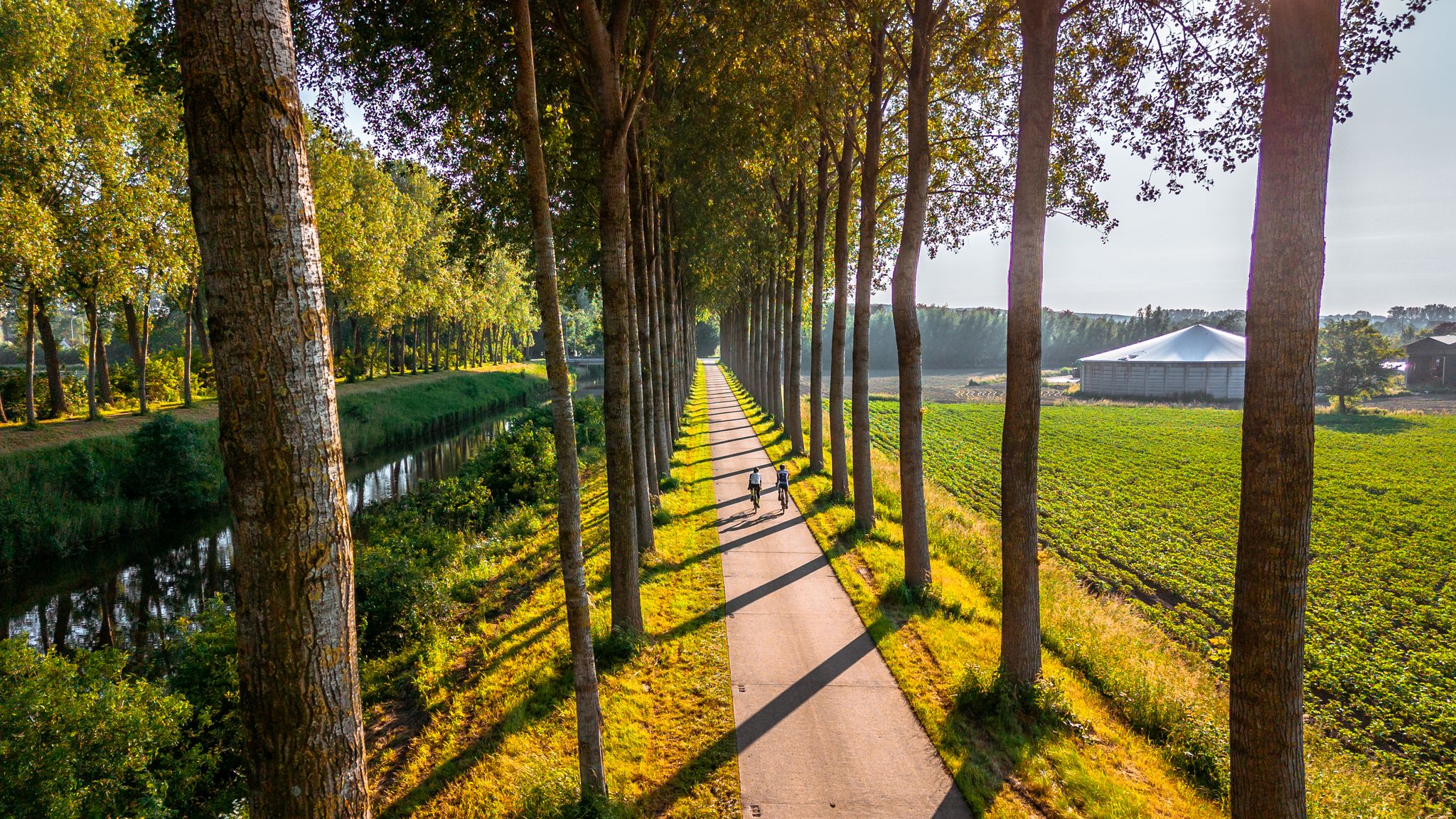
The six most beautiful cycling routes in East Flanders
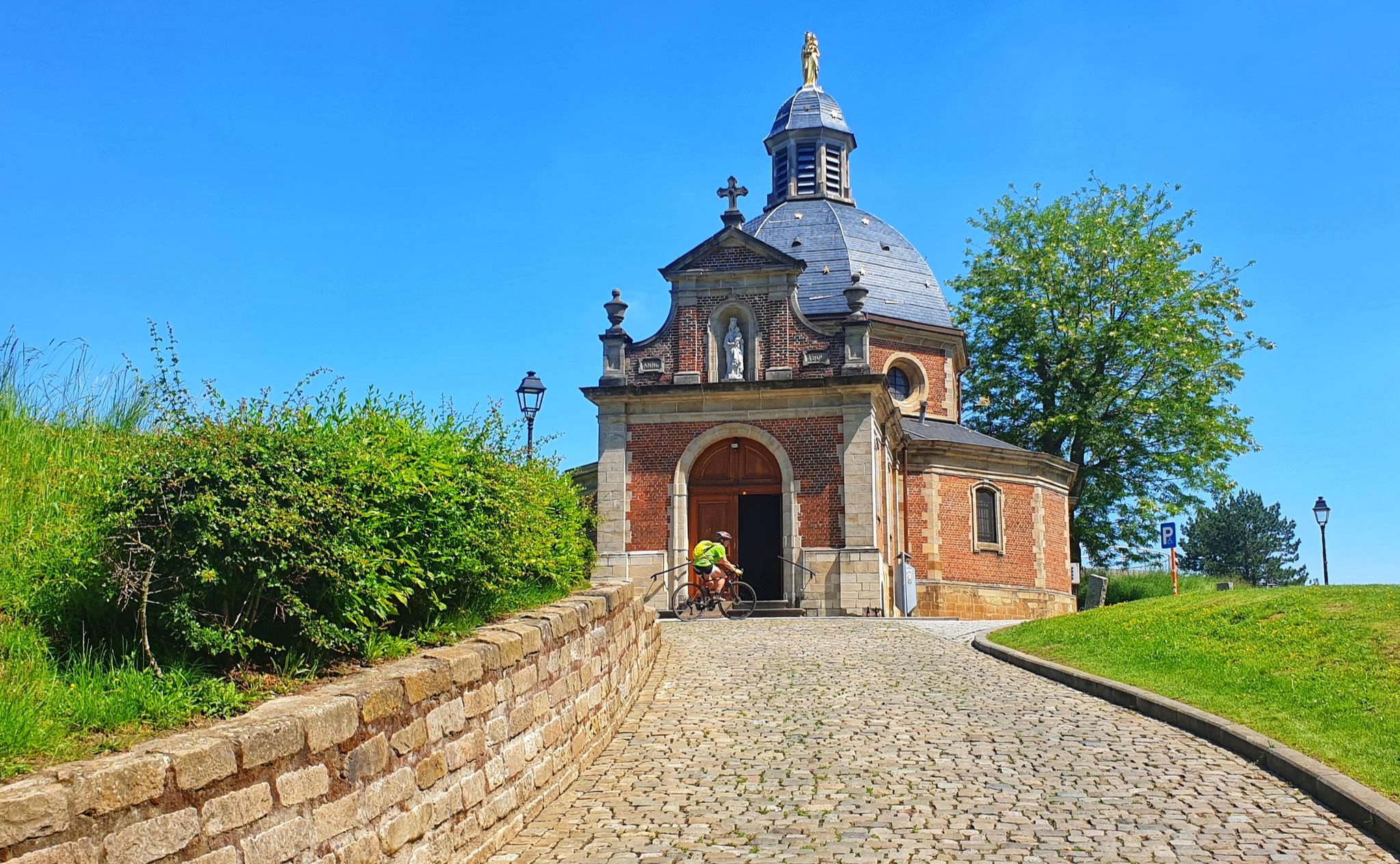
Through the heart of Flanders on a road bike in 2 days – Spartacus Route
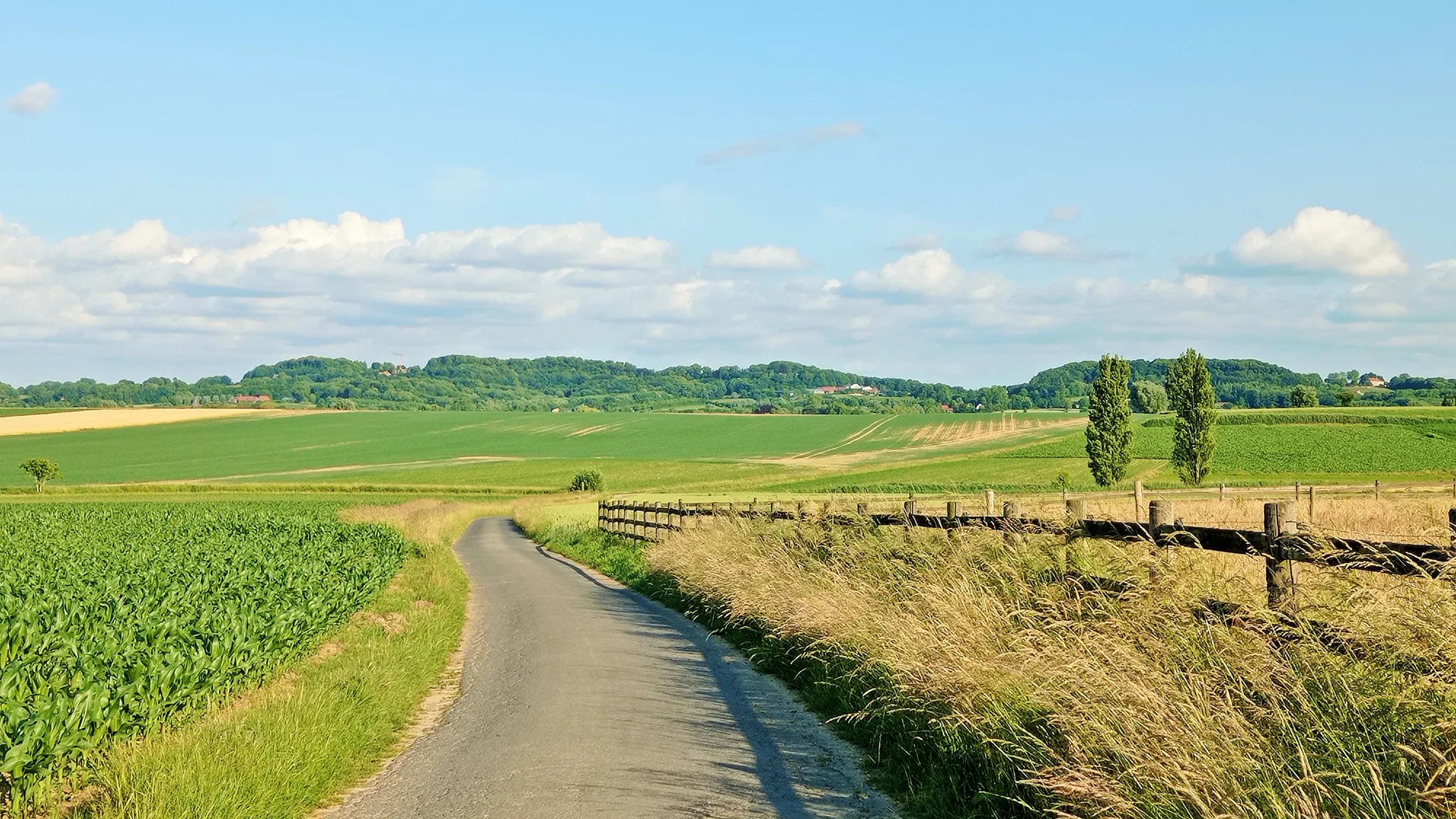
Seven-day Cycling tour through the South-Flemish hills – Hilly Route
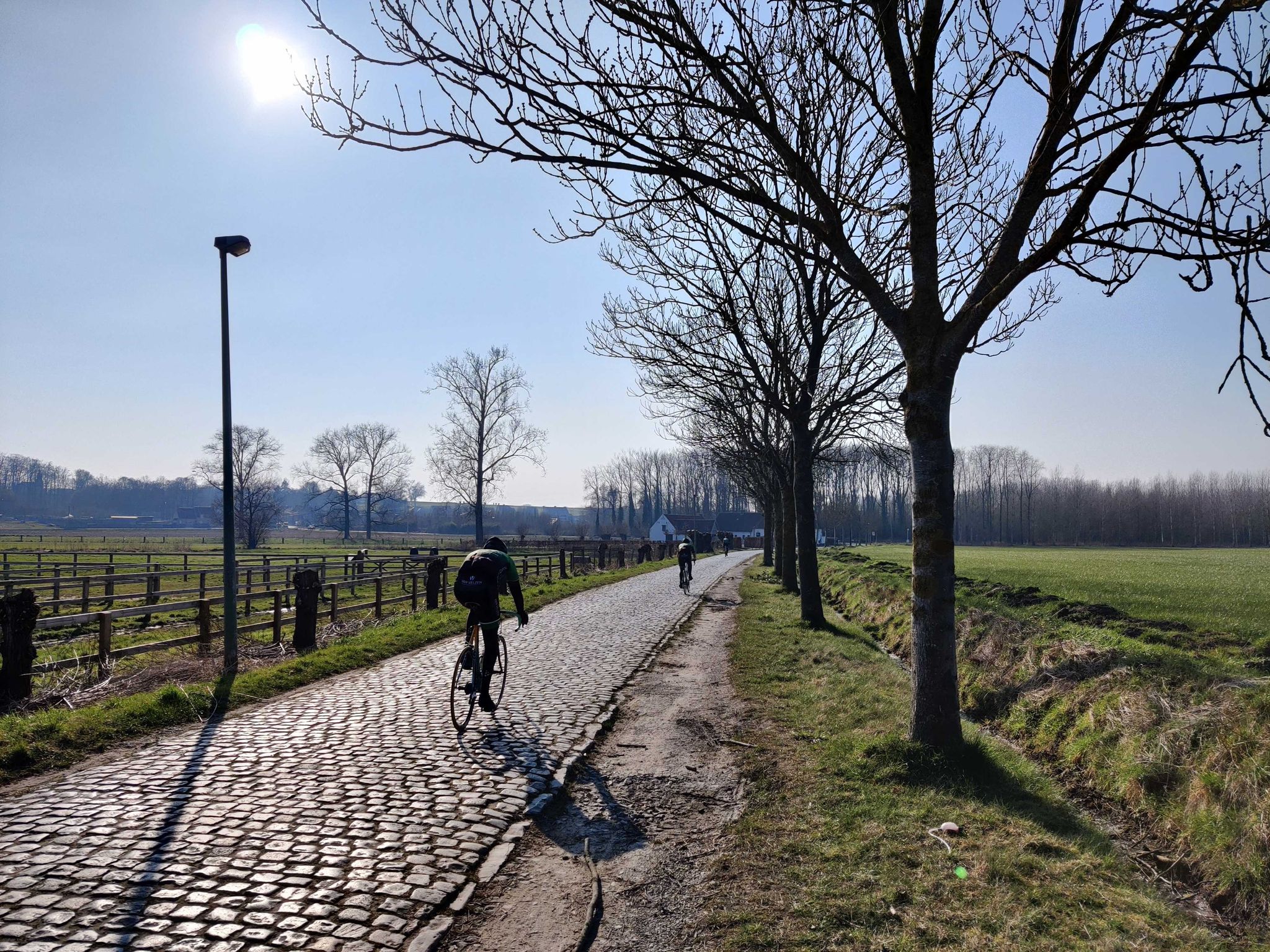
Become a Flandrien – take on climbs in the Flemish Ardennes
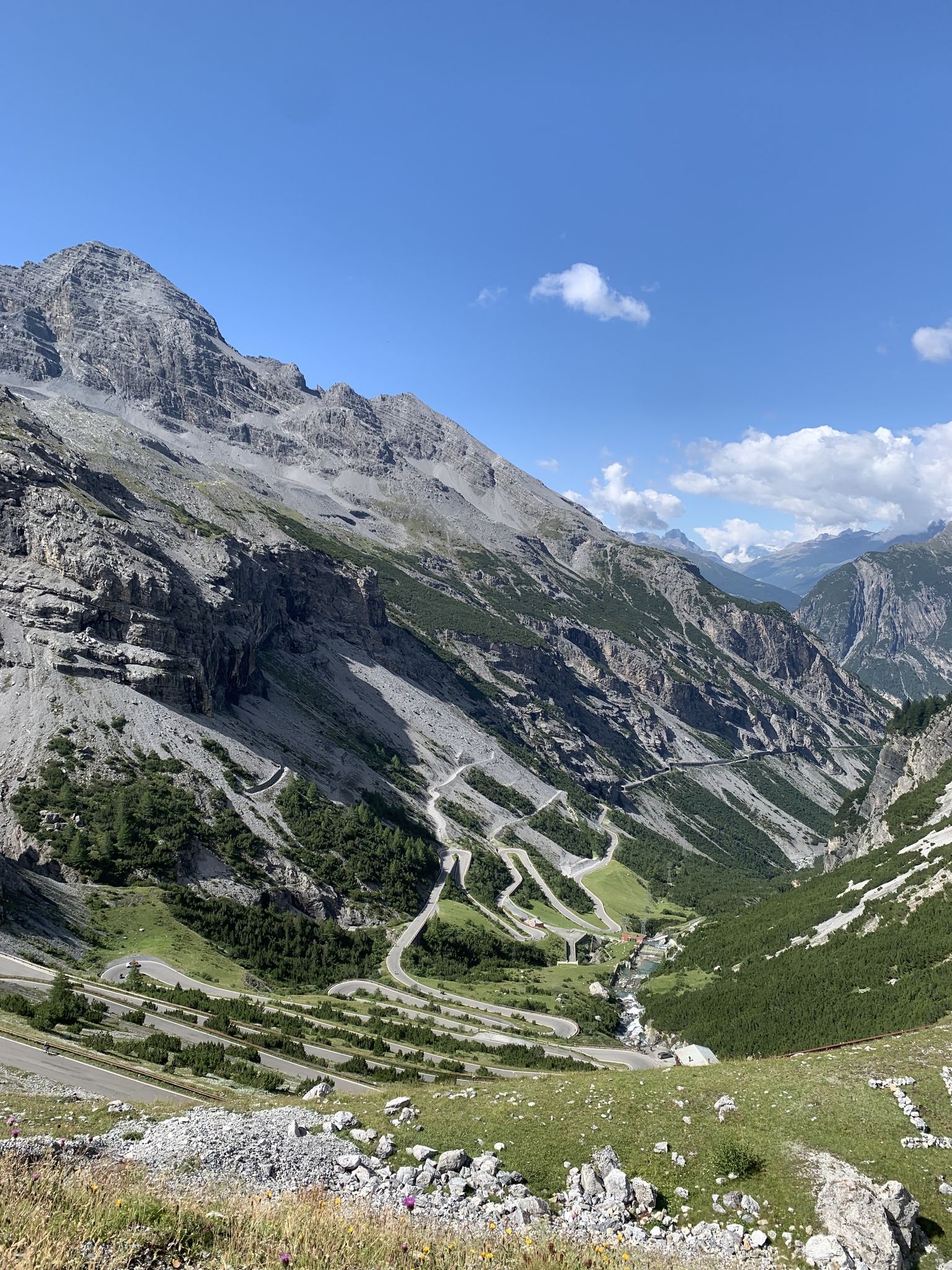
Transcontinental Race No9 2023
Other adventures around Aalst


Tips from the Community

Originally a barn (which is hard to imagine), today a restaurant.
0
0

The Dikken van Pamel is a beacon in Pamel along the Dender river, a mammoth of a landmark.
4
0
It's said that a man once passed through Pamel who was so tall and heavy that he defied the boundaries of the ordinary. Victor De Klerck, almost two meters tall and weighing, according to some, up to three hundred kilos, early on became a figure whispered about rather than spoken. On hot summer days, he would slide into the Dender River, and anyone who saw him swore he floated as if the river itself carried him. Passing boatmen carried the story along, and with every bend in the towpath, it became a little more fantastical. On Sundays, he appeared in church, where he needed three chairs—a figure that, generations later, still whispers through the village. And yet, despite his mythical stature, he stubbornly refused every circus director who wanted to exhibit him. As if he knew that some riddles are not meant for the public. Today, his statue stands by the Dender, not as certainty but as a question mark. A quiet reminder that sometimes, only one river flows between fact and fiction.
6
0

« Dikken van Pamel » VICTOR DE KLERCQ
3
0

Ninove, which acquired city rights in the 14th century, was defended by a castle, a tower, and an earthen rampart, interrupted by four city gates. The gates provided access to the city via the four main approaches: the Brabantse Poort on the road from Brussels, the Geraardsbergse Poort on the road from the city of the same name, and the Kloosterpoort on the road from Aalst. The Koepoort provided access to the Nederwijk (hence also called Nederwijkpoort), the Kouter, and the Dendermeersen. In peacetime, all gates served as housing for the poor, a storehouse for powder and weapons, and a prison. By the end of the 18th century, three of Ninove's four city gates had been demolished. Where they once stood, you now find reminders: a fountain with two turrets (Brabantse Poort), a work of art (Geraardsbergse Poort), and two memorial stones (Kloosterpoort). The Koepoort's survival from demolition likely stems from the fact that it stood least in the way of the city's systematic expansion. The Koepoort, first mentioned in 1397 under the name "Warmoespoort," was completely rebuilt around 1600. It was constructed of sandstone from the quarries of Geraardsbergen and, after its restoration, officially served as the city prison. Because, unlike the other gates, it lacked a drawbridge, an earthen rampart was built around it in times of war. After its function as a city prison, the Koepoort successively housed the city's volunteer fire department and the library. It was then used as a venue for socio-cultural organizations. However, the ravages of time took their toll, and the building required a complete and thorough restoration, both interior and exterior.
1
0

This is an interesting statue, it has no head. Located on the edge of Pamel
2
0

Aalst Town Hall consists of two historical sections. The former Manor House, dating from 1643-1645 and partially rebuilt in the rococo style in the 18th century, is situated in the inner courtyard. The neoclassical wing, designed by architect Louis Roelandt in 1828, boasts the focal point of the banquet hall, on the Grote Markt. Between 1987 and 2009, the complex underwent a thorough restoration and was designated a protected monument in 1991. Today, it remains an important historical landmark in the city – although the inner courtyard is closed on Sundays.
1
0
This charming passageway in the old town is a pleasant place to slow down for a moment. Discover original merchandise in a contemporary style in the small shops, while the playful display cases invite you to take a look inside. A charming alleyway where strolling and browsing are perfectly suited.
2
0
Frequently Asked Questions
How many urban hiking trails are available in Aalst?
There are over 70 urban hiking routes around Aalst listed on komoot, offering a wide variety of experiences. Most of these, around 68, are rated as easy, making them accessible for many hikers.
What kind of terrain can I expect on urban hikes around Aalst?
Urban hikes in Aalst typically feature relatively flat terrain, often incorporating city parks, green spaces, and paths along waterways. While most routes have minimal elevation gain, some might include gentle slopes. For example, the Reflecting Pond – Aalst City Park loop is very flat, while routes like the Wall of Geraardsbergen loop, though outside the immediate city, show that some regional trails can have more significant climbs.
Are there any family-friendly urban walks in Aalst?
Yes, many of the urban trails in Aalst are suitable for families. The city's parks, such as the Stadspark and Koningin Astrid Park, offer pleasant, easy paths perfect for walks with children. The generally low difficulty of most routes (68 out of 74 are easy) means there are plenty of options for all ages.
Can I bring my dog on urban hiking trails in Aalst?
Aalst is generally dog-friendly, especially in its numerous parks and green spaces. While specific regulations may vary by park, dogs on a leash are usually welcome on urban hiking trails. Always ensure to clean up after your pet to keep the trails enjoyable for everyone.
What are some notable natural features or landmarks I can see on urban hikes in Aalst?
Urban hikes in Aalst often lead through beautiful city parks like the Stadspark, Koningin Astrid Park, and Park Terlinden. You might also encounter artistic elements in Parktuin Schelfhout. For a glimpse of unique natural landscapes, the nearby Osbroek nature reserve, a Natura 2000 site, offers a swampy polder environment with diverse flora and fauna. Further afield, the Hollow Way in Neigembos is a fascinating historical feature.
Are there circular urban hiking routes in Aalst?
Yes, many urban hiking routes in Aalst are designed as circular loops, allowing you to start and end at the same point. An example is the Reflecting Pond – Aalst City Park loop, which offers a convenient way to explore without needing to arrange transport back to your starting point.
What do other hikers say about the urban trails in Aalst?
The urban hiking trails in Aalst are highly rated by the komoot community, with an average score of 4.47 stars. Reviewers often praise the accessibility of the routes, the pleasant green spaces within the city, and the opportunity to combine nature with urban exploration. The variety of easy trails is frequently highlighted as a positive aspect.
How can I get to the urban hiking trails in Aalst using public transport?
Aalst is well-connected by public transport, making it easy to access many urban hiking trails. The city center, where several parks and starting points are located, is reachable by train and bus. Local bus services can also take you to the outskirts of the city, closer to larger green areas like Osbroek. Check local transport schedules for the most up-to-date information.
Where can I park when going for an urban hike in Aalst?
Parking is generally available in and around Aalst. For urban hikes starting in the city center, you'll find various paid parking garages and street parking options. When heading to parks or nature reserves on the city's periphery, look for designated parking areas, which are often free or have a small fee. Always check local signage for parking regulations.
What is the best season for urban hiking in Aalst?
Urban hiking in Aalst is enjoyable year-round. Spring brings blooming flowers to the parks and forests like Kravaalbos, known for its bluebells. Summer offers lush greenery and pleasant temperatures for walks. Autumn transforms the landscapes with vibrant colors, especially in areas like Neigembos. Even winter can be beautiful, with crisp air and serene, quiet paths. The generally mild climate of Belgium makes it suitable for outdoor activities in any season.
Are there any longer urban hikes for a full day out?
While many urban hikes are shorter, there are options for longer excursions. Routes like the Aalst City Park – Dirk Martens loop extend for over 12 kilometers, offering a more substantial walk that can take several hours. These longer routes often connect various green spaces and city districts, providing a comprehensive experience of Aalst's urban and natural blend.
Can I find places to eat or drink near the urban hiking trails in Aalst?
Absolutely! Aalst is a vibrant city with numerous cafes, restaurants, and pubs, many of which are conveniently located near urban hiking trails, especially those in the city center or along main routes. You'll find plenty of opportunities to refuel with a coffee, a snack, or a full meal before, during, or after your hike.
Most popular routes around Aalst
Most popular attractions around Aalst

Get inspired with the komoot mobile app


Didn’t find what you were looking for?
Check out more Hikes throughout Aalst below and find the perfect route in your destination.
Explore more
Browse the best Hikes in other regions.
