The best traffic-free bike rides around Ypres
4.5
(504)
5,376
riders
187
rides
No traffic touring cycling routes around Ypres traverse a landscape shaped by history, characterized by gently rolling terrain, vast agricultural fields, and serene waterways. The region features a mix of open countryside, peaceful woods like Polygon Wood, and a network of canals such as the Ypres-IJzer canal, providing flat, dedicated cycle paths. Low hills like Kemmel Hill and Hill 60 offer modest elevation changes and panoramic views across the historical Flanders Fields. This diverse topography ensures varied cycling experiences for…
Last updated: May 13, 2026
4.5
(75)
547
riders
45.2km
02:38
180m
180m
Moderate bike ride. Good fitness required. Mostly paved surfaces. Suitable for all skill levels.
4.6
(35)
185
riders
35.5km
02:06
130m
130m
Moderate bike ride. Good fitness required. Mostly paved surfaces. Suitable for all skill levels.

Sign up for free
4.5
(25)
171
riders
52.1km
03:02
140m
140m
Moderate bike ride. Good fitness required. Mostly paved surfaces. Suitable for all skill levels.
4.5
(23)
166
riders
58.2km
03:27
210m
210m
Moderate bike ride. Good fitness required. Mostly paved surfaces. Suitable for all skill levels.
4.3
(7)
141
riders
30.6km
01:51
50m
50m
Easy bike ride. Great for any fitness level. Mostly paved surfaces. Suitable for all skill levels.
Get access to more routes and recommendations from other explorers.
Sign up for free
Already have an account?
Our route recommendations are based on thousands of hikes, rides, and runs completed by other people on komoot.
Start today with a free account
Your next adventure awaits.
Login or Signup
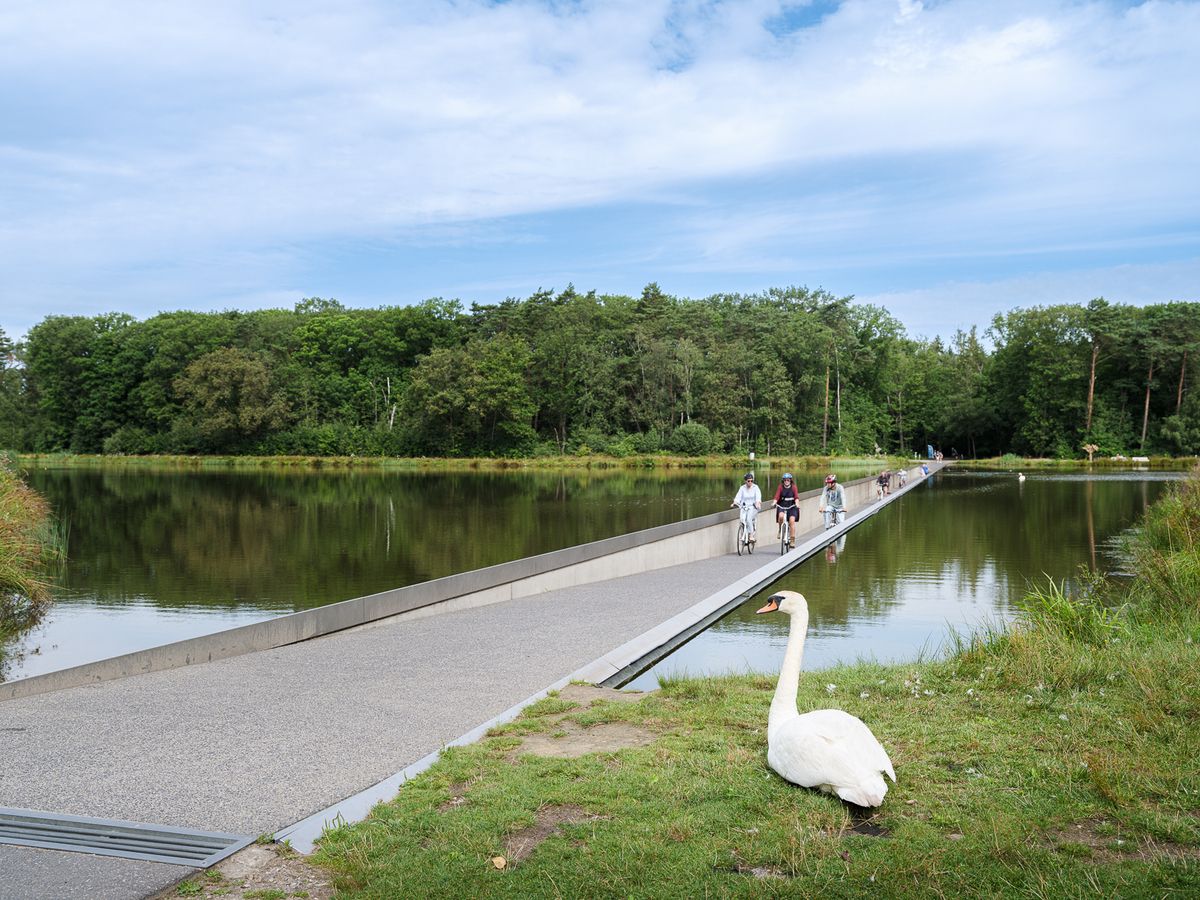
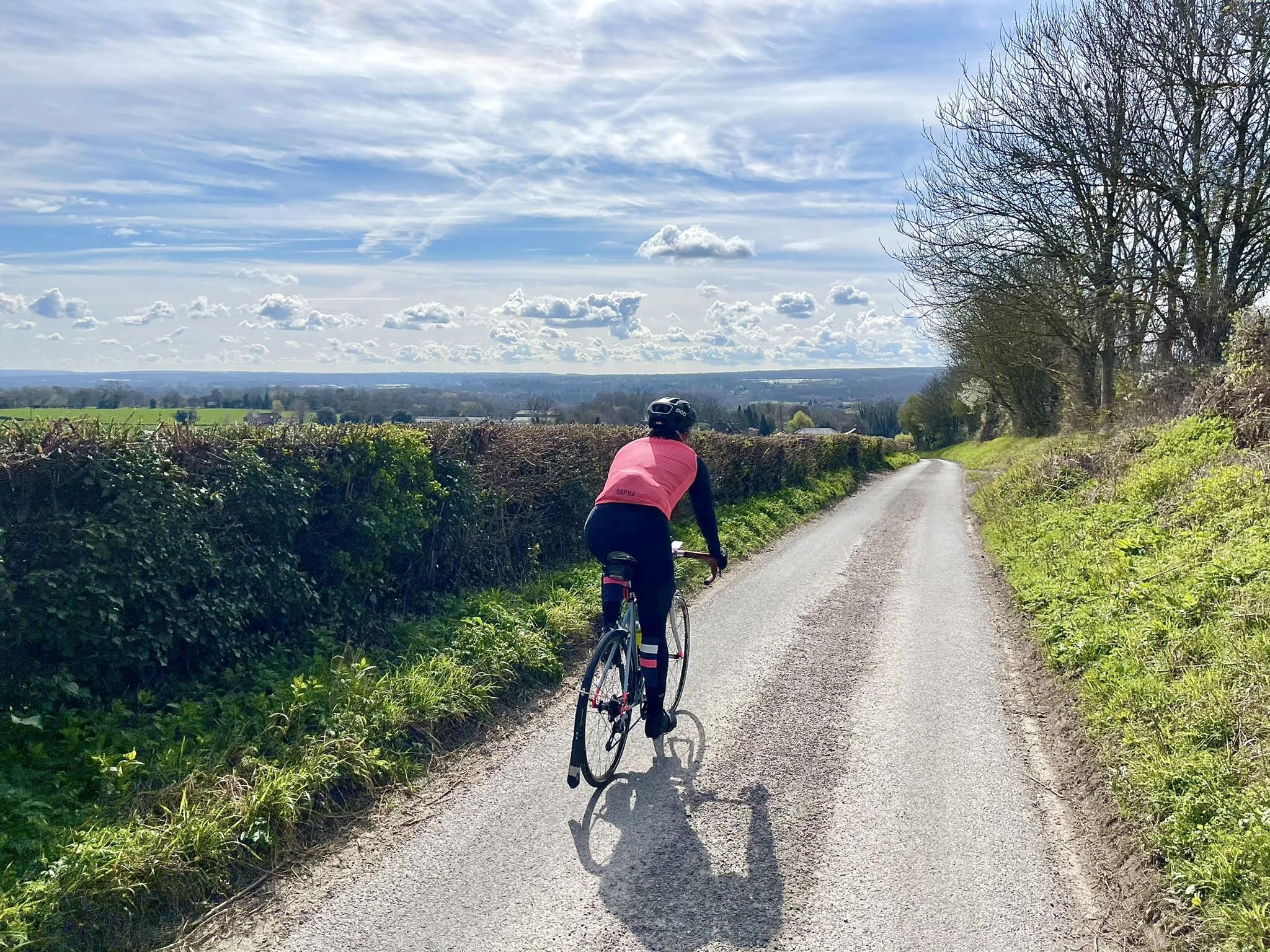
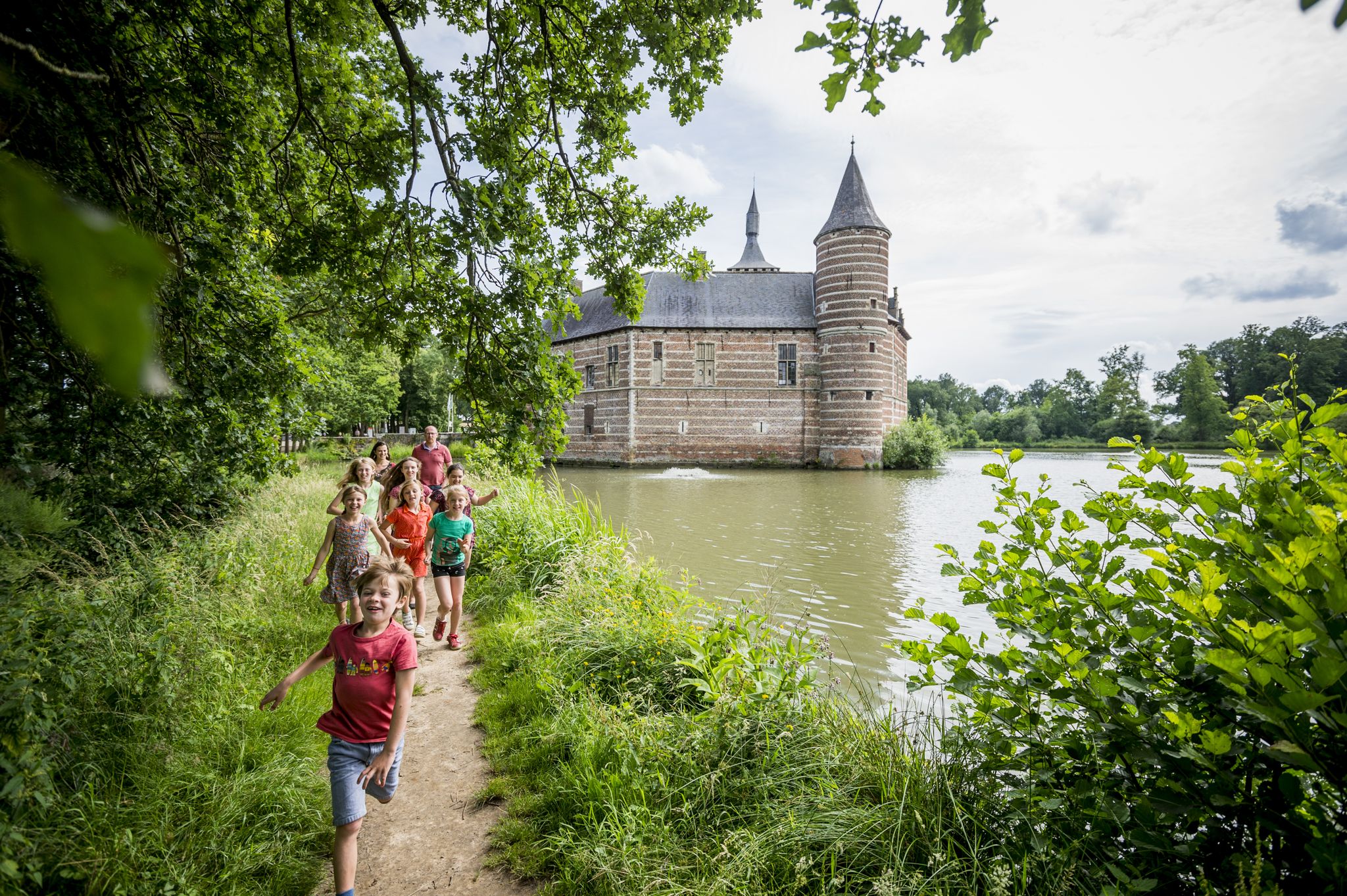
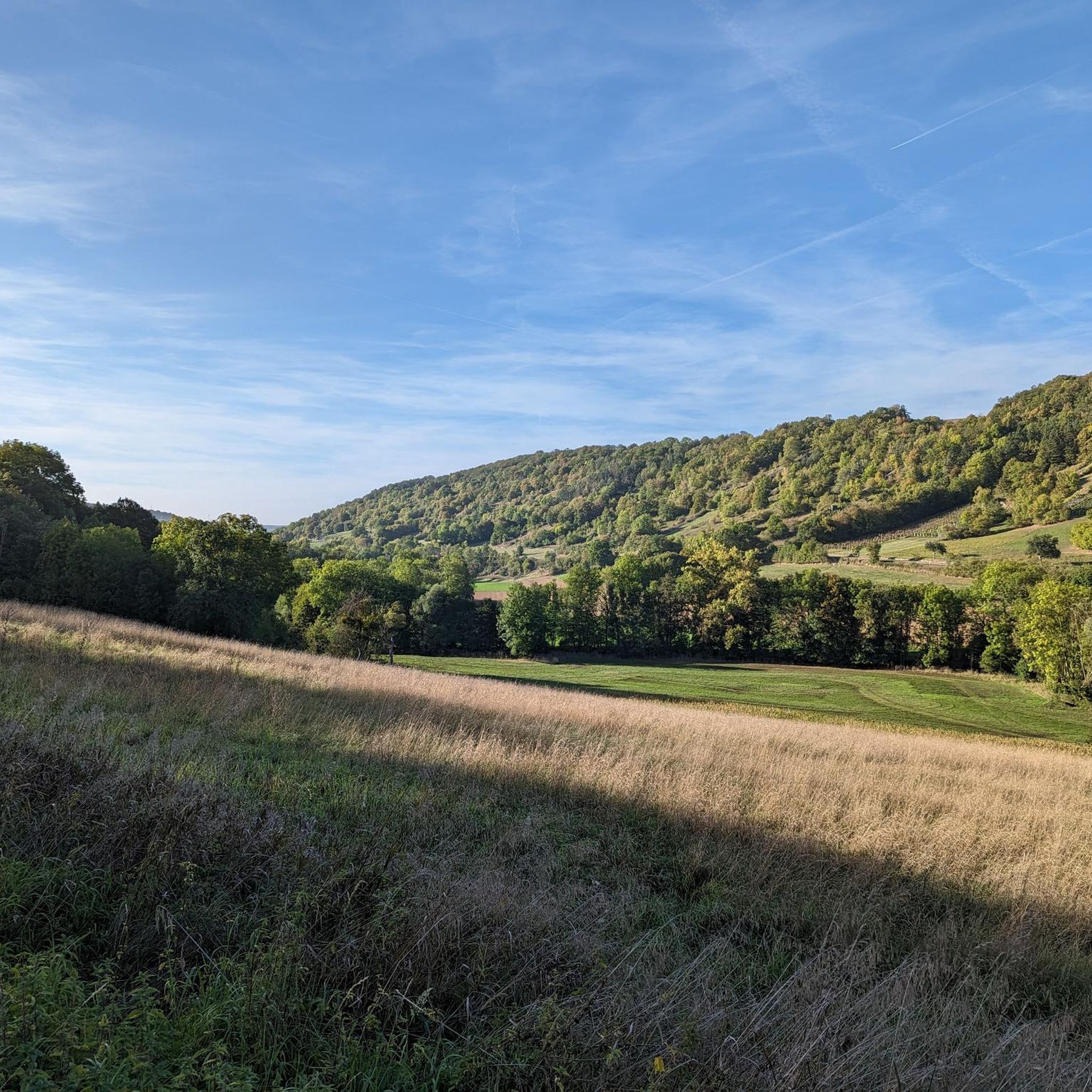
Other adventures around Ypres


Tips from the Community

The harbor in Ypres, known locally as "De Kaaie," is actually the Ieperlee, which runs beneath the city of Ypres and becomes visible again there. At the Drie Grachten (Three Canals), the Ieperlee is joined by the Martjevaart canal, which originates in Merkem. Drie Grachten is a hamlet in the west of Merkem where the three canals converge: the Martjevaart canal, the Ypres-IJzer canal (also known as the Ieperlee Canal), and the Ieperlee itself. Drie Grachten is also known for the battles during World War I, in which the French, including the Zouaves, fought against the Germans. After a failed attack on the German outpost at Luigem, the Germans captured a number of Zouaves. They launched a counterattack but hid behind the captured Zouaves to prevent the French Zouaves from firing on them, thinking they were their own men returning. At one point, one of the captured Zouaves reportedly shouted: "Tirez donc au nom de Dieu, ce sont les Boches!" (For God's sake, these are the Boches!). Immediately after the warning, a French salvo erupted, mowing down both the Germans and the captured Zouaves. The Zouaves of Northern France (Union des Zouaves du Nord) continued to commemorate this after the war. Luigem is a hamlet 1 kilometer east of Drie Grachten and 1 kilometer west of the center of Noordschote. The Zouaves (French: zouaves) were a light infantry unit of the French Army, associated with French North Africa.
0
0

asphalt cycle path.
0
0

Here you can happen to see a boat passing through the lock.
0
0

Hill 60 is an authentic area from the First World War. The artificial hill, built in 1850, stood at a height of approximately 60 meters, hence the name Hill 60. Between 1914 and 1918, fierce fighting took place here between the Germans and the Allies. Starting in 1915, both sides dug tunnels under the hill in which mines were detonated. The explosion of the deep mines on June 7, 1917, created the current landscape of Hill 60. Many soldiers are still buried beneath this hill.
0
0

Hill 62, also known as Sanctuary Wood, is home to the Canadian Hill 62 Memorial, which commemorates the actions of the Canadian Corps in the defence of the southern sector of the Ypres Salient between April and August 1916. This memorial marks the first time that Canadian divisions were involved in planned offensive operations during the war.
7
0
Tyne Cot Cemetery is the largest Commonwealth cemetery in the world, located near Passchendaele. It was established in October 1917 and contains over 11,000 graves of soldiers who died during the First World War. The site was strategically important during the Battle of Passchendaele and was used as an advanced dressing station after its capture by the 3rd Australian Division on 4 October 1917. The cemetery was designed by Sir Herbert Baker and includes an impressive Cross of Sacrifice, built on a former German bunker. The cemetery was significantly expanded after the Armistice to include graves from nearby battlefields and smaller cemeteries.
7
0

Beautiful Ravel Trail along the canal connecting Ypres to Comines. Natura 2000 site!
1
0
Frequently Asked Questions
How many no-traffic touring cycling routes are available around Ypres?
There are nearly 200 dedicated no-traffic touring cycling routes around Ypres listed on komoot. These routes cater to various skill levels, with 79 easy, 90 moderate, and 19 difficult options, ensuring a suitable ride for every cyclist.
What kind of terrain can I expect on no-traffic cycling routes in Ypres?
The Ypres region features gently rolling terrain, transitioning from low ridges in the south to flatter plains in the north. Many no-traffic routes follow canals, old railway lines, or quiet agricultural roads, offering smooth surfaces. You'll encounter peaceful Flanders Fields, shaded woods like Polygon Wood, and picturesque canal paths, such as those along the Ypres-IJzer canal.
Are there any family-friendly no-traffic cycling routes in Ypres?
Yes, Ypres offers several easy, traffic-free routes perfect for families. The region's flat canal paths and dedicated cycleways are ideal for children. A great option is the Boezinge Lock – The Three Canals Point loop from Ieper, which is an easy 30 km ride with minimal elevation gain, offering a relaxed experience for all ages.
What historical landmarks can I see along the no-traffic touring cycling routes?
Many routes are designed to connect with significant historical sites. For instance, the Peace Route guides you through former front lines, passing numerous World War I sites like Tyne Cot Cemetery. You can also visit the Hill 60 preserved Battlefield (World War I), a poignant reminder of the past, accessible via routes like the Hill 60 Memorial – Ypres–Comines Canal loop from Ieper.
Are there any circular no-traffic cycling routes around Ypres?
Absolutely. Many of the no-traffic touring routes around Ypres are circular, allowing you to start and end at the same point. Examples include the Hill 60 Memorial – Ypres–Comines Canal loop from Ieper (35 km) and the Old Leie – Lys–Yser Canal loop from Bellewaerde Park (57 km), providing convenient options for your ride.
What is the best time of year to cycle the no-traffic routes in Ypres?
The best time to cycle in Ypres is typically from spring through early autumn (April to October). During these months, the weather is generally mild and pleasant, making for comfortable riding conditions. The landscape is vibrant, and historical sites are fully accessible. While winter cycling is possible, be prepared for colder temperatures and potentially wet conditions.
Where can I find places to eat or rest along the no-traffic cycling routes?
Many routes pass through or near charming villages and towns where you can find cafes and pubs. The region is well-equipped for cyclists, with various establishments catering to visitors. For example, the De Nachtegaal Eatery & Campsite is a notable spot, and you'll often find small eateries near popular historical sites or along canal paths.
Are there any natural attractions or viewpoints along the no-traffic cycling routes?
Yes, beyond the historical significance, the Ypres region offers serene natural beauty. You can cycle through peaceful agricultural fields, alongside canals, and through woodlands. While not dramatic mountains, modest elevations like Hill 60 offer panoramic views of the surrounding historical landscape. The De Otter Bird Hide, De Blankaart provides a natural escape for birdwatching enthusiasts.
What do other touring cyclists enjoy most about the no-traffic routes in Ypres?
The no-traffic touring cycling routes in Ypres are highly rated by the komoot community, with an average score of 4.6 stars from nearly 500 reviews. Reviewers often praise the peaceful, well-maintained paths, the unique blend of historical immersion with natural beauty, and the excellent signage that makes navigation easy. The ability to explore significant World War I sites without vehicle traffic is a particularly cherished aspect.
How long do the no-traffic touring bike tours typically take?
The duration of the tours varies depending on the route length and your pace. For example, the Peace Route, at 45 km, typically takes around 2.5 to 3 hours of active cycling. Shorter, easy routes like the Boezinge Lock – The Three Canals Point loop from Ieper (30 km) can be completed in about 1.5 to 2 hours, while longer moderate routes such as the Hop field – Boezinge Vaart Canal Path loop from Bard Cottage Cemetery (52 km) might take 3 to 3.5 hours.
Is parking available for cyclists near the no-traffic routes in Ypres?
Yes, Ypres and its surrounding areas offer various parking options. Many routes start from or pass through towns with public parking facilities. It's advisable to check specific starting points for the most convenient parking, but generally, you'll find accessible spots to leave your vehicle while you enjoy your traffic-free ride.
Most popular attractions around Ypres

Get inspired with the komoot mobile app


Explore more
Browse the best Cycling routes in other regions.
