The best traffic-free bike rides around Pont-À-Celles
4.5
(40)
255
riders
52
rides
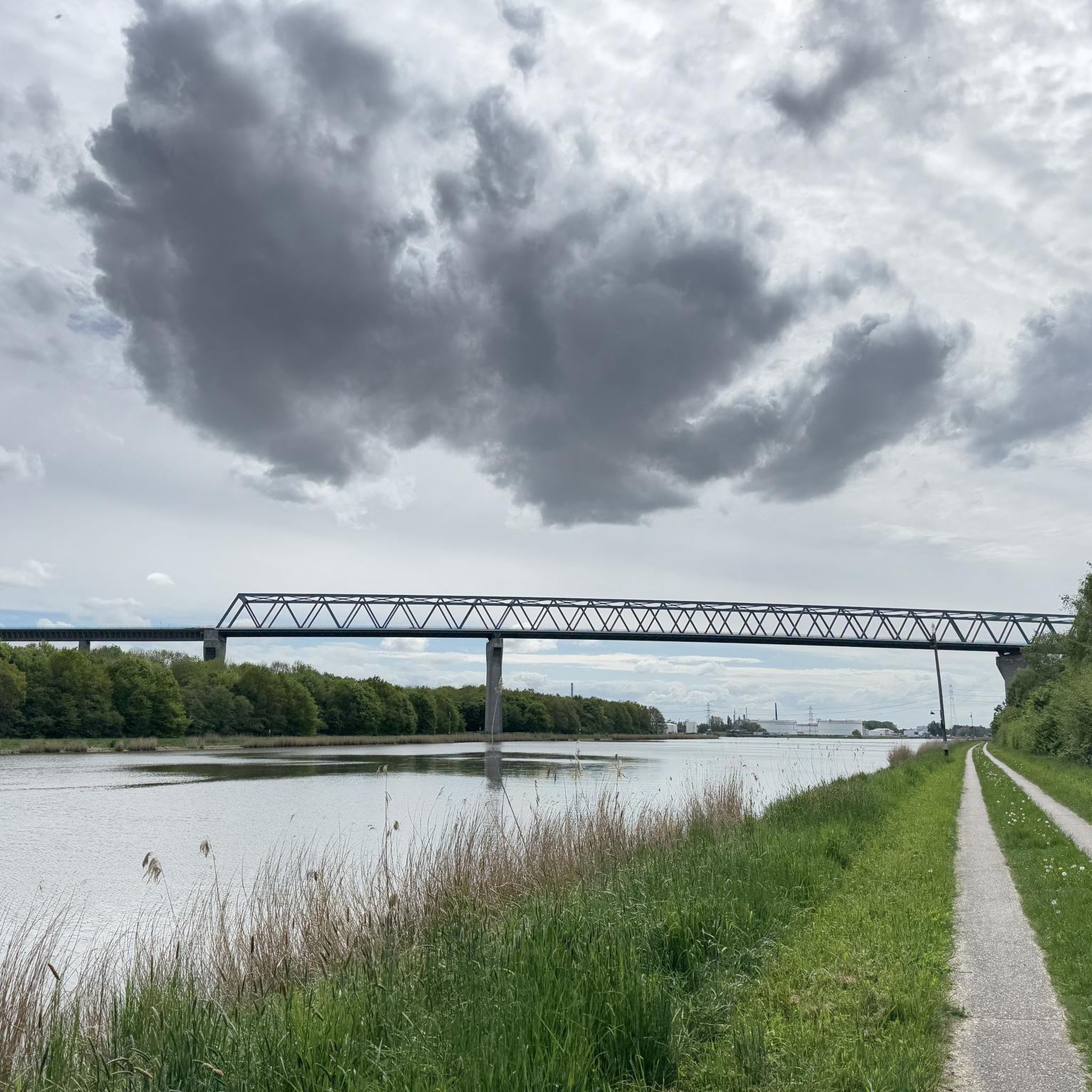
Gravel biking around Pont-À-Celles offers diverse landscapes characterized by rolling hills, verdant valleys, and expansive agricultural lands. The region features a network of accessible paths, including routes along the Charleroi-Brussels Canal and through natural reserves. These settings provide a serene backdrop for exploring unpaved routes suitable for gravel biking.
Best no traffic gravel bike trails around Pont-À-Celles
- The most popular no traffic gravel bike trail is Wind Turbines near Nivelles – Seigneur Farm loop from Nivelles, a 23.0 miles…
Last updated: May 19, 2026
4.5
(4)
12
riders
37.0km
02:22
210m
210m
Moderate gravel ride. Good fitness required. Mostly paved surfaces. Suitable for all skill levels.
5.0
(1)
56
riders
Hard gravel ride. Very good fitness required. You may need to push your bike for some segments of this route.

Sign up for free
3.0
(1)
7
riders
44.1km
02:58
510m
510m
Hard gravel ride. Very good fitness required. Mostly paved surfaces. Suitable for all skill levels.
5.0
(2)
6
riders
26.3km
01:48
180m
180m
Moderate gravel ride. Good fitness required. Mostly paved surfaces. Suitable for all skill levels.
5.0
(1)
8
riders
46.9km
02:51
280m
280m
Moderate gravel ride. Good fitness required. Mostly paved surfaces. Suitable for all skill levels.
Get access to more routes and recommendations from other explorers.
Sign up for free
Already have an account?
Our route recommendations are based on thousands of hikes, rides, and runs completed by other people on komoot.
Start today with a free account
Your next adventure awaits.
Login or Signup
Popular around Pont-À-Celles
Tips from the Community

This tour goes for kilometers through the forest. In spring it is beautiful with the hyacinths and wood anemones. In summer nice and cool.
0
0

The Groenendaal racecourse was built in 1888-1889 on the initiative of Leopold II in the middle of the Sonian Forest, next to the road to Waterloo, and in 1892, as part of easy access, it received its own railway connection to Groenendaal station. To realize this racecourse, approximately 100 hectares of forest were cleared at the end of the 19th century. King Leopold II had his own box there, located between two metal grandstands for the public. After the First World War, this area was used for the dismantling of weapons and ammunition left behind in the Westhoek. German prisoners of war had to clear mines under the supervision of the Belgian army. During a fire and the subsequent explosions of ammunition on May 6, 1919, the hippodrome's grandstands and buildings were heavily damaged. After another explosion in November, the ammunition depot was completely dismantled in 1920. Two years later, the racecourse was restored and the grandstands were rebuilt. The royal box for Albert I was not rebuilt until 1924. Its appearance was completely different from the pre-war grandstand. When the current appearance came about is not entirely clear, although the current box is attributed to Albert I in the literature, see also monogram. Inventory of Immovable Heritage: Royal Box and remains of bookmaker's room, https://id.erfgoed.net/erfgoedobjecten/302991
4
0
The Groenendaal racecourse was built in 1888-1889 on the initiative of Leopold II in the middle of the Sonian Forest, next to the road to Waterloo. In 1892, it was given its own rail connection to Groenendaal station as part of a smooth development. To realize this racecourse, about 100 hectares of forest were cleared at the end of the 19th century. King Leopold II had his own box, located between two metal grandstands for the public. After the First World War, this area was used for the dismantling of weapons and ammunition left behind in the Westhoek. German prisoners of war had to clear mines under the supervision of the Belgian army. A fire and subsequent explosions of ammunition on May 6, 1919, heavily damaged the grandstands and buildings of the hippodrome. After another explosion in November, the ammunition depot was completely dismantled in 1920. Two years later, the racecourse was restored and the grandstands were rebuilt. The royal box for Albert I was only rebuilt in 1924. Its appearance was completely different from the pre-war grandstand. When the current appearance came about is not entirely clear, although the current box is attributed to Albert I in the literature, see also monogram. Inventory of Immovable Heritage: Royal Box and remains of bookmaker's office, https://id.erfgoed.net/erfgoedobjecten/302991
4
0

Open grassy area with some benches, ideal for a break on dry days.
3
0

A very nice walk from the woods of the Jamioulx prison, passing through the woods of the prince and the slag heap of the woods of the casiers.
0
0


Very beautiful park and woods
0
0

Nice sighting when out riding, there is a gravel track passing through and a bit later you'll meet a pasture with beautiful Highland Cows!
1
0
Frequently Asked Questions
How many no-traffic gravel bike trails are available around Pont-À-Celles?
There are over 45 dedicated no-traffic gravel bike trails around Pont-À-Celles, offering a wide range of options for exploring the region's diverse landscapes.
What kind of terrain can I expect on gravel bike trails in Pont-À-Celles?
The Pont-À-Celles area features picturesque, rolling hills, verdant valleys, and expansive agricultural lands. You'll find numerous unpaved routes along old canals and agricultural paths, perfect for gravel biking. The region's natural reserves like Launoy Pond, Biernimont, and Viesville also offer mixed forests and wet meadows.
Are there any easy or beginner-friendly no-traffic gravel routes?
Yes, while many routes are moderate to difficult, there are options suitable for beginners. For example, the Wind Turbines near Nivelles – Seigneur Farm loop from Nivelles is a moderate route that offers a good introduction to the area's gravel paths without being overly challenging.
What are the best times of year to go gravel biking in Pont-À-Celles?
The Wallonia region, including Pont-À-Celles, is generally pleasant for gravel biking from spring through autumn. Spring brings blooming landscapes, while autumn offers beautiful foliage. Summer is also great, but be mindful of warmer temperatures. Winter biking is possible, but trail conditions can vary, especially after rain or snow.
What interesting landmarks or attractions can I see along the no-traffic gravel bike trails?
Many routes incorporate historical and natural points of interest. You can cycle alongside the unique Ronquières Inclined Plane, a remarkable boat lift, or pass by the historic Pont de l'Origine Drawbridge. The Old Brussels–Charleroi Canal itself is a scenic highlight, often lined with picturesque lock keeper houses.
Are there any circular no-traffic gravel bike routes in the area?
Yes, many of the gravel routes around Pont-À-Celles are designed as loops, allowing you to start and end at the same point. For instance, the Singletrack Through the Fields – Singletrack Trail loop from Rèves Gare offers a moderate circular experience through rural landscapes.
Can I find routes that are suitable for families with children?
While specific 'family-friendly' designations aren't always explicit, routes along the canals or through flatter agricultural areas tend to be more suitable for families. Look for routes with lower elevation gain and shorter distances. Always check the route details for difficulty and terrain before heading out with children.
What do other gravel bikers enjoy most about the trails in Pont-À-Celles?
The area is highly rated by the komoot community, with an average score of 4.6 stars. Reviewers often praise the serene, traffic-free nature of the routes, the beautiful rural scenery, and the opportunity to explore historical waterways and natural reserves away from busy roads.
Are there any routes that pass by castles or historic sites?
Yes, the region is rich in history. While not directly on every gravel trail, several routes bring you close to historic sites. For example, the Manual Lock at Aulne Abbey – Aulne Abbey Ruins loop from Puissant takes you near the historic Aulne Abbey. Additionally, you can find several castles in the broader vicinity, such as Écaussinnes-Lalaing Castle and Feluy Castle.
Where can I find parking or public transport access for these trails?
Many routes start from villages or towns like Nivelles or Rèves Gare, where parking is generally available. For public transport, consider starting points accessible by train or bus, such as Nivelles, which offers connections to larger cities. Always check local public transport schedules and parking regulations before your trip.
Are there any longer no-traffic gravel routes for experienced riders?
Absolutely. For experienced riders looking for a longer challenge, routes like the Grasdelle Trail Clearing – Grippensdelle MTB Singletrack loop from Nivelles offer significant distance and elevation gain, providing a demanding yet rewarding experience through diverse landscapes.
Most popular routes around Pont-À-Celles
Most popular attractions around Pont-À-Celles

Get inspired with the komoot mobile app


Explore more
Browse the best Gravel rides in other regions.
