The best traffic-free bike rides around Gaiole In Chianti
4.6
(820)
29,117
riders
8
rides
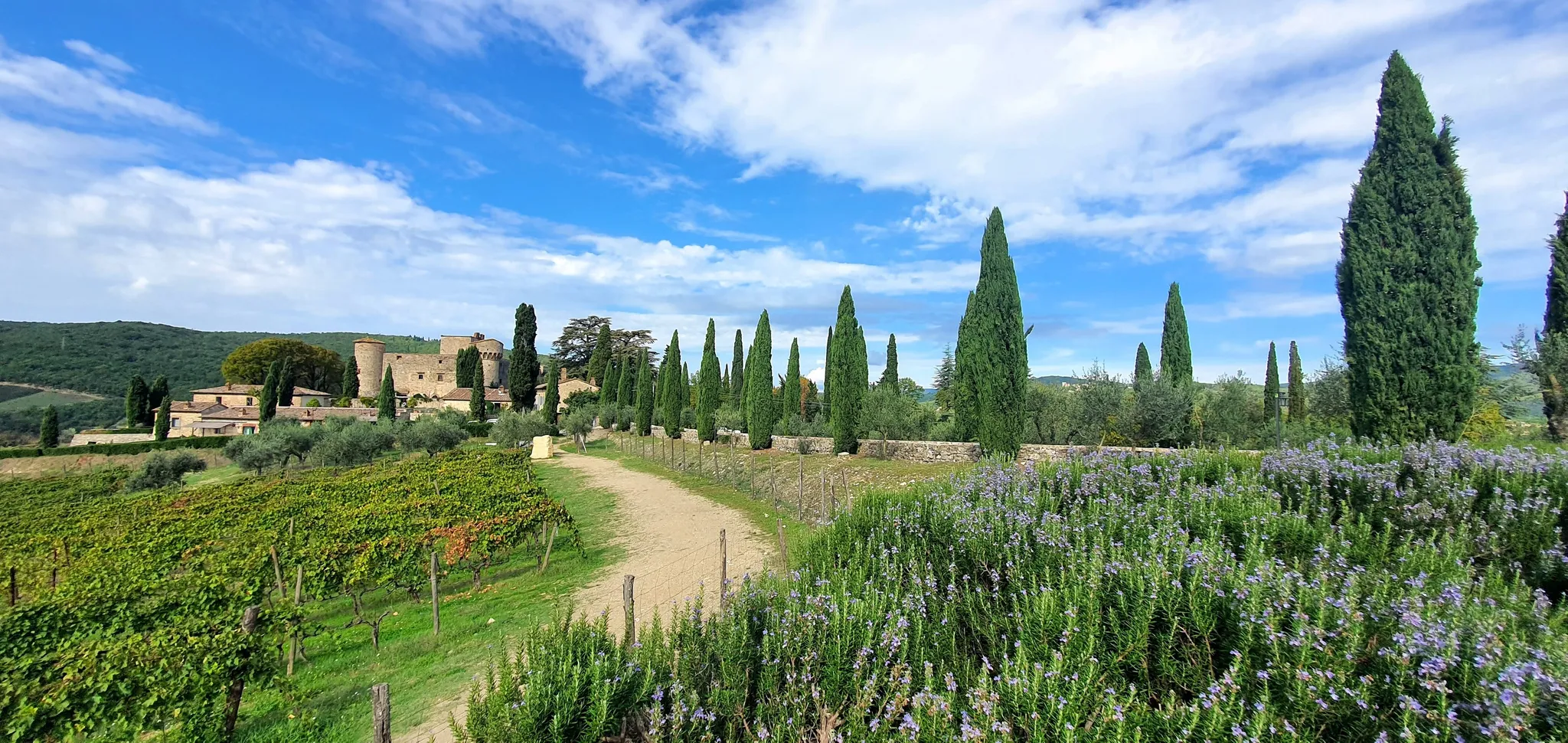
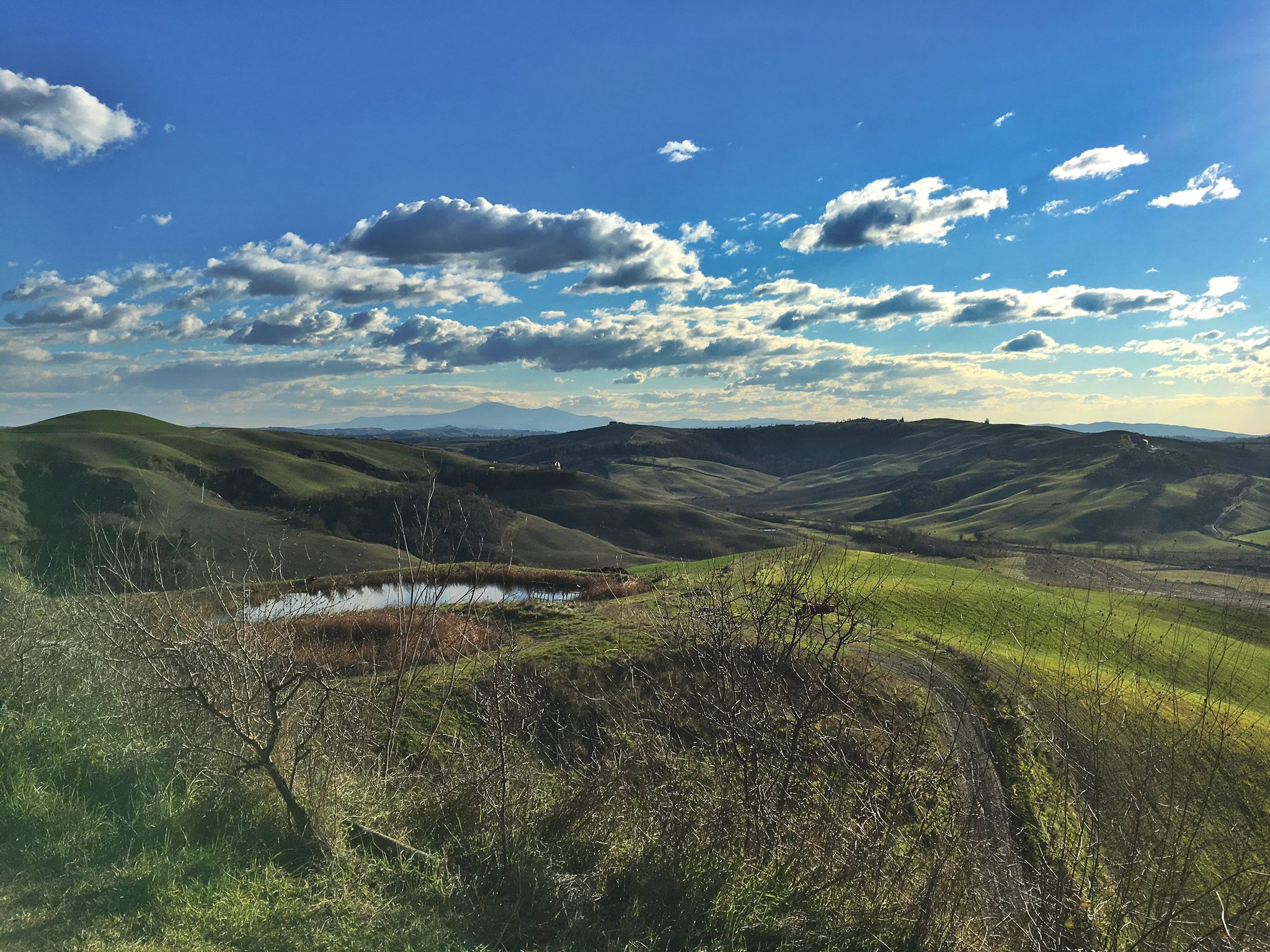
No traffic road cycling routes around Gaiole In Chianti traverse a landscape characterized by rolling hills, steep ascents, and winding roads. The region features extensive vineyards and olive groves, interspersed with forests of oak and chestnut trees. This area of Tuscany is defined by its picturesque blend of narrow valleys and agricultural scenery, offering varied terrain for road cyclists.
Best no traffic road cycling routes around Gaiole In Chianti
- The most popular no traffic road cycling route is Gaiole in…
Last updated: June 3, 2026
4.2
(5)
32
riders
26.6km
01:18
400m
400m
Moderate road ride. Good fitness required. Mostly well-paved surfaces and easy to ride.
4.0
(2)
28
riders
27.3km
01:36
670m
670m
Moderate road ride. Good fitness required. Mostly well-paved surfaces and easy to ride.

Sign up for free
5.0
(1)
17
riders
35.0km
02:01
680m
680m
Moderate road ride. Good fitness required. Some segments of this route may be unpaved and difficult to ride.
5.0
(1)
11
riders
19.7km
01:06
430m
430m
Moderate road ride. Good fitness required. Mostly well-paved surfaces and easy to ride.
10
riders
Moderate road ride. Good fitness required. Some segments of this route may be unpaved and difficult to ride.
Get access to more routes and recommendations from other explorers.
Sign up for free
Already have an account?
Our route recommendations are based on thousands of hikes, rides, and runs completed by other people on komoot.
Start today with a free account
Your next adventure awaits.
Login or Signup




Tips from the Community

pretty here, very pretty
1
0
Frequently Asked Questions
How many no traffic road cycling routes are available in Gaiole in Chianti?
There are 12 dedicated no traffic road cycling routes around Gaiole in Chianti. These routes offer a variety of distances and elevations, allowing you to explore the stunning Chianti Classico region without the disturbance of heavy vehicle traffic.
What is the general difficulty level of no traffic road cycling routes in Gaiole in Chianti?
The majority of no traffic road cycling routes in Gaiole in Chianti are classified as moderate, with 10 routes falling into this category. There is also 1 easy route and 1 difficult route, ensuring options for various fitness levels. The region is characterized by rolling hills and steep ascents, providing both a challenge and rewarding panoramic views.
What kind of terrain can I expect on the no traffic road cycling routes around Gaiole in Chianti?
You can expect a classic Tuscan landscape with rolling hills, steep ascents, and winding paved roads through vineyards, olive groves, and forests of oak and chestnut trees. While Gaiole in Chianti is famous for its 'white roads' (unpaved gravel), these specific routes are curated for road cycling, focusing on predominantly paved surfaces to ensure a smooth ride. You'll experience the quintessential Chianti scenery with breathtaking views at every turn.
When is the best time of year to enjoy traffic-free road cycling in Gaiole in Chianti?
Spring (April-May) and early autumn (September-October) are generally considered the best times for road cycling in Gaiole in Chianti. The weather is pleasant, temperatures are mild, and the landscapes are vibrant with blooming flowers or rich autumn colors. Summer can be quite hot, especially in July and August, so if cycling then, it's best to start early in the morning.
Are there any easy no traffic road cycling routes suitable for beginners in Gaiole in Chianti?
Yes, there is 1 easy no traffic road cycling route available in Gaiole in Chianti. While the region is known for its challenging terrain, this route provides a gentler introduction to the beautiful Chianti landscape, allowing beginners to enjoy the scenery at a more relaxed pace.
What can I see along the no traffic road cycling routes in Gaiole in Chianti?
The routes offer a wealth of sights, from historic castles to natural monuments. You might encounter the unique Site Transitoire, the ancient Il leccione - secular oak, or the picturesque Cypress-lined avenue in Montechiaro. Many routes also pass through charming hamlets and offer panoramic views of the vineyards and olive groves.
Are there any challenging no traffic road cycling routes for experienced cyclists?
Yes, for experienced cyclists seeking a challenge, there is 1 difficult no traffic road cycling route. Additionally, many of the 10 moderate routes feature significant elevation gains and winding roads, providing a substantial workout. For example, the Gaiole in Chianti – Radda in Chianti loop from Castellina in Chianti covers over 52 km with nearly 1000 meters of elevation gain, offering a demanding yet rewarding experience.
What are some notable landmarks or attractions near the cycling routes?
The region is rich in history and culture. You can explore medieval castles like Castello di Brolio, Castello di Meleto, and Castello di Ama, many of which are also renowned wine estates. The ancient Badia a Coltibuono (Abbey of the Good Harvest) is another significant historical site. For art lovers, the Chianti Sculpture Park is also nearby. These attractions are often nestled amidst the stunning vineyards and olive groves that define the Chianti landscape.
Are there any circular no traffic road cycling routes in Gaiole in Chianti?
Yes, many of the no traffic road cycling routes in Gaiole in Chianti are designed as loops, allowing you to start and end your ride in the same location. For instance, the Gaiole in Chianti – View on Castagnoli loop from Gaiole in Chianti is a moderate 27.9 km circular route that starts and finishes in Gaiole in Chianti itself, offering beautiful views of Castagnoli.
What do other road cyclists enjoy most about the no traffic routes in Gaiole in Chianti?
The komoot community highly rates the road cycling experience in Gaiole in Chianti, with an average score of 4.78 stars. Cyclists often praise the region for its breathtaking Tuscan landscapes, the quiet and well-maintained roads, and the opportunity to immerse themselves in the vineyards and historic charm without the constant presence of vehicle traffic. The challenging yet rewarding climbs and stunning panoramic views are frequently highlighted.
Is it possible to find cafes or places to stop for refreshments along these routes?
Yes, the Chianti region is dotted with charming villages and hamlets, many of which offer cafes, trattorias, and wine estates where you can stop for refreshments. While specific cafes are not listed for every route, the regional focus on tourism and hospitality means you'll often find opportunities to refuel and enjoy local delicacies in towns like Gaiole in Chianti, Radda in Chianti, or Castellina in Chianti, which are often part of or near these routes.
Where can I park my car when starting a no traffic road cycling route in Gaiole in Chianti?
Gaiole in Chianti and other nearby towns like Castellina in Chianti or Monteaperti, which serve as starting points for many routes, typically offer public parking facilities. It's advisable to check local signage for parking regulations and availability, especially during peak season. Many accommodations in the area are also bike-friendly and may offer dedicated parking for guests.
Most popular routes around Gaiole In Chianti
Most popular attractions around Gaiole In Chianti

Get inspired with the komoot mobile app


Explore more
Browse the best Road cycling routes in other regions.
