The best traffic-free bike rides around Gaiole In Chianti
4.5
(432)
4,756
riders
83
rides
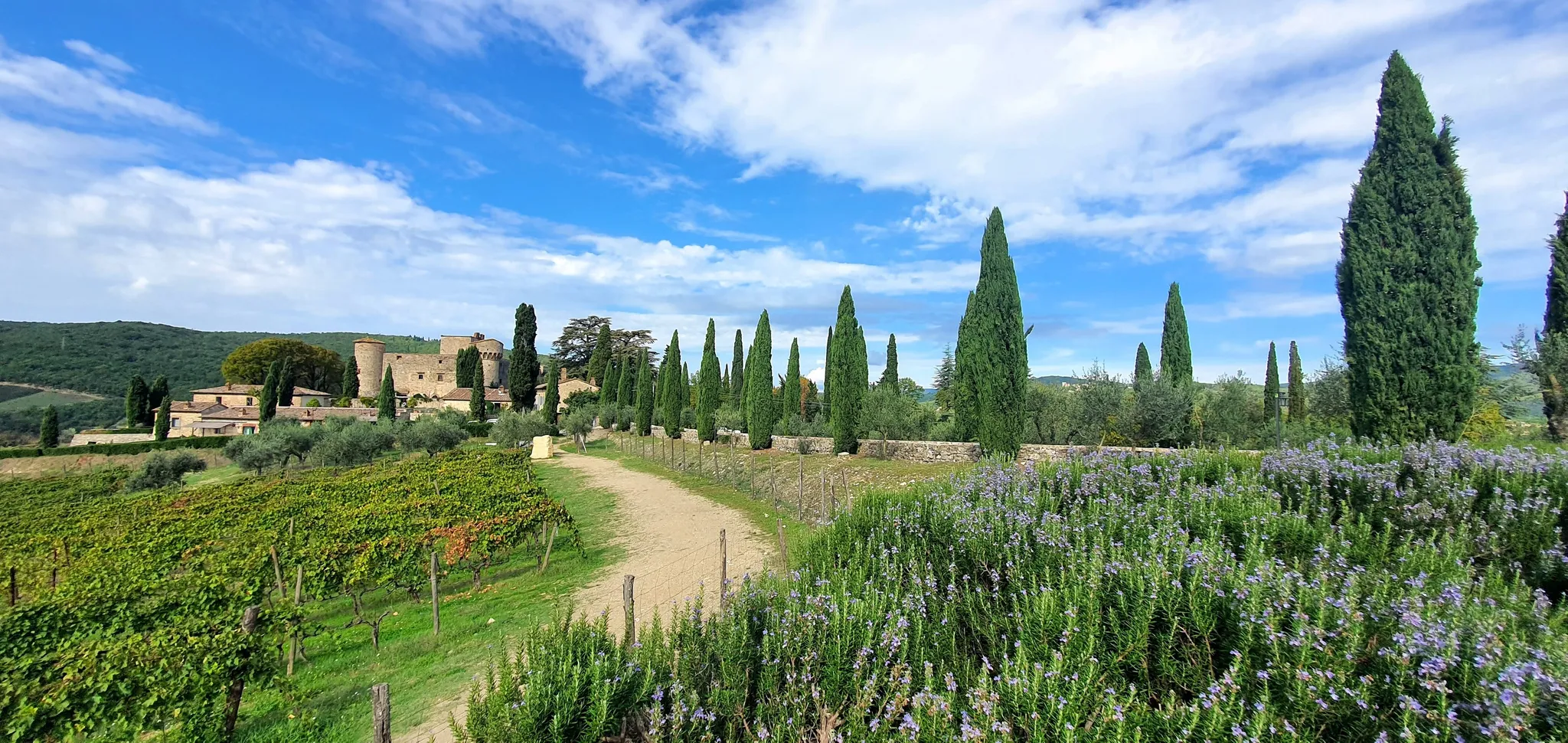
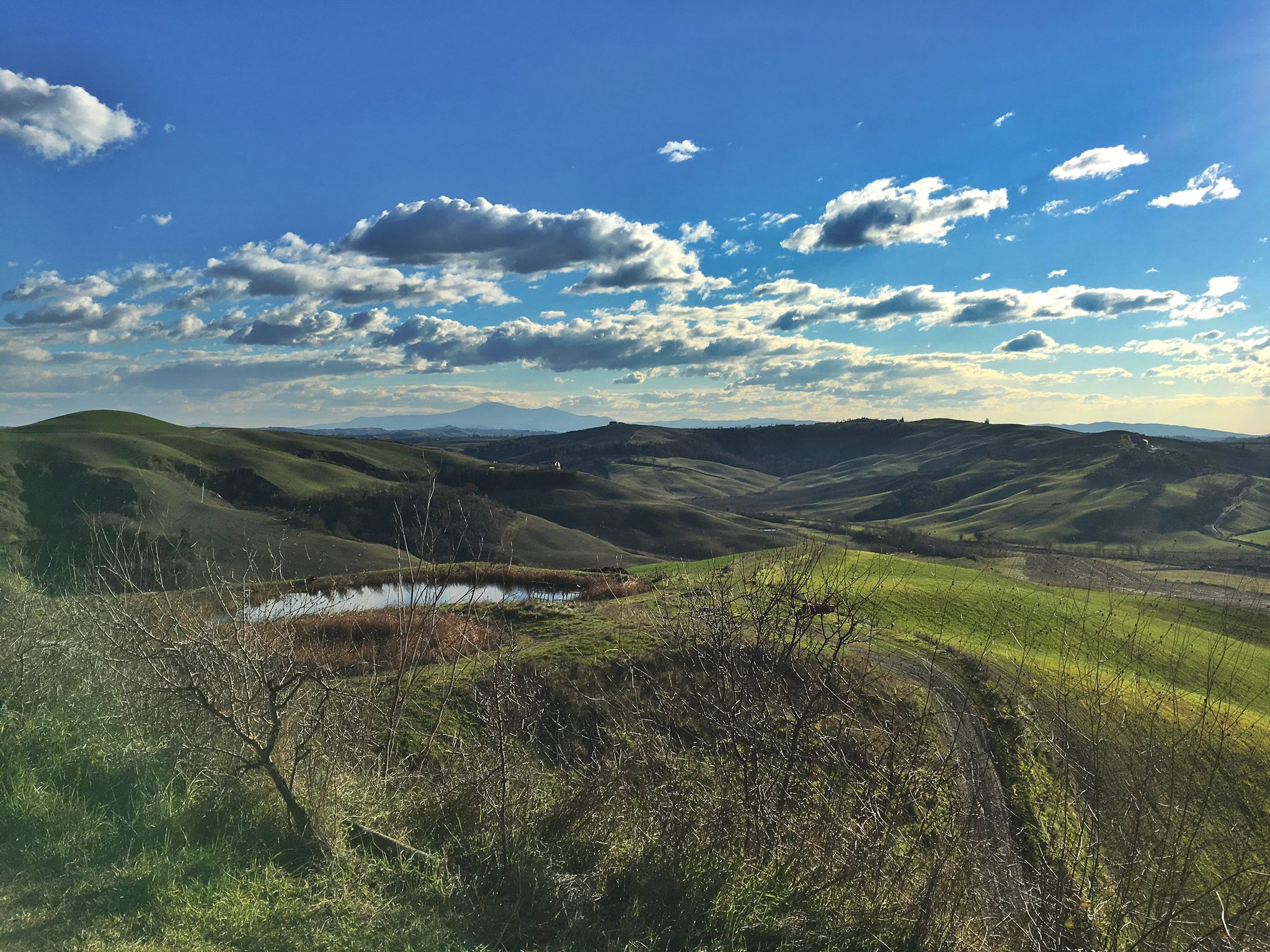
Gravel biking around Gaiole In Chianti is characterized by rolling hills covered in vineyards and olive groves, interspersed with oak and chestnut forests. The region features varied elevation changes, from gentle slopes to challenging climbs, and is traversed by the Massellone river. A defining characteristic for no traffic gravel bike trails are the "strade bianche," historic unpaved white roads that form a network of quiet routes. This diverse terrain offers a range of experiences for gravel cyclists.
Best no traffic…
Last updated: June 3, 2026
5.0
(2)
29
riders
98.7km
07:45
2,230m
2,230m
Hard gravel ride. Very good fitness required. You may need to push your bike for some segments of this route.
4.6
(5)
49
riders
80.2km
05:58
1,660m
1,660m
Hard gravel ride. Very good fitness required. Mostly paved surfaces. Suitable for all skill levels.

Sign up for free
5.0
(1)
8
riders
72.3km
05:32
1,570m
1,570m
Hard gravel ride. Very good fitness required. Mostly paved surfaces. Suitable for all skill levels.
7
riders
64.0km
05:36
1,540m
1,540m
Hard gravel ride. Very good fitness required. You may need to push your bike for some segments of this route.
5.0
(1)
11
riders
68.2km
05:01
1,340m
1,330m
Hard gravel ride. Very good fitness required. Mostly paved surfaces. Suitable for all skill levels.
Get access to more routes and recommendations from other explorers.
Sign up for free
Already have an account?
Our route recommendations are based on thousands of hikes, rides, and runs completed by other people on komoot.
Start today with a free account
Your next adventure awaits.
Login or Signup




Tips from the Community


A beautiful village in the Chianti hills
0
0

Porta Romana is one of the ancient gates in the walls of Siena, located on the route of the ancient Via Cassia. It was built in 1327 - 1328 by Agnolo di Ventura and Agostino di Giovanni, equipped with battlements and a defensive wall. In 1417, Taddeo di Bartolo was commissioned to paint the fresco that was to adorn it with a depiction of the Virgin, like the other city gates, to implore divine protection for the city. In 1978, the frescoes, due to advanced deterioration, were detached and transferred to the Basilica of San Francesco. However, there is a Roman inscription at the Porta Romana!The inscription was written on a travertine tablet and, based on its graphic characters and content, can be dated to the Augustan period (27 BC – 0) saying "Silvanus sacr(um) / C. Victricius / Memor VIvir / [a] ugustalis posuit" = Caio Victricio Memore Seviro augustale dedicated a small temple to Silvanus.
0
0

In Siena, as we know, your eye always falls there, on the shell-shaped Campo or the striped marble of the Duomo. And rightly so. But then there are those places that speak to you in a different voice, more raspy and sincere. Porta Romana is one of them. Let's be clear: this isn't a small archway placed there for show. This is a beast of brick and stone, a fortress planted to the south to tell those arriving from Rome: "Be careful, you're entering Siena." It's massive, imposing, it makes you feel small and immediately reminds you that this city was once a serious thing, a power that had to be defended. It has none of the frills of other monuments; it gets straight to the point, and for me, its charm begins right there.
1
0

Added to the collection: https://www.komoot.com/de-de/collection/3600632/-naturdenkmaeler-besondere-baeume-und-weitere-schaetze-der-natur
1
0


Located just south of Gaiole, Meleto Castle is one of the most fascinating castles in Chianti. Documented since the 11th century as a property of the Abbey of Coltibuono, it later passed under the control of the Ricasoli family, who made it one of the main fortresses defending the area. The imposing structure still retains its medieval appearance with its massive square tower, crenellated walls, and two elegant cylindrical bastions added in the 15th century. Inside, there is an elegant courtyard, frescoed rooms, a chapel, and even a small 18th-century theater. Today, the castle is open to visitors and hosts events, tastings, and wine-related activities, offering splendid views of the Chianti countryside.
0
0
Frequently Asked Questions
How many traffic-free gravel bike trails are available in Gaiole in Chianti?
There are over 75 gravel bike routes around Gaiole in Chianti that offer a traffic-free experience. These routes primarily utilize the region's famous 'strade bianche' (white roads), ensuring a peaceful ride through the Tuscan countryside.
What kind of terrain can I expect on gravel bike trails in Gaiole in Chianti?
The terrain in Gaiole in Chianti is characterized by picturesque, rolling hills, extensive vineyards, and silvery olive groves, interspersed with lush oak and chestnut forests. You'll encounter varied elevation changes, from gentle slopes to more challenging climbs, predominantly on unpaved 'strade bianche' that are perfect for gravel biking.
Are there easy gravel bike routes for beginners in Gaiole in Chianti?
While many routes in the area are rated as difficult, there are a few easier options suitable for beginners looking for a traffic-free experience. These routes typically feature less elevation gain and shorter distances, allowing you to enjoy the scenery without excessive challenge.
What historical landmarks can I explore on a traffic-free gravel bike ride?
Many routes pass by significant historical sites. You can cycle past the iconic Brolio Castle, explore the grounds of Meleto Castle, or discover the ancient Vertine Village. The region is dotted with medieval villages and fortified abbeys like Badia a Coltibuono, offering rich cultural stops.
Can I visit wineries or olive groves along these routes?
Absolutely. The Chianti Classico region is famous for its wine and olive oil. Many traffic-free gravel routes wind through vineyards and olive groves, often passing by wine estates where you can stop for tastings. For example, the route "View of Fonterutoli – Meleto Castle loop from Gaiole in Chianti" offers scenic views of the agricultural landscape.
Are there any unique natural features to see while gravel biking?
Yes, the region offers several unique natural and artistic features. You can encounter the striking Cypress-lined avenue in Montechiaro or visit the Chianti Sculpture Park, where art is integrated into nature. The landscape itself, with its rolling hills and the Massellone river, provides a beautiful backdrop for your ride.
What is the best time of year for gravel biking in Gaiole in Chianti?
The best seasons for gravel biking in Gaiole in Chianti are spring (April-May) and autumn (September-October). During these months, the weather is generally mild, and the landscapes are particularly vibrant with spring blossoms or autumn colors. The famous L'Eroica vintage cycling event takes place in October, highlighting the region's suitability for cycling during this period.
Are there any circular gravel bike routes available?
Yes, many of the traffic-free gravel bike routes in Gaiole in Chianti are circular, allowing you to start and end your ride in the same location. An example is the "Brolio Castle – Brolio White Road loop from Pianella," which offers a comprehensive tour of the area's iconic white roads and landmarks.
What do other gravel bikers enjoy the most about gravel biking in Gaiole in Chianti?
The area is highly rated by the komoot community, with an average score of 4.6 stars. Reviewers often praise the extensive network of quiet 'strade bianche' that offer a true traffic-free experience, the stunning Tuscan landscapes, and the opportunity to combine cycling with visits to historic castles and wineries.
Can I find long-distance gravel bike routes in the area?
Yes, Gaiole in Chianti offers several challenging long-distance gravel bike routes for experienced riders. For instance, the "Lilliano Tree-lined Avenue – Badia a Passignano Abbey loop from Selvole" covers nearly 100 km with significant elevation gain, providing an epic day out on the 'strade bianche'.
Is public transport an option for reaching Gaiole in Chianti with a bike?
While Gaiole in Chianti is well-connected by road, public transport options for cyclists can be limited. Buses serve the area, but carrying bikes might require specific services or prior arrangements. It's often more convenient to travel by car and utilize the available parking facilities, or consider bike rentals once you arrive in the region.
Most popular routes around Gaiole In Chianti
Most popular attractions around Gaiole In Chianti

Get inspired with the komoot mobile app


Explore more
Browse the best Gravel rides in other regions.
