The best traffic-free bike rides around Castiglione Di Garfagnana
4.5
(565)
3,092
riders
35
rides
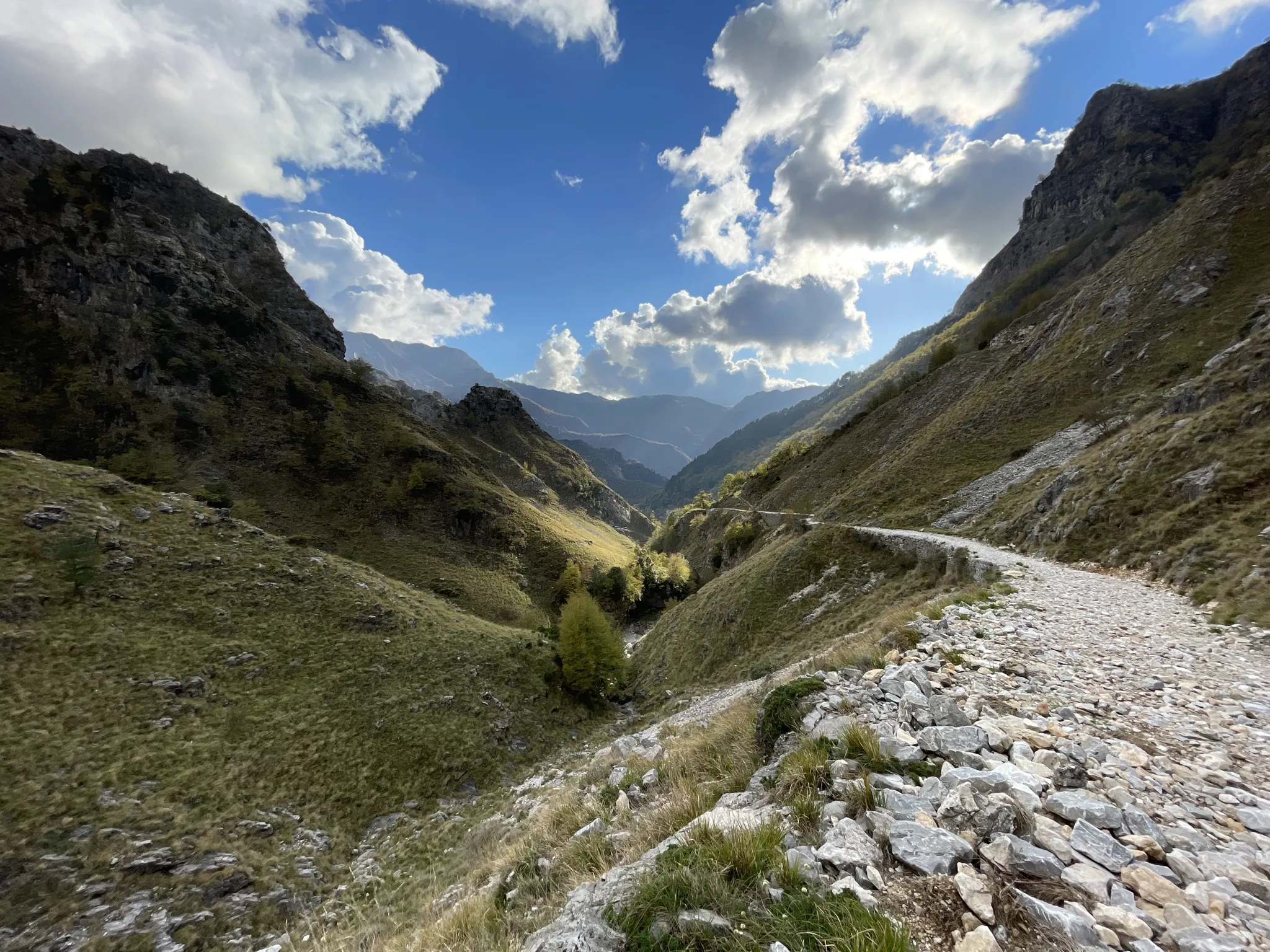
No traffic touring cycling routes around Castiglione Di Garfagnana are characterized by a rugged and wild natural setting, situated between the Apuan Alps and the Tuscan-Emilian Apennines. The region features wooded slopes and deep valleys, providing significant elevation changes for cyclists. Routes often follow the Serchio River and its tributaries, offering diverse terrain. This area presents a challenging landscape for touring cyclists.
Best no traffic touring cycling routes around Castiglione Di Garfagnana
- The most popular no traffic touring cycling route…
Last updated: October 30, 2026
5.0
(1)
39
riders
Hard bike ride. Very good fitness required. You may need to push your bike for some segments of this route.
3.0
(5)
42
riders
34.6km
03:15
1,010m
1,010m
Hard bike ride. Very good fitness required. You may need to push your bike for some segments of this route.

5.0
(5)
33
riders
42.3km
03:19
1,090m
1,080m
Hard bike ride. Very good fitness required. Mostly paved surfaces.
24
riders
28.8km
03:13
830m
830m
Hard bike ride. Very good fitness required. Mostly paved surfaces.
5.0
(4)
19
riders
25.6km
02:03
630m
630m
Hard bike ride. Very good fitness required. Mostly paved surfaces.
Get access to more routes and recommendations from other explorers.
Already have an account?
Our route recommendations are based on thousands of hikes, rides, and runs completed by other people on komoot.
Start today with a free account
Your next adventure awaits.


Other adventures around Castiglione Di Garfagnana


Tips from the Community

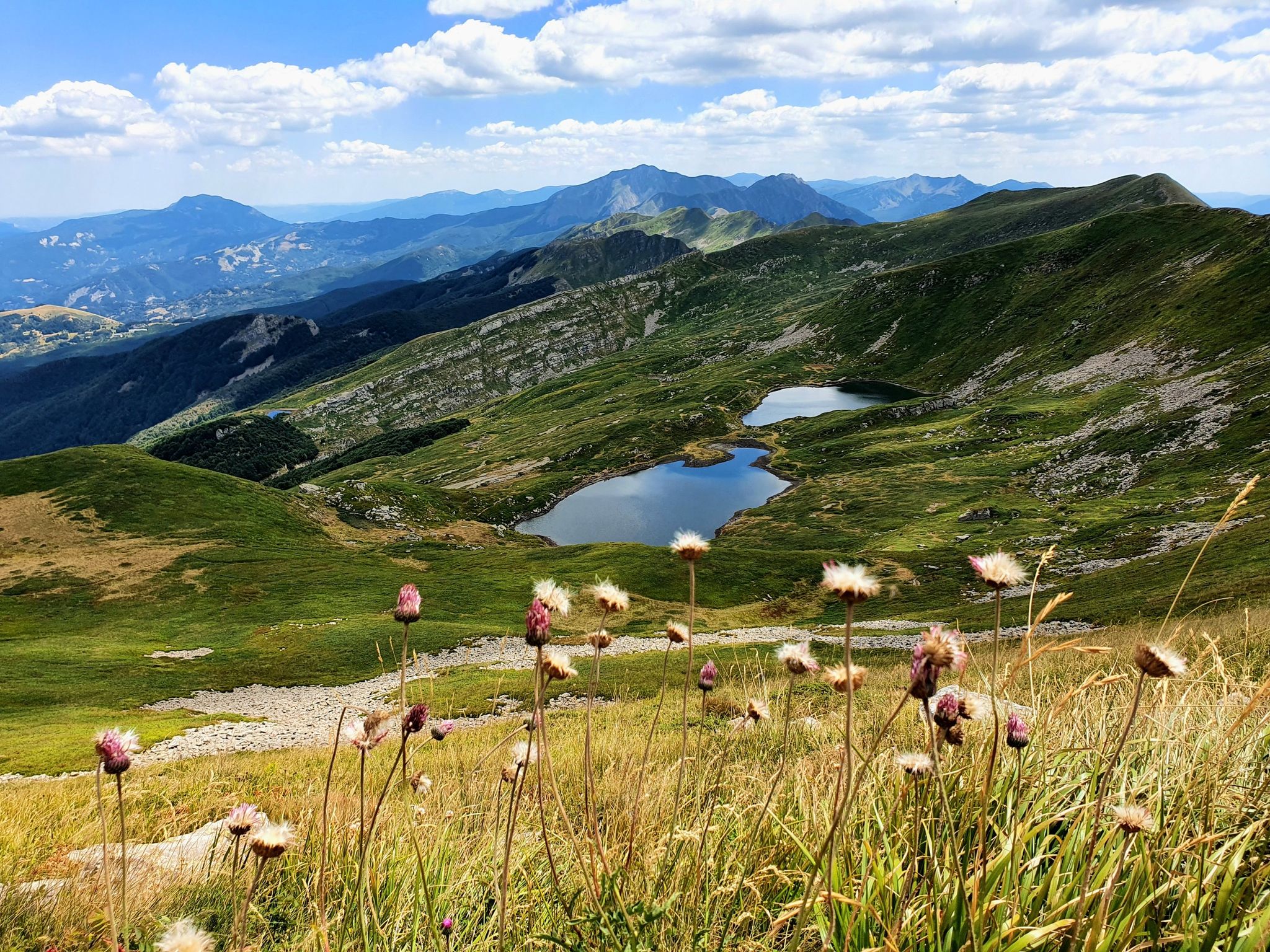
The Passo di Lama Lite is a very important hiking junction and mountain pass located at an altitude of 1,749 meters in the Alto Appennino Reggiano, right on the border with Tuscany. It is situated at the foot of Monte Prado and Monte Cusna, within the Tuscan-Emilian Apennine National Park.
0
0
The Rocca Ariostesca is a medieval fortified military structure located in Castelnuovo di Garfagnana. The rocca is the symbol of the city and overlooks the central Piazza Umberto I. It owes its name to having been the seat of the Este government and to having hosted, from 1522 to 1525, as governor of the Garfagnana of the Este, the poet Ludovico Ariosto, who was succeeded in the following century by Fulvio Testi. A small outpost already existed on the site in the 10th century, but it can be said that the original structure of the Rocca as we know it today dates back to the 12th century; modified throughout the 13th century, it was significantly enlarged in the early 14th century by Castruccio Castracani, who determined an enlargement of the entire village walls. It was then Paolo Guinigi who ordered the construction of the imposing tower located in the center of the Rocca, adorned with the civic clock, which over time was also used as a prison. The terrace overlooking the square was erected in 1675, coinciding with the opening of the monumental arch of access to the city center. The internal furnishings have been lost, among which the tapestries that adorned the "Sala dei Principi" (Hall of the Princes) are known. The Rocca was damaged during the Second World War and subsequently restored. As a venue for exhibitions and cultural events, it houses the Archaeological Museum in its halls, which preserves numerous artifacts and testimonies from the prehistoric, Ligurian-Apuan, and Etruscan periods in Garfagnana.
0
0

The Passo di Lama Lite is a very important mountain pass located at an altitude of 1,749 meters in the Alto Appennino Reggiano, on the border between Emilia-Romagna and Tuscany. It is located in the heart of the Tuscan-Emilian Apennine National Park. This pass serves as a fundamental watershed between the valley of the Dolo stream and the valley of the Ozola stream, positioned at the foot of the Monte Prado massif and offering a splendid view of Monte Cusna.
0
0

Just a few steps through the cobbled alleys and sandstone houses are enough to understand that San Romano has a story to tell. The Ligures Apuani lived here first, then the Romans; and when the ancient Gherardinghi and Conti di Bacciano families abandoned the village, the town had its moment of pride, giving itself its own statutes before passing under Lucca and the Este family. The heart of the settlement beats around the church of San Romano Martire, where the saint is carved in wood in Roman legionary attire, topped by an imposing 18th-century organ. A few meters away opens the elegant Palazzo Pelliccioni-Marazzini, with its scenic arched terraces: today it houses the Archaeological Museum of the territory, with artifacts ranging from the Neolithic period to findings from the Fortezza delle Verrucole.
0
0
The small hamlet of Orzaglia, nestled on a plateau just outside the classic routes of Garfagnana, is surrounded by ancient chestnut groves and fields of spelt. Walking through these woods, you will encounter gnarled and imposing tree trunks, plants that have watched over the valley for hundreds of years and tell the story of those who cared for them generation after generation. For Garfagnana, the chestnut was never just a tree. For centuries, it was "the bread tree": its chestnuts, dried in metati (drying rooms) and ground in water mills, yielded neccio flour — today a PDO (Protected Designation of Origin) — that fed entire mountain communities during the hardest times. Masters of grafting and pruning, the people of Garfagnana have preserved dozens of different varieties over time, transforming these slopes into a true living safe of biodiversity.
0
0


Lama Lite is a well-known mountain pass. Just looking at it on the map is enough to understand its importance. I have passed through it dozens of times but I can never avoid stopping to take a picture.
2
0

dirt mountain pass with memorial to the fallen
1
0
Frequently Asked Questions
How many no-traffic touring cycling routes are available around Castiglione di Garfagnana?
There are over 40 dedicated no-traffic touring cycling routes around Castiglione di Garfagnana listed on komoot. These routes primarily feature challenging terrain, with 37 classified as difficult and 4 as moderate, offering a rewarding experience for experienced touring cyclists.
What kind of terrain can I expect on these no-traffic touring routes?
The Garfagnana region, nestled between the Apuan Alps and the Tuscan-Emilian Apennines, offers a rugged and wild natural setting. Cyclists can expect significant elevation changes, with routes featuring challenging climbs and exhilarating descents through wooded slopes and deep valleys. Many routes incorporate both paved and unpaved surfaces, ideal for touring bikes.
Are there any circular no-traffic touring routes available?
Yes, many of the no-traffic touring routes around Castiglione di Garfagnana are circular. For example, you could try the challenging Corfino Village and Bell Tower loop from Castiglione di Garfagnana, which covers about 35 km with over 1000 meters of elevation gain. Another option is the All the slopes of Monte Cusna around Monte Prado gravel loop, starting from Casone di Profecchia, offering a substantial 54 km ride.
What are some notable natural features or viewpoints along these routes?
The region is rich in natural beauty. You can cycle towards high-altitude lakes like Lago Santo Modenese and Lake Bargetana, which provide serene destinations and stunning views. The Lama Lite Pass, accessible by bike, offers breathtaking vistas of Monte Cusna and is a gateway to the Abetina Reale forest.
Are there any historical landmarks or villages to explore on these routes?
Absolutely. Castiglione di Garfagnana itself is a medieval walled town with a well-preserved fortress and ancient churches. A challenging route like the Corfino Village and Bell Tower loop takes you through charming local villages. You can also visit San Pellegrino in Alpe, the highest village in Tuscany, known for its sanctuary and ancient history, often part of popular cycling loops from Pieve Fosciana.
What is the best time of year for no-traffic touring cycling in Castiglione di Garfagnana?
The best time for touring cycling in the Garfagnana region is typically from late spring to early autumn (May to October). During these months, the weather is generally mild and stable, making the significant elevation changes more enjoyable. The higher mountain passes and lakes are also more accessible as snow will have melted.
What do other touring cyclists say about the routes in Castiglione di Garfagnana?
The no-traffic touring cycling routes in Castiglione di Garfagnana are highly rated by the komoot community, with an average score of 4.7 out of 5 stars from over 580 ratings. Cyclists frequently praise the challenging yet rewarding climbs, the stunning panoramic views of the Apuan Alps and Apennines, and the peaceful, traffic-free nature of the routes.
Are there any routes that pass by mountain huts or refuges for refreshment?
Yes, some routes lead to or pass by mountain huts. For instance, the Cesare Battisti Hut – Lama Lite Pass loop from Civago includes the Cesare Battisti Hut, which can serve as a great spot for a break. The Lama Lite Pass area itself is also known for having several refuges.
Are there any long-distance touring opportunities near Castiglione di Garfagnana?
Castiglione di Garfagnana is situated near historical long-distance routes such as the Via Vandelli, an 18th-century ducal road, and the Via Matildica del Volto Santo. These routes offer extended touring opportunities for those looking to explore beyond the immediate vicinity.
Where can I find parking for my touring bike when accessing these routes?
While specific parking details vary by starting point, many routes originate from villages or towns like Castiglione di Garfagnana or Castelnuovo Garfagnana, where public parking is generally available. For routes starting in more remote areas, such as the Monte Cusna gravel loop from Casone di Profecchia, you can often find designated parking areas near trailheads or refuges.
Are there any easier no-traffic touring routes for beginners or families?
The majority of no-traffic touring routes around Castiglione di Garfagnana are classified as difficult due to significant elevation changes. There are 4 routes rated as moderate, but truly easy or beginner-friendly options are limited in this rugged mountain region. The area is best suited for cyclists comfortable with challenging climbs and descents.
Most popular routes around Castiglione Di Garfagnana
Most popular attractions around Castiglione Di Garfagnana

Get inspired with the komoot mobile app


Explore more
Browse the best Cycling routes in other regions.
