Attractions and Places To See around Nature Reserve Lake Cornino - Top 7
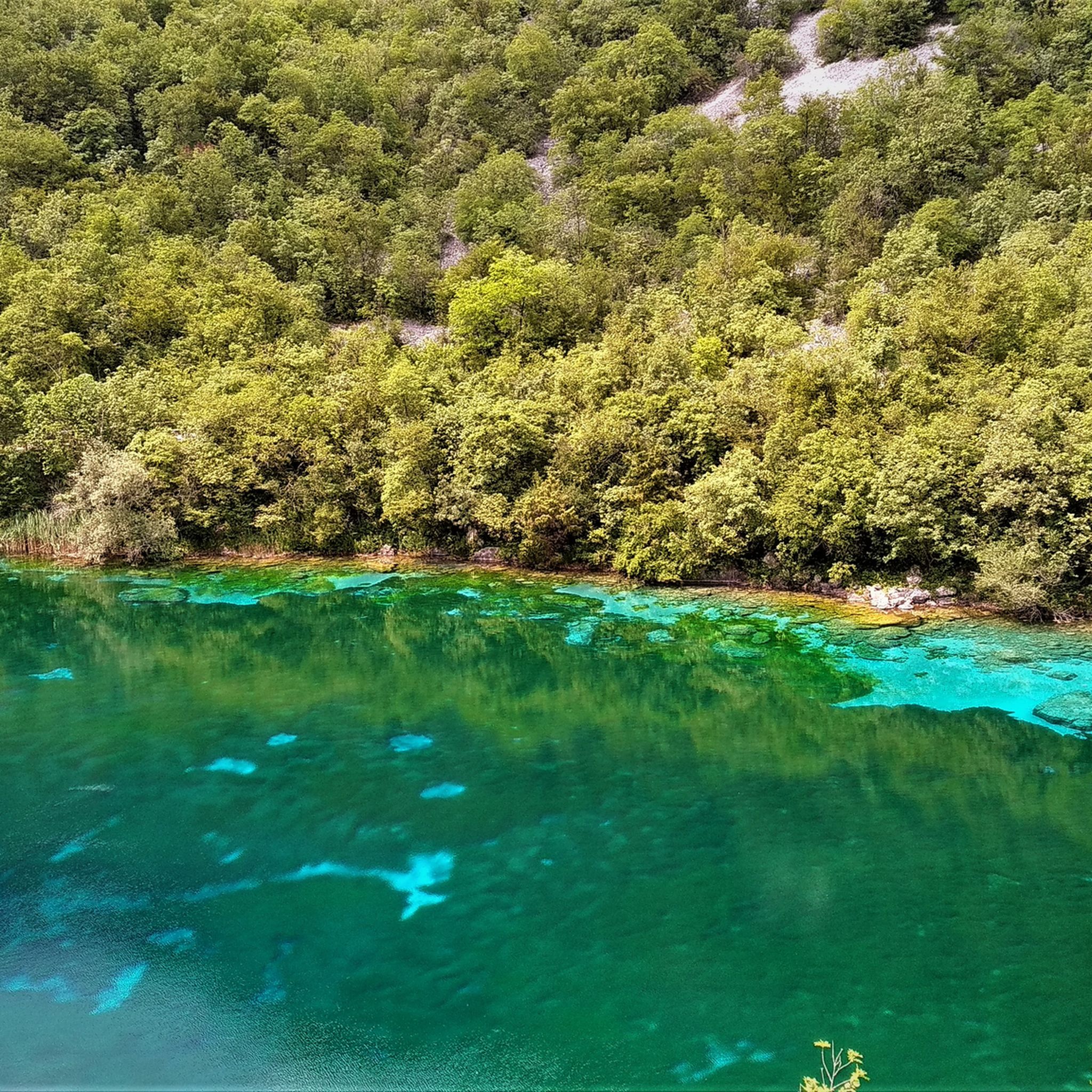
Best attractions and places to see around Nature Reserve Lake Cornino, nestled between the Tagliamento River and the Eastern Prealps in Italy, offer a unique natural experience. Established in 1996, this 487-hectare reserve is known for its distinctive ecosystem and conservation efforts, particularly the successful reintroduction of Griffon Vultures. The area features a rough karst landscape with limestone cliffs and the exceptionally transparent, blue-green waters of Lake Cornino. Diverse vegetation, including thermophilic and xerophilous species, thrives in its varied environments.
…Last updated: October 11, 2026
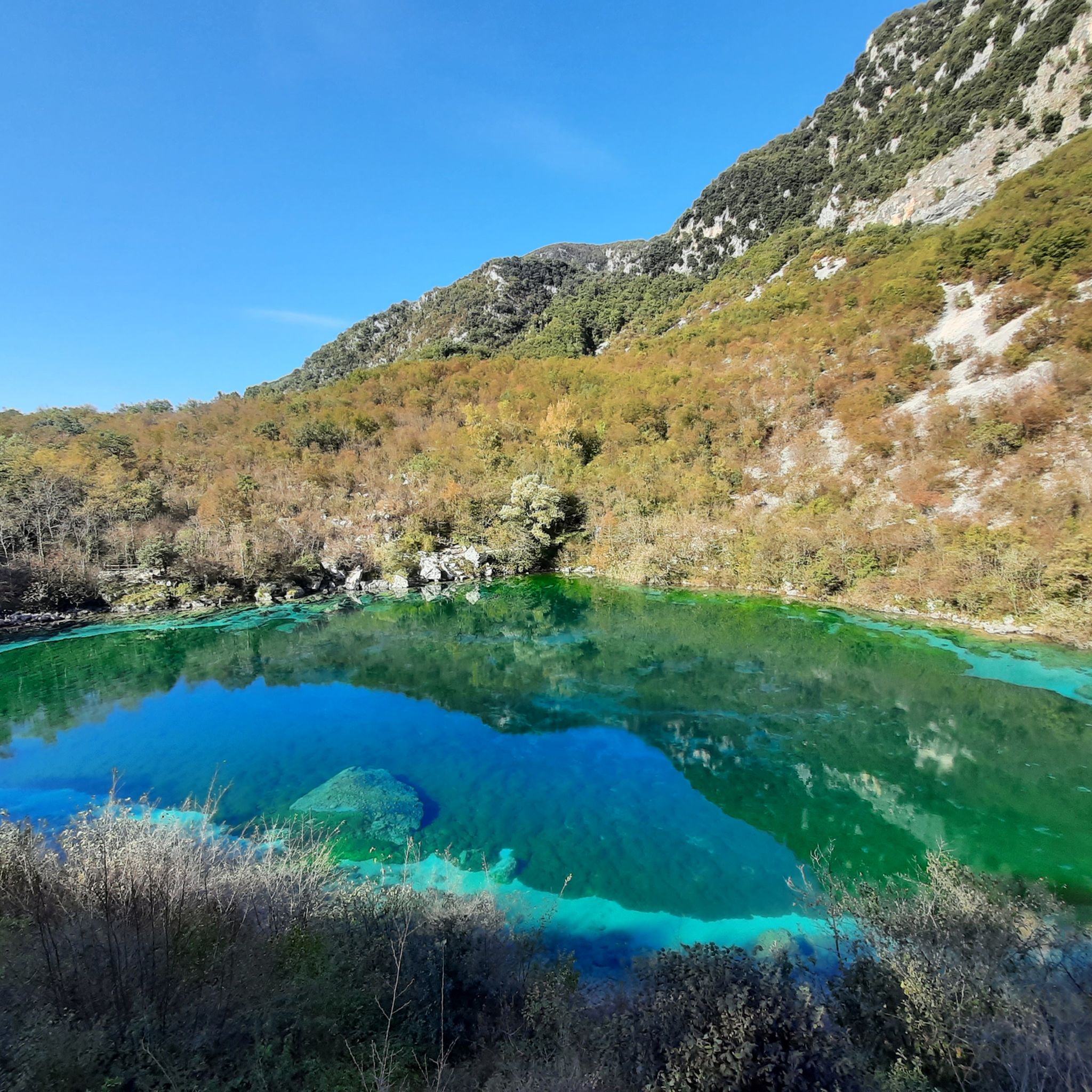
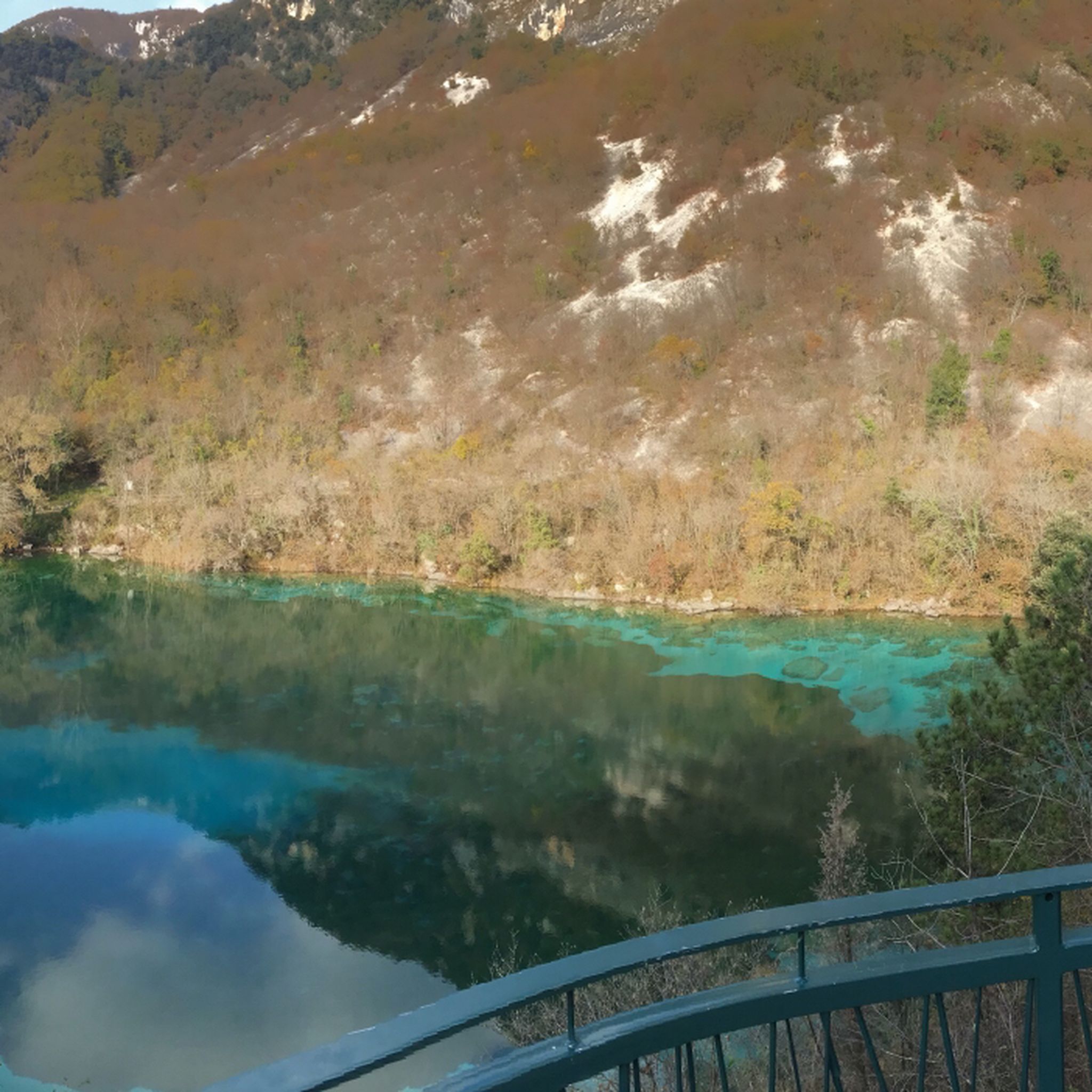
Lake Cornino
Highlight • Lake
Translated by Google •
Tip by

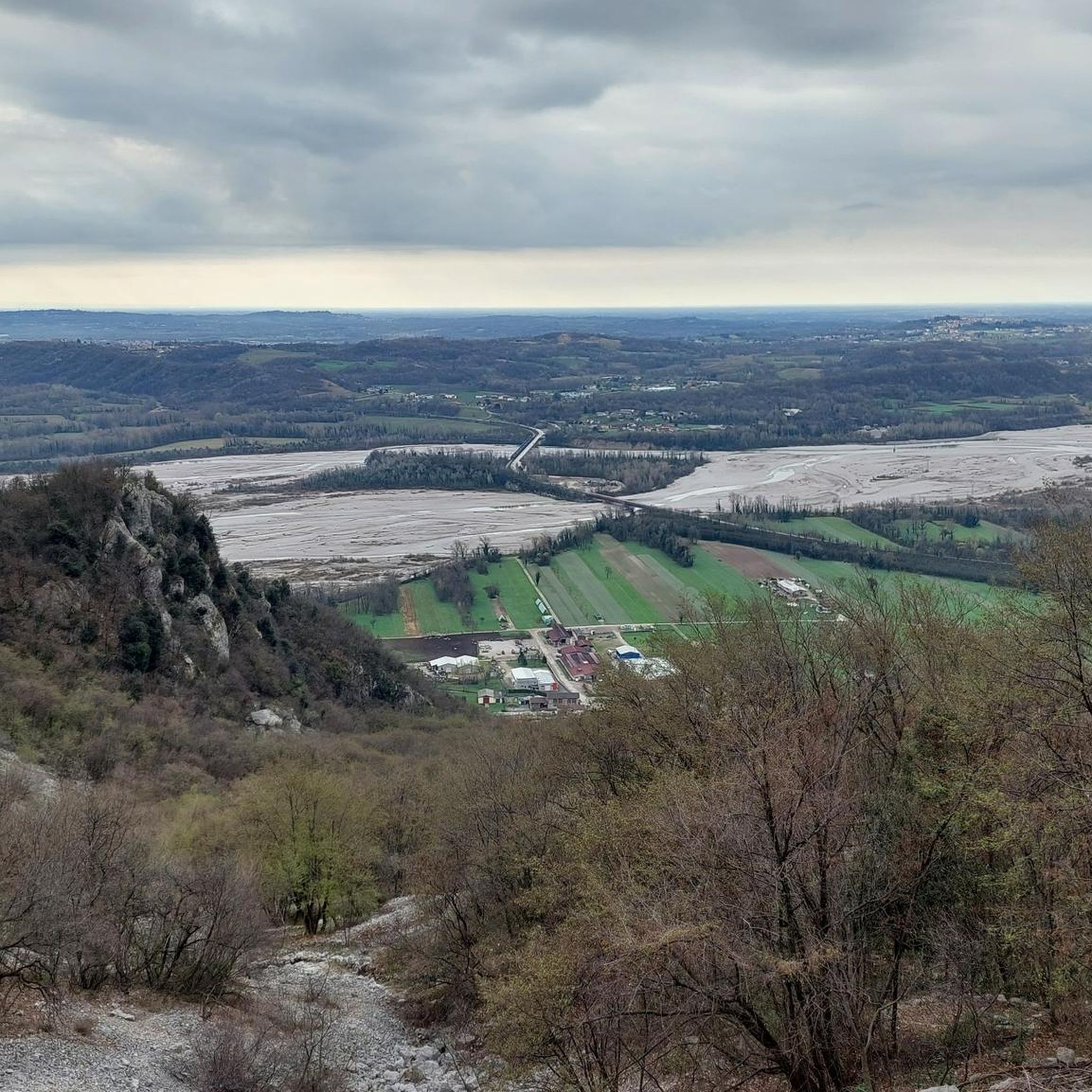
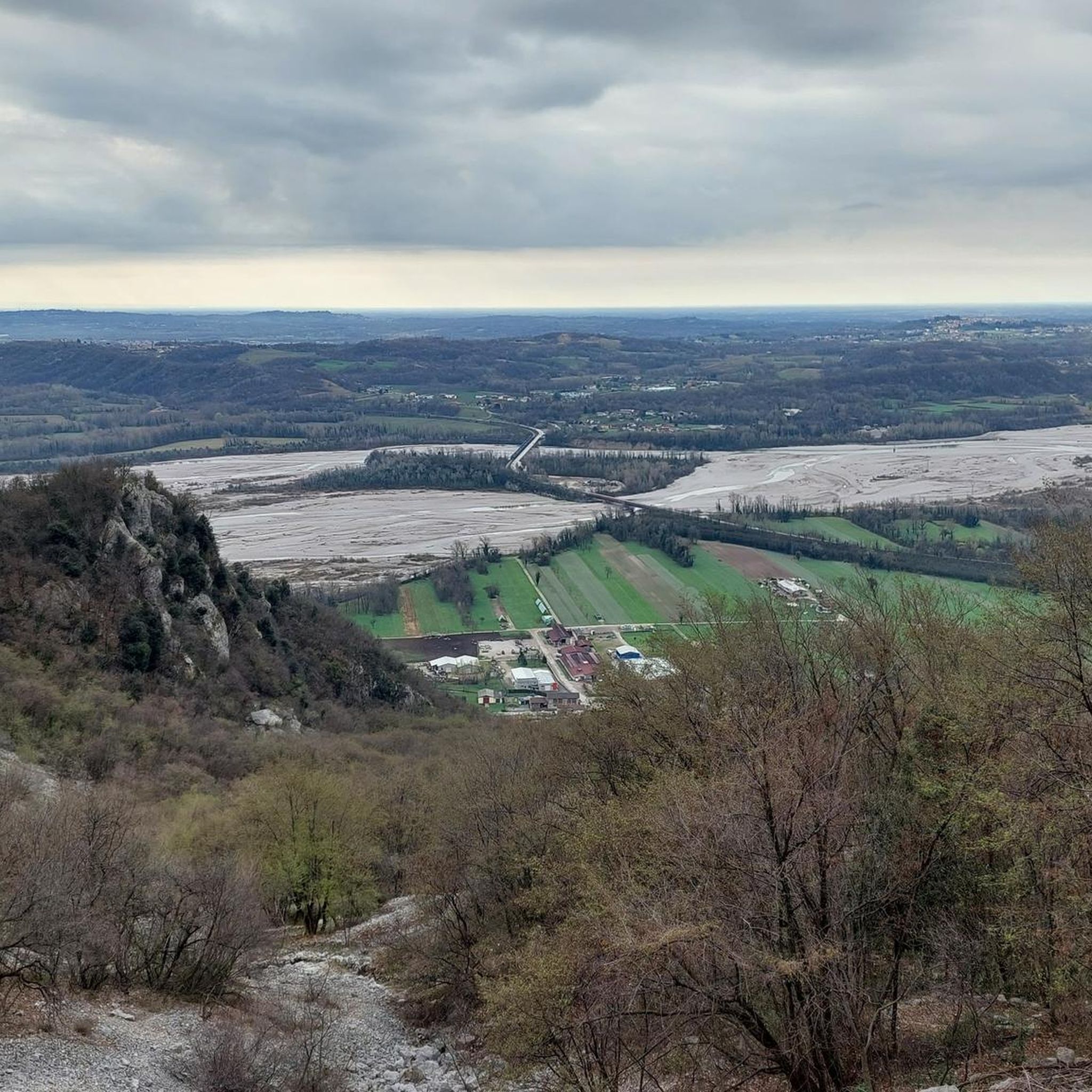
Tagliamento Bridge
Highlight (Segment) • Bridge
Translated by Google •
Tip by

Sign up now to discover places like this
Get recommendations on the best single tracks, peaks, & plenty of other exciting outdoor places.
Cornino Lake Regional Nature Reserve
Highlight • Natural Monument
Translated by Google •
Tip by

Strada del Bottecchia at Lake Cornino
Highlight • Cycleway
Translated by Google •
Tip by

The Breakthrough of Cornino
Highlight • Historical Site
It seems to want to celebrate the Austro-Hungarian deeds rather than tell all the facts:
- that the Italian guns, positioned too far away, failed to bomb the …
Translated by Google •
Tip by

Sign up for free to discover even more attractions around Nature Reserve Lake Cornino.
Already have an account?
Start today with a free account
Your next adventure awaits.
Popular around Nature Reserve Lake Cornino

Tips from the Community

It's always beautiful to see the Tagliamento and observe such a large riverbed to understand what it once was and to think about the state of nature today!
0
0

especially the passage on the islet is beautiful
0
0

Small lake with wonderful colours, at the foot of rocky cliffs which are home to colonies of griffon vultures which can easily be seen circling in the sky above us.
4
1

Street where the First World War was fought
2
1
Beautiful road surrounded by beautiful nature
2
1
Nice bridge immersed in the cutting
2
1

Lake Cornino is a small body of water that originated during the retreat of the ice, which occurred around 10,000 years ago. In this period numerous and impressive landslides occurred along the sides of the valleys, which were suddenly deprived of the support represented by the mass of ice itself. The current morphology is the result of one of these landslides. These waters are easily distinguishable from those coming from the Prealps by a chemical "trace" that distinguishes them: coming from the Tagliamento basin they are loaded with calcium sulphate obtained from the dissolution of the chalks that abound in its basin. Waters of different origins also reach the lake, coming from the Monte Prat plateau. The lake is just over 140 meters long and 8 m deep. It has neither tributaries nor emissaries, but the underground water circulation is such that it still allows rapid water exchange. Hence its particular transparency and the very low temperature variations (which generally fluctuate between 9-11 °C) over the course of the year. These characteristics allow it to be classified as an oligotrophic lake as it is poor in nutrients. The bottom is populated by green algae that form dense underwater meadows, while the rocks are colonized by blue algae. The scarcity of nutrients present and the low temperature of its waters significantly reduce the possibility of life within it. The fish fauna present is scarce and linked to the introduction of Cyprinids and Salmonids but the presence of the Crayfish is certainly interesting.
7
1

obligatory passage above the emerald green lake
2
1
Frequently Asked Questions
What unique natural features can I explore in the Nature Reserve Lake Cornino?
The reserve is home to several distinctive natural features. The centerpiece is Lake Cornino, known for its exceptionally transparent, blue-green waters that maintain a consistent temperature year-round. You can also experience the Tagliamento River, often called the "king of Alpine rivers," with its pristine natural floodplain. The surrounding area features a rough karst landscape with limestone cliffs and diverse vegetation, including thermophilic and xerophilous species.
Are there any easy walking trails suitable for families around Lake Cornino?
Yes, an easy and accessible circular trail encircles Lake Cornino itself, suitable for all hiking levels, including families. This path allows visitors to admire the lake's transparent waters and the surrounding Mediterranean vegetation. The reserve is generally considered family-friendly, with attractions like the Tagliamento Bridge also being popular with families.
What kind of wildlife can I expect to see in the Nature Reserve Lake Cornino?
The Nature Reserve Lake Cornino is internationally recognized for its successful Griffon Vulture reintroduction project. Visitors can often observe approximately 100 Griffon Vultures nesting in the reserve, with numbers increasing to over 200 in spring and summer. The Visitor Centre provides opportunities to safely observe these magnificent birds. The reserve also protects a characteristic flora and fauna, including rare species.
What are the best ways to experience the Tagliamento River near the reserve?
You can experience the Tagliamento River from the Tagliamento Bridge, which offers panoramic views of this unique braided river. There's also a dirt road shortly after the bridge (coming from Udine going north) where you can go down to the river for swimming or to freshen up. Additionally, the Tagliamento Path connects the lake area to the river, allowing for a more immersive experience of both environments.
Are there opportunities for cycling in the Nature Reserve Lake Cornino area?
Yes, the area offers excellent cycling opportunities. The Strada del Bottecchia at Lake Cornino is a popular cycle way known for its good asphalt and naturalistic views. This road passes through the natural reserve, offering beautiful scenery and picturesque villages. For more extensive gravel biking, you can explore routes like the Tagliamento Bridge – Tagliamento River loop or the Lake Cornino – Lake Cornino loop, which are part of the Gravel biking around Nature Reserve Lake Cornino guide.
Where can I find information and learn more about the reserve's conservation efforts?
The Visitor Centre serves as the main reference point for the reserve. It offers information about the area's characteristics, events, and various itineraries. It also houses exhibits of local animals and provides details on the Griffon Vulture conservation project, which is a significant part of the reserve's mission.
What are some more challenging hiking options near Nature Reserve Lake Cornino?
For those seeking a more challenging hike, the Somp Cornino - Ledrania - Peonis Path (CAI no. 817) starts in the village of Cornino Somp and offers a route through a wild environment with rock faces and traditional agricultural landscapes. You can also find difficult mountain hikes like the Chain-Assisted Passage loop or the Monte Taiet – Monte Rossa loop in the Mountain Hikes around Nature Reserve Lake Cornino guide.
What is the best time of year to visit Nature Reserve Lake Cornino?
The reserve offers attractions year-round. Spring and summer are particularly good for observing the Griffon Vultures, as their numbers increase to over 200. The consistent water temperature of Lake Cornino makes it a pleasant sight in any season, and the diverse vegetation provides changing scenery throughout the year.
Are there any specific viewpoints within the reserve for scenic photography?
Yes, the Lake Cornino itself offers stunning photographic opportunities with its magical colors and reflections. The Tagliamento Bridge provides panoramic views of the Tagliamento River. Many trails, including the circular path around the lake and the Strada del Bottecchia, offer naturalistic glimpses and scenic vistas of the surrounding karst landscape and diverse flora.
Can I combine a visit to Lake Cornino with other outdoor activities like running?
Absolutely! The area around Nature Reserve Lake Cornino is popular for various outdoor sports. You can find several running trails, including the Lago di Cornino loop or the Castello di Flagogna loop, which are detailed in the Running Trails around Nature Reserve Lake Cornino guide. These routes allow you to enjoy the natural beauty while staying active.
What makes the water of Lake Cornino so unique?
The water of Lake Cornino is exceptionally transparent and has a striking blue-green color. This is due to its formation during the retreat of ice approximately 10,000 years ago and its unique hydrology; it's fed by subsurface flows, maintaining a consistent temperature between 9-11°C year-round. The lakebed features green algae forming underwater meadows and rocks colonized by blue-green algae, contributing to its distinctive appearance.
Most popular routes around Nature Reserve Lake Cornino
Most popular attractions around Nature Reserve Lake Cornino

Get inspired with the komoot mobile app


Explore more
Still not found the Highlight you’re looking for? See guides of the top attractions in other regions:
