Top 15 Mountain Passes around Parco Naturale delle Alpi Marittime
Best mountain passes around Parco Naturale delle Alpi Marittime are found in a protected area at the southwestern edge of the Alpine chain. This region features wild mountains with 24 peaks exceeding 3,000 meters and over 80 lakes. The park is known for its diverse wildlife, including chamois, ibex, and marmots. It offers a network of paths and mule tracks, connecting alpine refuges and historical sites.
Best mountain passes around Parco Naturale delle Alpi Marittime
- The most popular mountain passes…
Last updated: August 6, 2026
Colle delle Fenestrelle
Highlight • Mountain Pass
Showing Translation
Tip by

Baisse de Druos
Highlight • Mountain Pass
Translated by Google •
Tip by

Sign up now to discover places like this
Get recommendations on the best single tracks, peaks, & plenty of other exciting outdoor places.
Sign up for free
Colle del Chiapous
Highlight • Mountain Pass
Showing Translation
Tip by
The Fenestre Casemate
Highlight • Trail
Translated by Google •
Tip by

Col du Sabion
Highlight • Mountain Pass
Showing Translation
Tip by

Sign up for free to discover even more mountain passes around Parco Naturale delle Alpi Marittime.
Sign up for free
Already have an account?
Start today with a free account
Your next adventure awaits.
Login or Signup
Popular around Parco Naturale delle Alpi Marittime
GTA South Piedmont — Hiking in Italy's Occitan valleys
Alta Via dei Re – a fairytale crossing in Italy's Maritime Alps
RivierALP – great hikes between the Alps and the Mediterranean
Through the crystalline Argentera massif – Italy’s Alta Via dei Re
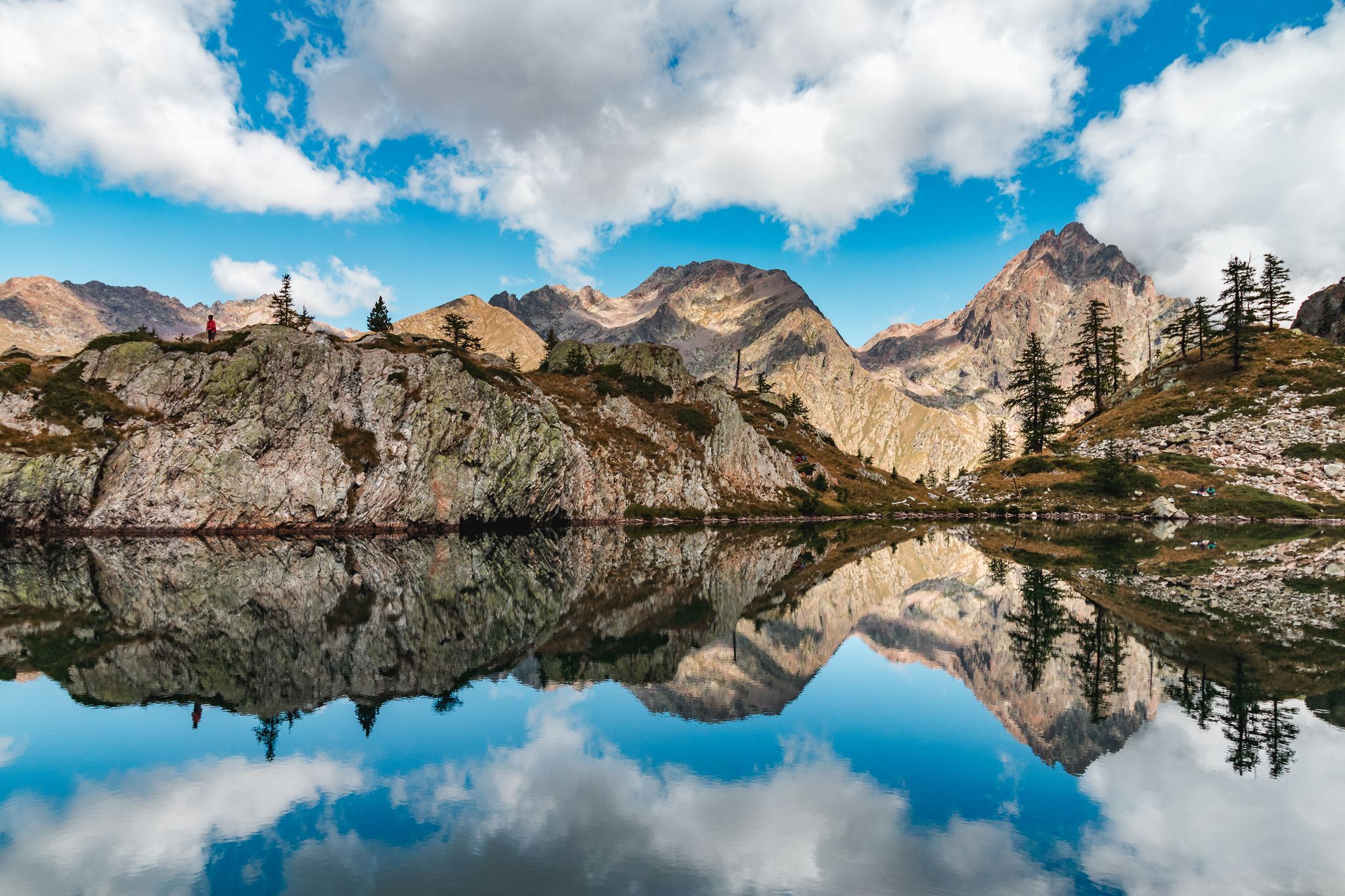
Exploring 11 lakes — 5 hikes in Italy’s Alpi Marittime Nature Park
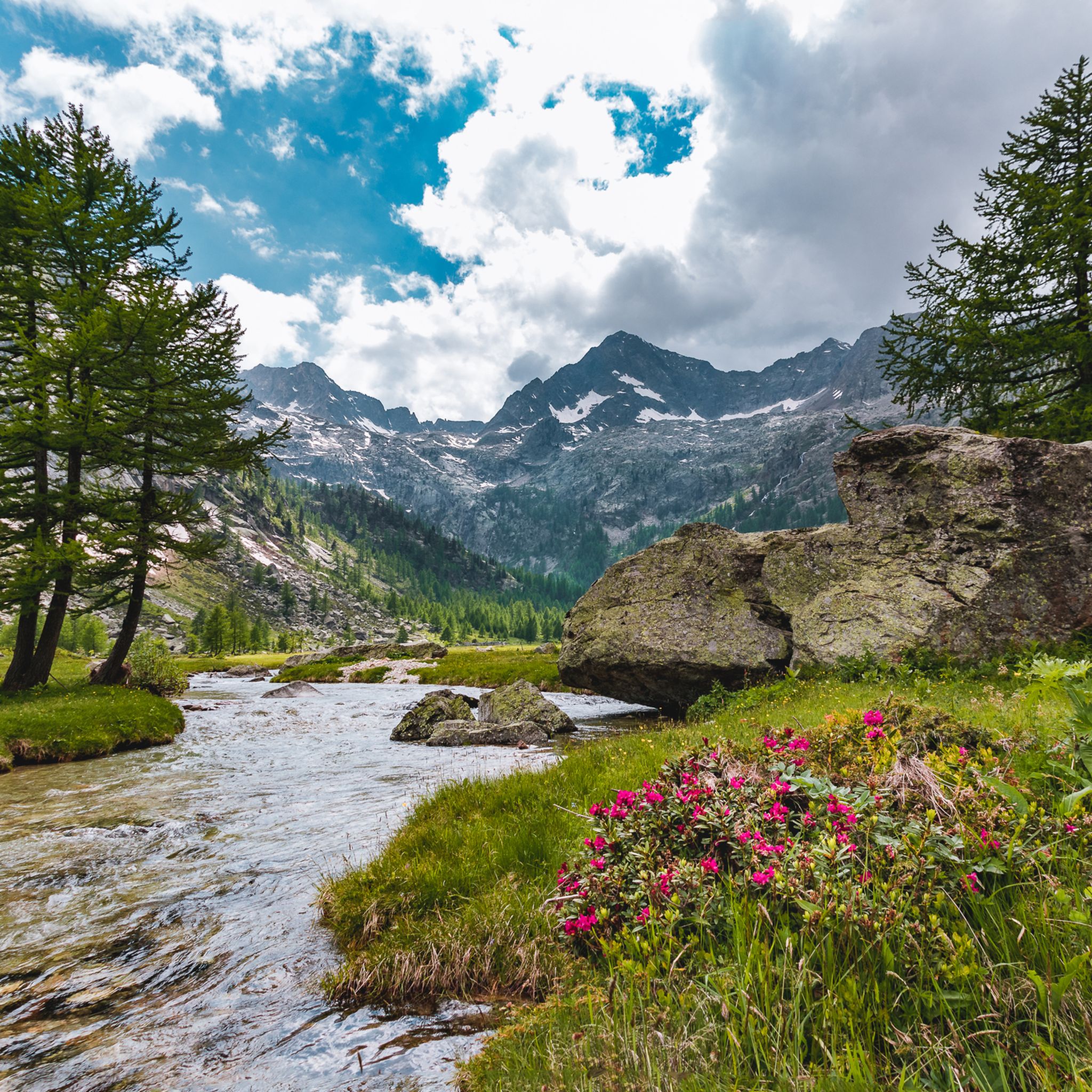
Hiking around Parco Naturale delle Alpi Marittime
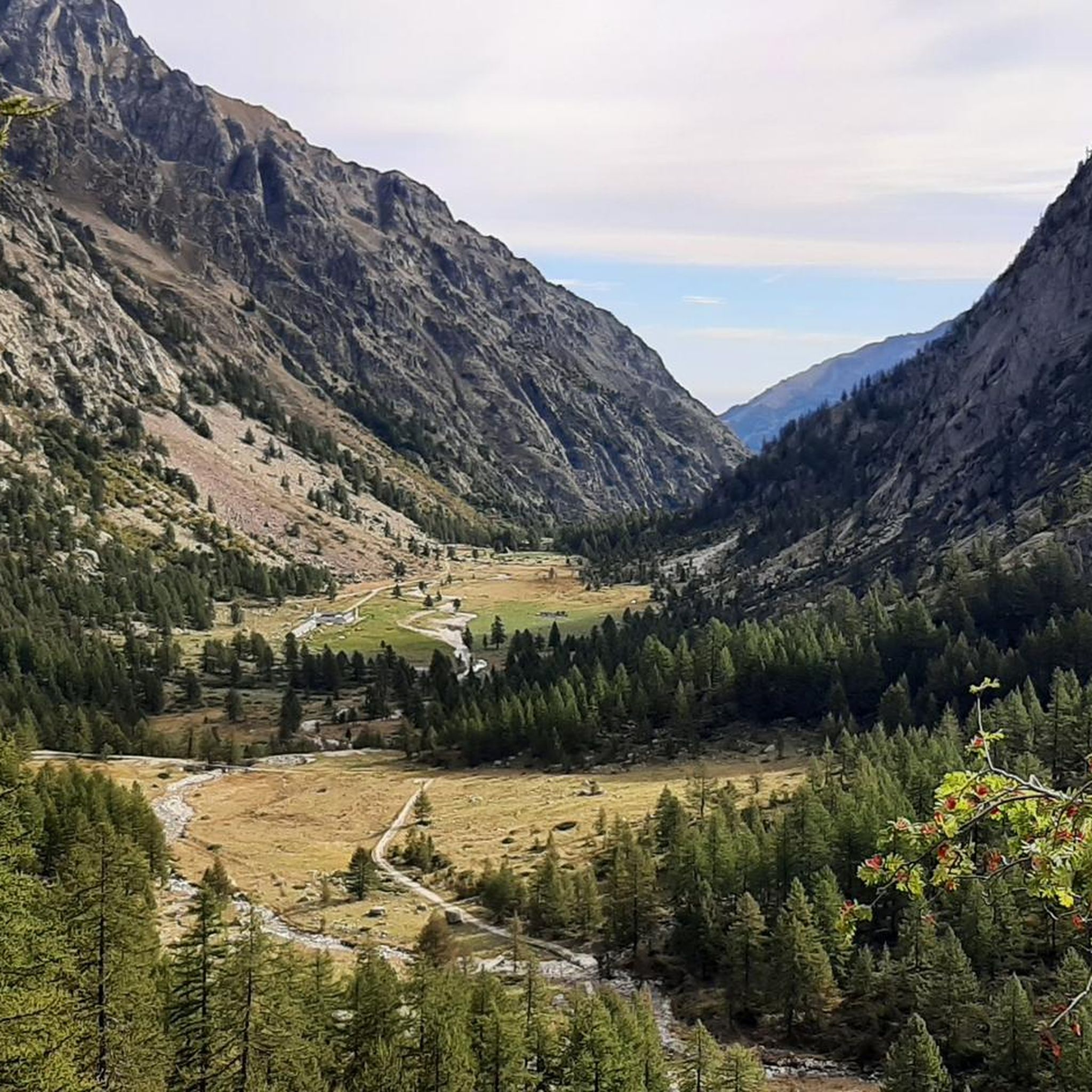
Road Cycling Routes around Parco Naturale delle Alpi Marittime
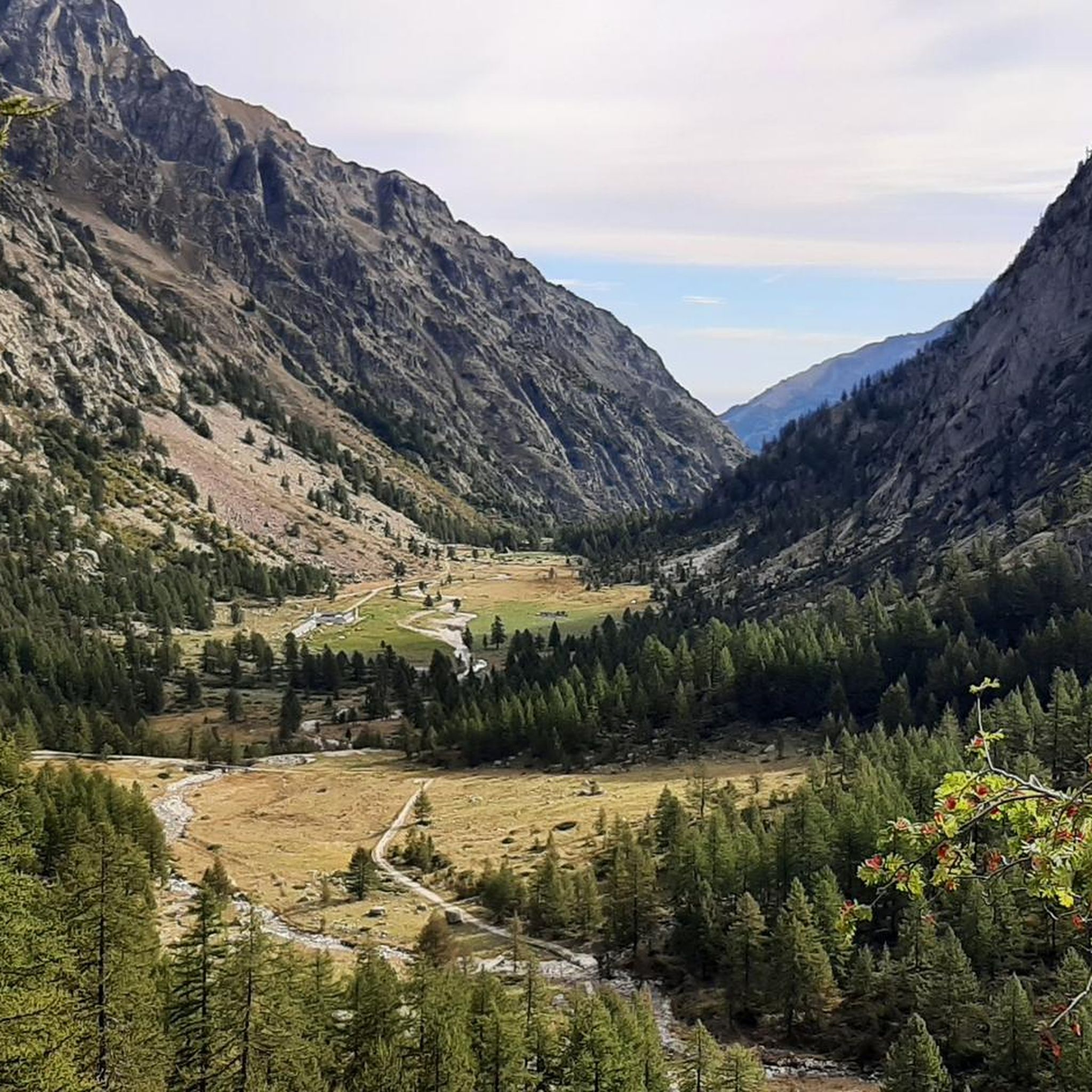
Cycling around Parco Naturale delle Alpi Marittime
MTB Trails around Parco Naturale delle Alpi Marittime
Running Trails around Parco Naturale delle Alpi Marittime
Other adventures around Parco Naturale delle Alpi Marittime


Tips from the Community

Nestled in the heart of a preserved alpine environment, this pass lies on the border between France and Italy. It offers remarkable panoramas of the surrounding peaks, between valleys, alpine pastures and ridges.
1
0

When you want to go down from the top over the Sabion to the lake, there is a prohibition sign. From the other side I had studied the signs, there was nothing of that.
1
0

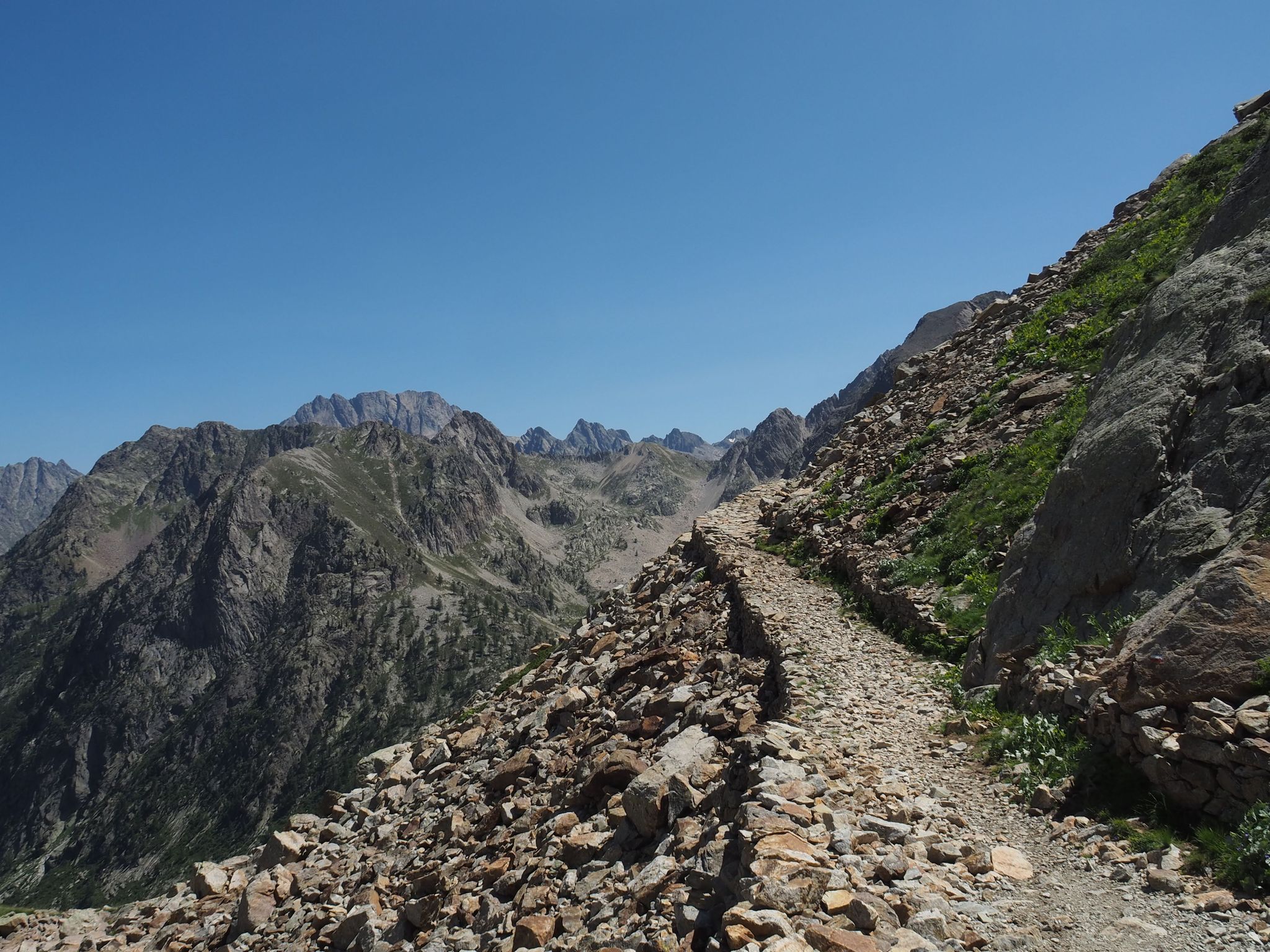
It divides Italy from France, and the Maritime Alps National Park from the Mercantour National Park. It can be reached from the Italian side, via an easy mule track in two hours from the Piano del Praiet.
1
0
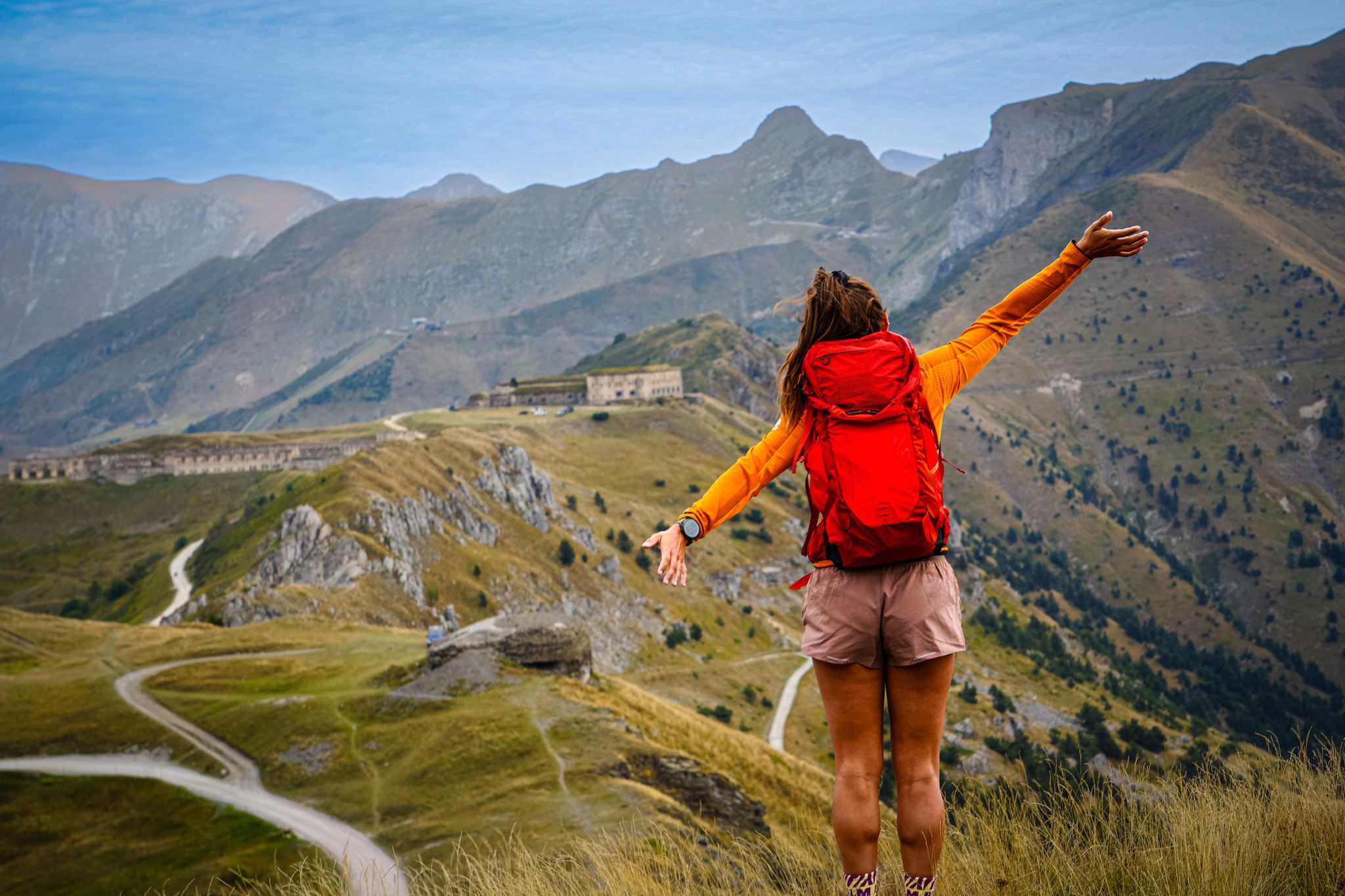
Abandoned barracks near the Finestra hill, on the Italian-French border. Today, it is inhabited by a herd of chamois that gather inside.
0
0

Nothing to say, panoramic view, spectacular. If you get the chance, I highly recommend it as a tour. The only thing is the elevation gain on the descent, so if you have knee problems, take it into account.
1
0

Spectacular views of Gelas on one side and Argentera on the other
1
0

Abri de Fenestre, former Italian army casemate, a little below a blockhouse. It is common to come across numerous chamois and ibexes, as well as marmots on this climb, and even sometimes ibexes in the blockhouses.
0
0

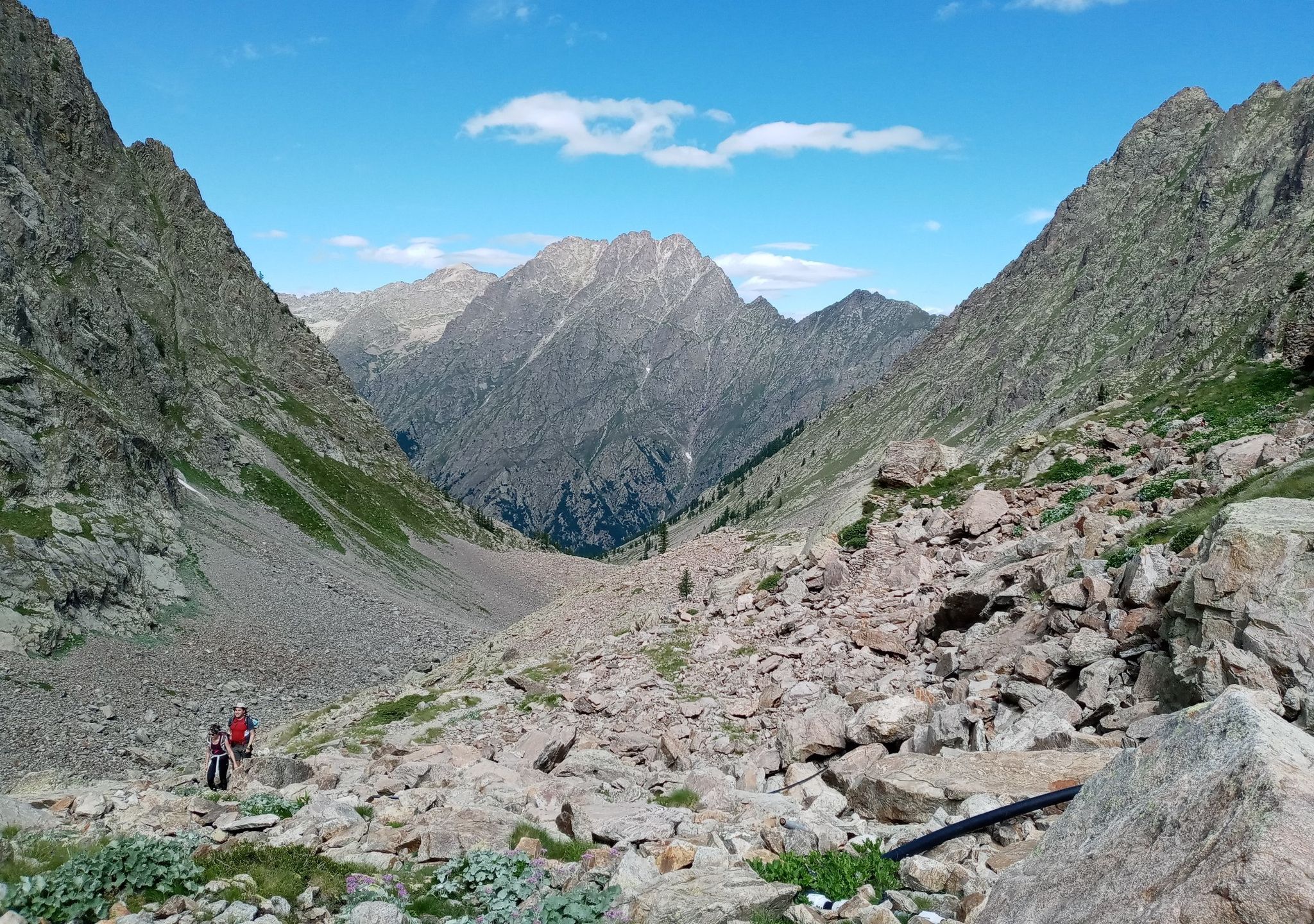
The Fenestrelle hill is located at 2,463 meters above sea level, below Punta Fenestrelle, and connects the Soria-Ellena refuge to the Genova refuge. From this point, you can enjoy excellent views of the surrounding mountains. The terrain to get up here is a little steep but not very technical.
1
0
Frequently Asked Questions
What are some notable mountain passes to explore in Parco Naturale delle Alpi Marittime?
Beyond the most popular, you can explore Colle delle Fenestrelle, which offers excellent views of the surrounding mountains and connects the Soria-Ellena refuge to the Genova refuge. Another significant pass is Colle della Maddalena (Col de Larche), an international pass at 1,996 meters, important for its historical role as a trans-alpine route.
What kind of natural features can I expect to see at the mountain passes in this region?
The mountain passes in Parco Naturale delle Alpi Marittime offer a wild and extraordinary environment. You'll find stunning views of surrounding peaks, including 24 peaks exceeding 3,000 meters. Passes like Valscura Pass provide access to pristine alpine lakes, while others are known for diverse wildlife such as chamois, ibex, and marmots, especially around Colle delle Fenestrelle.
Are there historical sites or military fortifications near the mountain passes?
Yes, the region has a rich military history. Valscura Pass offers views of surrounding historic military installations. The Fenestrelle Hill area features the Abri de Fenestre, a former Italian army casemate. Additionally, Colle di Tenda is known for its well-preserved 19th-century forts, such as the Forti di Nava, built to protect against invasions.
What are the typical difficulty levels for traversing these mountain passes?
The mountain passes in Parco Naturale delle Alpi Marittime range in difficulty. Some, like Colle delle Fenestrelle, are described as having steep but generally not highly technical terrain, making them intermediate. Others, such as Valscura Pass, are categorized as challenging, offering a rugged alpine experience.
What outdoor activities can I do near these mountain passes?
The region around Parco Naturale delle Alpi Marittime is excellent for various outdoor activities. You can find numerous cycling routes, including challenging road cycling tours like the 'Campomolino – Sanctuary of Castelmagno loop' or 'Stura Valley – Monte Gelas loop'. There are also running trails, such as the 'Rifugio Franco Remondino loop' or the 'Valasco Plateau – Valasco Hut loop'. For more details on routes, you can explore the cycling guide, running trails guide, and road cycling routes guide for the area.
Are there any long-distance trekking routes that pass through this region?
Yes, the Parco Naturale delle Alpi Marittime is traversed by significant long-distance routes. The Great Crossing of the Alps (Grande Traversata delle Alpi) passes through the region, including Colle del Chiapous. The "Alta Via dei Re" is another notable route showcasing the stunning landscapes and rich biodiversity of the area.
What is the best time of year to visit the mountain passes in Parco Naturale delle Alpi Marittime?
The best time to visit largely depends on your desired activity. For hiking and trekking, late spring to early autumn (June to September) generally offers the most favorable weather conditions, with less snow and accessible trails. However, the region's high altitude means conditions can change rapidly, even in summer. Winter offers opportunities for snowshoeing or ski touring, but many passes may be inaccessible due to heavy snow.
Can I expect to see wildlife when visiting the mountain passes?
Absolutely. The Parco Naturale delle Alpi Marittime is known for its diverse wildlife. Encounters with chamois, ibexes, and marmots are common, especially in areas like Colle delle Fenestrelle. The park is home to hundreds of animal species, making it an exceptional destination for nature enthusiasts.
Are there any international mountain passes in the Parco Naturale delle Alpi Marittime region?
Yes, the region is home to several important international passes. Baisse de Druos connects France and Italy, offering a cross-country experience. Colle di Tenda and Colle della Maddalena (Col de Larche) are also significant international passes that define the limits of the Maritime Alps and have historically served as crucial routes between Italy and France.
What do visitors enjoy most about the mountain passes in Parco Naturale delle Alpi Marittime?
Visitors highly appreciate the breathtaking panoramic views, the pristine natural beauty, and the sense of wildness the passes offer. Many enjoy the challenging yet rewarding climbs, the opportunity to observe diverse alpine wildlife, and the historical context provided by old military structures. The connection to extensive trekking routes like the Great Crossing of the Alps is also a major draw.
Are there any mountain passes that are particularly good for views of alpine lakes?
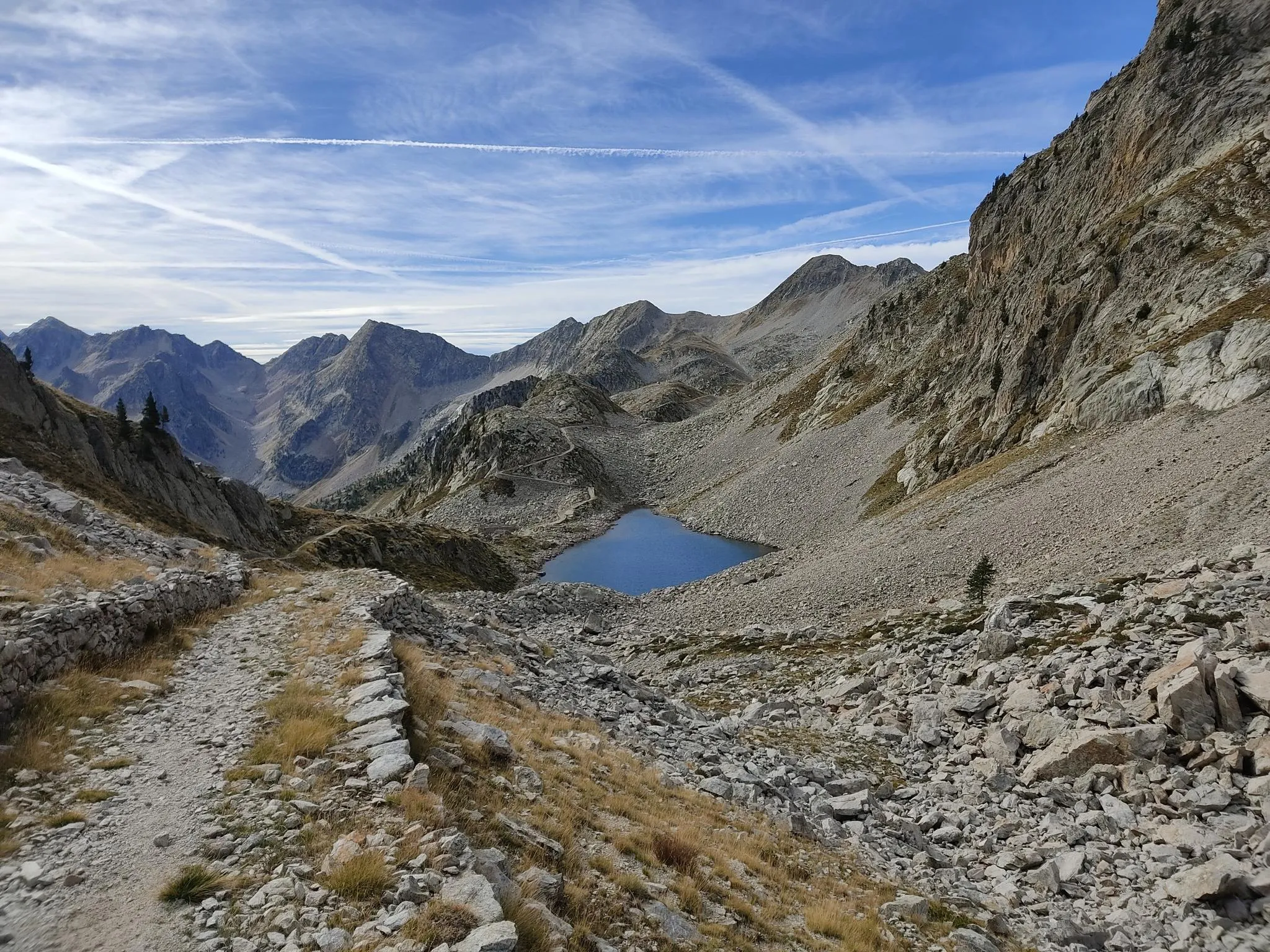
Yes, Valscura Pass (Colletto di Valscura) is particularly renowned for its connection to the basin where the Valscura lakes are situated. From here, you can enjoy stunning views of the lake and the surrounding rugged alpine landscape.
What is the highest mountain pass mentioned in the region?
Colle del Chiapous is one of the highest, located at an elevation of 2,553 meters above sea level. Its high altitude offers expansive and phenomenal views, and it's just a short walk from the Morelli Buzzi Refuge.
Most popular routes around Parco Naturale delle Alpi Marittime
Most popular attractions around Parco Naturale delle Alpi Marittime

Get inspired with the komoot mobile app


Explore more
See even more epic mountain passes by checking out these guides around Parco Naturale delle Alpi Marittime:
