Réserve naturelle de Ristolas - Mont-Viso
Réserve naturelle de Ristolas - Mont-Viso
Attractions and Places To See around Réserve naturelle de Ristolas - Mont-Viso - Top 14
Best attractions and places to see around Réserve naturelle de Ristolas - Mont-Viso include high-altitude landscapes and diverse ecosystems within the Queyras Regional Natural Park. The area is characterized by the prominent Mont Viso massif, alpine lakes, and the upper reaches of the Guil valley. It is home to unique flora and fauna, including species endemic to the south-western Alps. The reserve offers a variety of natural landmarks, historical sites, and scenic viewpoints for exploration.
Best attractions and places to…
Last updated: October 10, 2026
Tunnel de la Traversette (Buco di Viso)
Highlight (Segment) • Monument
Translated by Google •
Tip by

Vallanta Pass
Highlight • Mountain Pass
Translated by Google •
Tip by
Sign up now to discover places like this
Get recommendations on the best single tracks, peaks, & plenty of other exciting outdoor places.
Viso Refuge
Highlight • Restaurant
Translated by Google •
Tip by

Mont Viso Grand Viewpoint
Highlight • Viewpoint
Translated by Google •
Tip by
The Guil
Highlight • River
Translated by Google •
Tip by

Sign up for free to discover even more attractions around Réserve naturelle de Ristolas - Mont-Viso.
Already have an account?
Start today with a free account
Your next adventure awaits.
Popular around Réserve naturelle de Ristolas - Mont-Viso
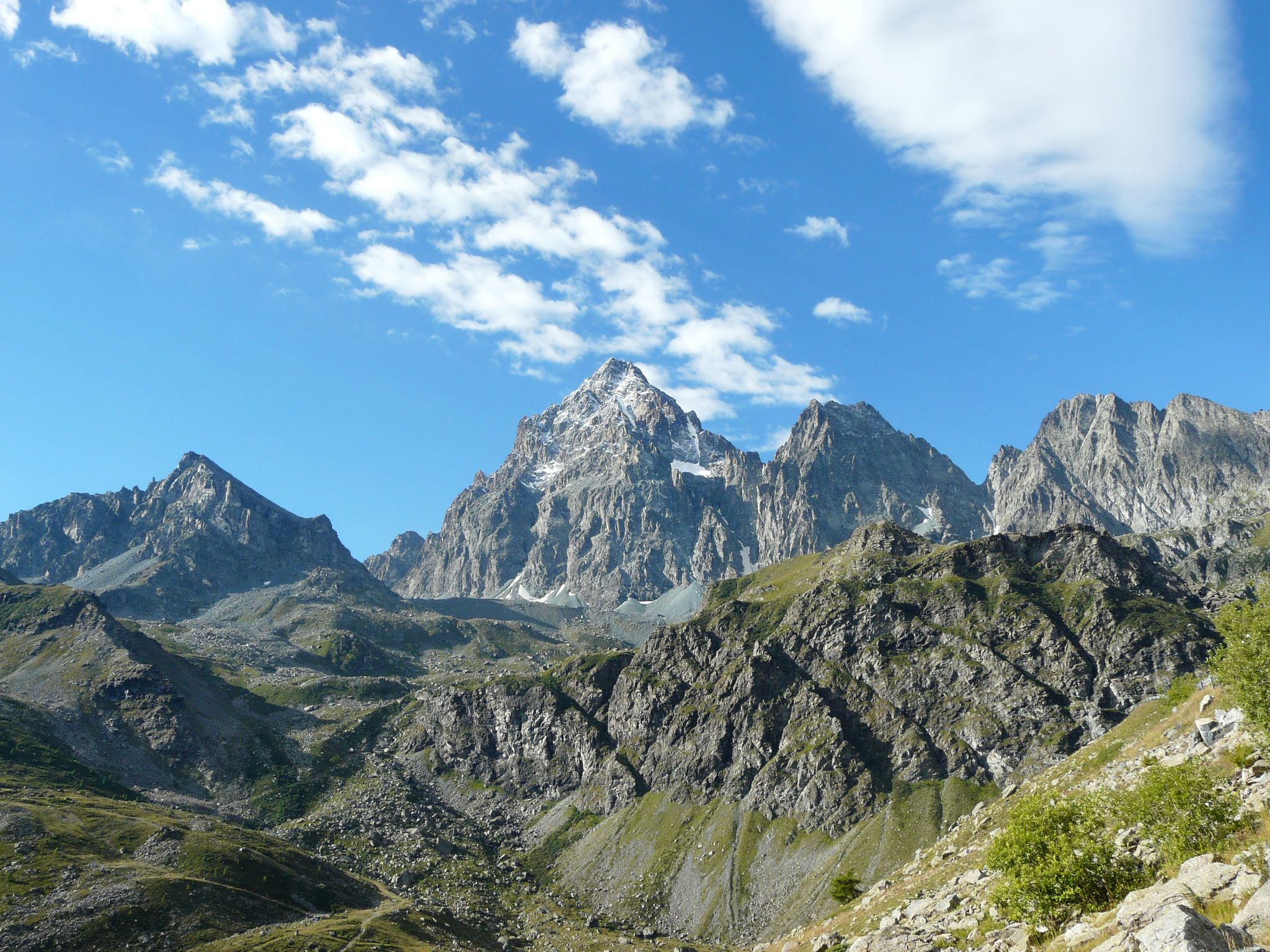
Tour di Viso – Four days around the Stone King from Castello
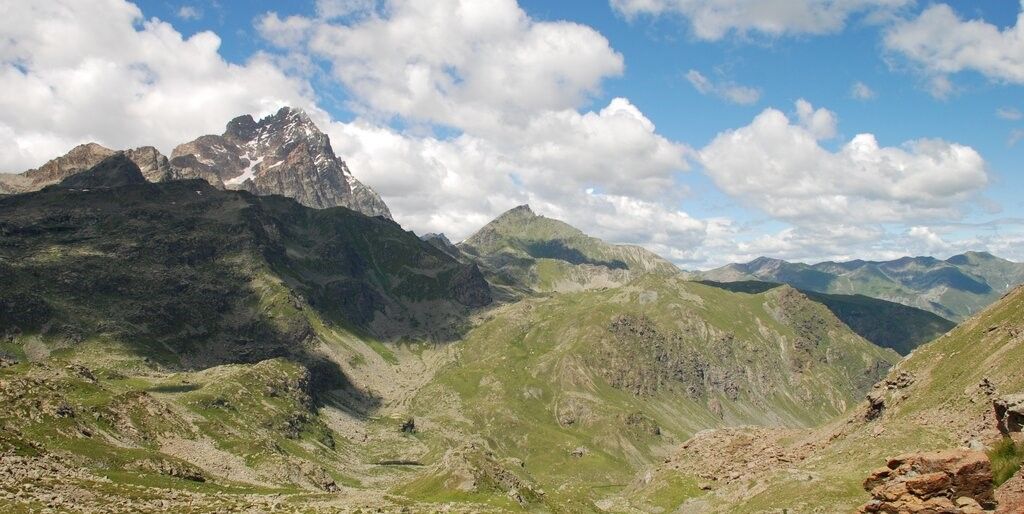
Tour di Viso – Four days around the Stone King from Meire Dacant
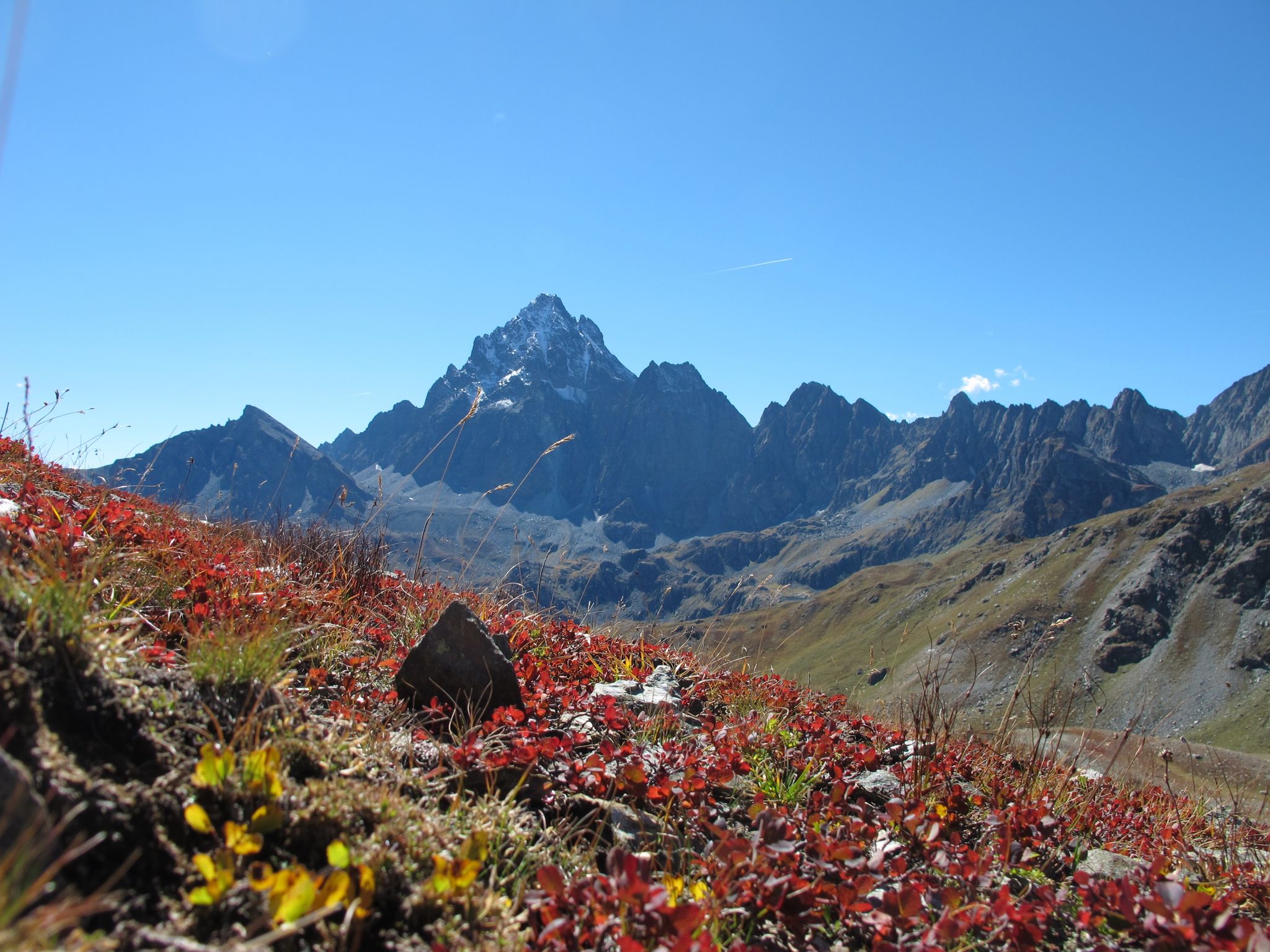
Three days around il Re di Pietra ─ Giro di Viso from Castello
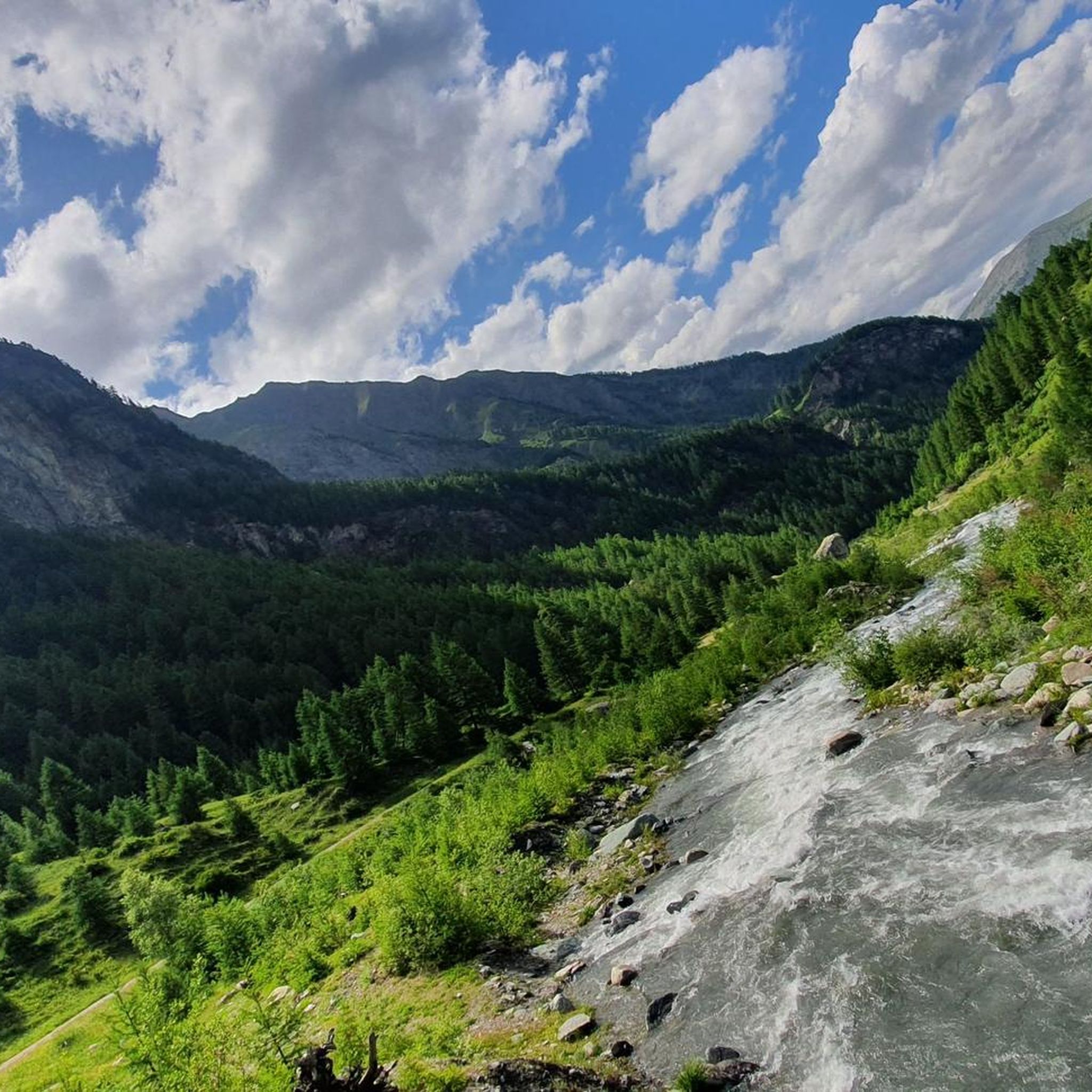
Cycling around Réserve naturelle de Ristolas - Mont-Viso
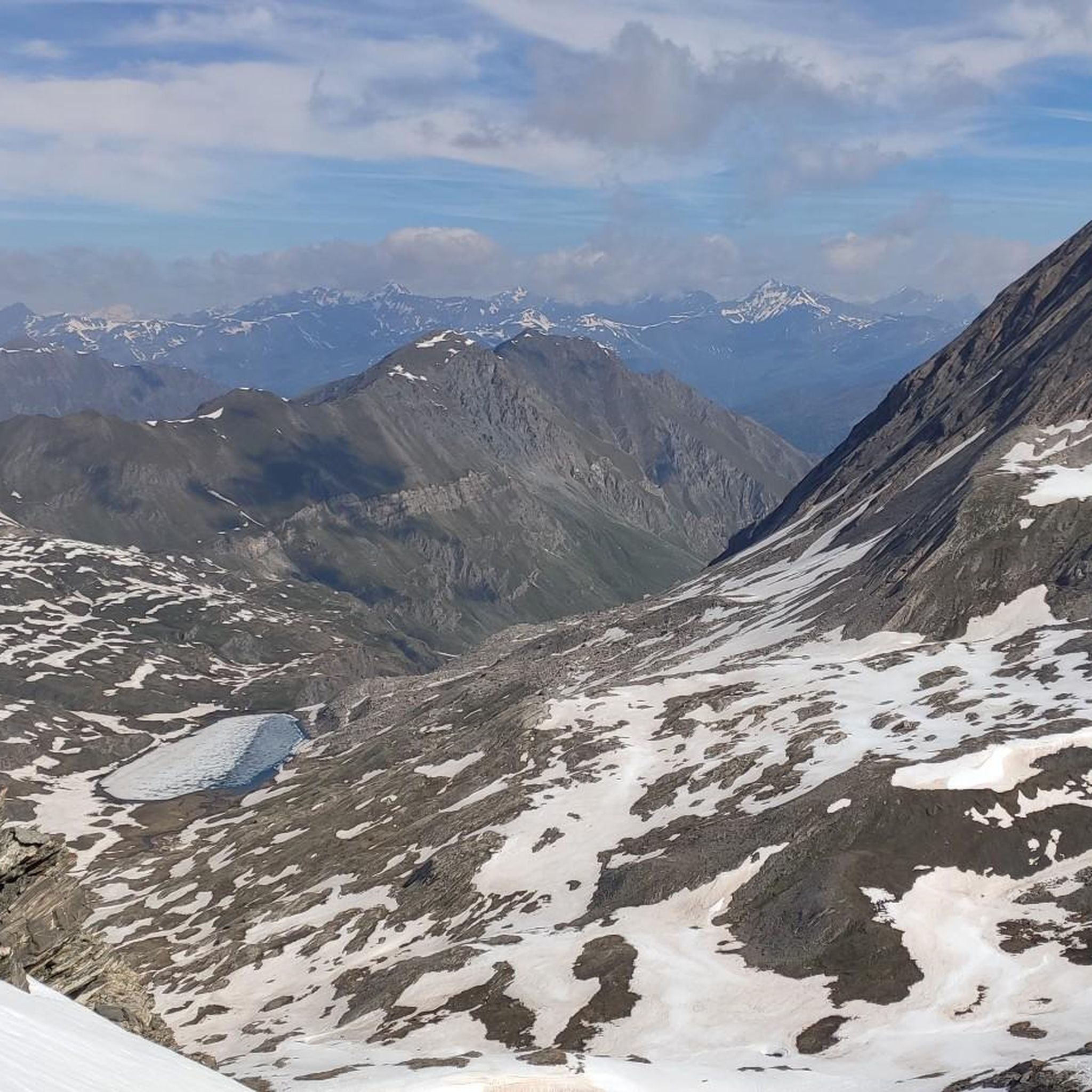
Hiking around Réserve naturelle de Ristolas - Mont-Viso
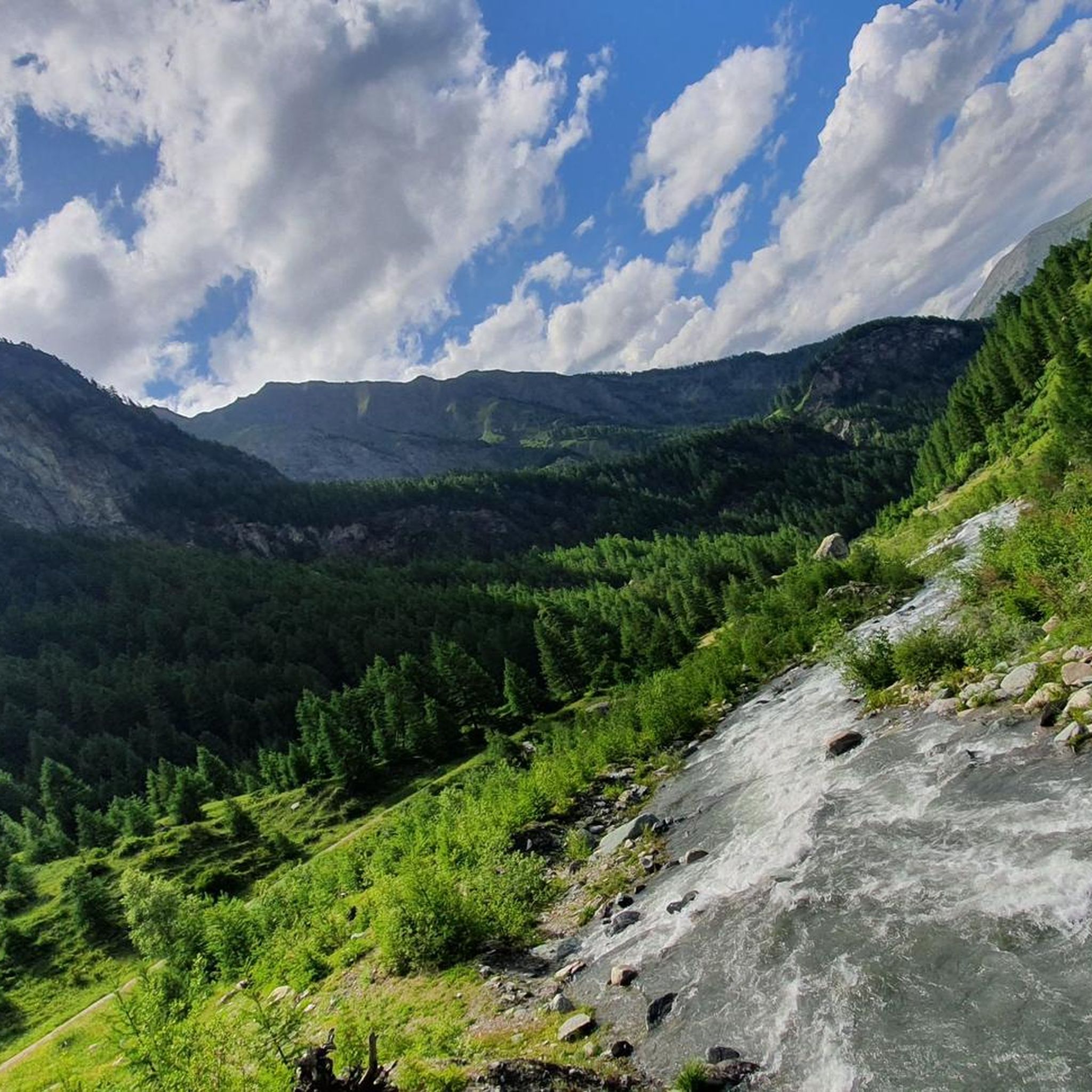
Road Cycling Routes around Réserve naturelle de Ristolas - Mont-Viso
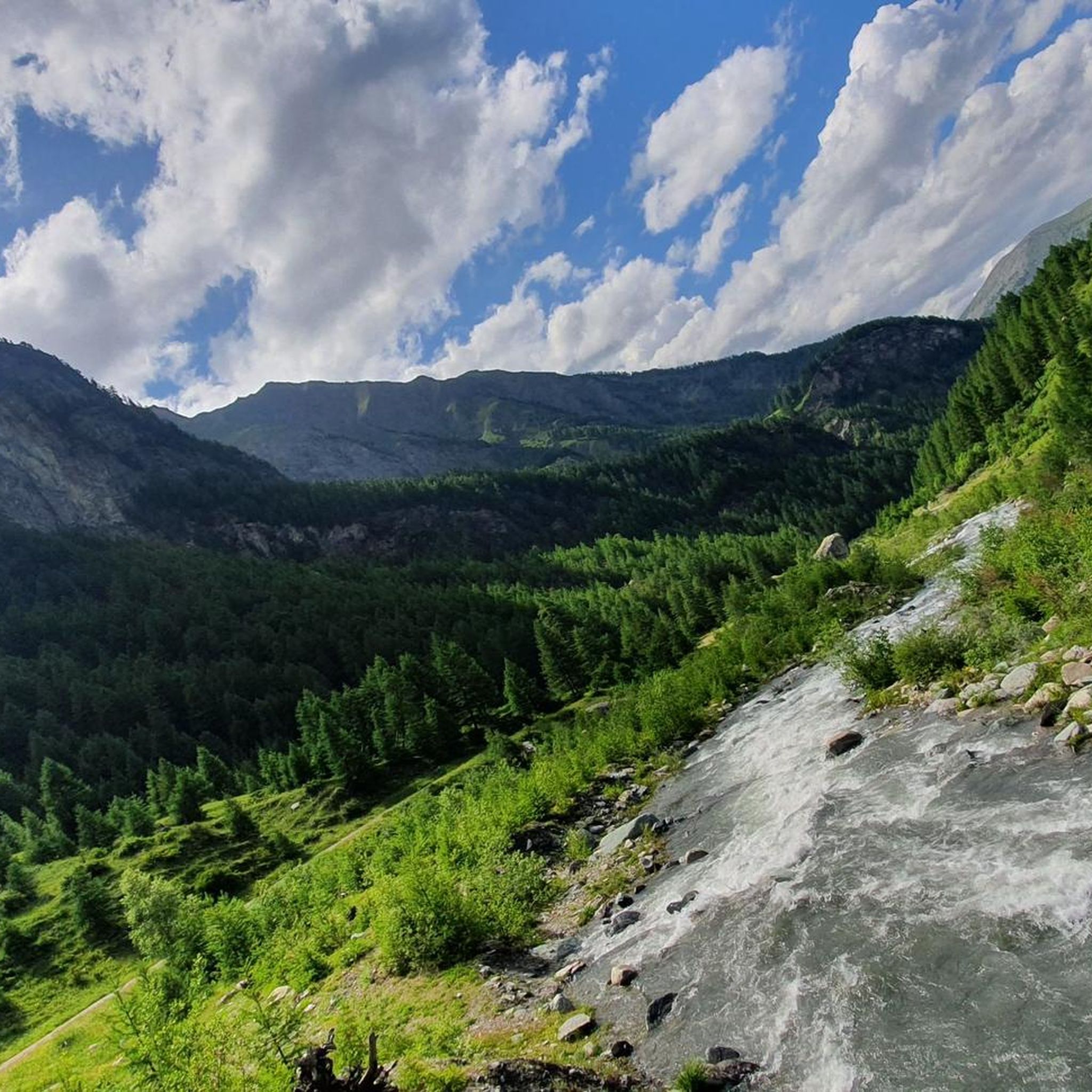
MTB Trails around Réserve naturelle de Ristolas - Mont-Viso
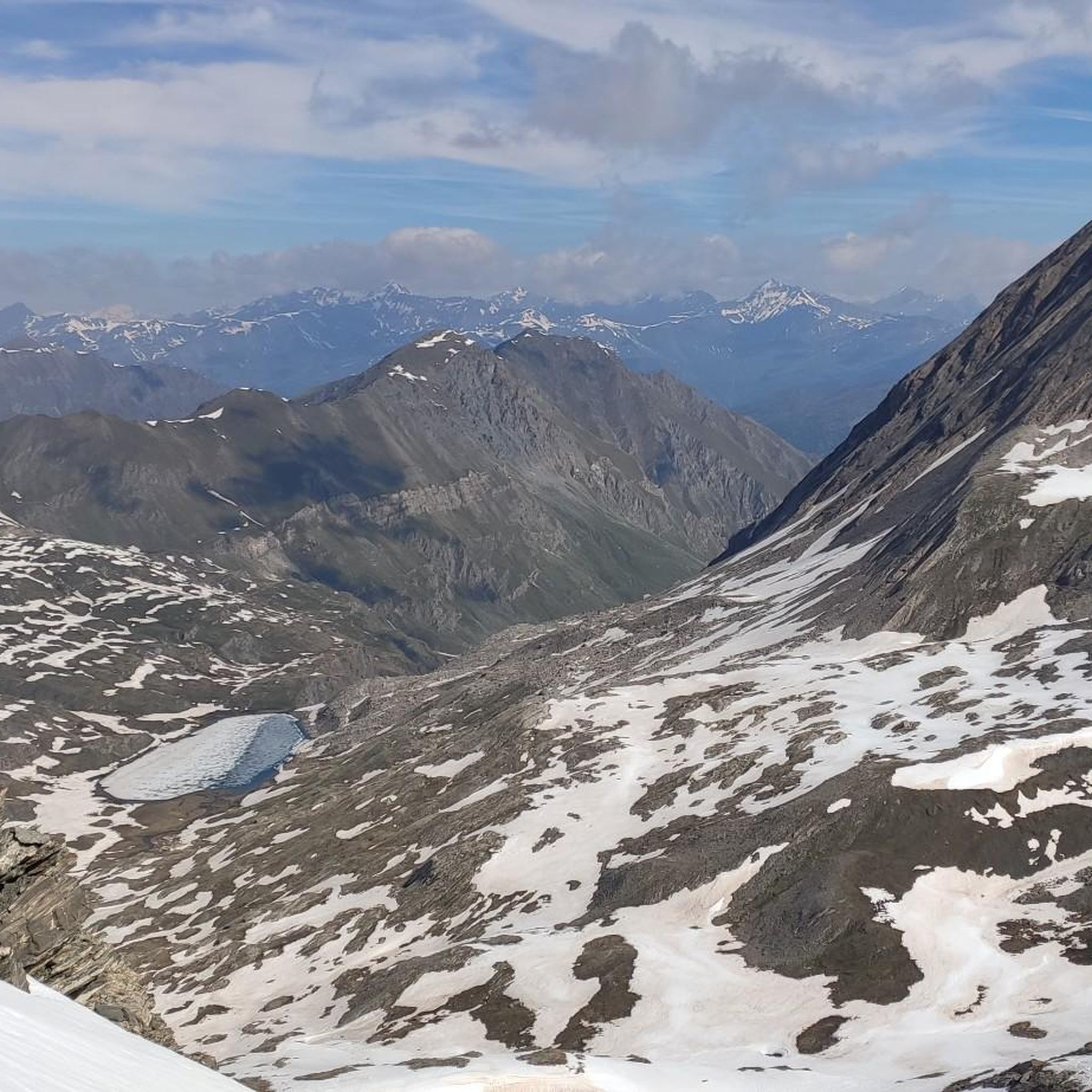
Running Trails around Réserve naturelle de Ristolas - Mont-Viso
Mountain Hikes around Réserve naturelle de Ristolas - Mont-Viso

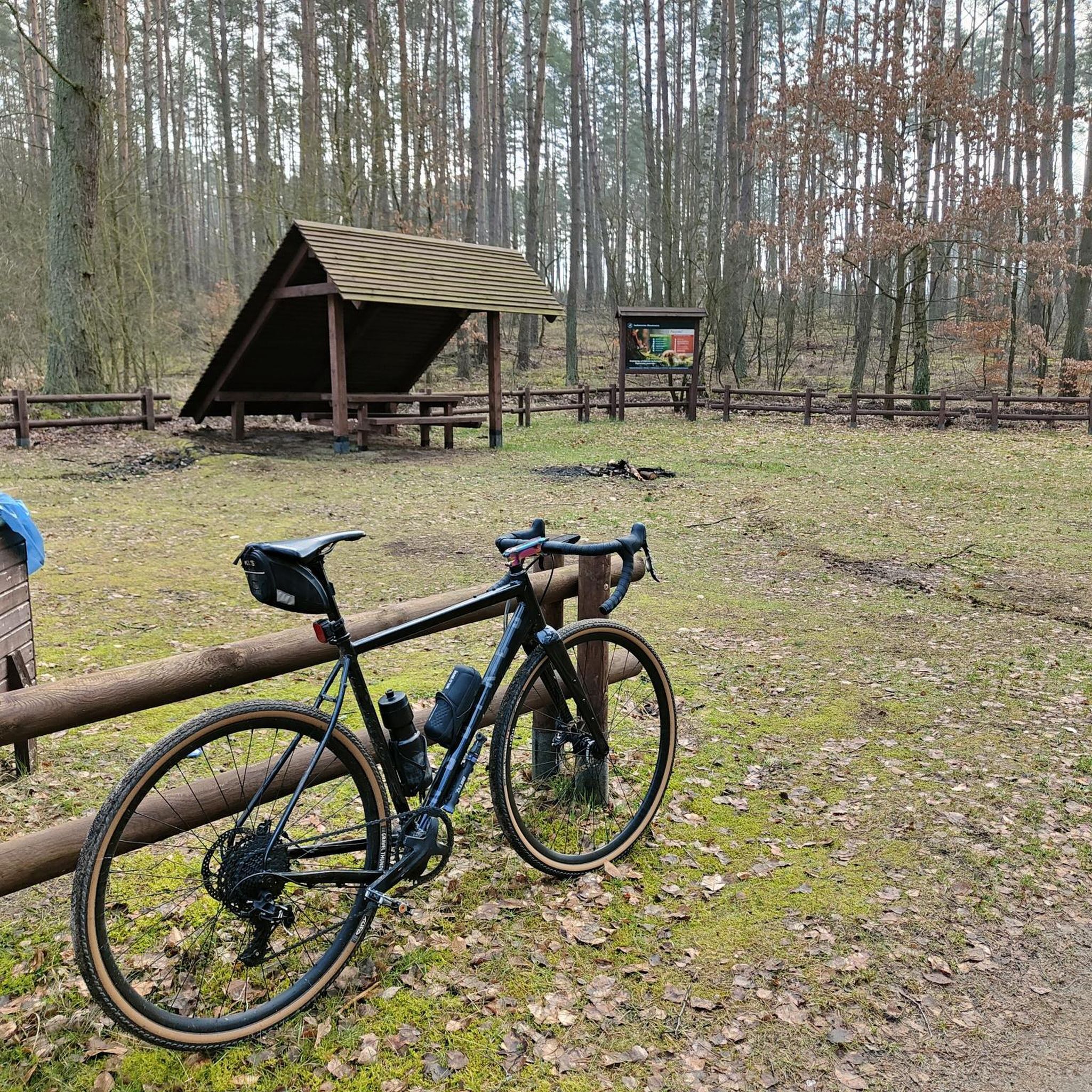
Gravel biking around Réserve naturelle de Ristolas - Mont-Viso
Other adventures around Réserve naturelle de Ristolas - Mont-Viso

Tips from the Community

Possibility to leave the bikes tied to the fence to continue on foot.
0
0

If you plan to cross the pass as part of an Alpine cross-country bike ride, it's essential to lift and carry your bike over large boulders and rocks. Simply pushing isn't enough. The exit is very steep. An alternative route would be via the Col Agnel road.
0
0

Done in two days it remains less demanding with an overnight stay at the Vallanta refuge
0
0
https://youtu.be/Tn2Pfva6nS0 Easy to climb up to the refuge, then a flat section to a lake. If you want to go up to Passo Vallanta by bike after the lake, you just have to carry your bike up a blocked wall.
1
0
https://youtu.be/Tn2Pfva6nS0 End of gravel road, start of single trail, but definitely rideable with electric bike to the Rifugio du Viso.
0
0

From this small bridge, you can admire the Guil. This mountain torrent starts from the Viso and runs to the Durance. Many hiking trails follow the course of this river, directly on the banks or overlooking it.
0
0

Be attentive, the ibexes are present and if you are lucky you will even be able to witness a fight of large males who stand on their hindquarters before throwing themselves at their opponent, the sound of the horns hitting each other is impressive.
0
0
A taste of the magnificent Monviso before going closer to it.
0
0
Frequently Asked Questions
What are some notable natural features and viewpoints in the Réserve naturelle de Ristolas - Mont-Viso?
The region is dominated by the majestic Mont Viso massif, offering stunning high-altitude landscapes. You can find serene alpine lakes like Lac Foréant and Lac Egorgéou, which reflect the surrounding mountains. For panoramic views, visit the Mont Viso Grand Viewpoint, which provides an exceptional observation post within the reserve. The Haut Guil Valley, where the Guil river originates, is also recognized for its rich birdlife.
Are there any historical or cultural sites to explore in the area?
Yes, the Réserve naturelle de Ristolas - Mont-Viso holds historical significance. A must-see is the Tunnel de la Traversette (Buco di Viso), the first Alpine tunnel, completed in 1480. This 75-meter passage was originally dug to transport salt. Additionally, the Hameau de la Monta in Ristolas features a historic church and customs house, testaments to its past as a passage to Italy. You can also learn about local wildlife at the Museum of Queyras Fauna in Ristolas.
What unique wildlife can I observe in the Réserve naturelle de Ristolas - Mont-Viso?
The reserve is a haven for unique biodiversity. It's the only place in the world where you can observe the iconic Lanza Salamander. Observation sheets for this amphibian are available at refuges like Refuge du Viso and Refuge Agnel. You can also spot intact mountain fauna such as chamois, ibex, and variable hares, along with alpine birds like the ptarmigan and rock partridge.
What kind of outdoor activities are available near these attractions?
The area offers countless opportunities for outdoor activities, especially hiking and cycling. You can explore various trails, including challenging routes like the 'Via Alpina Blue Trail: Stage D47' or the 'Tour of Monviso: Stage 2'. For cycling, options range from moderate to difficult, such as the 'Abriès – Abriès loop' or the 'Chianale – Lac de Pontechianale loop'. Find more details on specific routes in the hiking guide and cycling guide for the region.
Are there any family-friendly options for visitors?
Yes, the region offers family-friendly activities. The Mont Viso Grand Viewpoint is considered a nice family walk and an accessible spot to enjoy the views. Many trails are suitable for families, and the diverse ecosystems provide educational opportunities for children to learn about nature and wildlife.
Where can I find accommodation or places to eat in the reserve?
The Viso Refuge is an excellent option for both food and overnight stays. Located in an exceptional setting at the foot of Mont Viso, it offers homemade cuisine based on local products. It's a great place to take a break or spend the night, though it has limited electricity and no Wi-Fi, ensuring absolute tranquility. Other refuges like Refuge Agnel also provide shelter and information for hikers.
What is the best time of year to visit Réserve naturelle de Ristolas - Mont-Viso?
The best time to visit largely depends on your preferred activities. For hiking and exploring the high-altitude landscapes, the summer months (June to September) offer the most favorable weather conditions with accessible trails. Spring and autumn can also be beautiful, with unique flora and fauna, but some higher passes might still have snow or experience colder temperatures. Winter offers opportunities for snow-related activities, but access to certain areas will be limited.
What is the significance of the Vallanta Pass?
The Vallanta Pass is a significant mountain pass located at 2,811 meters above sea level. It marks the watershed and border between Italy and France. From here, you can enjoy impressive views of the northwest face of Mont Viso, making it a popular spot for hikers on the tour of the Viso.
Are there opportunities for mountain biking in the reserve?
Yes, mountain biking (VTT) is permitted on specific trails within the Réserve naturelle de Ristolas - Mont-Viso, though it is regulated to protect the delicate ecosystems. You can find various gravel biking routes, many of which are challenging, such as the 'Abriès – LaRocheEcroulée loop' or the 'Lac de Pontechianale – Chianale loop'. For more details, refer to the gravel biking guide for the region.
What kind of flora can I expect to see in the reserve?
The reserve boasts approximately a thousand plant species, including several endemic to the south-western Alps. You can discover unique flora such as the Campanule des Alpes, Grassette du Queyras, and Saxifrage des Vaudois. The diverse ecosystems, including alpine meadows, grasslands, moors, and rock gardens, contribute to this rich botanical variety.
What do visitors enjoy most about the attractions around Réserve naturelle de Ristolas - Mont-Viso?
Visitors particularly appreciate the stunning high-altitude landscapes and the sense of tranquility. The historical significance of sites like the Tunnel de la Traversette and the exceptional views from the Mont Viso Grand Viewpoint are frequently highlighted. The opportunity to experience intact nature and unique biodiversity, combined with well-maintained refuges like the Viso Refuge, makes for a memorable visit.
Are there any easy hiking trails for beginners near Ristolas?
While many trails in the Mont-Viso area can be challenging due to elevation, there are options for easier walks. The approach walk to the Mont Viso Grand Viewpoint is considered a nice family walk. For specific easy routes, it's best to consult local information centers or the caretakers at refuges, who can recommend trails suitable for beginners based on current conditions.
Most popular routes around Réserve naturelle de Ristolas - Mont-Viso
Most popular attractions around Réserve naturelle de Ristolas - Mont-Viso

Get inspired with the komoot mobile app


Explore more
Still not found the Highlight you’re looking for? See guides of the top attractions in other regions:
