Attractions and Places To See around Parc de la Serralada Litoral - Top 20
Attractions and places to see around Parc de la Serralada Litoral encompass a protected natural area in Catalonia, Spain, characterized by gentle slopes and extensive Mediterranean oak and pine forests. This region features a rich history, with remnants of Iberian settlements, Roman villas, medieval castles, and dolmens scattered throughout the landscape. The park offers a blend of natural beauty and historical significance across its 15 municipalities.
Best attractions and places to see around Parc de la Serralada Litoral
- The most popular attractions is Burriac Castle, a castle located on Burriac Hill. This medieval castle dates back to at least 1023 and offers commanding views of the central Maresme region.
- Another must-see spot is Òrrius Pass, a mountain pass that provides views of the entire Vallés. It serves as a crossing point for cyclists and offers a quiet route to the Sant Bartomeu hermitage.
- Visitors also love Sant Bartomeu de Cabanyes Hermitage, a religious building and historical site. This simple Romanesque construction from the 11th-12th centuries features a barrel-vaulted nave and a semicircular apse.
- Parc de la Serralada Litoral is known for its historical sites, natural viewpoints, and extensive hiking trails. The area offers a variety of attractions to see and explore, from ancient megalithic monuments to panoramic mountain passes.
- The attractions around Parc de la Serralada Litoral are appreciated by the komoot community, with 197 upvotes and 8 photos shared by visitors.
Last updated: August 2, 2026
Parpers Pass
Highlight • Mountain Pass
It is a gentle port on both sides but it is interesting because it connects with many ports of the coastal mountain range.
The ascent by the Roca del Vallés has 5.3 kms. with a very moderate mean of 3.2%. The port goes from East to West along the C-1415c.
Translated by Google •
Tip by

Dolmen of the Roca d'en Toni
Highlight • Historical Site
Translated by Google •
Tip by

Sign up now to discover places like this
Get recommendations on the best single tracks, peaks, & plenty of other exciting outdoor places.
Sign up for free
Burriac Castle
Highlight • Castle
Translated by Google •
Tip by

Sant Bartomeu de Cabanyes Hermitage
Highlight • Religious Site
It is a simple 11th-12th century Romanesque construction, consisting of a nave covered with a barrel vault and a semicircular apse with a small central window. It has a single-hollow belfry bell tower. During the Spanish civil war all his images were burned.
Translated by Google •
Tip by
Orrius Pass - Sant Bartomeu Pass
Highlight (Segment) • Mountain Pass
Translated by Google •
Tip by

Sign up for free to discover even more attractions around Parc de la Serralada Litoral.
Sign up for free
Already have an account?
Start today with a free account
Your next adventure awaits.
Login or Signup
Popular around Parc de la Serralada Litoral
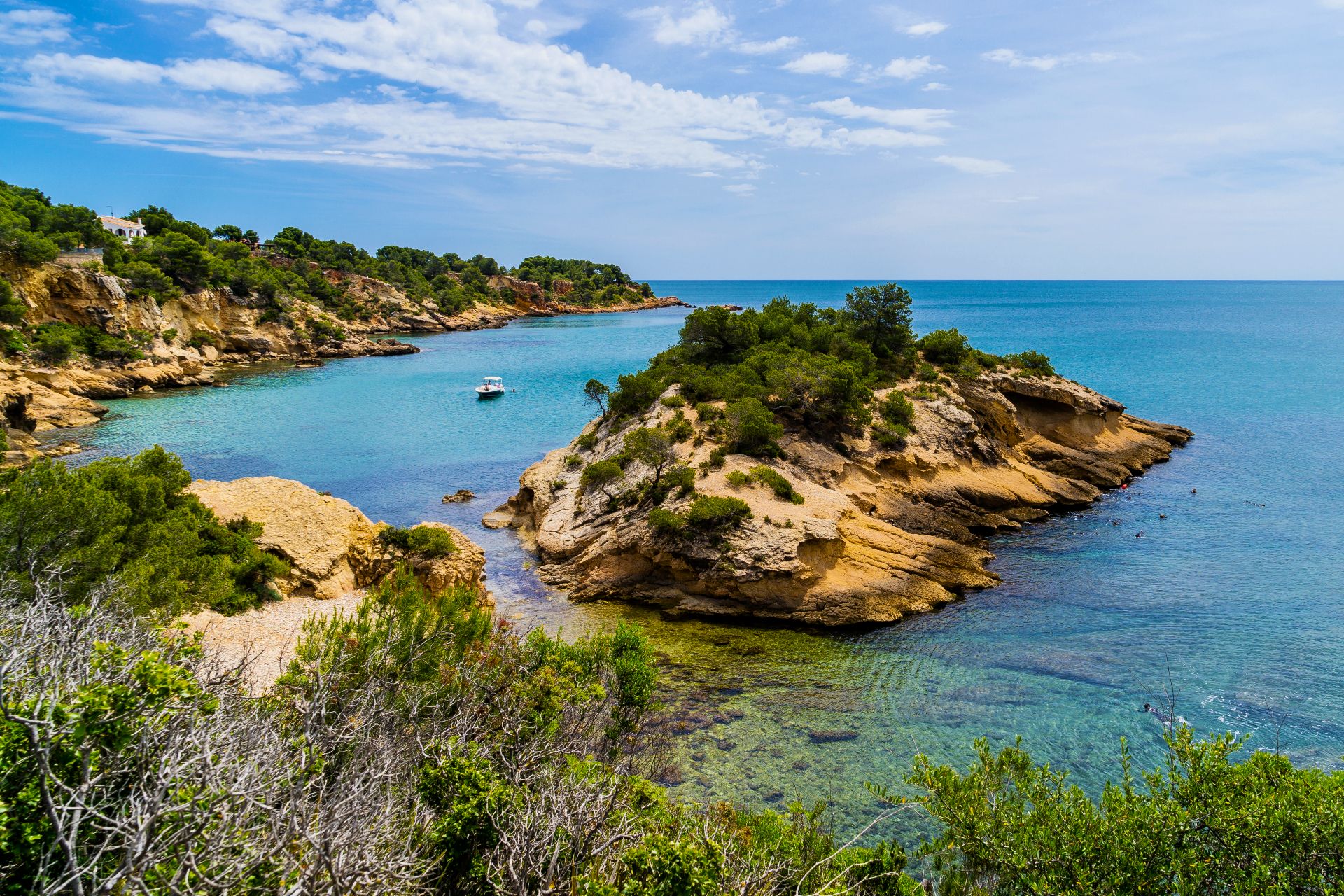
The Catalan coast on foot – Mediterranean Path (GR 92)
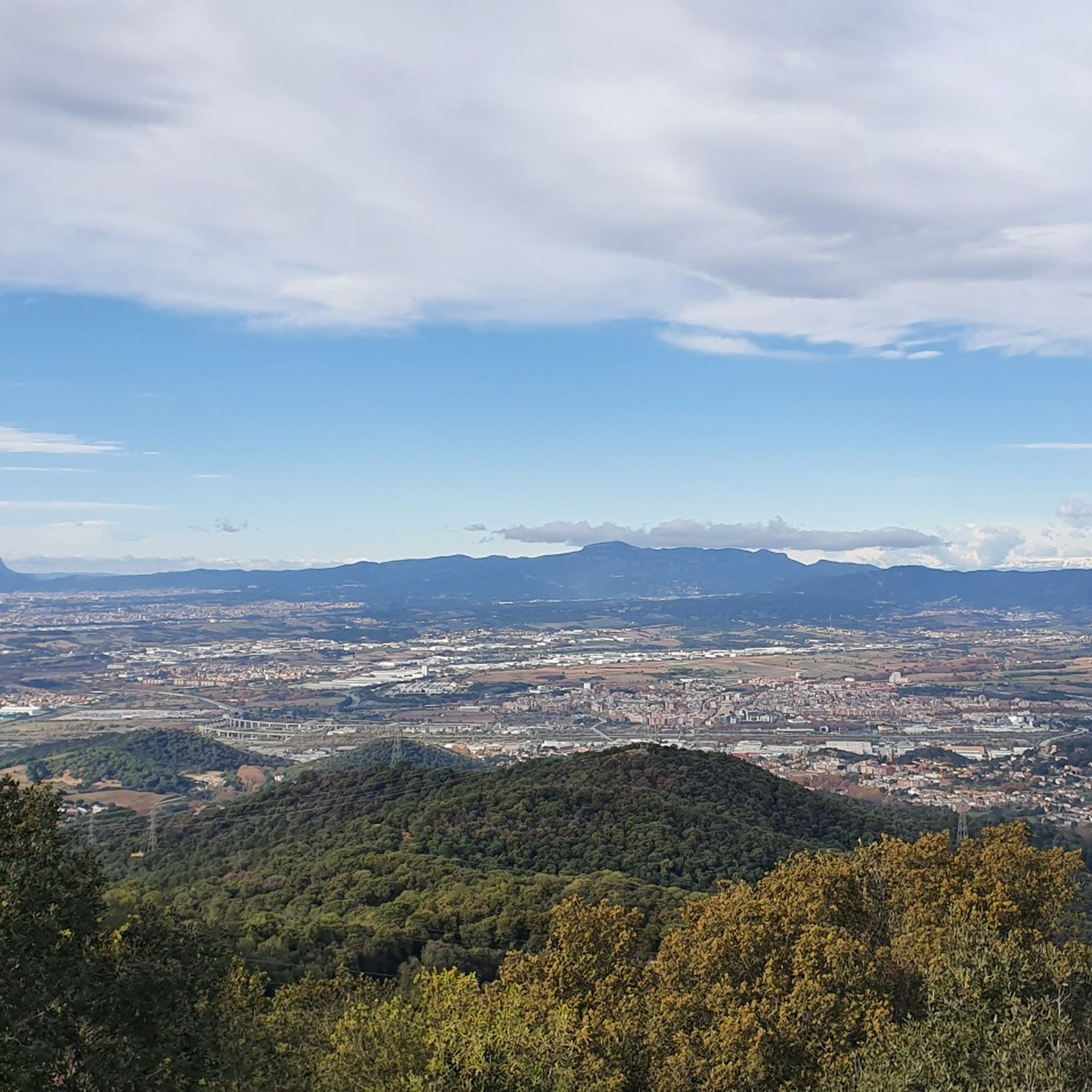
Hiking around Parc de la Serralada Litoral
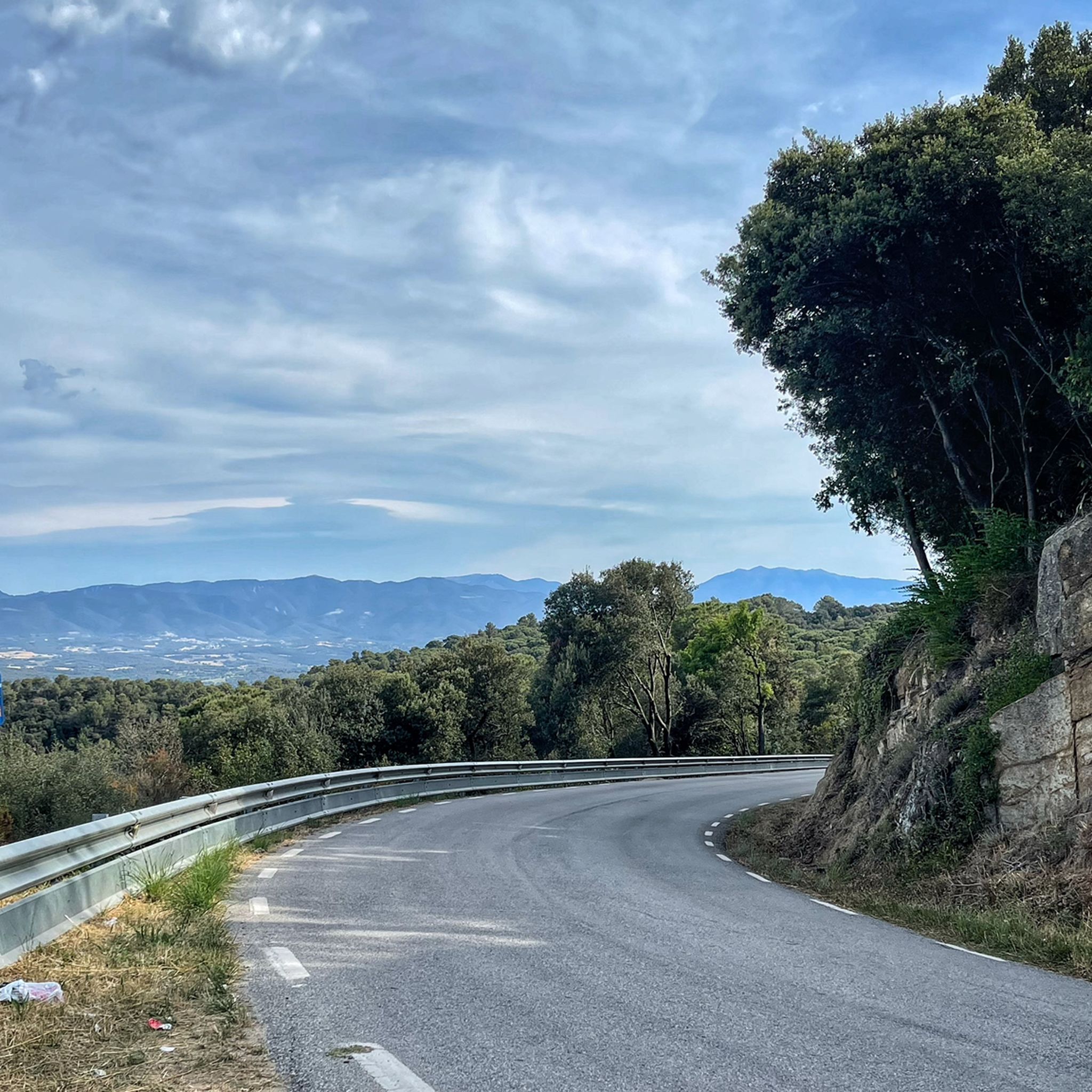
Road Cycling Routes around Parc de la Serralada Litoral
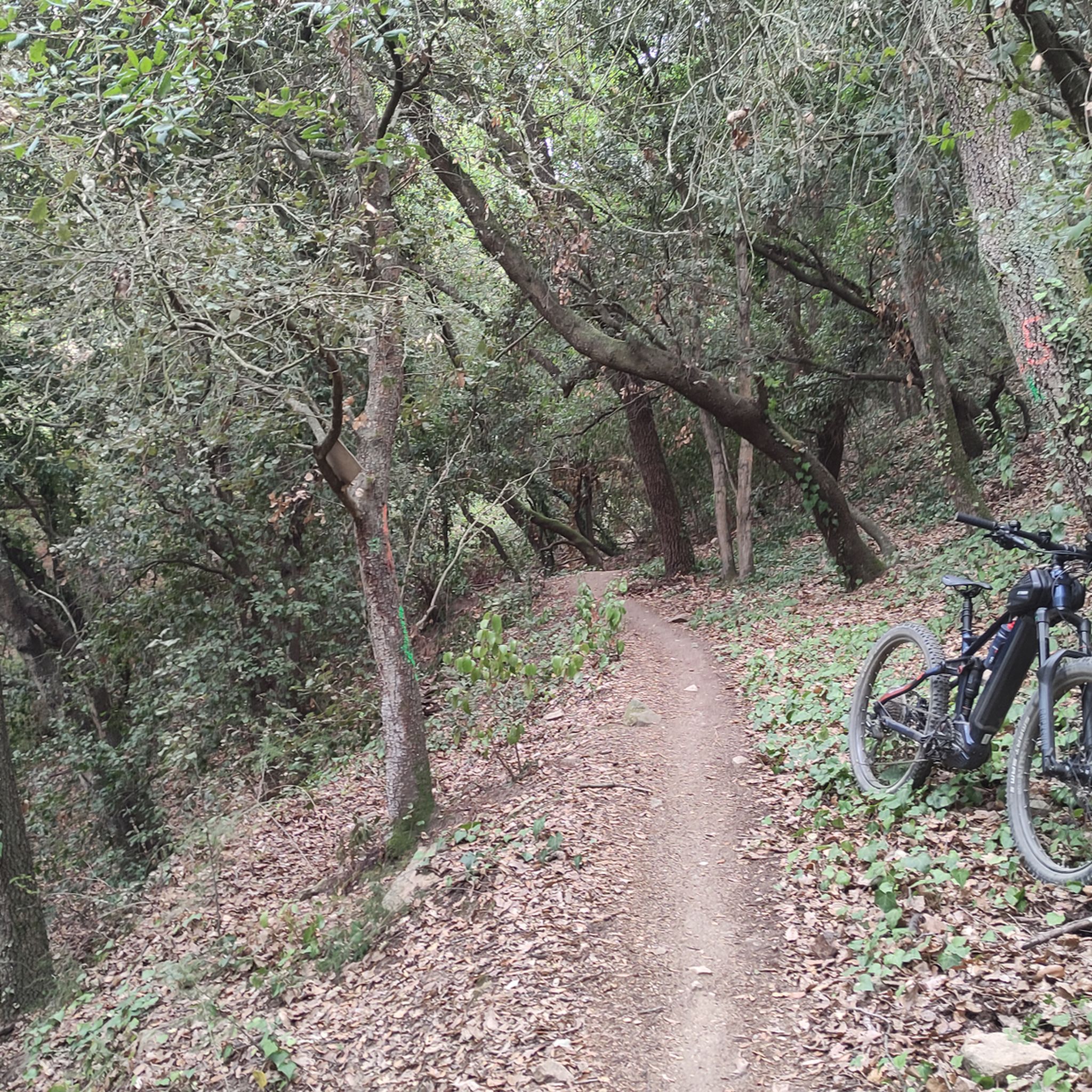
MTB Trails around Parc de la Serralada Litoral
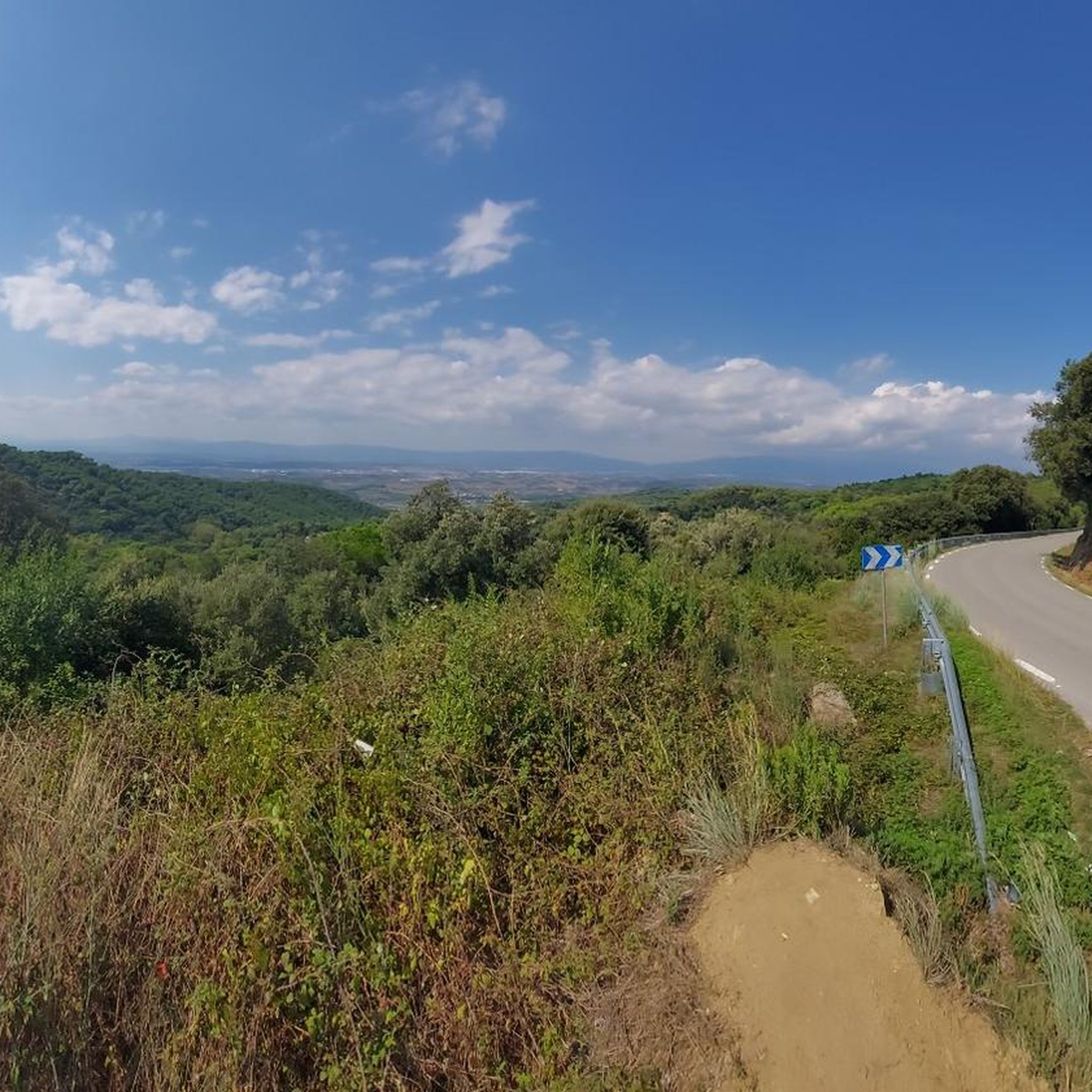
Running Trails around Parc de la Serralada Litoral
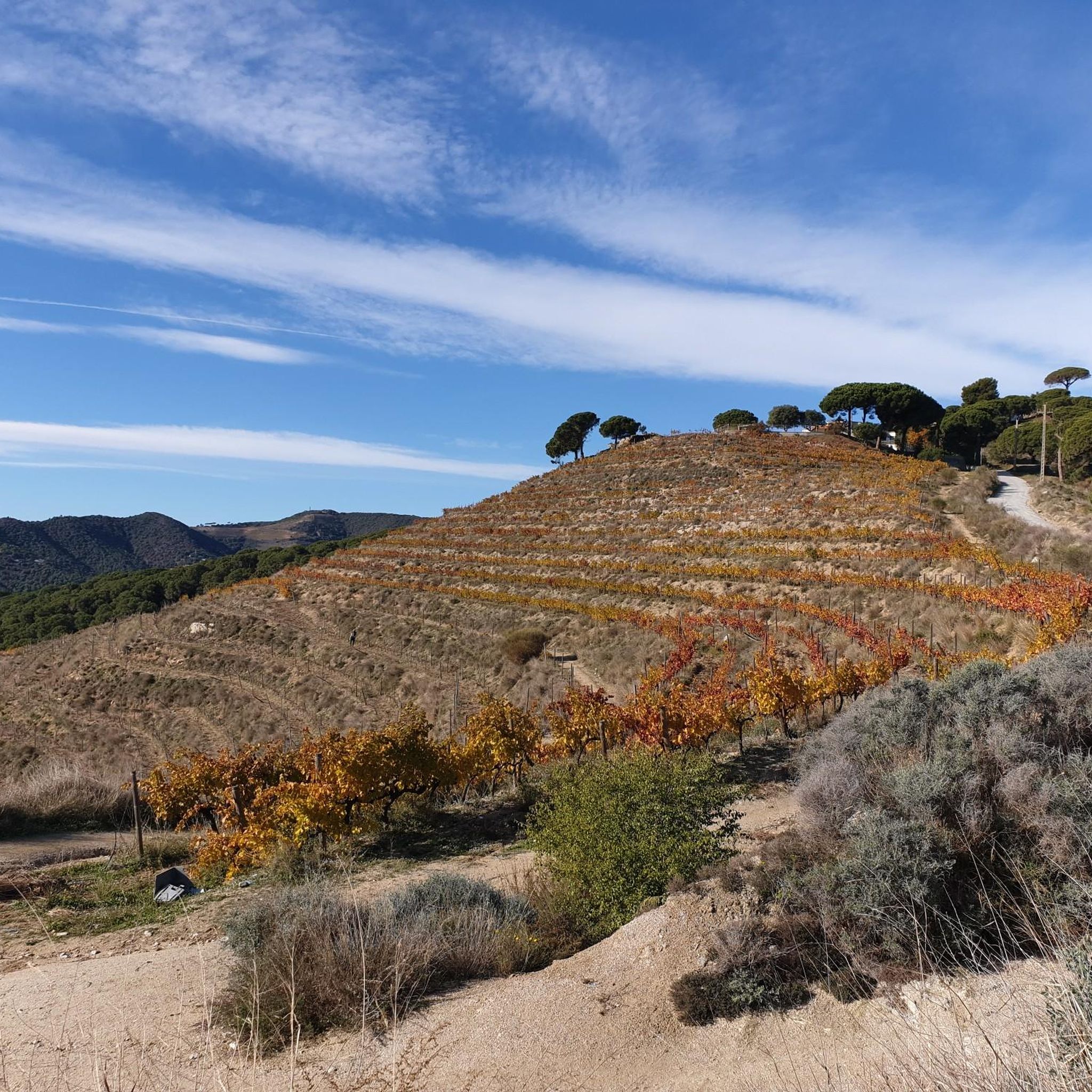
Cycling around Parc de la Serralada Litoral

Gravel biking around Parc de la Serralada Litoral
Other adventures around Parc de la Serralada Litoral

Tips from the Community

Un monument megalític datat entre el final del neolític i l'edat del bronze, considerat un dels jaciments prehistòrics més importants del Maresme.
0
0

About 300 meters before reaching the hermitage along the track from Òrrius, on the left, dry stone walls are preserved, the remains of a shelter used by Republican militiamen during the Civil War. It's not signposted, but it's visible if you get off your bike and explore a bit. The surroundings are very peaceful and steeped in history: the hermitage was also used as a temporary shelter.
1
0

The uphill stretch from Roca del Valles isn't difficult and is a lovely greenery. The descent to the Orrius junction is similar.
1
0

lonely road with lots of vegetation, very pretty
1
0

Coll de Orrius is also known as Coll de Sant Bertomeu.
1
0
It is one of the many climbs that cross the coastal mountain range of the province of Barcelona, connecting in this case the towns of Argentona with Roca del Vallés. It is a port parallel to Coll de Papers, although this is much harder. The Argentona side is longer and with less slope than the Roca del Vallés. The Argentona side is 6.5 km with an average gradient of 4.5%. There is a rest with a descent in the middle area of the port, the second section being harder than the first. The Roca del Vallés side is barely 4 km with a very constant average gradient of 7%. The views of the valleys, the coast and Montseny from the top of the port are very cool and well worth it.
1
0
This is another of the legendary climbs in the coastal mountain range of the province of Barcelona. It is a very accessible climb with slopes that never exceed 6%. It has approximately 5 km of climbing on both sides. It connects the town of Roca del Vallés with Argentona, next to Mataró, very close to the coast. It is highly recommended because there is hardly any traffic and you can ride in complete peace.
1
0
Frequently Asked Questions
What natural features can I explore in Parc de la Serralada Litoral?
The park is characterized by extensive Mediterranean forests, predominantly oak and pine trees, covering over 95% of its surface. You can also find unique geological features like Dolmen of the Roca d'en Toni, and the Vall de Rials basin, which features an intact hydrographic network with mines, wells, and pools.
What historical and cultural sites are prominent in the Parc de la Serralada Litoral?
The region is rich in history, featuring sites like the medieval Burriac Castle, dating back to at least 1023. Other notable sites include the Romanesque Sant Bartomeu de Cabanyes Hermitage and Sant Mateu Hermitage, as well as ancient megalithic monuments like the Dolmen of the Roca d'en Toni and Dolmen de Castellruf. You can also explore remains of Iberian settlements, such as La Cadira del Bisbe.
What is the best time of year to visit Parc de la Serralada Litoral?
The Mediterranean climate of the Parc de la Serralada Litoral makes it enjoyable for most of the year. Spring and autumn offer pleasant temperatures for hiking and exploring, with lush greenery in spring and vibrant colors in autumn. Summer can be warm, but the forests provide shade, and winter is generally mild, suitable for outdoor activities.
What kind of panoramic views can I expect from the viewpoints in the park?
The park offers impressive panoramic views from several elevated points. From Burriac Castle, you get commanding views of the central Maresme region. Other excellent vantage points include Turó de Céllecs (the highest point at 534 meters), Turó d'en Galzeran, and the Montcabrer Cross, offering vistas of Barcelona, Montnegre, and Montseny. Mountain passes like Òrrius Pass and Parpers Pass also provide scenic outlooks.
Are there family-friendly activities or trails available in Parc de la Serralada Litoral?
Yes, the park offers several options suitable for families. The Dolmen of the Roca d'en Toni is a family-friendly historical site. Many of the park's hiking trails are accessible and can be enjoyed by families, particularly those exploring the megalithic monuments or shorter routes through the forests. The gentle slopes make it suitable for various activity levels.
Can I bring my dog on trails in Parc de la Serralada Litoral?
Parc de la Serralada Litoral is generally dog-friendly, with many trails suitable for walks with your canine companion. It's always recommended to keep dogs on a leash, especially in areas with wildlife or near other visitors, and to clean up after them. Check local signage for any specific restrictions in certain areas.
How can I access Parc de la Serralada Litoral using public transport?
The park spans 15 municipalities, and several towns bordering the park have public transport connections. While direct access to all trailheads by public transport might be limited, you can reach towns like Cabrera de Mar, Premià de Dalt, or Òrrius via local buses or trains, and then proceed to the park's entry points or specific attractions like Burriac Castle.
Are there places to eat or stay near Parc de la Serralada Litoral?
Yes, the municipalities surrounding Parc de la Serralada Litoral, such as Alella, Vilassar de Dalt, Cabrera de Mar, and Argentona, offer various amenities. You can find cafes, restaurants, and accommodation options in these towns, providing convenient bases for exploring the park. Some local establishments, like Cal Senyor near the Dolmen of the Roca d'en Toni, are popular among visitors.
What outdoor activities, like hiking or cycling, can I do near these attractions?
The park is a haven for outdoor enthusiasts. You can enjoy extensive hiking trails, including routes from Sant Bartomeu up to Turó de Céllecs, and various prehistoric routes connecting dolmens. The GR 92 also traverses a section of the park. For cycling, mountain passes like Òrrius Pass and Parpers Pass are popular. You can find numerous routes for mountain biking, touring cycling, and gravel biking in the area. For more detailed routes, explore the MTB Trails around Parc de la Serralada Litoral, Cycling around Parc de la Serralada Litoral, and Gravel biking around Parc de la Serralada Litoral guides.
Are there specific hiking trails recommended in Parc de la Serralada Litoral?
Yes, the park offers numerous hiking itineraries. Popular options include routes from Sant Bartomeu up to Turó de Céllecs, and a scenic path from Cabrera de Mar to Burriac Castle. There are also various prehistoric routes that connect the park's dolmens, such as the Dolmen of the Roca d'en Toni. The GR 92, known as the Mediterranean path, also passes through the park, offering longer-distance options.
Where can I find mountain biking trails around Parc de la Serralada Litoral?
Parc de la Serralada Litoral is well-suited for mountain biking, with a variety of trails ranging from easy to difficult. You can find routes like the 'ORRIUS – Green Meridian loop from Òrrius' for an easy ride, or more challenging ones such as the 'Cornice Viewpoint – Can Boquet Cross loop from Teià'. For a comprehensive selection of routes, refer to the MTB Trails around Parc de la Serralada Litoral guide.
What do visitors particularly enjoy about the attractions in Parc de la Serralada Litoral?
Visitors frequently praise the stunning views from locations like Burriac Castle and the peaceful atmosphere of the Romanesque hermitages such as Sant Bartomeu de Cabanyes Hermitage. The well-preserved megalithic sites like the Dolmen of the Roca d'en Toni are also highly appreciated for their historical significance. The variety of hiking and cycling routes, offering both natural beauty and cultural exploration, is a major draw.
Are there any caves or unique geological features to visit in the park?
Yes, the park features some interesting geological formations. One notable site is La Granota Cave in Vilassar de Dalt, which was excavated in 1950. It consists of large granite blocks and two chambers, offering insights into prehistoric burial practices. Additionally, the Dolmen of the Roca d'en Toni, a well-preserved corridor tomb, is a significant megalithic structure.
Most popular routes around Parc de la Serralada Litoral
Most popular attractions around Parc de la Serralada Litoral

Get inspired with the komoot mobile app


Explore more
Still not found the Highlight you’re looking for? See guides of the top attractions in other regions:
