The best gravel rides around Parc de la Serralada Litoral
4.5
(149)
4,294
riders
268
rides
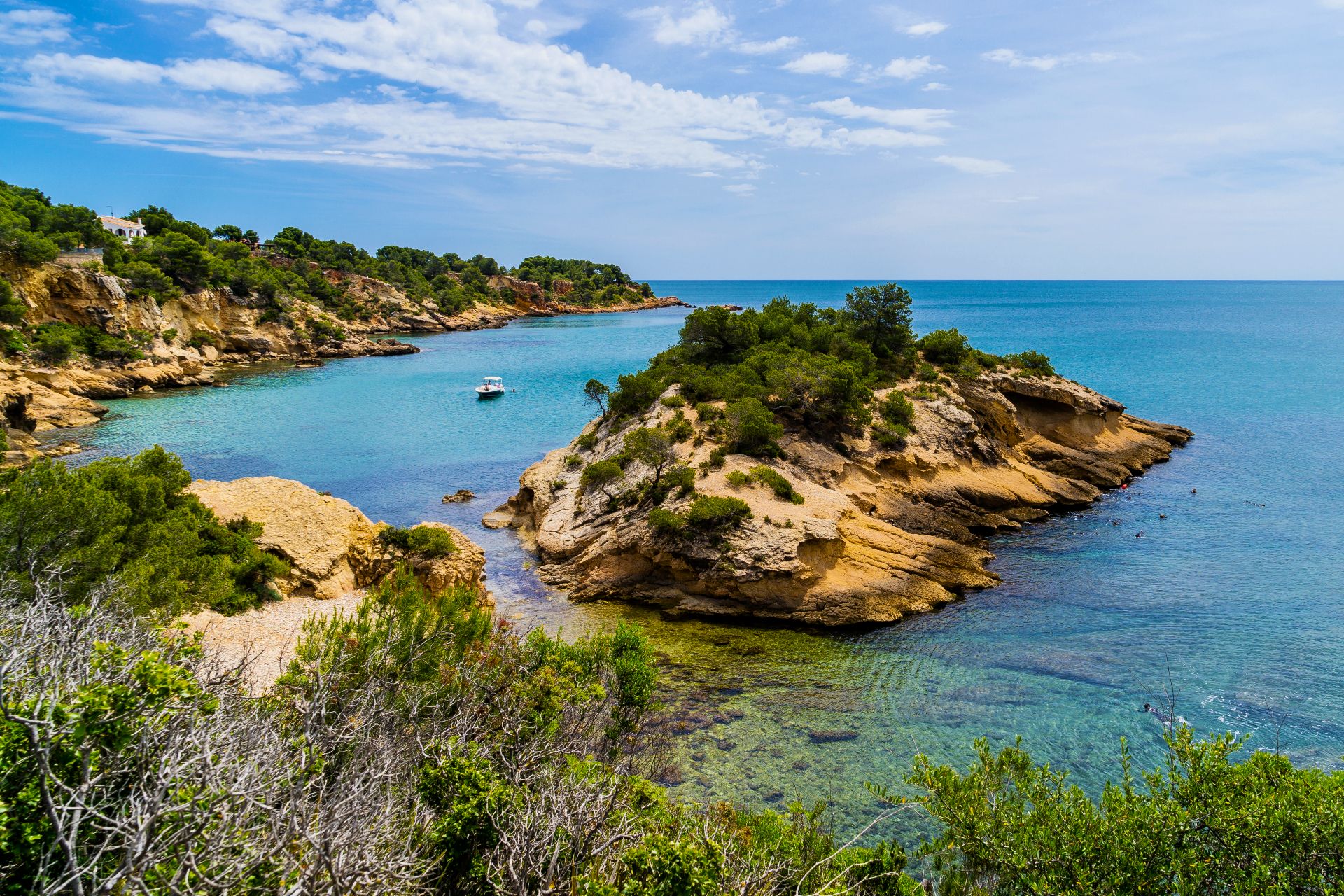
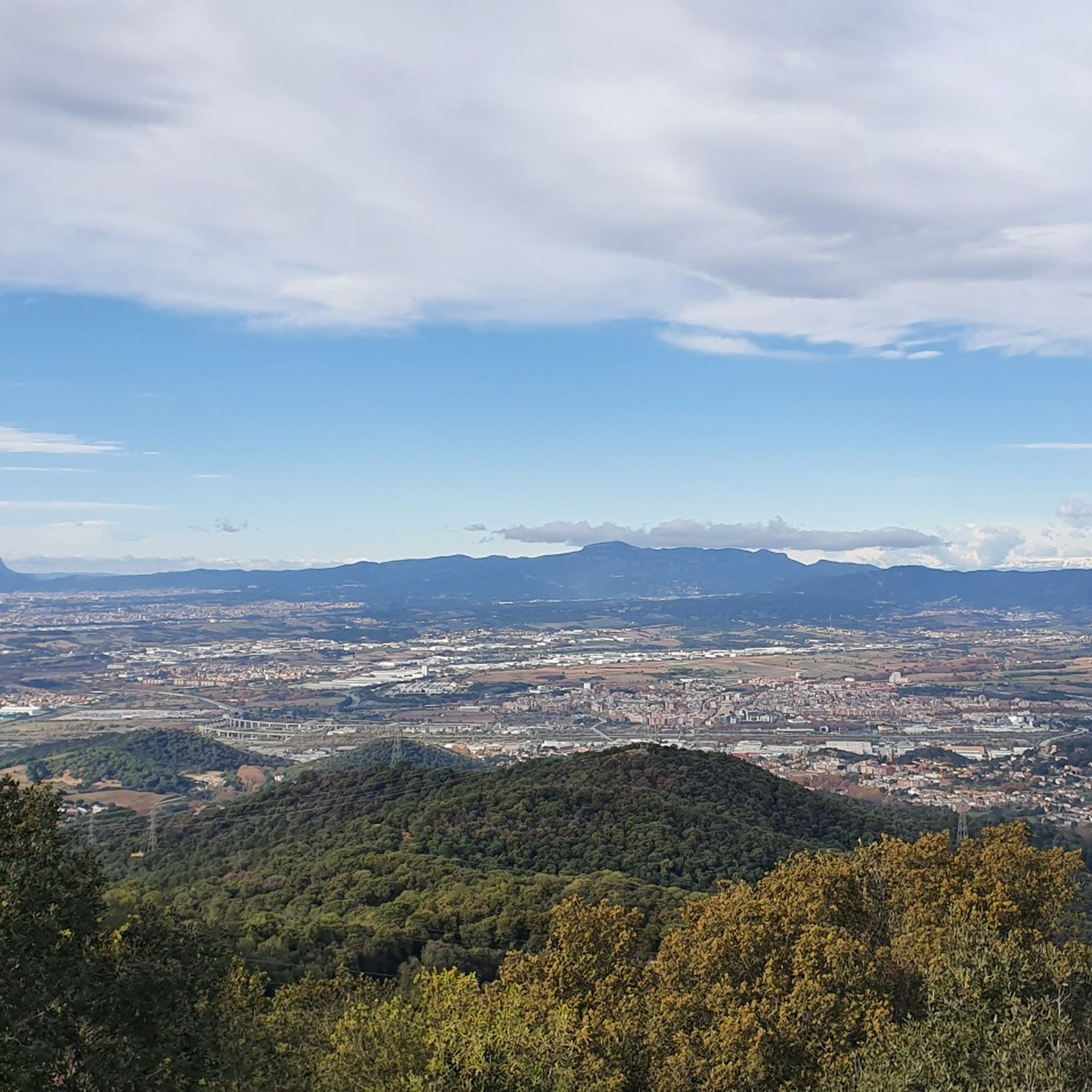
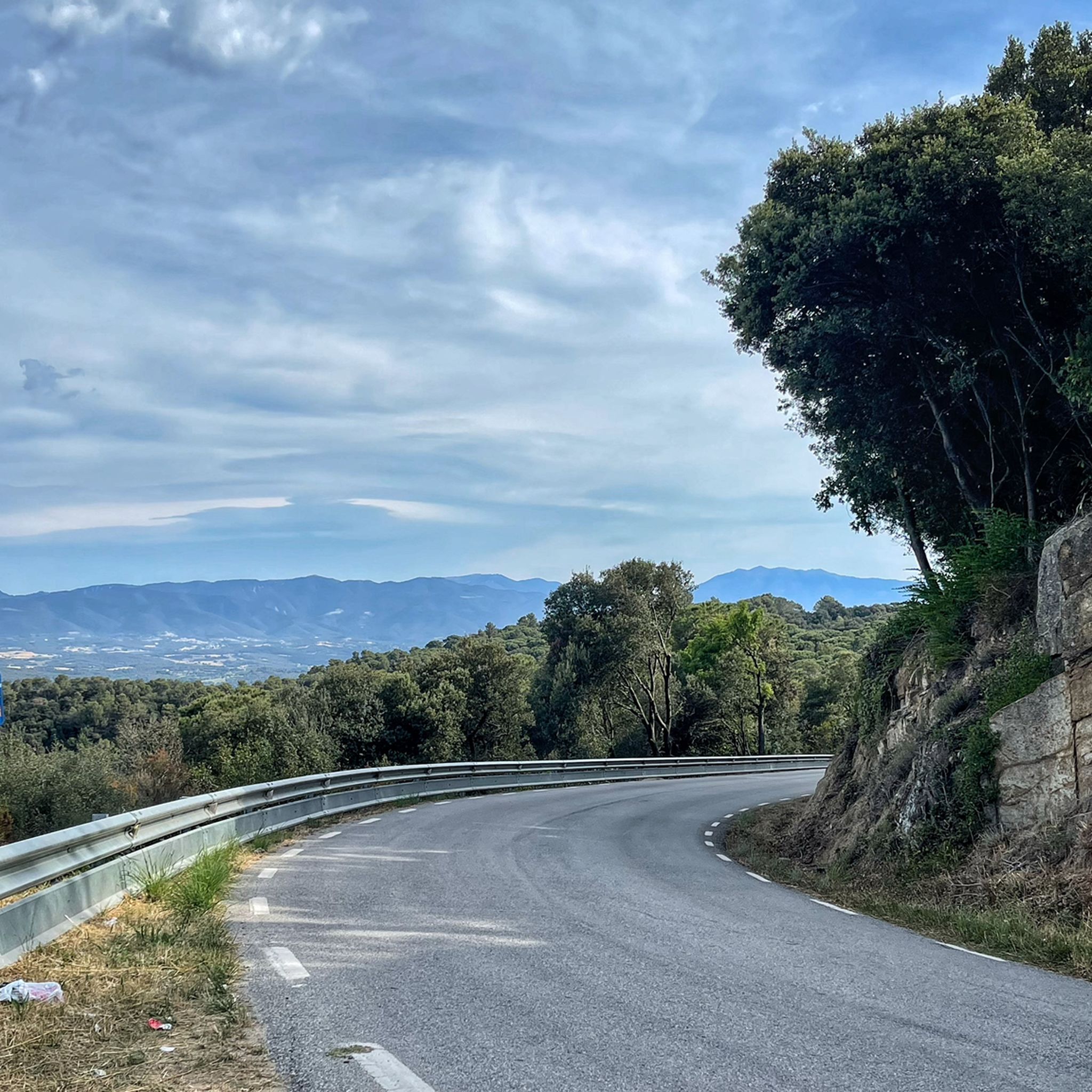
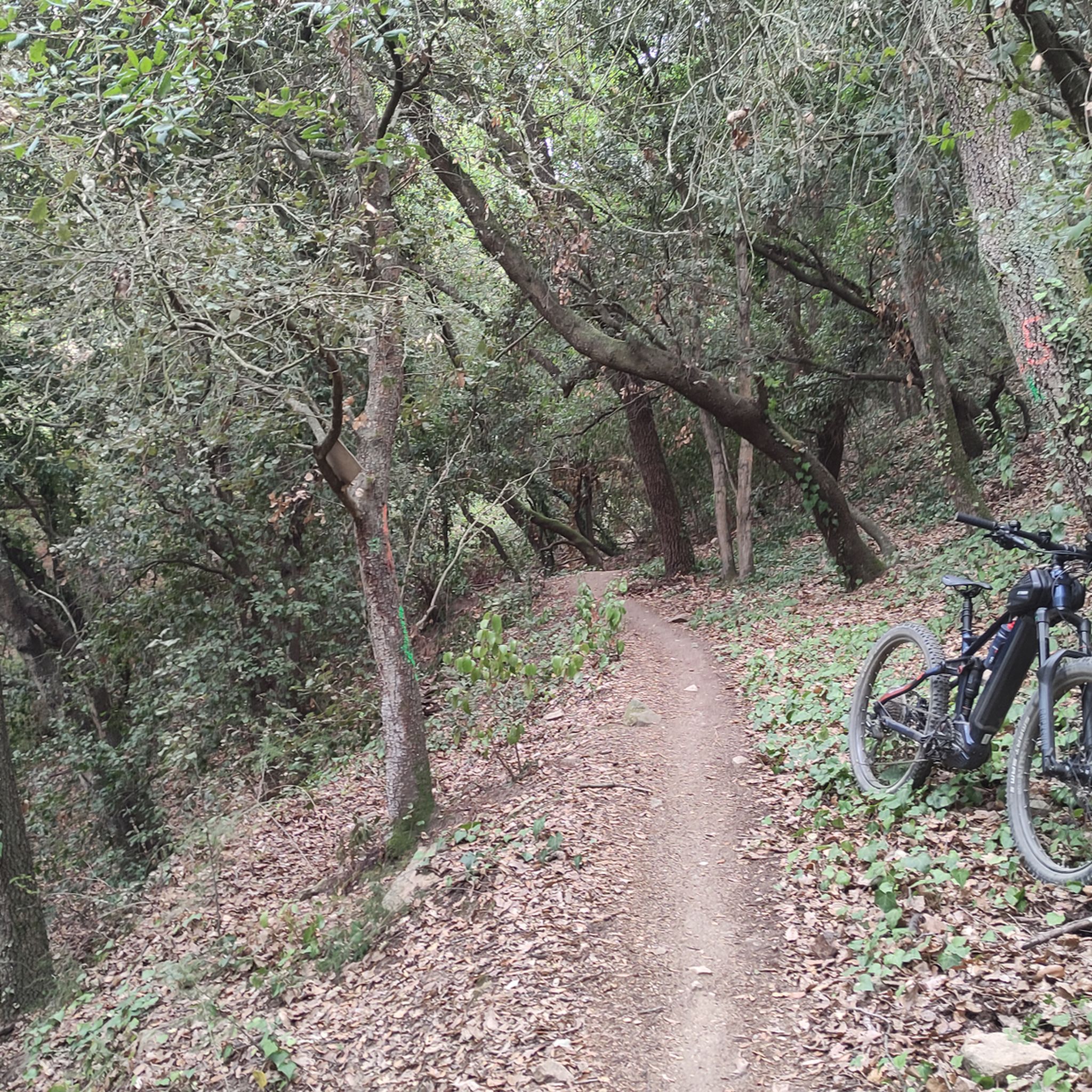
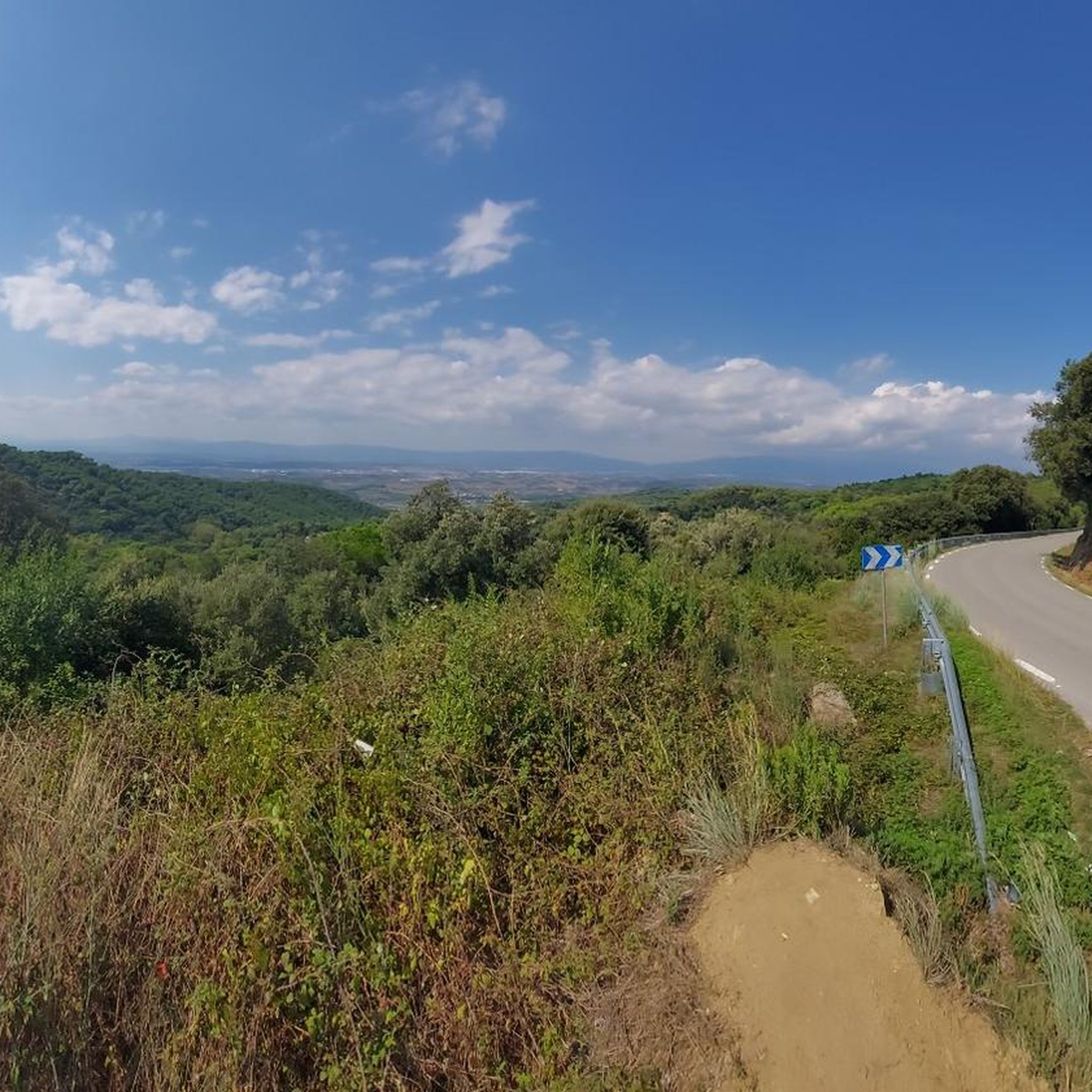
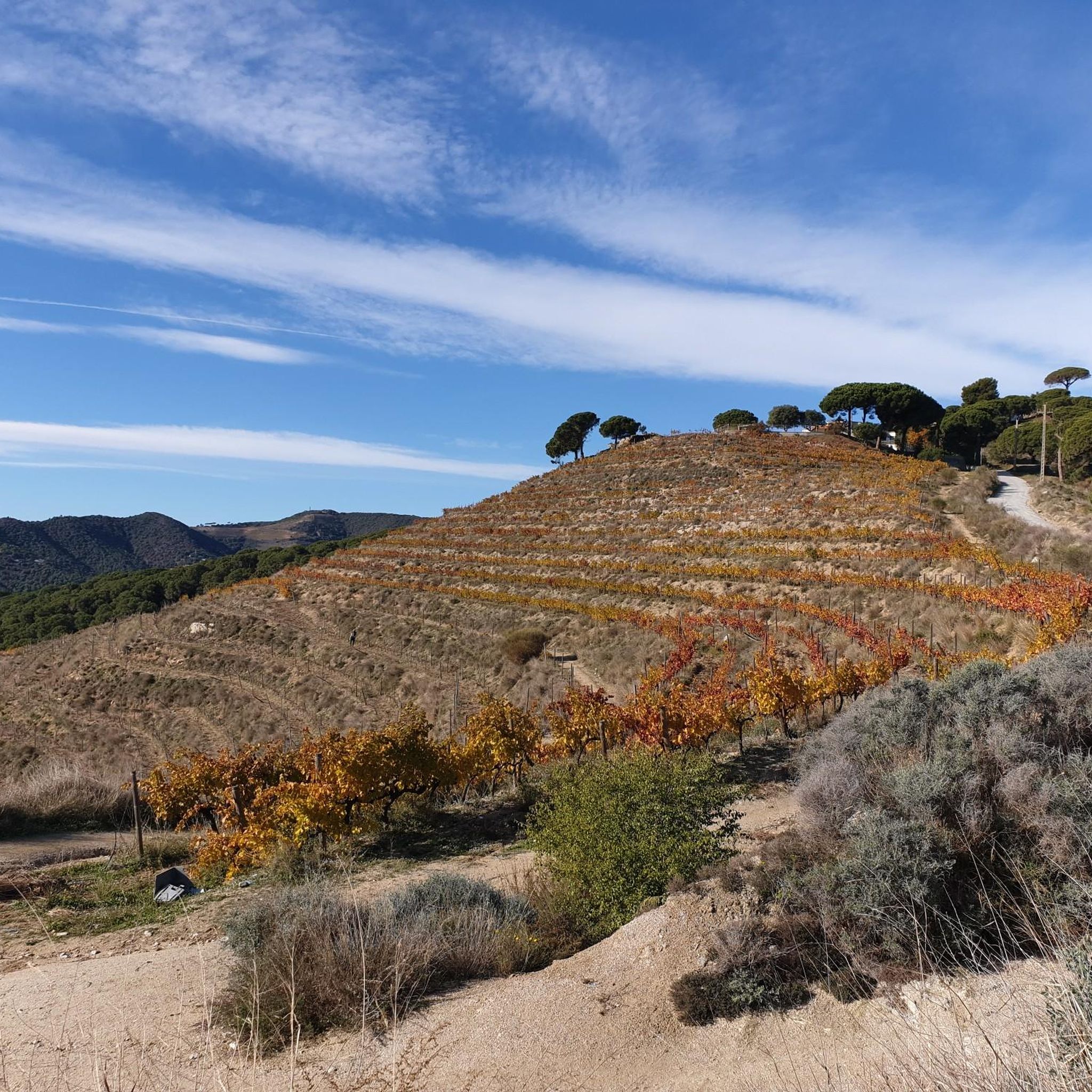
Gravel biking around Parc de la Serralada Litoral offers a diverse landscape characterized by a compact mountainous complex with gentle relief. The area features Mediterranean forests, primarily composed of oak and pine trees, covering over 95% of its surface. Riders encounter a mix of sandy and gravel paths, with some segments being unpaved. The park's rugged hills and lush greenery provide panoramic views of the Mediterranean Sea.
Best gravel bike trails around Parc de la Serralada Litoral
- The most popular…
Last updated: August 14, 2026
4.5
(2)
22
riders
25.0km
01:42
140m
140m
Easy gravel ride. Great for any fitness level. Mostly paved surfaces. Suitable for all skill levels.
13
riders
19.9km
01:22
200m
200m
Moderate gravel ride. Good fitness required. Mostly paved surfaces. Suitable for all skill levels.

Sign up for free
4.5
(2)
57
riders
36.5km
03:39
1,090m
1,090m
Hard gravel ride. Very good fitness required. Mostly paved surfaces. Suitable for all skill levels.
26
riders
26.7km
02:03
450m
450m
Moderate gravel ride. Good fitness required. Mostly paved surfaces. Suitable for all skill levels.
17
riders
Moderate gravel ride. Good fitness required. Mostly paved surfaces. Suitable for all skill levels.
Get access to more routes and recommendations from other explorers.
Sign up for free
Already have an account?
Our route recommendations are based on thousands of hikes, rides, and runs completed by other people on komoot.
Start today with a free account
Your next adventure awaits.
Login or Signup
Popular around Parc de la Serralada Litoral
Other adventures around Parc de la Serralada Litoral

Tips from the Community

Un monument megalític datat entre el final del neolític i l'edat del bronze, considerat un dels jaciments prehistòrics més importants del Maresme.
0
0

In addition to the spout and the pond, it preserves the old paved landing where, according to the long-time residents, people who went up to the sanctuary stopped to have a drink and “gain strength”. For decades it was a meeting point for hikers and farmers, and it was said that if the spring flowed strongly, a good year of rain would come. The access is short and easy, and the clearing in the surrounding forest still maintains the cool and shady atmosphere of the routes of the past.
0
0
They say that the architect Puig i Cadafalch himself commissioned this fountain to evoke those he had seen on his travels through the Pyrenees. The water springs forth between red bricks and stone, simple yet precise, as if each curve were guided by an invisible plan. In summer, the residents of Òrrius still come down with bottles to fill it, and they say its taste changes with the phases of the moon. A small corner, but imbued with the very soul of someone who designed beauty even in a wellhead.
2
0
About 300 meters before reaching the hermitage along the track from Òrrius, on the left, dry stone walls are preserved, the remains of a shelter used by Republican militiamen during the Civil War. It's not signposted, but it's visible if you get off your bike and explore a bit. The surroundings are very peaceful and steeped in history: the hermitage was also used as a temporary shelter.
1
0

The Dolmen of Can Boquet, also known as Roca d'en Toni, is a megalithic structure in Catalonia. The name Roca d'en Toni probably comes from the fact that, according to 19th century records, the landowner was called Toni Puig.
6
0
Brick well that invites you to refill your water supplies and take a short rest.
6
0

The Font de l'hort d'en Puig i Cadafalch is an urban fountain in the municipality of Òrrius, of contemporary construction, located where the Can Blanc orchard was, formerly owned by the Puig i Cadafalch family. It is not interesting in itself as a heritage element, but rather because of the site where it is located. It is an ogival-shaped structure, made of exposed brick. At the top there is a ceramic panel on which the name of the fountain appears. The water flows through a nozzle with a push button and falls into a semicircular brick sink.
9
0
The main economic driver is restaurants - Cabrils is classified as one of the main gastronomic towns in Catalonia - and it also has a significant number of top quality residential areas. So much so, that the Cabrilenca neighborhood of Montcabrer is one of the oldest in the entire Spanish State.
7
0
Frequently Asked Questions
How many gravel bike trails are available in Parc de la Serralada Litoral?
There are over 240 gravel bike routes available in Parc de la Serralada Litoral, offering a wide range of options for different skill levels and preferences. The komoot community has explored these trails over 3600 times.
What is the general difficulty level of gravel biking in Parc de la Serralada Litoral?
The park offers a diverse range of difficulties. While there are 9 easy routes, the majority of trails are moderate (68) or difficult (169), featuring varied terrain with gentle, rounded slopes and a mix of climbs and descents. Routes like Dolmen of the Roca d'en Toni – Turó de Sant Mateu loop from Òrrius are considered difficult due to significant elevation gain.
What do other gravel bikers enjoy most about the trails in Parc de la Serralada Litoral?
The area is highly rated by the komoot community, with an average score of 4.5 stars from over 140 reviews. Riders often praise the extensive network of unpaved roads, the lush Mediterranean forests providing scenic and shaded routes, and the panoramic coastal views from elevated points like Turó d'en Galzeran and Creu de Montcabrer.
Are there any family-friendly gravel bike routes in Parc de la Serralada Litoral?
Yes, there are several routes suitable for families, particularly those looking for less strenuous rides. The park's gentle relief and well-maintained paths make it accessible. An easy option is the Duck Pond – Path Through the Trees loop from Vallromanes, which covers 25.1 km with minimal elevation gain.
What historical sites or natural monuments can I see along the gravel bike trails?
Parc de la Serralada Litoral is rich in historical and natural features. You can explore ancient megalithic monuments like the Dolmen of the Roca d'en Toni and Dolmen de Céllecs. Other notable sites include the ruins of Burriac Castle and the Romanesque Sant Mateu Hermitage. Natural highlights include the Can Gurguí Spring and the Creu de Montcabrer Summit, offering stunning views.
What is the best time of year to go gravel biking in Parc de la Serralada Litoral?
The park enjoys a pleasant Mediterranean climate with mild, wet winters and warm, dry summers. This makes it suitable for gravel biking for a significant part of the year. Spring and autumn generally offer the most comfortable temperatures and lush scenery, while winters are mild enough for riding. During summer, it's best to ride early in the morning or late afternoon to avoid the midday heat.
Are there any long-distance gravel routes for experienced riders?
For experienced riders seeking longer distances and significant elevation, routes like the Conreria Pass – Cornice Viewpoint loop from Tiana offer a challenging experience. This route covers over 43 km with more than 900 meters of elevation gain, traversing diverse landscapes and providing extensive views.
Are there any specific viewpoints or panoramic spots accessible by gravel bike?
Yes, many routes lead to elevated points offering spectacular views. The park's hills, such as Sant Mateu and Burriac Castle, provide picturesque landscapes between the sea and inland valleys. Elevated points like Turó d'en Galzeran and Creu de Montcabrer offer panoramic coastal views, including vistas of Barcelona, Montnegre, and Montseny. The Dolmen of the Roca d'en Toni – Turó de Sant Mateu loop from Òrrius specifically leads to the Turó de Sant Mateu viewpoint.
Are there any regulations or permits required for gravel biking in the park?
Parc de la Serralada Litoral is a protected natural area. While general access for cycling is permitted on designated paths, it's always advisable to respect park regulations, stay on marked trails, and be mindful of other users and wildlife. No specific permits are generally required for recreational gravel biking on established routes.
Can I find routes that combine historical landmarks with natural scenery?
Absolutely. The park's rich history is intertwined with its natural beauty. Many routes, such as the Dolmen of the Roca d'en Toni – Can Boquet Cross loop from Vallromanes, feature historical landmarks like dolmens alongside varied forest terrain. You'll often find ancient ruins and hermitage sites integrated into rides through Mediterranean forests and rolling hills.
Most popular routes around Parc de la Serralada Litoral
Most popular attractions around Parc de la Serralada Litoral

Get inspired with the komoot mobile app


Explore more
Browse the best Gravel rides in other regions.
