The best city hikes and walks in East Flanders
4.4
(46711)
253,825
hikers
787
hikes
Urban hiking trails in East Flanders offer a diverse landscape, blending historic city centers with accessible green spaces and waterways. The region features gentle undulations, particularly along river and canal paths, providing varied terrain for city walks. Hikers can explore routes that weave through charming villages, past historical landmarks, and alongside significant waterways like the Scheldt.
Best urban hiking trails in East Flanders
- The most popular urban hiking route is GR 128 Flanders Route: Ghent City Section, a 3.9…
Last updated: August 8, 2026
4.5
(100)
417
hikers
6.27km
01:36
20m
30m
Easy hike. Great for any fitness level. Easily-accessible paths. Suitable for all skill levels.
4.4
(34)
162
hikers
8.01km
02:04
40m
40m
Moderate hike. Good fitness required. Easily-accessible paths. Suitable for all skill levels.

Sign up for free
4.3
(10)
34
hikers
5.45km
01:23
20m
20m
Easy hike. Great for any fitness level. Easily-accessible paths. Suitable for all skill levels.
4.2
(30)
850
hikers
Moderate hike. Good fitness required. Easily-accessible paths. Suitable for all skill levels.
4.8
(154)
1,491
hikers
Easy hike. Great for any fitness level. Easily-accessible paths. Suitable for all skill levels.
Get access to more routes and recommendations from other explorers.
Sign up for free
Already have an account?
Our route recommendations are based on thousands of hikes, rides, and runs completed by other people on komoot.
Start today with a free account
Your next adventure awaits.
Login or Signup
Popular around East Flanders

City hikes around Gent

City hikes around Aalst

City hikes around Dendermonde

City hikes around Eeklo
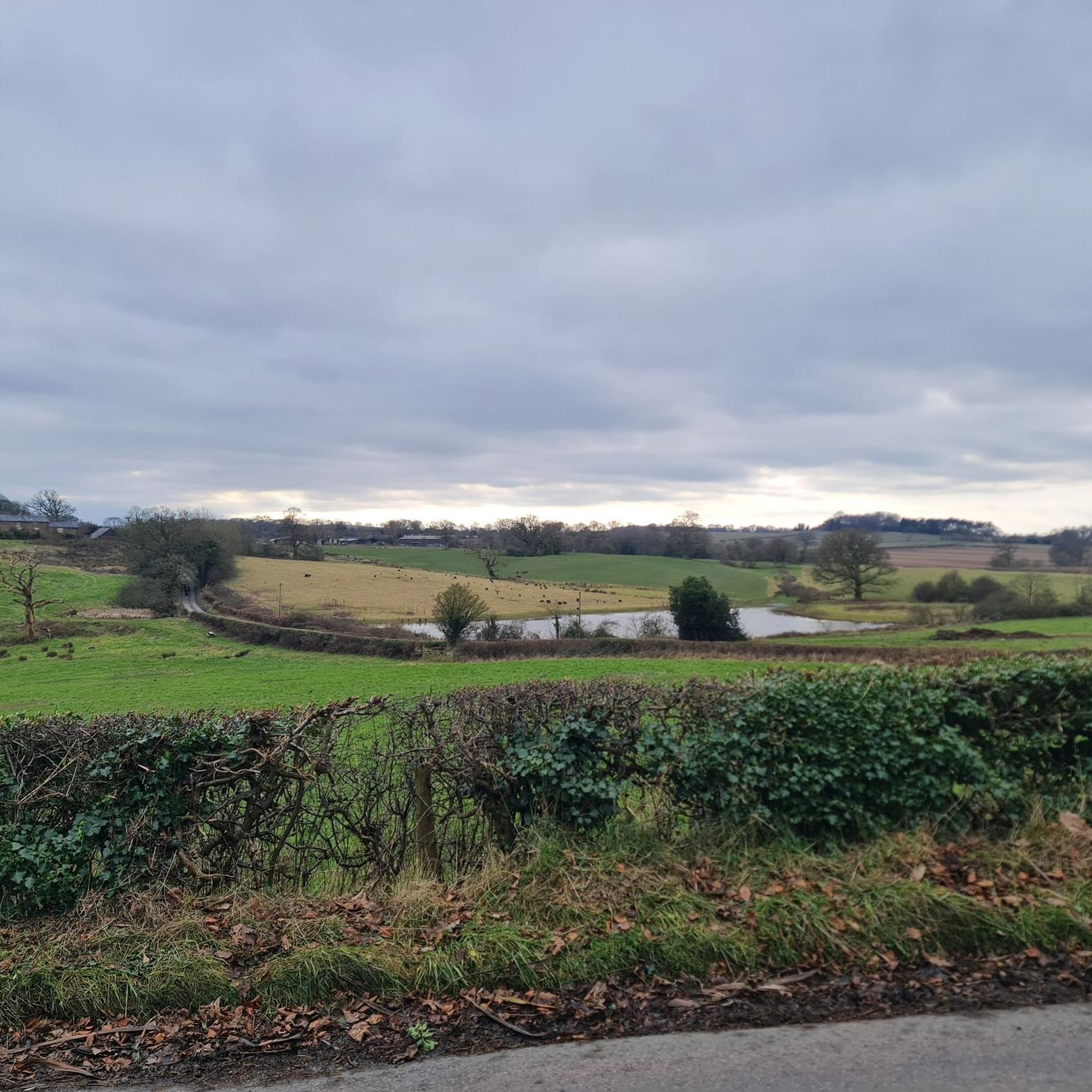
City hikes around Sint-Niklaas

City hikes around Oudenaarde
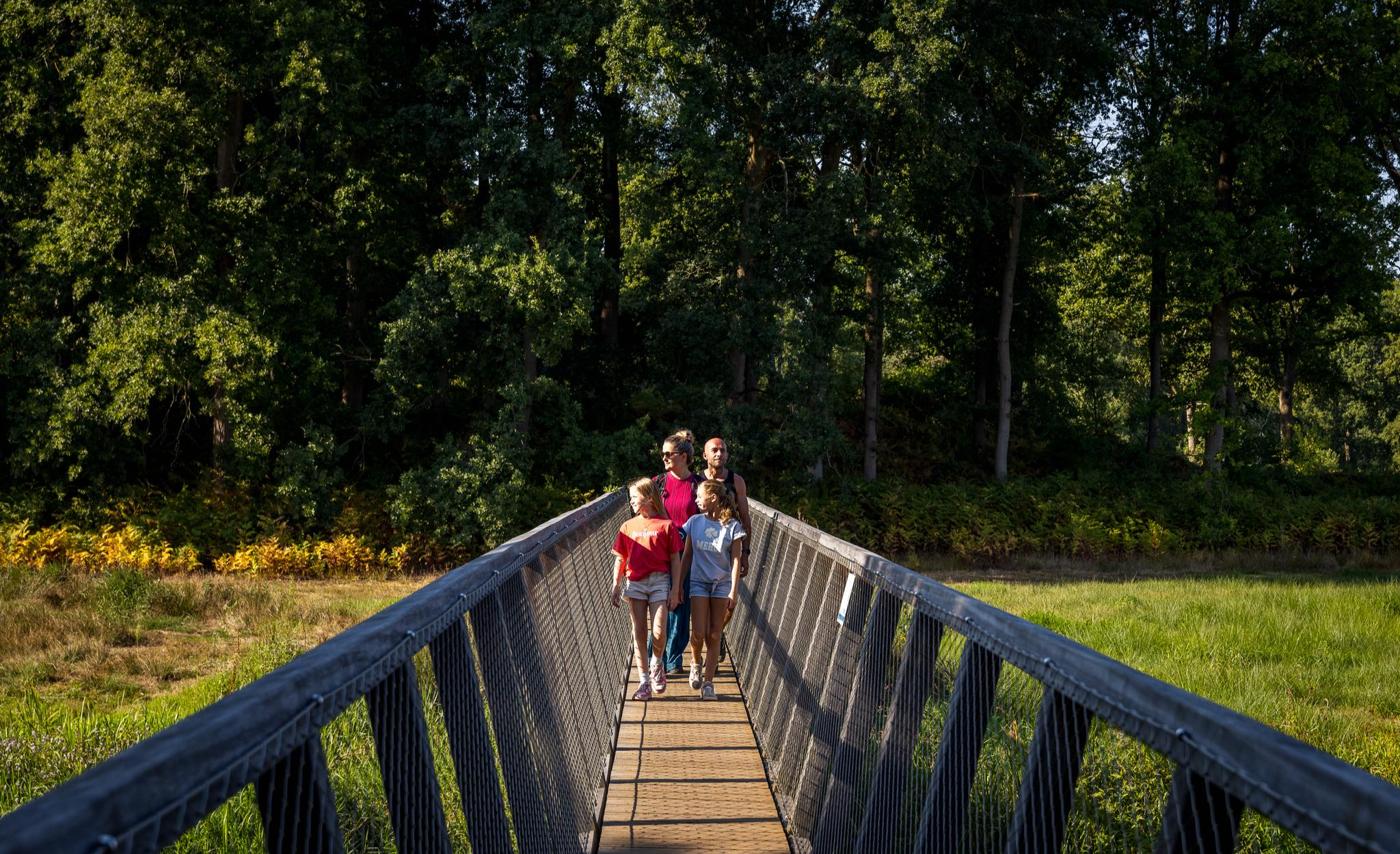
Flanders’ Finest Hiking Routes
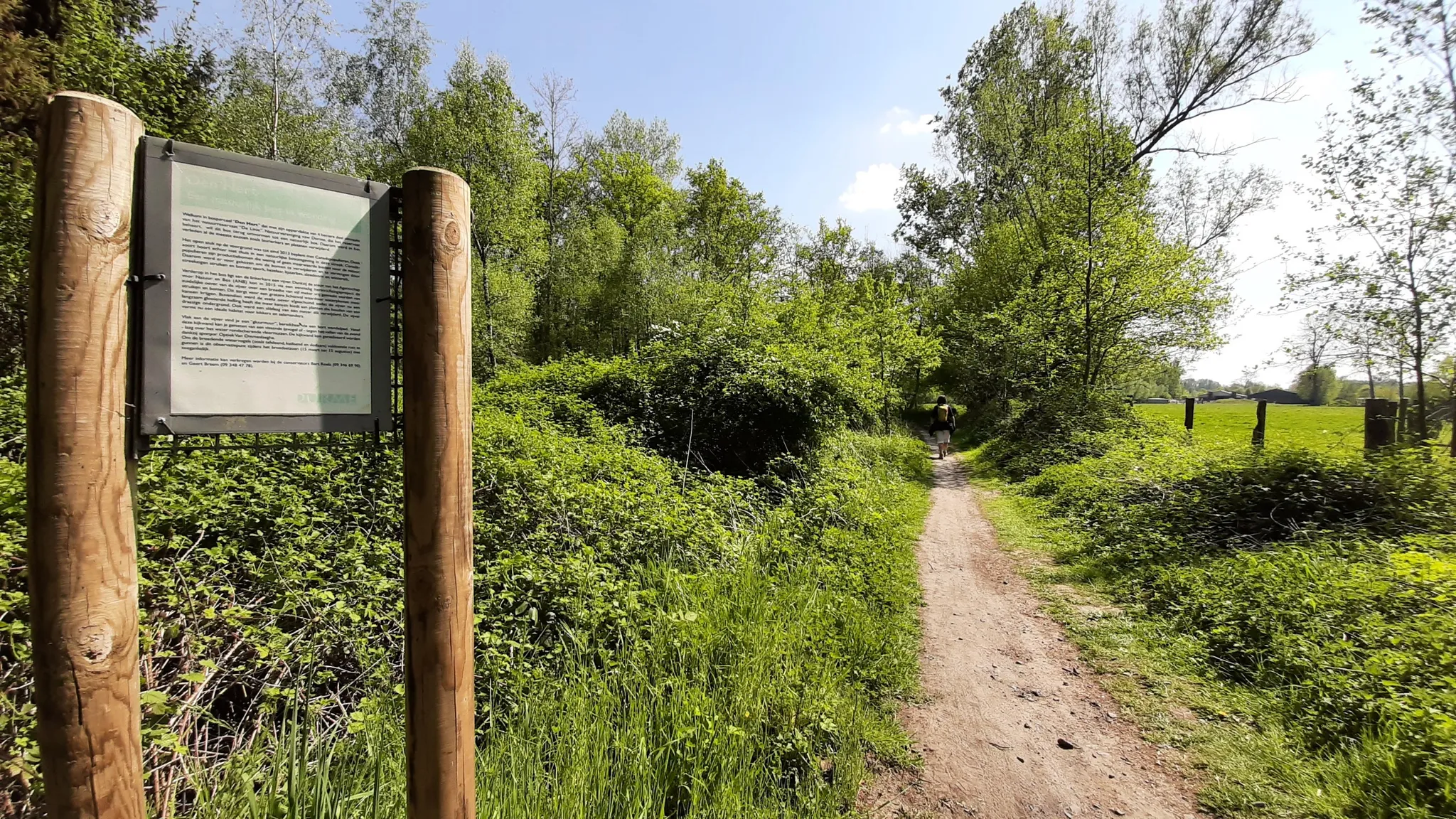
In the footsteps of den vos Reynaerde – Streek-GR Waas- en Reynaertland
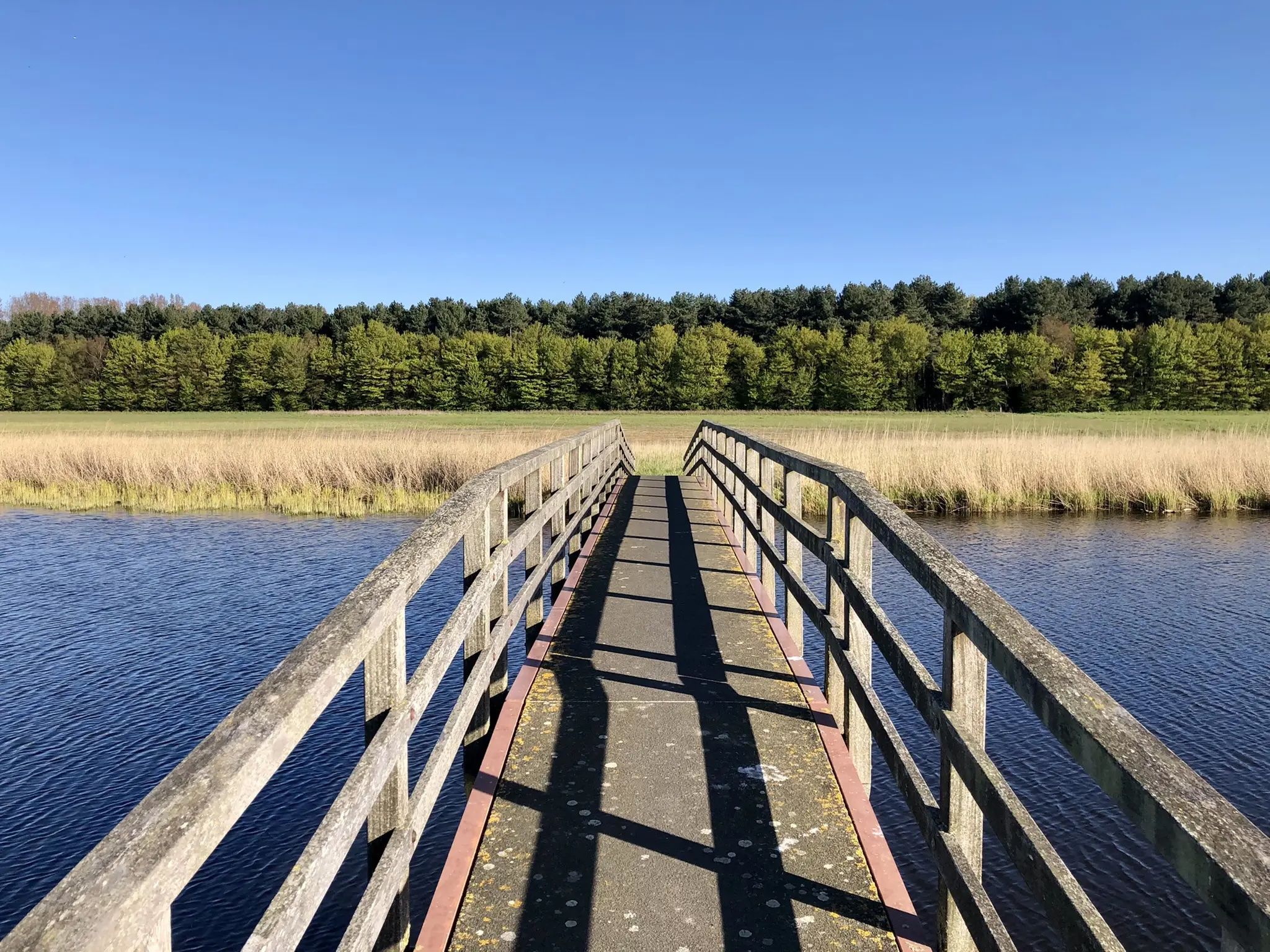
By West, East and Zeeuws-Vlaanderen — GR Uilenspiegel
From station to station through nature – station hoppers in East Flanders
Other adventures in East Flanders


Tips from the Community

A hidden spectacle in Ghent's water When you walk or cycle along the atmospheric Portus Ganda marina, you pass the historic Sint-Joris lock. This lock regulates the water level between the Leie and the Schelde rivers and is a lovely spot to rest on a bench and watch boats. Did you know? Although almost the entire Ghent port operates digitally and computer-controlled nowadays, the Sint-Joris lock is one of the few places where you can still see a real, authentic lock keeper at work! The same lock keeper cycles back and forth every day between this lock and the nearby Scaldis lock to open the gates manually. If you time your walk well (around 10:00 AM, 2:00 PM, or 4:00 PM), you'll see how pleasure boats are 'maneuvered' through Ghent by hand!
1
0

A Romanesque warehouse, also called "Spijker", served as a storage place for grain transported along the Leiehaven until 1734. Presumably initially owned by the Ghent patrician family Utenhove; since the end of the 13th century, it belonged to the Holy Spirit table of St. Nicholas' Church, which rented it out to grain merchants. From the 16th century onwards, it housed offices of the staple lords, who supervised the collection of the Ghent staple duty; from 1750 as a meeting place for the Pijnders or grain unloaders. The ground floor in the 19th century deteriorated into slum dwellings; burned down in 1896, but the facade was preserved. Restored in 1903 according to a design by architect August Van Assche. Currently, the municipal cleaning service continues to use it for storing containers. Slightly forward-leaning facade with seven bays and three storeys, as well as a gable roof (ridges perpendicular to the street, slate tiles), from the fourth quarter of the 12th century. A wide, stepped gable with six bays and an additional bay, topped with two battlements, built entirely of Tournai limestone. Source: https://inventaris.onroerenderfgoed.be/erfgoedobjecten/24758
3
0
The Korenstapelhuis or Spijker is a guild house in the Belgian city of Ghent on the Graslei. It is a building built in the Romanesque style from the late 12th century, making it one of the oldest examples of bourgeois Romanesque architecture in Belgium and the Netherlands. It is built of Tournai limestone. It served as a Spijker (grain storage) until 1734. After that, the building served as a meeting place for the Pijnders (grain unloaders). In the 19th century, the building fell into disrepair until it was restored in 1901–1902. Today it houses a hamburger restaurant. To the right of the Korenstapelhuis is the Mauthaus. The left side wall of the Tolhuisje is actually the outer wall of the Korenstapelhuis.
3
0
Between the Leie and Onderbergen lies the Pand, a former Dominican monastery. It is an impressive complex around a forecourt and the old cemetery. The former hospital (1201) came into the hands of the Dominicans, an order that preached in cities and won souls, hence their nickname 'Preachers'. However, the people of Ghent did not like being enslaved and were tired of the sermons. This monastery thus became one of the first victims of the iconoclasts. In the 16th century, Ghent's first theological university saw the light of day in this monastery. Later, in the 19th century, the building became a "tenement house": almost every square meter was rented out to students, artists, and Ghent tribes. The nickname 'Flea Palace' also dates from this period. Source: https://visit.gent.be/nl/zien-doen/pand
2
0
Fleischhaus aan de Leie, built from 1406–10 by city architect Gilles de Suttere The connection between the Groentenmarkt and the Pensenmarkt is dominated by the large Meat Hall. This medieval covered market hall was the only place where meat was allowed to be sold until the 19th century. Outside, in the small "panshuizen" (meat houses), the meat scraps were sold. Two of these "panshuizen" house the smallest pub and the smallest chip shop in Ghent. Source: https://visit.gent.be/de/staunen-erleben/groentenmarkt
2
0
On the Groentenmarkt, the ›Groot Vleeshuis‹ has stood since 1410 with its long row of gabled windows, emphasizing the enormous dimensions of the hall. Inside, the ornate roof timbers are impressive. Today, the culinary delights of East Flanders are offered here.
2
0
The Zuivelbrug is the elegant bridge over the Leie, which allows passage between two historically valuable districts. On the one hand, the Oudburg with the Patershol district, which belonged to the county property of the Grafenburg, and on the other hand, the Vrijdagmarkt. From the 13th century until 1476, this bridge was also known by the name Boudinsbrug, after a resident of the "Suvelsteghe". Initially, it was made of wood, then it was built of stone between 1363 and 1426. To allow the passage of seagoing vessels, a swing bridge was built between 1751 and 1754, which was renewed several times over time. On July 1, 1987, a completely renovated metal swing bridge was installed to replace the outdated bridge, which had been out of operation since 1968. Source: https://gentdekuip.com/zuivelbrug/
3
0
The Leie is a river that flows through France and Belgium. It originates in the municipality of Lisbourg, in the French department of Pas-de-Calais, generally flows in a northeasterly direction and, after a total of around 202 kilometers, flows into the Scheldt as a left tributary in the city area of Ghent, in the Belgian province of East Flanders. Of the total length of the Leie, around 109 kilometers flow through Belgian territory, and for a length of around 24 kilometers, the river now forms the border between Belgium and France.
3
0
Frequently Asked Questions
How many urban hiking trails are available in East Flanders?
East Flanders offers a wide selection of urban hiking trails, with over 645 routes available. Most of these, around 547, are considered easy, making them accessible for various fitness levels.
What kind of terrain can I expect on urban hikes in East Flanders?
Urban hikes in East Flanders often feature varied terrain, ranging from flat paths along waterways like the Oude Kalevallei and Upper Scheldt Canal Path to gently rolling landscapes around Munte and Baaigem. While generally not mountainous, some areas, particularly towards the Flemish Ardennes, can offer gentle slopes and even some short climbs, providing a more dynamic experience.
Are there family-friendly urban hiking options in East Flanders?
Yes, many urban routes in East Flanders are suitable for families. The region's generally easy terrain and numerous charming villages make for pleasant walks. Look for routes with shorter distances and minimal elevation gain for younger children. For example, the GR 128 Gent-Destelbergen Variant Trail is an easy option.
Can I bring my dog on urban hikes in East Flanders?
Many urban hiking trails in East Flanders are dog-friendly, though it's always best to check local regulations for specific areas, especially in nature reserves or protected sites. Keep your dog on a leash, especially in urban areas and near wildlife, and ensure you clean up after them. Routes that follow river paths or through less crowded areas are often good choices.
What interesting landmarks or attractions can I see along urban trails?
Urban hikes in East Flanders often pass by significant historical and cultural landmarks. You can explore impressive structures like Gravensteen Castle in Ghent or the majestic moated Ooidonk Castle. Many routes also wind through picturesque villages with traditional architecture and past natural features like the Kalkense Meersen.
Are there urban routes that are circular?
Yes, many urban hiking routes in East Flanders are designed as circular walks, allowing you to start and end at the same point without needing to retrace your steps. This is convenient for exploring city centers or specific neighborhoods. For instance, the Graffiti Alley – Ghent Town Hall loop is a circular route.
What is the best time of year for urban hiking in East Flanders?
Urban hiking in East Flanders is enjoyable year-round. Spring brings blooming flowers and mild temperatures, while autumn offers beautiful foliage. Summer is pleasant, though can be warmer, and winter provides a unique, often quieter, experience, especially in city centers. The relatively flat terrain means most paths remain accessible even in light snow or rain.
How can I access urban hiking trails using public transport?
East Flanders has a well-developed public transport network, making many urban trails easily accessible by bus or tram, especially in cities like Ghent. Check local transport schedules for specific starting points. Routes like the GR 128 Flanders Route: Ghent City Section are designed to be easily reached within the city.
Are there places to eat or drink along the urban hiking routes?
Absolutely. Urban hiking in East Flanders means you're often close to amenities. Many routes pass through charming villages and city centers where you'll find numerous cafes, pubs, and restaurants to refuel. These local establishments are a great way to experience the regional culture.
What do other hikers enjoy most about urban hiking in East Flanders?
The komoot community highly rates urban hiking in East Flanders, with an average score of 4.38 stars. Reviewers often praise the region's diverse landscapes, the blend of historical sites with natural beauty, and the well-maintained paths that make for enjoyable and accessible walks. The opportunity to discover quaint villages and local charm is also frequently highlighted.
What are some easy urban hikes for beginners?
For beginners, East Flanders offers many easy urban hikes. Routes with minimal elevation gain and shorter distances are ideal. The GR 128 Gent-Destelbergen Variant Trail is an excellent easy option, as is the Graslei and Korenlei, Ghent – St. Michael's Bridge loop, both offering pleasant walks through urban and semi-urban landscapes.
Most popular routes in East Flanders
Most popular attractions in East Flanders

Get inspired with the komoot mobile app


Didn’t find what you were looking for?
Check out more Hikes throughout East Flanders below and find the perfect route in your destination.
Explore more
Browse the best Hikes in other regions.
