The best city hikes and walks in Bouches-du-Rhône
4.5
(13455)
104,810
hikers
227
hikes
Urban hiking trails in Bouches-du-Rhône offer a diverse range of experiences, from coastal paths to historic city districts. The region is characterized by its Mediterranean coastline, limestone formations, and vibrant urban centers like Marseille. These routes often combine natural scenery with cultural landmarks, providing varied terrain for exploration. Hikers can expect paths that traverse cityscapes, waterfronts, and elevated viewpoints.
Best urban hiking trails in Bouches-du-Rhône
- The most popular urban hiking route is Fort Saint-Jean – Le Panier District loop from…
Last updated: July 25, 2026
4.6
(67)
608
hikers
Moderate hike. Good fitness required. Easily-accessible paths. Suitable for all skill levels.
4.6
(49)
358
hikers
14.0km
03:52
240m
240m
Moderate hike. Good fitness required. Easily-accessible paths. Suitable for all skill levels.

Sign up for free
4.7
(29)
349
hikers
8.39km
02:23
150m
150m
Moderate hike. Good fitness required. Easily-accessible paths. Suitable for all skill levels.
4.6
(25)
306
hikers
7.30km
01:58
90m
90m
Easy hike. Great for any fitness level. Easily-accessible paths. Suitable for all skill levels.
4.5
(40)
264
hikers
9.20km
02:25
60m
60m
Moderate hike. Good fitness required. Easily-accessible paths. Suitable for all skill levels.
Get access to more routes and recommendations from other explorers.
Sign up for free
Already have an account?
Our route recommendations are based on thousands of hikes, rides, and runs completed by other people on komoot.
Start today with a free account
Your next adventure awaits.
Login or Signup
Popular around Bouches-du-Rhône

City hikes around Bassin De Réaltor
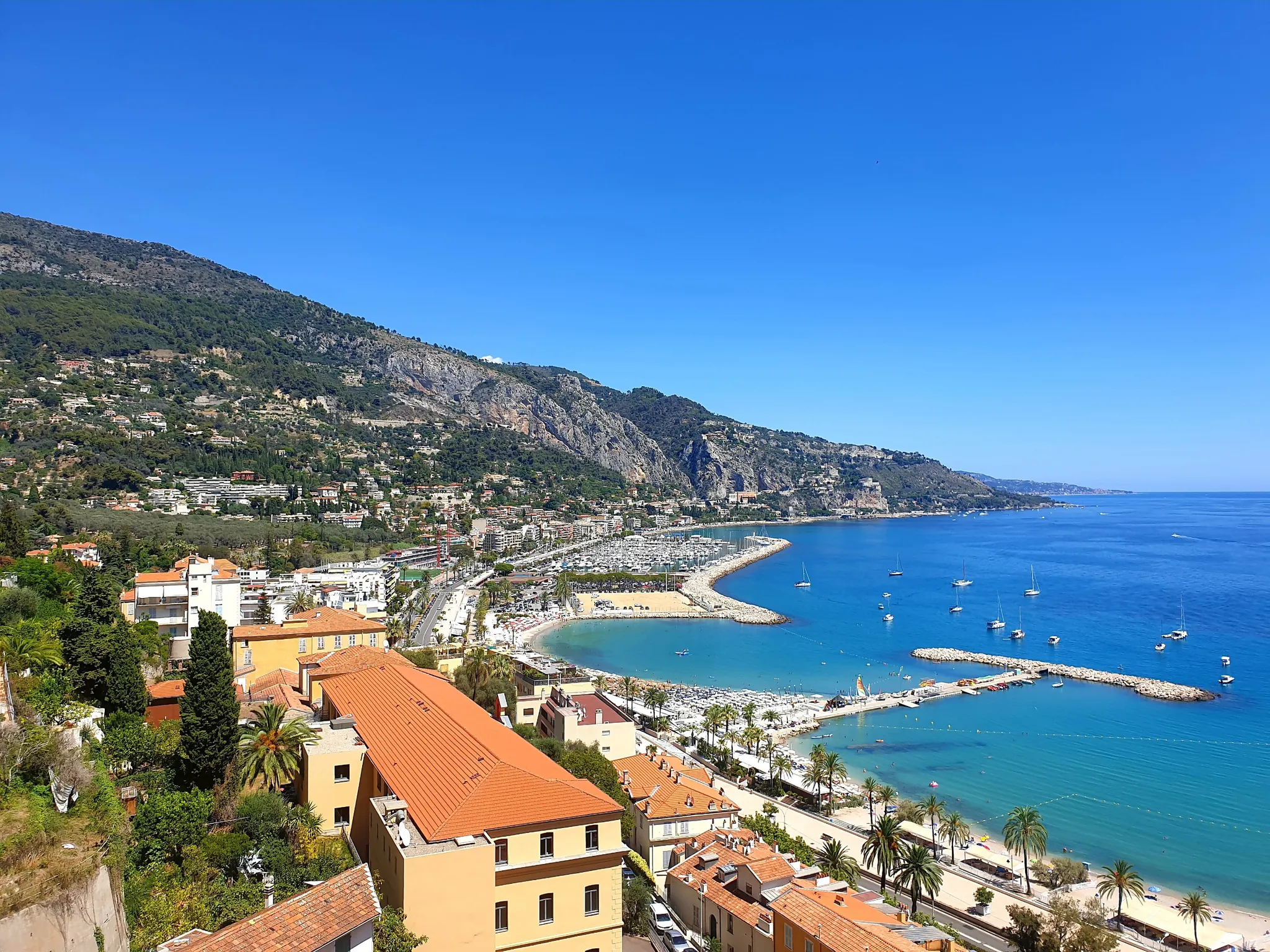
Between sea and mountains – other balcony of the Mediterranean

Graffiti & Street Art Trails through Europe’s Coolest Cities
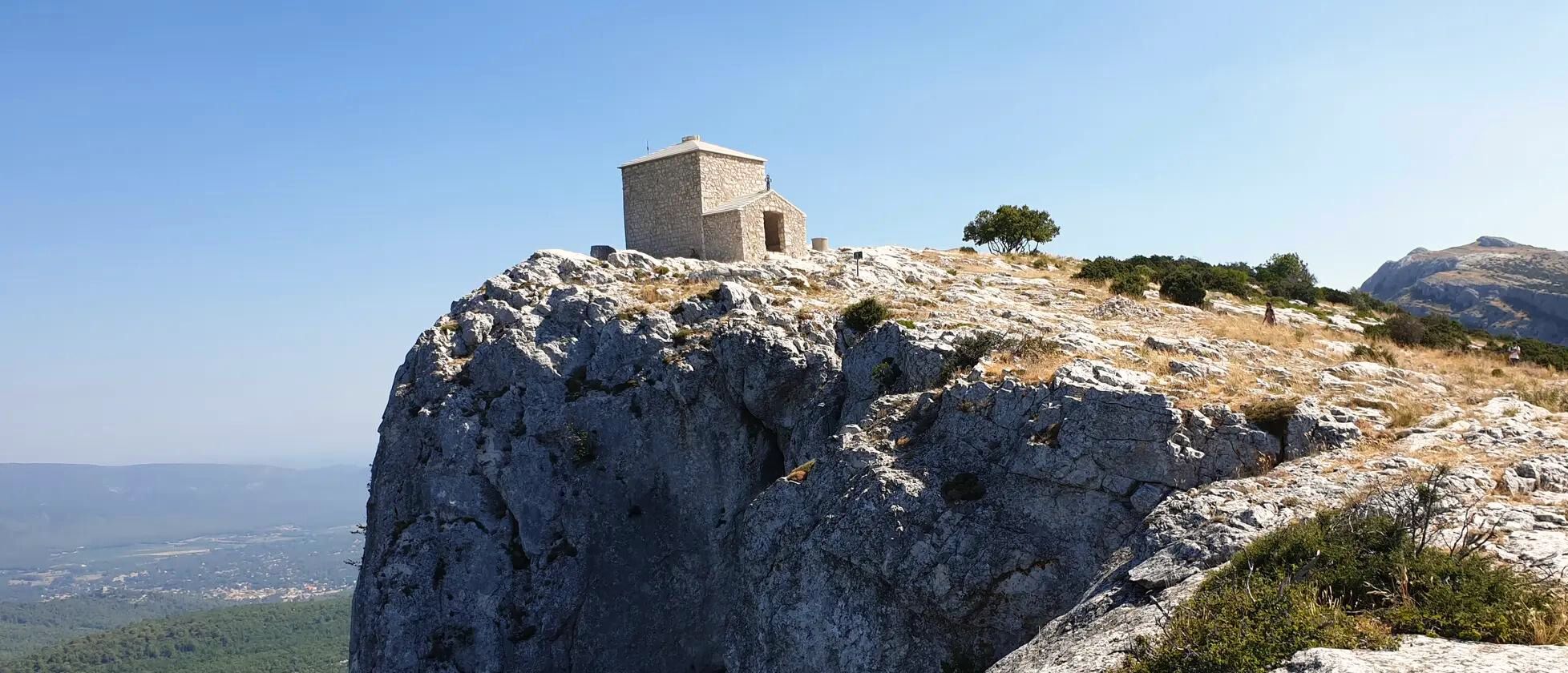
La Madrague to the Sainte-Baume – GR 98
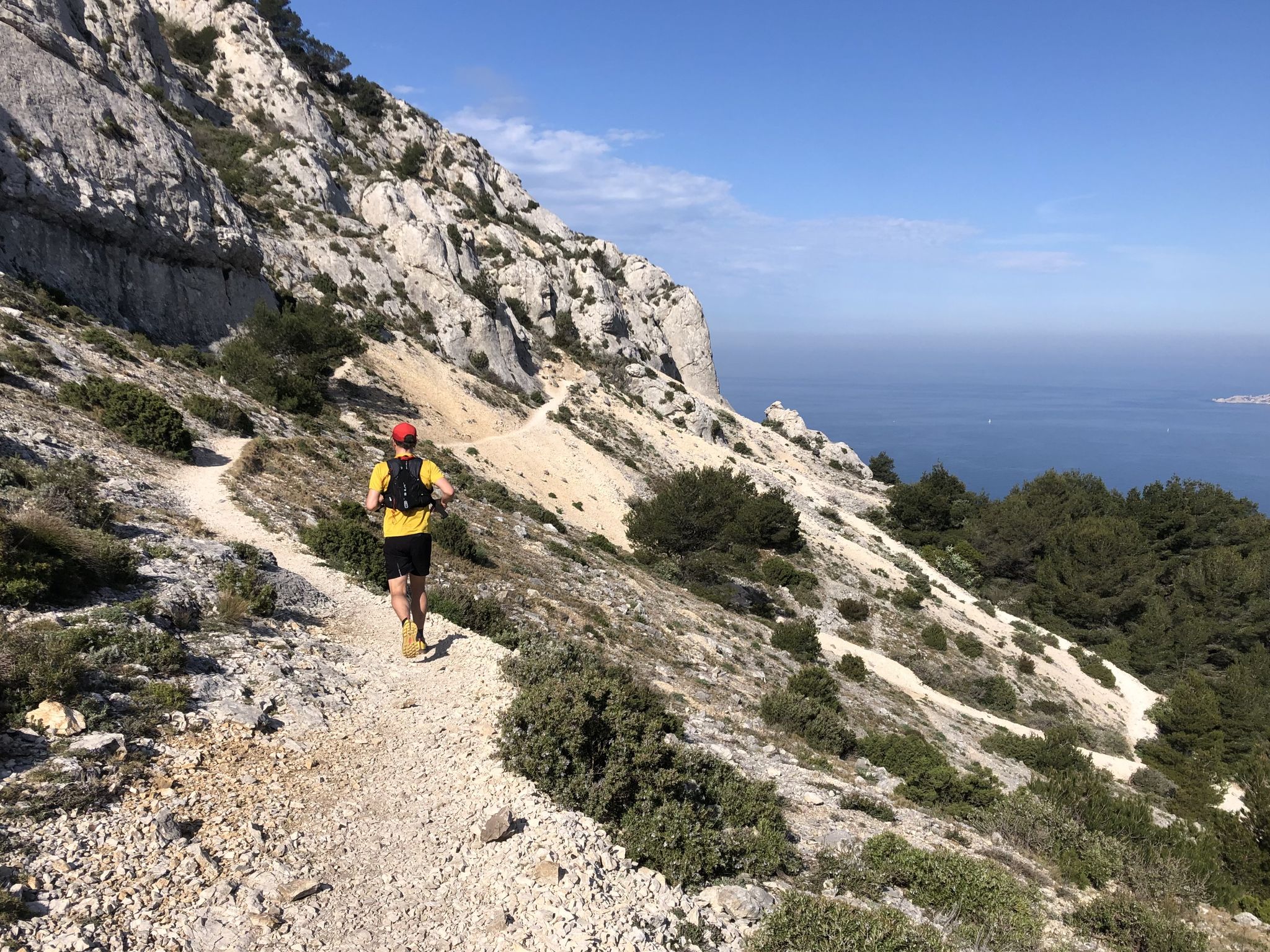
Cliffs, creeks and ridges – 10 sporty hikes in France’s Calanques
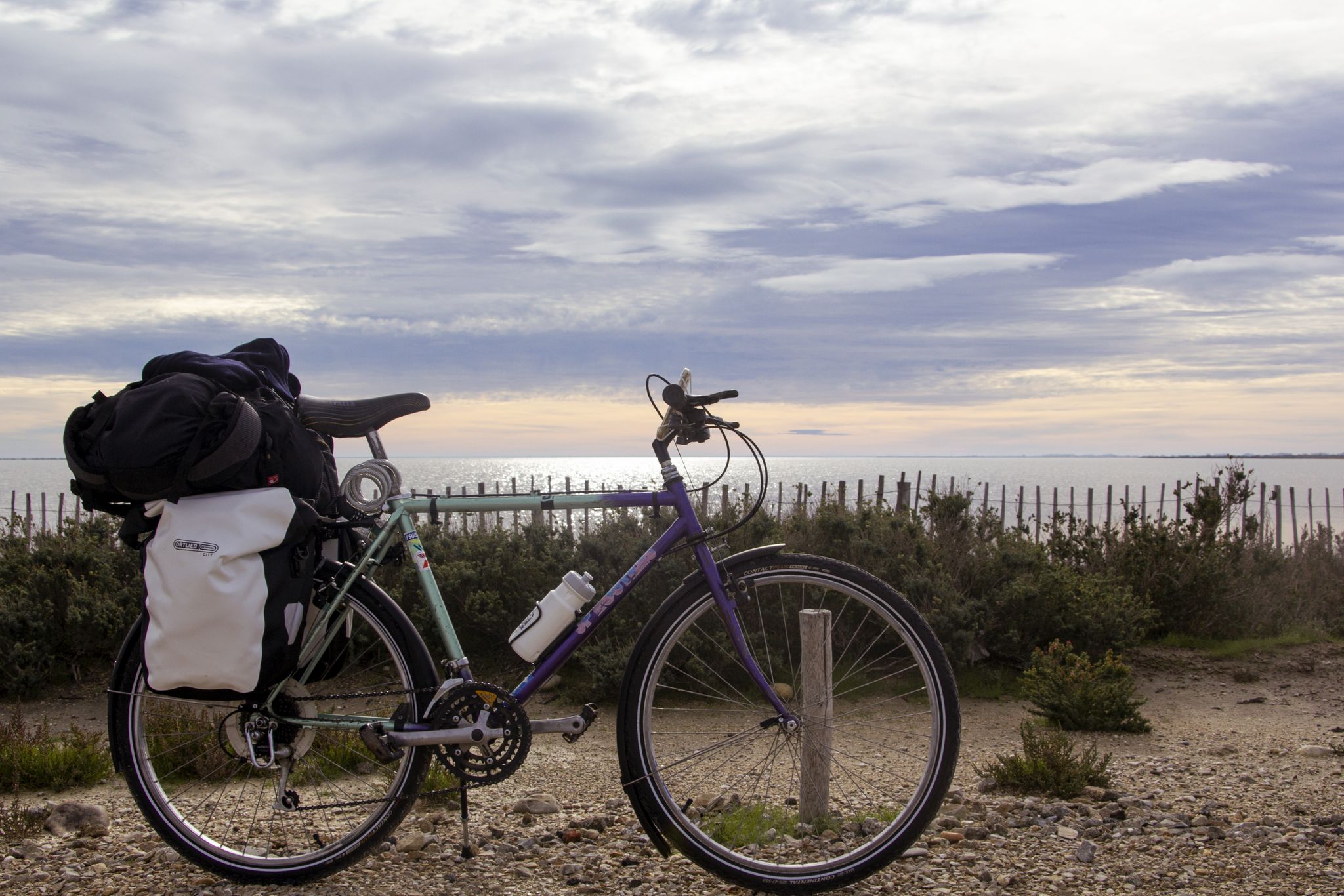
From Marseille to Montpellier — France's south coast by bike
Other adventures in Bouches-du-Rhône


Tips from the Community

The port of Marseille is one of the largest and most important seaports in Europe. It plays a central role in trade, industry, and ferry traffic in the Mediterranean and connects France with many international ports.
0
0

You don't have to look far to see urban art throughout the streets above the Vieux Port.
0
0


Very lively atmosphere with nice places to eat and have coffee, highly recommended
2
0

Fort Saint-Jean was built on a site previously occupied by the military branch of the Order of St. John, from which the new building takes its name. At the same time, Fort Saint-Nicolas was being built on the opposite side of the harbor. Louis XIV said of its construction: "We noticed that the people of Marseille are very fond of beautiful fortresses. We wanted to have one of our own at the entrance to this great harbor." In fact, the two new fortresses were built more in response to a local revolt against the governor than for the defense of the city. Their cannons faced inward toward the city, not outward toward the sea. Two earlier buildings were incorporated into the fort's structure: the 12th-century Commandery of the Knights of St. John of Jerusalem, which served as a monastic hospital during the Crusades, and the 15th-century Tower of René I, Count of Provence.
0
1
Fort Saint-Jean is a fort in Marseille, built in 1660 under Louis XIV at the entrance to the Old Port. Since 2013, it has been connected by two footbridges to the historic Le Panier district and the Museum of European and Mediterranean Civilizations.
0
1
The Bustling Heart of Marseille For 2,600 years, the historic port has been the bustling heart of the city. The Vieux-Port still stands where the ancient Greek market once stood. Today, it is one of Marseille's most popular neighborhoods.
1
0
Around 620 to 600 BC, Greeks founded a permanently inhabited settlement (Apoikie) at this port thanks to a land donation from the Ligurian princes and called it Massalia (ancient Greek Мασσαλία, Latin Massilia), today's Marseille.
1
0
Frequently Asked Questions
How many urban hiking trails are available in Bouches-du-Rhône?
Bouches-du-Rhône offers a wide selection of urban hiking trails, with over 220 routes available. These range from easy strolls to more challenging walks, ensuring options for various fitness levels.
What do other hikers enjoy most about urban hiking in Bouches-du-Rhône?
The urban hiking trails in Bouches-du-Rhône are highly rated by the komoot community, with an average score of 4.6 out of 5 stars from over 6,200 ratings. Hikers frequently praise the diverse scenery, from historic city centers to coastal paths, and the opportunity to discover hidden gems within urban landscapes.
Are there any easy urban hikes suitable for beginners or families?
Yes, there are many easy urban hikes. Over 160 of the available routes are classified as easy, making them perfect for beginners or families. These trails often feature gentle terrain and shorter distances, allowing for a relaxed exploration of the urban environment.
Are there urban hikes that offer scenic viewpoints or natural features?
Absolutely. Many urban hikes in Bouches-du-Rhône provide stunning viewpoints and access to natural features. For example, the coastal paths near Carry-le-Rouet offer beautiful sea views, while routes around Marseille can provide glimpses of the Marseille Bay. You can also find trails that lead to urban parks like Borély Park.
Can I find urban hikes that are circular routes?
Yes, many urban hikes in Bouches-du-Rhône are designed as circular routes, allowing you to start and end at the same point. An example is the Le Panier – Le Panier District loop from Joliette, which takes you through the historic Le Panier district of Marseille.
What kind of landmarks or attractions can I see on urban hikes?
Urban hikes in Bouches-du-Rhône often pass by significant landmarks and attractions. In Marseille, you can explore historic areas like the Le Panier District. Coastal routes, such as the View of Marseille – Chemin de Lézard Coastal View loop from Carry-le-Rouet, offer views of the Mediterranean and access to charming seaside towns.
Are there urban hikes accessible by public transport?
Many urban hikes, especially those within larger cities like Marseille, are well-served by public transport. Routes starting from central locations, such as the Fort Saint-Jean – Le Panier District loop from Marseille-Saint-Charles, are often easily reachable by train or bus, reducing the need for a car.
What is the best time of year for urban hiking in Bouches-du-Rhône?
Spring and autumn are generally the most pleasant seasons for urban hiking in Bouches-du-Rhône. The weather is mild, and the natural scenery is vibrant. Summer can be hot, especially in the middle of the day, so early mornings or late afternoons are preferable. Winter offers cooler temperatures and fewer crowds, though some coastal paths might be exposed to winds.
Are there any urban hikes that lead to beaches or coves?
Yes, several urban hikes in Bouches-du-Rhône offer access to beautiful beaches and coves. For instance, the View of Marseille – Fernandel Beach loop from Sausset-Les-Pins takes you along the coast, providing opportunities to enjoy the Mediterranean. While not strictly urban, some routes might connect to areas near the famous Calanques, such as Sormiou Beach or Ensuès-la-Redonne Cove.
Are urban hikes in Bouches-du-Rhône suitable for dogs?
Many urban trails in Bouches-du-Rhône are dog-friendly, especially those in parks or along coastal paths where dogs on a leash are generally welcome. However, it's always advisable to check local regulations for specific areas, particularly in nature reserves or protected urban green spaces, as rules can vary.
What is the typical difficulty level of urban hikes in this region?
The majority of urban hikes in Bouches-du-Rhône are classified as easy or moderate. Out of over 220 routes, 162 are easy and 54 are moderate. This means most trails are accessible and enjoyable for a wide range of hikers, with only a small number of more challenging options available for those seeking a greater workout.
Most popular routes in Bouches-du-Rhône
Most popular attractions in Bouches-du-Rhône

Get inspired with the komoot mobile app


Didn’t find what you were looking for?
Check out more Hikes throughout Bouches-du-Rhône below and find the perfect route in your destination.
Explore more
Browse the best Hikes in other regions.
