The best traffic-free bike rides around Barßel
4.6
(210)
2,818
riders
14
rides
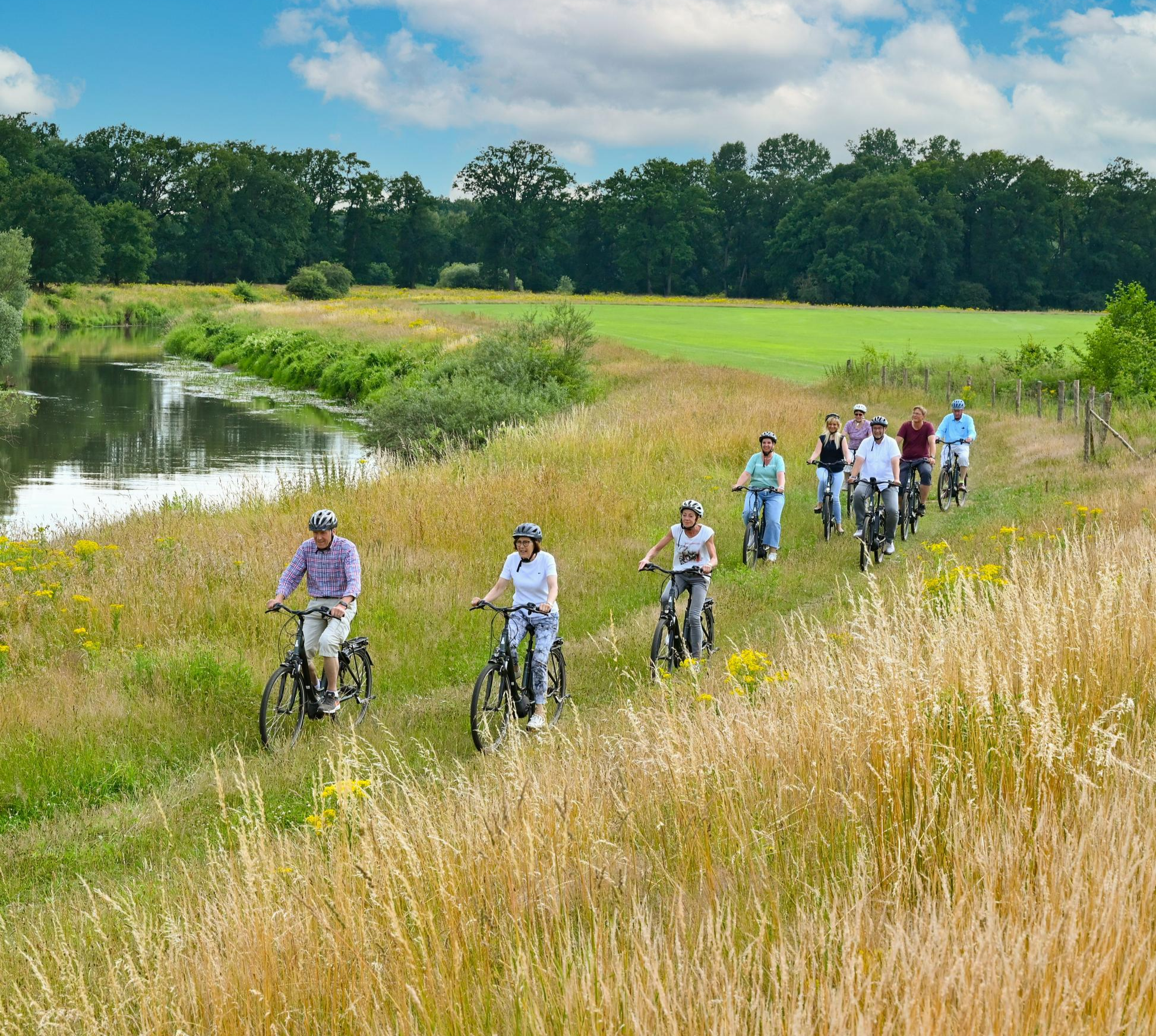
No traffic road cycling routes around Barßel are characterized by predominantly flat terrain, making the region highly accessible for various fitness levels. The landscape features extensive green meadows, significant moorlands, and a network of rivers and canals, including the Soeste river and Fehnkanal. This topography ensures a focus on relaxed journeys without challenging climbs, offering scenic views throughout.
Best no traffic road cycling routes around Barßel
- The most popular no traffic road cycling route is Dreyschloot Bridge – Jümme-Pünte Ferry…
Last updated: July 24, 2026
6
riders
46.0km
01:58
40m
40m
Moderate road ride. Great for any fitness level. Some segments of this route may be unpaved and difficult to ride.
5
riders
Easy road ride. Great for any fitness level. Mostly well-paved surfaces and easy to ride.

Sign up for free
4
riders
Easy road ride. Great for any fitness level. Mostly well-paved surfaces and easy to ride.
4.0
(1)
4
riders
40.5km
02:00
10m
10m
Moderate road ride. Good fitness required. Some segments of this route may be unpaved and difficult to ride.
5
riders
21.3km
00:49
10m
10m
Easy road ride. Great for any fitness level. Mostly well-paved surfaces and easy to ride.
Get access to more routes and recommendations from other explorers.
Sign up for free
Already have an account?
Our route recommendations are based on thousands of hikes, rides, and runs completed by other people on komoot.
Start today with a free account
Your next adventure awaits.
Login or Signup
Popular around Barßel

Other adventures around Barßel


Tips from the Community

A visit that is really worthwhile. There is a lot to discover here. Countless birds stop here
0
0

Amdörper Side Opening hours: Saturdays 11 am-3 pm Sundays 11 am-5 pm Enjoy regional specialties between the dike and the landscape
0
0
The approximately 75-hectare nature reserve "Aper Tief" lies south of the river of the same name between Apen and Augustfehn in the Ammerland district. Through a spectacular dike relocation in 2005, a unique, tide-dependent floodplain landscape with the only freshwater mudflat in the northwest was created here.
0
0
The approximately 75-hectare nature reserve „Aper Tief“ is located south of the river of the same name between Apen and Augustfehn in the Ammerland district. Through a spectacular dike relocation in 2005, a unique, tide-dependent floodplain landscape with the only freshwater mudflat in the northwest was created here.
0
0

A picnic area is a specially equipped outdoor location that invites you to linger, rest, and eat, and offers a free opportunity for a break.
1
0
A modern HD live webcam is installed on the tower's gallery. The camera pans over the entire harbor area at a height of around 14 meters. The live stream can be accessed via portals such as wetter.com or directly via the municipality of Barßel. In the field of view are:
3
0
I think you should take a little time here and enjoy the nature 😌
2
0

Great place to linger and take a break. Preferably with coffee and cake. Also a meeting point for Cycle Cafe.
1
0
Frequently Asked Questions
How many no-traffic road cycling routes are available around Barßel?
Barßel offers a wide selection of traffic-free road cycling routes. You can explore over 125 routes in the area, ranging from easy to moderate difficulty, ensuring a suitable option for every cyclist.
What is the terrain like for road cycling in Barßel?
The Barßel region, nestled in the Oldenburger Münsterland, is predominantly flat. This makes for relaxed and accessible road cycling, focusing on enjoyable journeys rather than challenging climbs. The routes often run along quiet, paved roads through green meadows, fields, and unique moorlands.
When is the best time of year to go no-traffic road cycling in Barßel?
The flat terrain of Barßel makes it enjoyable for cycling throughout much of the year. Spring and summer offer lush green landscapes and pleasant temperatures, ideal for exploring the region's natural beauty. Autumn also provides beautiful scenery with changing foliage.
What do other cyclists enjoy the most about no-traffic road cycling in Barßel?
The area is highly rated by the komoot community, with an average score of 4.3 stars. Reviewers often praise the peaceful, car-free paths, the scenic views of moorlands and waterways, and the overall relaxed cycling experience that Barßel offers.
Are there any easy no-traffic road cycling routes suitable for beginners or families?
Yes, Barßel has plenty of easy, traffic-free routes perfect for beginners and families. For example, the Neuburg Scenic Route loop from Potshausen is an easy 19 km ride with minimal elevation, allowing for a relaxed and enjoyable experience through the scenic landscape.
Can I find circular no-traffic road cycling routes in Barßel?
Absolutely. Many of the no-traffic road cycling routes in Barßel are circular, allowing you to start and end at the same point. The Dreyschloot Bridge – Jümme-Pünte Ferry loop from Detern is a great example, offering a moderate 48 km circular tour through the picturesque surroundings.
What natural features or landscapes can I expect to see on these no-traffic routes?
The routes in Barßel showcase diverse natural features. You'll cycle through extensive green meadows and fields, unique moorlands like those around the Esterweger Dose, and along the Soeste river and various canals. The Aper Tief nature reserve, with its rare freshwater mudflats and rich birdlife, is another highlight you might encounter.
Are there any interesting landmarks or attractions along the no-traffic road cycling routes in Barßel?
Yes, several attractions are accessible from the cycling routes. You can visit the Barßel Marina with its miniature lighthouse, or the historic Hengstforder Mill. The Torsholter Kirchweg also offers an idyllic path through fields and forests.
Are there places to park my car near the no-traffic road cycling routes in Barßel?
Yes, Barßel is well-equipped for cyclists arriving by car. Many routes, especially those starting from the town center or popular recreational areas, offer designated parking facilities. It's advisable to check the starting point of your chosen route for specific parking information.
How can I reach the no-traffic cycling routes in Barßel using public transport?
Barßel is connected by local bus services, which can help you reach various starting points for cycling routes. While direct public transport access to every single traffic-free path might vary, the main town and larger villages serve as good hubs for connecting to the extensive cycling network.
Are there cafes or places to stop for refreshments along these routes?
Yes, the Barßel region is known for its hospitality. Many villages and towns along the cycling routes offer cafes, restaurants, and traditional pubs where you can stop for a break and refreshments. The Drakamp Godensholt Rest Area is an example of a dedicated spot for cyclists to take a break.
Can I bring my dog on these no-traffic road cycling routes?
While many of the traffic-free paths are suitable for cycling with a dog on a leash, it's always important to be mindful of local regulations and other path users. Ensure your dog is comfortable with cycling speeds and that you carry water for them, especially on longer routes through open landscapes.
Most popular attractions around Barßel

Get inspired with the komoot mobile app


Explore more
Browse the best Road cycling routes in other regions.
