The best city hikes and walks around Kevelaer
4.6
(891)
3,655
hikers
27
hikes
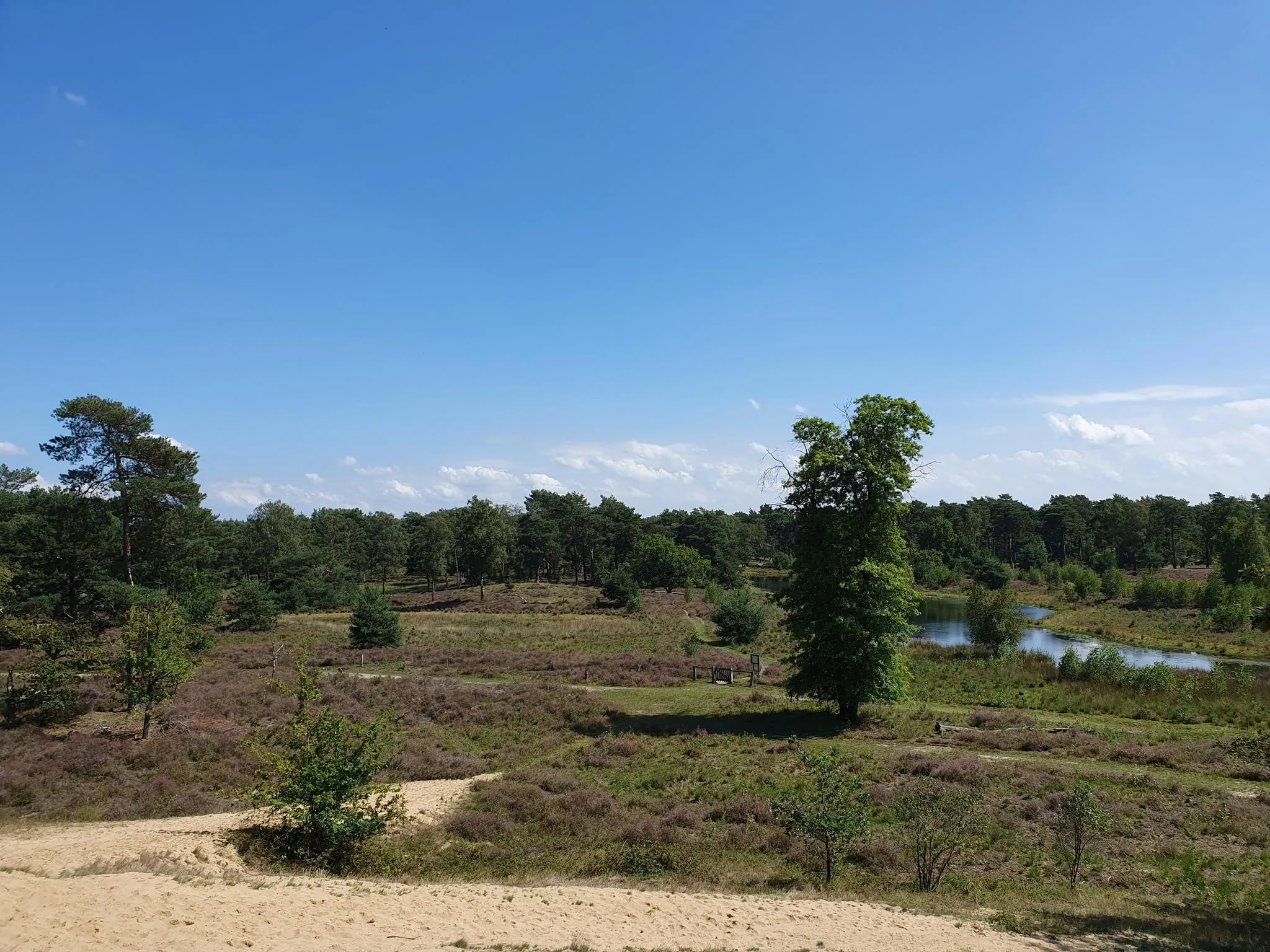
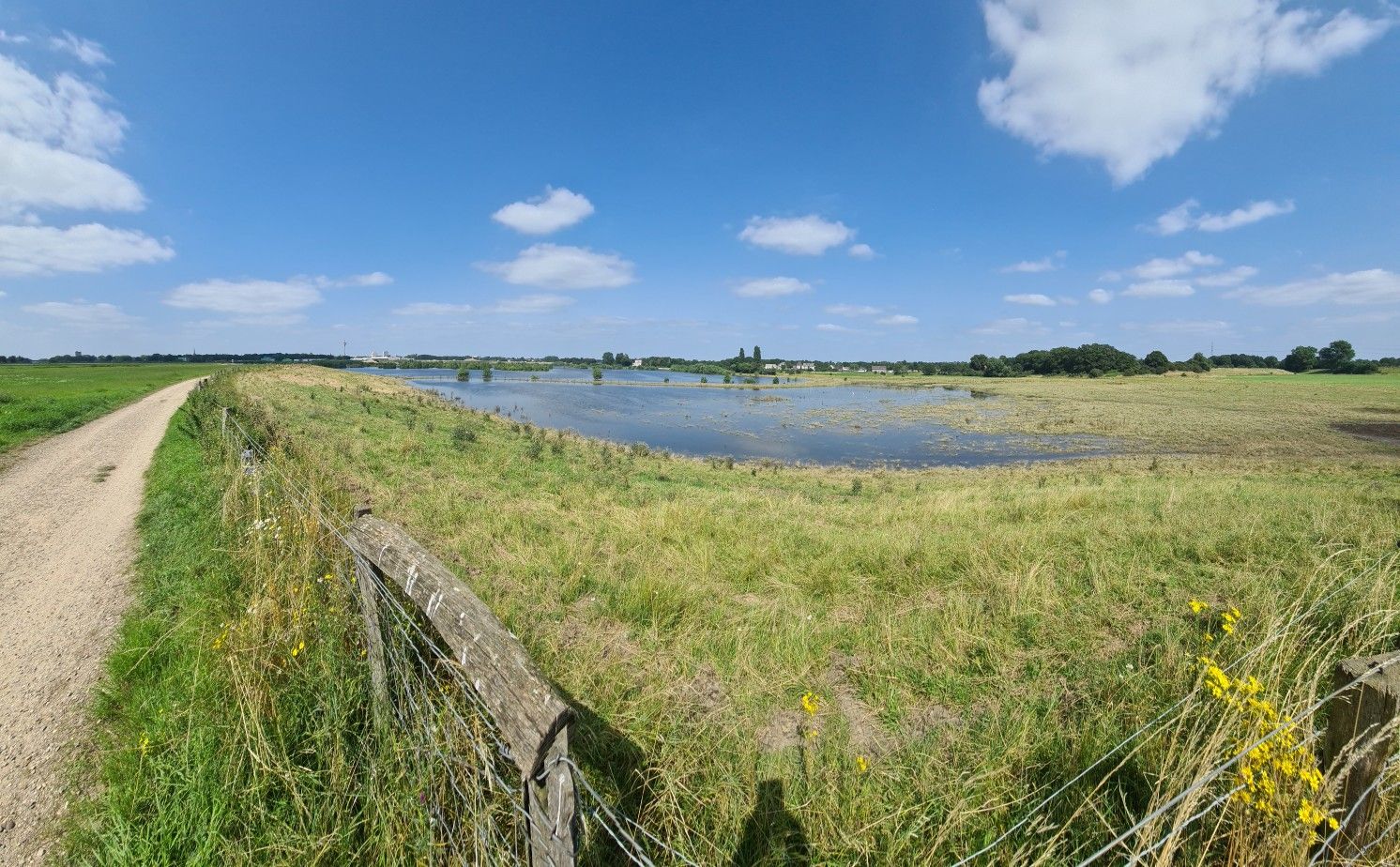
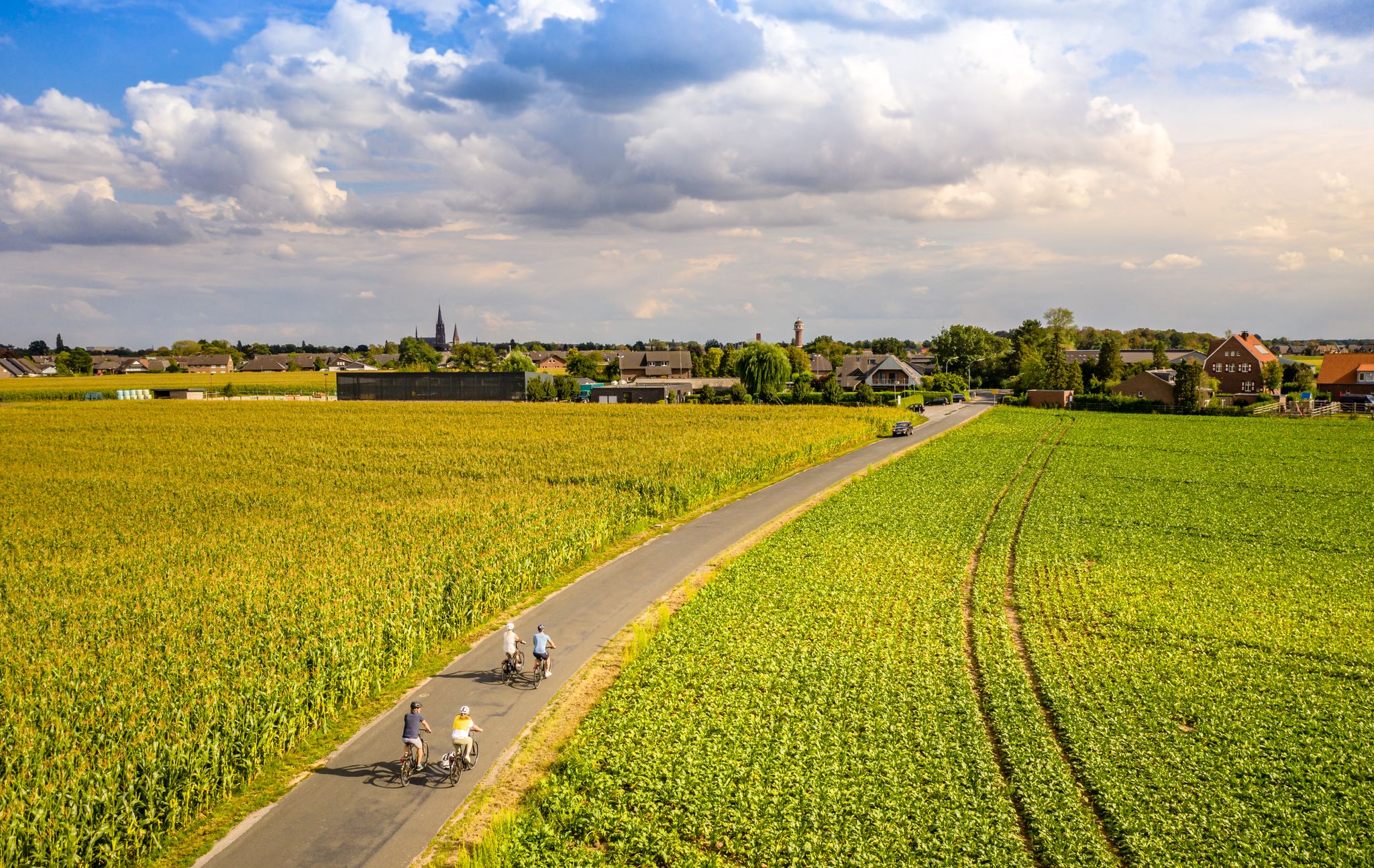
Urban hiking trails around Kevelaer are characterized by the flat terrain of the Lower Rhine region, offering accessible paths through meadows, fields, and along the Niers River. The landscape features open expanses and green areas, providing a tranquil setting for walks. Routes often incorporate urban elements such as the Solegarten and various chapels, blending natural and cultural points of interest.
Best urban hiking trails around Kevelaer
- The most popular urban hiking route is St. Antonius Church Kevelaer – Chapel of…
Last updated: September 30, 2026
4.7
(17)
67
hikers
Easy hike. Great for any fitness level. Easily-accessible paths. Suitable for all skill levels.
5.0
(10)
45
hikers
3.64km
00:55
10m
10m
Easy hike. Great for any fitness level. Easily-accessible paths. Suitable for all skill levels.

5.0
(3)
17
hikers
Easy hike. Great for any fitness level. Easily-accessible paths. Suitable for all skill levels.
22
hikers
Easy hike. Great for any fitness level. Easily-accessible paths. Suitable for all skill levels.
5.0
(1)
12
hikers
Easy hike. Great for any fitness level. Easily-accessible paths. Suitable for all skill levels.
Get access to more routes and recommendations from other explorers.
Already have an account?
Our route recommendations are based on thousands of hikes, rides, and runs completed by other people on komoot.
Start today with a free account
Your next adventure awaits.


Tips from the Community

A beautiful quiet place.
0
0
Beautiful fountain in the town center.
0
0
The St. Mary's Basilica is a Marian pilgrimage church in Kevelaer, where the major services of the Kevelaer pilgrimage are celebrated.
0
0
The parish church of St. Antonius is a Roman Catholic church in Kevelaer. It is under the patronage of Anthony the Great. Until September 6, 2014, it was the parish church of a parish of the same name; since September 7, 2014, it has been the parish church of the newly founded parish community of St. Antonius Abt Kevelaer with the filial churches of St. Antonius Abt Kervenheim, St. Quirinus Twisteden, St. Petrus Wetten, and St. Urbanus Winnekendonk. The church is listed as a cultural monument A 153 in the monument list of the pilgrimage town of Kevelaer.
1
0
In April 1994, the almost 2-meter-high statue „Der Pilger“, created by the Düsseldorf-based artist Bert Gerresheim, was placed on the main street at the entrance to the pilgrimage center and solemnly inaugurated. That was 30 years ago and is reason enough for the city to give the artwork special significance again and to arrange its own guided tour.
0
0
The pilgrimage town of Kevelaer..., worth seeing and steeped in history.
0
0

"Chapel of the Blessed Sacrament... Built in 1860 as a confession chapel for Dutch pilgrims | Rededicated in 1953 as the Brother Konrad Chapel | Blessed Sacrament Chapel since 1975..." https://blattus.de/archiv/kaz/texte/s_kaz/sakramentskapelle.html
0
0
... The parish of Kevelaer was founded in 1472 by separating from the parish of Weeze. The small, eastward-facing Gothic village church, built around 1450, remained unchanged until the 19th century. The reconstructed remains of this structure are integrated into the present-day modern church interior and are used as a chapel. A larger, magnificently designed Neo-Gothic church with the approximate floor plan of the current main building was erected only after the construction of the Marienbasilika and was consecrated in 1904. The church was largely destroyed in World War II and rebuilt in 1952. In order to meet the requirements of the 2nd Vatican Council, an extensive redesign, especially of the chancel, took place in 1972 (on the occasion of the 500th anniversary of the parish's founding). On January 13, 1982, the church burned down to its foundations; only the outer walls of the chapel, the baptismal font, the sacristy, the chancel, and the tower remained. The modern new building on the historic floor plan was designed by Dieter Georg Baumewerd. Renowned artists such as Theo Heiermann, Bert Gerresheim, and Joachim Klos created the furnishings. On January 17, 1987, the rebuilt church was consecrated by Bishop Reinhard Lettmann. In addition to its normal use as a parish church, St. Antonius is often chosen as a place for final devotions by pilgrim groups from outside the area due to its favorable location at the end of the park-like open-air Stations of the Cross...
1
0
Frequently Asked Questions
How many urban hiking trails are available in Kevelaer?
Kevelaer offers a good selection of urban hiking trails, with over 25 routes available. These trails are generally easy, making them accessible for most walkers.
What is the best time of year for urban hiking in Kevelaer?
The Lower Rhine region around Kevelaer is pleasant for urban hiking throughout much of the year. Spring and autumn offer mild temperatures and beautiful scenery, while summer provides longer daylight hours. Even in winter, the low elevation and well-maintained paths make for enjoyable walks, especially when combined with a visit to local cafes.
Are the urban hiking trails in Kevelaer suitable for beginners or families with children?
Yes, the urban hiking trails in Kevelaer are predominantly easy, with minimal elevation changes, making them ideal for beginners and families. The region research also highlights 'playground routes' in Kevelaer Mitte, South, and Wetten, which combine nature with recreational stops for children.
What do other hikers say about the urban trails in Kevelaer?
The urban hiking experience in Kevelaer is highly rated by the komoot community, with an average score of 4.57 stars. Hikers often praise the tranquil settings, the ease of the routes, and the ability to combine nature walks with cultural sights within the town.
Are there any circular urban walks in Kevelaer?
Yes, Kevelaer features several well-defined circular paths that are perfect for urban exploration. For example, the St. Antonius Church Kevelaer – Chapel of Grace loop offers a pleasant 5.5 km circuit, and the Chapel of the Blessed Sacrament – Inhalatorium in the Solegarten loop is a shorter 4.3 km option.
Can I bring my dog on urban hikes in Kevelaer?
Many urban trails in Kevelaer are dog-friendly, allowing you to enjoy a walk with your canine companion. It's always a good idea to keep dogs on a leash, especially in more populated areas or near sensitive natural environments, and to carry waste bags.
What interesting places can I see along the urban hiking trails in Kevelaer?
Urban hikes in Kevelaer often lead you past significant local attractions. You can explore the Graduation tower in the St. Jakob Brine Garden, a unique health-oriented feature, or discover the town's pilgrimage sites. The Arche Noah Fountain – Hauptstraße Kevelaer loop is one route that takes you through the town center, offering a blend of urban sights.
Are there any unique natural features to discover on urban hikes near Kevelaer?
While focusing on urban trails, you're still close to Kevelaer's natural beauty. The Niers River shapes the local landscape with meadows and fields. The Solegarten St. Jakob offers a brine garden and Kneipp facilities, providing a unique natural experience within an urban setting. The region also features a popular tree walk, showcasing 40 different tree species.
How can I reach the urban hiking areas in Kevelaer using public transport?
Kevelaer is well-connected by public transport, making it easy to access urban hiking trails. The town's central location means many routes start directly from the town center, which is reachable by train and bus services. Check local transport schedules for the most convenient connections to your chosen starting point.
Where can I park when going for an urban hike in Kevelaer?
Kevelaer offers various parking options within and around the town center, making it convenient for urban hikers. Look for designated parking areas near major attractions or public spaces. Many urban routes, such as the Hauptstraße Kevelaer – Chapel of the Blessed Sacrament loop, start from easily accessible points within the town where parking is generally available.
Are there cafes or pubs near the urban hiking trails in Kevelaer?
Absolutely! Kevelaer, as a vibrant town, has numerous cafes, restaurants, and pubs, many of which are conveniently located along or very close to the urban hiking trails. You can easily combine your walk with a refreshing break or a meal, especially when exploring routes that pass through the town center.
Most popular routes around Kevelaer
Most popular attractions around Kevelaer

Get inspired with the komoot mobile app


Explore more
Browse the best Hikes in other regions.
